What is ERP? A Beginner's Guide to Enterprise Resource Planning
Read More →

×
Discover how ERP software for retail businesses streamlines inventory, sales, finance, supply chain, purchasing, and customer management. Explore key features, benefits, and how to choose the right retail ERP system for your business.
Businesses using ZYNO Books cut accounting time by 70% and stay 100% ZATCA-compliant — automatically.

Quick Answer: ERP software for retail businesses connects inventory, purchasing, sales, finance, suppliers, warehouses, and reporting in one system. While a POS system mainly manages checkout transactions, a retail ERP system provides a broader view of business operations across stores, warehouses, online channels, and departments. For retailers managing multiple locations, growing product catalogs, or omnichannel sales, ERP can improve inventory visibility, reduce manual work, and support better decisions. The right solution depends on the number of stores, sales channels, inventory complexity, integrations, and future growth plans.
Retail businesses are becoming increasingly complex. A retailer may sell products through physical stores, websites, marketplaces, social commerce, and other channels while managing inventory across multiple locations. When these operations are managed through separate systems, businesses can struggle with inaccurate stock data, delayed reporting, duplicate data entry, and disconnected financial information.
This is where ERP for multi-store retail can help. A retail ERP connects key business functions so retailers can manage operations from a centralized platform.
A POS system is essential for processing transactions, but retail operations extend far beyond the checkout counter.
A growing retailer may also need to manage:
A standalone POS may handle some of these functions, but an ERP system is designed to connect them across the entire organization.
For example, when a product is sold in one store, a connected ERP system can help update inventory records, reflect the transaction in financial reporting, and provide management with updated sales information.
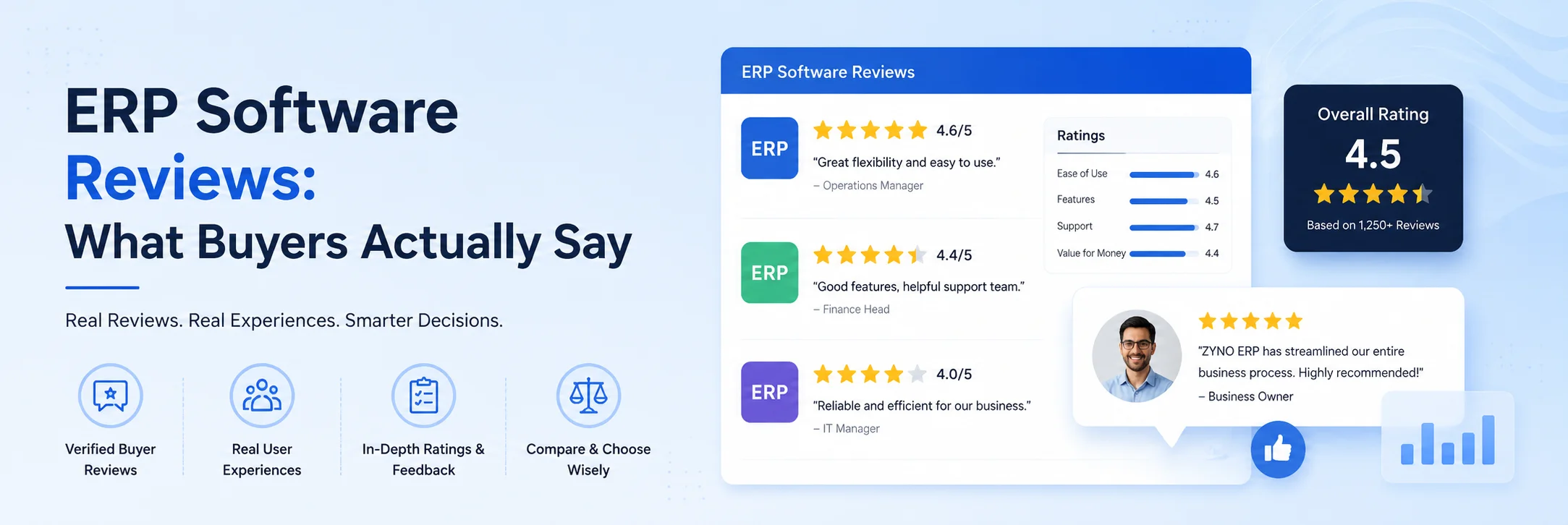
Before selecting a platform, businesses should also compare real customer experiences through detailed ERP software reviews to understand usability, implementation challenges, customer support, and overall value.
Inventory management is one of the biggest challenges for growing retailers.
When businesses operate multiple stores or warehouses, they need to know:
Retail inventory ERP software can centralize inventory information across stores, warehouses, and other sales channels.
This allows retailers to make more informed decisions about purchasing, replenishment, and stock allocation.
For example, if one store has excess inventory while another location is experiencing high demand, the business can identify the difference and evaluate whether a stock transfer is appropriate.
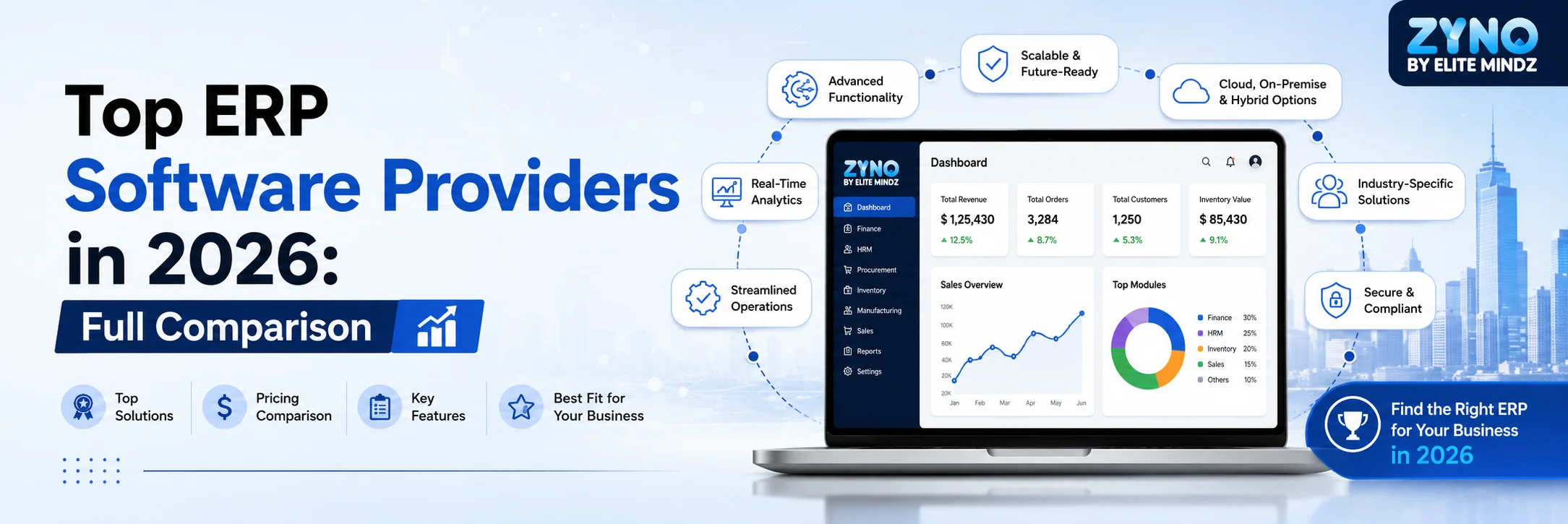
Once you understand the core features required for retail operations, comparing the top ERP software providers can help you evaluate their capabilities, pricing models, deployment options, and industry suitability.
Modern consumers may interact with a retailer through several channels before completing a purchase.
They may:
An omnichannel retail ERP can help connect information from different sales channels.
This creates a more consistent view of:
Without centralized systems, retailers may struggle to maintain accurate inventory information across multiple channels.
Retail businesses need more than revenue data.
Management may also want to understand:
A connected ERP platform can bring operational and financial data together to support more detailed reporting.
This helps business leaders move beyond basic sales totals and make decisions based on broader business performance.
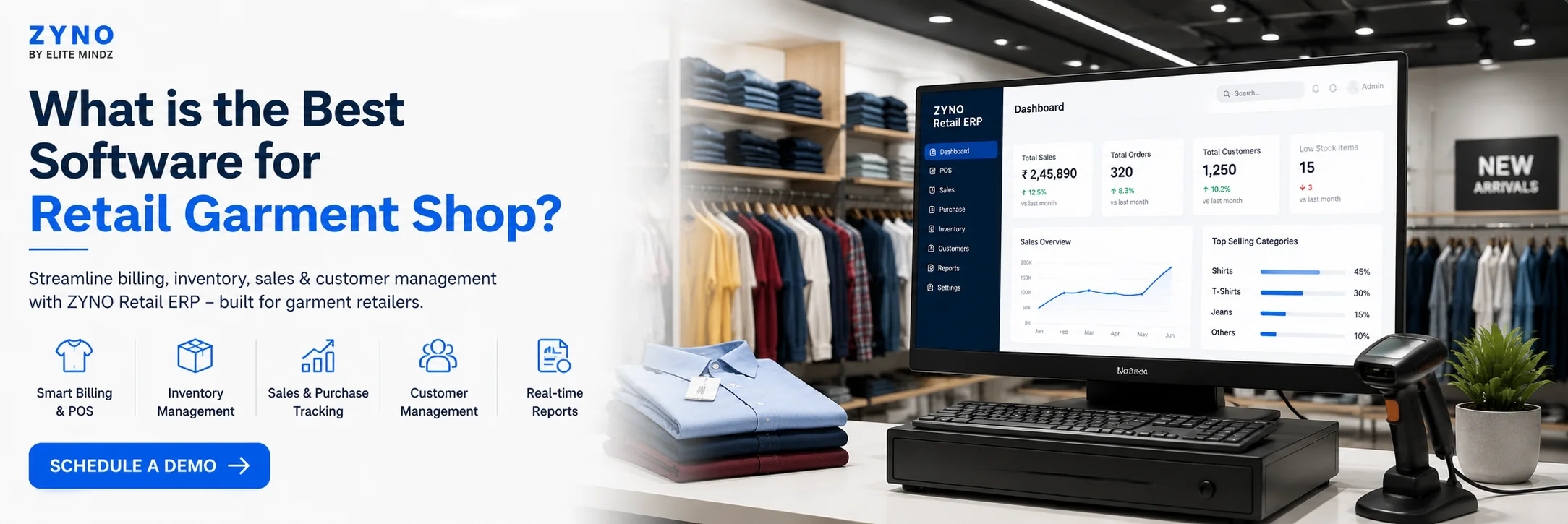
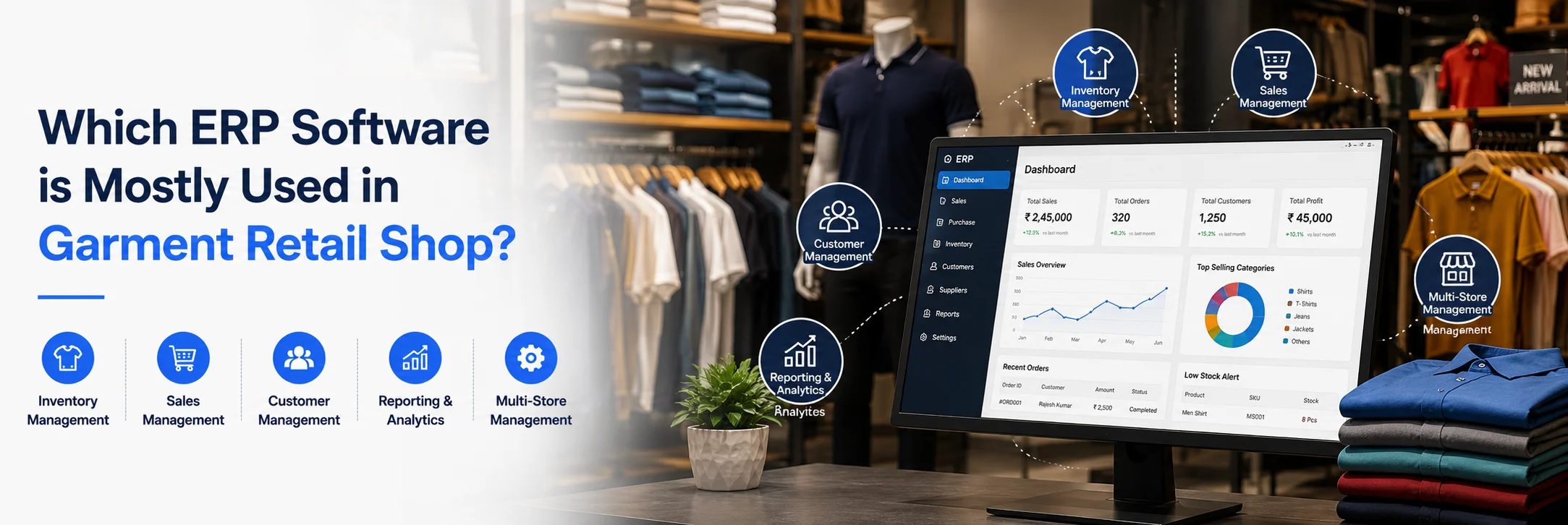
For fashion and apparel retailers, specialized systems may offer better support for size and color variants, seasonal inventory, barcode management, and store-level sales tracking. Explore this guide to find the best ERP software for garment retail shops.
The right retail ERP system should support both current operations and future growth.
A retail ERP should provide a centralized view of inventory across:
Important capabilities may include:
The more locations and products a retailer manages, the more important centralized inventory visibility becomes.

Retailers depend on reliable suppliers and efficient purchasing processes.
ERP software can help businesses manage:
Connecting procurement with inventory data can help retailers make better purchasing decisions.
Retailers often manage thousands of products, variants, sizes, colors, brands, and categories.
A centralized ERP system can help organize:
This can reduce inconsistencies across different sales channels.
Retail ERP software can help businesses connect sales information from multiple channels.
Depending on the system, retailers may manage:
This creates a more unified view of retail operations.
Retail sales and inventory are directly connected to financial performance.
An ERP system can help connect:
This reduces the need to manually transfer information between disconnected systems.
Retail managers need access to timely business information.
Useful reports may include:
Real-time or regularly updated reporting can help retailers identify trends faster.
Large retail operations may also need to manage employees across multiple locations.
Depending on the ERP ecosystem, businesses may connect:
This is particularly useful for retailers with large teams distributed across different stores.
Retailers looking for a more focused solution can also compare the best retail garment shop software based on inventory management, billing, POS integration, customer management, and multi-store capabilities.
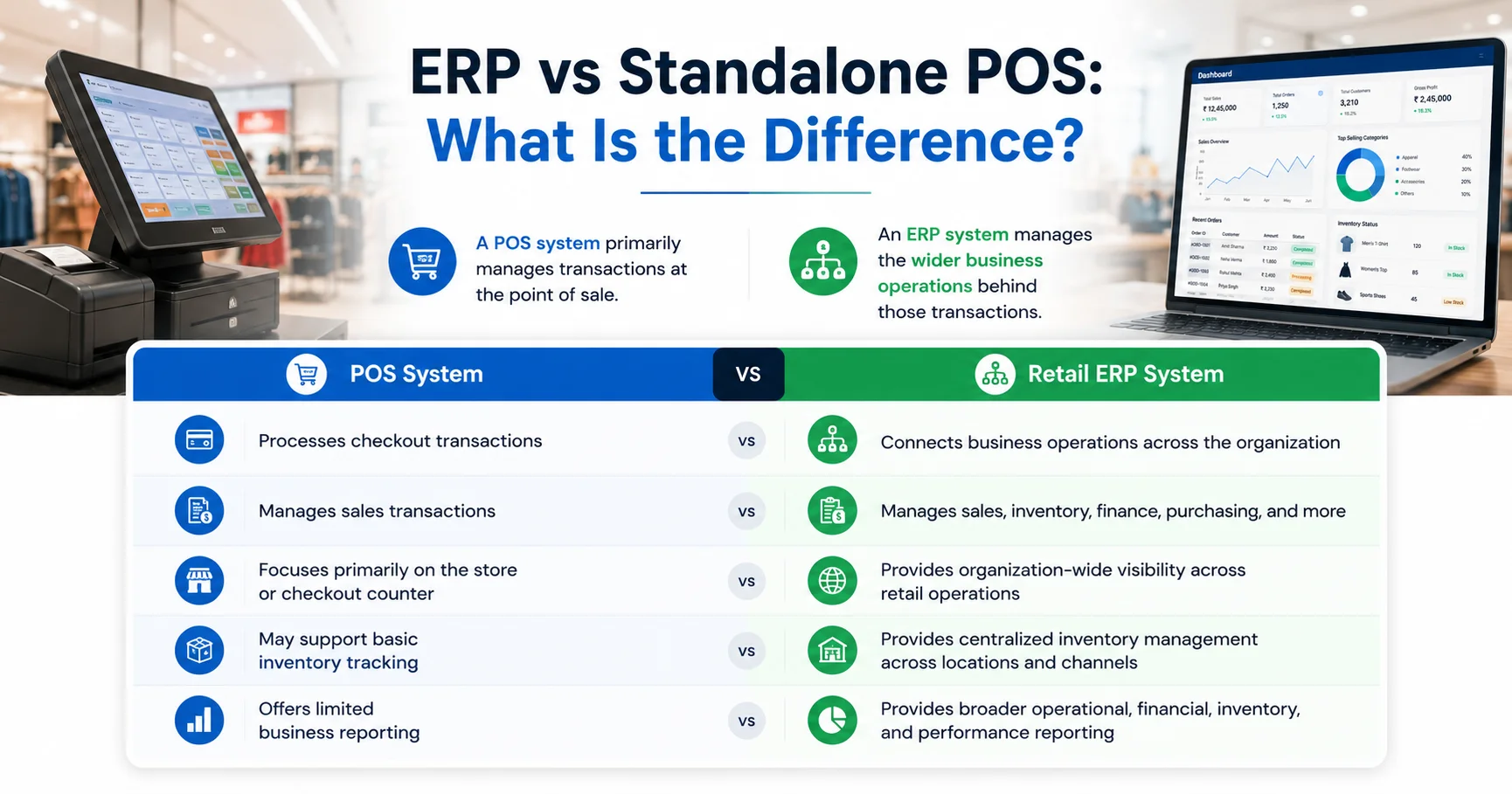
The key difference is scope.
A POS system primarily manages transactions at the point of sale.
An ERP system manages the wider business operations behind those transactions.
| POS System | Retail ERP System |
|---|---|
| Processes checkout transactions | ✔ Connects business operations across the organization |
| Manages sales transactions | ✔ Manages sales, inventory, finance, purchasing, and more |
| Focuses primarily on the store or checkout counter | ✔ Provides organization-wide visibility across retail operations |
| May support basic inventory tracking | ✔ Provides centralized inventory management across locations and channels |
| Offers limited business reporting | ✔ Provides broader operational, financial, inventory, and performance reporting |
A POS system is often sufficient for a small, single-location retailer with simple operations.
However, ERP for multi-store retail becomes increasingly valuable when a business manages multiple stores, warehouses, online channels, complex purchasing, or growing inventory operations.
Retailers do not necessarily need to choose between ERP and POS. In many cases, the POS system can be integrated with the ERP platform so that transaction data flows into broader business operations.

ZYNO ERP by Elite Mindz supports businesses that need connected business management capabilities across different operational functions.
For retail businesses, an ERP platform can help connect areas such as:
A connected system can help retail organizations reduce data silos and improve visibility across different parts of the business.
For growing retailers, the most important consideration is scalability. A business may start with a single location and later expand to multiple stores, warehouses, or online sales channels.
The right ERP solution should be capable of supporting this growth without requiring the business to replace its entire technology environment every time operations expand.
Businesses looking for a broader overview of technology solutions for retail can also explore the retail industry solutions available for different operational requirements.
Different retail businesses have different operational requirements. A solution suitable for a fashion retailer may not be the right fit for a franchise chain or a multi-location grocery business.
Garment retailers often need to manage products based on:
They may also need to manage stock across multiple outlets and monitor fast-moving and slow-moving products.
Businesses looking specifically for apparel and garment retail solutions can explore this guide on ERP software for garment retail shops.
Retailers comparing ERP and POS capabilities can also review ERP software for retail and POS integration.
Franchise and multi-outlet retailers typically require centralized visibility while allowing individual locations to operate efficiently.
Important requirements may include:
A centralized ERP system can help businesses manage operations across multiple outlets while maintaining consistent processes.
Retail businesses that want to understand broader retail technology requirements can also explore this retail management software guide.
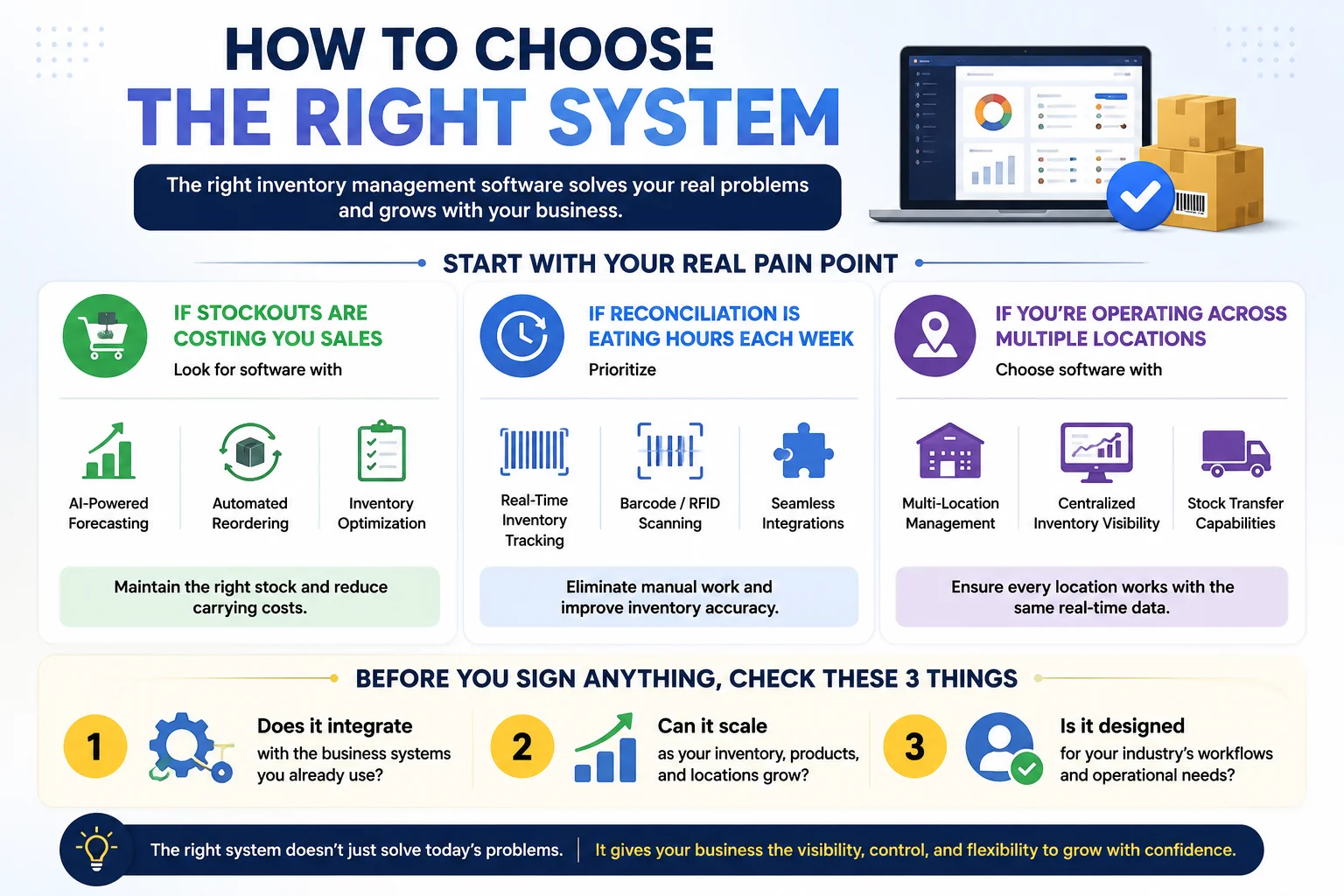
Before choosing the best ERP for retail chains, evaluate the following factors.
Consider how many stores you currently operate and how many you expect to manage in the future.
The ERP should be able to support additional locations without creating unnecessary complexity.
Evaluate:
Businesses with complex inventory operations may require more advanced capabilities.
Determine whether your business sells through:
The more sales channels you operate, the more important centralized data becomes.
Your ERP should integrate with the systems you already use or plan to adopt.
Check whether it can connect with:
Ask whether the ERP can provide useful insights into:
The right solution should support business growth.
Consider whether the platform can accommodate:
Do not evaluate ERP pricing based only on the subscription cost.
Also consider:
The total cost of ownership provides a more realistic view of the investment.
ERP software for retail businesses is a centralized system that connects inventory, sales, purchasing, finance, reporting, and other operations across stores, warehouses, and sales channels.
A POS system handles checkout transactions, while an ERP system manages the wider operations behind those transactions, including inventory, purchasing, finance, reporting, and business operations across locations.
Single-location small retailers with simple operations may only need a POS system. However, businesses managing multiple locations, complex inventory, or omnichannel sales can benefit from a retail ERP system.
The best ERP for retail chains depends on the number of locations, inventory complexity, sales channels, industry requirements, integrations, budget, and scalability needs.
Yes. Many ERP systems can integrate with POS platforms to connect sales transactions with inventory, finance, purchasing, and business reporting.
Yes. ERP for multi-store retail can provide centralized visibility into inventory, sales, purchasing, finance, and performance across different locations.
An omnichannel retail ERP connects information from different sales channels, such as physical stores, e-commerce websites, and marketplaces, to provide a more unified view of inventory, orders, customers, and sales
What is ERP? A Beginner's Guide to Enterprise Resource Planning
Read More →
Cloud ERP vs. On-Premise vs. Hybrid: Best ERP Model for 2025
Read More →How To Customize ERP Software Without Breaking The Bank?
Read More →
The Future of Manufacturing ERP in 2026 & Beyond
Read More →Best ERP Software in India: 2026 Edition
Read More →
AI in Manufacturing ERP: The Future of Smart Factories
Read More →
How ERP Transforms Inventory Management and Reduces Costs
Read More →
Top Features to Look for in Inventory Management Software in 2025
Read More →
Top 5 Ways Asset Management Software Can Save Your Business Money
Read More →
Why Smart Businesses Are Switching to Vendor Management Systems in 2025?
Read More →
Why Manufacturing Companies Need ERP Software
Read More →
Cloud ERP vs. Traditional ERP: Which is Right for You?
Read More →
ERP for Small Business: Is It Worth the Investment?
Read More →
How to Calculate ERP ROI and Why It's Worth the Investment
Read More →
Top 10 ERP Software Companies in India 2026 Updated List (Complete Guide)
Read More →
ERP Implementation Mistakes to Avoid in 2025
Read More →
Cloud ERP vs Edge Computing: What's Right for Modern Manufacturing?
Read More →
The Future of ERP Software and the Role of Generative AI
Read More →
Digital Twin Technology & ERP: Real-Time Insights for Smarter Manufacturing
Read More →
Scalable ERP Solutions Designed for Modern Enterprises
Read More →
ERP and IoT Integration: Smart Factory Vision
Read More →Best ERP Software for Manufacturing Businesses in India
Read More →Top 10 Best Manufacturing ERP Software in India (2026)
Read More →
Best ERP Software for Manufacturing Industries in Ethiopia (2026)
Read More →
Best School ERP Software Providers in UAE (2025 Edition)
Read More →
Best School ERP Software for 2025: Guide for Educational Institutions
Read More →
Top 10 ERP Software Solutions for Nigerian Manufacturers (2025 Edition)
Read More →
Best ERP Systems for Scalable Retail and POS Integration
Read More →
Top 10 Cloud-Based Manufacturing ERP Solutions in Africa (2025 Edition)
Read More →
Top 10 Cloud-Based Manufacturing ERP in UAE
Read More →
Top 10 Cloud-Based Manufacturing ERP Software in Nigeria (2026 Edition)
Read More →
Top 10 School ERP Software Companies in Kenya (2025)
Read More →
Best School ERP Software Providers in Nigeria (2025)
Read More →
Top Cloud-Based Manufacturing ERP in Zimbabwe (2025)
Read More →
Best ERP Software in U.K
Read More →
Top 10 ERP Software Developers in the U.K. (2025)
Read More →
Best ERP Software Providers in France (2025)
Read More →
Best ERP Software Companies in Germany : A Comprehensive Guide
Read More →
Top 10 ERP Software Development Companies in Qatar
Read More →
10 Best ERP Providers in Germany - 2026 Updated List
Read More →
Best ERP Software Firms in Saudi Arabia (2025)
Read More →
Best ERP Service Providers in Indonesia for SMEs and Large Enterprises
Read More →
Top 10 Cloud-Based Manufacturing ERP Systems in Egypt for Modern Factories
Read More →
Top ERP Solutions in the USA 2025: Streamline Your Business with ZYNO ERP
Read More →
Top ERP Solutions in Qatar for Businesses of All Sizes
Read More →Top Manufacturing ERP Software in India 2026 ZYNO Manufacturing ERP
Read More →How Manufacturing Companies Reduce Production Delays Using ERP Automation
Read More →Why Legal Firms Need ERP to Manage Cases, Billing & Compliance
Read More →What Is ERP And How Does It Work
Read More →
How ERP Systems Are Evolving in 2026: What Businesses Need to Know
Read More →
Best ERP Software in India: 2025 Edition
Read More →
Top 10 ERP Software Companies in Delhi NCR
Read More →
How Manufacturing ERP Software Improves Demand Forecasting
Read More →
Top 10 Best School Management Software in India
Read More →Manufacturing & Wholesale ERP in Qatar: Complete Industry Guide 2026
Read More →Cloud ERP Software in Qatar: Why Businesses Are Moving in 2026
Read More →Is ERP a Procurement Software? Key Differences, Benefits & What to Choose
Read More →What Is Production Planning and Control? Definition, Objectives & Functions
Read More →
Garment Inventory Management Software: Complete Guide 2026
Read More →
How ERP Reduces Fabric Wastage in Garment Factories
Read More →
Why the Garment Industry Needs a Specialized ERP
Read More →
Features to Look for in Garment Manufacturing ERP Software
Read More →
Best ERP Software for Small Garment Manufacturing Business in India
Read More →
The Real Problems Holding Back Small Garment Manufacturers in India
Read More →Garment Manufacturing ERP Software in India: Best Options, Features & Complete Guide 2026
Read More →
Which ERP is Best for Manufacturers in 2026?
Read More →
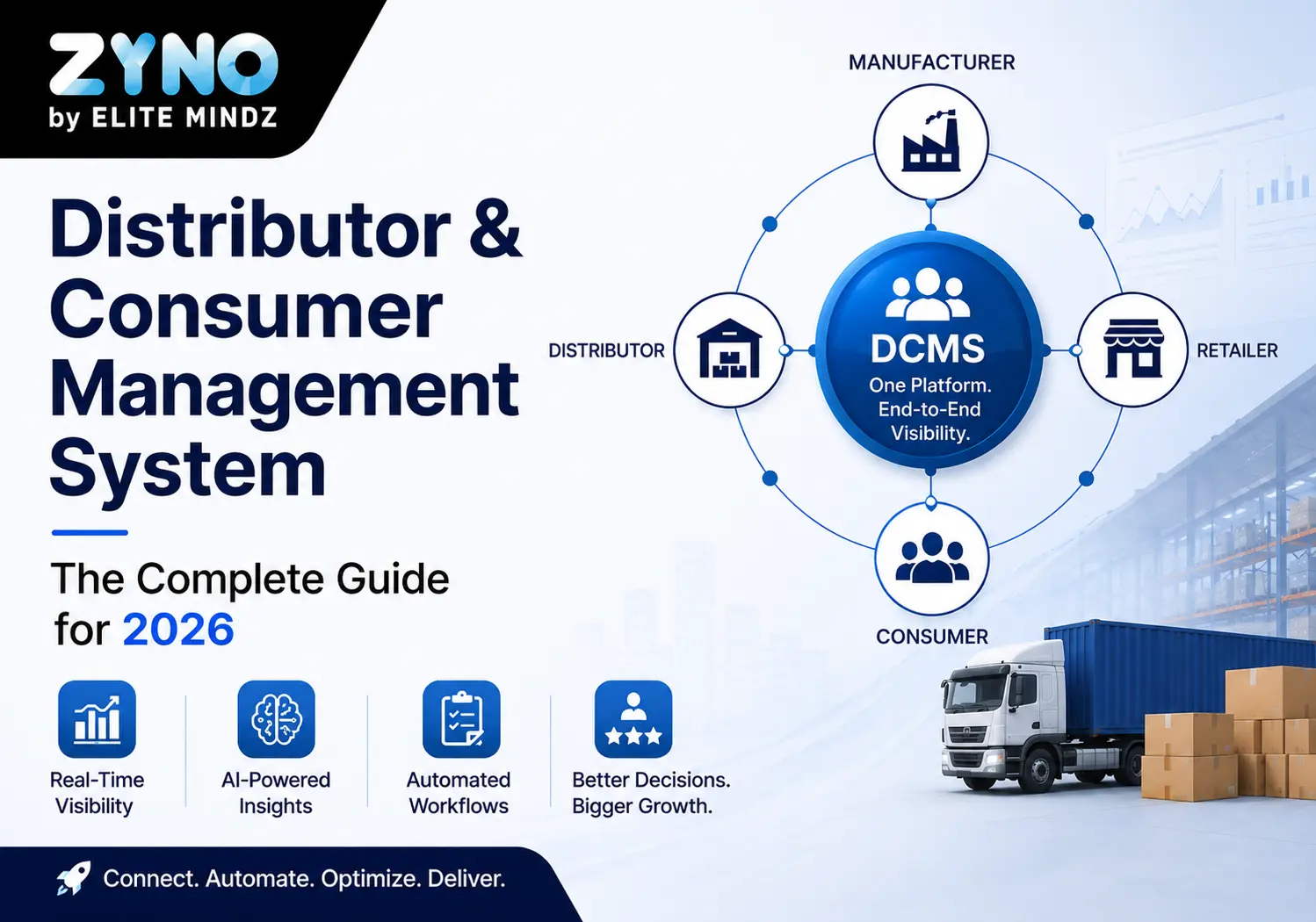
Distributor & Consumer Management System: The Complete Guide for 2026
Read More →
Best Pharma ERP Software in India 2026 – Features, Compliance & Buying Guide
Read More →
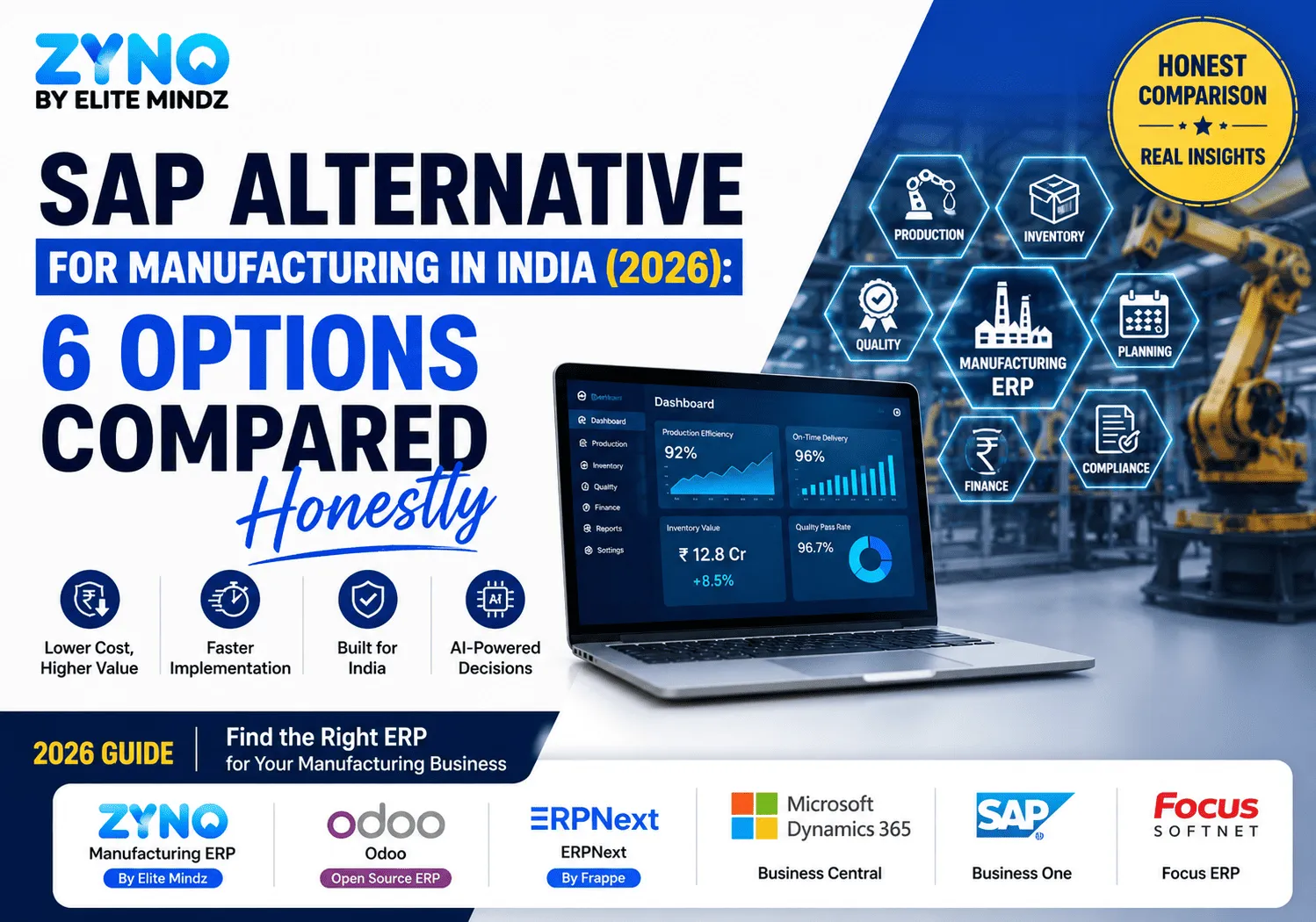
SAP Alternative for Manufacturing in India (2026): 6 Options Compared Honestly
Read More →
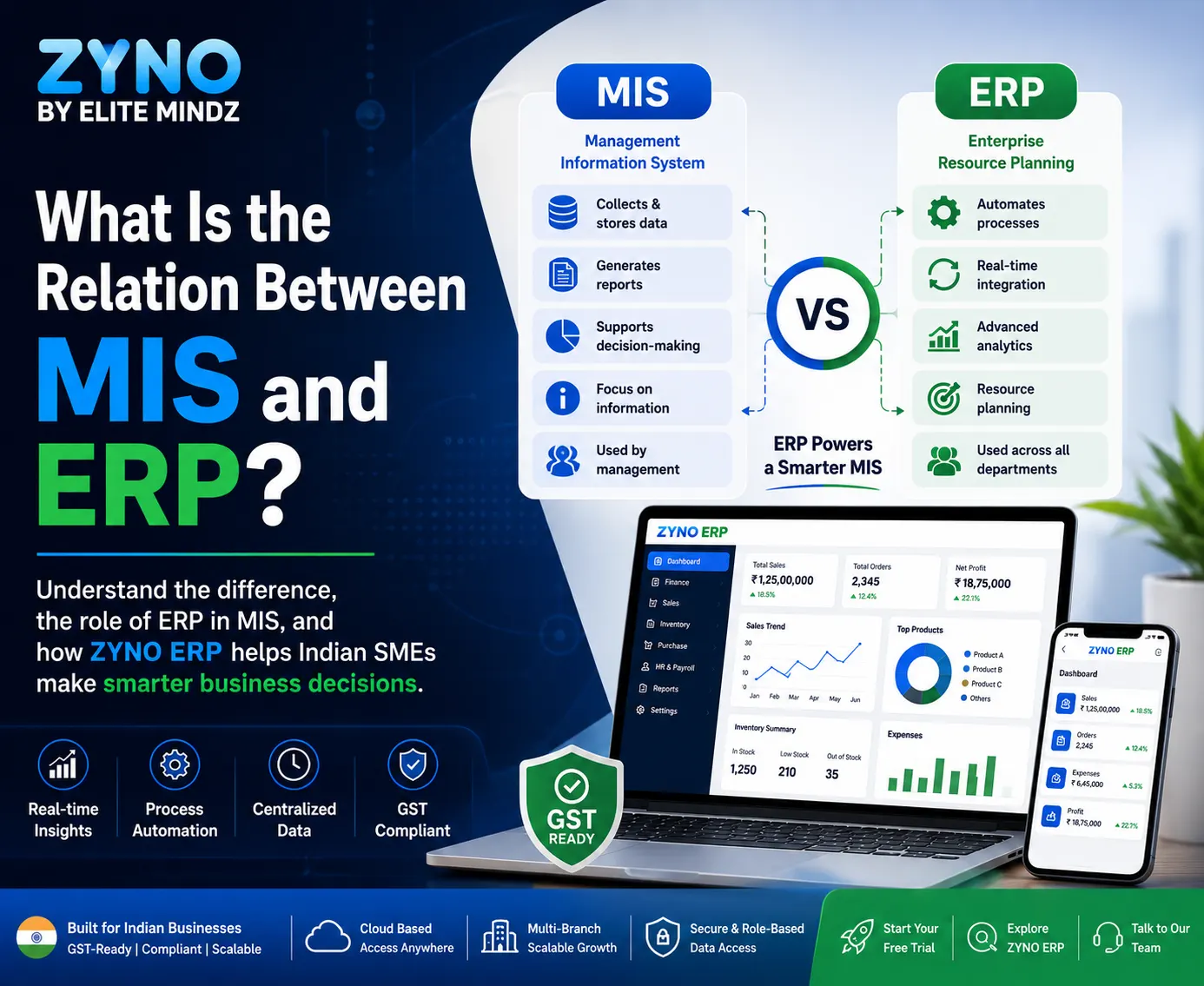
What Is the Relation Between MIS and Enterprise Resource Planning?
Read More →
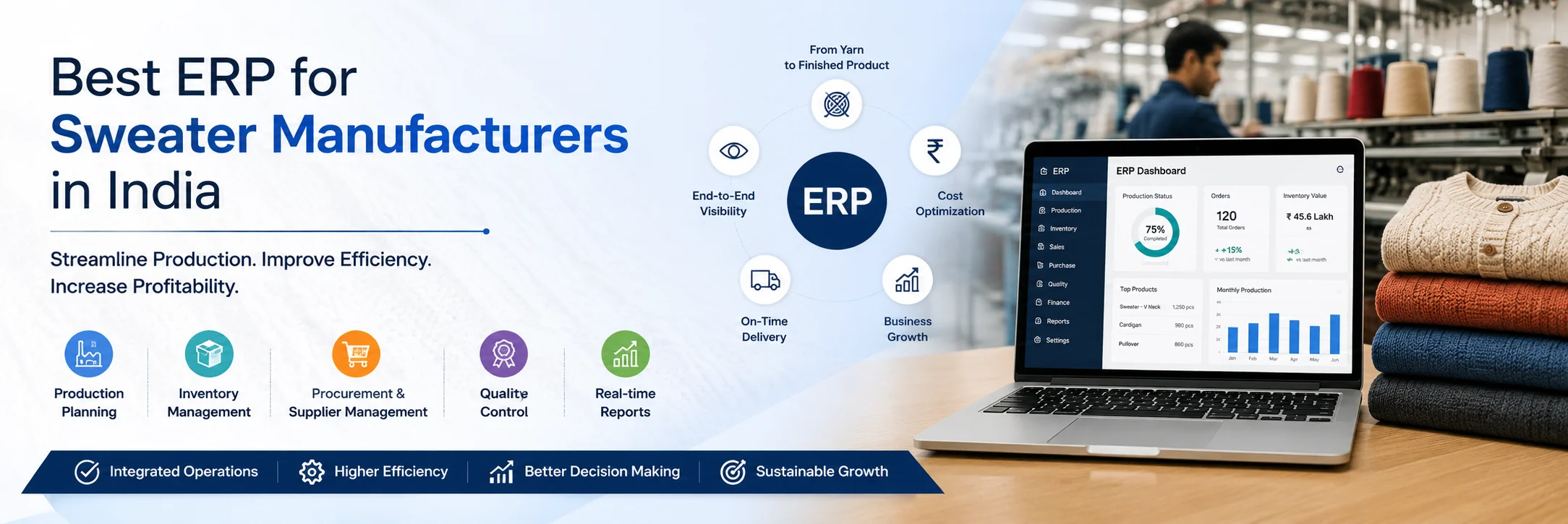
Best ERP for Sweater Manufacturers in India
Read More →
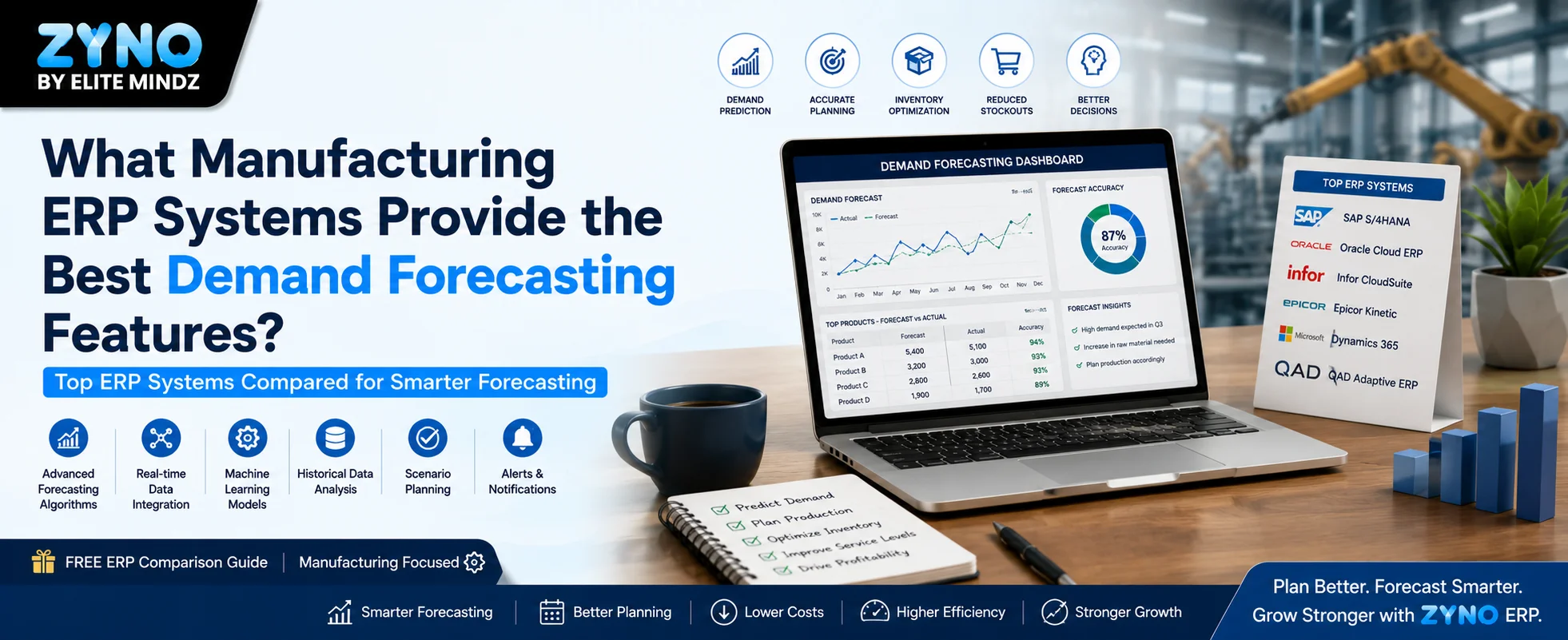
What Manufacturing ERP Systems Provide the Best Demand Forecasting Features?
Read More →
Which ERP Software Provides the Best Demand Forecasting for Manufacturers?
Read More →
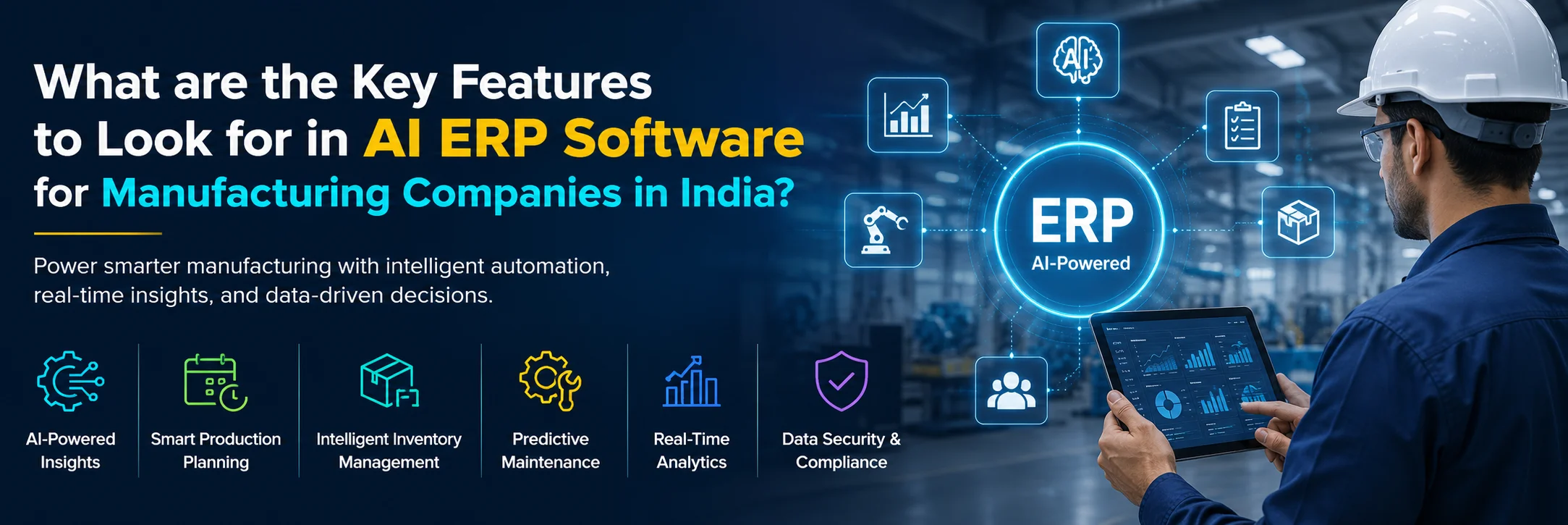
What are the key features to look for in AI ERP software for manufacturing companies in India?
Read More →
How does AI-powered ERP software improve production planning and inventory management in manufacturing?
Read More →
Which AI ERP platforms are best suited for small and mid-sized manufacturing businesses in India?
Read More →
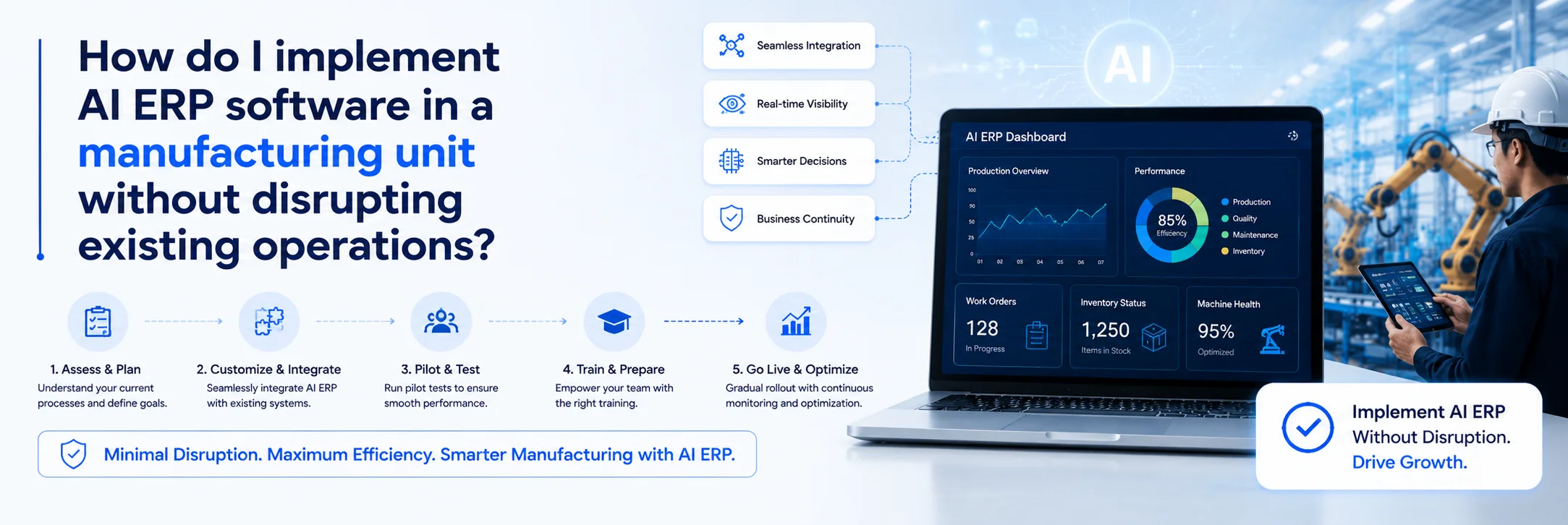
How do I implement AI ERP software in a manufacturing unit without disrupting existing operations?
Read More →
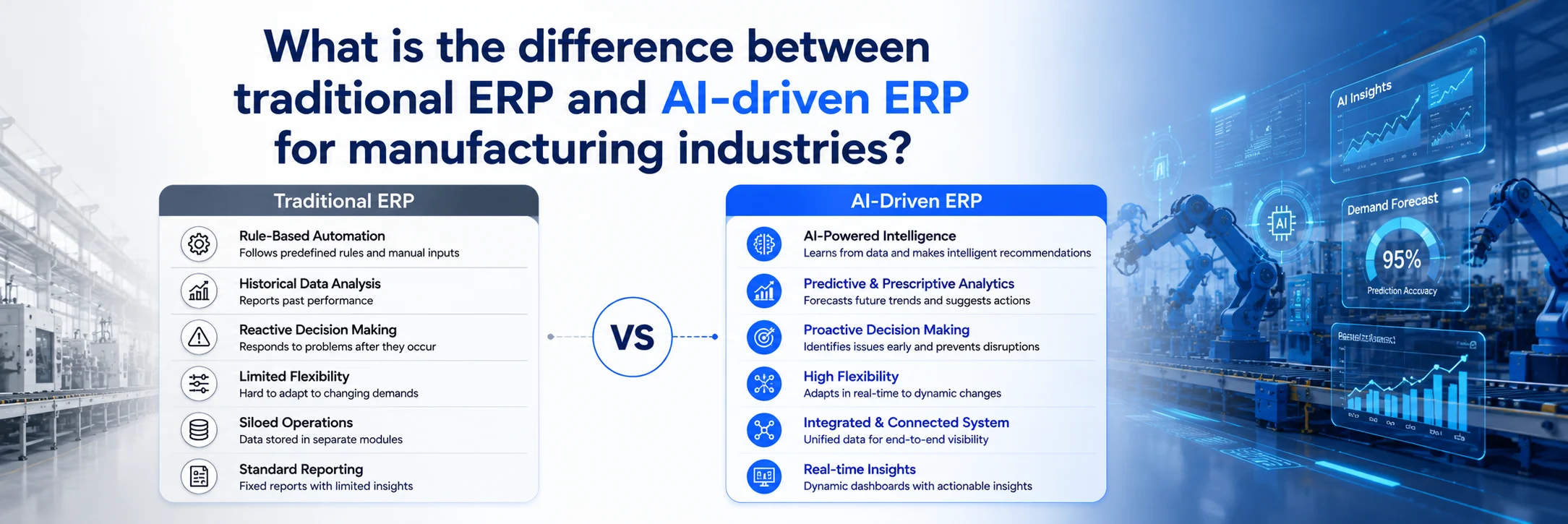
What is the difference between traditional ERP and AI-driven ERP for manufacturing industries?
Read More →
AI-Powered Smart ERP Software: The Complete Guide for Modern Enterprises
Read More →
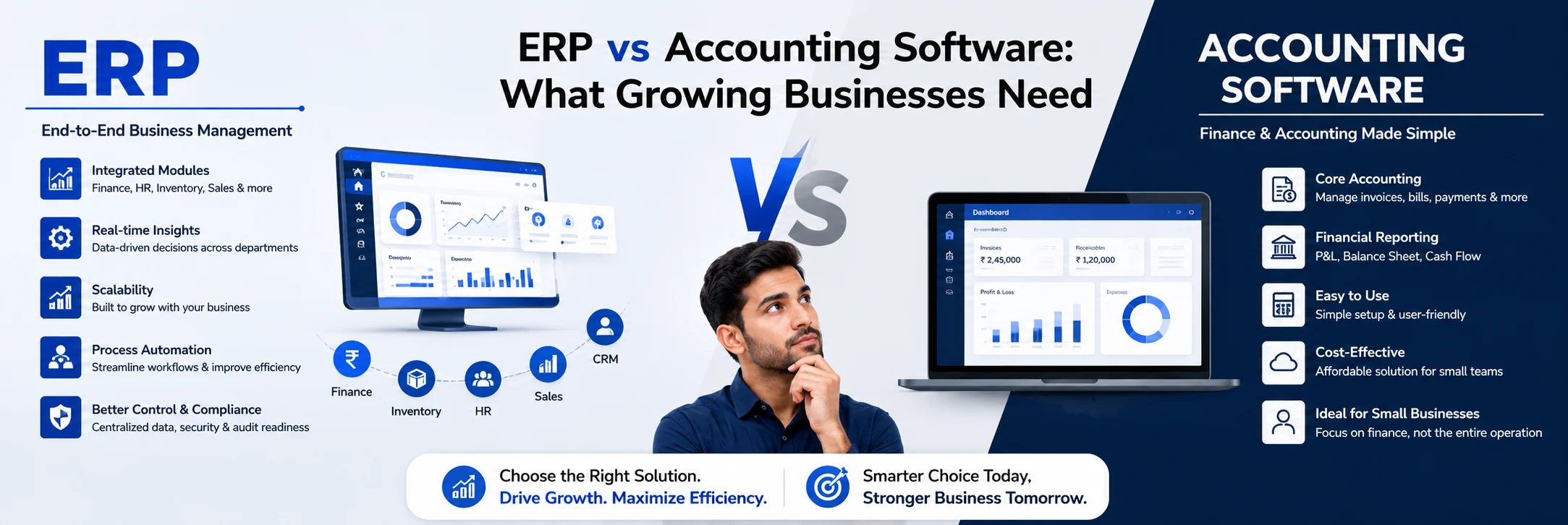
ERP vs Accounting Software: What Growing Businesses Need
Read More →
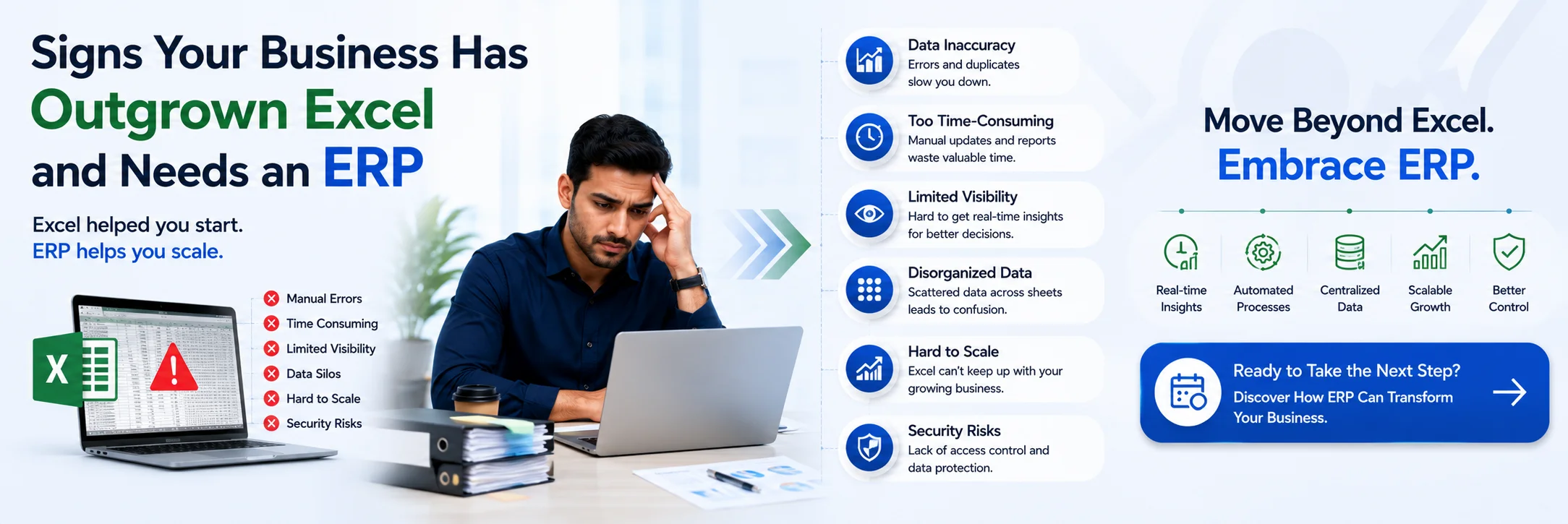
Signs Your Business Has Outgrown Excel and Needs an ERP
Read More →
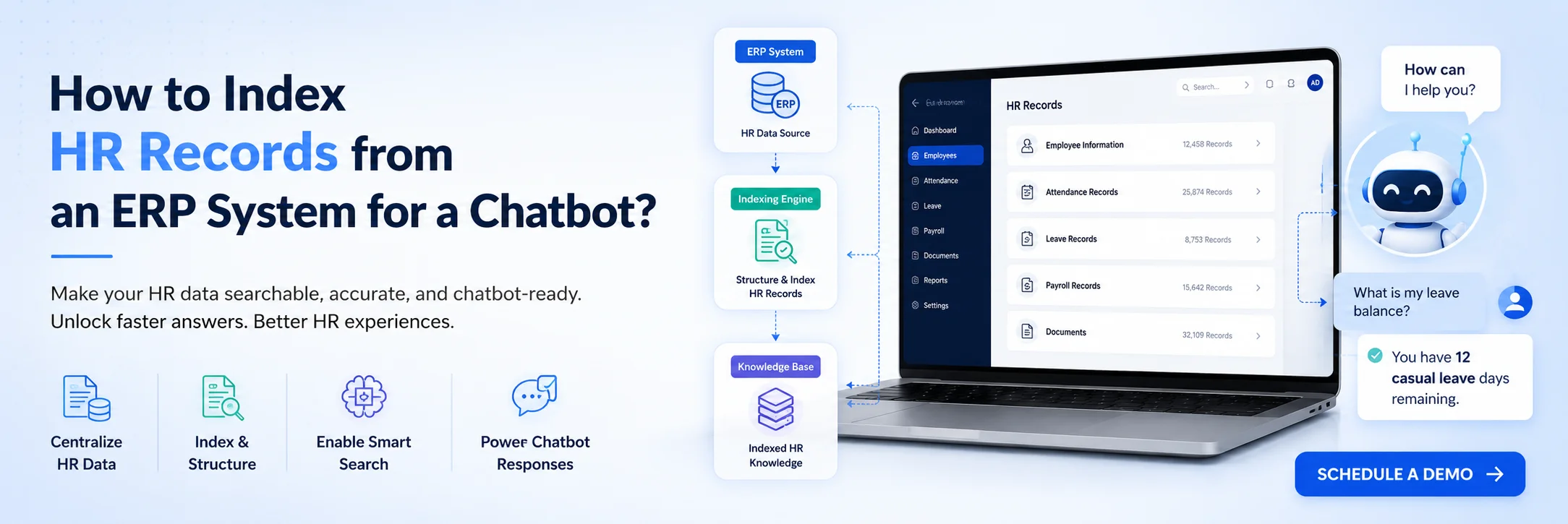
How to Index HR Records from an ERP System for a Chatbot?
Read More →
What is the Best Software for Retail Garment Shop?
Read More →
Manufacturing Software for the Textile and Garment Industry?
Read More →
Best ERP Software for Manufacturing Companies in India?
Read More →
How ERP Reduces Production Costs and Improves Profitability?
Read More →
Which ERP Software is Mostly Used in Garment Retail Shop?
Read More →
10 Ways AI Can Improve ERP Efficiency
Read More →
Top 8 Odoo Alternatives for Your Business
Read More →
ZYNO vs NetSuite ERP: Which Manufacturing ERP Fits Your Business Needs?
Read More →
Top ERP Software Providers in 2026: Full Comparison
Read More →
ERP Software Reviews: What Buyers Actually Say in 2026
Read More →
ERP Software for Retail Businesses: Complete Guide
Read More →Partner with ZYNO by Elite Mindz to revolutionize how your business works. Fill out the form, and we’ll reach out with AI-powered solutions made just for you.
We use browser cookies to ensure you get the best experience on our website. Learn more
The form was submitted successfully!
ZYNO Digital
Fueling Smarter Digital Growth
ZYNO Digital fuels smarter digital growth through data-driven marketing, creative storytelling, and performance strategies that boost visibility, engagement, and measurable business outcomes across global platforms.
ZYNO Tech
Engineering the Future of IT
ZYNO Tech delivers cutting-edge IT solutions — including web, mobile, and digital transformation services — helping businesses scale efficiently, innovate faster, and stay ahead in a connected world.
ZYNO AI
AI Built for Business Growth
ZYNO AI harnesses the power of artificial intelligence to automate processes, enhance decision-making, and deliver predictive insights — driving innovation, agility, and measurable business growth.
ZYNO by Elite Mindz
Your Partner in the AI-Powered Future
ZYNO by Elite Mindz offers AI-powered products and services that unify operations, boost productivity, and drive digital transformation — helping businesses scale smarter and innovate faster.
* In just 2 mins you'll get a response
* Your idea is 100% protected by our Non-Disclosure Agreement