What is ERP? A Beginner's Guide to Enterprise Resource Planning
Read More →

×
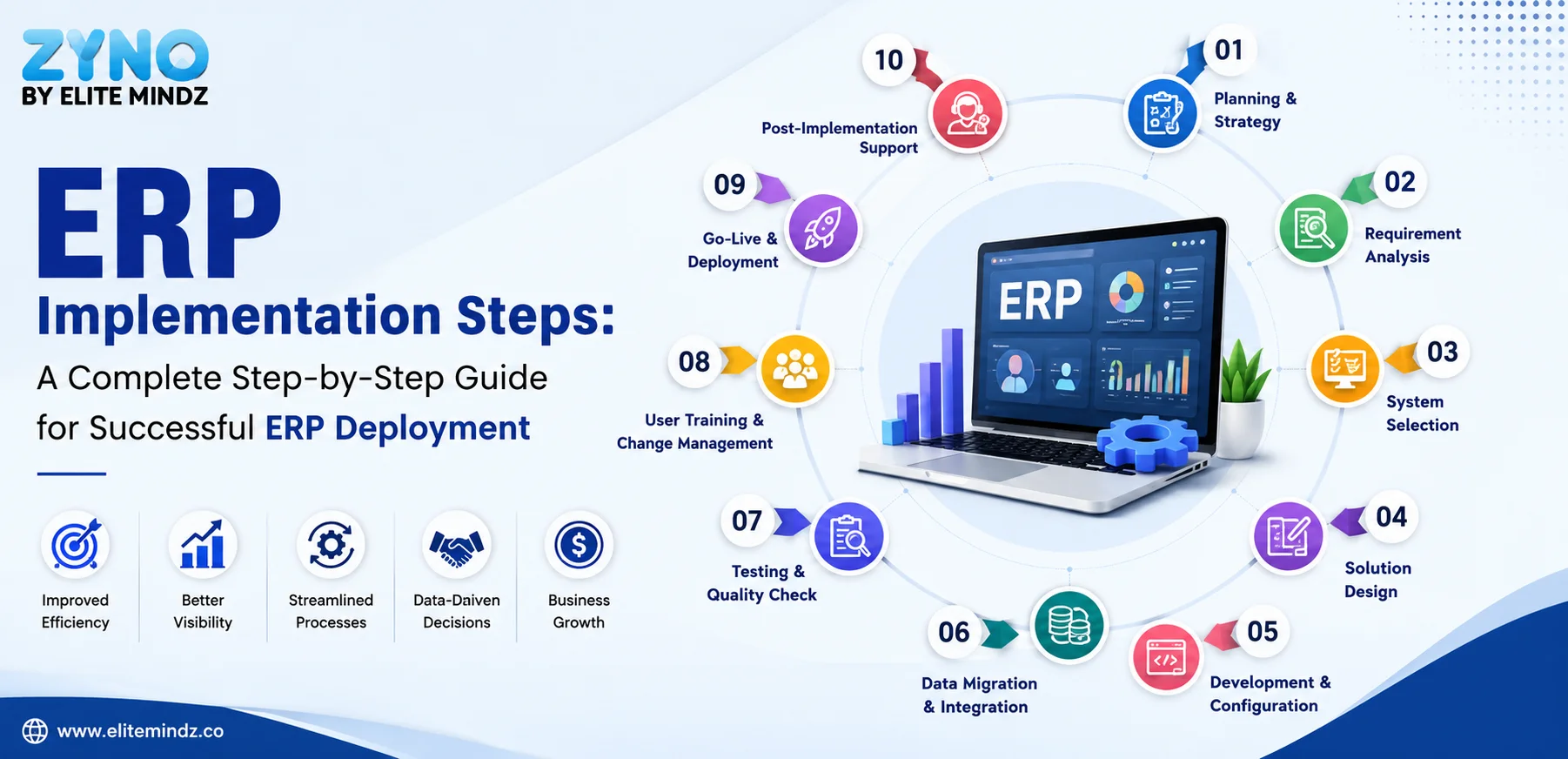
A successful ERP implementation requires careful planning, clear business goals, and collaboration across departments. Following a structured step-by-step process helps reduce risks, improve efficiency, ensure smooth data migration, and maximize return on investment. With the right strategy, businesses can achieve seamless deployment, higher productivity, and long-term operational success.
Businesses using ZYNO Books cut accounting time by 70% and stay 100% ZATCA-compliant — automatically.
Managing finance, inventory, sales, human resources, supply chain, and customer data through separate systems can become difficult as a business grows. Information gets scattered, employees spend time on manual tasks, and management struggles to get accurate reports.
An Enterprise Resource Planning system solves this problem by connecting major business functions through one centralized platform. However, simply purchasing ERP software does not guarantee better performance. The success of the project depends on following the right ERP implementation steps, setting realistic expectations, and preparing employees for organizational change.
This guide explains the complete ERP implementation process, from initial planning to post-launch optimization.
ERP implementation is the process of selecting, configuring, testing, and launching an Enterprise Resource Planning system within an organization. The software brings different departments and business processes together on a single platform.
A successful enterprise resource planning implementation may connect areas such as:
The complexity of the project depends on the company’s size, operational structure, number of locations, existing technology, and required customizations.

An ERP project affects almost every department in an organization. Without a structured ERP implementation plan, companies may experience data problems, delayed timelines, unexpected expenses, employee resistance, or operational disruptions.
A clear plan helps the business:
The plan should explain what will be implemented, who will be involved, how long each stage will take, and how project success will be measured.
Plan Your ERP Implementation with Confidence
Successfully implement your ERP system with a structured, step-by-step approach. From business requirement analysis and project planning to data migration, user training, testing, deployment, and ongoing support, ZYNO ERP helps businesses streamline operations, reduce implementation risks, and achieve faster ROI with a scalable, AI-powered ERP solution.
Request a Free Demo Explore ZYNO ERPThe first of the major ERP system implementation steps is understanding why the organization needs a new system.
Business leaders should review current operations and identify challenges such as duplicate data entry, inaccurate inventory records, delayed financial reporting, disconnected departments, or limited visibility into performance.
At this stage, speak with employees from different departments. Ask what problems they face, which tasks take the most time, and what capabilities they need from the new system.
Create a list of requirements and divide them into three categories:
This prevents the organization from choosing software based only on attractive features that may not solve its actual problems.
The next step is creating a cross-functional implementation team. The team should include people who understand business operations as well as employees who can make important decisions.
A typical project team may include:
The executive sponsor provides leadership support and resolves major issues. The project manager coordinates activities, tracks deadlines, and communicates progress.
Department representatives are equally important because they understand how daily processes actually work.
Unclear project scope is one of the most common reasons ERP projects become delayed or exceed their budgets.
The scope should define:
The organization should also establish measurable objectives. For example, the company may want to reduce order-processing time, improve inventory accuracy, automate monthly reporting, or shorten financial closing cycles.
Clear goals make it easier to evaluate whether the ERP implementation has delivered the expected results.
Once requirements are documented, the organization can compare suitable ERP platforms.
Evaluate each solution based on:
Cloud ERP systems are hosted by the vendor and accessed online. They usually require less internal infrastructure and can be updated more easily. On-premises systems are installed on the company’s own servers and may provide more control, but they often require greater technical resources.
Request demonstrations based on real business scenarios. Instead of asking vendors to provide a general product tour, ask them to show how the system will handle your purchasing, invoicing, inventory, approval, and reporting processes.
A practical schedule divides the project into manageable stages and assigns responsibilities to specific people.
The schedule should cover:
Each activity should have an owner, deadline, dependency, and completion status. Additional time should also be included for unexpected technical or operational issues.
One of the most important steps of ERP implementation is setting a realistic timeline rather than choosing an aggressive launch date that leaves little room for testing.
ERP software is only as reliable as the data entered into it. Migrating inaccurate, incomplete, or duplicate information can create serious operational problems.
Before migration, review information such as:
Remove duplicate records, correct formatting issues, and decide which historical information must be transferred.
Perform trial migrations before the final launch. After each migration, compare the source data with the information inside the ERP system to confirm that values, balances, and relationships are correct.
During configuration, the implementation team adjusts the software to match the organization’s approved processes.
This may include setting up:
The ERP may also need to connect with e-commerce platforms, banking systems, payroll software, customer portals, logistics tools, or third-party applications.
Customization should be limited to genuine business requirements. Excessive customization can increase costs, delay deployment, and make future software updates more complicated.
Testing is one of the most critical ERP implementation process steps. The project team must confirm that the system works correctly before it becomes part of daily operations.
Testing should include:
Verify that individual features, transactions, calculations, and workflows work as expected.
Confirm that information moves correctly between the ERP system and connected applications.
Check customer records, supplier details, inventory quantities, opening balances, and historical information.
Make sure the platform can handle the expected number of users and transaction volumes.
Ask employees to complete realistic tasks in the system. Users should test complete business scenarios, such as creating an order, approving a purchase, receiving inventory, generating an invoice, and preparing a report.
Any errors discovered during testing should be documented, corrected, and tested again.
Plan Your ERP Implementation with Confidence
Successfully implement your ERP system with a structured, step-by-step approach. From business requirement analysis and project planning to data migration, user training, testing, deployment, and ongoing support, ZYNO ERP helps businesses streamline operations, reduce implementation risks, and achieve faster ROI with a scalable, AI-powered ERP solution.
Request a Free Demo Explore ZYNO ERPEmployee resistance can reduce the value of even a technically successful system. People may be concerned about learning new tools, changing established processes, or losing control over familiar tasks.
Training should be based on each employee’s role. Finance employees need different training from warehouse workers, sales representatives, and department managers.
Provide users with:
Management should also explain why the organization is implementing ERP, what problems it will solve, and how it will help employees perform their work more effectively.
Before launch, the project team should complete a final readiness review. Confirm that critical data has been migrated, integrations are working, users have received training, and support teams are available.
Organizations generally choose one of three launch methods:
The right approach depends on business complexity, available resources, and risk tolerance.
During the first few days, monitor transactions, integrations, user activity, system performance, and data accuracy closely.
The project does not end when the software goes live. Employees may need additional assistance as they begin using the system in real business situations.
Create a structured process for reporting and resolving issues. Monitor recurring questions because they may indicate a training gap, unclear process, or system configuration problem.
After the system becomes stable, compare actual results with the goals in the original ERP implementation plan. Review metrics such as reporting speed, order-processing time, inventory accuracy, operational costs, and employee adoption.
The organization can then introduce additional modules, improve workflows, automate more processes, and expand the system to other departments.
Best ERP Software for SaaS Companies
Cloud ERP Software Features
Garment Manufacturing ERP Software in India
AI Intake in ERP
Report Generation Through Prompts
AI Workflow Automation Software
AI Smart ERP Assistant

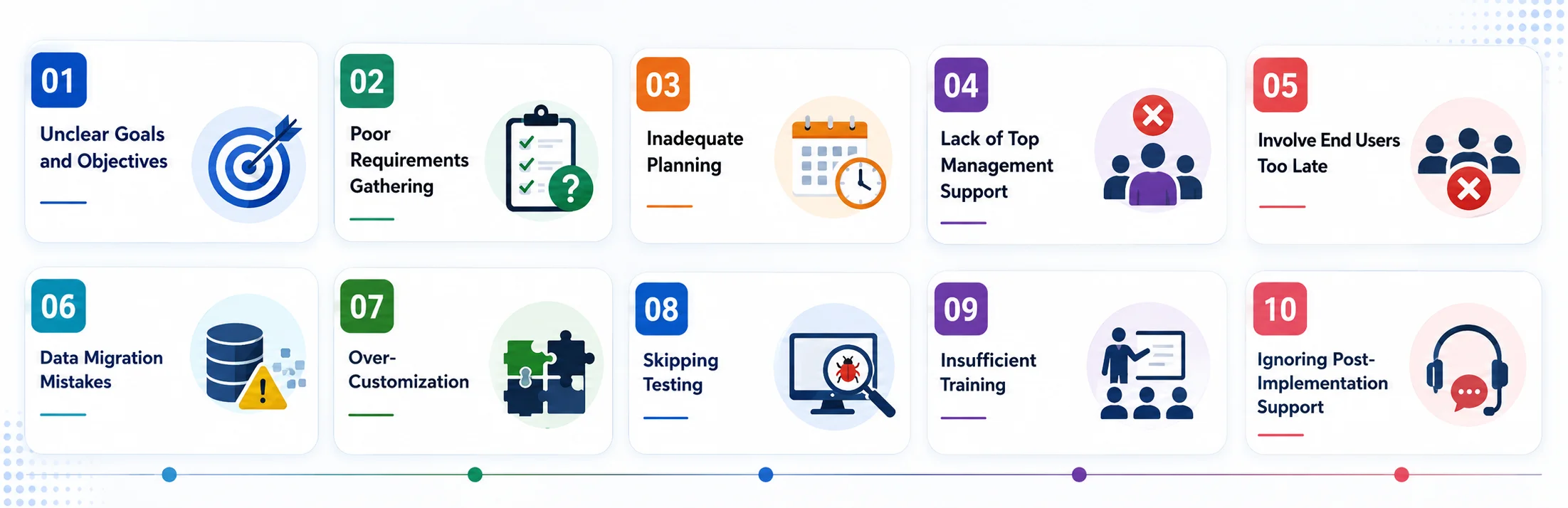
Common ERP implementation mistakes to avoid include treating ERP as only an IT project. It should not be seen as just a technical upgrade or software installation. ERP is a company-wide business transformation that impacts all departments. Proper planning and cross-functional involvement are essential for success.
Other common mistakes include:
Following structured ERP implementation steps significantly reduces these risks.
A successful ERP deployment requires more than installing software. It involves business analysis, careful planning, data preparation, system configuration, employee training, testing, and continuous improvement.
The correct ERP system implementation steps help an organization control risks while building a platform that supports long-term growth. When leadership, employees, technical teams, and implementation partners work toward shared objectives, ERP can improve visibility, reduce manual work, connect departments, and support faster decision-making.
1. What are the main steps of ERP implementation?
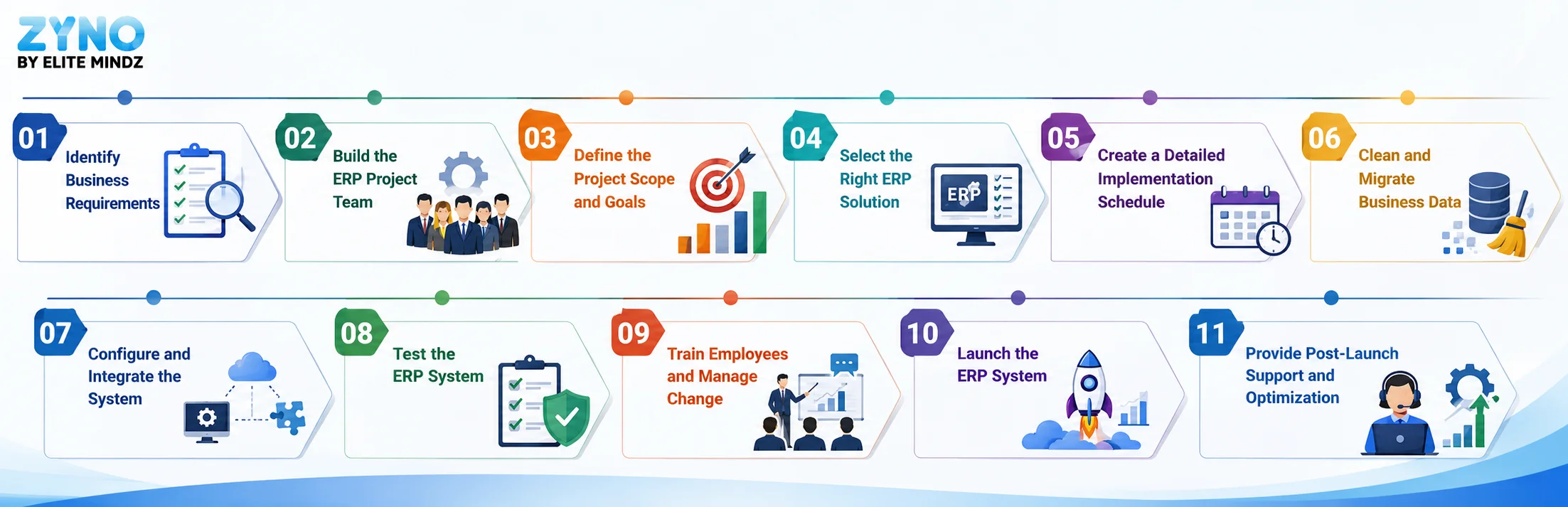
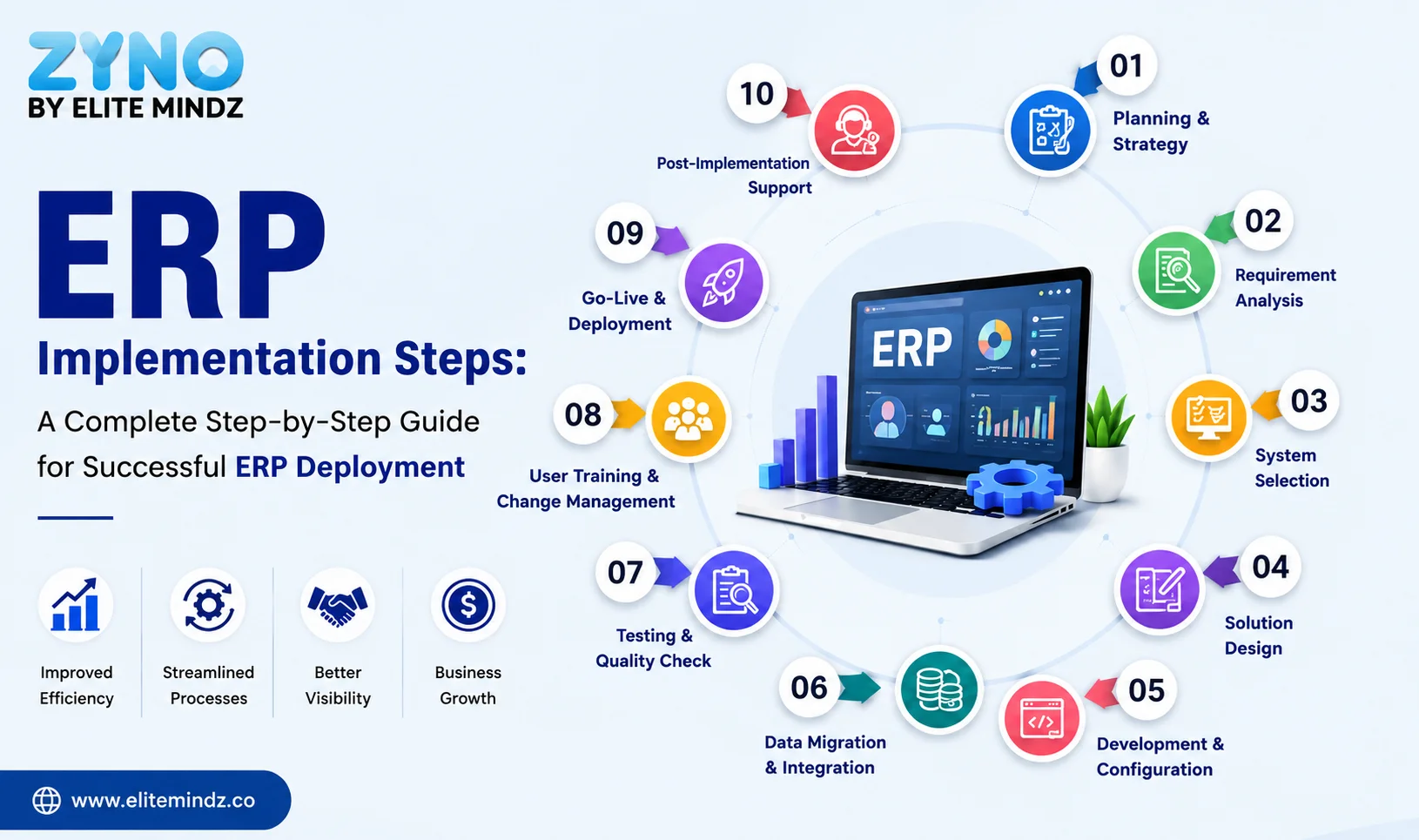
The main stages include identifying requirements, creating a project team, defining the scope, selecting software, preparing data, configuring the system, testing, training employees, launching, and providing post-launch support.
2. How long does ERP implementation take?
The timeline can range from a few months to more than a year. It depends on company size, number of users, required modules, data complexity, integrations, locations, and customization needs.
3. What is the most important part of ERP deployment?
Planning, data quality, testing, and employee adoption are all essential. However, clearly defined business requirements are especially important because they guide software selection and system configuration.
4. Why do ERP implementation projects fail?
Common causes include unclear goals, limited leadership support, poor data quality, excessive customization, inadequate testing, weak project management, and insufficient employee training.
5. Should a company choose cloud or on-premises ERP?
Cloud ERP may be suitable for businesses seeking easier updates, lower infrastructure requirements, and remote access. On-premises ERP may be preferred by organizations requiring greater infrastructure control or highly specialized configurations.
6. What should an ERP implementation plan include?
It should include business objectives, project scope, responsibilities, budget, schedule, migration strategy, integration requirements, testing procedures, training activities, launch method, risk management, and post-launch support.
7. How can businesses improve ERP user adoption?
Companies can improve adoption by involving employees early, communicating the benefits, providing role-based training, collecting feedback, appointing departmental champions, and offering support after launch.
What is ERP? A Beginner's Guide to Enterprise Resource Planning
Read More →
Cloud ERP vs. On-Premise vs. Hybrid: Best ERP Model for 2025
Read More →How To Customize ERP Software Without Breaking The Bank?
Read More →
The Future of Manufacturing ERP in 2026 & Beyond
Read More →Best ERP Software in India: 2026 Edition
Read More →
AI in Manufacturing ERP: The Future of Smart Factories
Read More →
How ERP Transforms Inventory Management and Reduces Costs
Read More →
Inventory Management Software Features: The Complete 2026 Buying Guide
Read More →
Top 5 Ways Asset Management Software Can Save Your Business Money
Read More →
Why Smart Businesses Are Switching to Vendor Management Systems in 2025?
Read More →
Why Manufacturing Companies Need ERP Software
Read More →
Cloud ERP vs. Traditional ERP: Which is Right for You?
Read More →
ERP for Small Business: Is It Worth the Investment?
Read More →
How to Calculate ERP ROI and Why It's Worth the Investment
Read More →
Top 10 ERP Software Companies in India 2026 Updated List (Complete Guide)
Read More →
ERP Implementation Mistakes to Avoid in 2025
Read More →
Cloud ERP vs Edge Computing: What's Right for Modern Manufacturing?
Read More →
The Future of ERP Software and the Role of Generative AI
Read More →
Digital Twin Technology & ERP: Real-Time Insights for Smarter Manufacturing
Read More →
Scalable ERP Solutions Designed for Modern Enterprises
Read More →
ERP and IoT Integration: Smart Factory Vision
Read More →Best ERP Software for Manufacturing Businesses in India
Read More →Top 10 Best Manufacturing ERP Software in India (2026)
Read More →
Best ERP Software for Manufacturing Industries in Ethiopia (2026)
Read More →
Best School ERP Software Providers in UAE (2025 Edition)
Read More →
Best School ERP Software for 2025: Guide for Educational Institutions
Read More →
Top 10 ERP Software Solutions for Nigerian Manufacturers (2025 Edition)
Read More →
Best ERP Systems for Scalable Retail and POS Integration
Read More →
Top 10 Cloud-Based Manufacturing ERP Solutions in Africa (2025 Edition)
Read More →
Top 10 Cloud-Based Manufacturing ERP in UAE
Read More →
Top 10 Cloud-Based Manufacturing ERP Software in Nigeria (2026 Edition)
Read More →
Top 10 School ERP Software Companies in Kenya (2025)
Read More →
Best School ERP Software Providers in Nigeria (2025)
Read More →
Top Cloud-Based Manufacturing ERP in Zimbabwe (2025)
Read More →
Best ERP Software in U.K
Read More →
Top 10 ERP Software Developers in the U.K. (2025)
Read More →
Best ERP Software Providers in France (2025)
Read More →
Best ERP Software Companies in Germany : A Comprehensive Guide
Read More →
Top 10 ERP Software Development Companies in Qatar
Read More →
10 Best ERP Providers in Germany - 2026 Updated List
Read More →
Best ERP Software Firms in Saudi Arabia (2025)
Read More →
Best ERP Service Providers in Indonesia for SMEs and Large Enterprises
Read More →
Top 10 Cloud-Based Manufacturing ERP Systems in Egypt for Modern Factories
Read More →
Top ERP Solutions in the USA 2025: Streamline Your Business with ZYNO ERP
Read More →
Top ERP Solutions in Qatar for Businesses of All Sizes
Read More →Top Manufacturing ERP Software in India 2026 ZYNO Manufacturing ERP
Read More →How Manufacturing Companies Reduce Production Delays Using ERP Automation
Read More →Why Legal Firms Need ERP to Manage Cases, Billing & Compliance
Read More →What Is ERP And How Does It Work
Read More →
How ERP Systems Are Evolving in 2026: What Businesses Need to Know
Read More →
Best ERP Software in India: 2025 Edition
Read More →
Top 10 ERP Software Companies in Delhi NCR
Read More →
How Manufacturing ERP Software Improves Demand Forecasting
Read More →
Top 10 Best School Management Software in India
Read More →Manufacturing & Wholesale ERP in Qatar: Complete Industry Guide 2026
Read More →Cloud ERP Software in Qatar: Why Businesses Are Moving in 2026
Read More →Is ERP a Procurement Software? Key Differences, Benefits & What to Choose
Read More →What Is Production Planning and Control? Definition, Objectives & Functions
Read More →
Garment Inventory Software: Features, Providers & Buying Guide (2026)
Read More →
How ERP Reduces Fabric Wastage in Garment Factories
Read More →
Why the Garment Industry Needs a Specialized ERP
Read More →
Features to Look for in Garment Manufacturing ERP Software
Read More →
Best ERP Software for Small Garment Manufacturing Business in India
Read More →
The Real Problems Holding Back Small Garment Manufacturers in India
Read More →Garment Manufacturing ERP Software in India: Best Options, Features & Complete Guide 2026
Read More →
Which ERP is Best for Manufacturers in 2026?
Read More →
Distributor & Consumer Management System: The Complete Guide for 2026
Read More →
Best Pharma ERP Software in India 2026 – Features, Compliance & Buying Guide
Read More →
SAP Alternative for Manufacturing in India (2026): 6 Options Compared Honestly
Read More →
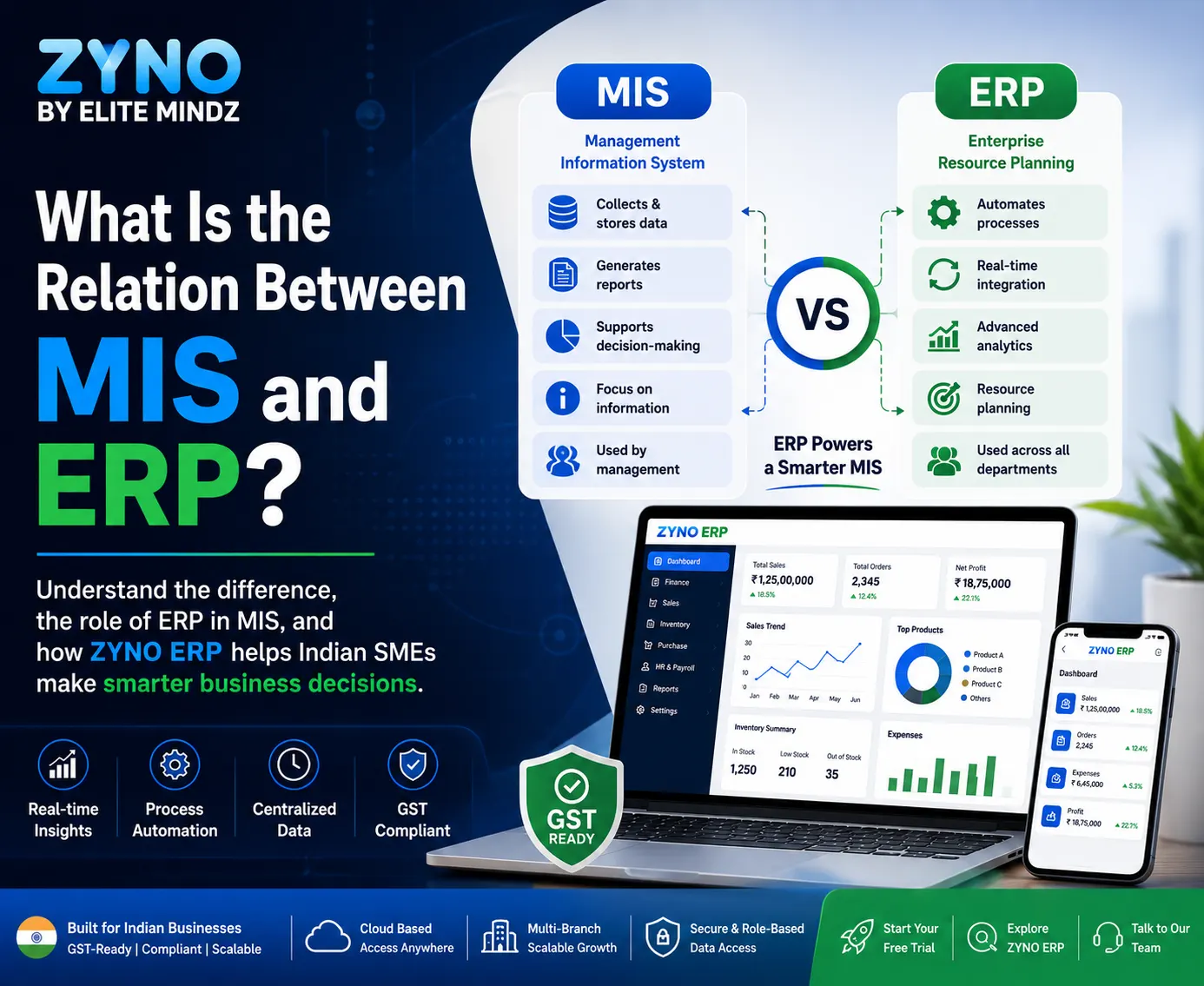
What Is the Relation Between MIS and Enterprise Resource Planning?
Read More →
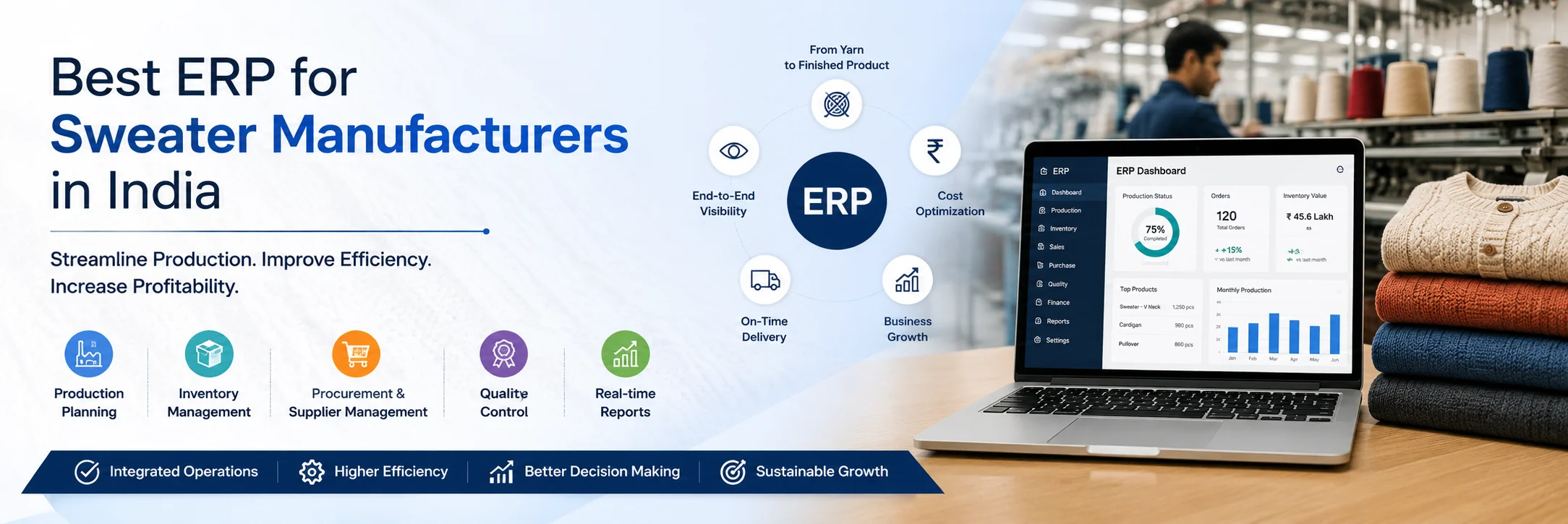
Best ERP for Sweater Manufacturers in India
Read More →
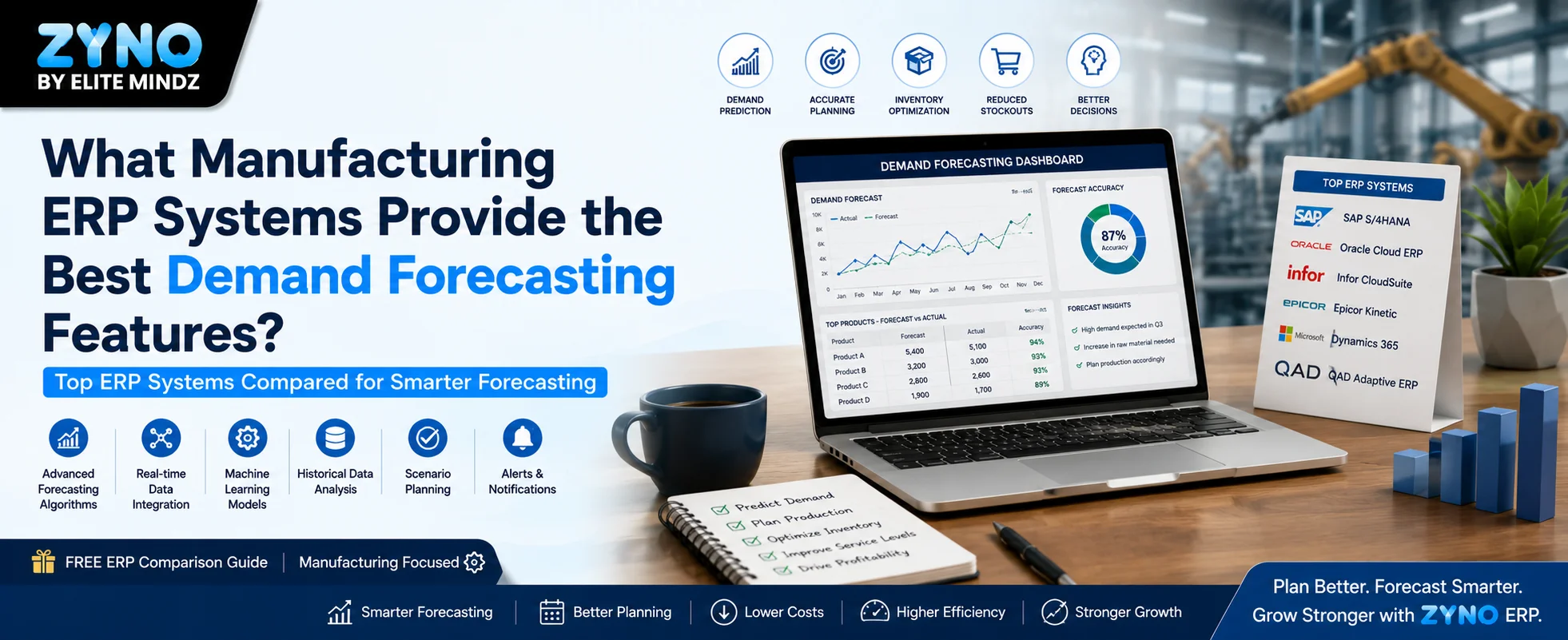
What Manufacturing ERP Systems Provide the Best Demand Forecasting Features?
Read More →
Which ERP Software Provides the Best Demand Forecasting for Manufacturers?
Read More →
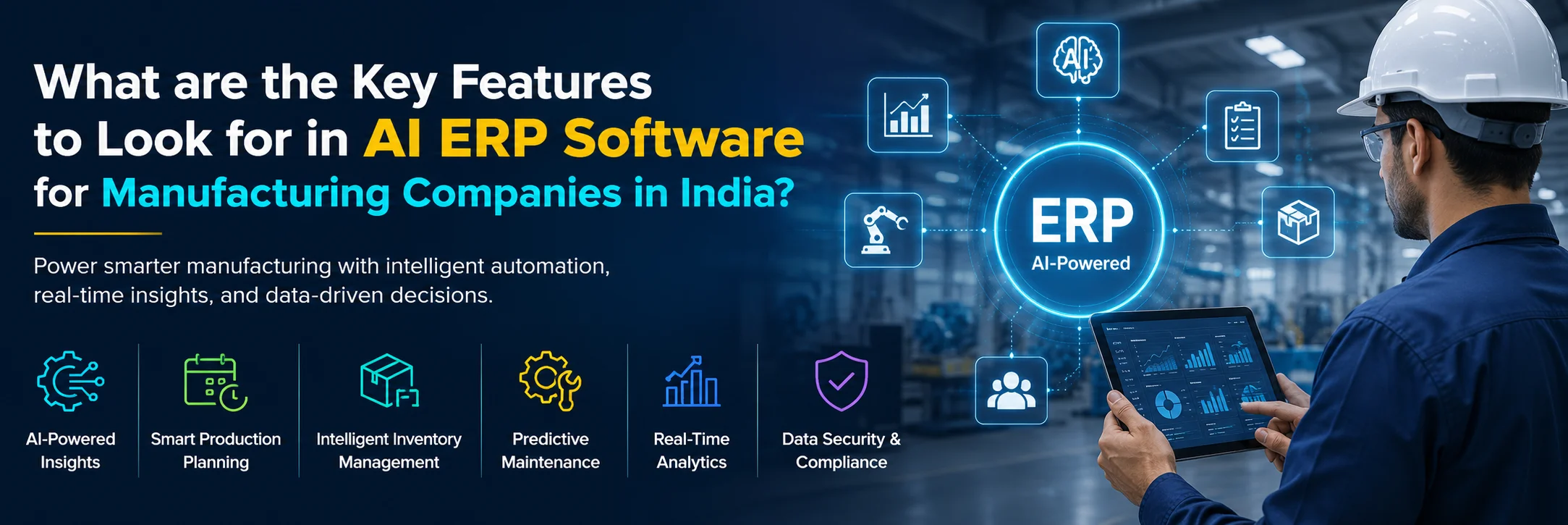
What are the key features to look for in AI ERP software for manufacturing companies in India?
Read More →
How does AI-powered ERP software improve production planning and inventory management in manufacturing?
Read More →
Which AI ERP platforms are best suited for small and mid-sized manufacturing businesses in India?
Read More →
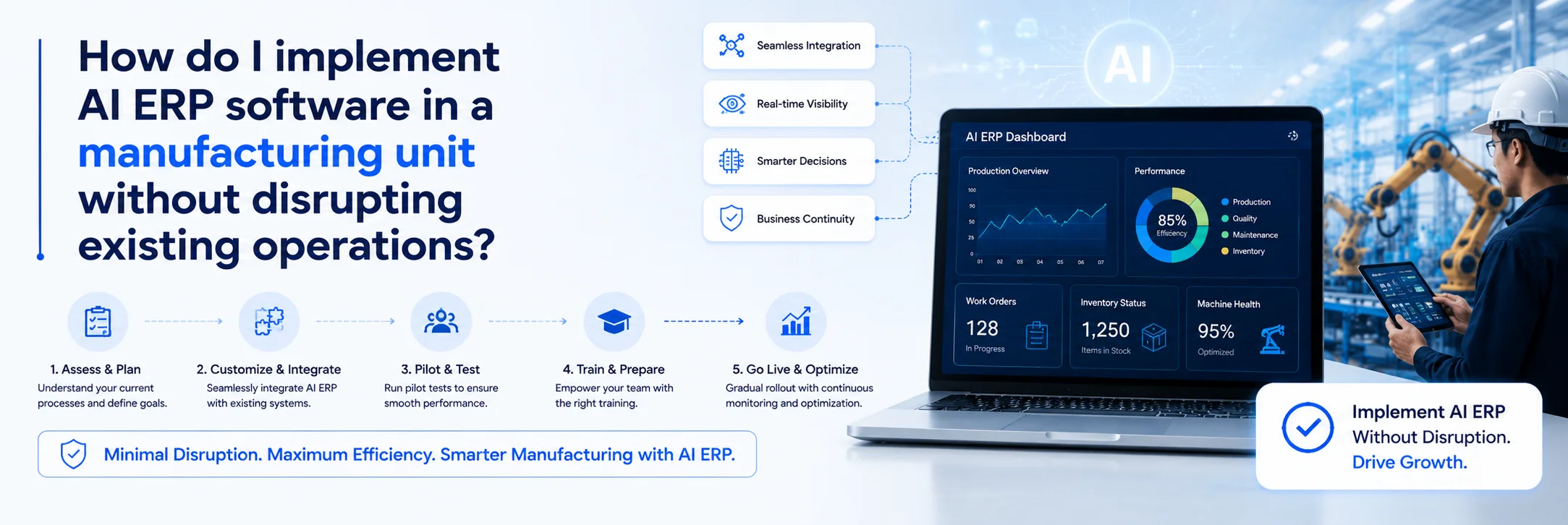
How do I implement AI ERP software in a manufacturing unit without disrupting existing operations?
Read More →
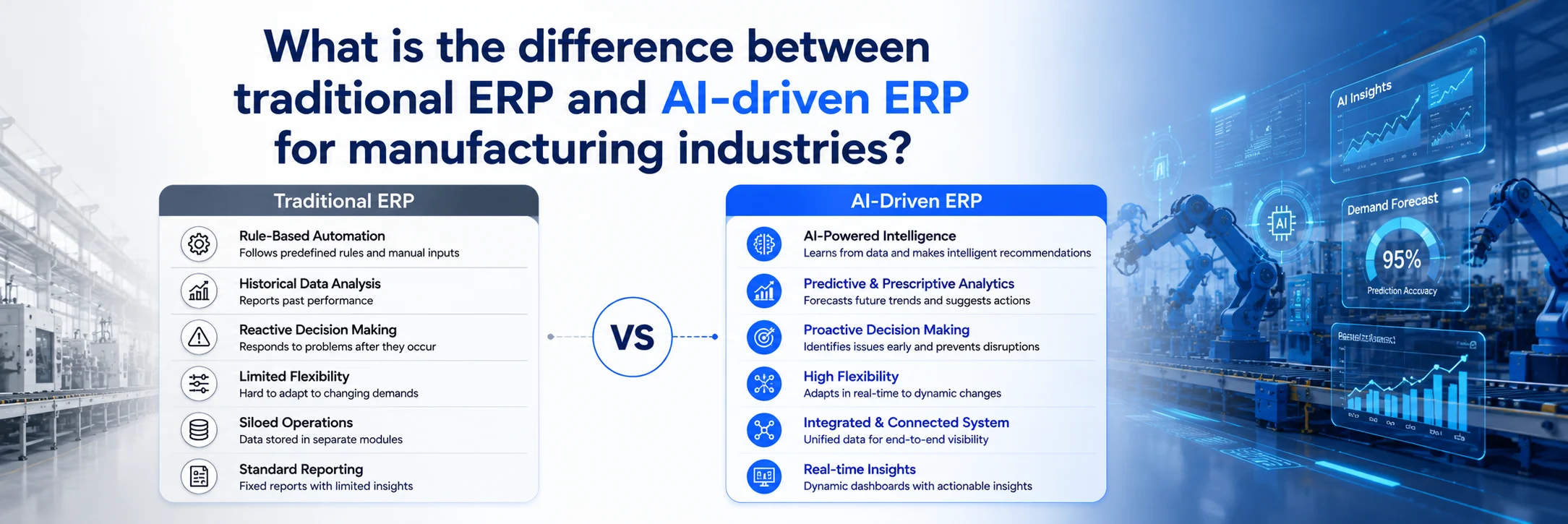
What is the difference between traditional ERP and AI-driven ERP for manufacturing industries?
Read More →
AI-Powered Smart ERP Software: The Complete Guide for Modern Enterprises
Read More →
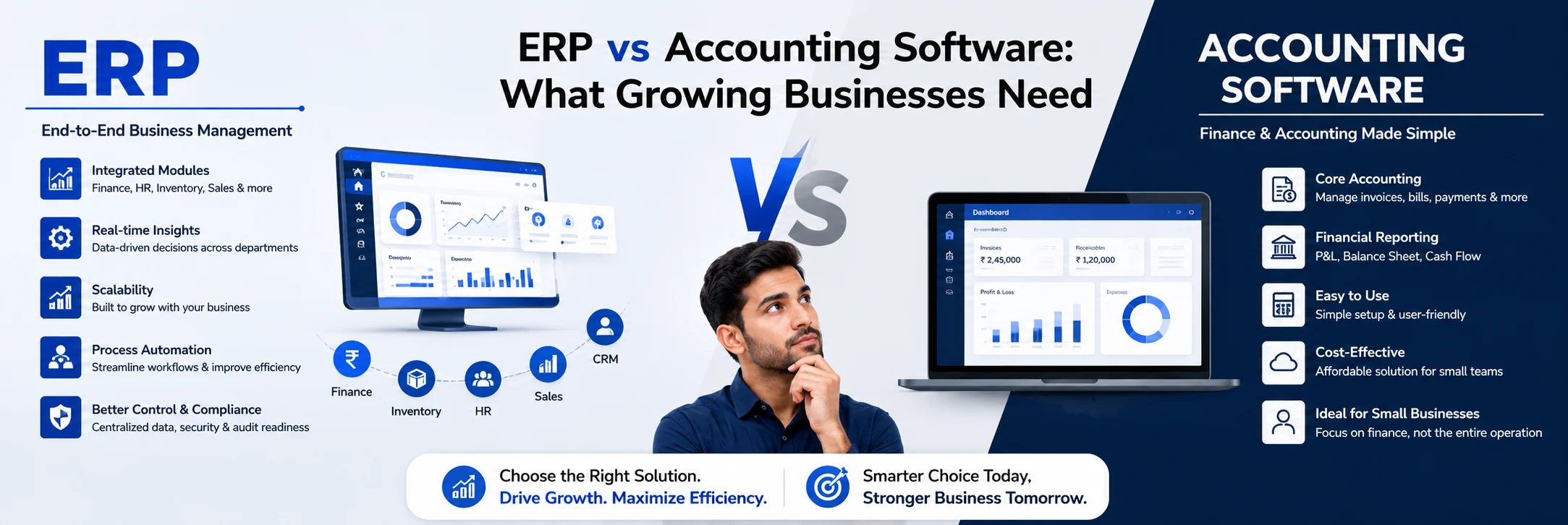
ERP vs Accounting Software: What Growing Businesses Need
Read More →
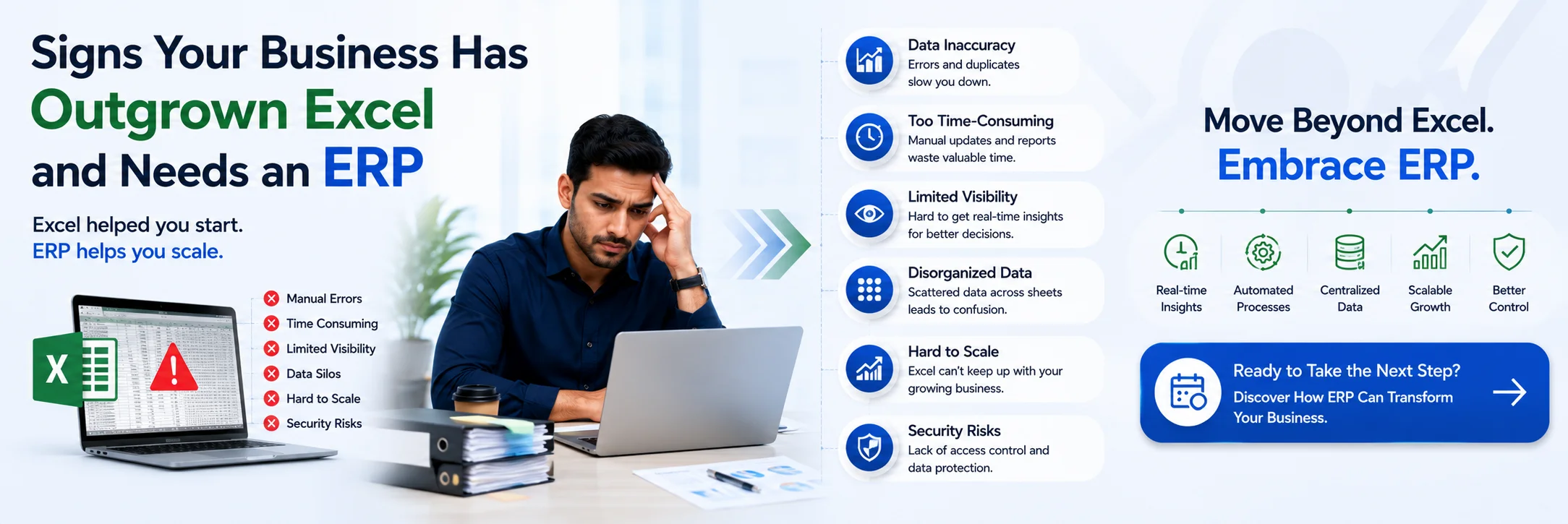
Signs Your Business Has Outgrown Excel and Needs an ERP
Read More →
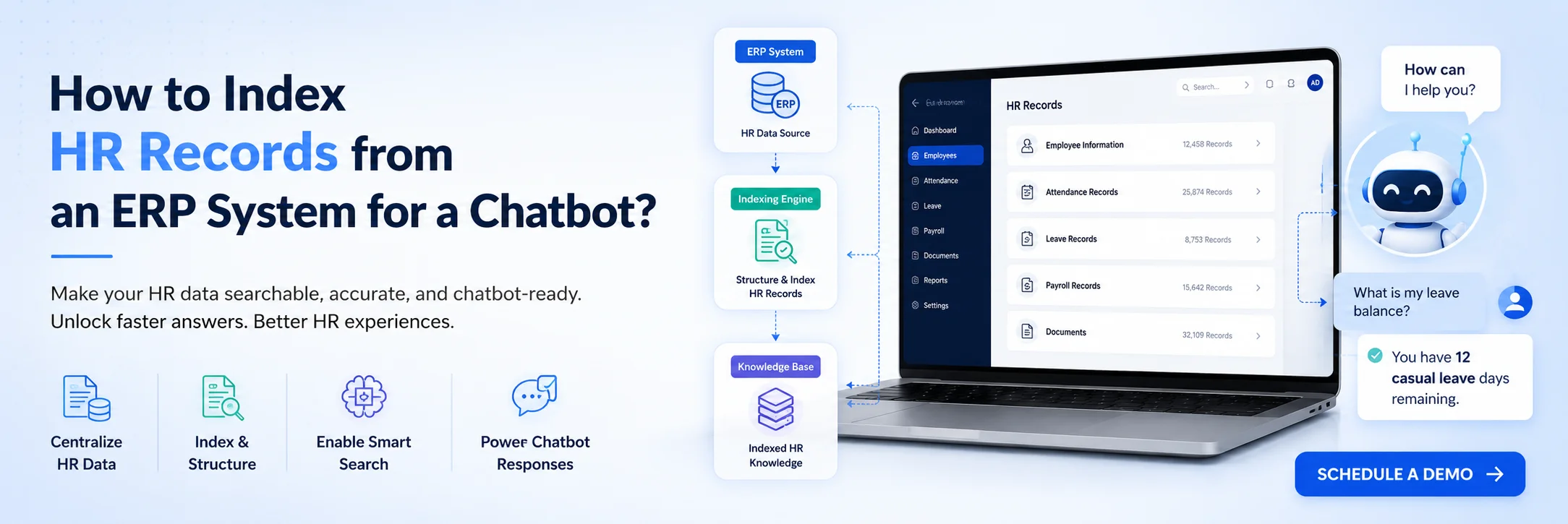
How to Index HR Records from an ERP System for a Chatbot?
Read More →
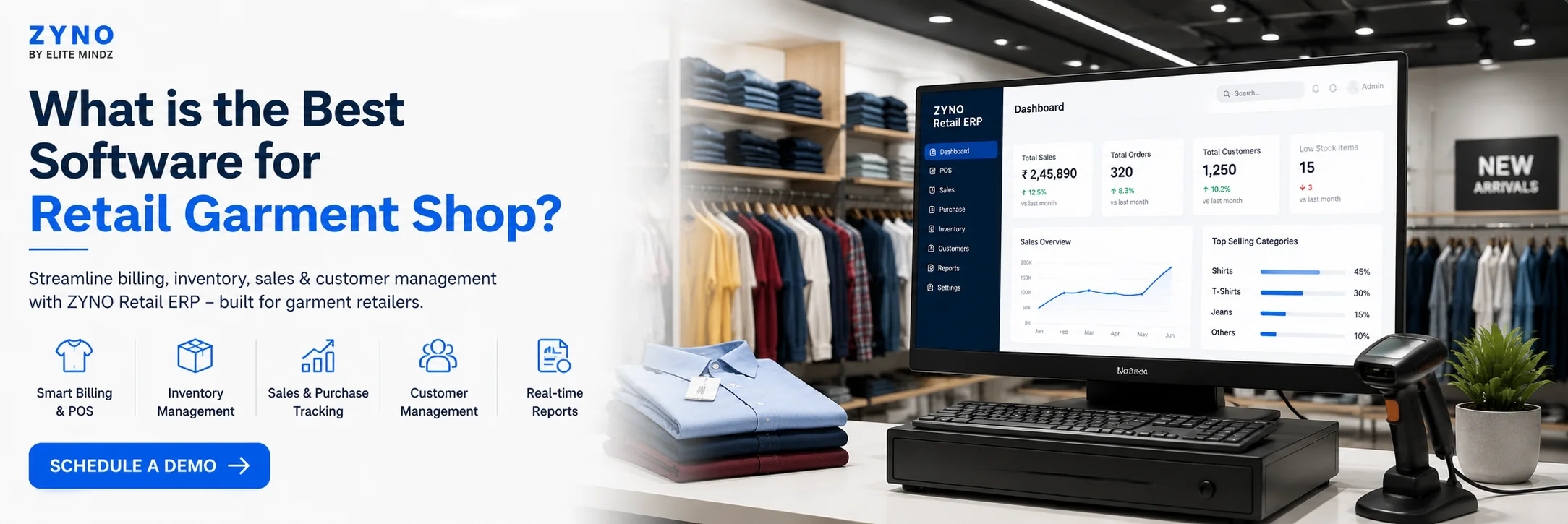
What is the Best Software for Retail Garment Shop?
Read More →
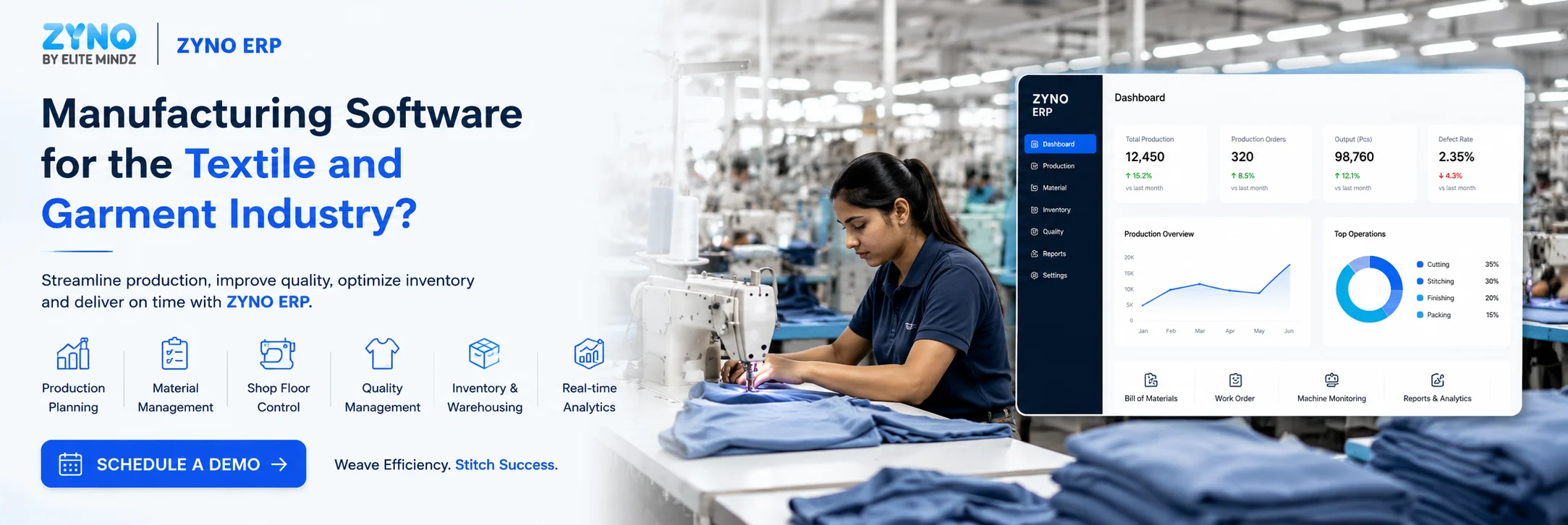
Manufacturing Software for the Textile and Garment Industry?
Read More →
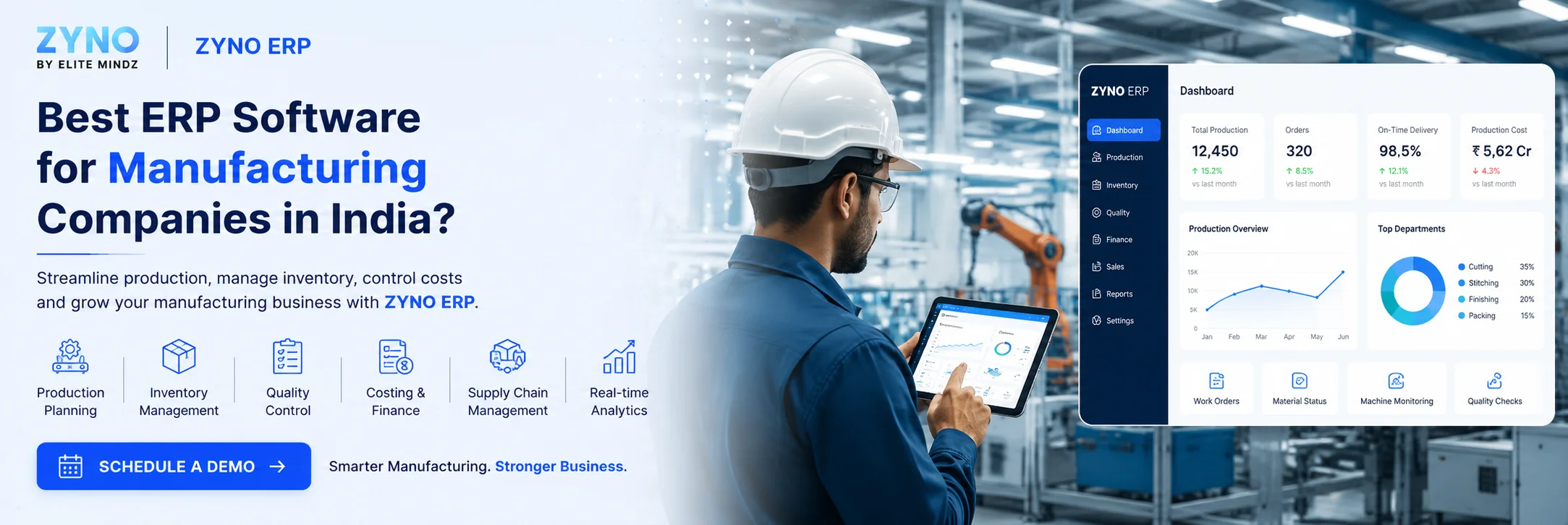
Best ERP Software for Manufacturing Companies in India?
Read More →
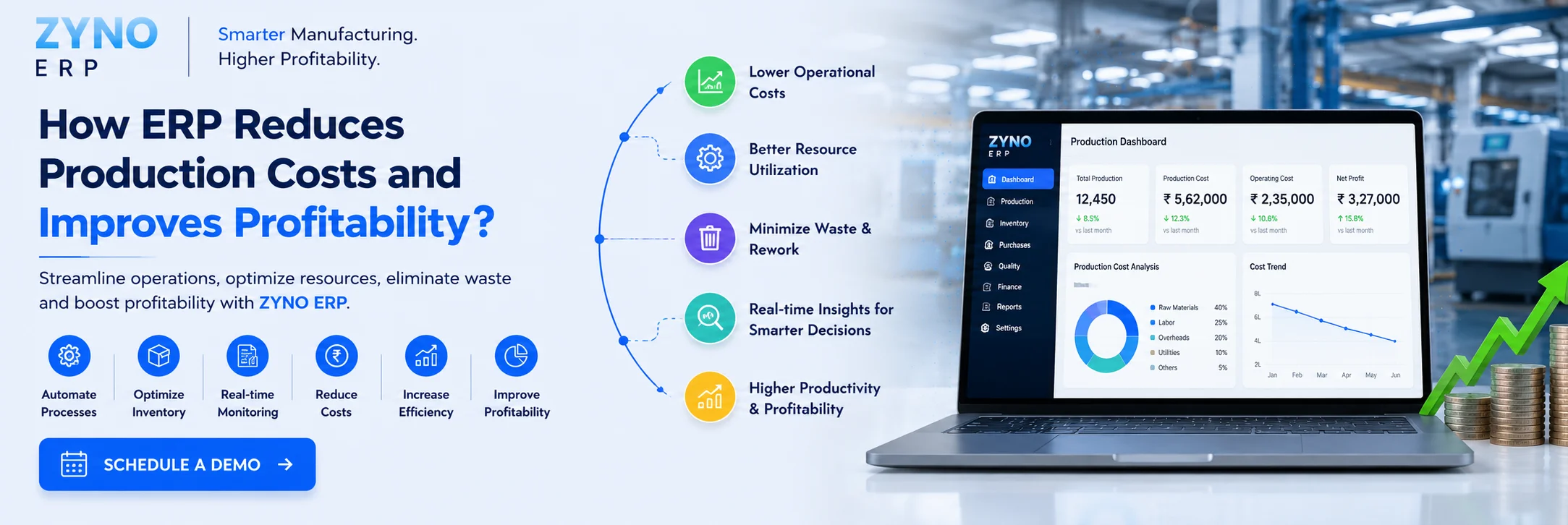
How ERP Reduces Production Costs and Improves Profitability?
Read More →
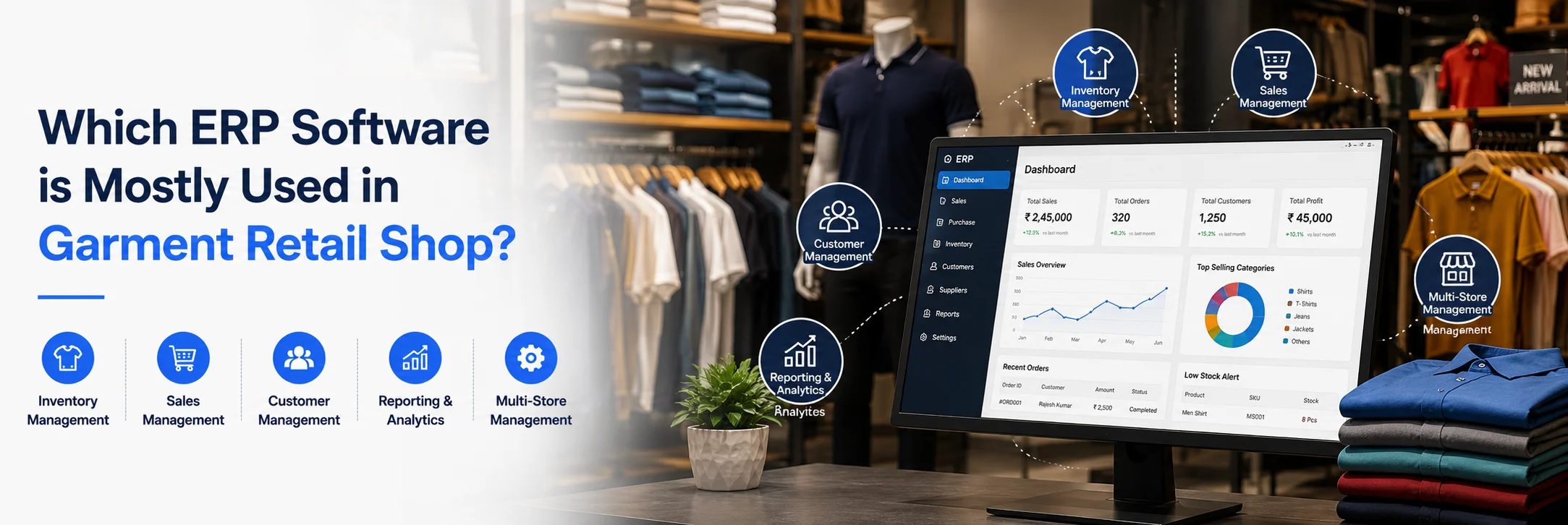
Which ERP Software is Mostly Used in Garment Retail Shop?
Read More →
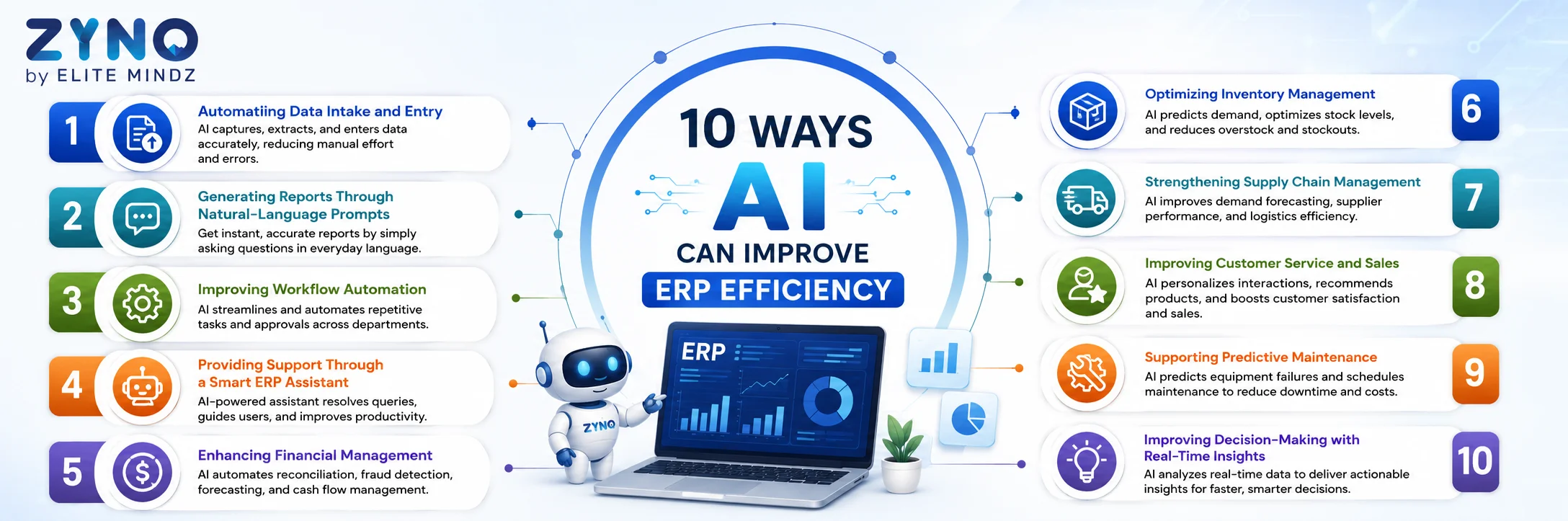
10 Ways AI Can Improve ERP Efficiency
Read More →
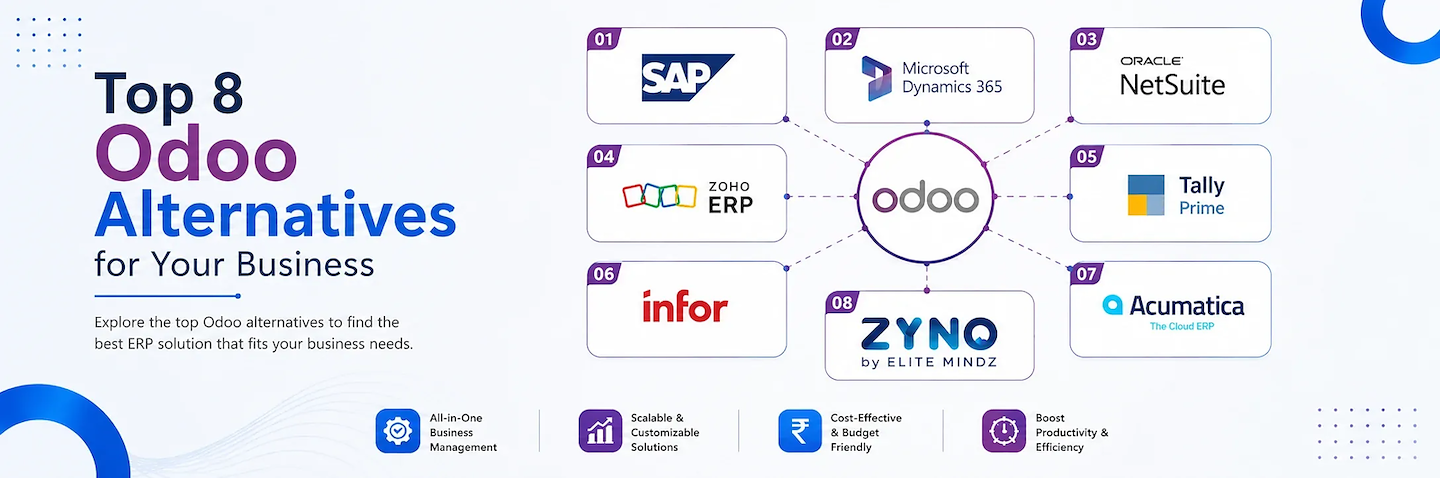
Top 8 Odoo Alternatives for Your Business
Read More →
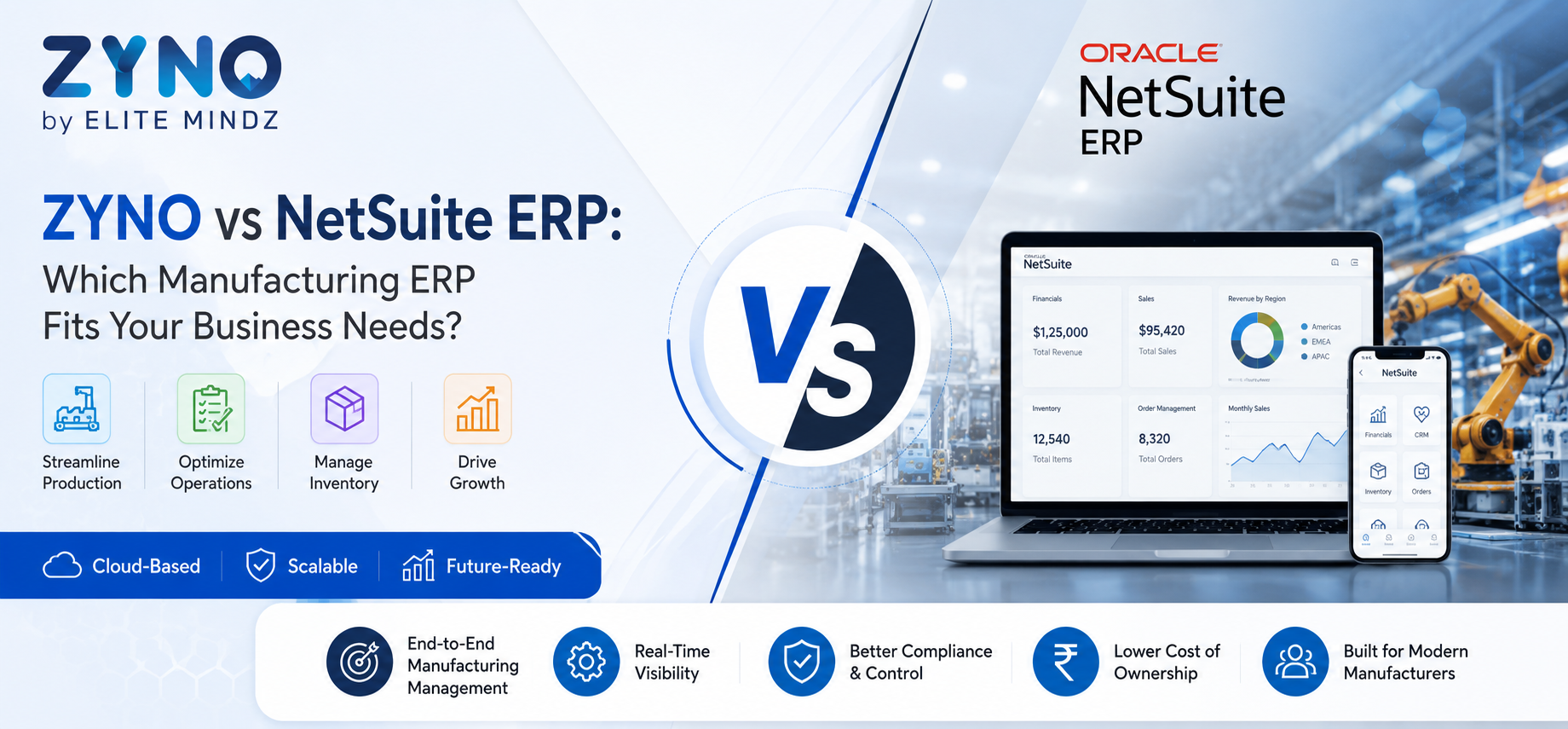
ZYNO vs NetSuite ERP: Which Manufacturing ERP Fits Your Business Needs?
Read More →
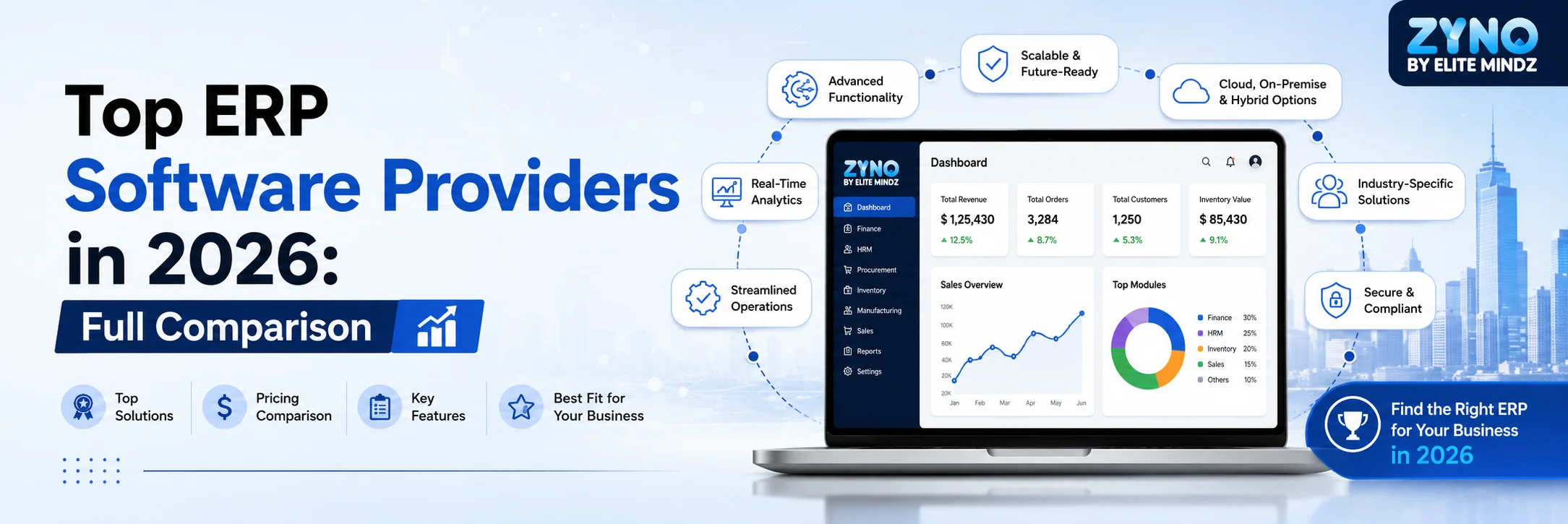
Top ERP Software Providers in 2026: Full Comparison
Read More →
ERP Software Reviews: What Buyers Actually Say in 2026
Read More →
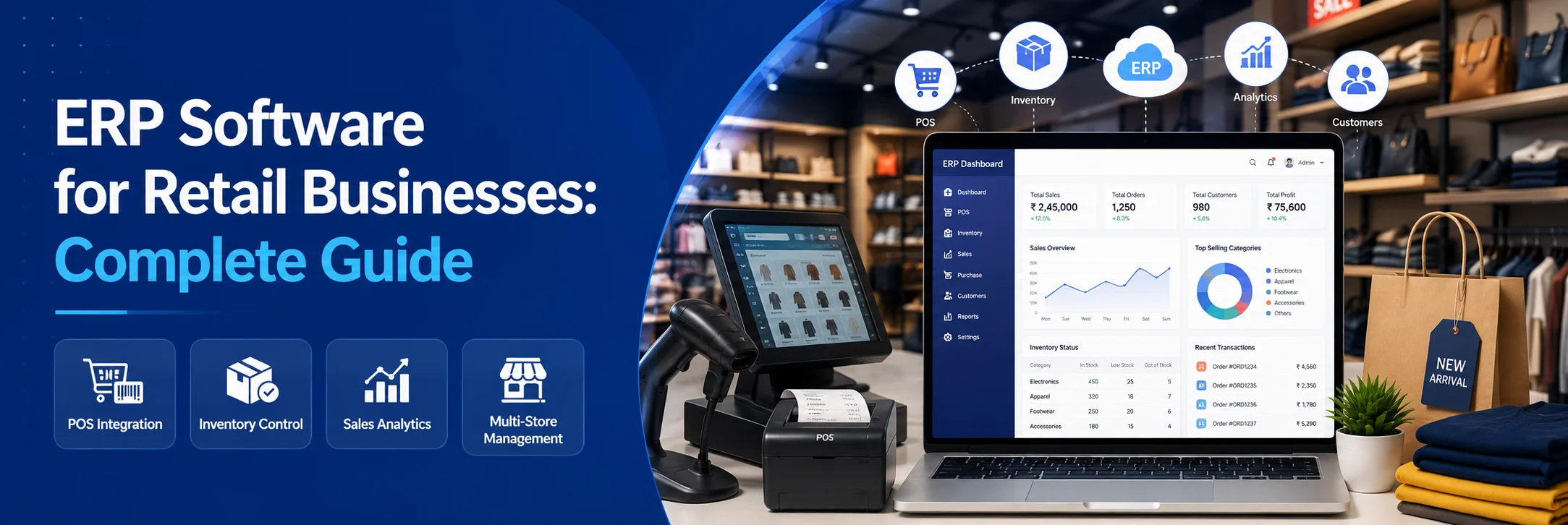
ERP Software for Retail Businesses: Complete Guide
Read More →
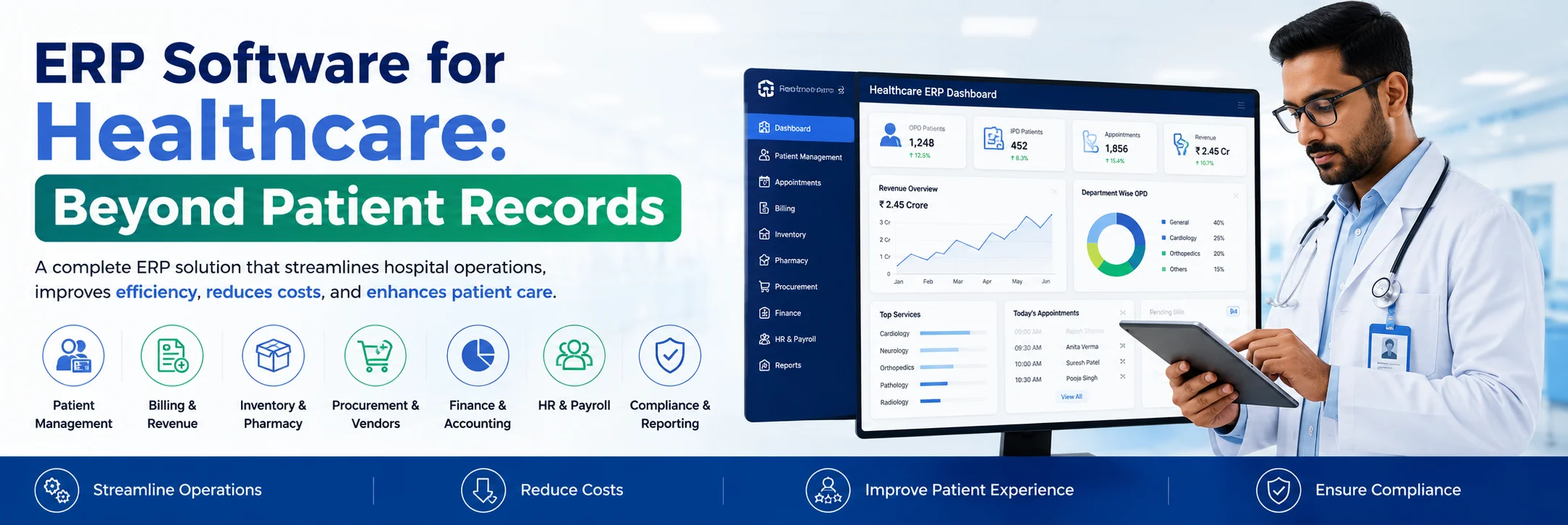
ERP Software for Healthcare: Beyond Patient Records
Read More →
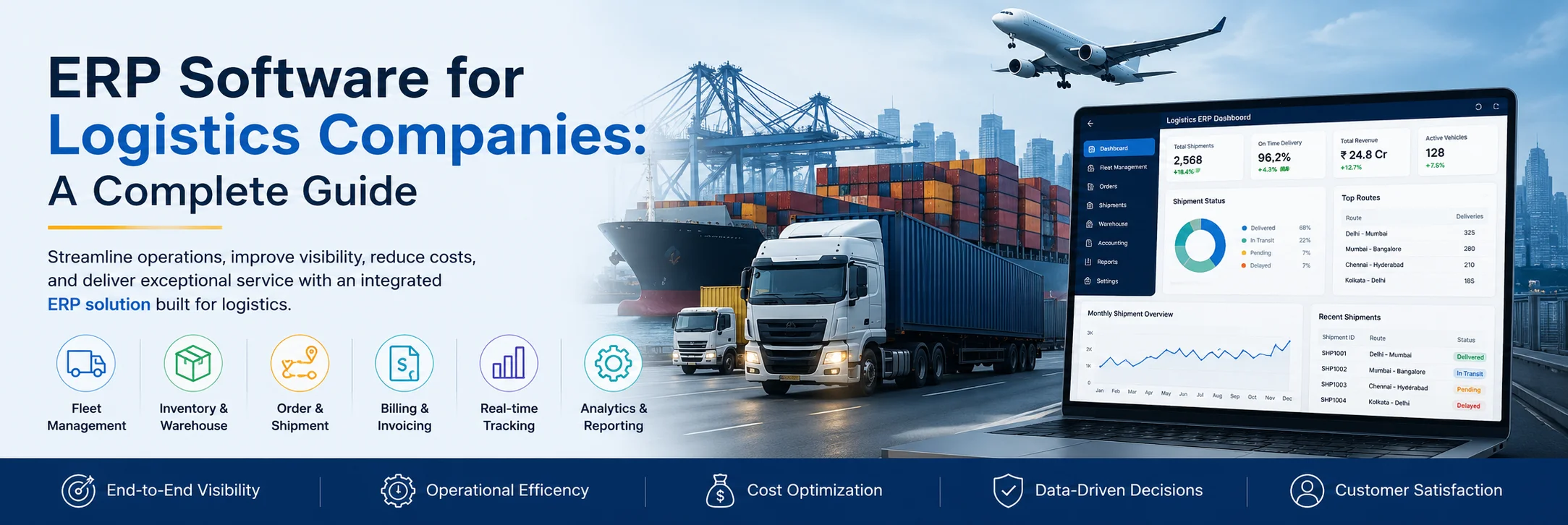
ERP Software for Logistics Companies: A Complete Guide
Read More →
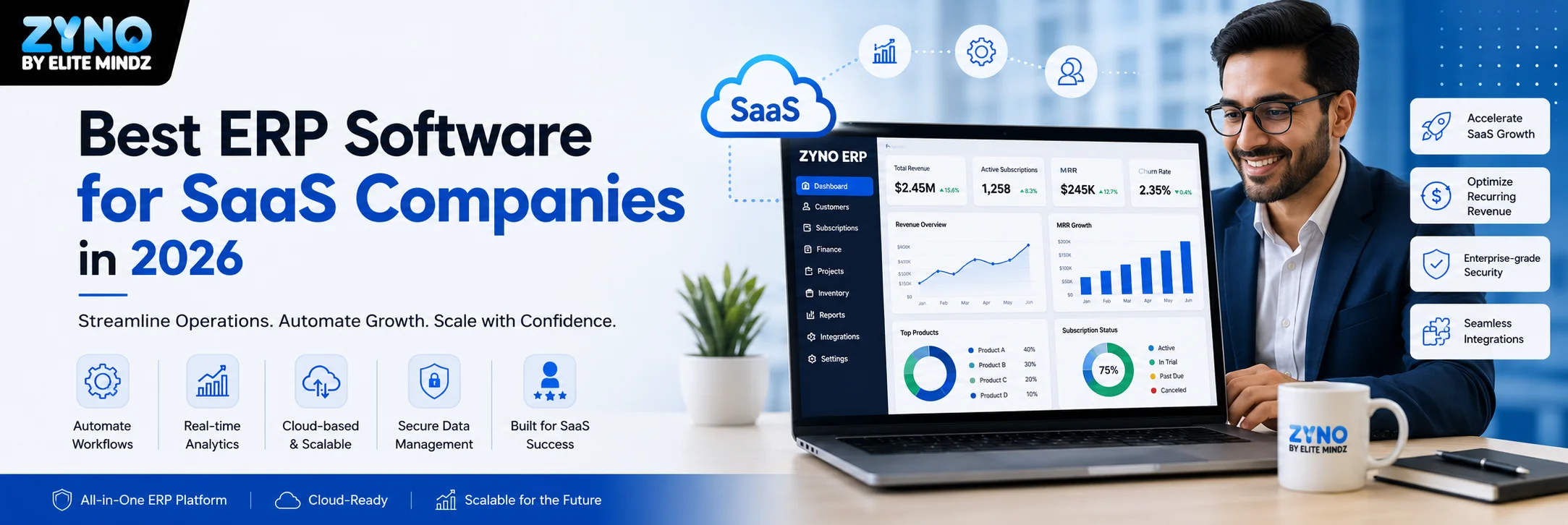
Best ERP Software for SaaS Companies in 2026
Read More →
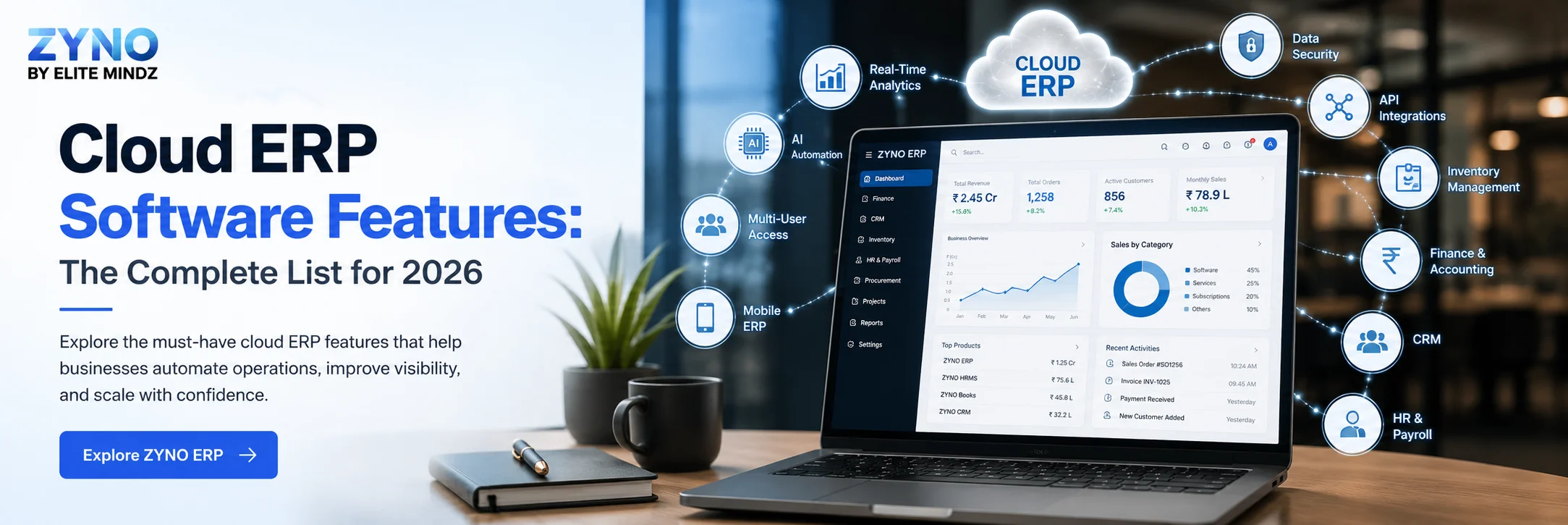
Cloud ERP Software Features: The Complete List for 2026
Read More →
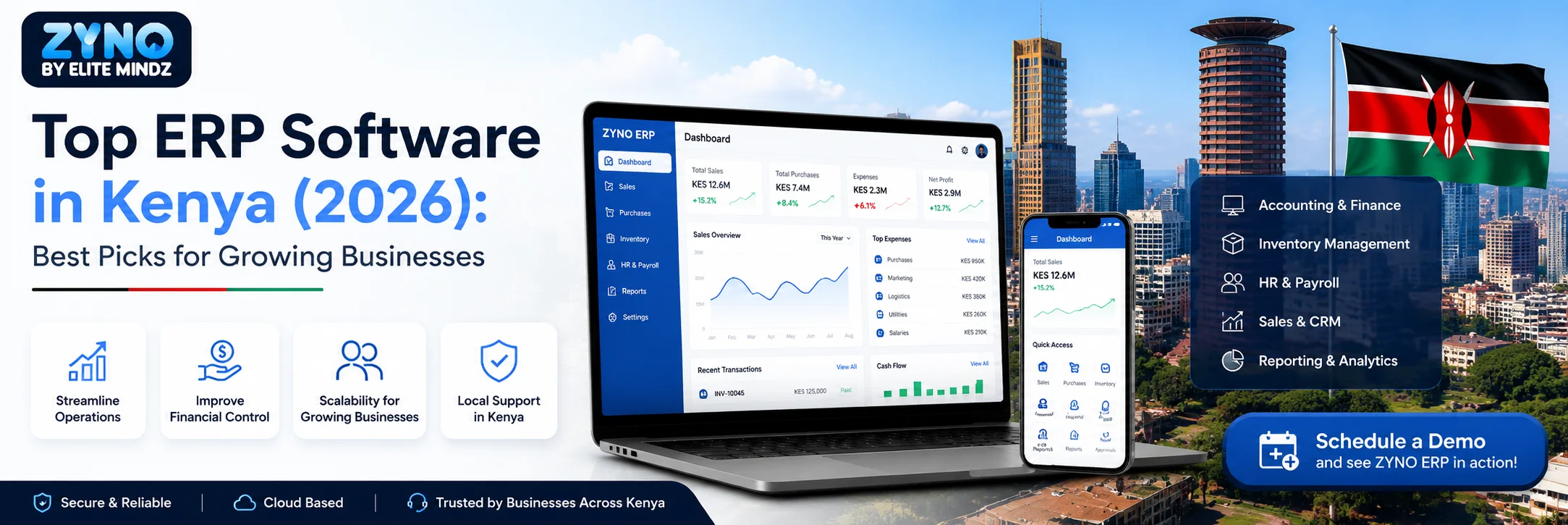
Top ERP Software in Kenya (2026): Best Picks for Growing Businesses
Read More →
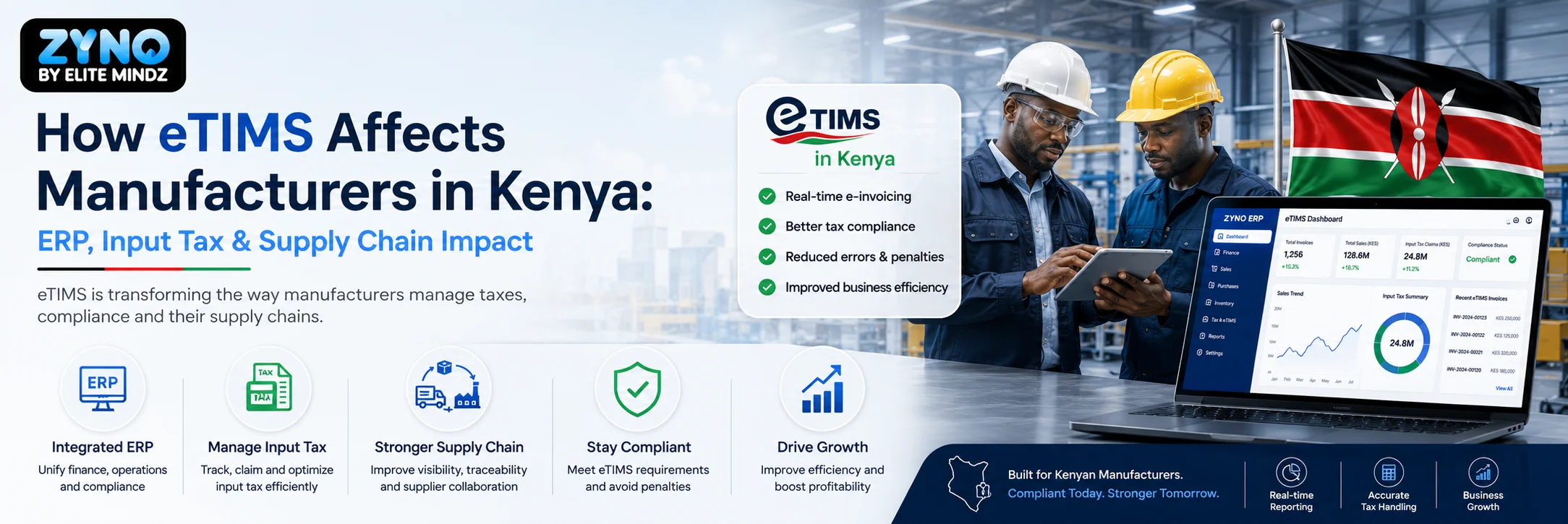
How eTIMS Affects Manufacturers in Kenya: ERP, Input Tax & Supply Chain Impact
Read More →
ERP Implementation Steps: A Complete Step-by-Step Guide for Successful ERP Deployment
Read More →
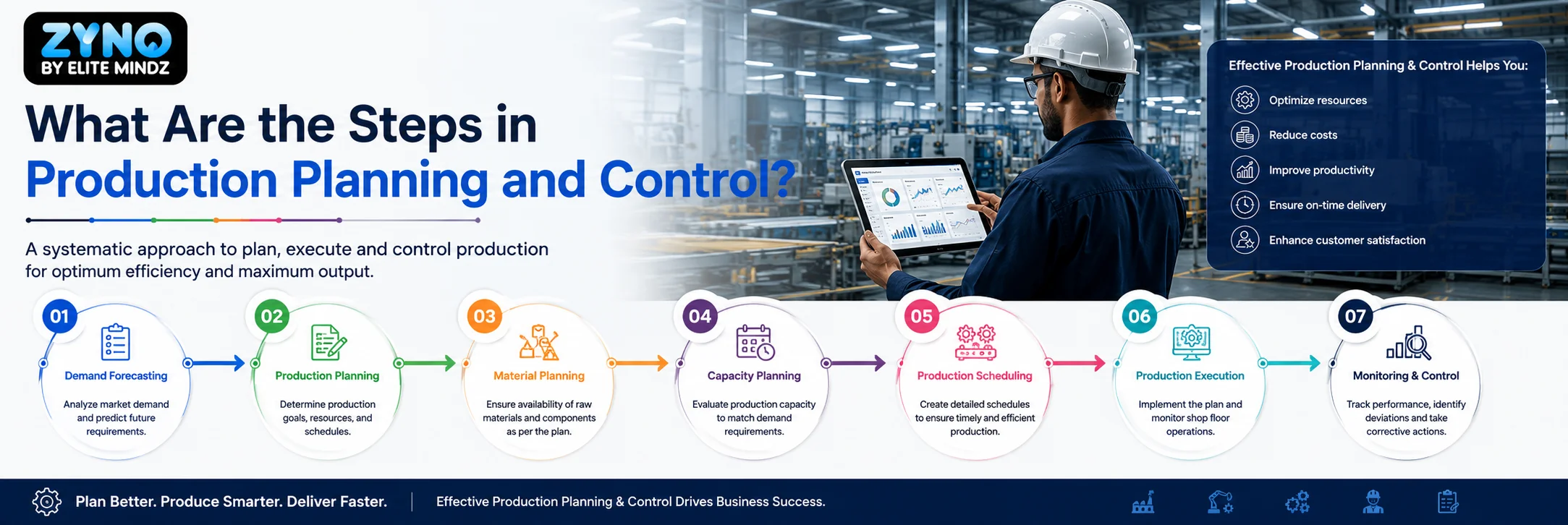
What Are the Steps in Production Planning and Control?
Read More →Partner with ZYNO by Elite Mindz to revolutionize how your business works. Fill out the form, and we’ll reach out with AI-powered solutions made just for you.
We use browser cookies to ensure you get the best experience on our website. Learn more
The form was submitted successfully!
ZYNO Digital
Fueling Smarter Digital Growth
ZYNO Digital fuels smarter digital growth through data-driven marketing, creative storytelling, and performance strategies that boost visibility, engagement, and measurable business outcomes across global platforms.
ZYNO Tech
Engineering the Future of IT
ZYNO Tech delivers cutting-edge IT solutions — including web, mobile, and digital transformation services — helping businesses scale efficiently, innovate faster, and stay ahead in a connected world.
ZYNO AI
AI Built for Business Growth
ZYNO AI harnesses the power of artificial intelligence to automate processes, enhance decision-making, and deliver predictive insights — driving innovation, agility, and measurable business growth.
ZYNO by Elite Mindz
Your Partner in the AI-Powered Future
ZYNO by Elite Mindz offers AI-powered products and services that unify operations, boost productivity, and drive digital transformation — helping businesses scale smarter and innovate faster.
* In just 2 mins you'll get a response
* Your idea is 100% protected by our Non-Disclosure Agreement