What is ERP? A Beginner's Guide to Enterprise Resource Planning
Read More →

×
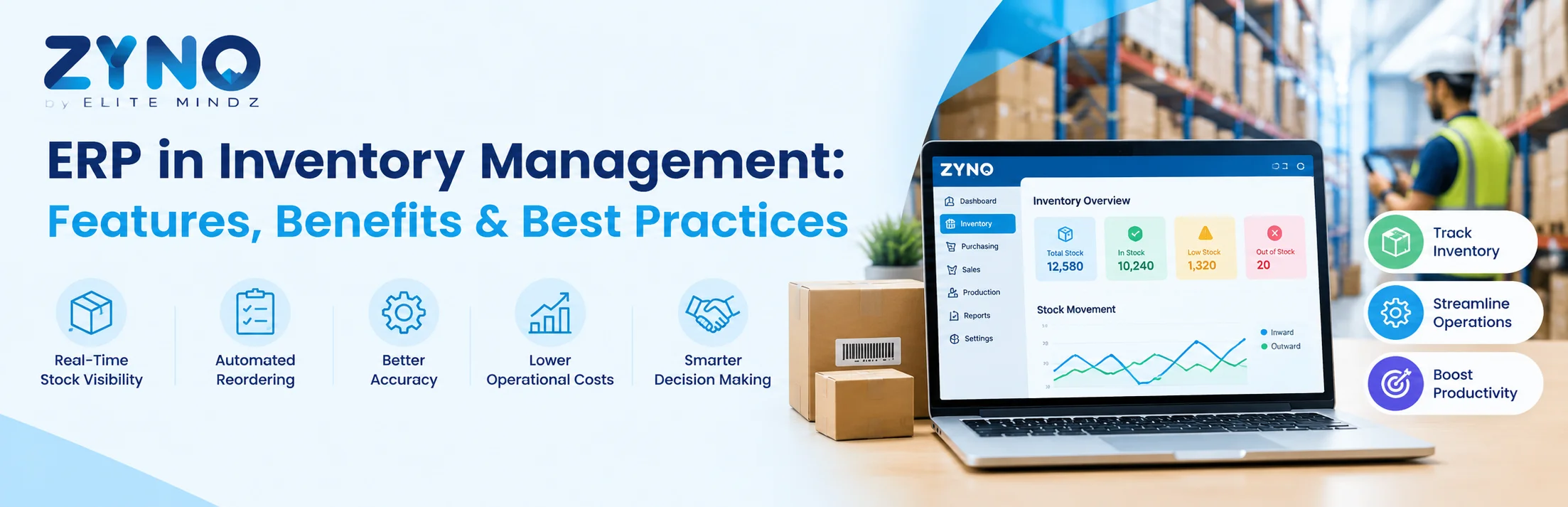
An ERP inventory management system centralises stock data across warehouses and gives real-time visibility of what is available, on order and running low. It automates reordering, tracks batches and locations, and connects inventory with purchasing, sales and finance. This helps businesses cut carrying costs, avoid stockouts and overstocking, reduce manual errors and make faster, data-backed decisions.
Businesses using ZYNO Books cut accounting time by 70% and stay 100% ZATCA-compliant — automatically.
Every business that holds stock eventually faces the same problems: shelves that are empty when a customer orders, storerooms full of items nobody buys, and stock counts that never match the books. Spreadsheets and standalone tools can work for a while, but they start to fail as you add products, warehouses, and sales channels.
This is where ERP in inventory management helps. An ERP system connects your stock data with purchasing, sales, production, and finance, so every team works from one set of numbers. This guide explains what an ERP inventory management system is, its key features, the types available, the benefits, and best practices for getting results.
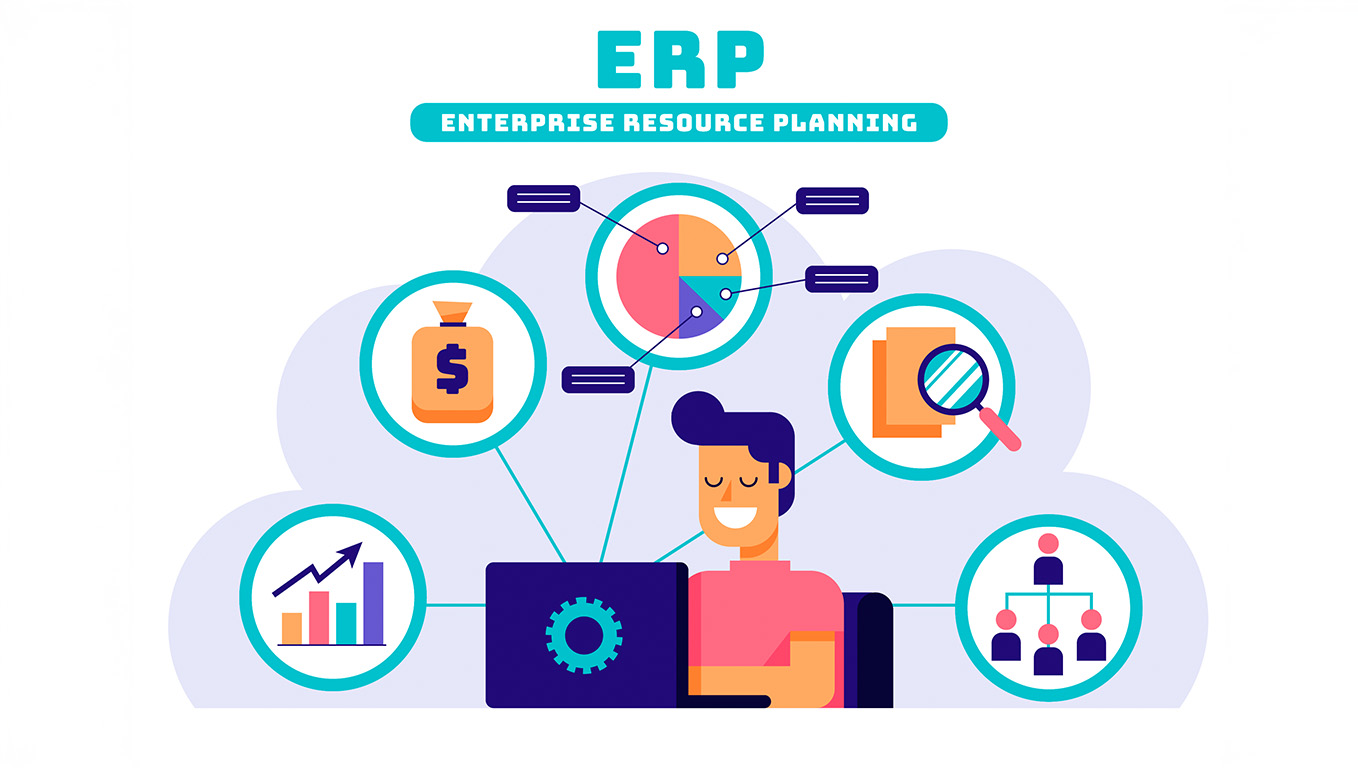
ERP stands for Enterprise Resource Planning. In inventory management, it means using one integrated platform to track, plan, and control stock as part of your wider business operations.
An ERP inventory management system does not treat inventory as a separate task. When a supplier delivers goods, stock rises and the payable entry is created. When a customer order is confirmed, stock is reserved and the invoice is prepared. When production consumes raw material, the material count drops and finished goods increase. Each event is entered once and reflected across every department.
The modules in an ERP each handle their own function, but they share the same data. That shared data is what makes calculations such as reorder quantities, stock valuation, and demand estimates more accurate.
Many growing businesses ask whether Excel or basic inventory software is enough. Here is how the three compare.
For a small shop with one location and a few products, a simple tool may be enough. Once you manage multiple warehouses, suppliers, or a manufacturing process, the cost of disconnected data usually exceeds the cost of an ERP.
Streamline Inventory Management with ZYNO ERP
Manage inventory in real time with ZYNO ERP. Track stock across locations, streamline procurement, improve inventory visibility, automate workflows, and connect inventory with sales, finance, and business operations.
Request a Free Demo Explore ZYNO ERPFeatures vary between vendors, but good inventory management ERP software usually covers the following.
Real-time stock tracking. See quantities across warehouses, bin locations, and goods in transit from a single dashboard, updated as transactions happen.
Automated reordering. Set minimum and maximum levels for each item. When stock hits the threshold, the system raises a purchase request or alert so you reorder before you run out.
Demand forecasting. Historical sales and seasonal trends are used to estimate future requirements, helping you buy and produce the right quantities.
Batch, lot, and serial tracking. Follow each item from supplier to customer. This supports quality checks, warranty claims, expiry management, and product recalls.
Multi-warehouse management. Handle inter-warehouse transfers, location-wise stock, and separate valuation for each site.
Procurement integration. Move from purchase request to purchase order to goods receipt to supplier invoice in one workflow, with a clear audit trail.
Manufacturing support. For producers, bills of materials, work orders, and raw material consumption link directly to inventory.
Barcode and QR scanning. Faster receiving, picking, and dispatch with fewer manual entry errors.
Reports and analytics. Stock ageing, fast-moving and slow-moving items, inventory turnover, and valuation reports are available without exporting data.
Automation. Repetitive tasks such as data entry, approval routing, and stock adjustments are handled by rules, which saves time and reduces mistakes.
Where and how the software runs affects cost, control, and how easily it scales. There are four common deployment models.
On-premises ERP. Installed on your own servers. You control the infrastructure and data, but you also carry the cost of hardware, maintenance, security, and upgrades. Implementation is usually longer.
Cloud-based ERP. Hosted by the vendor and accessed through a browser. Updates are automatic, setup is typically faster, and teams in different locations can log in from anywhere. This is the most popular choice for growing businesses.
Hybrid ERP. A mix of on-premises and cloud components. It suits companies that want to modernize gradually, though keeping data in sync adds some complexity.
Multicloud ERP. Different parts of the system run across more than one cloud provider. This is generally for large organizations with specific reliability or regional requirements and strong in-house technical teams.
For most small and mid-sized businesses, a cloud-based or well-supported hybrid setup offers the best balance of cost and flexibility.
Consider a distributor receiving a large customer order. The order is entered, and the system immediately checks availability across warehouses and reserves stock from the nearest location. If the quantity left falls below the minimum level, a purchase requisition is generated automatically. When the supplier's goods arrive, the receipt updates inventory and creates the payable entry at the same time. When the order ships, the invoice, stock deduction, and ledger entry are completed in a single step.
There is no double entry, no waiting for someone to update a sheet, and far less room for error. That is how ERP improves inventory management: it turns separate manual tasks into one connected workflow.
An ERP is worth serious consideration if several of these apply to you:
Be honest about the trade-offs too. ERP projects need planning, clean data, and staff training. A complex or heavily customized rollout can take months and may depend on specialist help. Choosing a modular system that matches your size, and starting with core inventory before adding other modules, keeps the project manageable.
Take Control of Inventory with ZYNO ERP
Get real-time inventory visibility, manage stock across multiple locations, streamline procurement, automate inventory workflows, and connect inventory with sales, finance, and other core business operations using ZYNO ERP.
Book a Free Demo Explore ZYNO ERPClean your data before migrating. Standardize item codes, units of measure, and categories. Poor data going in produces poor reports coming out.
Set reorder levels using real numbers. Base minimum levels on actual consumption and supplier lead times, and review them every quarter.
Use ABC analysis. Rank items by value and movement. Keep tighter control on high-value stock and simplify handling of low-value items.
Run regular cycle counts. Counting a small section frequently catches discrepancies early and avoids shutting down for a full annual stocktake.
Adopt barcodes or QR codes. Scanning speeds up receiving and dispatch and reduces entry errors.
Train every user. An ERP only works if warehouse, purchase, and sales staff record transactions correctly and on time.
Connect all relevant modules. Link inventory with sales, procurement, manufacturing, and accounting to get the full value of the system.
Track the right KPIs. Review inventory turnover, stock accuracy, fill rate, days of inventory on hand, and carrying cost every month, and act on the trends.
Start focused, then expand. Go live with core inventory and purchasing first, then add further modules once the team is comfortable.
Inventory is at the heart of every product-based business, and poor inventory visibility can quickly lead to stockouts, excess stock, delayed orders, and unnecessary costs. This is where ERP in inventory management can make a real difference.
By connecting inventory with sales, purchasing, warehousing, manufacturing, and finance, an ERP inventory management system gives businesses a complete view of their stock and operations. Features such as real-time tracking, automated reordering, demand forecasting, and inventory reporting help teams move from reactive stock management to more proactive planning.
The goal is not simply to track inventory, but to know what you have, where it is, what you need, and when you need it. With the right inventory management ERP software, businesses can build more accurate, efficient, and scalable inventory processes while supporting better decisions as they grow.
Ultimately, the right ERP turns inventory data into actionable business insight, helping organizations keep the right stock available while keeping operations efficient and costs under control.
What is ERP in inventory management?
It is the use of an integrated ERP system to track, plan, and control stock while automatically syncing that data with purchasing, sales, production, and accounting.
How is an ERP inventory management system different from standalone inventory software?
Standalone software mainly tracks stock. An ERP connects inventory with finance, procurement, and sales, so a single transaction updates all related records in real time.
Is Excel an ERP tool?
No. Excel can hold inventory data, but it lacks integrated workflows, automation, real-time updates, and cross-department visibility that an ERP provides.
Can ERP for inventory management handle multiple warehouses?
Yes. Most ERP systems track stock by warehouse and bin location, show goods in transit, and manage transfers between sites with full visibility.
Does ERP stock management help reduce overstocking?
Yes. Forecasting, minimum and maximum levels, and ageing reports help you buy the right quantity and spot slow-moving items early.
What are the main types of ERP deployment?
On-premises, cloud-based, hybrid, and multicloud. They differ in control, cost, flexibility, and the technical effort needed to manage them.
Is an inventory management ERP suitable for small and mid-sized businesses?
Yes. Modular, cloud-based ERP solutions scale with your size, so you can start with core inventory and add modules as you grow.
How long does ERP implementation take?
It depends on data readiness, the number of locations, and the modules involved. A simple setup can go live in weeks, while multi-location or manufacturing rollouts may take a few months.
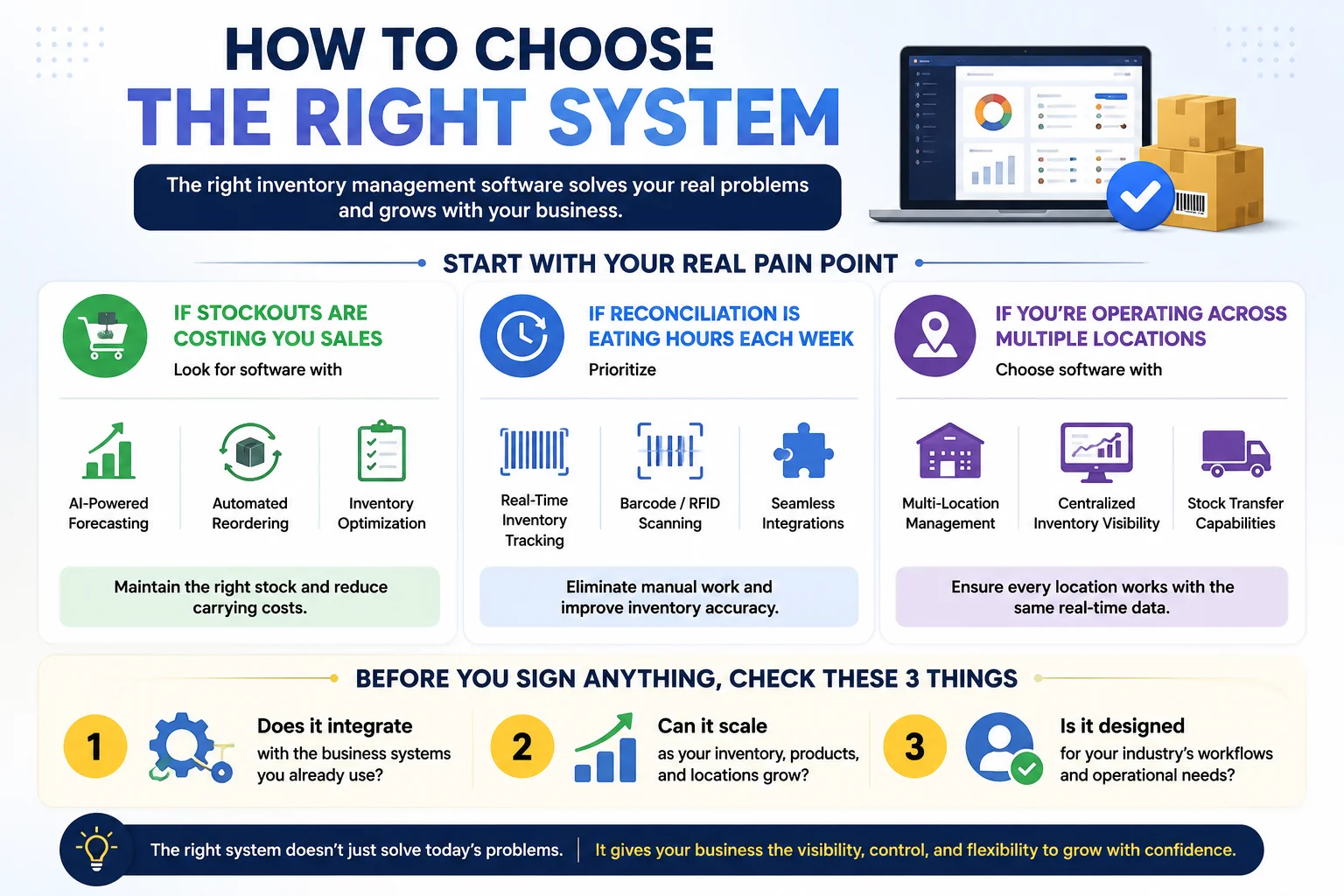
What should I look for when choosing an ERP inventory management system?
Check that it supports real-time tracking, multi-warehouse management, automated reordering, and batch or serial tracking. It should also integrate with your accounting, sales, and procurement processes, offer useful reports, and be able to scale as you add products, locations, or users. Ask about training and support too, since good adoption depends on them.
How does ERP inventory management help with compliance and audits?
An ERP keeps a complete record of every stock movement, including who made the change, when, and why. Lot and serial tracking lets you trace an item from supplier to customer, which makes recalls, quality checks, and expiry management easier. Because inventory is tied to your accounts, valuation and stock reports are ready when auditors ask for them.
Read More:
Warehouse Management System (WMS): Complete Guide
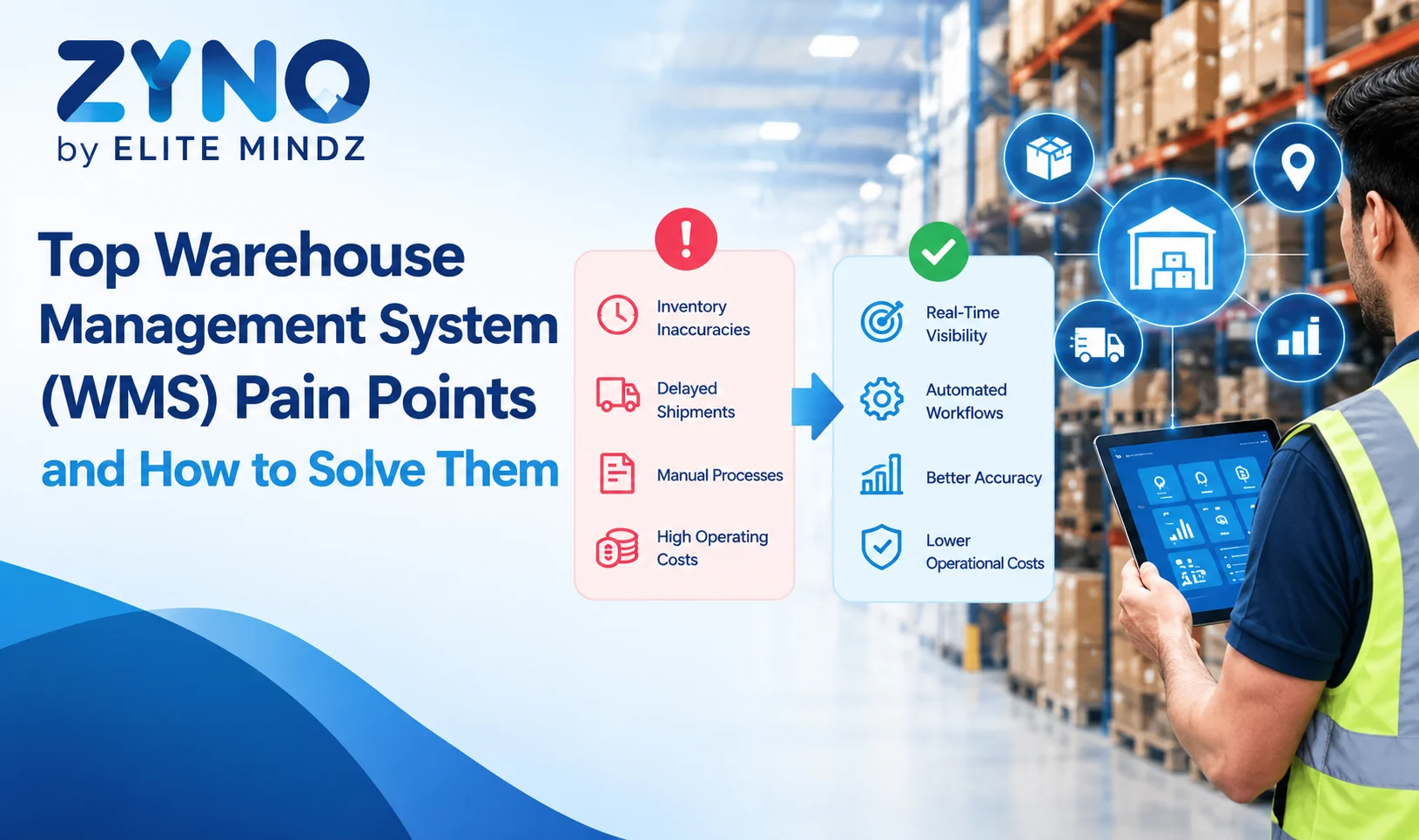
Top Warehouse Management System (WMS) Pain Points
Top ERP Software Developers in the UK
Best ERP Software Providers in France
Best ERP Software Companies in Germany
Top ERP Software Development Companies in Qatar
Best ERP Software Firms in Saudi Arabia
Best ERP Service Providers in Indonesia
Top ERP Software Companies in India
What is ERP? A Beginner's Guide to Enterprise Resource Planning
Read More →
Cloud ERP vs. On-Premise vs. Hybrid: Best ERP Model for 2025
Read More →How To Customize ERP Software Without Breaking The Bank?
Read More →
The Future of Manufacturing ERP in 2026 & Beyond
Read More →Best ERP Software in India: 2026 Edition
Read More →
AI in Manufacturing ERP: The Future of Smart Factories
Read More →
How ERP Transforms Inventory Management and Reduces Costs
Read More →
Inventory Management Software Features: The Complete 2026 Buying Guide
Read More →
Top 5 Ways Asset Management Software Can Save Your Business Money
Read More →
Why Smart Businesses Are Switching to Vendor Management Systems in 2025?
Read More →
Why Manufacturing Companies Need ERP Software
Read More →
Cloud ERP vs. Traditional ERP: Which is Right for You?
Read More →
ERP for Small Business: Is It Worth the Investment?
Read More →
How to Calculate ERP ROI and Why It's Worth the Investment
Read More →
Top 10 ERP Software Companies in India 2026 Updated List (Complete Guide)
Read More →
ERP Implementation Mistakes to Avoid in 2025
Read More →
Cloud ERP vs Edge Computing: What's Right for Modern Manufacturing?
Read More →
The Future of ERP Software and the Role of Generative AI
Read More →
Digital Twin Technology & ERP: Real-Time Insights for Smarter Manufacturing
Read More →
Scalable ERP Solutions Designed for Modern Enterprises
Read More →
ERP and IoT Integration: Smart Factory Vision
Read More →Best ERP Software for Manufacturing Businesses in India
Read More →Top 10 Best Manufacturing ERP Software in India (2026)
Read More →
Best ERP Software for Manufacturing Industries in Ethiopia (2026)
Read More →
Best School ERP Software Providers in UAE (2025 Edition)
Read More →
Best School ERP Software for 2025: Guide for Educational Institutions
Read More →
Top 10 ERP Software Solutions for Nigerian Manufacturers (2025 Edition)
Read More →
Best ERP Systems for Scalable Retail and POS Integration
Read More →
Top 10 Cloud-Based Manufacturing ERP Solutions in Africa (2025 Edition)
Read More →
Top 10 Cloud-Based Manufacturing ERP in UAE
Read More →
Top 10 Cloud-Based Manufacturing ERP Software in Nigeria (2026 Edition)
Read More →
Top 10 School ERP Software Companies in Kenya (2025)
Read More →
Best School ERP Software Providers in Nigeria (2025)
Read More →
Top Cloud-Based Manufacturing ERP in Zimbabwe (2025)
Read More →
Best ERP Software in U.K
Read More →
Top 10 ERP Software Developers in the U.K. (2025)
Read More →
Best ERP Software Providers in France (2025)
Read More →
Best ERP Software Companies in Germany : A Comprehensive Guide
Read More →
Top 10 ERP Software Development Companies in Qatar
Read More →
Best ERP Providers in Germany: 10 ERP Software Options Compared
Read More →
Best ERP Software Firms in Saudi Arabia (2025)
Read More →
Best ERP Service Providers in Indonesia for SMEs and Large Enterprises
Read More →
Top 10 Cloud-Based Manufacturing ERP Systems in Egypt for Modern Factories
Read More →
Top ERP Solutions in the USA 2025: Streamline Your Business with ZYNO ERP
Read More →
Top ERP Solutions in Qatar for Businesses of All Sizes
Read More →Top Manufacturing ERP Software in India 2026 ZYNO Manufacturing ERP
Read More →How Manufacturing Companies Reduce Production Delays Using ERP Automation
Read More →Why Legal Firms Need ERP to Manage Cases, Billing & Compliance
Read More →What Is ERP And How Does It Work
Read More →
How ERP Systems Are Evolving in 2026: What Businesses Need to Know
Read More →
Best ERP Software in India: 2025 Edition
Read More →
Top 10 ERP Software Companies in Delhi NCR
Read More →
How Manufacturing ERP Software Improves Demand Forecasting
Read More →
Top 10 Best School Management Software in India
Read More →Manufacturing & Wholesale ERP in Qatar: Complete Industry Guide 2026
Read More →Cloud ERP Software in Qatar: Why Businesses Are Moving in 2026
Read More →Is ERP a Procurement Software? Key Differences, Benefits & What to Choose
Read More →What Is Production Planning and Control? Definition, Objectives & Functions
Read More →
Garment Inventory Software: Features, Providers & Buying Guide (2026)
Read More →
How ERP Reduces Fabric Wastage in Garment Factories
Read More →
Why the Garment Industry Needs a Specialized ERP
Read More →
Features to Look for in Garment Manufacturing ERP Software
Read More →
Best ERP Software for Small Garment Manufacturing Business in India
Read More →
The Real Problems Holding Back Small Garment Manufacturers in India
Read More →Garment Manufacturing ERP Software in India: Best Options, Features & Complete Guide 2026
Read More →
Which ERP is Best for Manufacturers in 2026?
Read More →
Distributor & Consumer Management System: The Complete Guide for 2026
Read More →
Best Pharma ERP Software in India 2026 – Features, Compliance & Buying Guide
Read More →
SAP Alternative for Manufacturing in India (2026): 6 Options Compared Honestly
Read More →
What Is the Relation Between MIS and Enterprise Resource Planning?
Read More →
Best ERP for Sweater Manufacturers in India
Read More →
What Manufacturing ERP Systems Provide the Best Demand Forecasting Features?
Read More →
Which ERP Software Provides the Best Demand Forecasting for Manufacturers?
Read More →
What are the key features to look for in AI ERP software for manufacturing companies in India?
Read More →
How does AI-powered ERP software improve production planning and inventory management in manufacturing?
Read More →
Which AI ERP platforms are best suited for small and mid-sized manufacturing businesses in India?
Read More →
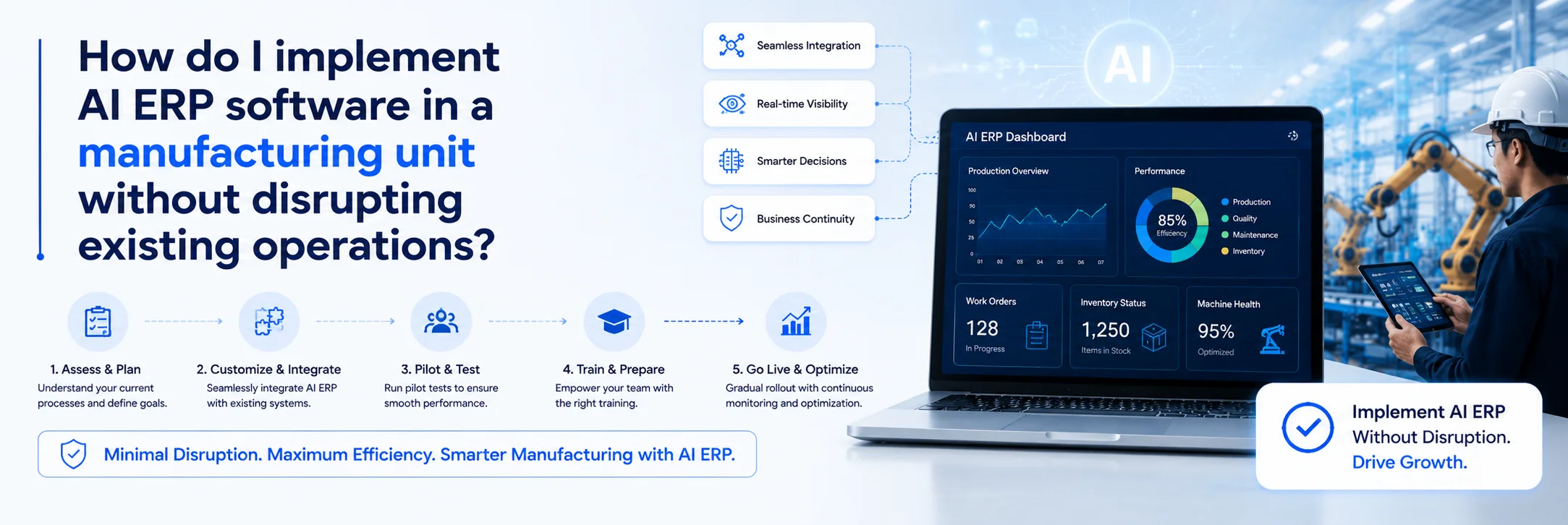
How do I implement AI ERP software in a manufacturing unit without disrupting existing operations?
Read More →
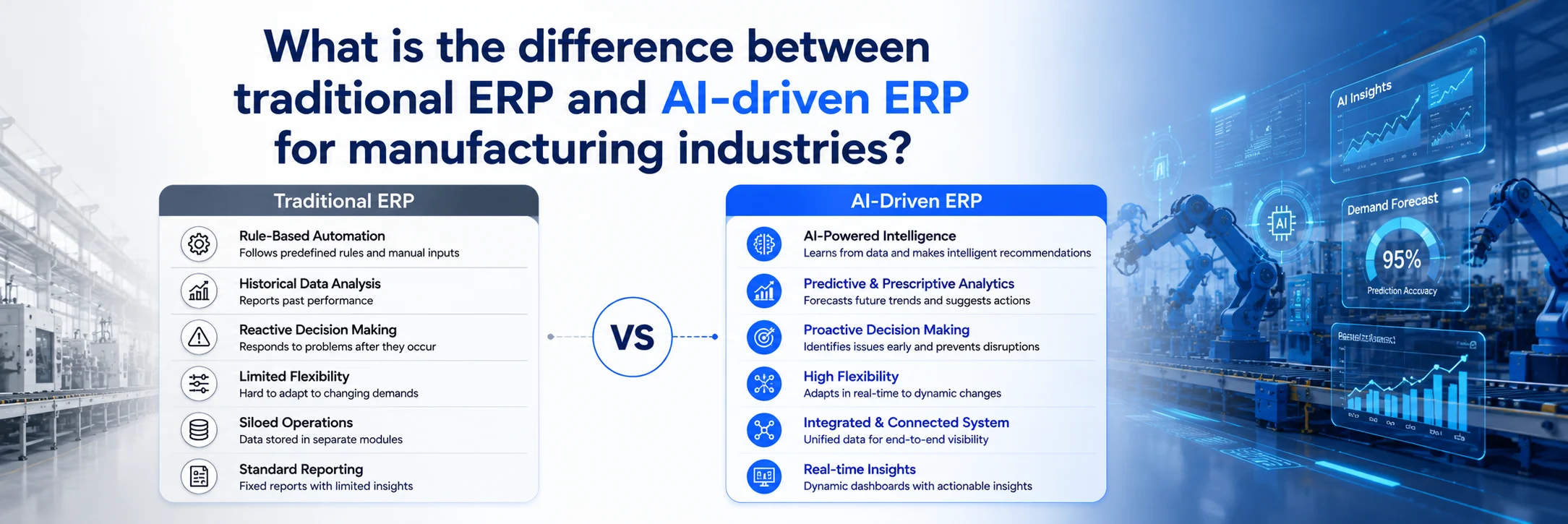
What is the difference between traditional ERP and AI-driven ERP for manufacturing industries?
Read More →
AI-Powered Smart ERP Software: The Complete Guide for Modern Enterprises
Read More →
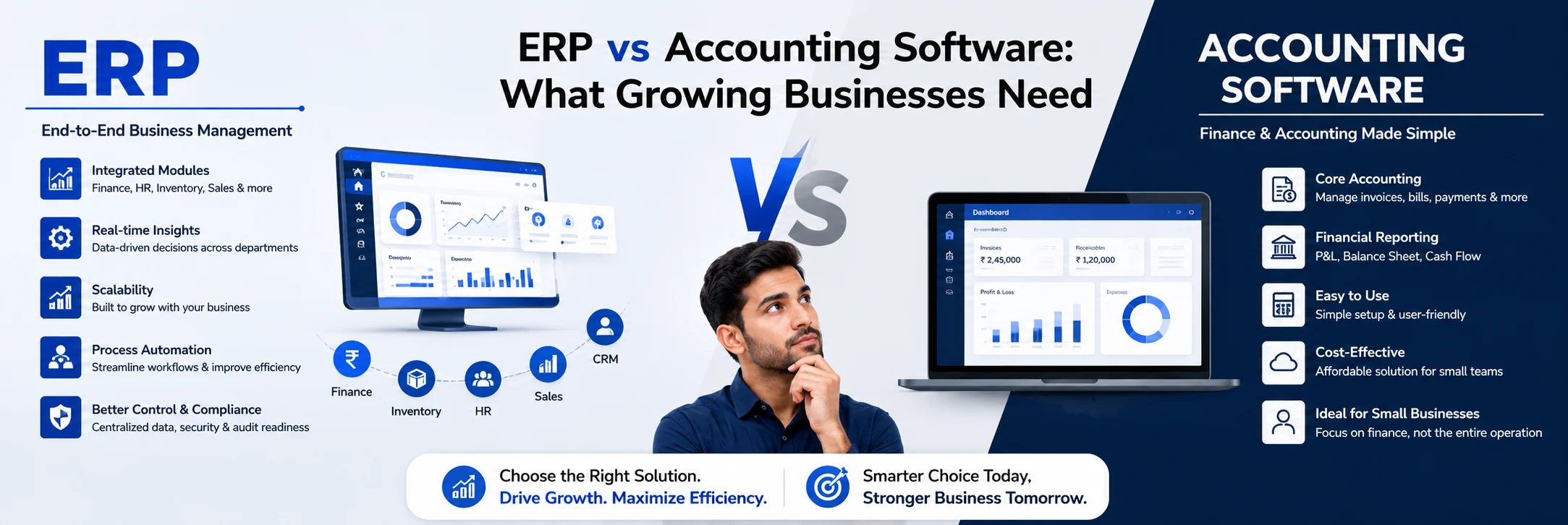
ERP vs Accounting Software: What Growing Businesses Need
Read More →
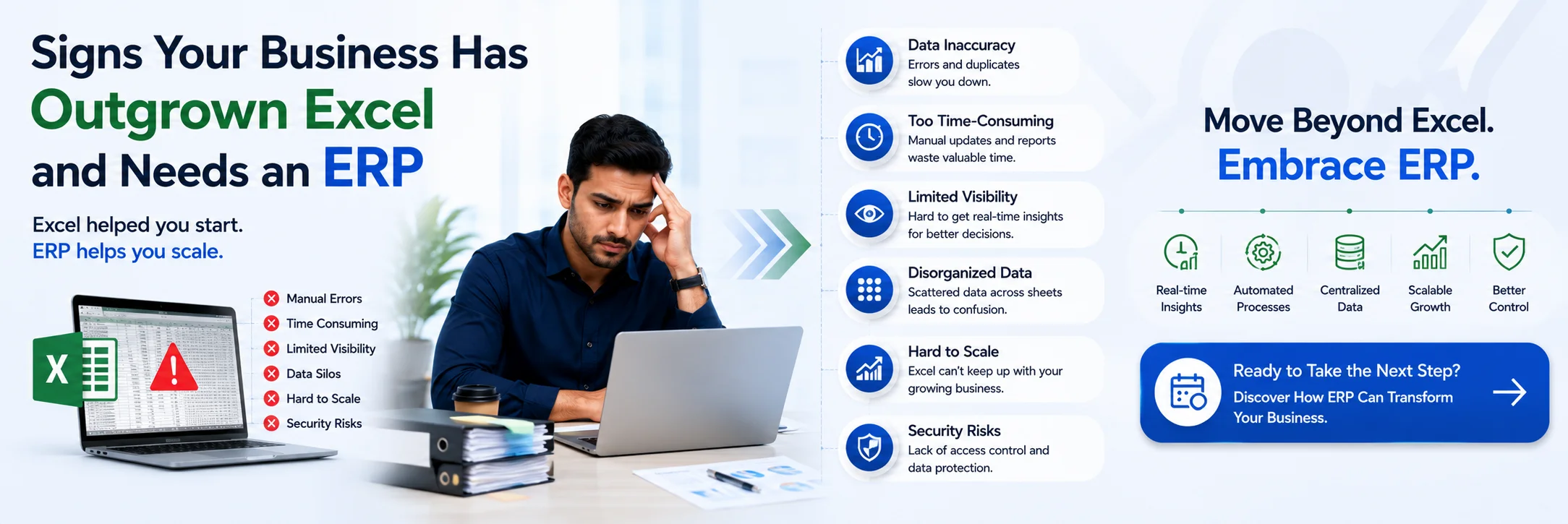
Signs Your Business Has Outgrown Excel and Needs an ERP
Read More →
How to Index HR Records from an ERP System for a Chatbot?
Read More →
What is the Best Software for Retail Garment Shop?
Read More →
Manufacturing Software for the Textile and Garment Industry?
Read More →
Best ERP Software for Manufacturing Companies in India?
Read More →
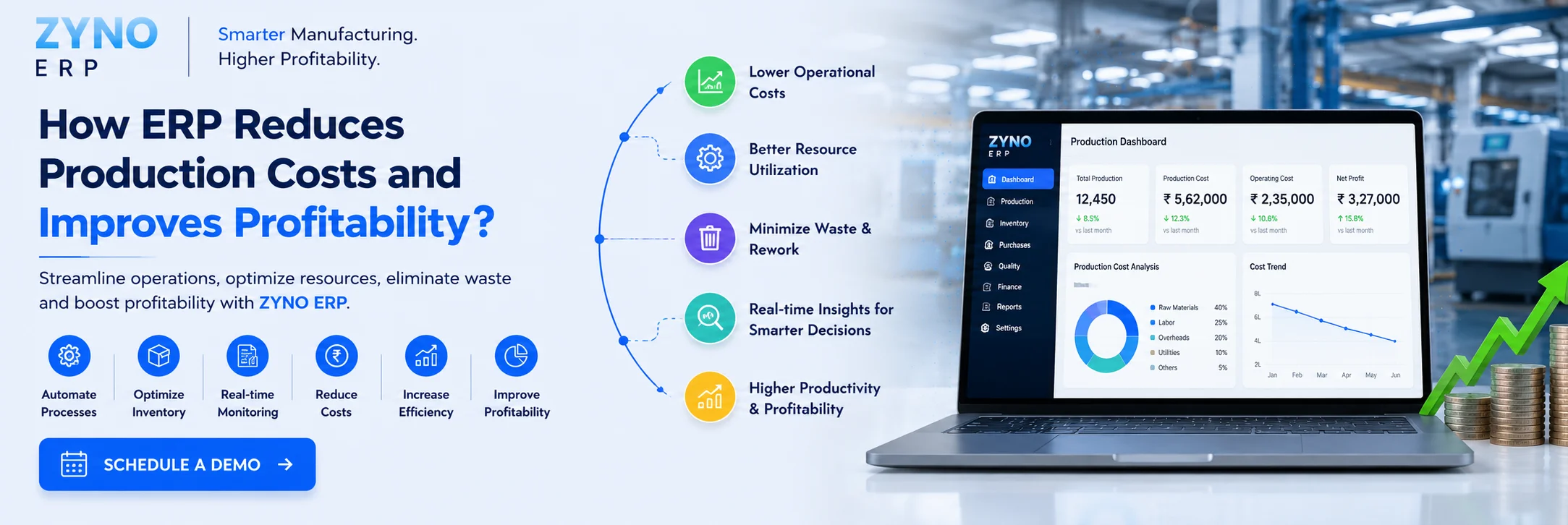
How ERP Reduces Production Costs and Improves Profitability?
Read More →
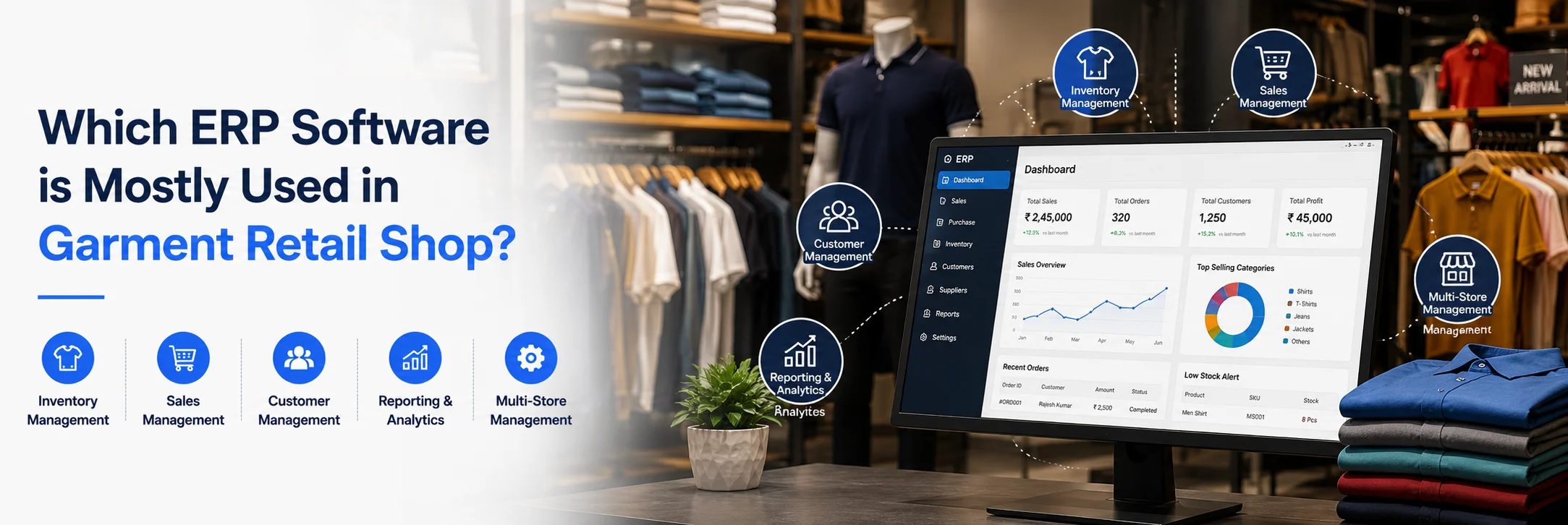
Which ERP Software is Mostly Used in Garment Retail Shop?
Read More →
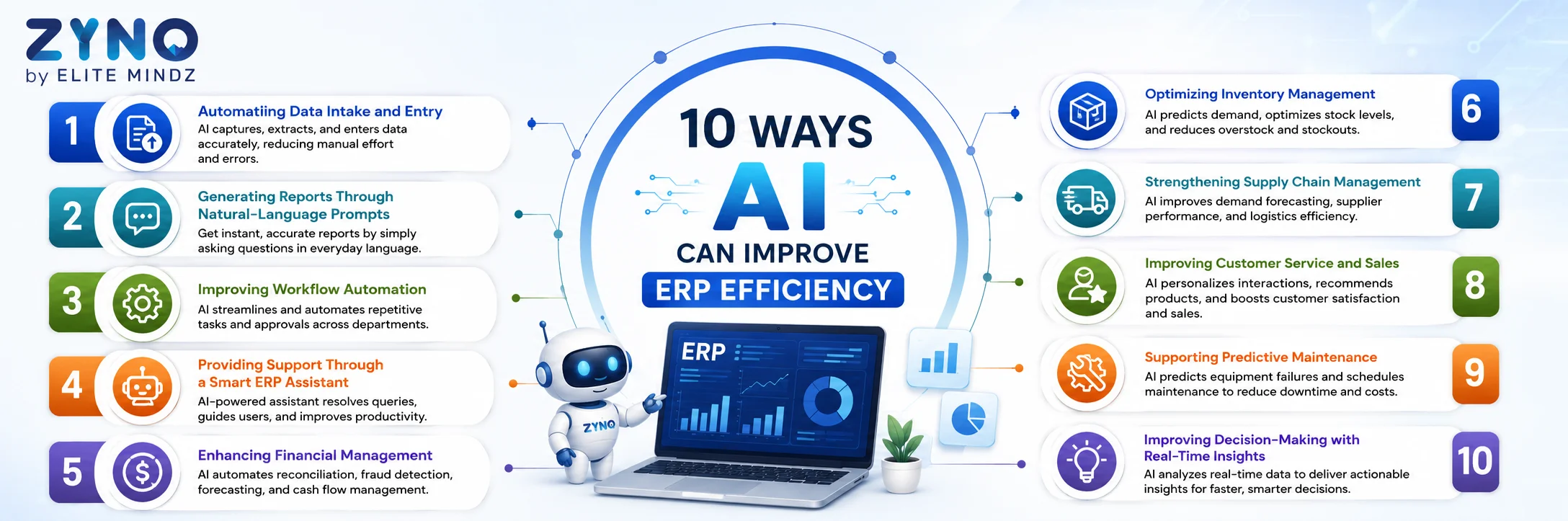
10 Ways AI Can Improve ERP Efficiency
Read More →
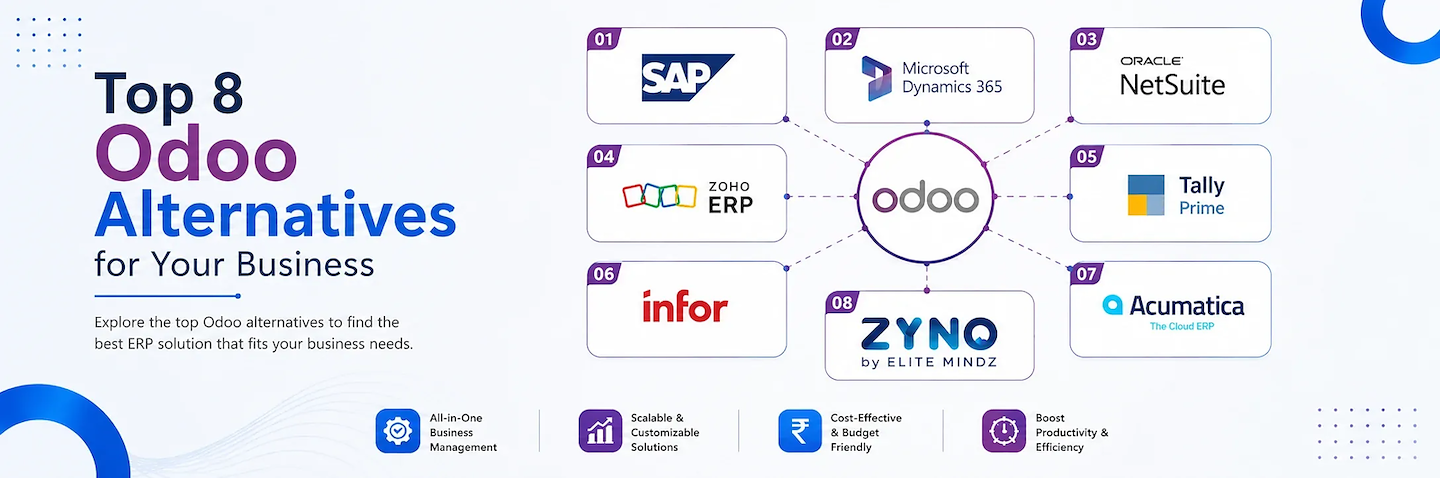
Top 8 Odoo Alternatives for Your Business
Read More →
ZYNO vs NetSuite ERP: Which Manufacturing ERP Fits Your Business Needs?
Read More →
Top ERP Software Providers in 2026: Full Comparison
Read More →
ERP Software Reviews: What Buyers Actually Say in 2026
Read More →
ERP Software for Retail Businesses: Complete Guide
Read More →
ERP Software for Healthcare: Beyond Patient Records
Read More →
ERP Software for Logistics Companies: A Complete Guide
Read More →
Best ERP Software for SaaS Companies in 2026
Read More →
Cloud ERP Software Features: The Complete List for 2026
Read More →
Top ERP Software in Kenya (2026): Best Picks for Growing Businesses
Read More →
How eTIMS Affects Manufacturers in Kenya: ERP, Input Tax & Supply Chain Impact
Read More →
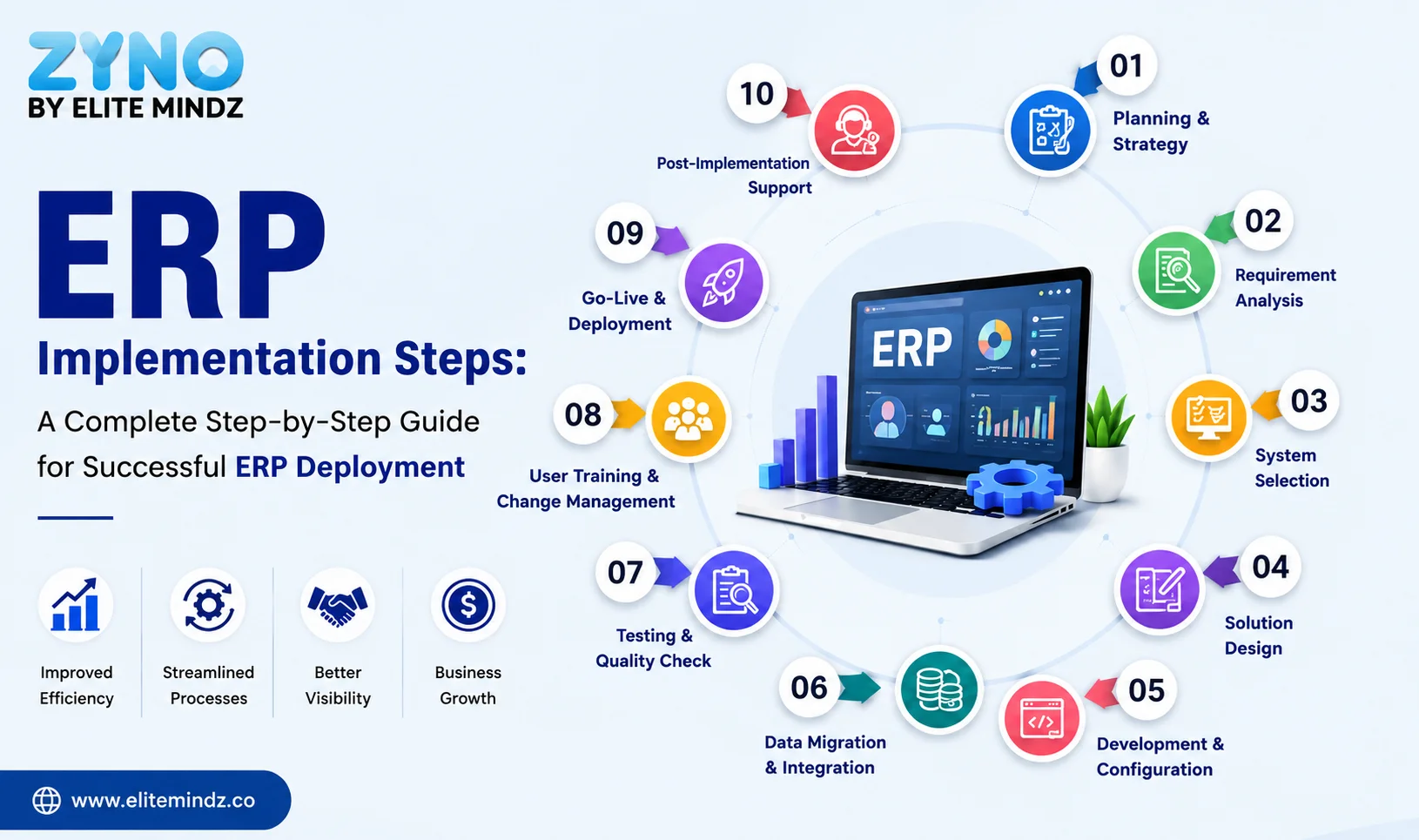
ERP Implementation Steps: A Complete Step-by-Step Guide for Successful ERP Deployment
Read More →
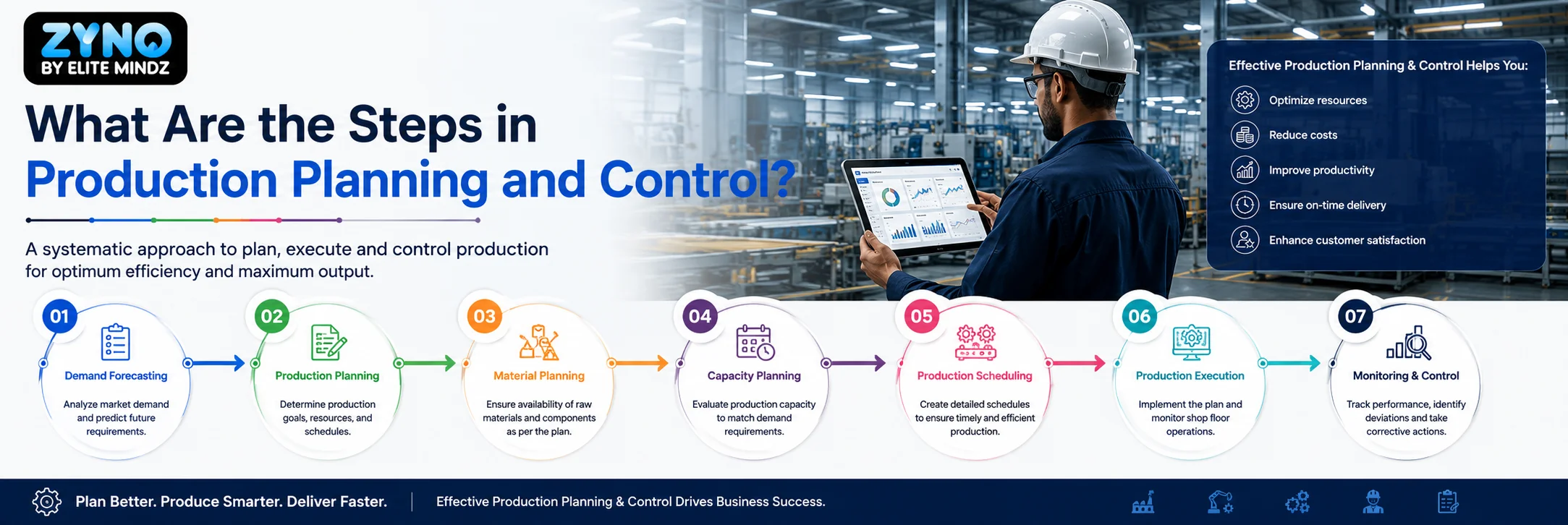
What Are the Steps in Production Planning and Control?
Read More →
Manufacturing Compliance in Kenya: A Complete Guide for Factory Tax Compliance & Regulatory Excellence
Read More →
ERP Migration Checklist for Manufacturing, Retail, and Service Businesses
Read More →
ERP Go-Live Checklist: Step-by-Step Guide for a Smooth System Launch
Read More →
Best ERP Software in the Middle East: What Actually Matters in 2026
Read More →
ERP Training Best Practices: Essential Tips for a Smooth ERP Implementation
Read More →
Traceability in Manufacturing: Cost Effective Solution and Complete Information
Read More →
Manufacturing ERP Software Buying Guide: Features, Checklist & Questions to Ask Before You Invest
Read More →
20 Best ERP Software in Japan (2026): Top AI-Powered & Cloud ERP Platforms Ranked
Read More →
10 Best ERP Software for Metal Manufacturing Companies: Features, Checklist & Buying Guide (2026)
Read More →How Manufacturing ERP Helps Ethiopian Factories Improve Production Planning & Cost Control
Read More →
Top 15 Business Management Software for Growing Businesses in 2026
Read More →
Why These Are the Top 15 Small Business ERP Systems for 2026
Read More →
BOM Management Software: A Complete Guide to Smarter Manufacturing
Read More →
Which Companies Build Affordable Manufacturing ERP Software in India?
Read More →
GRN Flow in SAP vs ZYNO ERP
Read More →
Which AI ERP Platform Offers the Best ROI for Retail Businesses Looking to Automate Operations in India?
Read More →
Warehouse Management System (WMS): Complete Guide
Read More →
Best WMS Software in 2026: 10 Warehouse Management Systems Compared
Read More →
Top Warehouse Management System (WMS) Pain Points and How to Solve Them
Read More →
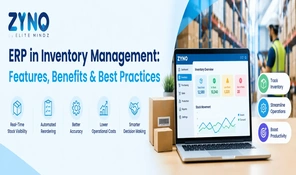
ERP in Inventory Management: Features, Benefits & Best Practices
Read More →
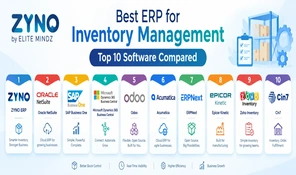
Best ERP for Inventory Management : Top 10 Software Compared
Read More →Partner with ZYNO by Elite Mindz to revolutionize how your business works. Fill out the form, and we’ll reach out with AI-powered solutions made just for you.
We use browser cookies to ensure you get the best experience on our website. Learn more
The form was submitted successfully!