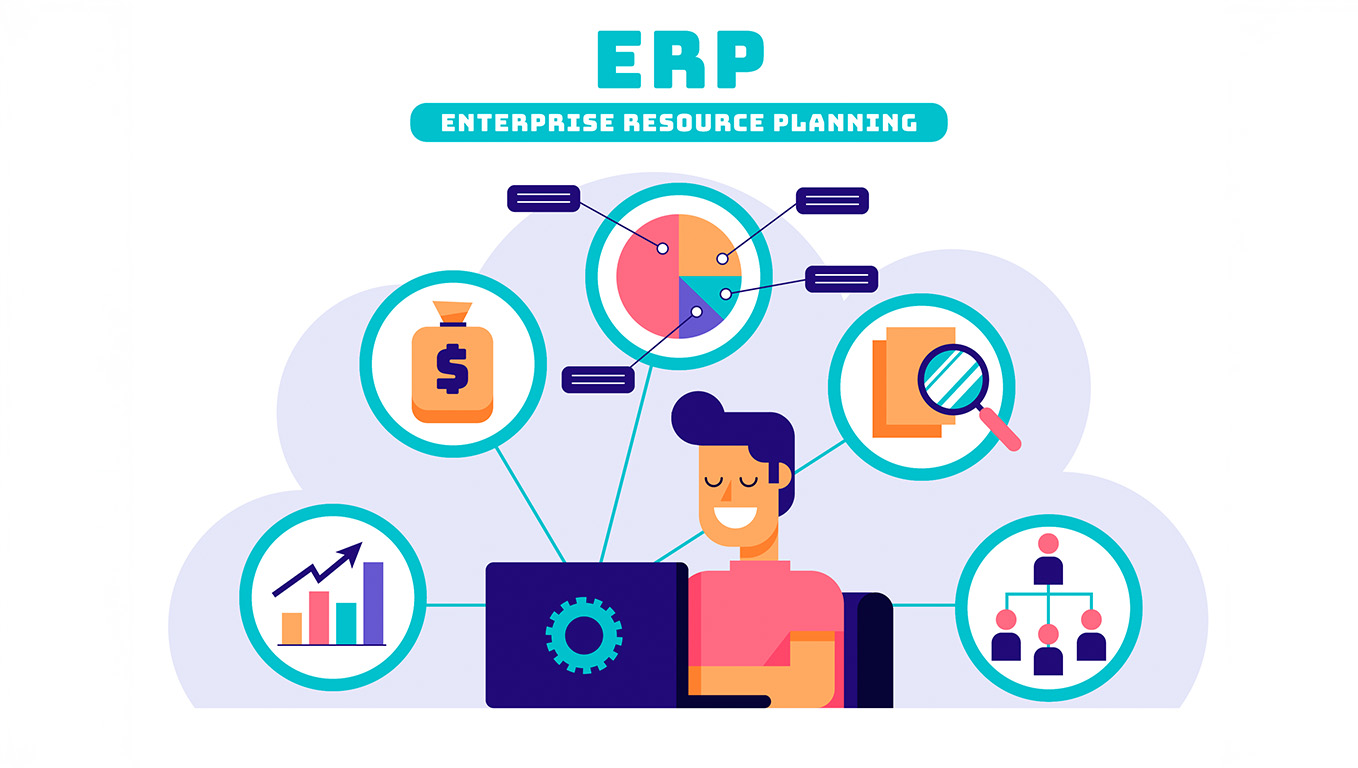




What is ERP? A Beginner's Guide to Enterprise Resource Planning
Read More →

×
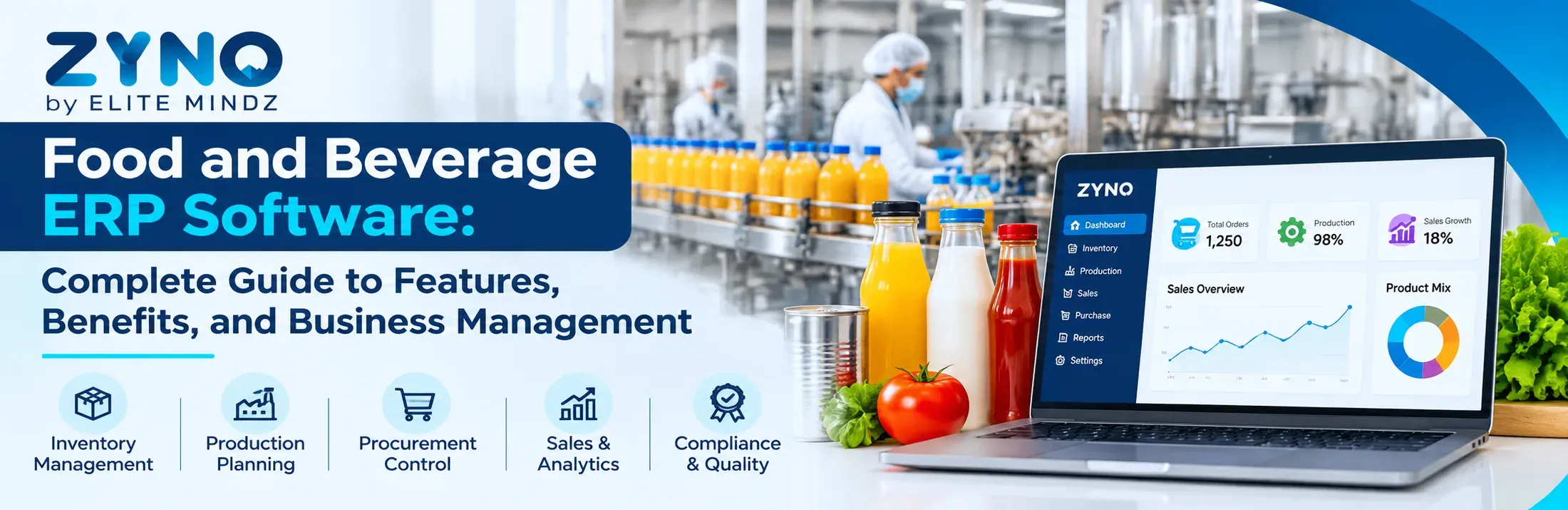
Food and Beverage ERP Software is an integrated business management solution designed to streamline operations across food processing, manufacturing, packaging, inventory, procurement, sales, and distribution. It helps businesses manage batch and expiry tracking, recipe and Bill of Materials (BOM) management, production planning, quality control, regulatory compliance, and real-time inventory. By centralizing business data, ERP software improves production efficiency, reduces material wastage, supports accurate costing, and enhances supply chain visibility.
Businesses using ZYNO Books cut accounting time by 70% and stay 100% ZATCA-compliant — automatically.
Running a food business means working with products that spoil, recipes that must be followed exactly, and regulators who expect a paper trail for every batch. Food and beverage ERP software brings all of this into one system, so production, inventory, quality, procurement, and finance work from the same live data instead of separate spreadsheets.
This guide explains what an ERP for food and beverage companies is, which features matter, how it differs from restaurant software, and how to choose and implement the right system. Whether you are searching for ERP software for food manufacturing, a food production ERP, or broader food industry software, you will find a practical answer here.
Food and beverage ERP software is an integrated business management system built for companies that make, process, pack, store, and distribute food and drink products. It connects the core functions of the business: procurement, recipes and formulas, production planning, inventory, quality control, warehousing, sales, and accounting.
A general-purpose ERP can track stock and invoices. A food-specific ERP goes further, because food production has rules most other industries do not face:
In short, an ERP for food and beverage companies is food manufacturing software that understands recipes, batches, expiry dates, and compliance, not just orders and invoices. New to ERP? Start with what ERP is and how it works.
Most food companies start with spreadsheets, a basic accounting package, and a lot of experience. That works until volume, SKUs, or customers grow. Then the cracks appear:
An ERP replaces this patchwork with a single source of truth. When a purchase order is received, a batch is produced, and a sales order is dispatched, inventory, costs, and accounts update automatically. For food businesses, that visibility is the difference between controlling margins and discovering problems after the fact. Many of these gaps are common across plants, as explained in why manufacturing companies need ERP software.
Streamline Food & Beverage Operations with ZYNO ERP
Manage food production, inventory, procurement, batch tracking, expiry dates, quality control, and distribution with ZYNO ERP. Automate business workflows, reduce material wastage, improve production planning, and gain real-time visibility across your food and beverage operations.
Request a Free Demo Explore ZYNO ERP| Challenge | What goes wrong without ERP | How an F&B ERP helps |
|---|---|---|
| Short shelf life | Stock expires before it is sold | Expiry alerts, FEFO/FIFO picking, shelf-life reporting |
| Thin margins | Costs are known only after month-end | Real-time recipe costing and variance tracking |
| Traceability and recalls | Hours or days spent searching records | One-click forward and backward lot traceability |
| Food safety compliance | Paper checklists, missing records | Digital QC checks, audit trails, documented corrective actions |
| Ingredient price swings | Purchases made without cost visibility | Supplier price history and procurement planning |
| Demand fluctuations | Overproduction or stock-outs during peaks | Forecast-linked production planning and MRP |
| Multi-plant, multi-warehouse operations | Stock is wrong or invisible across locations | Centralized inventory with location-level control |
| Changing regulations and taxes | Manual tax and labeling work | Built-in GST, VAT, and e-invoicing support where applicable |
Use this section as a checklist when you evaluate any food manufacturing software or food industry software.
Food inventory is not just counting boxes. A good system tracks raw materials, packaging, work-in-progress, and finished goods by batch, lot, expiry date, and storage location.
What to look for:
For more detail, read how ERP transforms inventory management and our guide to inventory management software features.
Ingredient quality and price drive both safety and profit. Procurement features should connect directly to production needs.
What to look for:
Supplier control also matters, so see why businesses use vendor management systems.
Recipes are the heart of a food production ERP. The system should hold them as controlled, cost, version-managed formulas, not loose documents.
What to look for:
Production planning turns demand into an executable schedule while respecting material availability, line capacity, and shelf life.
What to look for:
Batch control is non-negotiable in food. It supports both quality and recall readiness.
What to look for:
See how ERP automation reduces production delays.
Quality records should be created where the work happens, not reconstructed later for an audit.
What to look for:
Warehouses in the food industry deal with temperature zones, short shelf life, and high turnover.
What to look for:
Finance is where all operational data turns into margin visibility.
What to look for:
Sales and distribution: order management, price lists, trade schemes, and distributor orders (see our order management system buyer’s guide)
Related reading: 7 Best ERP Software for FMCG Manufacturers
These two categories are often confused because both involve food and recipes. They solve different problems.
| Factor | Food Manufacturing ERP | Restaurant Management Software |
|---|---|---|
| Main users | Food processors, manufacturers, packers, distributors | Restaurants, cafes, cloud kitchens, hotels |
| Core purpose | Plan and control production, inventory, quality, and finance | Manage orders, tables, billing, and kitchen operations |
| Recipes | Formulas with batch sizes, yield, versions, and costing | Menu items with portion-level ingredient usage |
| Inventory | Batch, lot, and expiry tracking across plants and warehouses | Ingredient stock at outlet or kitchen level |
| Traceability | Full forward and backward lot traceability | Usually limited or not required |
| Compliance | HACCP, ISO 22000, FSSAI, FSMA, customer audits | Hygiene and local food service rules |
| Production | MRP, work orders, scheduling, yield tracking | Not applicable (kitchen prep only) |
| Sales model | B2B: distributors, retailers, key accounts | B2C: dine-in, takeaway, delivery |
| Typical modules | Procurement, production, QC, warehouse, finance | POS, table management, KOT, online ordering |
Rule of thumb: If you manufacture, process, or pack food for sale to others, you need a food manufacturing ERP. If you serve food directly to customers, you need restaurant management or POS software. Businesses that do both, such as a bakery chain with a central production unit and retail outlets, often combine an ERP with a POS system.
Any business that handles perishable products, batches, or regulated recipes can benefit:
A structured evaluation avoids expensive mistakes.
Write down how your business works today: procurement, production, QC, warehousing, dispatch, and billing. List your top three to five problems, such as expiry losses, slow recalls, or costing errors. These become your selection criteria.
Do not accept a generic ERP with a promise of customization. Ask for a live demo of:
Make sure the system supports the rules where you operate, for example GST and e-invoicing in India, VAT in the UAE, KRA eTIMS and VAT in Kenya, plus food safety standards such as FSSAI, HACCP, ISO 22000, or GMP documentation.
Compare the options in cloud ERP vs traditional ERP.
Include subscription or license fees, implementation, data migration, customization, training, hosting, and support. Ask for a three-to-five-year view.
You can estimate returns with our guide on how to calculate ERP ROI.
| Criteria | Questions to ask |
|---|---|
| Food fit | Is batch, expiry, and recipe management native or an add-on? |
| Traceability | Can I run a mock recall during the demo? |
| Compliance | Which tax and food safety requirements are supported in my market? |
| Usability | Can floor and warehouse staff use it easily, including on mobile? |
| Integration | Which devices and systems connect out of the box? |
| Support | What are support hours, response times, and training options? |
| Cost | What is included in the quote, and what costs extra? |
A good ERP can still fail if the rollout is rushed. These are the most common challenges and how to handle them.
| Challenge | Why it happens | Best practice |
|---|---|---|
| Poor data quality | Item codes, units, and recipes are inconsistent | Clean and standardize master data before migration |
| Resistance to change | Teams are used to paper and spreadsheets | Involve plant, warehouse, and QC leaders early and explain the benefits |
| Over-customization | Trying to copy every old process | Adopt standard workflows where they work and customize only what is essential |
| Unclear scope | Too many modules at once | Phase the rollout, starting with inventory, production, and finance |
| Weak training | Training happens too late or only for managers | Provide role-based training before go-live |
| Recipe and BOM errors | Formulas are outdated or incomplete | Validate every recipe with production and QC before loading |
| Integration gaps | Devices and systems are not planned for | Test scales, scanners, and interfaces during the pilot |
| Compliance oversights | Tax or food safety needs found late | Review regulatory requirements in the design phase |
Optimize Food Production with Smart ERP Software
Take control of your food and beverage business with ZYNO ERP. Simplify production planning, manage raw materials, track batches and expiry dates, monitor inventory, and streamline procurement. Improve product traceability, control operational costs, and manage your entire supply chain through one integrated ERP solution.
Book Your Free ERP Demo Explore ZYNO ERPFood and beverage ERP software gives food businesses what spreadsheets and disconnected tools cannot: live control over recipes, batches, expiry dates, quality, inventory, and costs in one system. The right choice protects margins, reduces waste, speeds up recalls, and makes compliance easier as you grow.
Start by defining your biggest operational problems, test shortlisted systems with real recipes and batch scenarios, and plan a phased rollout with strong training and clean data.
If you want an ERP that connects production, inventory, procurement, quality, and finance for your food or beverage business, explore ZYNO ERP, see our Food and Beverage ERP solution, or learn more about ZYNO Manufacturing ERP. You can also book a free demo to see how it fits your operations.
Food and beverage ERP software is a business management system designed for food and drink manufacturers. It integrates procurement, recipes, production planning, inventory, batch and expiry tracking, quality control, warehousing, and accounting in one platform.
A regular ERP handles general business processes. Food manufacturing ERP adds features specific to food: recipe and formula management, batch and lot traceability, expiry and shelf-life control, yield and by-product handling, and quality and compliance records.
The essentials are inventory with batch and expiry tracking, recipe and formula management, production planning (MRP), quality control, traceability and recall support, warehouse management, procurement, and finance with tax compliance.
Yes. ERP supports compliance by keeping digital quality records, audit trails, supplier documents, and traceability data. It does not replace your food safety program, but it makes standards such as HACCP, ISO 22000, GMP, and FSSAI easier to document and demonstrate.
Because every ingredient and finished product is tracked by batch, the system can show which supplier lots went into a batch and which customers received it. This shortens the time needed to identify, isolate, and notify affected parties.
Yes. Many cloud-based options suit small and mid-sized producers, and they let you start with core modules such as inventory, production, and accounting, then add more later.
Food manufacturing ERP manages production, inventory, quality, and finance for businesses that make and sell food products. Restaurant software manages orders, tables, billing, and kitchen workflow for businesses that serve customers directly.
Cost depends on the number of users, modules, deployment type, customization, and support. Cloud systems typically use subscription pricing, while on-premise systems involve license, hardware, and maintenance costs. Always ask for a complete quote covering implementation, training, and support.
A focused rollout for a single plant can take a few weeks to a few months, while multi-plant or heavily customized projects take longer. Data preparation, recipe validation, and training have the biggest effect on timelines.
Cloud ERP is generally faster to deploy and easier to scale across plants and warehouses, with automatic updates. On-premise gives more direct control over infrastructure and data. Choose based on your IT resources, compliance requirements, and growth plans.
Many food ERPs support distributor orders, price lists, and schemes. Capabilities vary by vendor, so confirm this during the demo if you sell through a distributor network.
Document your processes, list your top problems, identify must-have features and compliance needs, and shortlist two or three vendors for demos using your own recipes, batches, and scenarios.
What is ERP? A Beginner's Guide to Enterprise Resource Planning
Read More →
Cloud ERP vs. On-Premise vs. Hybrid: Best ERP Model for 2025
Read More →How To Customize ERP Software Without Breaking The Bank?
Read More →
The Future of Manufacturing ERP in 2026 & Beyond
Read More →Best ERP Software in India: 2026 Edition
Read More →
AI in Manufacturing ERP: The Future of Smart Factories
Read More →
How ERP Transforms Inventory Management and Reduces Costs
Read More →
Inventory Management Software Features: The Complete 2026 Buying Guide
Read More →
Top 5 Ways Asset Management Software Can Save Your Business Money
Read More →
Why Smart Businesses Are Switching to Vendor Management Systems in 2025?
Read More →
Why Manufacturing Companies Need ERP Software
Read More →
Cloud ERP vs. Traditional ERP: Which is Right for You?
Read More →
ERP for Small Business: Is It Worth the Investment?
Read More →
How to Calculate ERP ROI and Why It's Worth the Investment
Read More →
Top 10 ERP Software Companies in India 2026 Updated List (Complete Guide)
Read More →
ERP Implementation Mistakes to Avoid in 2025
Read More →
Cloud ERP vs Edge Computing: What's Right for Modern Manufacturing?
Read More →
The Future of ERP Software and the Role of Generative AI
Read More →
Digital Twin Technology & ERP: Real-Time Insights for Smarter Manufacturing
Read More →
Scalable ERP Solutions Designed for Modern Enterprises
Read More →
ERP and IoT Integration: Smart Factory Vision
Read More →Best ERP Software for Manufacturing Businesses in India
Read More →Top 10 Best Manufacturing ERP Software in India (2026)
Read More →
Best ERP Software for Manufacturing Industries in Ethiopia (2026)
Read More →
Best School ERP Software Providers in UAE (2025 Edition)
Read More →
Best School ERP Software for 2025: Guide for Educational Institutions
Read More →
Top 10 ERP Software Solutions for Nigerian Manufacturers (2025 Edition)
Read More →
Best ERP Systems for Scalable Retail and POS Integration
Read More →
Top 10 Cloud-Based Manufacturing ERP Solutions in Africa (2025 Edition)
Read More →
Top 10 Cloud-Based Manufacturing ERP in UAE
Read More →
Top 10 Cloud-Based Manufacturing ERP Software in Nigeria (2026 Edition)
Read More →
Top 10 School ERP Software Companies in Kenya (2025)
Read More →
Best School ERP Software Providers in Nigeria (2025)
Read More →
Top Cloud-Based Manufacturing ERP in Zimbabwe (2025)
Read More →
Best ERP Software in U.K
Read More →
Top 10 ERP Software Developers in the U.K. (2025)
Read More →
Best ERP Software Providers in France (2025)
Read More →
Best ERP Software Companies in Germany : A Comprehensive Guide
Read More →
Top 10 ERP Software Development Companies in Qatar

Read More →
Best ERP Providers in Germany: 10 ERP Software Options Compared
Read More →
Best ERP Software Firms in Saudi Arabia (2025)
Read More →
Best ERP Service Providers in Indonesia for SMEs and Large Enterprises
Read More →
Top 10 Cloud-Based Manufacturing ERP Systems in Egypt for Modern Factories
Read More →
Top ERP Solutions in the USA 2025: Streamline Your Business with ZYNO ERP
Read More →
Top ERP Solutions in Qatar for Businesses of All Sizes
Read More →Top Manufacturing ERP Software in India 2026 ZYNO Manufacturing ERP
Read More →How Manufacturing Companies Reduce Production Delays Using ERP Automation
Read More →Why Legal Firms Need ERP to Manage Cases, Billing & Compliance
Read More →What Is ERP And How Does It Work
Read More →
How ERP Systems Are Evolving in 2026: What Businesses Need to Know
Read More →
Best ERP Software in India: 2025 Edition
Read More →
Top 10 ERP Software Companies in Delhi NCR
Read More →
How Manufacturing ERP Software Improves Demand Forecasting
Read More →
Top 10 Best School Management Software in India
Read More →Manufacturing & Wholesale ERP in Qatar: Complete Industry Guide 2026
Read More →Cloud ERP Software in Qatar: Why Businesses Are Moving in 2026
Read More →Is ERP a Procurement Software? Key Differences, Benefits & What to Choose
Read More →What Is Production Planning and Control? Definition, Objectives & Functions
Read More →
Garment Inventory Software: Features, Providers & Buying Guide 2027
Read More →
How ERP Reduces Fabric Wastage in Garment Factories

Read More →
Why the Garment Industry Needs a Specialized ERP
Read More →
Features to Look for in Garment Manufacturing ERP Software
Read More →
Best ERP Software for Small Garment Manufacturing Business in India
Read More →
The Real Problems Holding Back Small Garment Manufacturers in India
Read More →Garment Manufacturing ERP Software in India: Best Options, Features & Complete Guide 2026
Read More →
Which ERP is Best for Manufacturers in 2026?
Read More →
Distributor & Consumer Management System: The Complete Guide for 2026
Read More →
Best Pharma ERP Software in India 2026 – Features, Compliance & Buying Guide
Read More →
SAP Alternative for Manufacturing in India (2026): 6 Options Compared Honestly
Read More →
What Is the Relation Between MIS and Enterprise Resource Planning?
Read More →
Best ERP for Sweater Manufacturers in India
Read More →
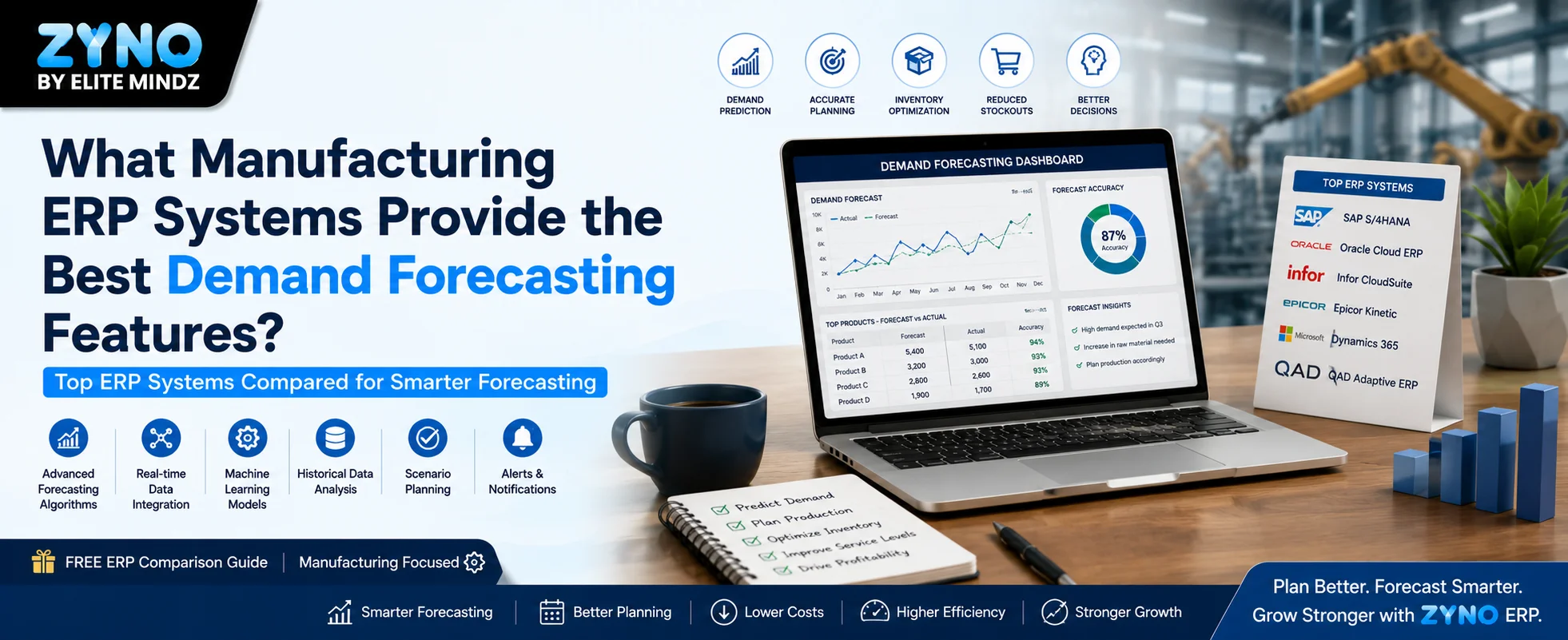
What Manufacturing ERP Systems Provide the Best Demand Forecasting Features?
Read More →
Which ERP Software Provides the Best Demand Forecasting for Manufacturers?
Read More →
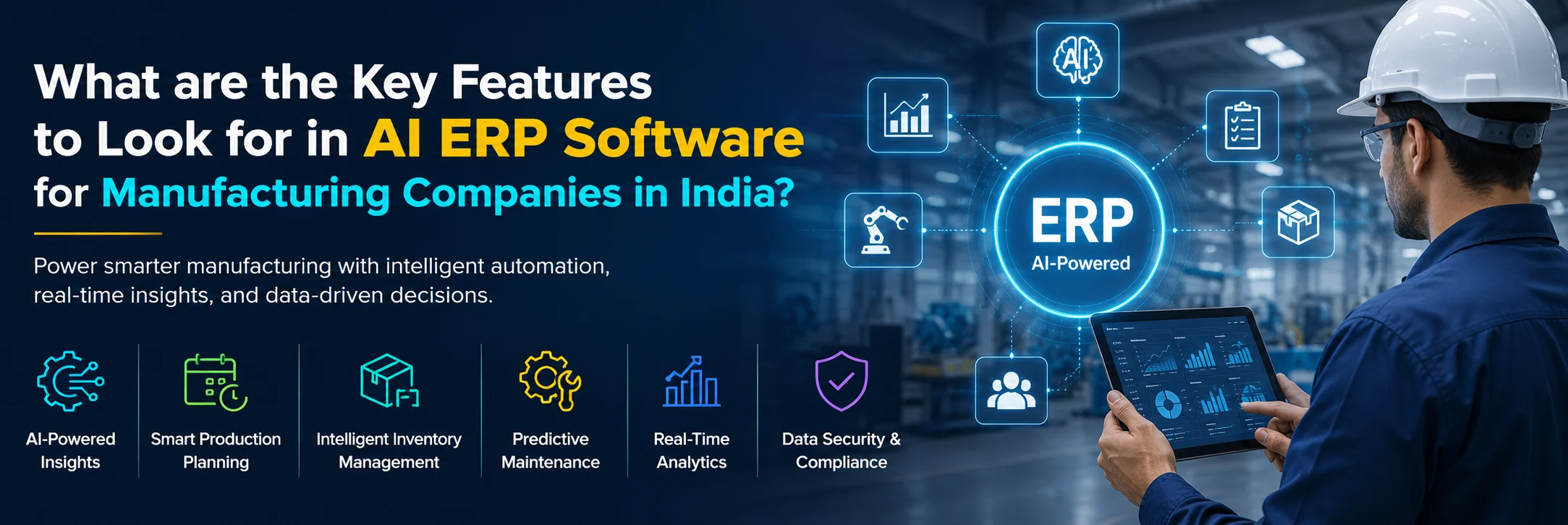
What are the key features to look for in AI ERP software for manufacturing companies in India?
Read More →
How does AI-powered ERP software improve production planning and inventory management in manufacturing?
Read More →
Which AI ERP platforms are best suited for small and mid-sized manufacturing businesses in India?
Read More →
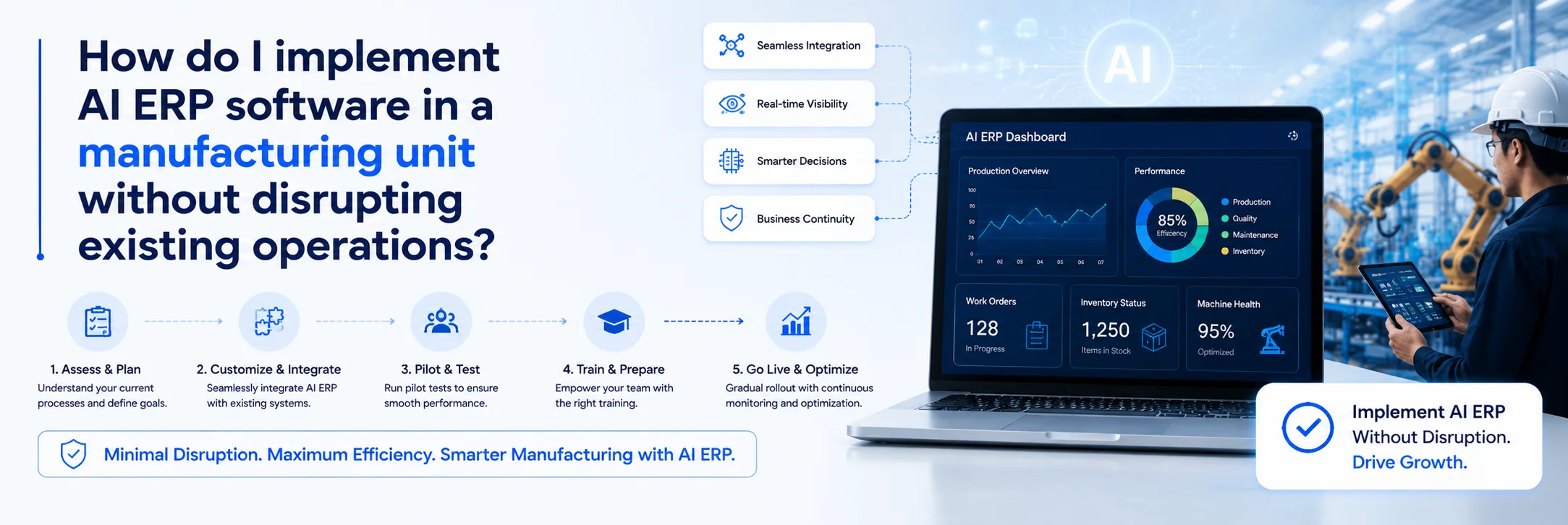
How do I implement AI ERP software in a manufacturing unit without disrupting existing operations?
Read More →
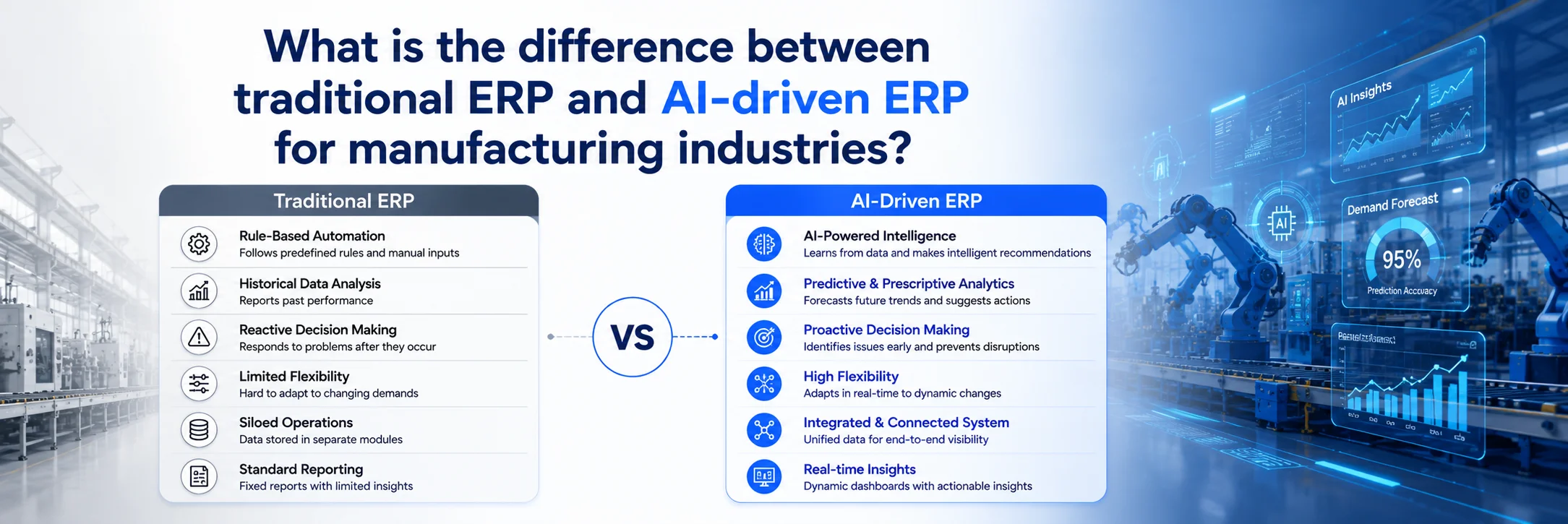
What is the difference between traditional ERP and AI-driven ERP for manufacturing industries?
Read More →
AI-Powered Smart ERP Software: The Complete Guide for Modern Enterprises
Read More →
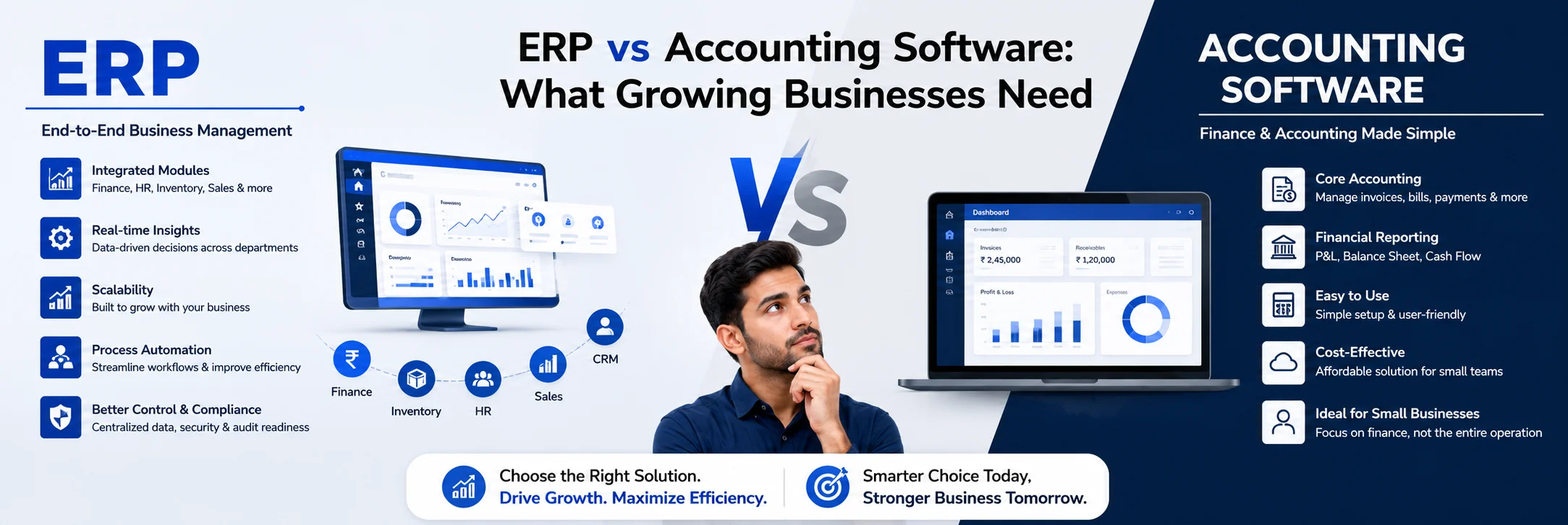
ERP vs Accounting Software: What Growing Businesses Need
Read More →
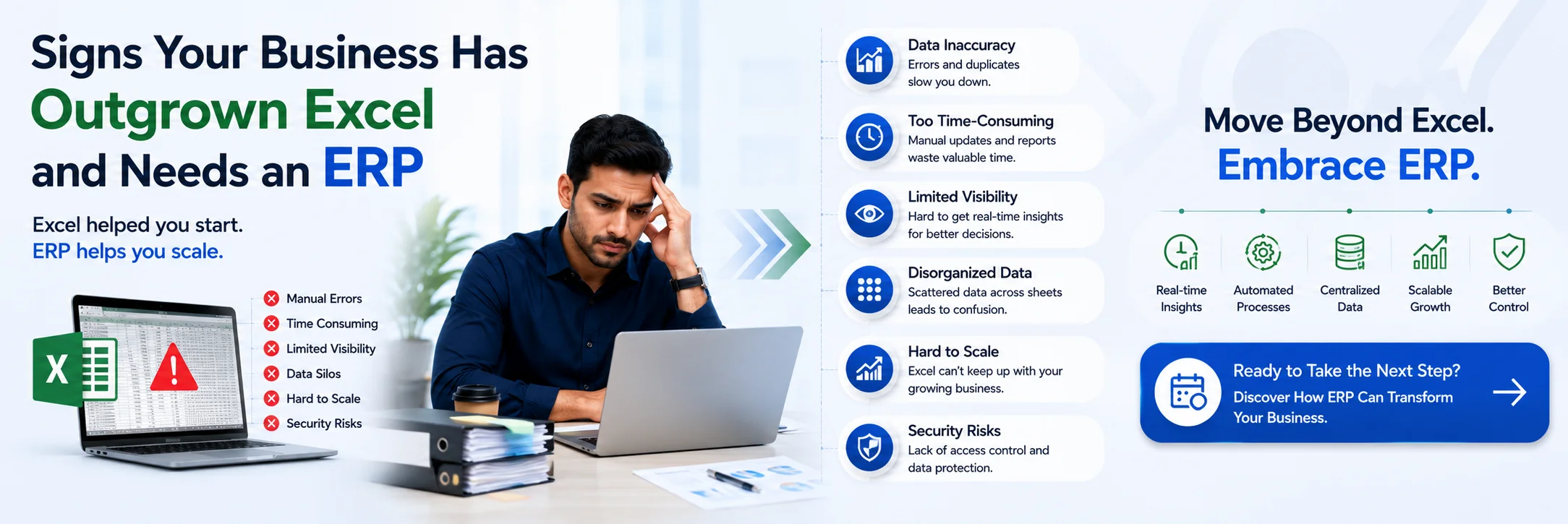
Signs Your Business Has Outgrown Excel and Needs an ERP
Read More →
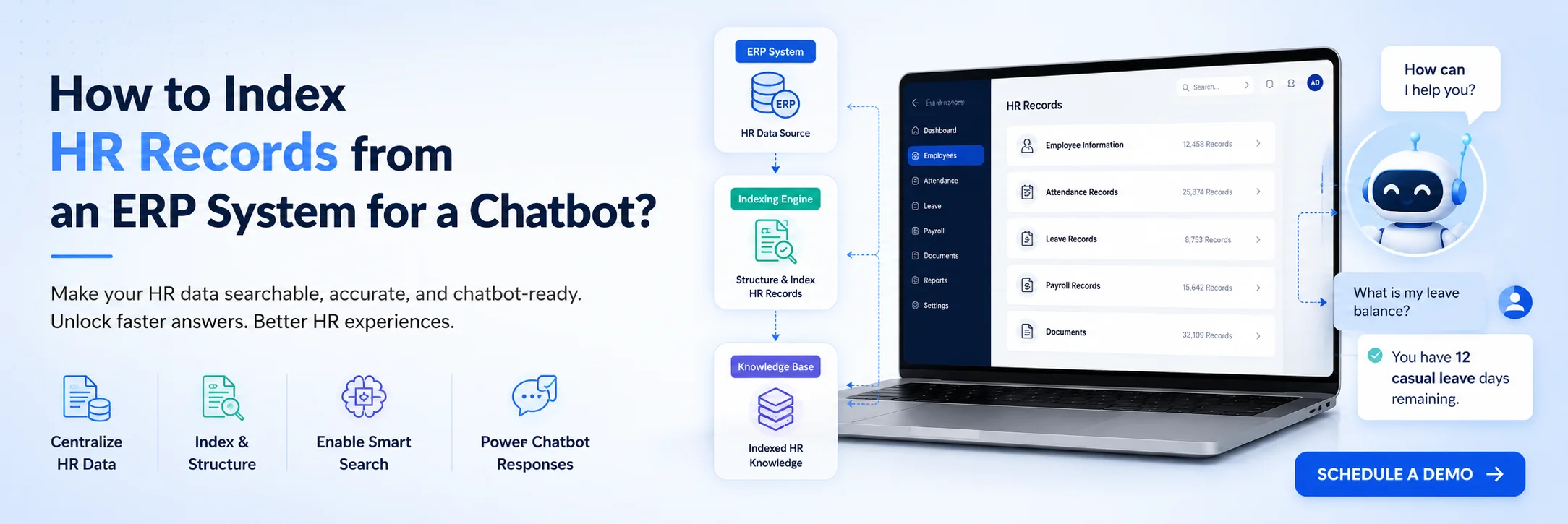
How to Index HR Records from an ERP System for a Chatbot?
Read More →
What is the Best Software for Retail Garment Shop?
Read More →
Manufacturing Software for the Textile and Garment Industry?
Read More →
Best ERP Software for Manufacturing Companies in India?
Read More →
How ERP Reduces Production Costs and Improves Profitability?
Read More →
Which ERP Software is Mostly Used in Garment Retail Shop?
Read More →
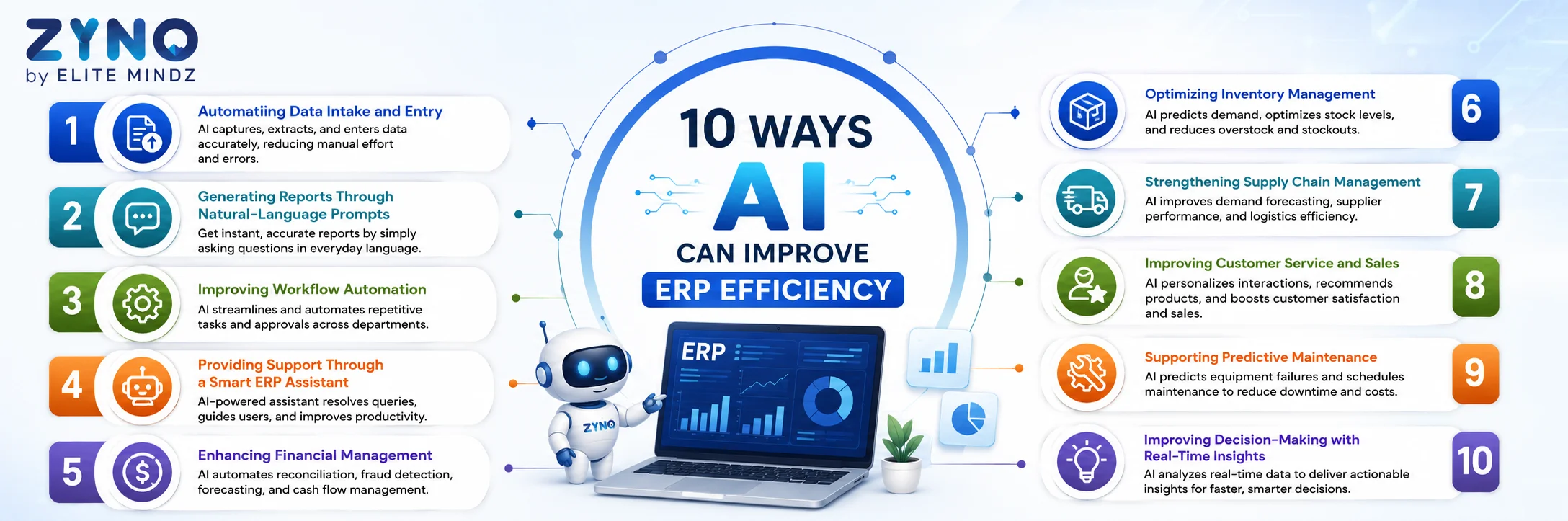
10 Ways AI Can Improve ERP Efficiency
Read More →
Top 8 Odoo Alternatives for Your Business
Read More →
ZYNO vs NetSuite ERP: Which Manufacturing ERP Fits Your Business Needs?
Read More →
Top ERP Software Providers in 2026: Full Comparison
Read More →
ERP Software Reviews: What Buyers Actually Say in 2026
Read More →
ERP Software for Retail Businesses: Complete Guide
Read More →
ERP Software for Healthcare: Beyond Patient Records
Read More →
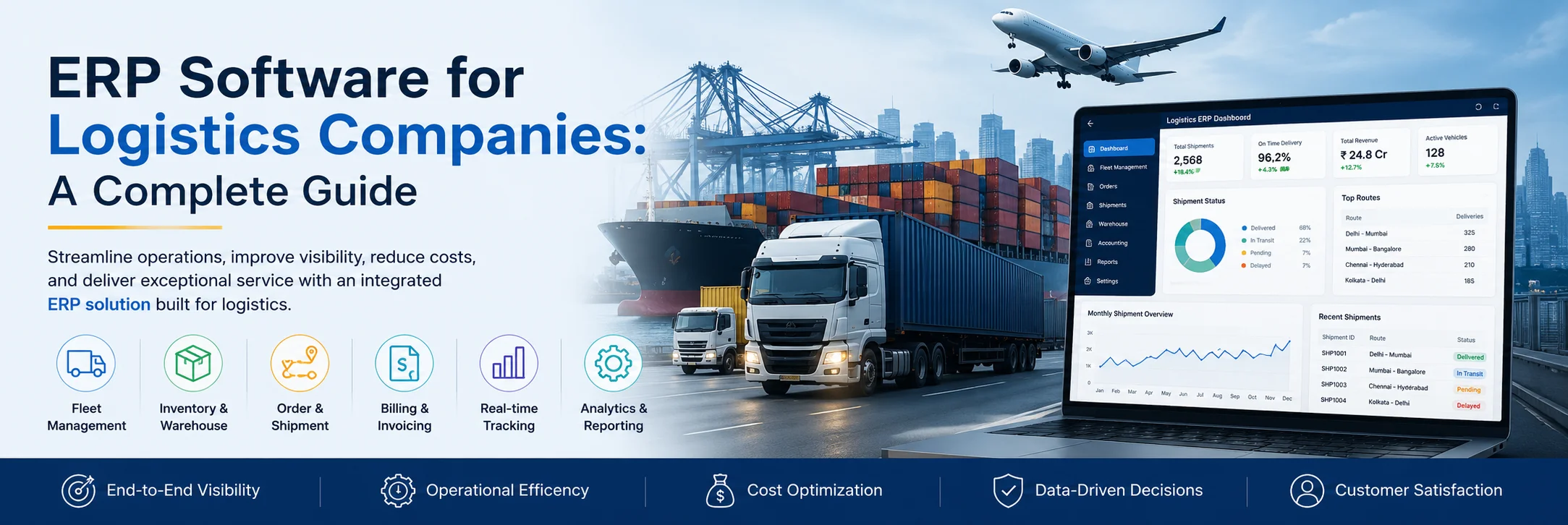
ERP Software for Logistics Companies: A Complete Guide
Read More →
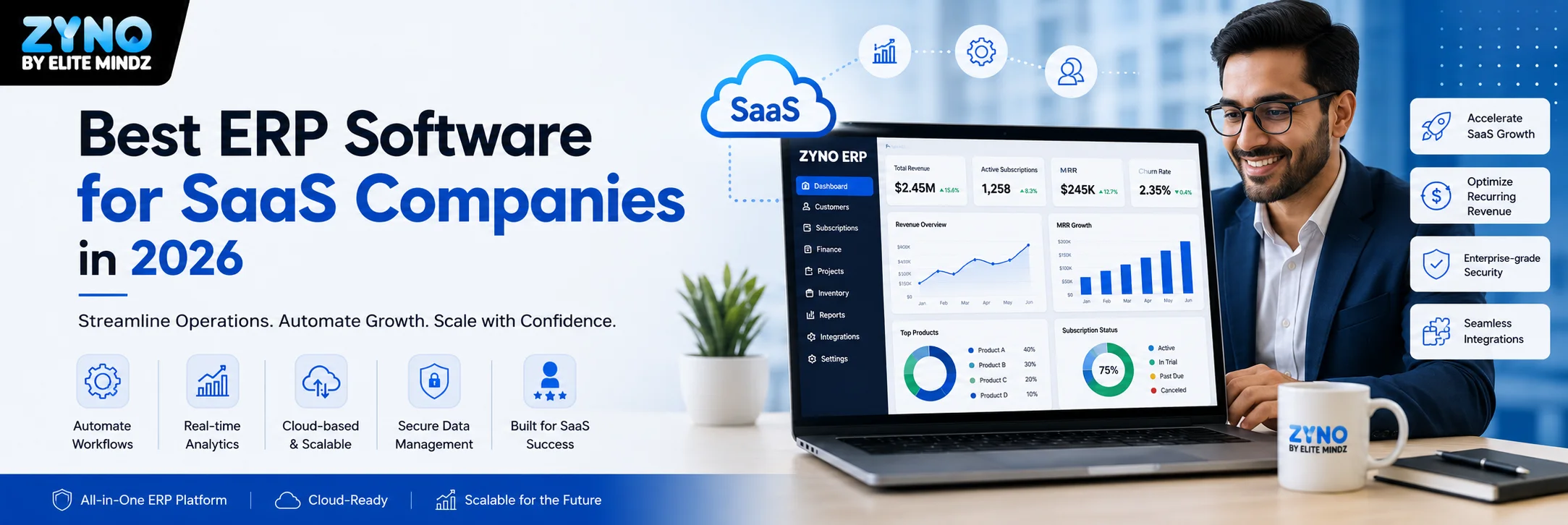
Best ERP Software for SaaS Companies in 2026
Read More →
Cloud ERP Software Features: The Complete List for 2026
Read More →
Top ERP Software in Kenya (2026): Best Picks for Growing Businesses
Read More →
How eTIMS Affects Manufacturers in Kenya: ERP, Input Tax & Supply Chain Impact
Read More →
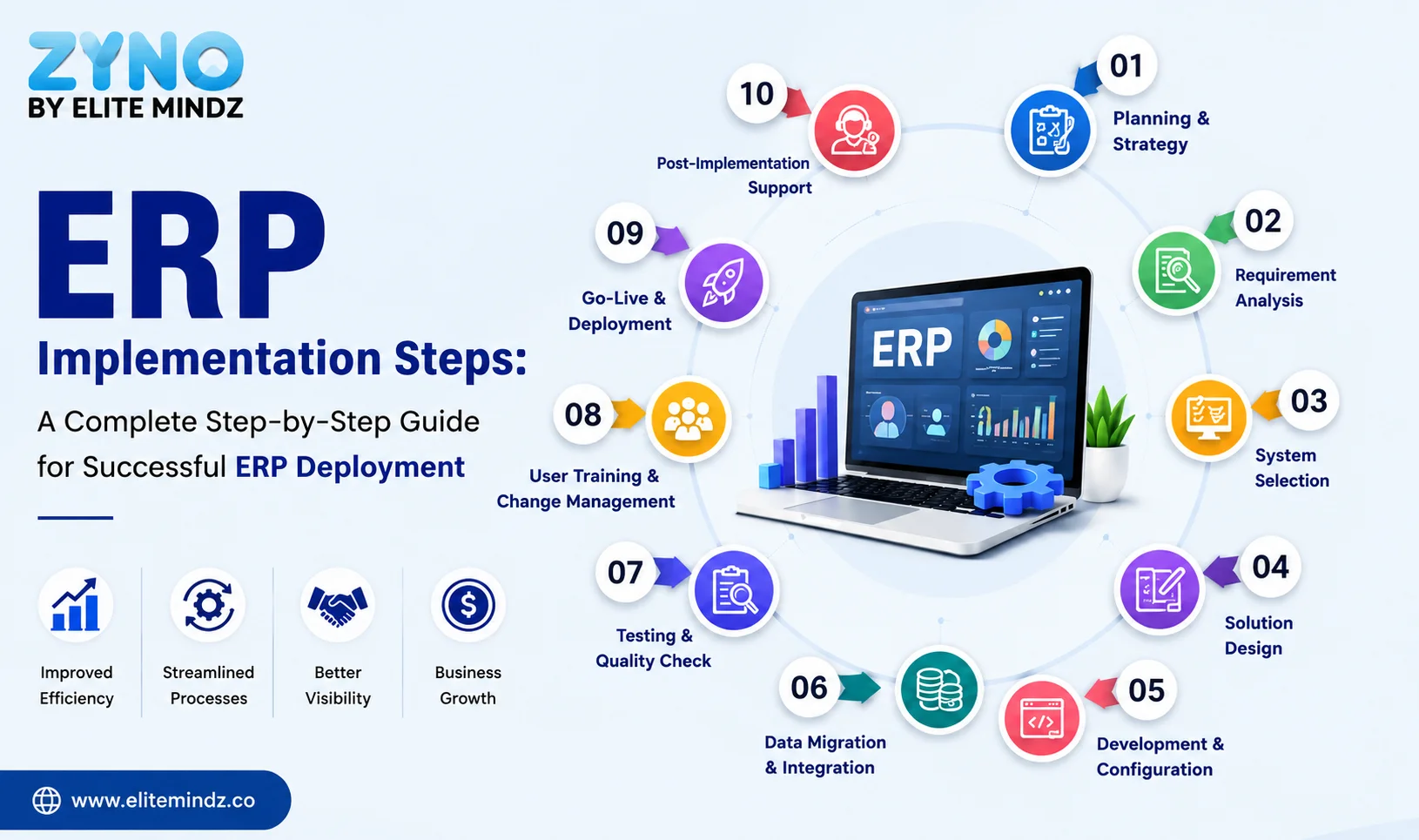
ERP Implementation Steps: A Complete Step-by-Step Guide for Successful ERP Deployment
Read More →
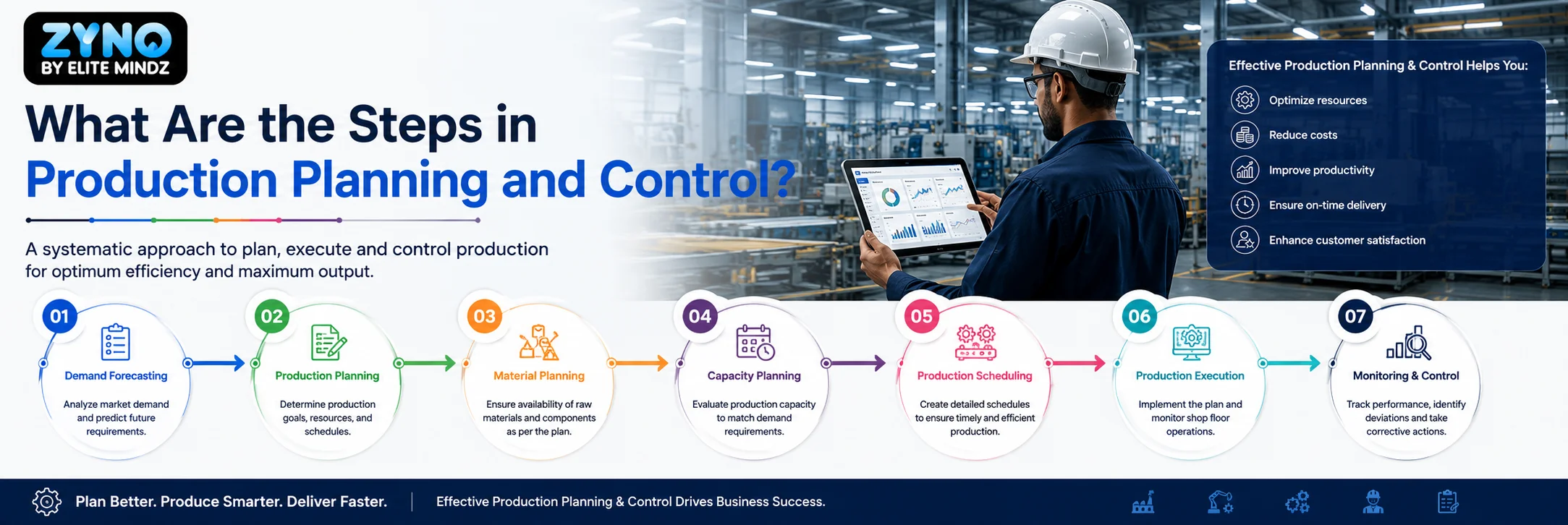
What Are the Steps in Production Planning and Control?
Read More →
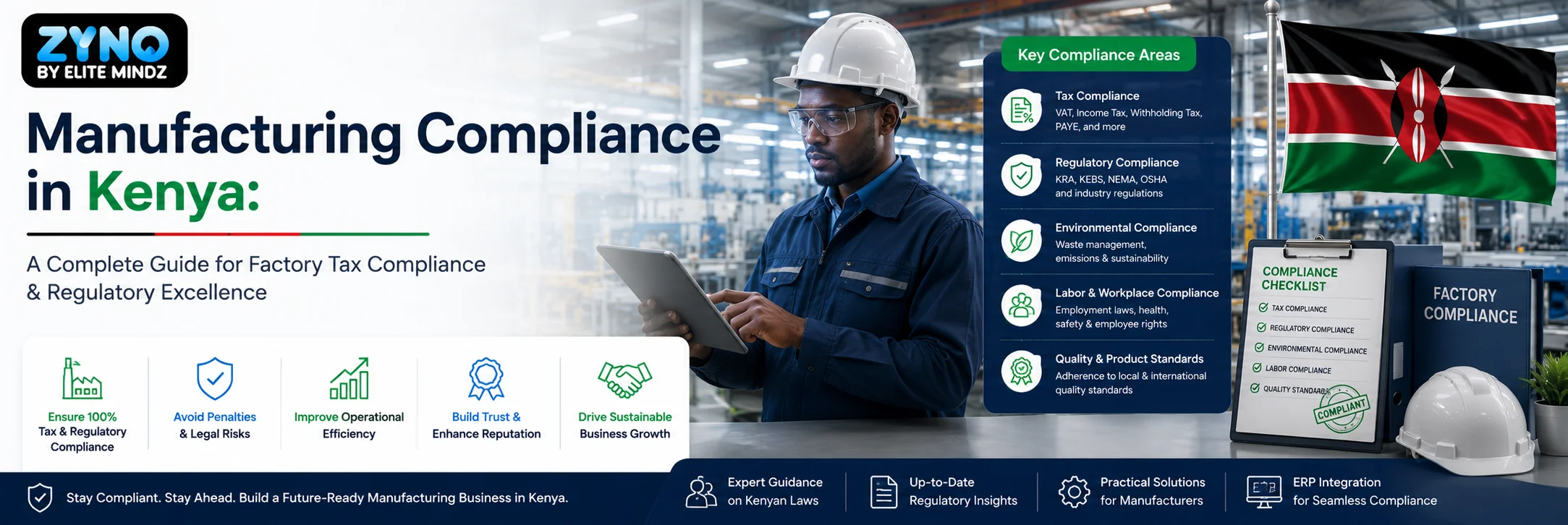
Manufacturing Compliance in Kenya: A Complete Guide for Factory Tax Compliance & Regulatory Excellence
Read More →
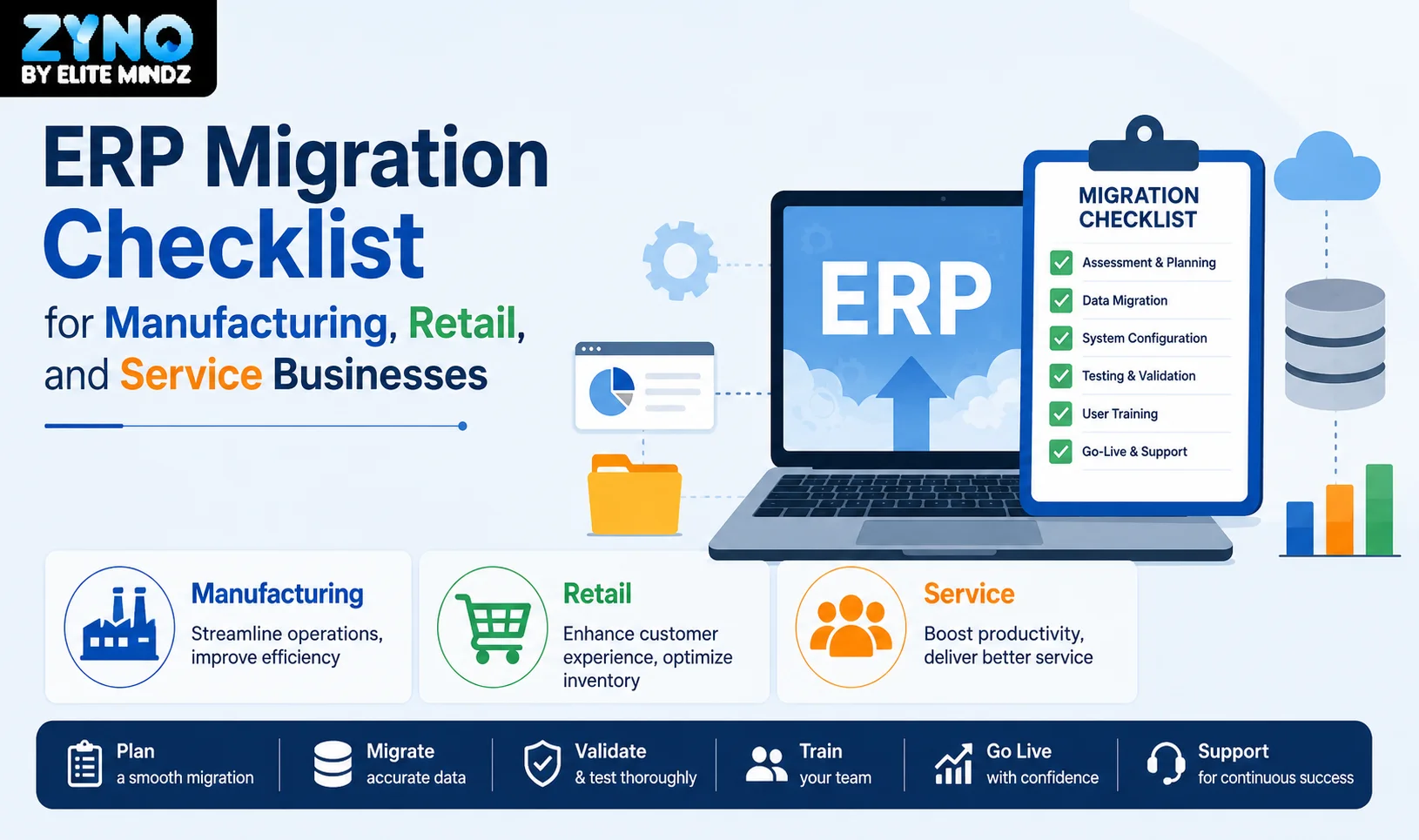
ERP Migration Checklist for Manufacturing, Retail, and Service Businesses
Read More →
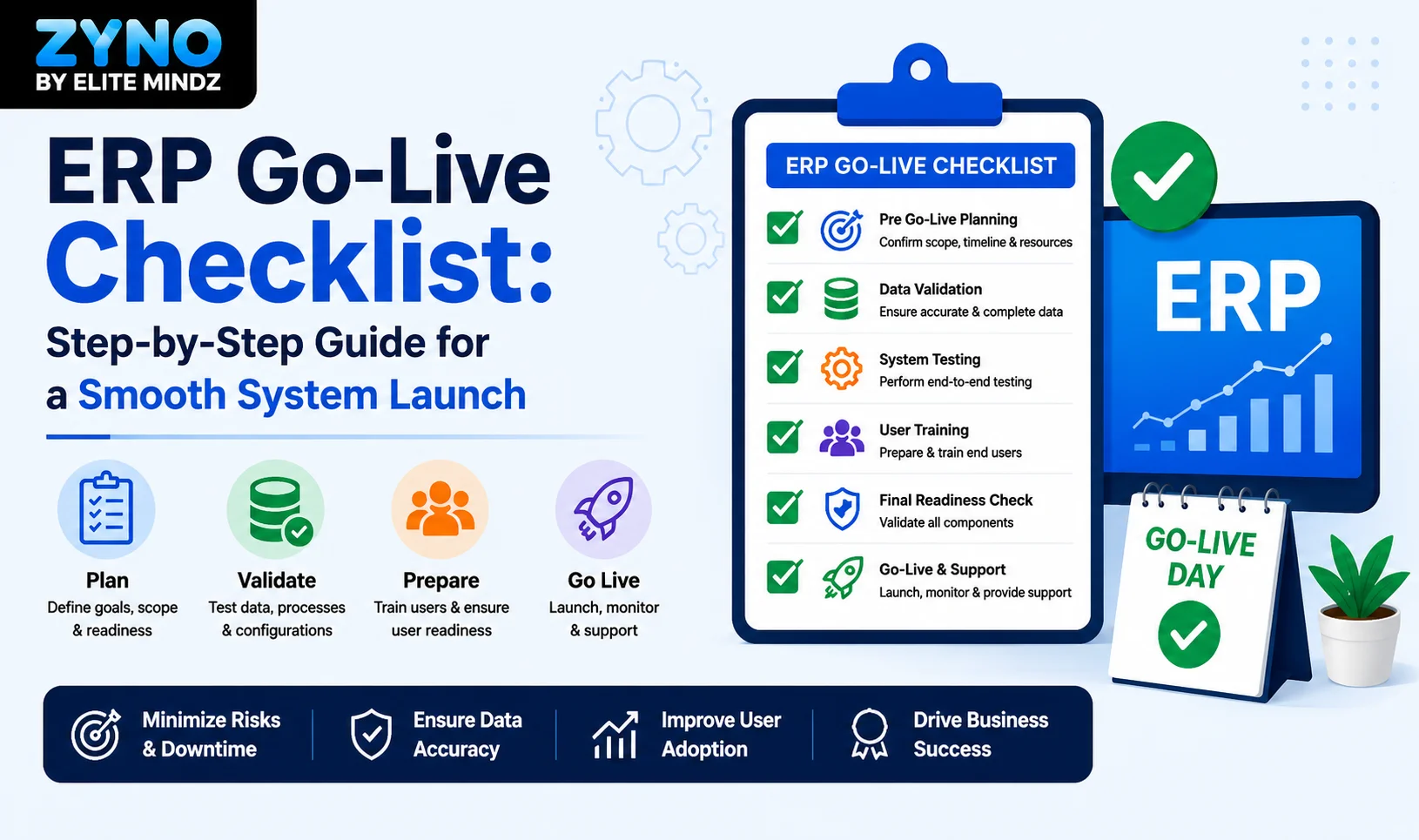
ERP Go-Live Checklist: Step-by-Step Guide for a Smooth System Launch
Read More →
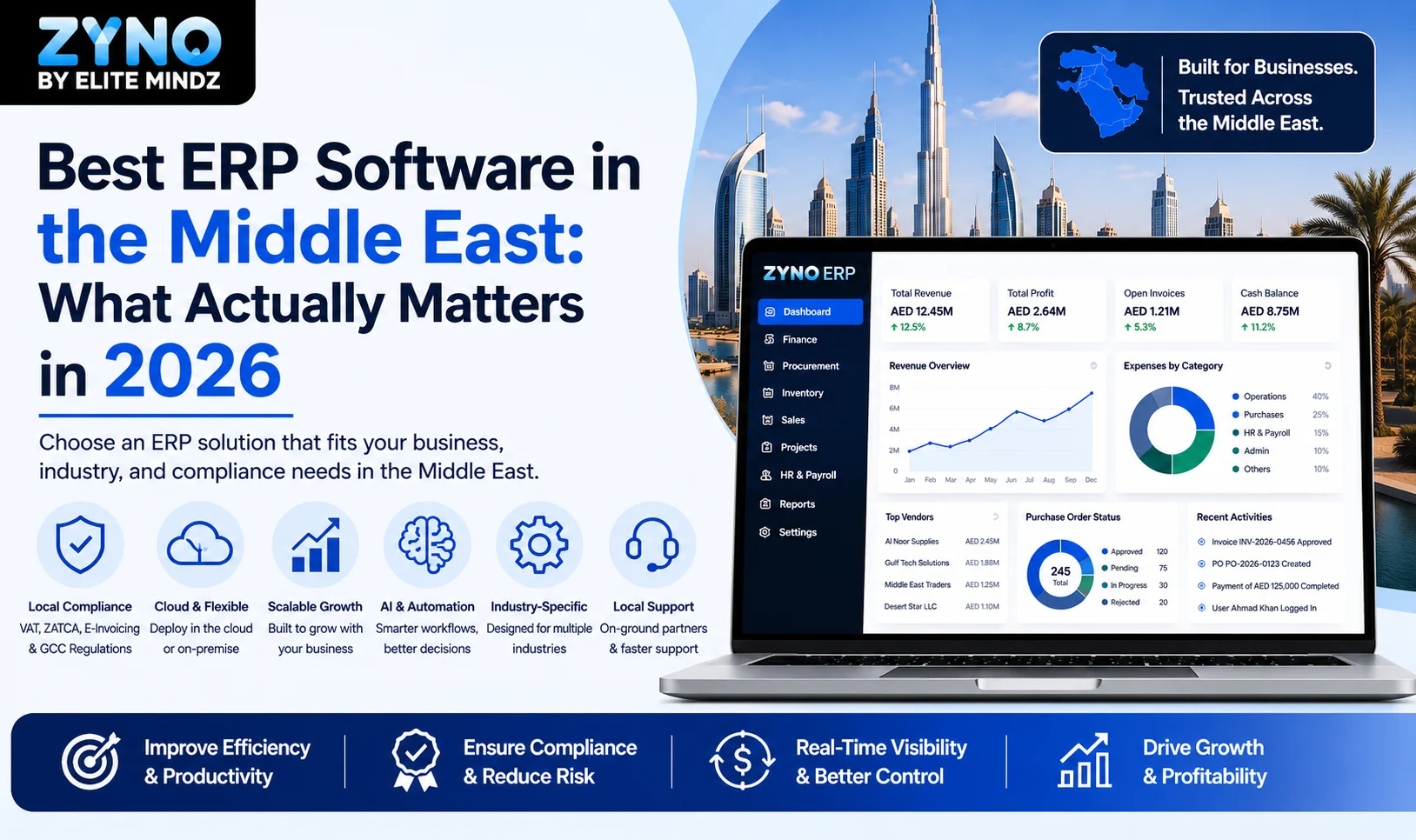
Best ERP Software in the Middle East: What Actually Matters in 2026
Read More →
ERP Training Best Practices: Essential Tips for a Smooth ERP Implementation
Read More →
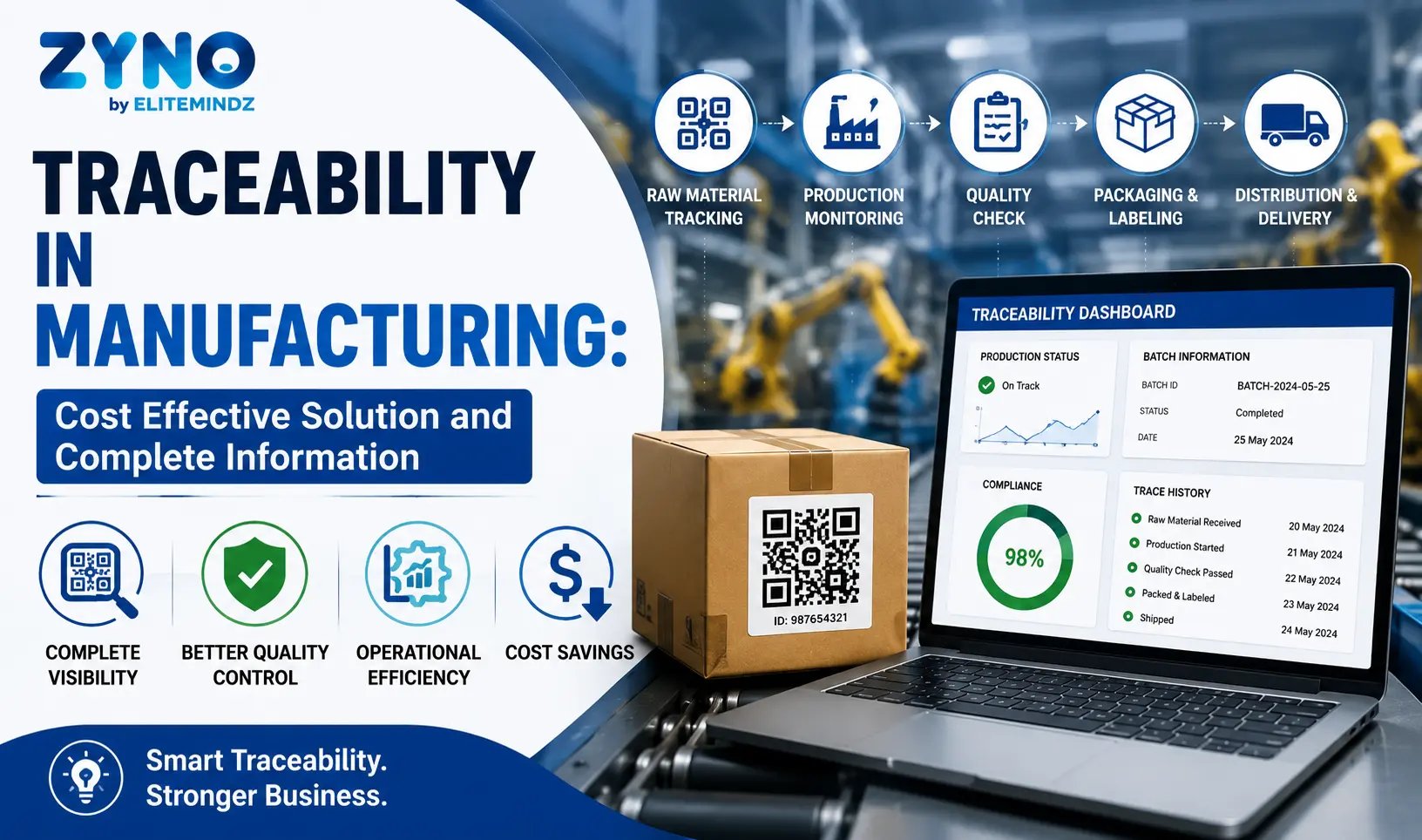
Traceability in Manufacturing: Cost Effective Solution and Complete Information
Read More →
Manufacturing ERP Software Buying Guide: Features, Checklist & Questions to Ask Before You Invest
Read More →
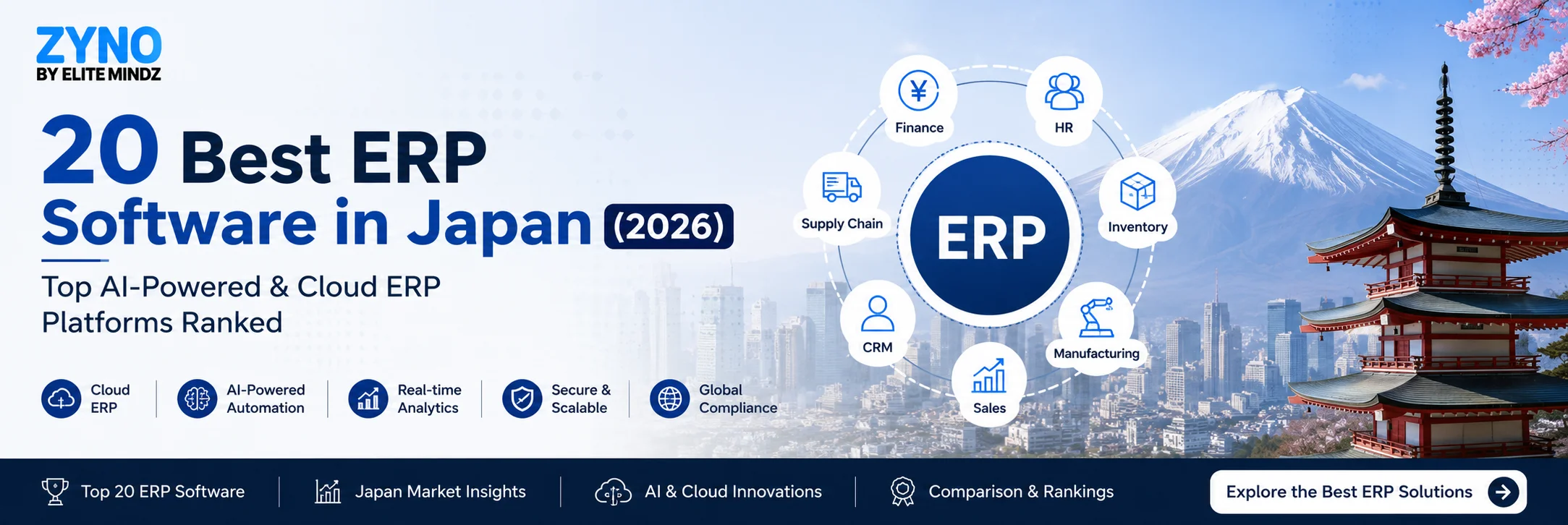
20 Best ERP Software in Japan (2026): Top AI-Powered & Cloud ERP Platforms Ranked
Read More →
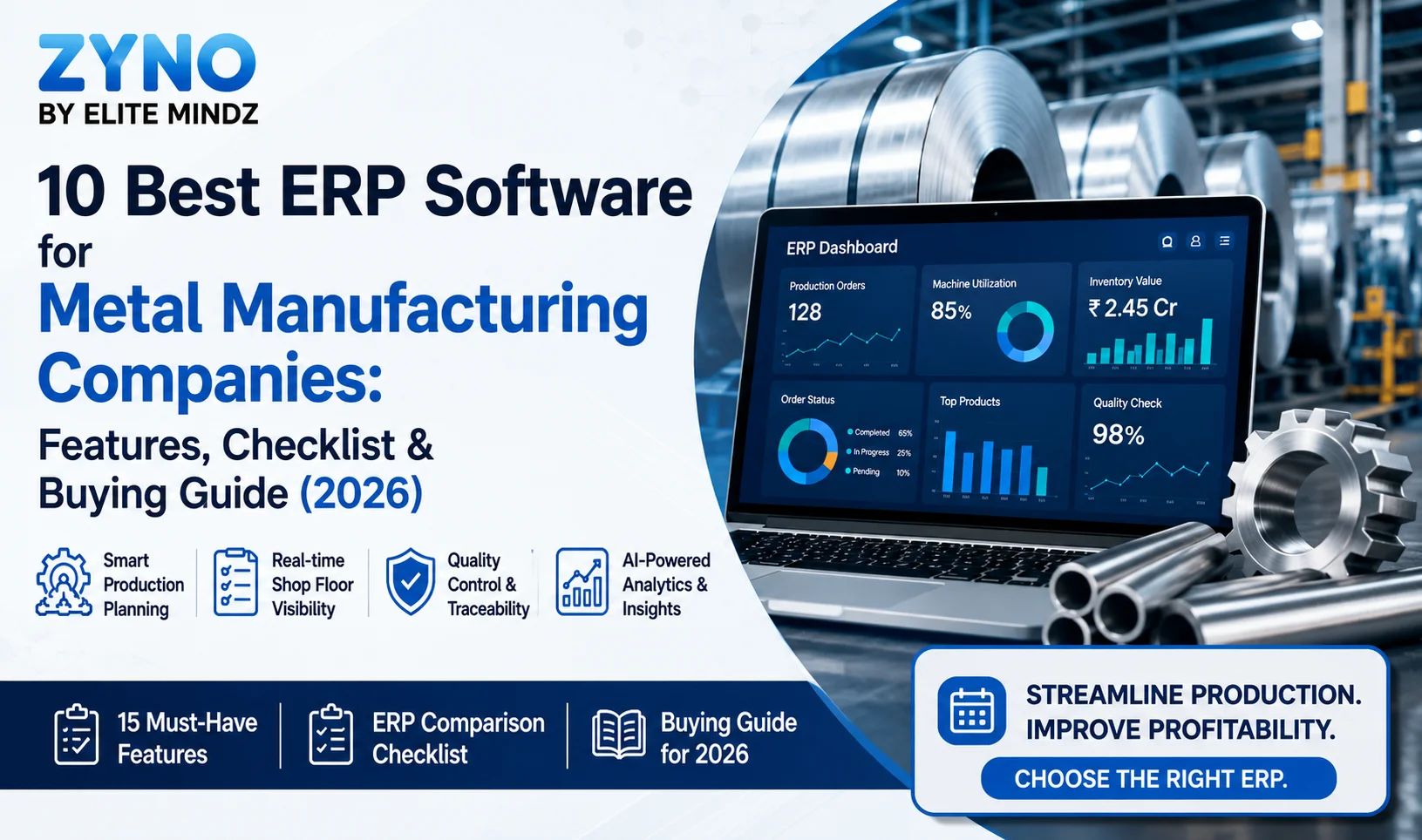
10 Best ERP Software for Metal Manufacturing Companies: Features, Checklist & Buying Guide (2026)
Read More →How Manufacturing ERP Helps Ethiopian Factories Improve Production Planning & Cost Control
Read More →
Top 15 Business Management Software for Growing Businesses in 2026
Read More →
Why These Are the Top 15 Small Business ERP Systems for 2026
Read More →
BOM Management Software: A Complete Guide to Smarter Manufacturing
Read More →
Which Companies Build Affordable Manufacturing ERP Software in India?
Read More →
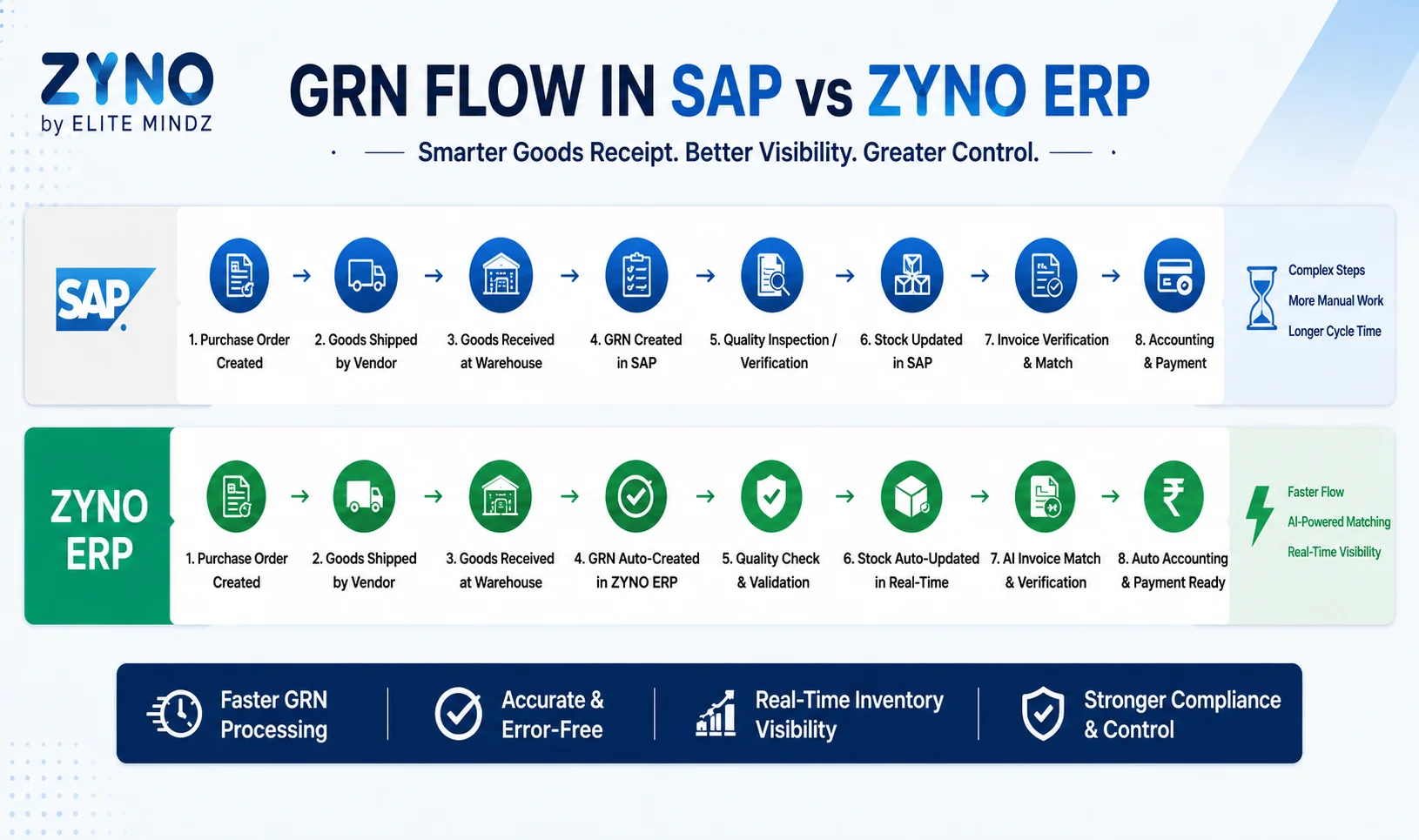
GRN Flow in SAP vs ZYNO ERP
Read More →
Which AI ERP Platform Offers the Best ROI for Retail Businesses Looking to Automate Operations in India?
Read More →
Warehouse Management System (WMS): Complete Guide
Read More →
Best WMS Software in 2026: 10 Warehouse Management Systems Compared
Read More →
Top Warehouse Management System (WMS) Pain Points and How to Solve Them
Read More →
ERP in Inventory Management: Features, Benefits & Best Practices
Read More →
Best ERP for Inventory Management : Top 10 Software Compared
Read More →
From Clicking Through Screens to Simply Asking: The New ERP Experience
Read More →
Best ERP Solutions for Textile Manufacturing and Supply Chain Control
Read More →
How Automation Software Can Help Middle East Businesses Save Time and Reduce Costs
Read More →
Top ERP Platforms for Food Processing and Manufacturing
Read More →
How to Choose the Right ERP Software for Enterprises in the UAE: Your Must-Know Points
Read More →
Top 10 ERP Solutions for Pharmaceutical Production Management
Read More →
ERP for Chemical Manufacturing: Compare the Best Solutions
Read More →
ERP for Oil and Gas: Compare the Best Solutions for 2026
Read More →
Order Management System: A Complete Buyer’s Guide
Read More →
Best Cloud Warehouse Management System for Businesses: A Complete Guide
Read More →
How Do Prompt-Based ERPs Reduce Manual Workflow Steps?
Read More →
Top 10 ERP Features Your Business Should Not Compromise On
Read More →
What Are the Best AI-Native Enterprise ERP Platforms?
Read More →
7 Best ERP Software for FMCG Manufacturers
Read More →
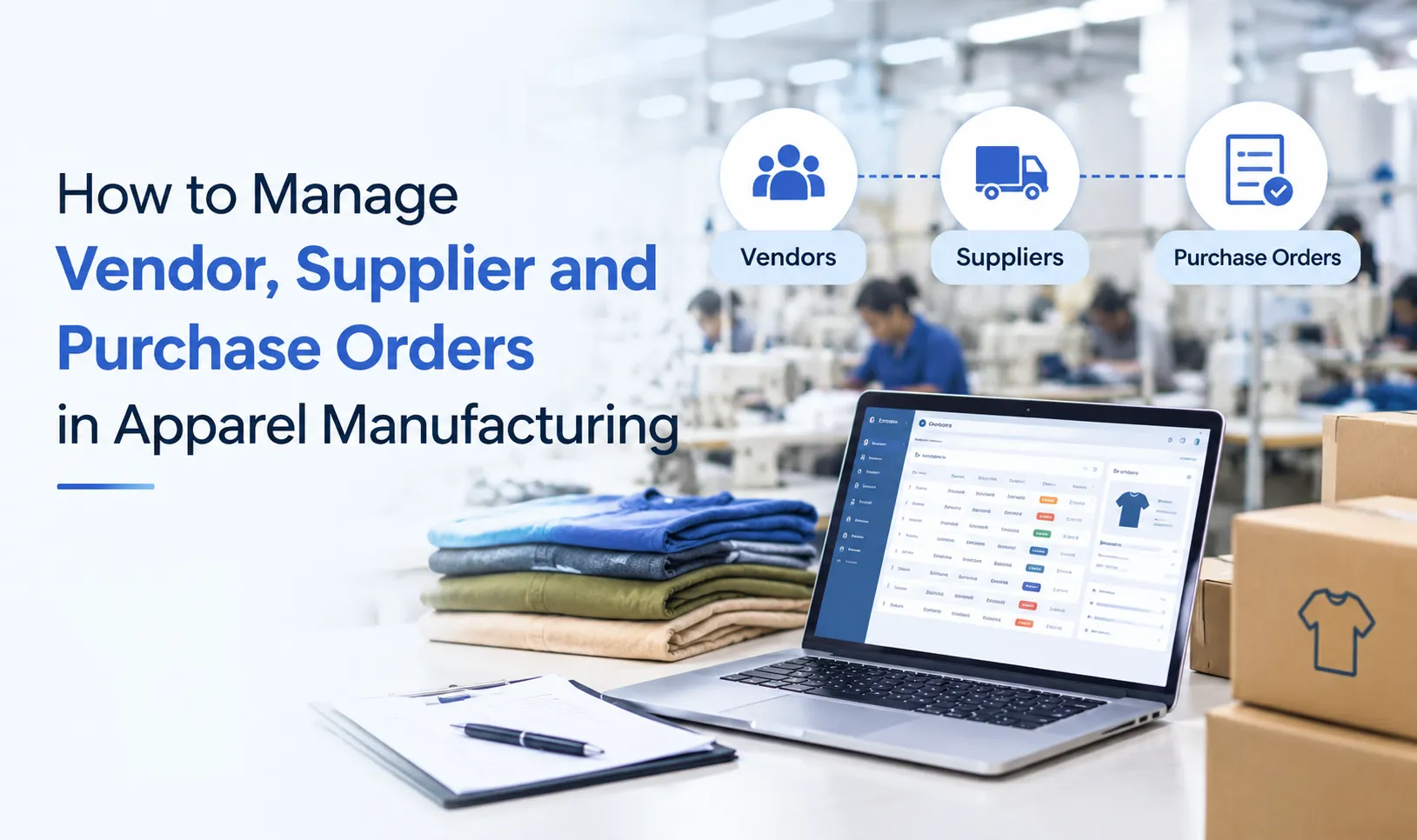
How to Manage Vendor, Supplier and Purchase Orders in Apparel Manufacturing
Read More →
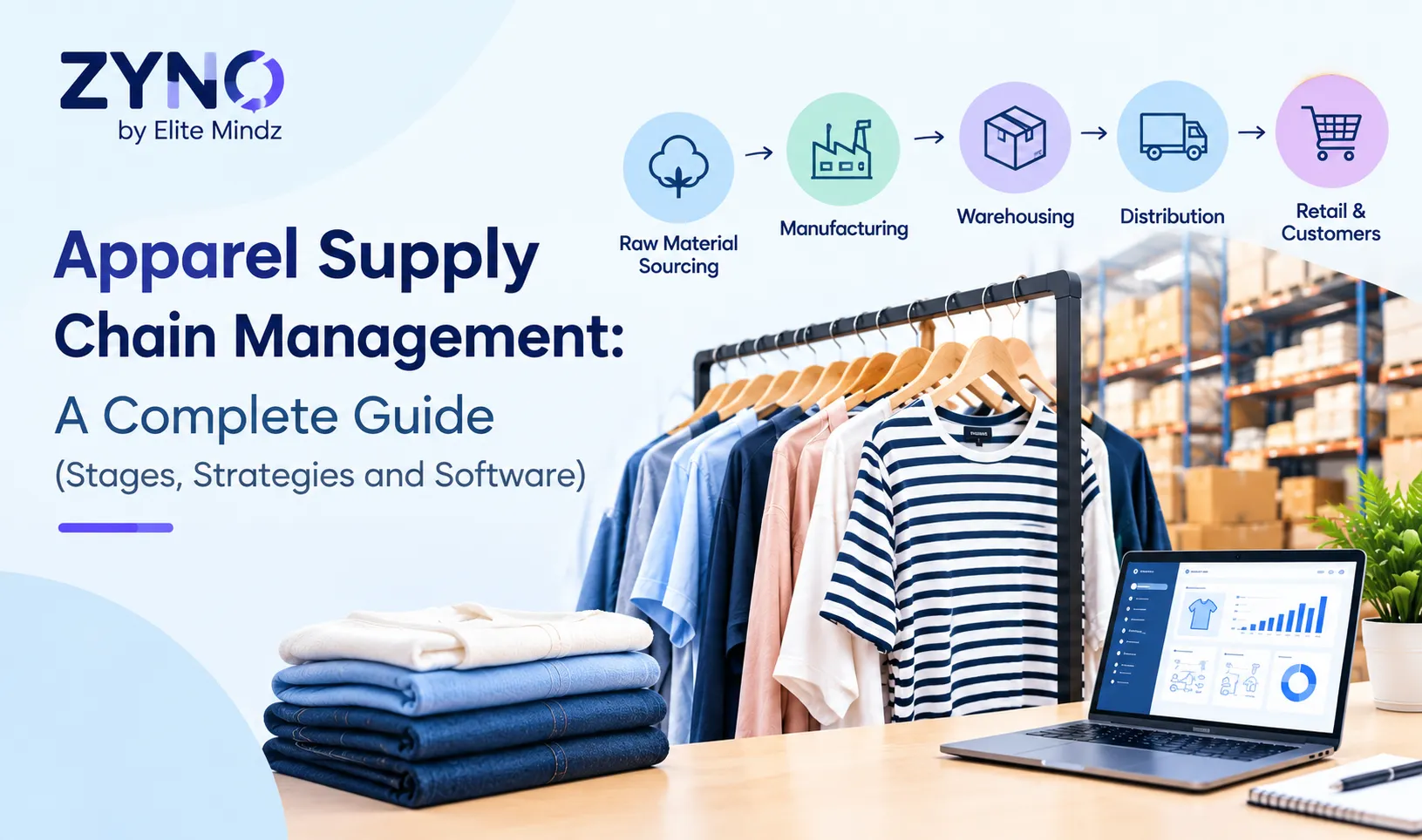
Apparel Supply Chain Management: A Complete Guide (Stages, Strategies and Software)
Read More →
How to Calculate SAM and SMV in Garment Manufacturing: Formula, Examples and Complete Guide
Read More →
NetSuite Alternatives: 10 Best ERP Picks for Growing Manufacturers in 2027
Read More →
How to Choose the Best ERP Software for Manufacturing Factories
Read More →
Best Distribution Management Software in India
Read More →
E-Way Bill System Under GST: Rules, Validity & Generation Guide (2027)
Read More →
ERP Evaluation Guide: 20 Questions to Ask in an ERP Software Demo
Read More →
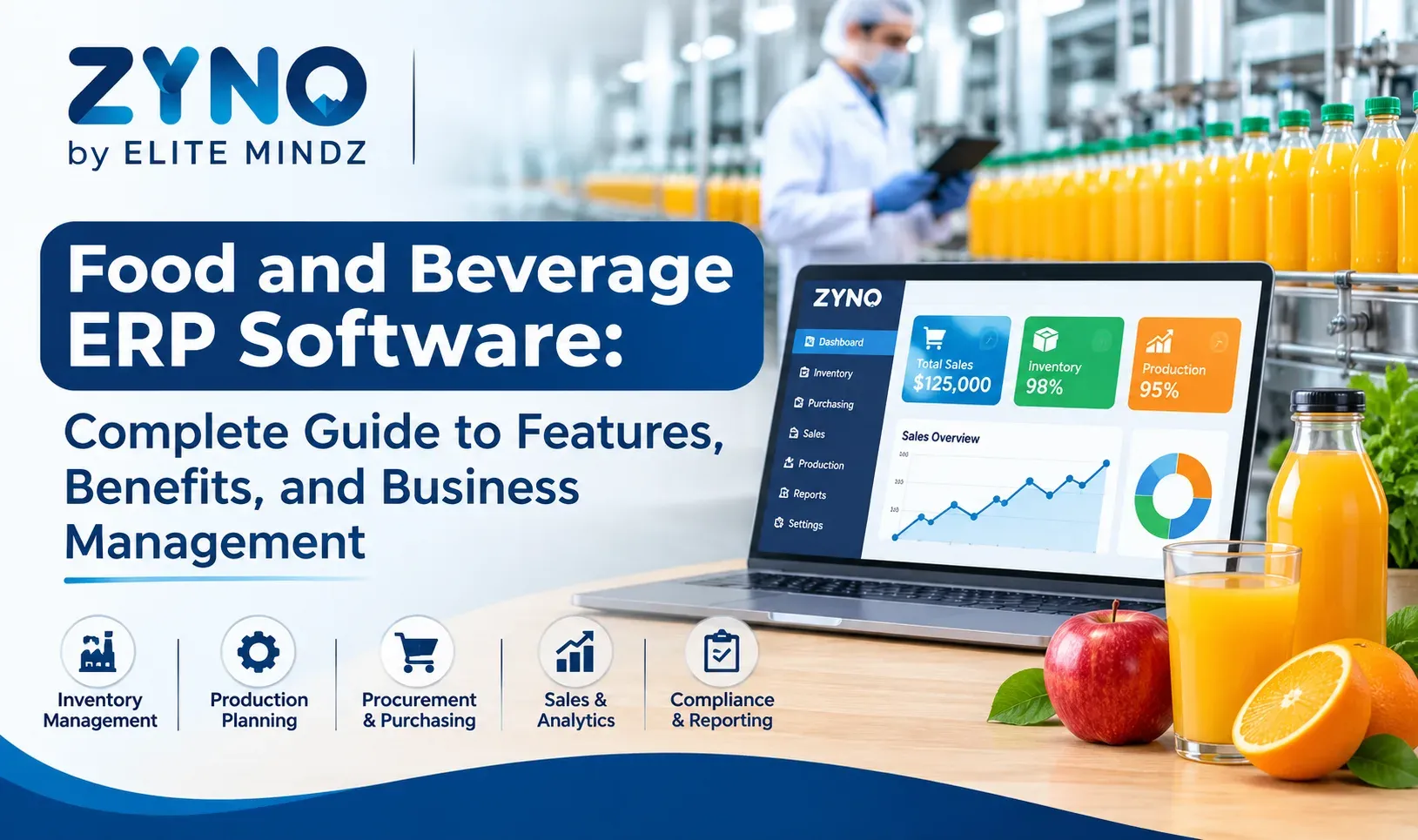
Food and Beverage ERP Software: Complete Guide to Features, Benefits, and Business Management
Read More →
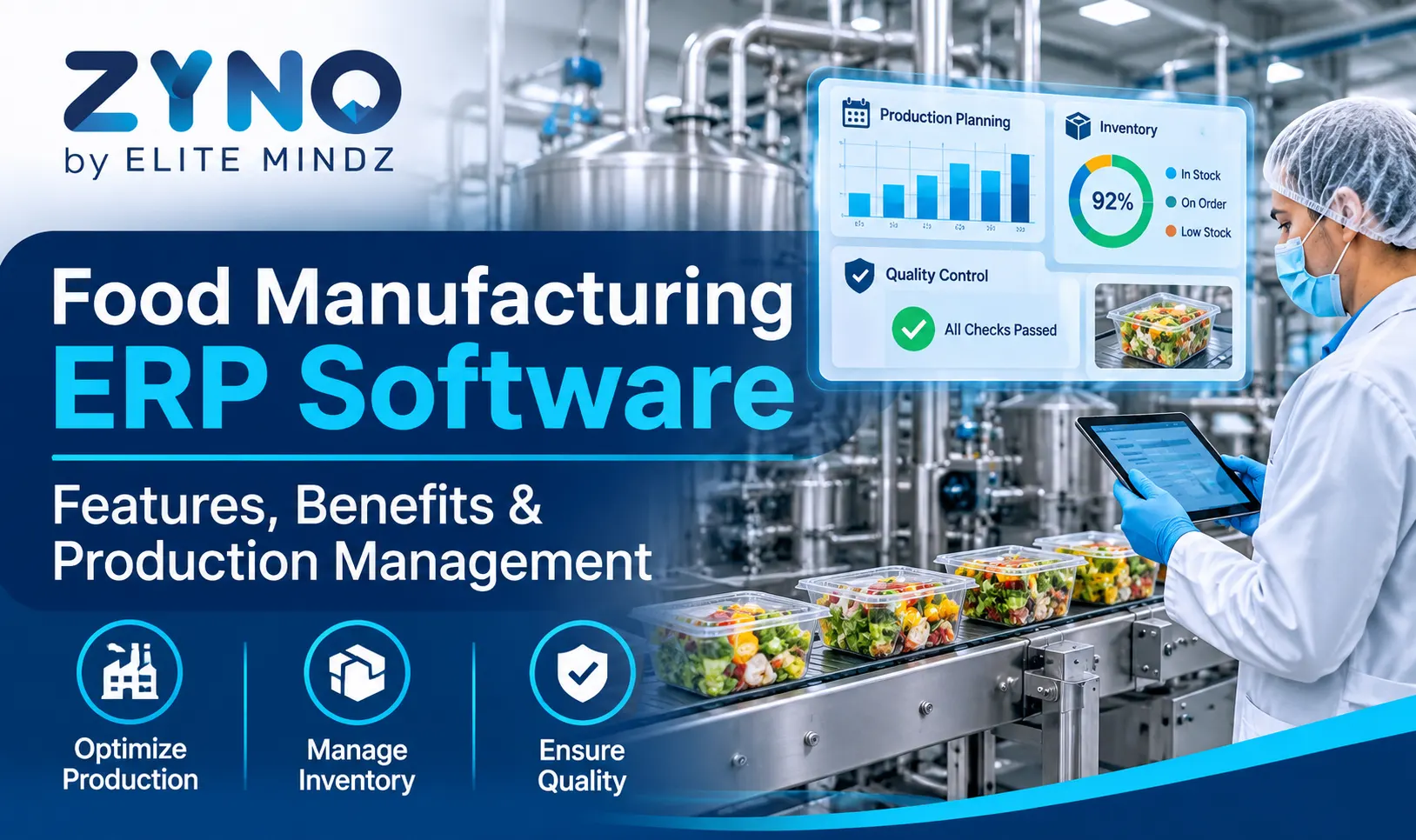
Food Manufacturing ERP Software: Features, Benefits, and Production Management
Read More →
Food Inventory Management Software: How to Control Stock, Reduce Waste, and Improve Profitability
Read More →Partner with ZYNO by Elite Mindz to revolutionize how your business works. Fill out the form, and we’ll reach out with AI-powered solutions made just for you.
We use browser cookies to ensure you get the best experience on our website. Learn more
The form was submitted successfully!