What is ERP? A Beginner's Guide to Enterprise Resource Planning
Read More →

×
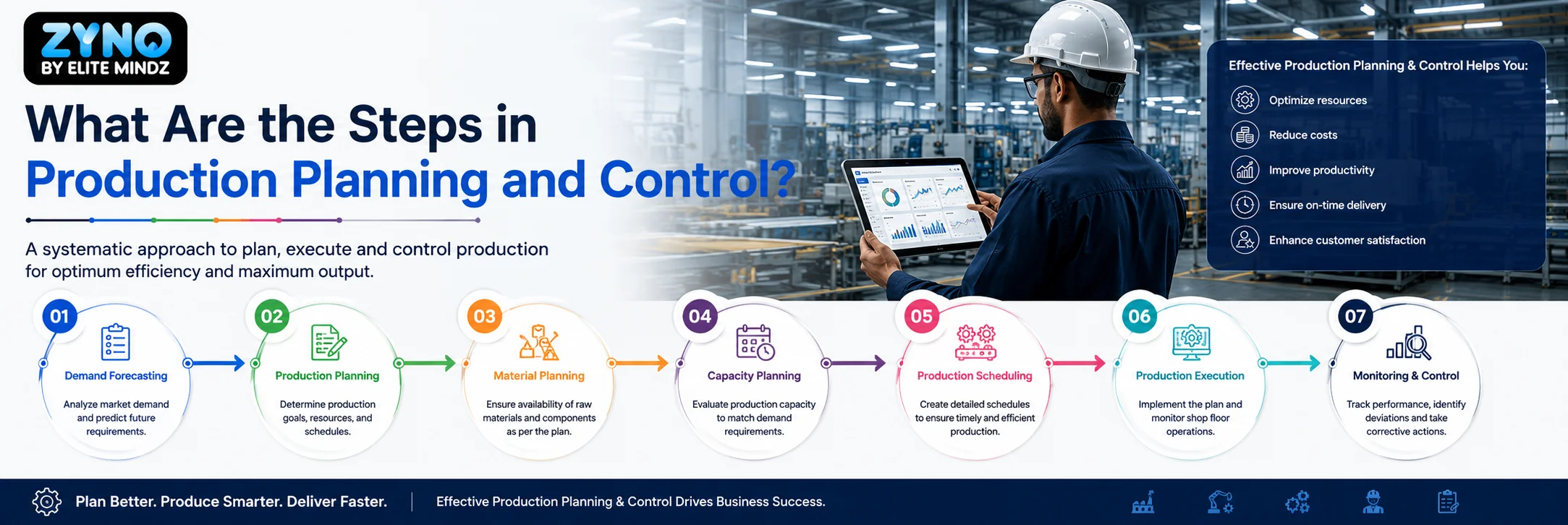
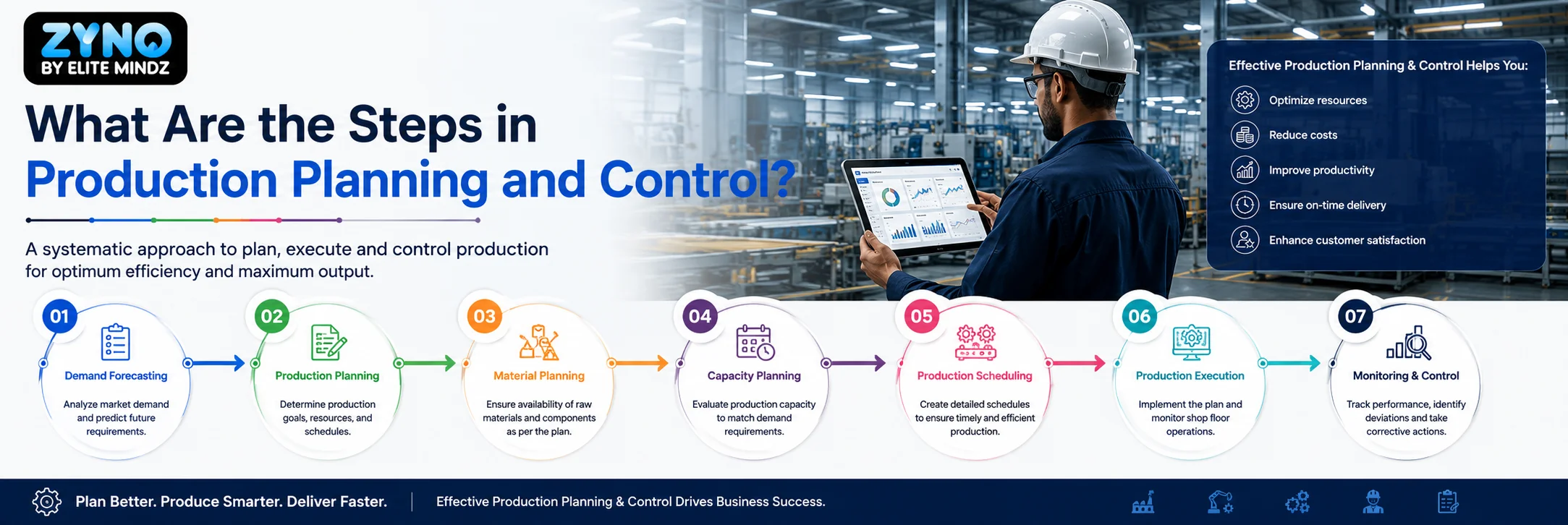
Production planning and control follows a structured process that includes demand forecasting, capacity planning, material requirements planning, production scheduling, work order release, execution monitoring, and continuous replanning. Learn how these steps help manufacturers reduce delays, improve resource utilization, and deliver products on time.
Businesses using ZYNO Books cut accounting time by 70% and stay 100% ZATCA-compliant — automatically.
Ask ten manufacturing managers what's slowing down their shop floor, and most will point to the same root cause, planning that happens on a whiteboard or a spreadsheet, disconnected from what's actually happening on the ground. Orders come in, materials fall short, machines sit idle waiting on a job that hasn't been scheduled yet, and by the time anyone notices, the delivery date has already slipped.
Production planning and control exists to close that gap. It's the discipline of deciding what to produce, how much, when, and with what resources, then making sure execution actually follows the plan instead of drifting away from it. For anyone new to the concept, our earlier piece on what production planning and control means covers the basics. This article goes further and breaks down the actual steps involved, along with the techniques and tools that make them work in practice.
A factory without structured planning tends to run on guesswork. Purchasing orders raw material based on last month's usage rather than actual demand. Machines get scheduled around whoever shouts loudest, not around what's genuinely urgent. Inventory piles up in one warehouse corner while another line waits on a part that should have arrived weeks ago.
Good production planning and control fixes this by giving every department the same source of truth, what needs to be made, by when, and what it requires to get there. The payoff shows up in fewer missed deadlines, lower holding costs, better use of machine and labor capacity, and a much clearer picture of where money is actually going during production. Manufacturers that get this right also tend to see the effect directly on their margins, something we cover in more detail in how ERP reduces production costs and improves profitability.
Before getting into the step by step process, it helps to know the building blocks that make it work.
Demand forecasting sets the baseline, how much of a product needs to be made over a given period, based on sales history, open orders, and market signals.
Bill of materials (BOM) management defines exactly what raw materials, components, and sub assemblies go into each finished product. A wrong or outdated BOM is one of the fastest ways to derail a production run, which is why platforms like EM Production Pro's bill of materials module exist specifically to keep this data accurate as products evolve.
Capacity planning matches the demand forecast against what machines and labor can realistically produce in that window.
Routing and scheduling decides the sequence of operations a product goes through and assigns each step to a specific machine, work center, or shift.
Inventory and procurement planning makes sure raw materials and components show up on time, not too early and not too late, which is where tools like procurement and supplier management and vendor management software typically come into play.
Manufacturers running this process manually usually hit a wall around step six, since tracking real time progress without a connected system means chasing updates by phone or WhatsApp. This is the exact gap that EM Production Pro was built to close, tying forecasting, scheduling, and shop floor tracking into one system instead of five disconnected tools.
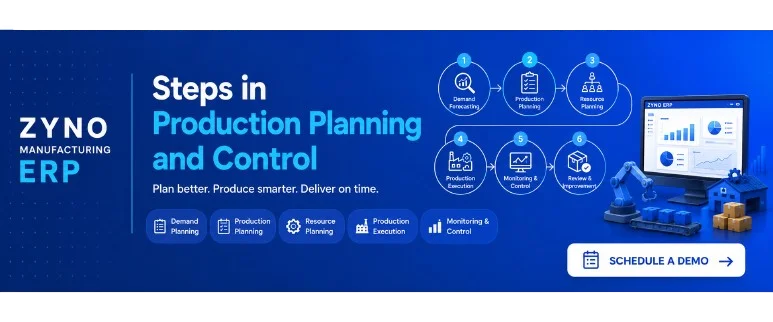
Enhance every stage of production planning and control with ZYNO Manufacturing ERP. Plan production efficiently, manage inventory in real time, optimize procurement, streamline shop floor operations, and improve scheduling to reduce costs and maximize manufacturing productivity.
Request a Free Demo Explore ZYNO Manufacturing ERPOnce the plan exists, scheduling decides the actual sequence and timing of work on the floor. A few common approaches:
Forward scheduling starts from the order date and schedules operations as early as possible, useful when speed to delivery matters more than machine utilization.
Backward scheduling starts from the due date and works backward, which suits make to order environments where missing a deadline is costlier than idle capacity.
Finite capacity scheduling accounts for actual machine and labor limits, avoiding the common mistake of scheduling more work than a shift can physically complete.
Theory of constraints scheduling focuses on the single slowest bottleneck resource and schedules everything else around keeping that resource busy, since speeding up anywhere else in the line does nothing for overall throughput.
Most modern ERP and production planning software, EM Production Pro's scheduling module included, automate this rather than leaving it to a planner juggling a whiteboard.
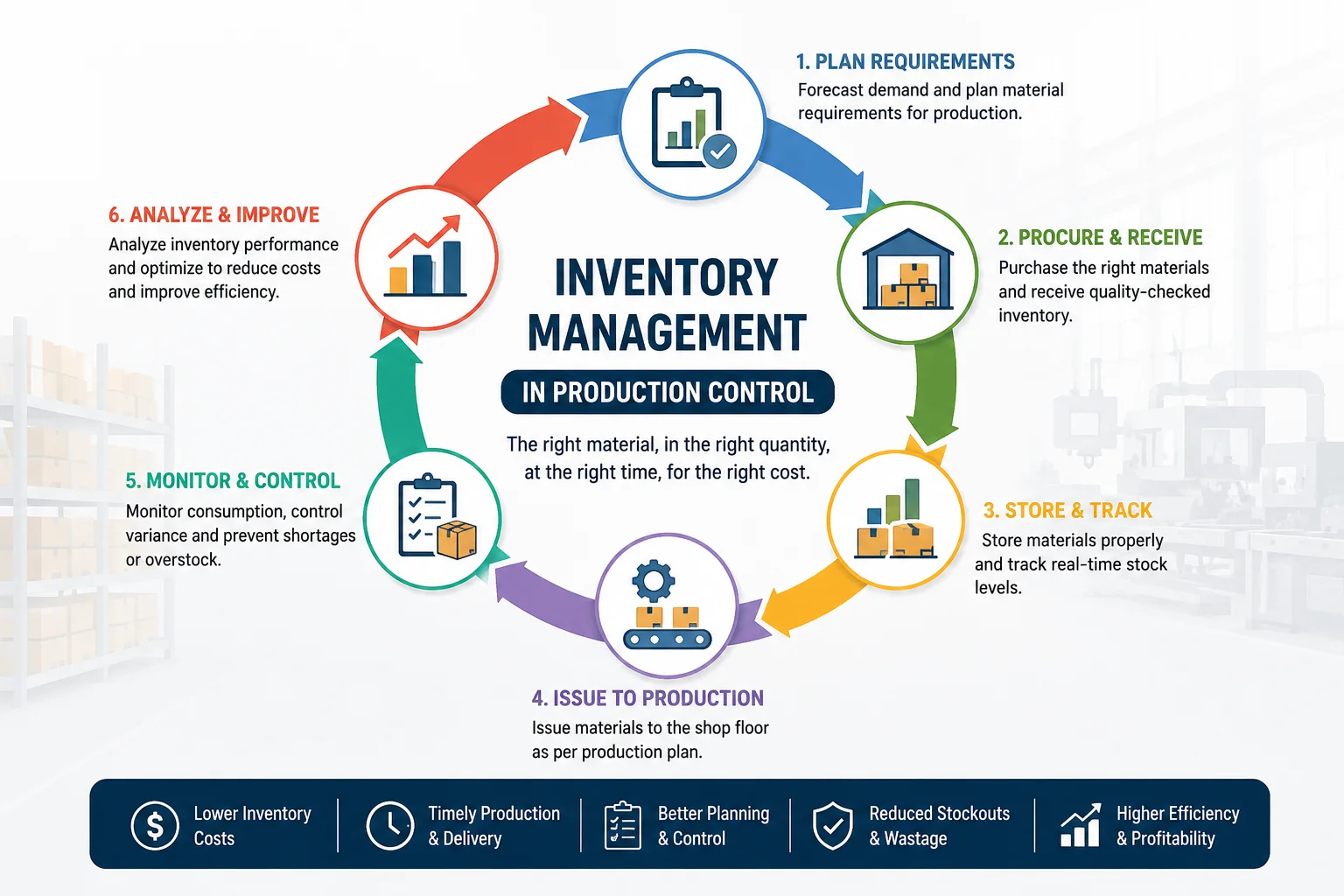
Production planning only holds up if the materials show up when the schedule says they will. That's why inventory sits so close to production control in practice.
Raw material stock needs to be tracked against actual consumption, not just periodic counts, so shortages get flagged before they stall a production run. Work in progress inventory needs visibility too, since materials sitting half finished on the floor tie up cash just as much as raw stock in a warehouse. And finished goods need to move out on schedule, or storage costs start eating into the margin a well planned run was supposed to protect.
This is where a connected inventory and warehouse management system earns its keep, giving planners real numbers instead of estimates. For a deeper look at inventory methods specifically, our piece on how inventory management works and the comparison of FEFO vs FIFO vs LIFO walk through the tradeoffs in more detail.

A schedule that hits every deadline but ships defective product hasn't actually solved anything, it's just moved the problem downstream to returns and rework. Quality control needs to sit inside the planning process, not bolted on as a final inspection step.
That usually means in process checks at defined stages rather than only at the end of the line, statistical process control to catch drift before it becomes a defect, and clear documentation so any quality issue can be traced back to the specific batch, machine, or shift that caused it. Compliance requirements add another layer, especially for regulated industries, which is where a dedicated quality control and compliance module makes the difference between passing an audit smoothly and scrambling for paperwork the week before.
Manual planning tops out fast once a business has more than a handful of SKUs or production lines. ERP and MES systems change what's possible here in a few concrete ways.
Real time data replaces end of day reports, so a planner sees a bottleneck forming while there's still time to act on it. Automated scheduling recalculates the plan instantly when a rush order comes in or a machine goes down, instead of a planner reworking a spreadsheet by hand. AI driven forecasting picks up on demand patterns a human might miss, which we've covered in more depth in how AI ERP handles production planning and inventory management. And shop floor connectivity through IoT sensors and MES reporting gives planners live status on every machine, a topic explored further in smart factory ERP and IoT integration.
Features like shop floor and MES reporting and maintenance and asset management exist specifically to plug this visibility gap, so machine downtime gets flagged before it derails a schedule rather than after.
Even with the right process on paper, a few problems show up again and again.
Demand volatility makes forecasts unreliable, especially for businesses with seasonal spikes or a small number of large customers. Supplier delays throw off material availability regardless of how well the schedule was built. Data silos between sales, procurement, and the shop floor mean the plan is often working off information that's already outdated by the time it reaches production. And resistance to new systems, planners who trust their own spreadsheet over an unfamiliar tool, can slow down adoption of anything that would actually fix the problem.
Most of these issues trace back to the same root cause, disconnected systems and delayed information. Our piece on how manufacturing companies reduce production delays using ERP automation goes deeper into how a connected system addresses each of these specifically.
Production planning and control isn't a one time setup, it's an ongoing loop of forecasting, scheduling, executing, and adjusting based on what actually happens on the floor. A few things consistently separate manufacturers who get this right from those still firefighting:
Keep the BOM and routing data accurate, since bad input data undermines even the best planning process. Build in real time visibility rather than relying on end of shift reports. Treat quality control as part of the plan, not a final gate. And choose scheduling techniques that match how the business actually sells, whether that's forward scheduling for speed or backward scheduling for deadline heavy, make to order work.
For manufacturers still running this across spreadsheets and phone calls, EM Production Pro brings forecasting, scheduling, inventory, quality, and shop floor tracking into one connected system built for exactly this kind of operation.
What is the difference between production planning and production control?
Production planning decides what should happen, the forecast, the schedule, the material requirements. Production control checks what's actually happening against that plan and corrects course when reality drifts from it. Planning without control just becomes a document nobody follows, and control without planning has nothing to measure against.
How many steps are there in production planning and control?
Most frameworks describe it as a seven step loop, forecasting, capacity planning, material requirement calculation, scheduling, work order release, execution monitoring, and replanning. Some businesses combine or split these depending on how complex their operations are, but the underlying logic stays the same.
Can small manufacturers benefit from formal production planning?
Yes, arguably more than larger ones, since small manufacturers usually have less slack to absorb a missed deadline or a material shortage. The tools don't need to be complex to start, but the discipline of forecasting and scheduling ahead of time pays off quickly even at a small scale.
What software is used for production planning and control?
Options range from spreadsheet templates for very small operations to full ERP and MES systems for larger manufacturers. Purpose built platforms like EM Production Pro combine planning, scheduling, inventory, and quality control in one place, which avoids the data gaps that come from stitching together separate tools.
How does inventory management connect to production planning?
Inventory data feeds directly into the material requirement step of planning, and production consumption feeds back into inventory in real time. When these two aren't connected, planners end up working from stock counts that are already out of date, which is exactly the kind of gap a connected inventory and production system is built to close.
What is ERP? A Beginner's Guide to Enterprise Resource Planning
Read More →
Cloud ERP vs. On-Premise vs. Hybrid: Best ERP Model for 2025
Read More →How To Customize ERP Software Without Breaking The Bank?
Read More →
The Future of Manufacturing ERP in 2026 & Beyond
Read More →Best ERP Software in India: 2026 Edition
Read More →
AI in Manufacturing ERP: The Future of Smart Factories
Read More →
How ERP Transforms Inventory Management and Reduces Costs
Read More →
Inventory Management Software Features: The Complete 2026 Buying Guide
Read More →
Top 5 Ways Asset Management Software Can Save Your Business Money
Read More →
Why Smart Businesses Are Switching to Vendor Management Systems in 2025?
Read More →
Why Manufacturing Companies Need ERP Software
Read More →
Cloud ERP vs. Traditional ERP: Which is Right for You?
Read More →
ERP for Small Business: Is It Worth the Investment?
Read More →
How to Calculate ERP ROI and Why It's Worth the Investment
Read More →
Top 10 ERP Software Companies in India 2026 Updated List (Complete Guide)
Read More →
ERP Implementation Mistakes to Avoid in 2025
Read More →
Cloud ERP vs Edge Computing: What's Right for Modern Manufacturing?
Read More →
The Future of ERP Software and the Role of Generative AI
Read More →
Digital Twin Technology & ERP: Real-Time Insights for Smarter Manufacturing
Read More →
Scalable ERP Solutions Designed for Modern Enterprises
Read More →
ERP and IoT Integration: Smart Factory Vision
Read More →Best ERP Software for Manufacturing Businesses in India
Read More →Top 10 Best Manufacturing ERP Software in India (2026)
Read More →
Best ERP Software for Manufacturing Industries in Ethiopia (2026)
Read More →
Best School ERP Software Providers in UAE (2025 Edition)
Read More →
Best School ERP Software for 2025: Guide for Educational Institutions
Read More →
Top 10 ERP Software Solutions for Nigerian Manufacturers (2025 Edition)
Read More →
Best ERP Systems for Scalable Retail and POS Integration
Read More →
Top 10 Cloud-Based Manufacturing ERP Solutions in Africa (2025 Edition)
Read More →
Top 10 Cloud-Based Manufacturing ERP in UAE
Read More →
Top 10 Cloud-Based Manufacturing ERP Software in Nigeria (2026 Edition)
Read More →
Top 10 School ERP Software Companies in Kenya (2025)
Read More →
Best School ERP Software Providers in Nigeria (2025)
Read More →
Top Cloud-Based Manufacturing ERP in Zimbabwe (2025)
Read More →
Best ERP Software in U.K
Read More →
Top 10 ERP Software Developers in the U.K. (2025)
Read More →
Best ERP Software Providers in France (2025)
Read More →
Best ERP Software Companies in Germany : A Comprehensive Guide
Read More →
Top 10 ERP Software Development Companies in Qatar
Read More →
10 Best ERP Providers in Germany - 2026 Updated List
Read More →
Best ERP Software Firms in Saudi Arabia (2025)
Read More →
Best ERP Service Providers in Indonesia for SMEs and Large Enterprises
Read More →
Top 10 Cloud-Based Manufacturing ERP Systems in Egypt for Modern Factories
Read More →
Top ERP Solutions in the USA 2025: Streamline Your Business with ZYNO ERP
Read More →
Top ERP Solutions in Qatar for Businesses of All Sizes
Read More →Top Manufacturing ERP Software in India 2026 ZYNO Manufacturing ERP
Read More →How Manufacturing Companies Reduce Production Delays Using ERP Automation
Read More →Why Legal Firms Need ERP to Manage Cases, Billing & Compliance
Read More →What Is ERP And How Does It Work
Read More →
How ERP Systems Are Evolving in 2026: What Businesses Need to Know
Read More →
Best ERP Software in India: 2025 Edition
Read More →
Top 10 ERP Software Companies in Delhi NCR
Read More →
How Manufacturing ERP Software Improves Demand Forecasting
Read More →
Top 10 Best School Management Software in India
Read More →Manufacturing & Wholesale ERP in Qatar: Complete Industry Guide 2026
Read More →Cloud ERP Software in Qatar: Why Businesses Are Moving in 2026
Read More →Is ERP a Procurement Software? Key Differences, Benefits & What to Choose
Read More →What Is Production Planning and Control? Definition, Objectives & Functions
Read More →
Garment Inventory Software: Features, Providers & Buying Guide (2026)
Read More →
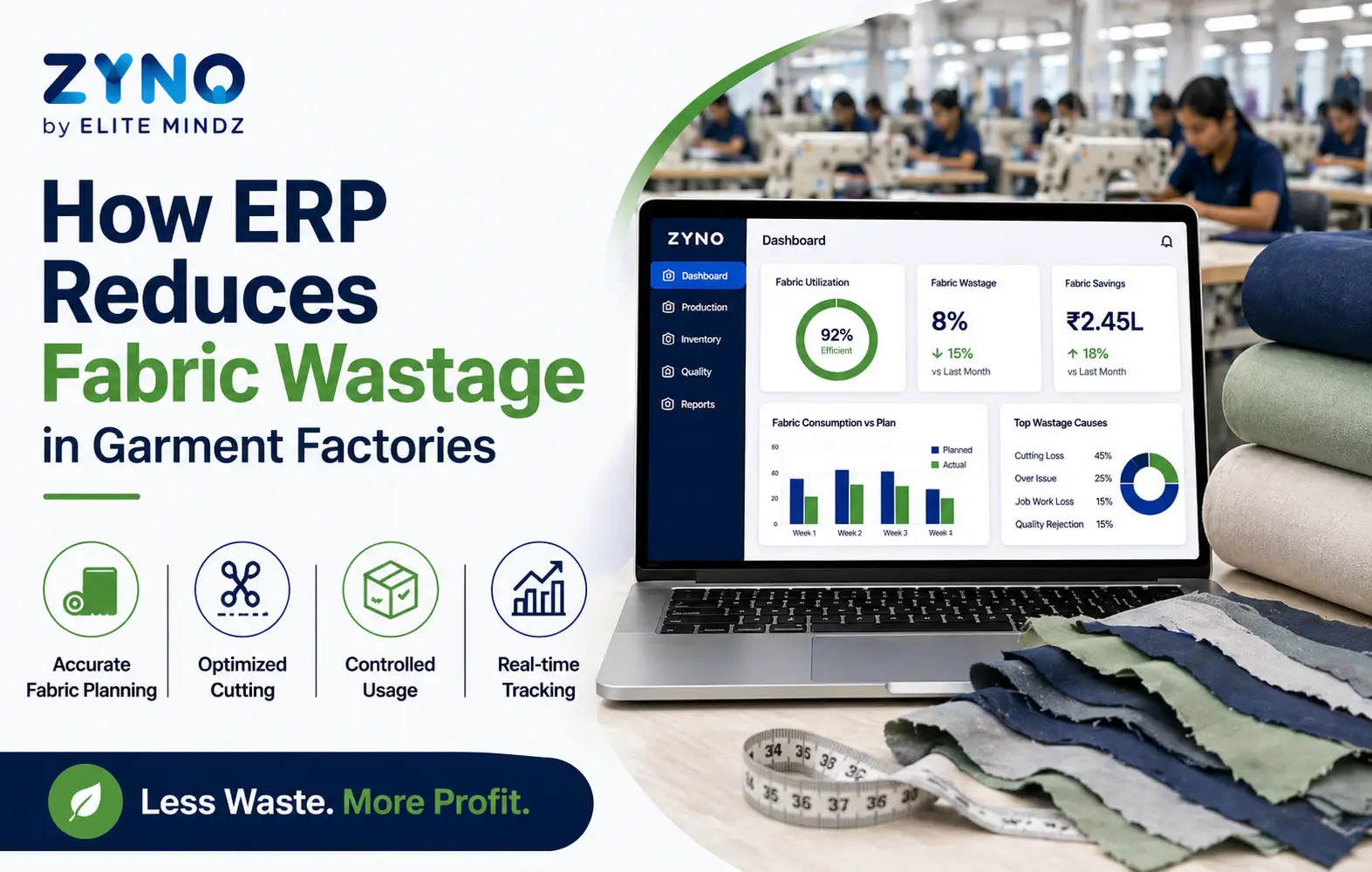
How ERP Reduces Fabric Wastage in Garment Factories
Read More →
Why the Garment Industry Needs a Specialized ERP
Read More →
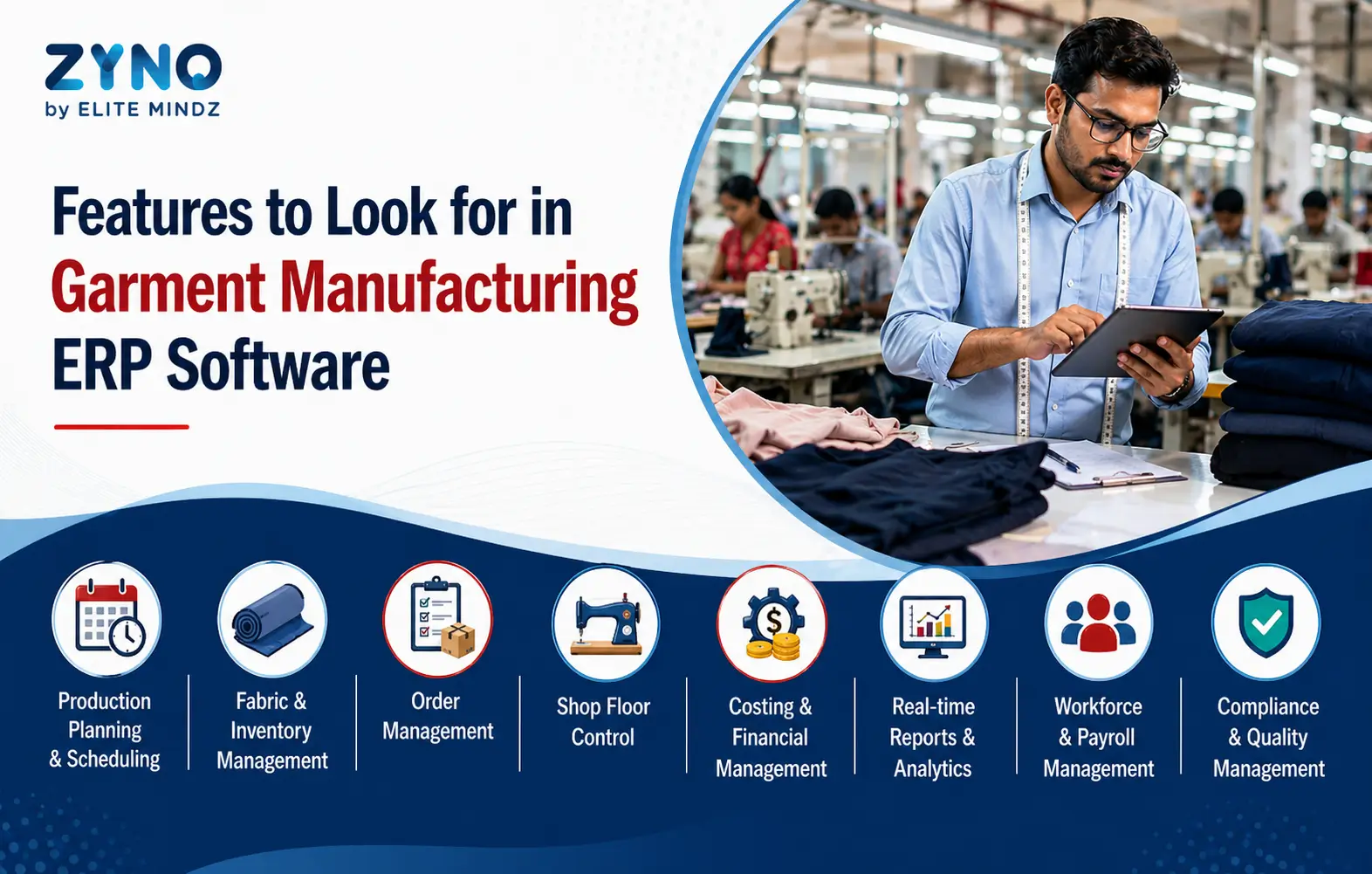
Features to Look for in Garment Manufacturing ERP Software
Read More →
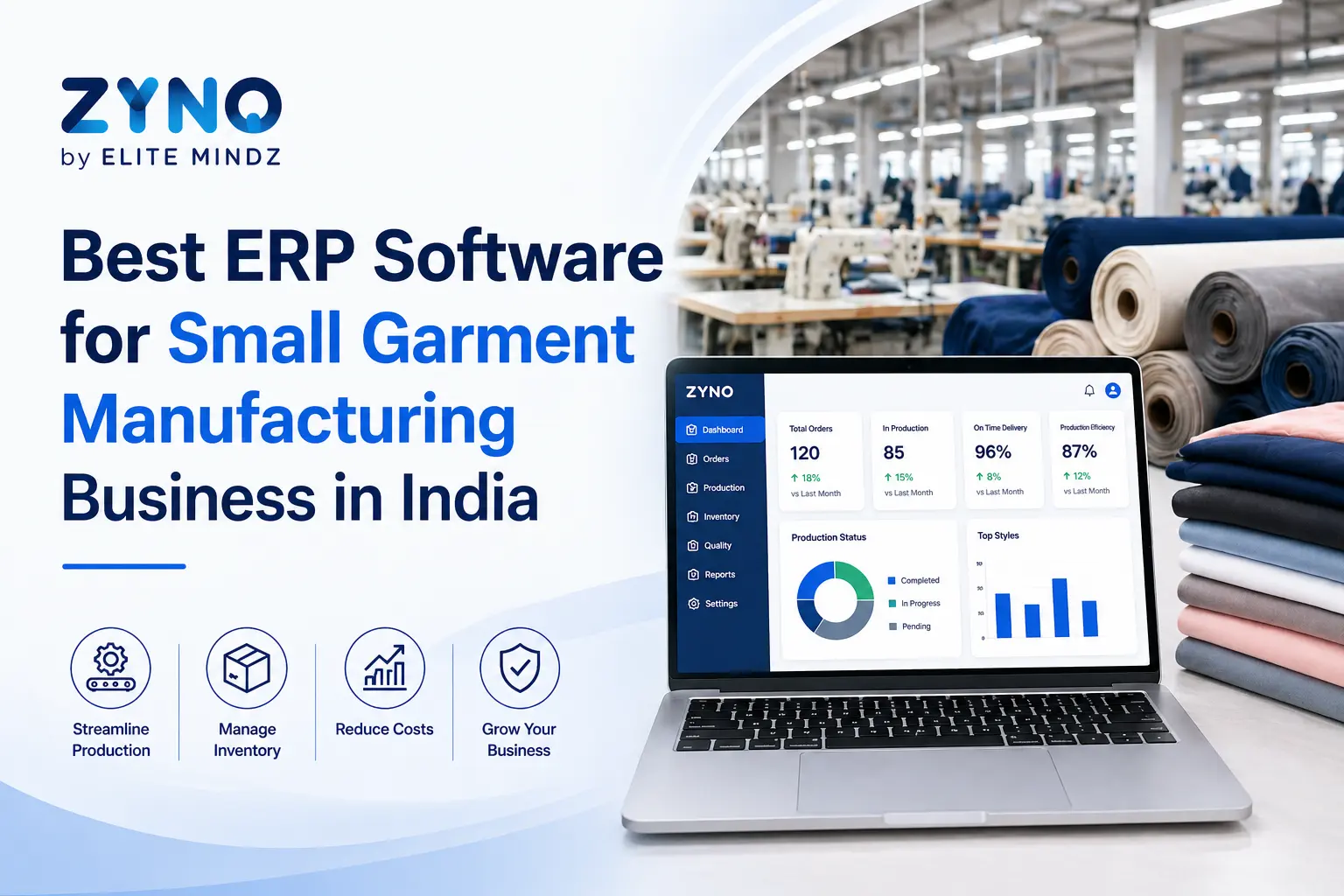
Best ERP Software for Small Garment Manufacturing Business in India
Read More →
The Real Problems Holding Back Small Garment Manufacturers in India
Read More →Garment Manufacturing ERP Software in India: Best Options, Features & Complete Guide 2026
Read More →
Which ERP is Best for Manufacturers in 2026?
Read More →
Distributor & Consumer Management System: The Complete Guide for 2026
Read More →
Best Pharma ERP Software in India 2026 – Features, Compliance & Buying Guide
Read More →
SAP Alternative for Manufacturing in India (2026): 6 Options Compared Honestly
Read More →
What Is the Relation Between MIS and Enterprise Resource Planning?
Read More →
Best ERP for Sweater Manufacturers in India
Read More →
What Manufacturing ERP Systems Provide the Best Demand Forecasting Features?
Read More →
Which ERP Software Provides the Best Demand Forecasting for Manufacturers?
Read More →
What are the key features to look for in AI ERP software for manufacturing companies in India?
Read More →
How does AI-powered ERP software improve production planning and inventory management in manufacturing?
Read More →
Which AI ERP platforms are best suited for small and mid-sized manufacturing businesses in India?
Read More →
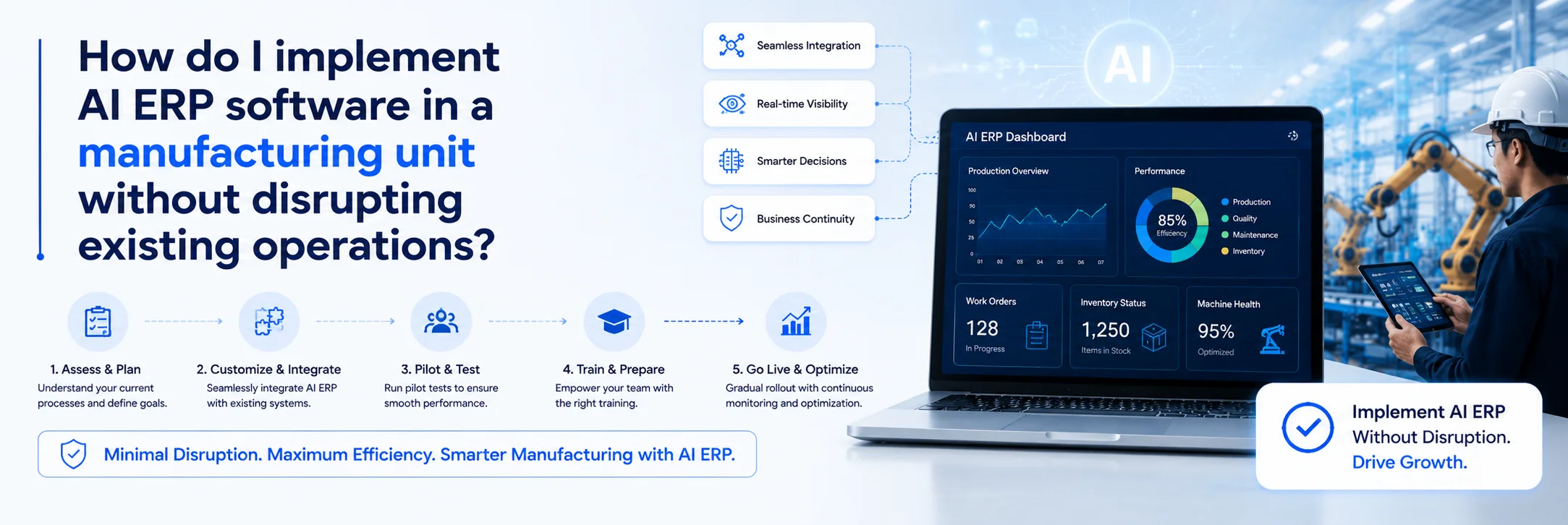
How do I implement AI ERP software in a manufacturing unit without disrupting existing operations?
Read More →
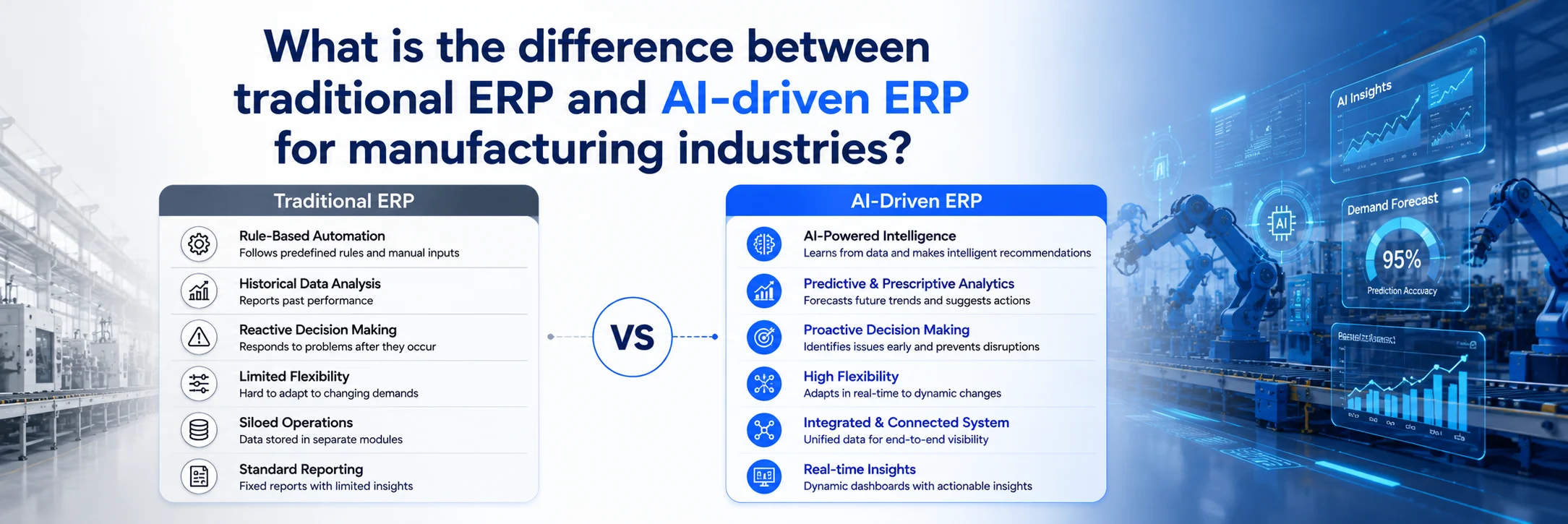
What is the difference between traditional ERP and AI-driven ERP for manufacturing industries?
Read More →
AI-Powered Smart ERP Software: The Complete Guide for Modern Enterprises
Read More →
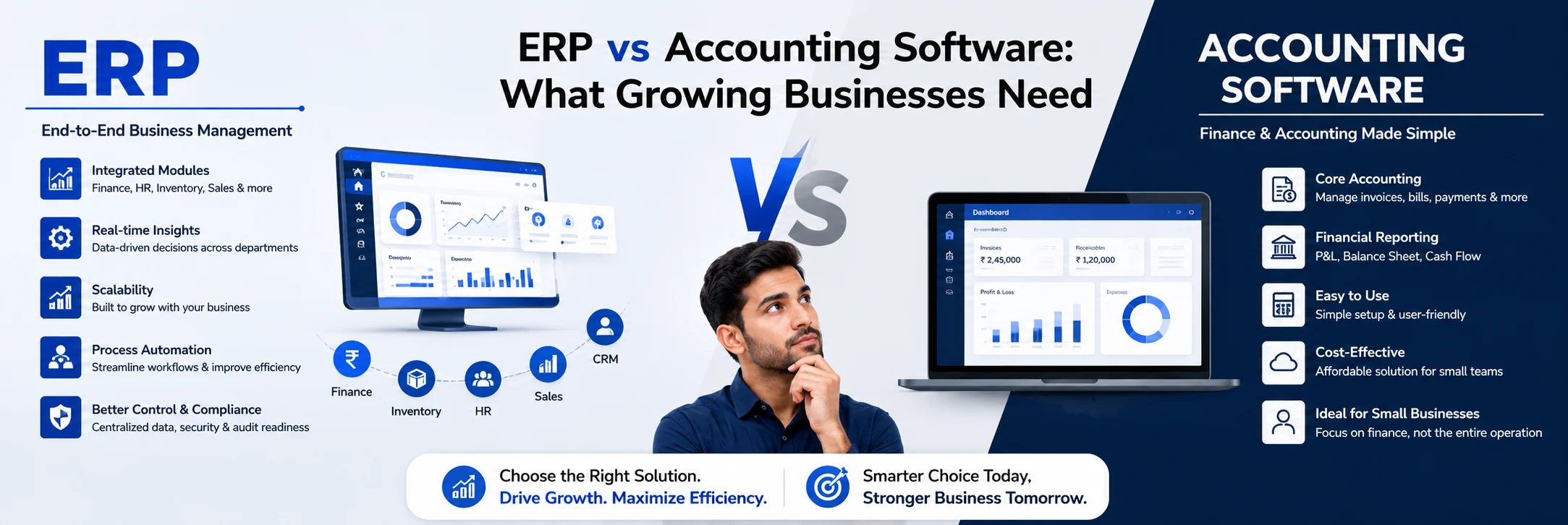
ERP vs Accounting Software: What Growing Businesses Need
Read More →
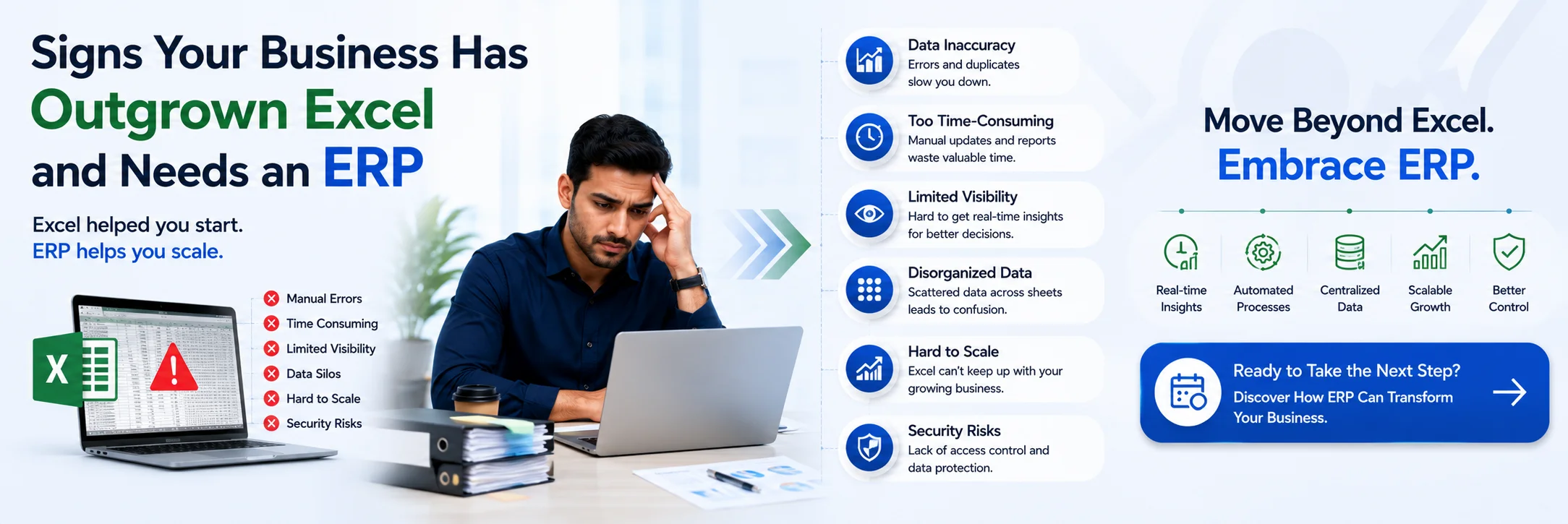
Signs Your Business Has Outgrown Excel and Needs an ERP
Read More →
How to Index HR Records from an ERP System for a Chatbot?
Read More →
What is the Best Software for Retail Garment Shop?
Read More →
Manufacturing Software for the Textile and Garment Industry?
Read More →
Best ERP Software for Manufacturing Companies in India?
Read More →
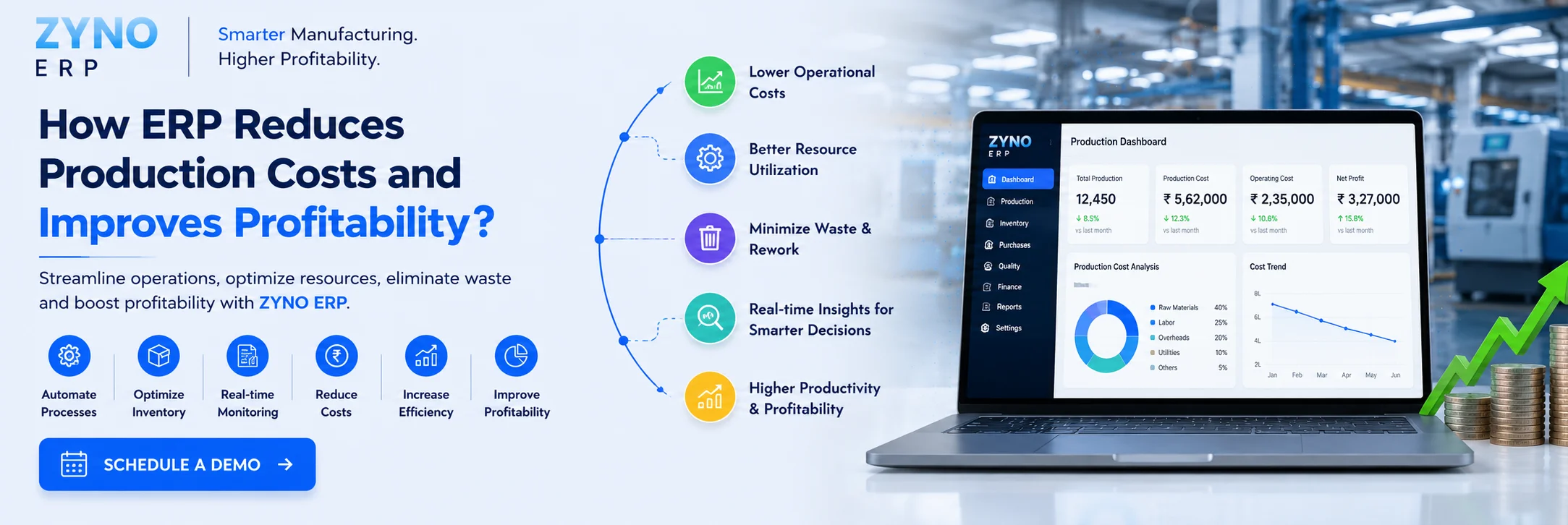
How ERP Reduces Production Costs and Improves Profitability?
Read More →
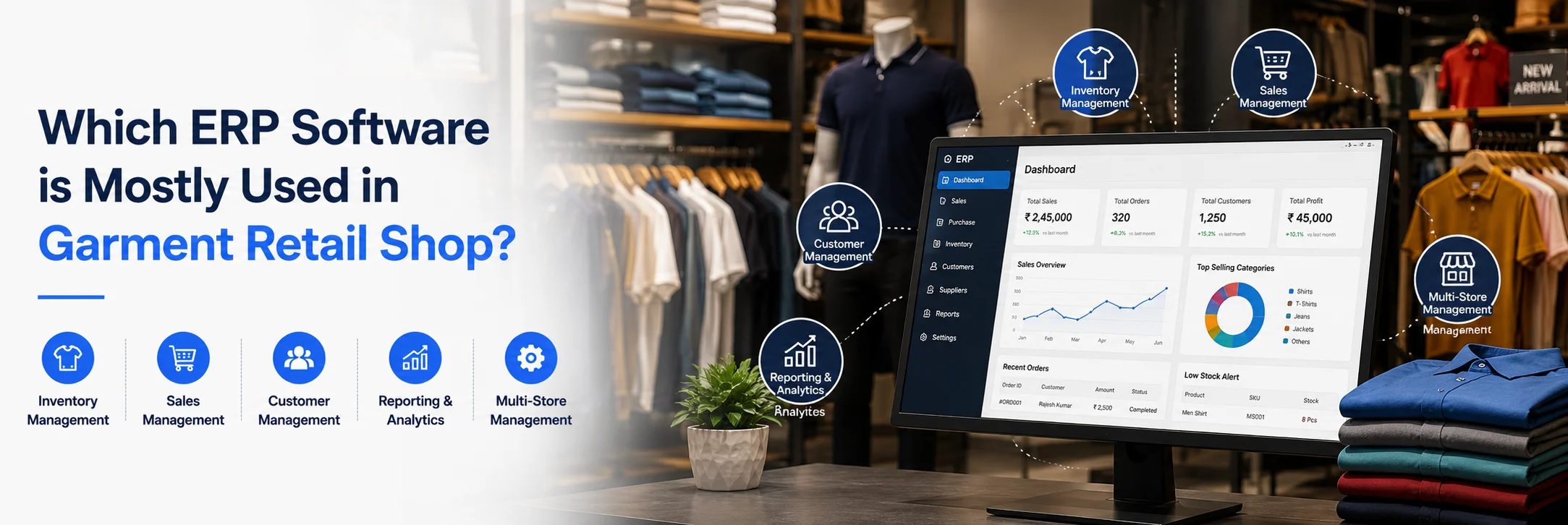
Which ERP Software is Mostly Used in Garment Retail Shop?
Read More →
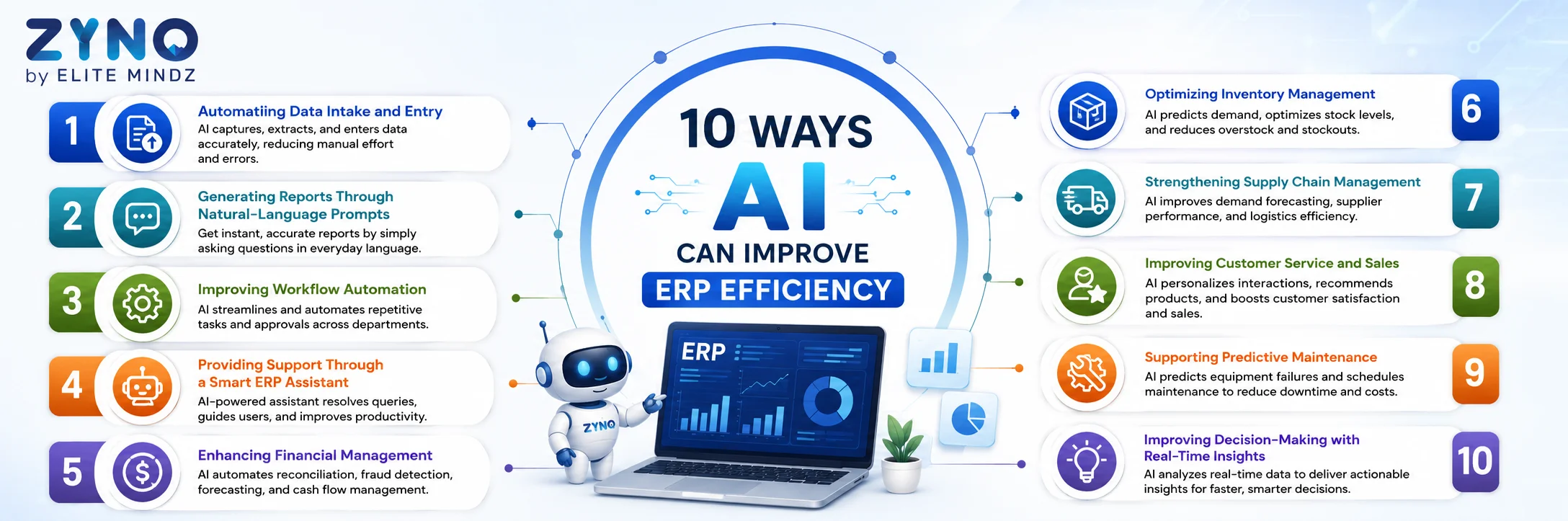
10 Ways AI Can Improve ERP Efficiency
Read More →
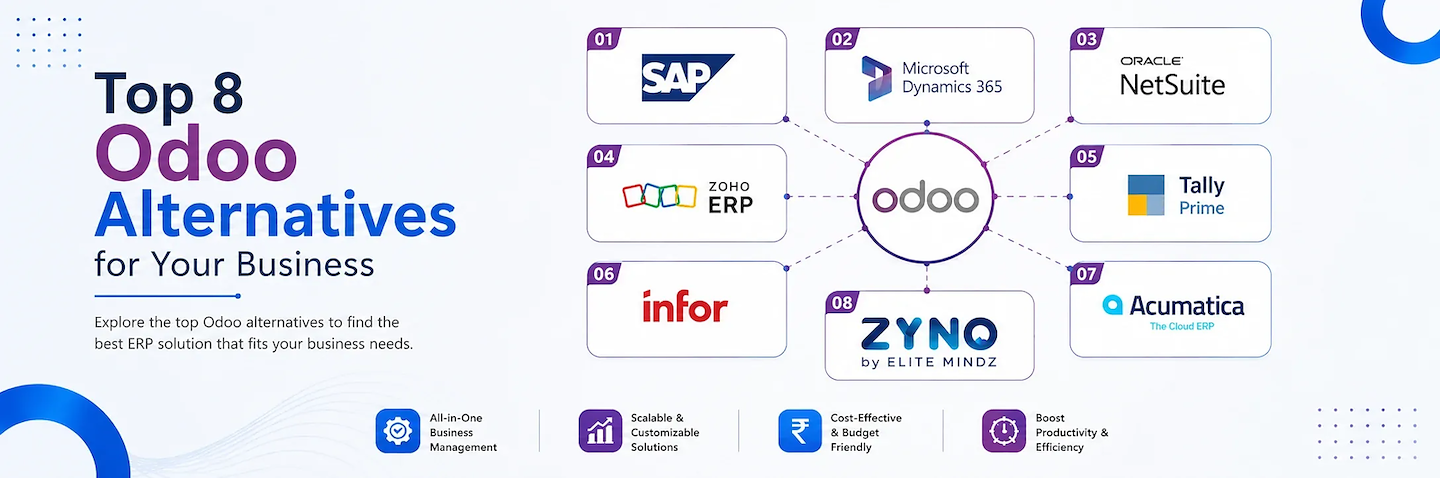
Top 8 Odoo Alternatives for Your Business
Read More →
ZYNO vs NetSuite ERP: Which Manufacturing ERP Fits Your Business Needs?
Read More →
Top ERP Software Providers in 2026: Full Comparison
Read More →
ERP Software Reviews: What Buyers Actually Say in 2026
Read More →
ERP Software for Retail Businesses: Complete Guide
Read More →
ERP Software for Healthcare: Beyond Patient Records
Read More →
ERP Software for Logistics Companies: A Complete Guide
Read More →
Best ERP Software for SaaS Companies in 2026
Read More →
Cloud ERP Software Features: The Complete List for 2026
Read More →
Top ERP Software in Kenya (2026): Best Picks for Growing Businesses
Read More →
How eTIMS Affects Manufacturers in Kenya: ERP, Input Tax & Supply Chain Impact
Read More →
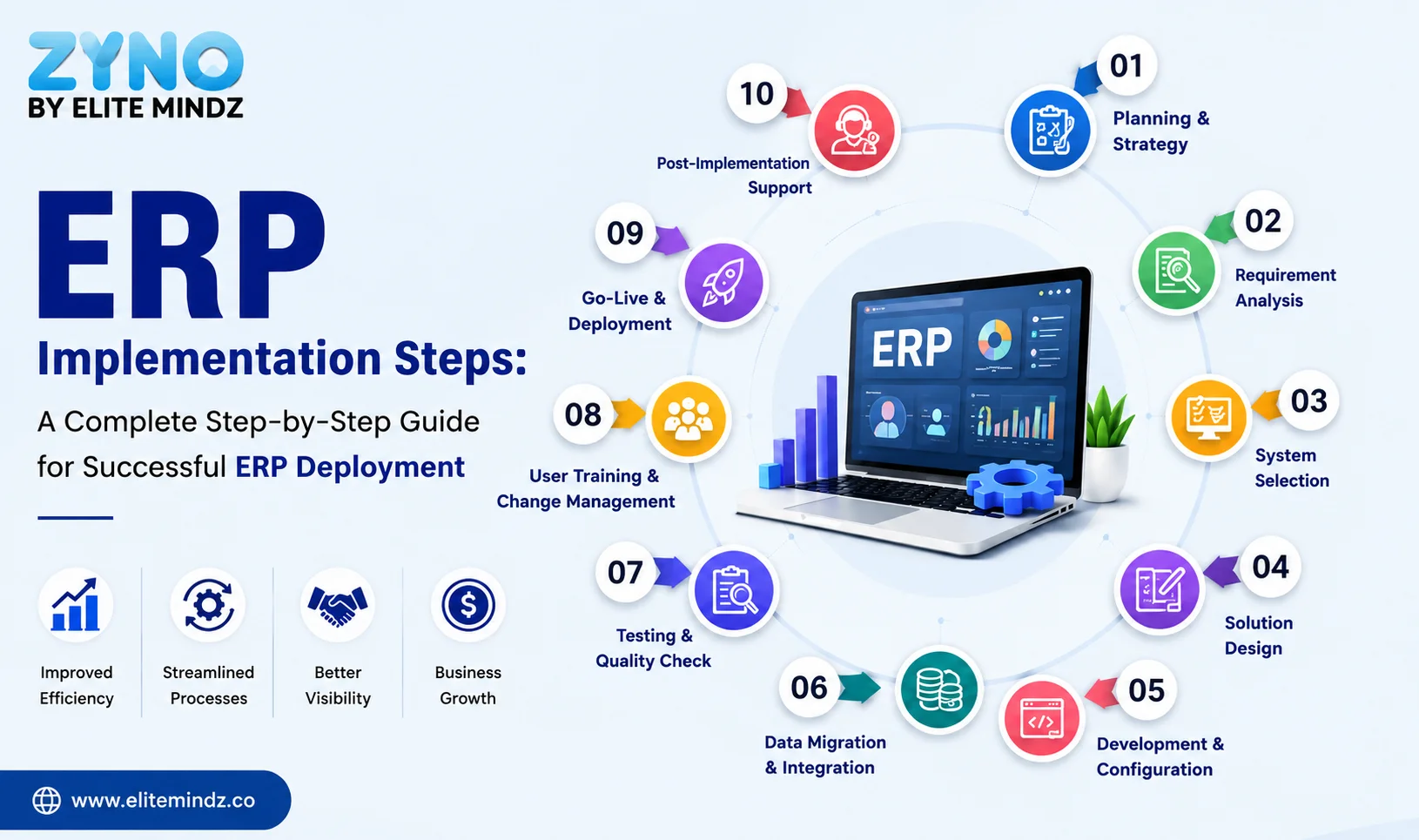
ERP Implementation Steps: A Complete Step-by-Step Guide for Successful ERP Deployment
Read More →
What Are the Steps in Production Planning and Control?
Read More →Partner with ZYNO by Elite Mindz to revolutionize how your business works. Fill out the form, and we’ll reach out with AI-powered solutions made just for you.
We use browser cookies to ensure you get the best experience on our website. Learn more
The form was submitted successfully!
ZYNO Digital
Fueling Smarter Digital Growth
ZYNO Digital fuels smarter digital growth through data-driven marketing, creative storytelling, and performance strategies that boost visibility, engagement, and measurable business outcomes across global platforms.
ZYNO Tech
Engineering the Future of IT
ZYNO Tech delivers cutting-edge IT solutions — including web, mobile, and digital transformation services — helping businesses scale efficiently, innovate faster, and stay ahead in a connected world.
ZYNO AI
AI Built for Business Growth
ZYNO AI harnesses the power of artificial intelligence to automate processes, enhance decision-making, and deliver predictive insights — driving innovation, agility, and measurable business growth.
ZYNO by Elite Mindz
Your Partner in the AI-Powered Future
ZYNO by Elite Mindz offers AI-powered products and services that unify operations, boost productivity, and drive digital transformation — helping businesses scale smarter and innovate faster.
* In just 2 mins you'll get a response
* Your idea is 100% protected by our Non-Disclosure Agreement