



What is ERP? A Beginner's Guide to Enterprise Resource Planning
Read More →

×
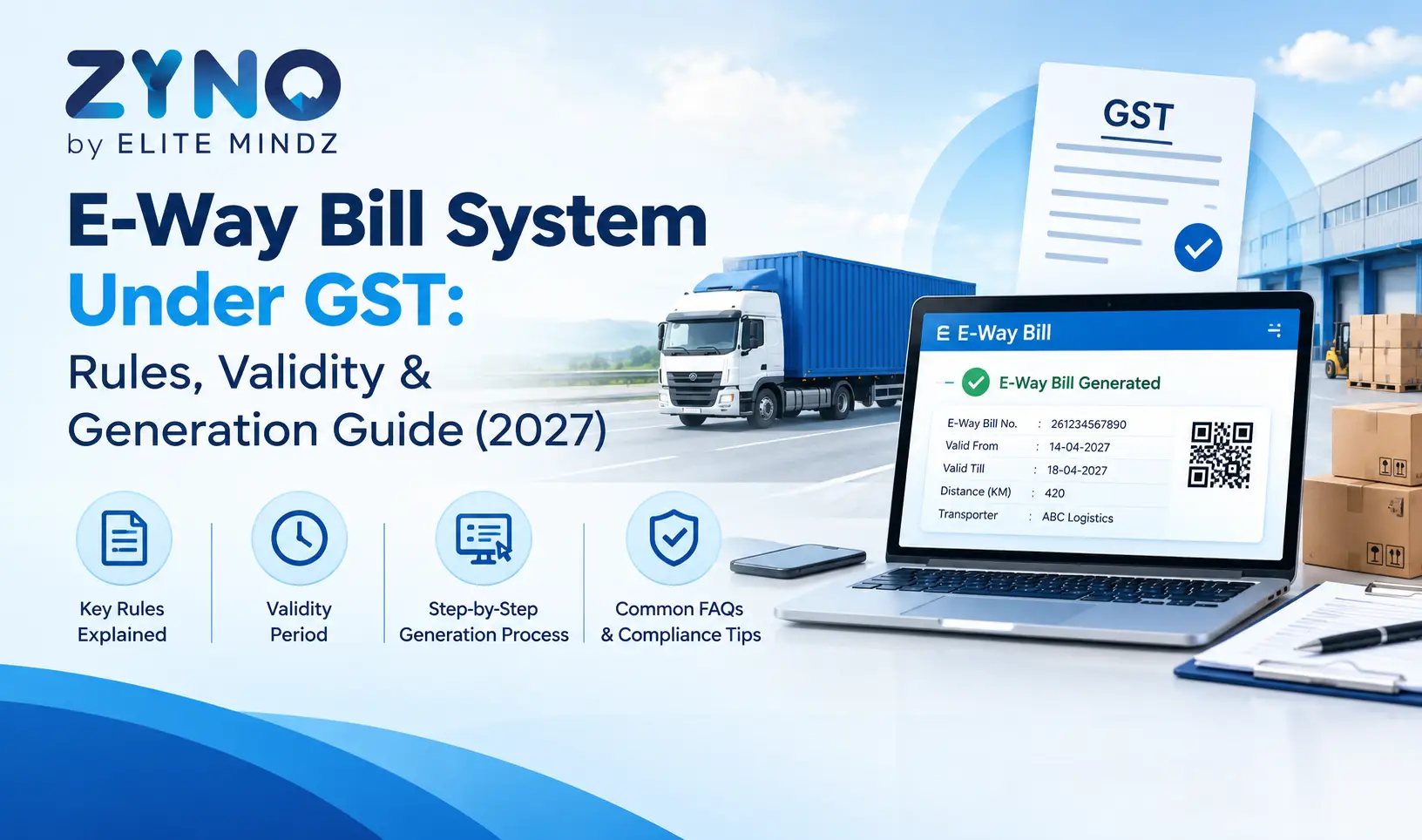
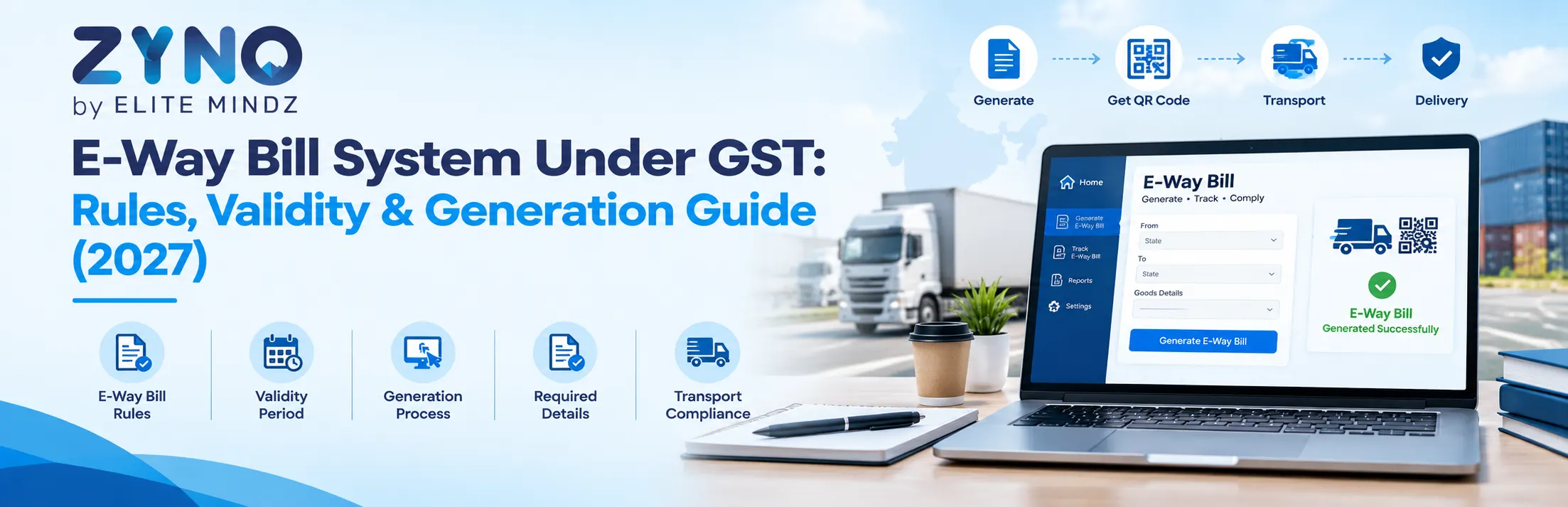
The E-Way Bill System under GST is an online platform used to generate electronic documents for the movement of goods. An e-way bill is generally required when the consignment value exceeds ₹50,000, subject to applicable rules and exemptions. Its validity depends on transportation distance and cargo type, while accurate invoice, vehicle, and transporter details help businesses maintain GST compliance and avoid penalties.
Businesses using ZYNO Books cut accounting time by 70% and stay 100% ZATCA-compliant — automatically.
Moving goods in India without the right paperwork can get a truck detained at a check post within minutes. The e-way bill is the document that keeps your consignments moving. Whether you are a manufacturer, trader, e-commerce seller or transporter, understanding the e-way bill system under GST helps you avoid penalties, delays and disputes.
This guide explains what an e-way bill is, when it is mandatory, the e-way bill limit, validity rules, step-by-step generation process, extension, cancellation, penalties and the most common mistakes, all in simple language.
Quick note: E-way bill thresholds, validity formulas and system validations are set through GST notifications and portal advisories, and they can change. Always cross-check the current position on the official e-way bill portal (ewaybillgst.gov.in) or with your tax professional before acting on any figure.
An e-way bill (EWB) is an electronic document generated on the e-way bill portal that must accompany goods being transported when the consignment value crosses the prescribed limit. It is mandated under Section 68 of the CGST Act, 2017, read with Rule 138 of the CGST Rules, 2017.
Once generated, you receive a unique 12-digit e-way bill number (EBN). Tax officers can verify it digitally at any point of the journey, which reduces physical checking and speeds up movement across states.
An e-way bill is generally required when goods are moved in a vehicle and the consignment value exceeds ₹50,000. This applies to:
|
Movement |
Threshold |
|
Interstate (between states) |
₹50,000 consignment value |
|
Intrastate (within a state) |
₹50,000 by default, but some states notify a different limit |
Because several states prescribe their own intrastate limits and exemptions, businesses operating across multiple states should always check the state-specific notification before dispatch. You can also generate an e-way bill voluntarily for consignments below the limit, which many businesses do for safety.
In certain situations, such as interstate movement of handicraft goods by dealers exempt from registration, or job work movement in specified cases, an e-way bill may be required even below the threshold. Check the latest rules for your product category.
Generate E-Way Bills Directly From Your Invoice
Stop re-entering the same data on the GST portal. With ZYNO ERP, create GST invoices and e-way bills in one place, avoid GSTIN and HSN mismatches, update Part B on time, and keep every consignment compliant and audit-ready.
Request a Free Demo Explore ZYNO ERPNot every movement needs an e-way bill. Common exemptions include:
Always confirm exemptions against the current notification, since state lists vary.
Keep these ready before you log in:
An e-way bill has two components:
Part A can be filled and saved first. The e-way bill becomes effective for movement only after Part B is entered, and its validity period starts from that point.
Most modern ERP and GST billing tools connect to the e-way bill system through GST Suvidha Provider (GSP) APIs. Once you create an invoice, the software can generate the e-way bill in one click, auto-fill GSTIN and HSN data, and sync the EBN back to the invoice. This reduces manual errors significantly.
E-way bill validity depends on the distance the goods must travel, not on the number of days you choose.
| Type of Conveyance | Distance | Validity |
|---|---|---|
| Regular cargo | Up to 200 km | 1 day |
| Regular cargo | For every additional 200 km or part thereof | +1 day |
| Over-dimensional cargo (ODC) | Up to 20 km | 1 day |
| Over-dimensional cargo (ODC) | For every additional 20 km or part thereof | +1 day |
Note: E-way bill validity is calculated according to the applicable GST rules. Any additional distance or part thereof counts as another validity day.
Example: For regular cargo travelling 350 km, validity is 2 days. Validity is counted up to midnight of the last day. Count it from the time Part B is entered, and plan the journey to finish well inside the window.
See full information for pin-to-pin distance under GST and how it affects your e-way bill validity.
If the goods cannot reach on time because of a breakdown, strike, traffic, natural calamity or similar reasons, the person in charge of the conveyance (usually the transporter) can extend the e-way bill:
If you generated an e-way bill by mistake, or goods were not transported or the transaction was cancelled, you can cancel it. The usual rule is to cancel within 24 hours of generation, provided it has not been verified by an officer in transit. After cancellation, you can generate a fresh e-way bill with the correct details.
The e-way bill system is increasingly linked with GST return filing and e-invoicing. Keep these in mind:
Travelling without a valid e-way bill, or with incorrect details, can lead to detention of goods and vehicle and a penalty under Section 129 of the CGST Act:
Penalty provisions are technical and depend on the facts of each case. Seek professional advice if goods are detained.
Manual entry is where most errors begin. A GST-ready ERP or accounting solution such as ZYNO ERP and ZYNO Books can generate invoices and e-way bills from a single screen, reduce data-entry mistakes and keep your records audit-ready. Talk to our team to see how it fits your workflow.
The e-way bill system under GST is built for transparency and faster movement of goods, but it only works smoothly when you get the basics right: correct threshold check, accurate details, timely Part B updates and realistic validity planning. Build these habits into your dispatch process, automate wherever possible, and keep an eye on GSTN advisories so your consignments never get stuck on the road.
An e-way bill is an electronic document generated on the GST e-way bill portal that must accompany goods in transit when the consignment value exceeds the prescribed limit. It is governed by Section 68 of the CGST Act and Rule 138 of the CGST Rules.
The standard threshold is ₹50,000 per consignment, which applies to interstate movement. Some states notify different limits and exemptions for intrastate movement, so check your state's notification. Always verify on the official portal for any revision.
The registered supplier or recipient generally generates it. If neither does, the transporter must generate it before carrying the goods. For purchases from unregistered suppliers, the registered recipient is responsible.
For regular cargo, validity is 1 day for every 200 km or part thereof. For over-dimensional cargo, it is 1 day for every 20 km or part thereof. Validity starts when Part B is entered.
Yes. The person in charge of the conveyance can extend validity within 8 hours before or after expiry, citing a valid reason such as a breakdown or natural calamity. There is an overall cap on extension, so check the current limit on the portal.
Yes. You can generate one voluntarily, and in some cases it is mandatory even below the threshold. Many businesses do it for added safety during transit.
Part A contains goods, invoice and party details. Part B contains vehicle or transporter details. The e-way bill is valid for movement only after Part B is filled.
Yes, you can cancel it within 24 hours of generation if the goods were not transported or details were wrong and it has not been verified in transit. You can then generate a fresh one.
The goods and vehicle can be detained, and you may have to pay tax and a penalty under Section 129 of the CGST Act. Further penalties under Section 122 can apply in certain cases.
Generally, goods specified as exempt under the rules do not need an e-way bill. However, exemptions differ by state and goods category, so verify with the latest notification.
No. You need a valid supporting document such as a tax invoice, bill of supply or delivery challan. For non-supply movements like job work or sales return, a delivery challan is used.
No. You can carry a physical copy or just the e-way bill number, either in paper or electronic form, as permitted under the rules.
Yes. Most ERP and GST billing solutions integrate with the e-way bill system through APIs, allowing one-click generation directly from the invoice.
The consignor, recipient or transporter, depending on who currently holds the e-way bill responsibility, can update Part B when the vehicle changes during transit.
What is ERP? A Beginner's Guide to Enterprise Resource Planning
Read More →
Cloud ERP vs. On-Premise vs. Hybrid: Best ERP Model for 2025
Read More →How To Customize ERP Software Without Breaking The Bank?
Read More →
The Future of Manufacturing ERP in 2026 & Beyond
Read More →Best ERP Software in India: 2026 Edition
Read More →
AI in Manufacturing ERP: The Future of Smart Factories
Read More →
How ERP Transforms Inventory Management and Reduces Costs
Read More →
Inventory Management Software Features: The Complete 2026 Buying Guide
Read More →
Top 5 Ways Asset Management Software Can Save Your Business Money
Read More →
Why Smart Businesses Are Switching to Vendor Management Systems in 2025?
Read More →
Why Manufacturing Companies Need ERP Software
Read More →
Cloud ERP vs. Traditional ERP: Which is Right for You?
Read More →
ERP for Small Business: Is It Worth the Investment?
Read More →
How to Calculate ERP ROI and Why It's Worth the Investment
Read More →
Top 10 ERP Software Companies in India 2026 Updated List (Complete Guide)
Read More →
ERP Implementation Mistakes to Avoid in 2025
Read More →
Cloud ERP vs Edge Computing: What's Right for Modern Manufacturing?
Read More →
The Future of ERP Software and the Role of Generative AI
Read More →
Digital Twin Technology & ERP: Real-Time Insights for Smarter Manufacturing
Read More →
Scalable ERP Solutions Designed for Modern Enterprises
Read More →
ERP and IoT Integration: Smart Factory Vision
Read More →Best ERP Software for Manufacturing Businesses in India
Read More →Top 10 Best Manufacturing ERP Software in India (2026)
Read More →
Best ERP Software for Manufacturing Industries in Ethiopia (2026)
Read More →
Best School ERP Software Providers in UAE (2025 Edition)
Read More →
Best School ERP Software for 2025: Guide for Educational Institutions
Read More →
Top 10 ERP Software Solutions for Nigerian Manufacturers (2025 Edition)
Read More →
Best ERP Systems for Scalable Retail and POS Integration
Read More →
Top 10 Cloud-Based Manufacturing ERP Solutions in Africa (2025 Edition)
Read More →
Top 10 Cloud-Based Manufacturing ERP in UAE
Read More →
Top 10 Cloud-Based Manufacturing ERP Software in Nigeria (2026 Edition)
Read More →
Top 10 School ERP Software Companies in Kenya (2025)
Read More →
Best School ERP Software Providers in Nigeria (2025)
Read More →
Top Cloud-Based Manufacturing ERP in Zimbabwe (2025)
Read More →
Best ERP Software in U.K
Read More →
Top 10 ERP Software Developers in the U.K. (2025)
Read More →
Best ERP Software Providers in France (2025)
Read More →
Best ERP Software Companies in Germany : A Comprehensive Guide
Read More →
Top 10 ERP Software Development Companies in Qatar

Read More →
Best ERP Providers in Germany: 10 ERP Software Options Compared
Read More →
Best ERP Software Firms in Saudi Arabia (2025)
Read More →
Best ERP Service Providers in Indonesia for SMEs and Large Enterprises
Read More →
Top 10 Cloud-Based Manufacturing ERP Systems in Egypt for Modern Factories
Read More →
Top ERP Solutions in the USA 2025: Streamline Your Business with ZYNO ERP
Read More →
Top ERP Solutions in Qatar for Businesses of All Sizes
Read More →Top Manufacturing ERP Software in India 2026 ZYNO Manufacturing ERP
Read More →How Manufacturing Companies Reduce Production Delays Using ERP Automation
Read More →Why Legal Firms Need ERP to Manage Cases, Billing & Compliance
Read More →What Is ERP And How Does It Work
Read More →
How ERP Systems Are Evolving in 2026: What Businesses Need to Know
Read More →
Best ERP Software in India: 2025 Edition
Read More →
Top 10 ERP Software Companies in Delhi NCR
Read More →
How Manufacturing ERP Software Improves Demand Forecasting
Read More →
Top 10 Best School Management Software in India
Read More →Manufacturing & Wholesale ERP in Qatar: Complete Industry Guide 2026
Read More →Cloud ERP Software in Qatar: Why Businesses Are Moving in 2026
Read More →Is ERP a Procurement Software? Key Differences, Benefits & What to Choose
Read More →What Is Production Planning and Control? Definition, Objectives & Functions
Read More →
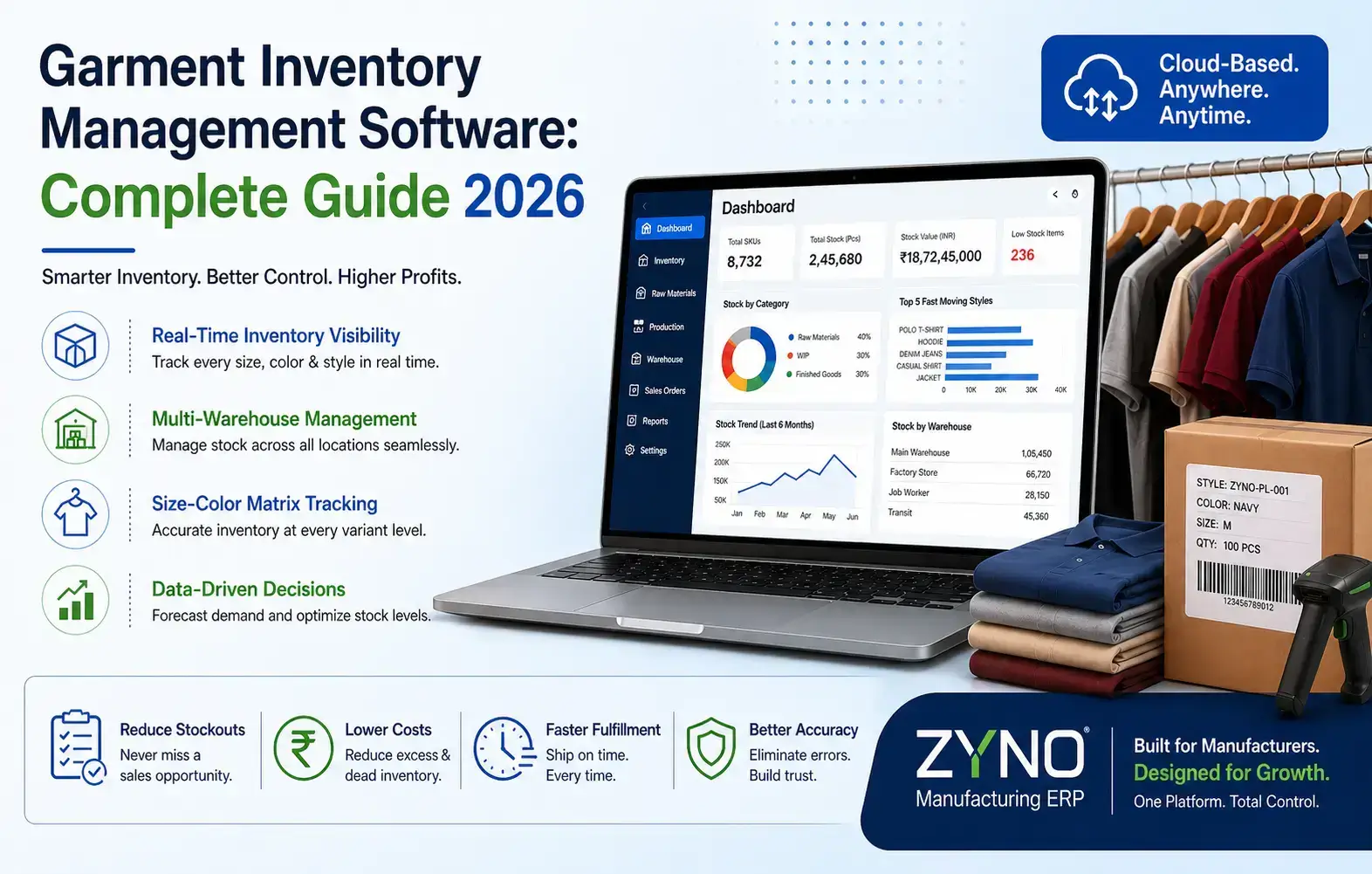
Garment Inventory Software: Features, Providers & Buying Guide (2026)
Read More →
How ERP Reduces Fabric Wastage in Garment Factories

Read More →
Why the Garment Industry Needs a Specialized ERP
Read More →
Features to Look for in Garment Manufacturing ERP Software
Read More →
Best ERP Software for Small Garment Manufacturing Business in India
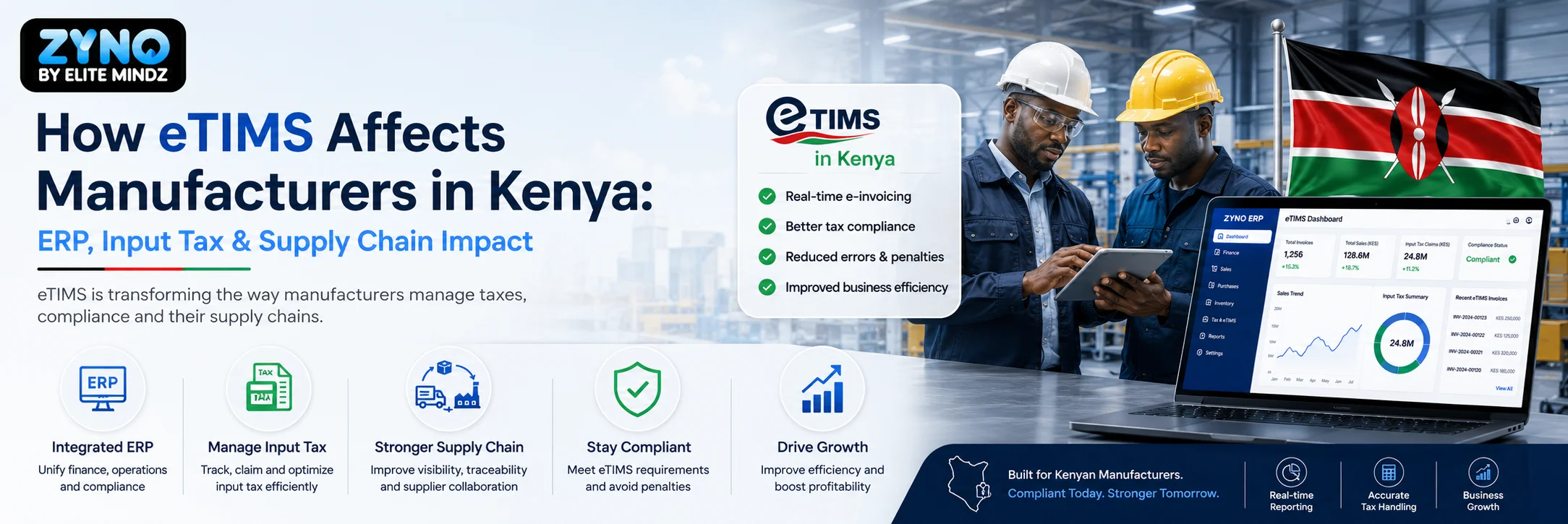
Read More →
The Real Problems Holding Back Small Garment Manufacturers in India
Read More →Garment Manufacturing ERP Software in India: Best Options, Features & Complete Guide 2026
Read More →
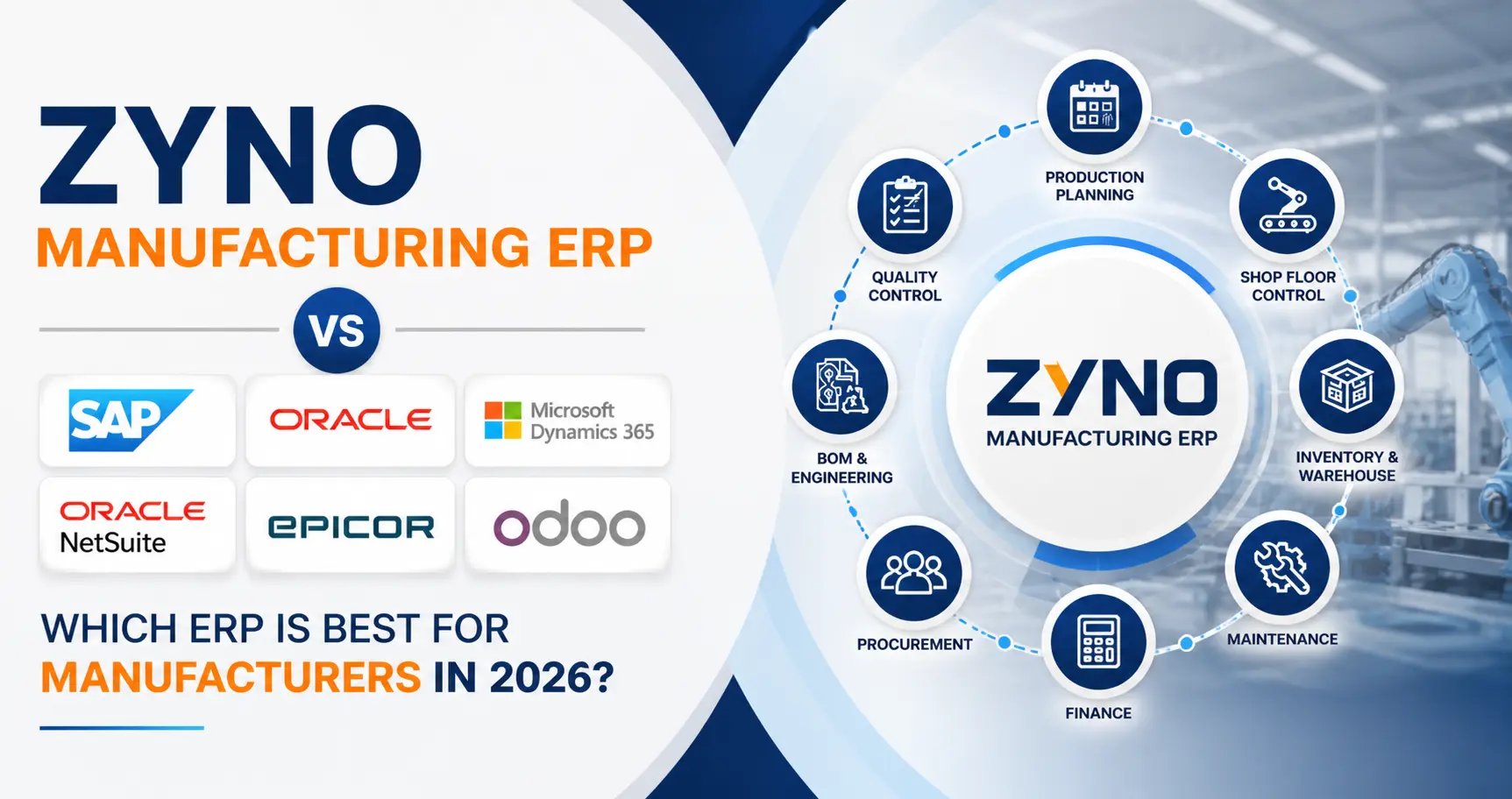
Which ERP is Best for Manufacturers in 2026?
Read More →
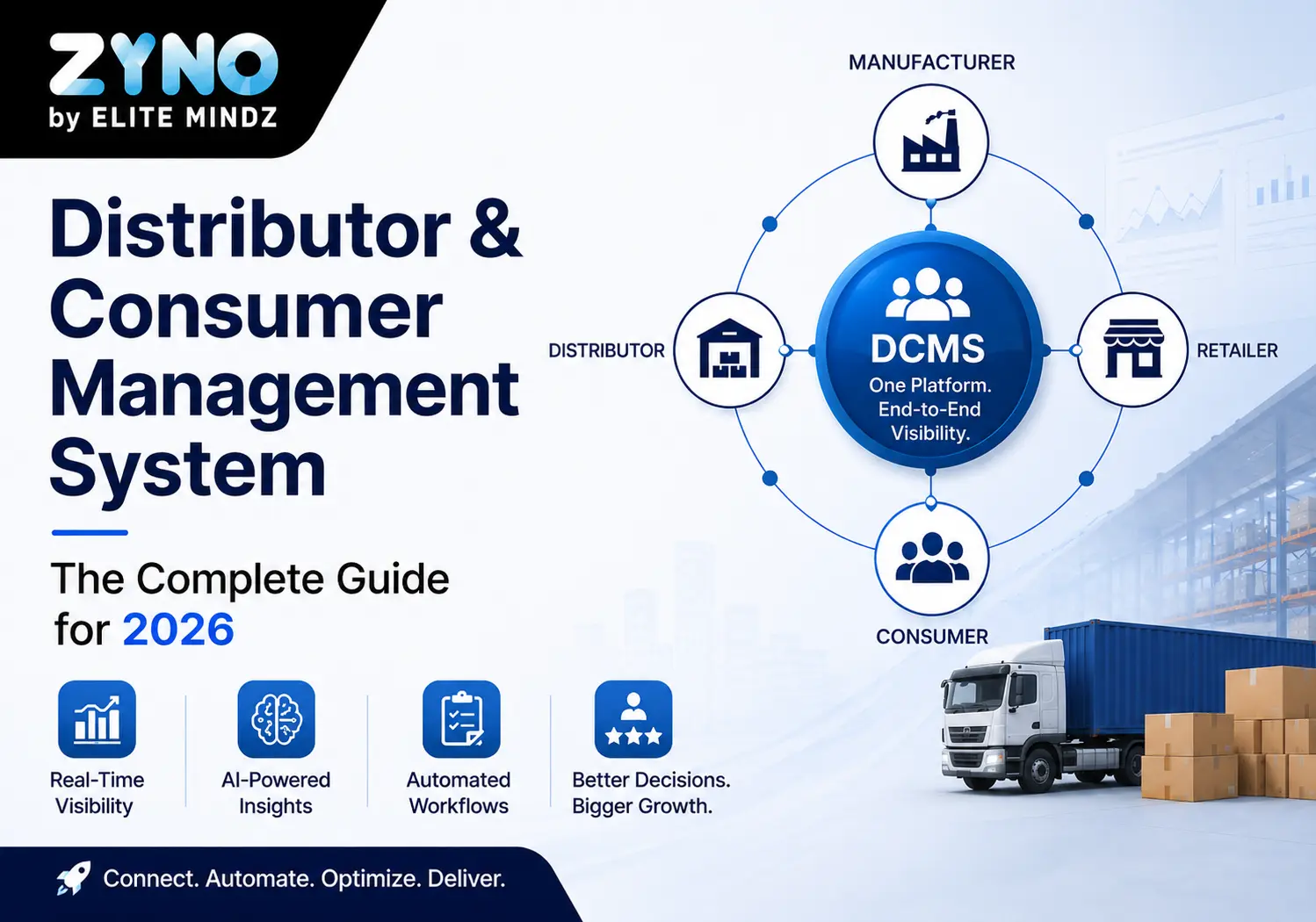
Distributor & Consumer Management System: The Complete Guide for 2026
Read More →
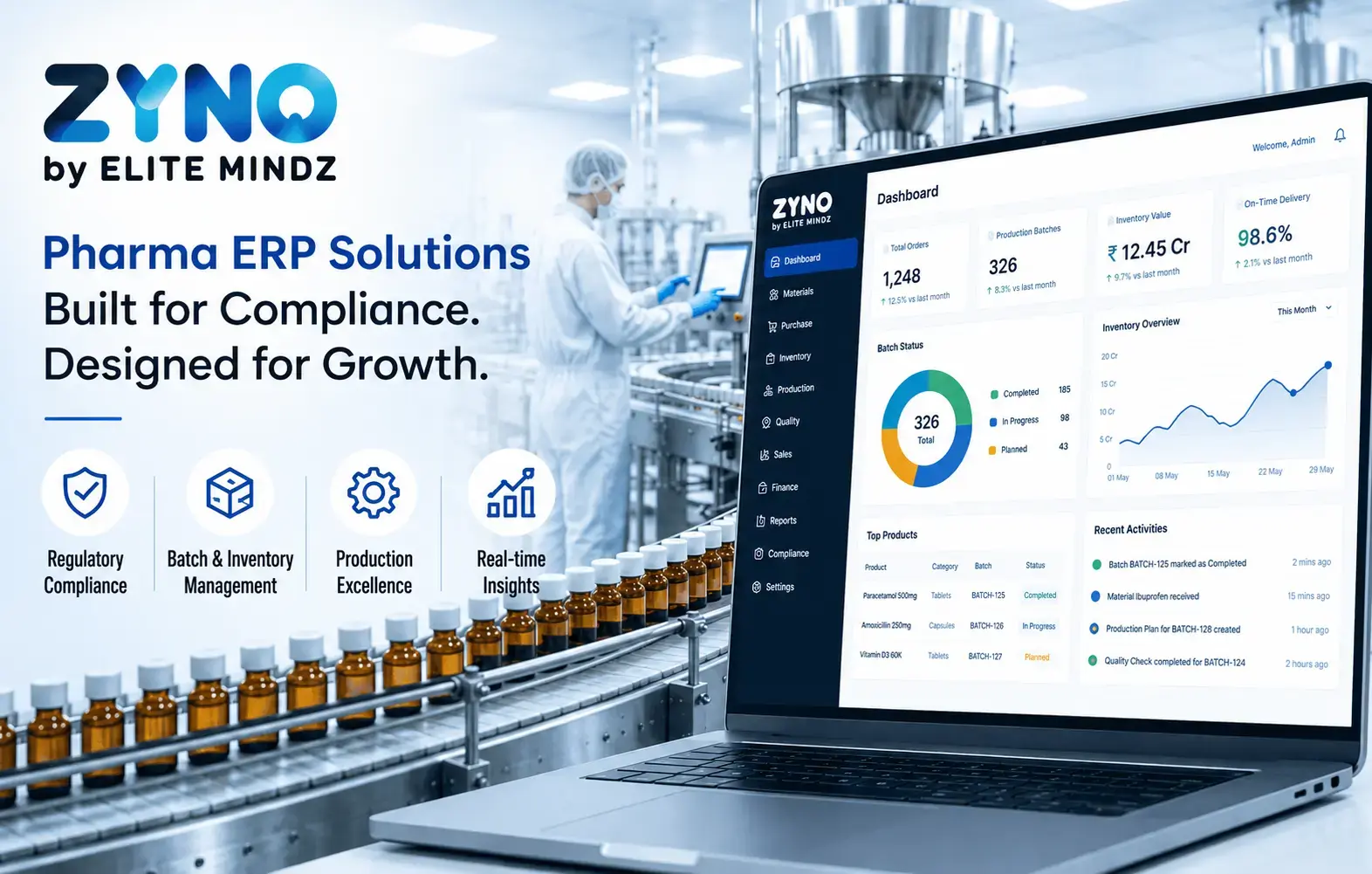
Best Pharma ERP Software in India 2026 – Features, Compliance & Buying Guide
Read More →
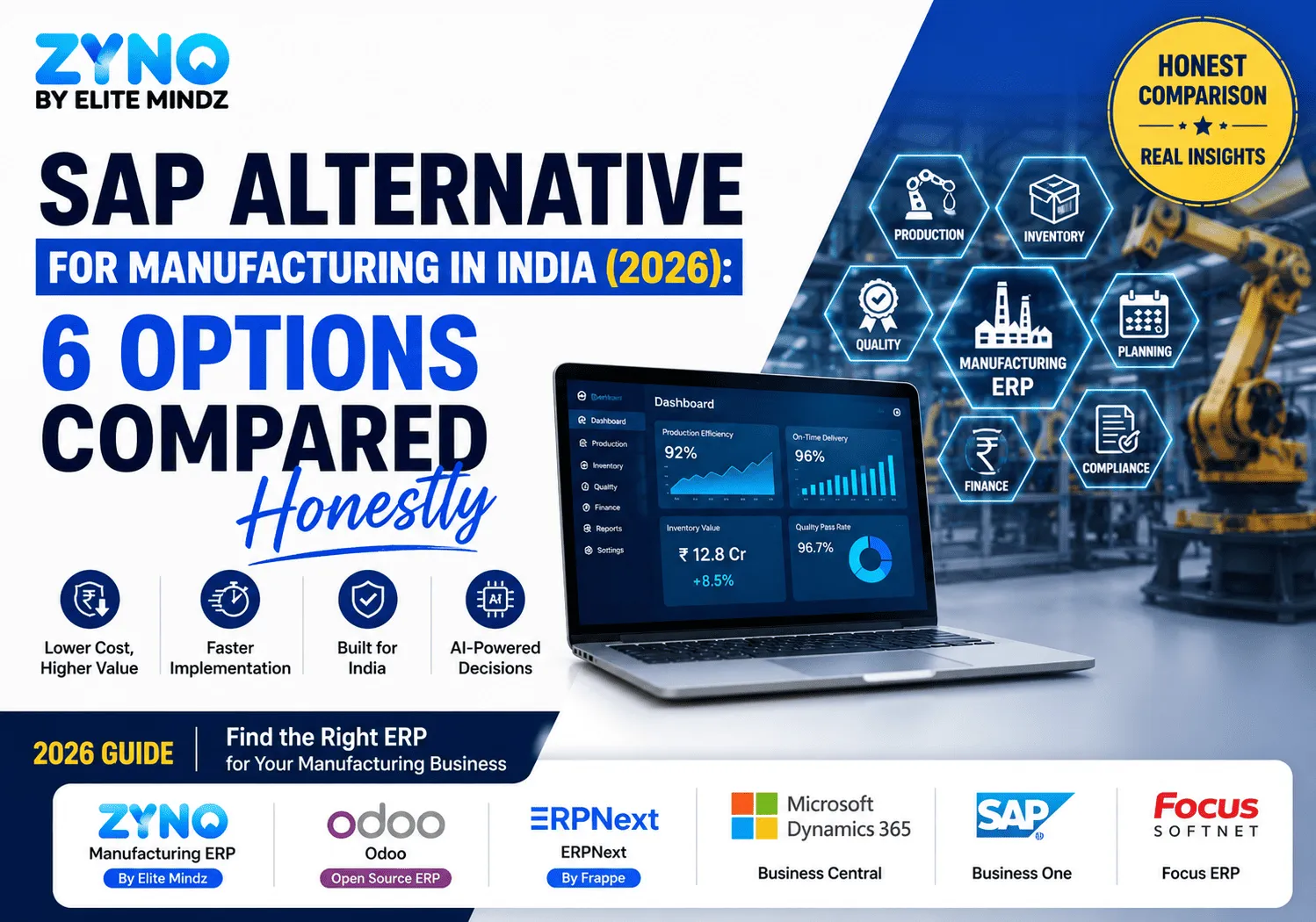
SAP Alternative for Manufacturing in India (2026): 6 Options Compared Honestly
Read More →
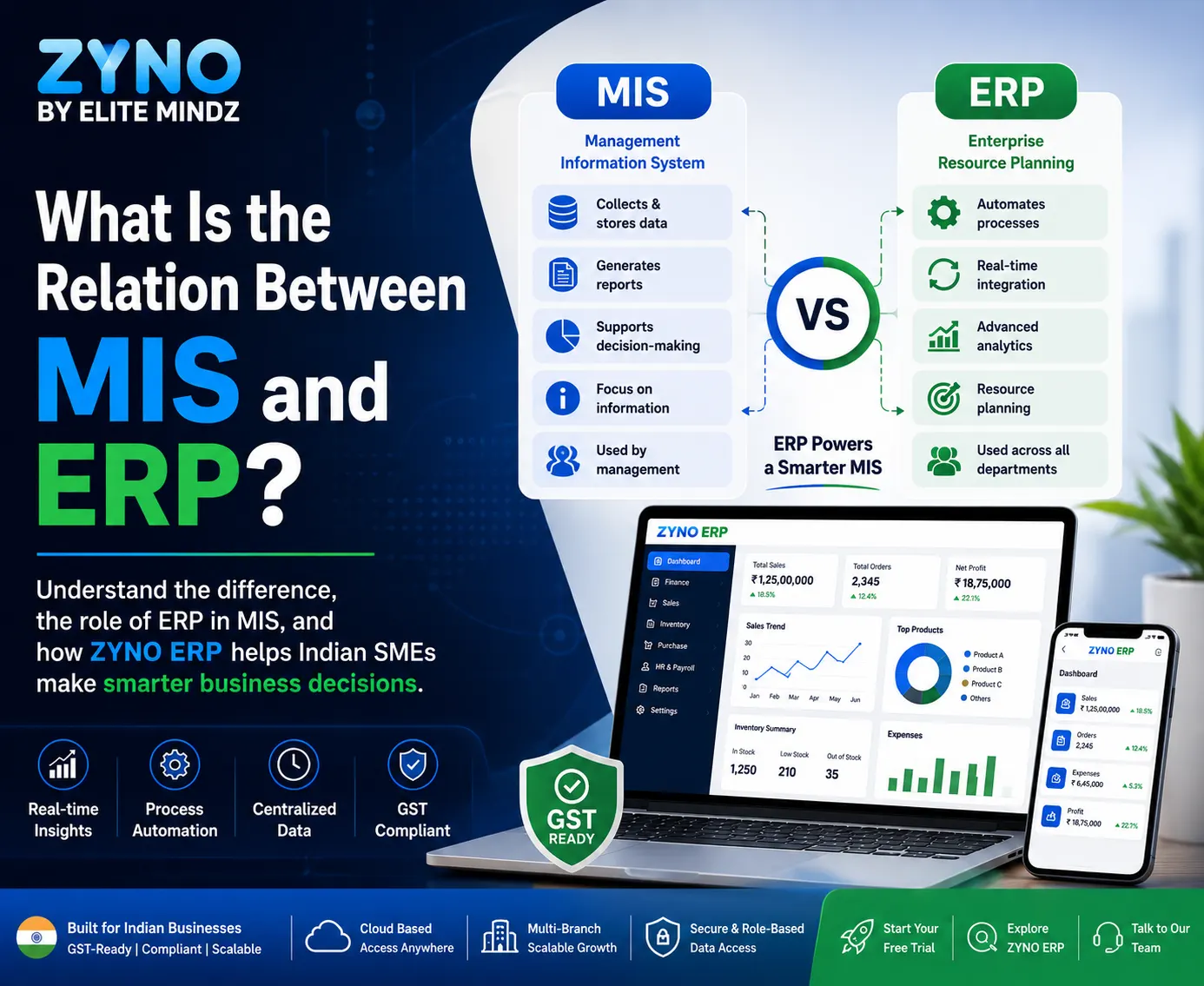
What Is the Relation Between MIS and Enterprise Resource Planning?
Read More →
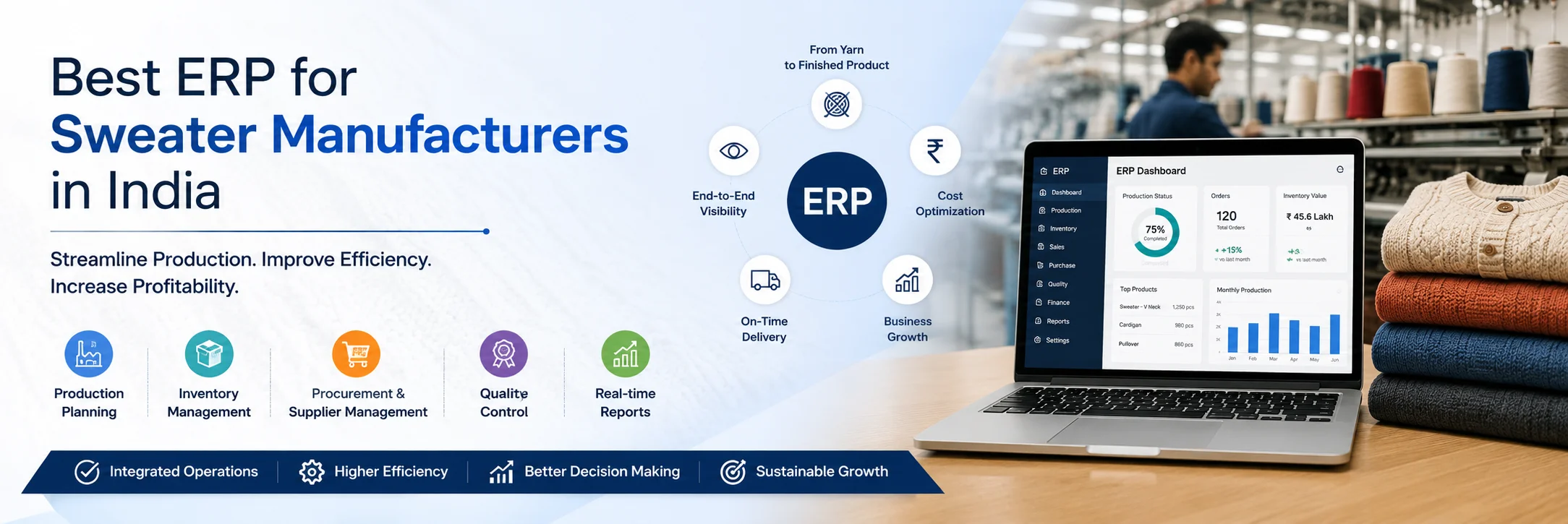
Best ERP for Sweater Manufacturers in India
Read More →
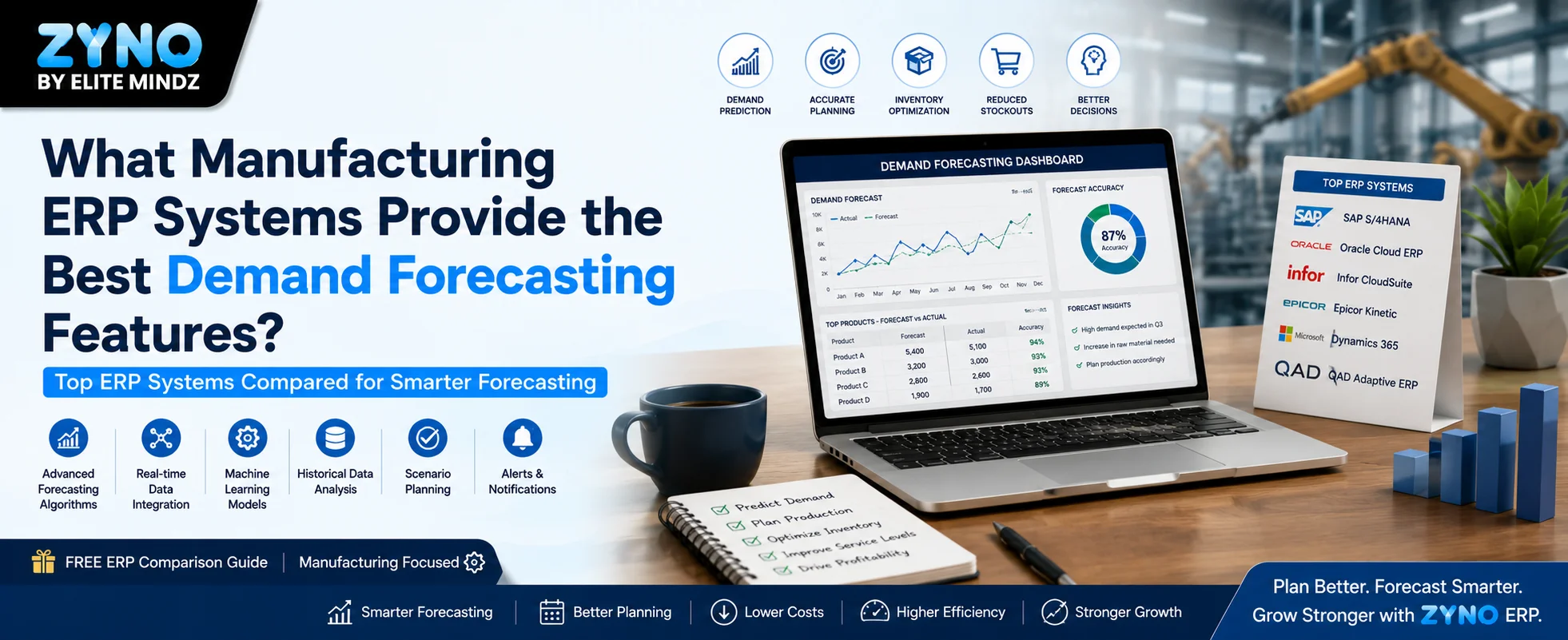
What Manufacturing ERP Systems Provide the Best Demand Forecasting Features?
Read More →
Which ERP Software Provides the Best Demand Forecasting for Manufacturers?
Read More →
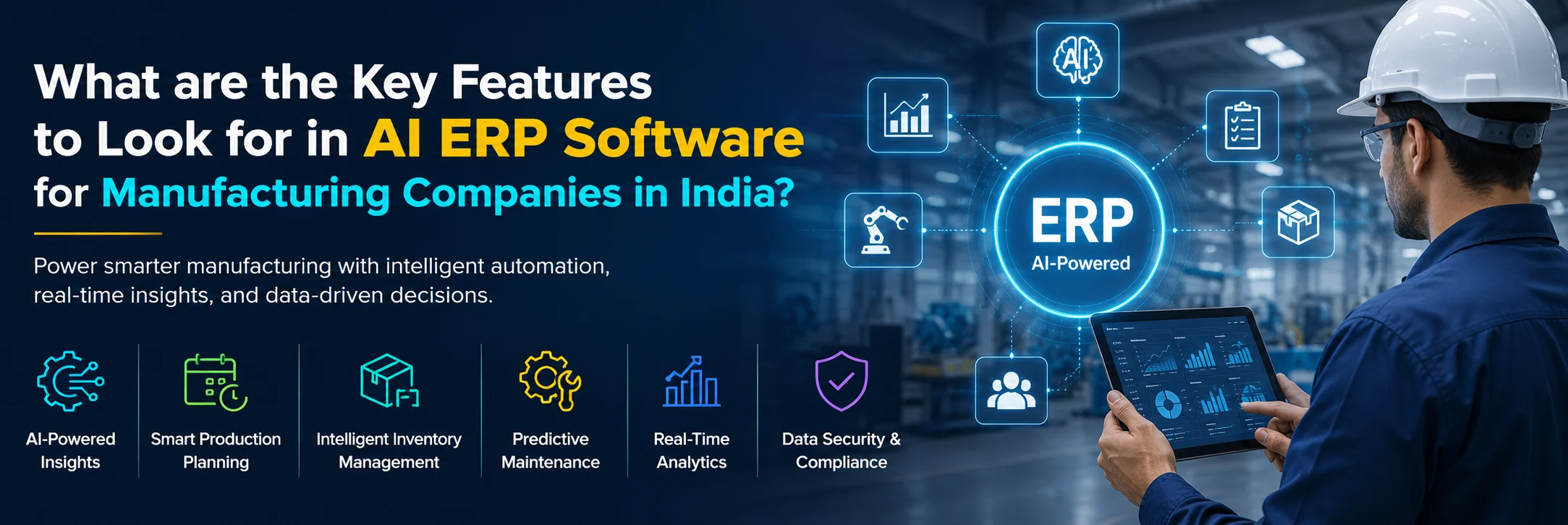
What are the key features to look for in AI ERP software for manufacturing companies in India?
Read More →
How does AI-powered ERP software improve production planning and inventory management in manufacturing?
Read More →
Which AI ERP platforms are best suited for small and mid-sized manufacturing businesses in India?
Read More →
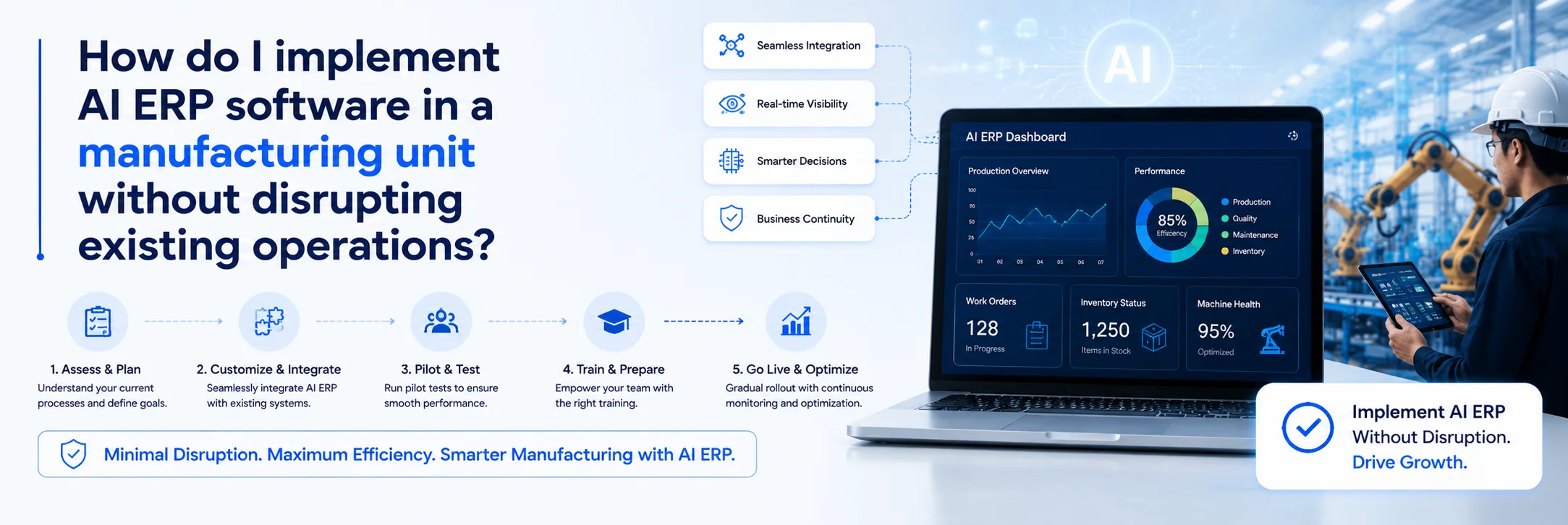
How do I implement AI ERP software in a manufacturing unit without disrupting existing operations?
Read More →
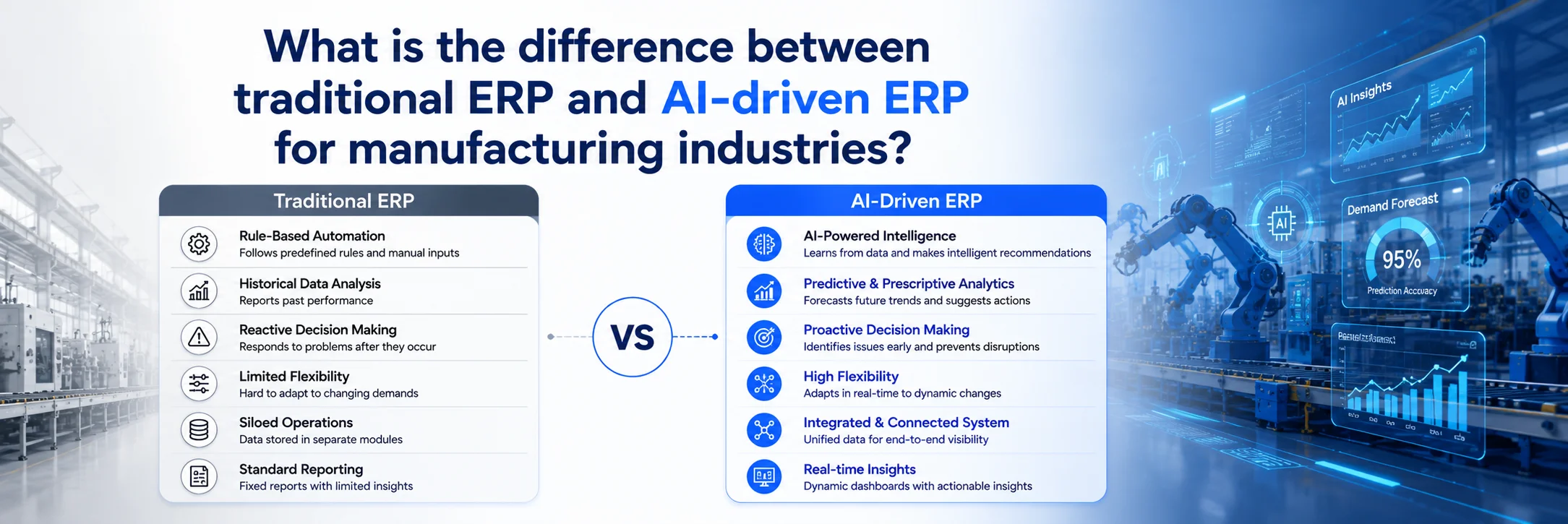
What is the difference between traditional ERP and AI-driven ERP for manufacturing industries?
Read More →
AI-Powered Smart ERP Software: The Complete Guide for Modern Enterprises
Read More →
ERP vs Accounting Software: What Growing Businesses Need
Read More →
Signs Your Business Has Outgrown Excel and Needs an ERP
Read More →
How to Index HR Records from an ERP System for a Chatbot?
Read More →
What is the Best Software for Retail Garment Shop?
Read More →
Manufacturing Software for the Textile and Garment Industry?
Read More →
Best ERP Software for Manufacturing Companies in India?
Read More →
How ERP Reduces Production Costs and Improves Profitability?
Read More →
Which ERP Software is Mostly Used in Garment Retail Shop?
Read More →
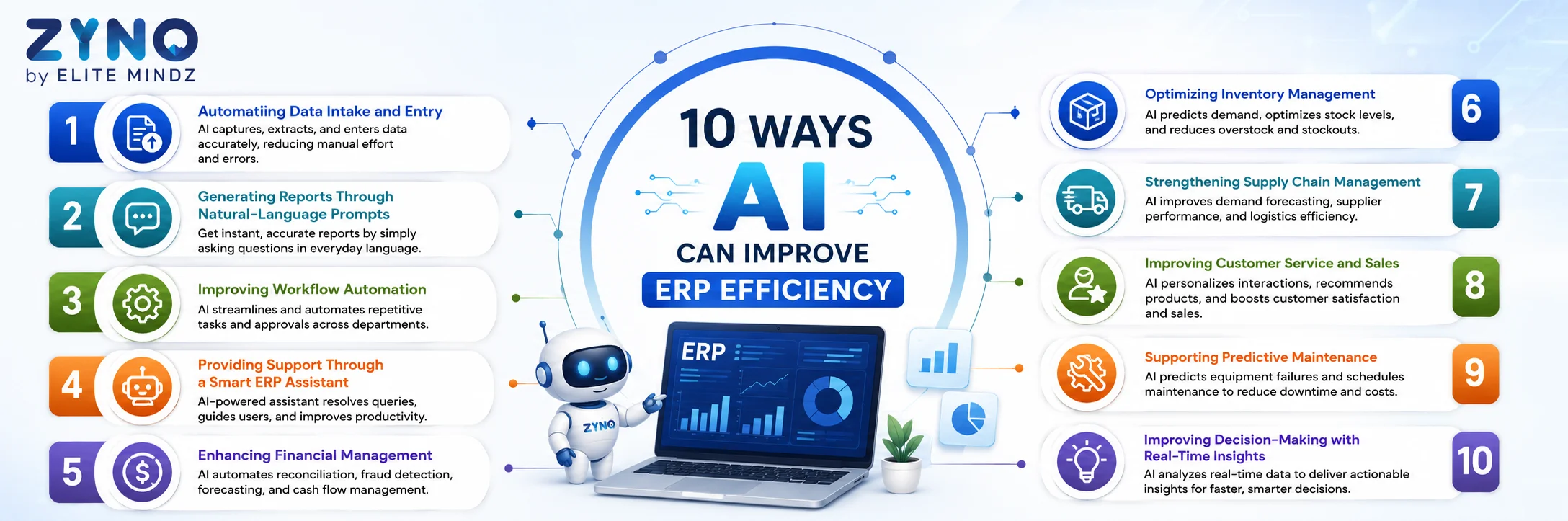
10 Ways AI Can Improve ERP Efficiency
Read More →
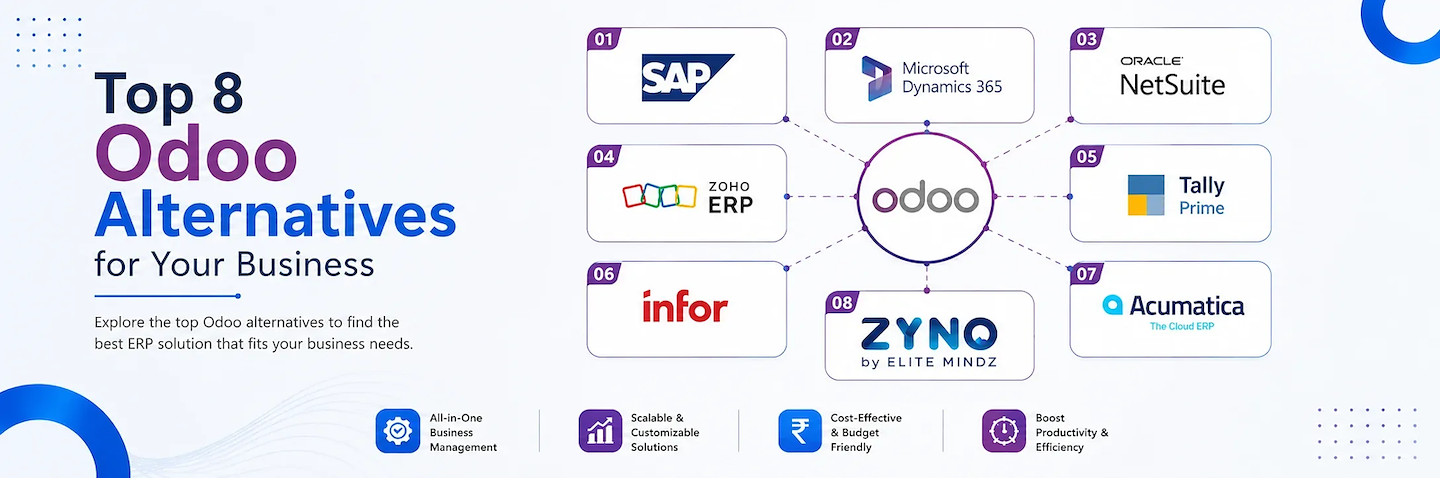
Top 8 Odoo Alternatives for Your Business
Read More →
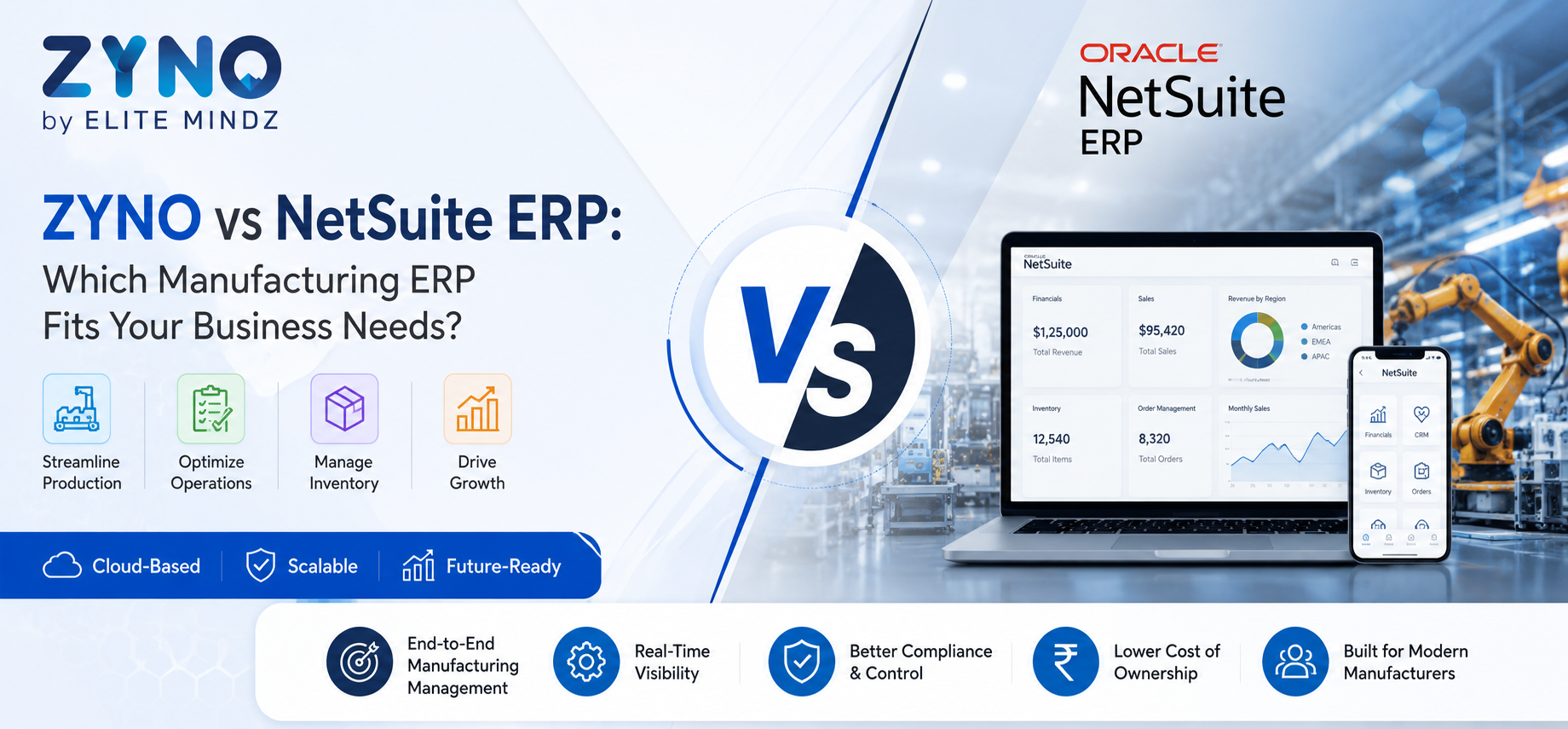
ZYNO vs NetSuite ERP: Which Manufacturing ERP Fits Your Business Needs?
Read More →
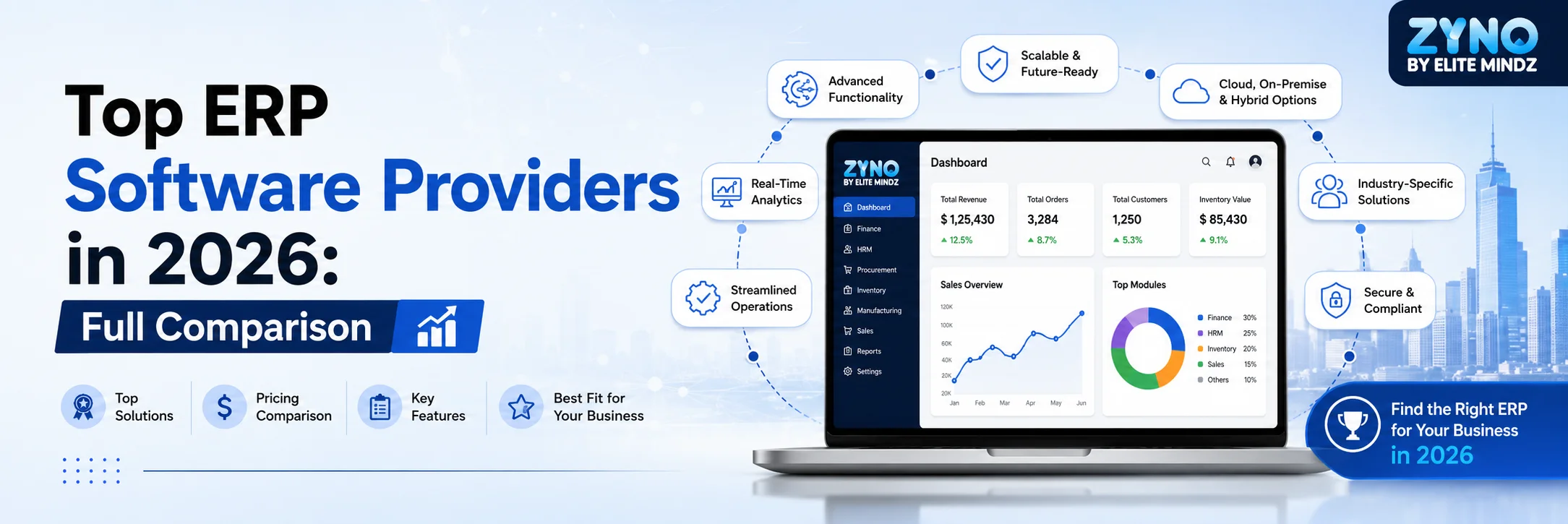
Top ERP Software Providers in 2026: Full Comparison
Read More →
ERP Software Reviews: What Buyers Actually Say in 2026
Read More →
ERP Software for Retail Businesses: Complete Guide
Read More →
ERP Software for Healthcare: Beyond Patient Records
Read More →
ERP Software for Logistics Companies: A Complete Guide
Read More →
Best ERP Software for SaaS Companies in 2026
Read More →
Cloud ERP Software Features: The Complete List for 2026
Read More →
Top ERP Software in Kenya (2026): Best Picks for Growing Businesses
Read More →
How eTIMS Affects Manufacturers in Kenya: ERP, Input Tax & Supply Chain Impact
Read More →
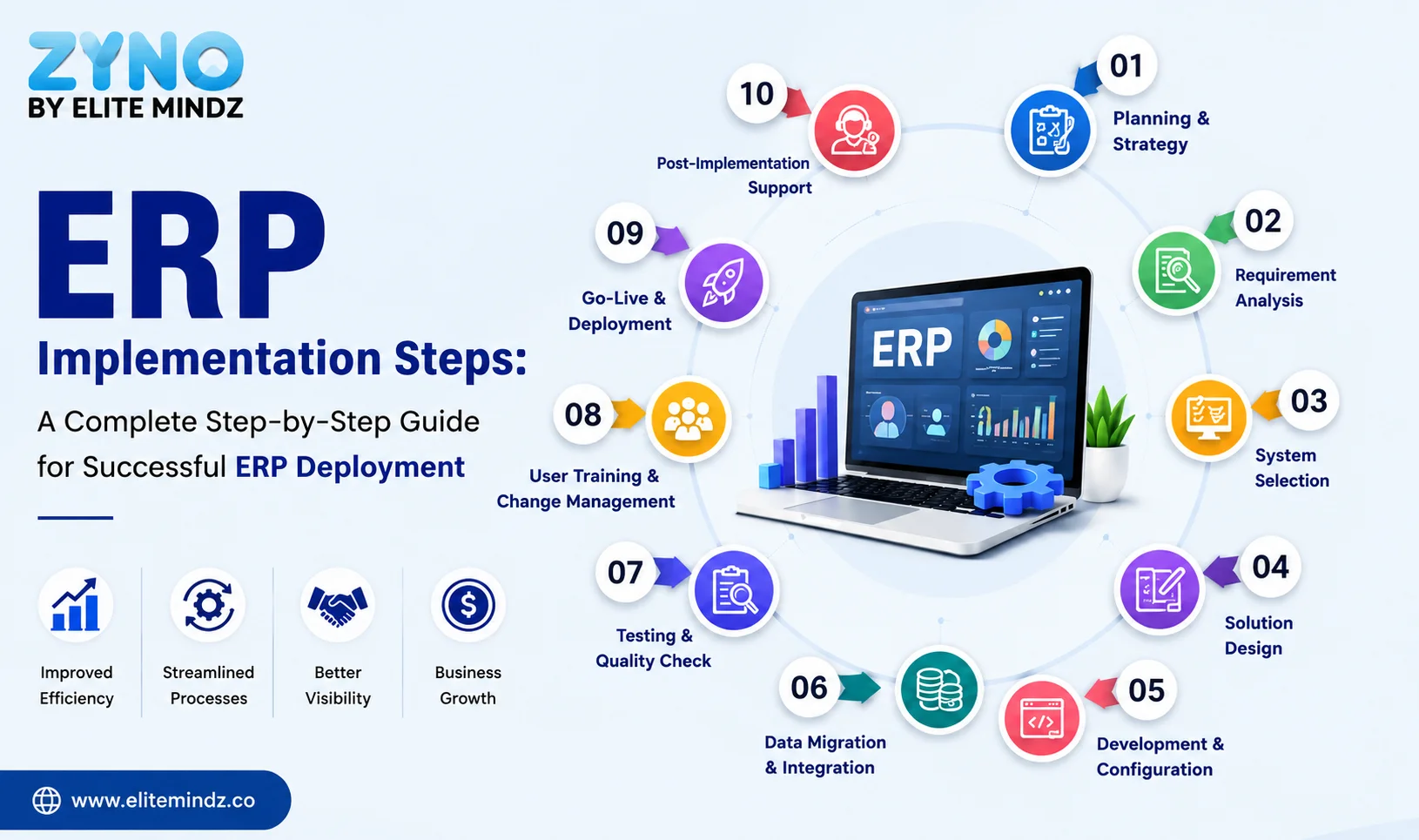
ERP Implementation Steps: A Complete Step-by-Step Guide for Successful ERP Deployment
Read More →
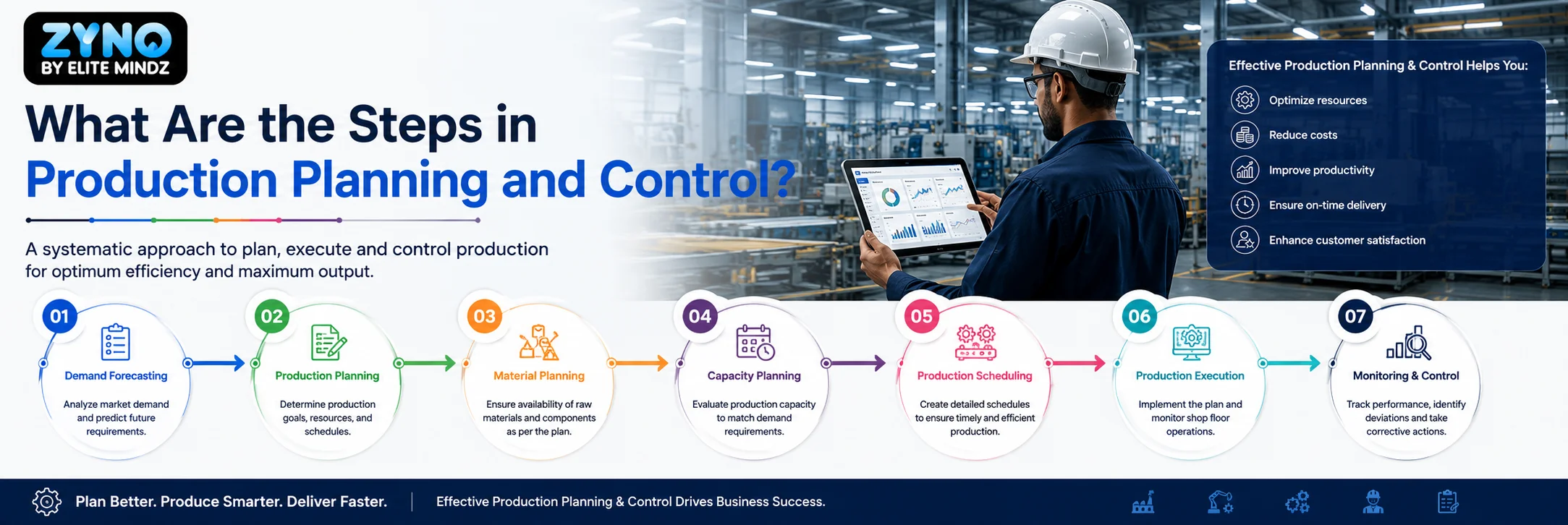
What Are the Steps in Production Planning and Control?
Read More →
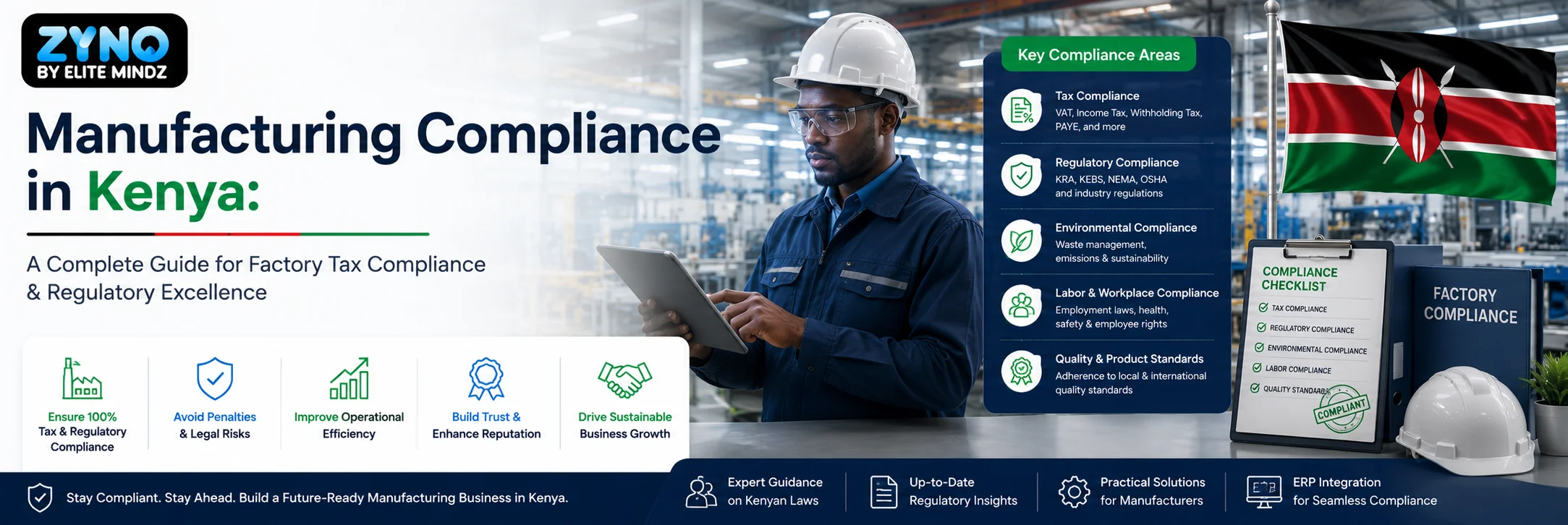
Manufacturing Compliance in Kenya: A Complete Guide for Factory Tax Compliance & Regulatory Excellence
Read More →
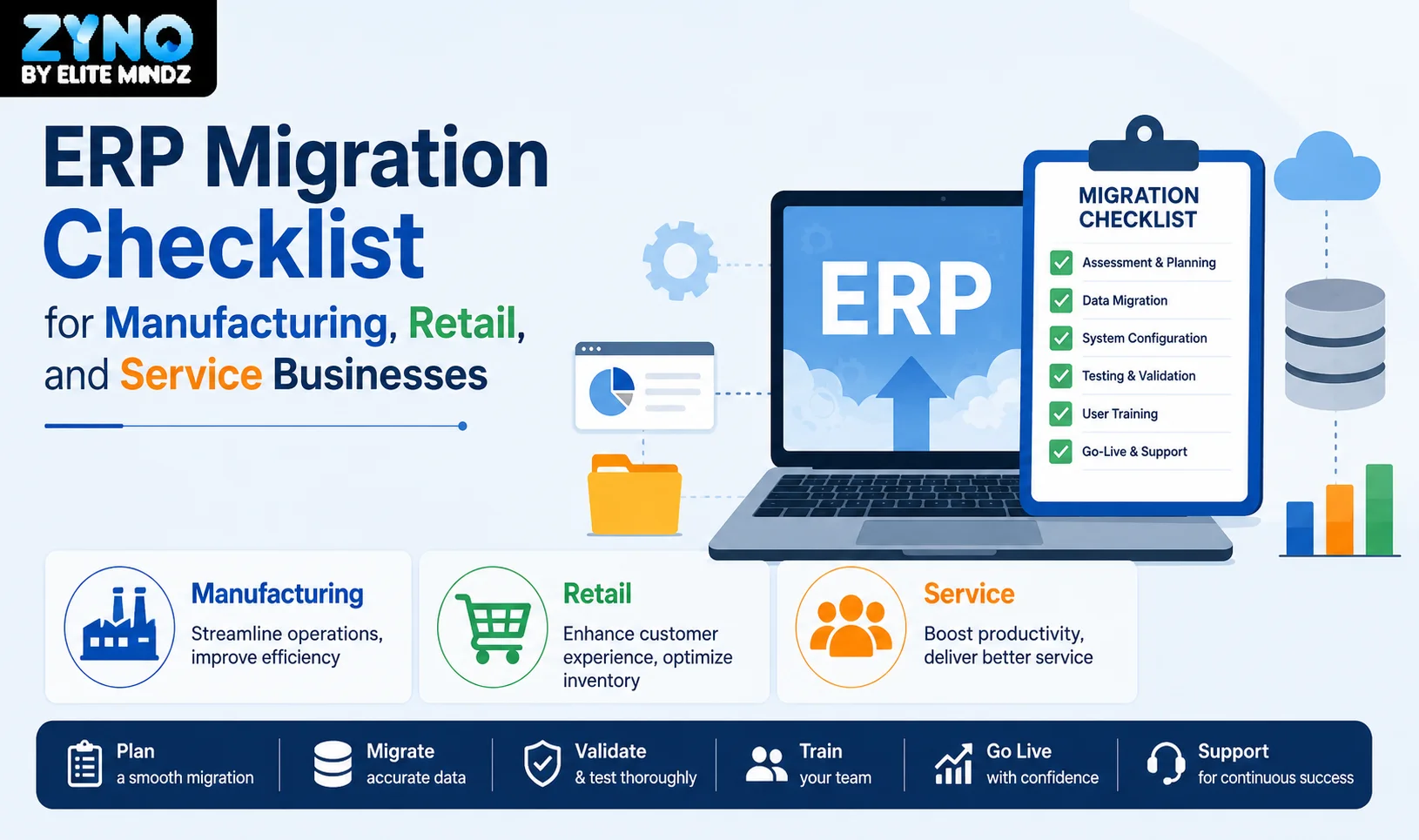
ERP Migration Checklist for Manufacturing, Retail, and Service Businesses
Read More →
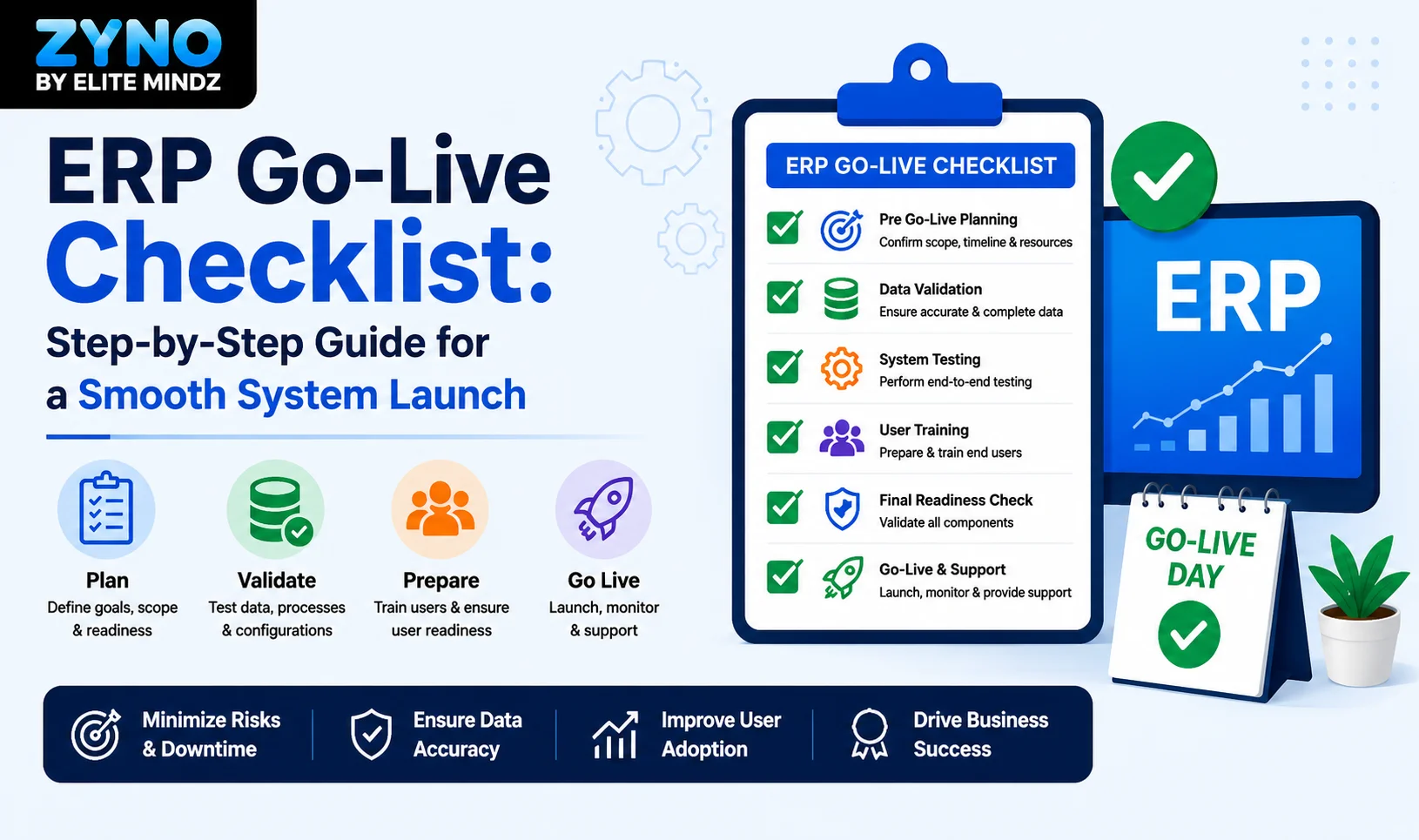
ERP Go-Live Checklist: Step-by-Step Guide for a Smooth System Launch
Read More →
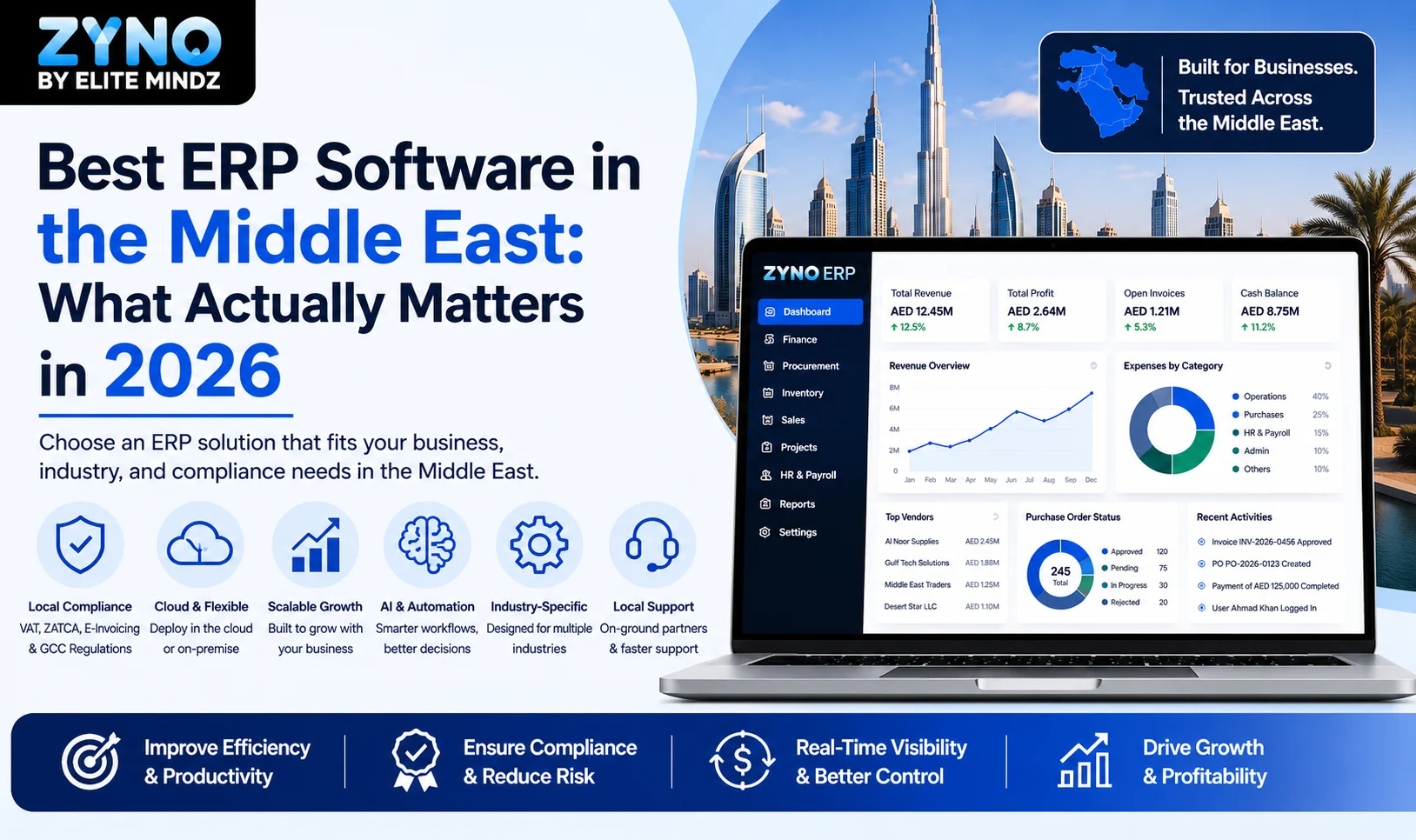
Best ERP Software in the Middle East: What Actually Matters in 2026
Read More →
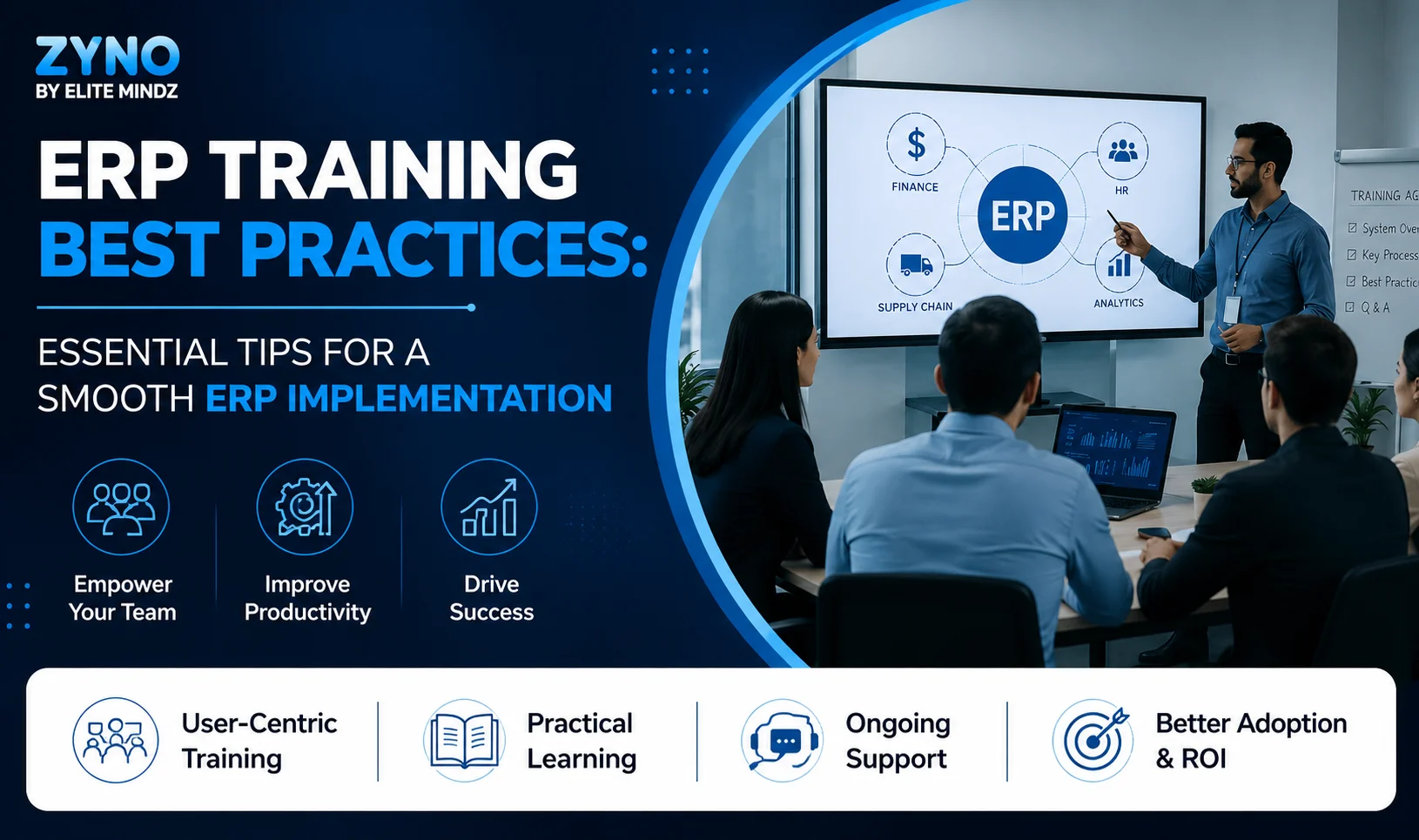
ERP Training Best Practices: Essential Tips for a Smooth ERP Implementation
Read More →
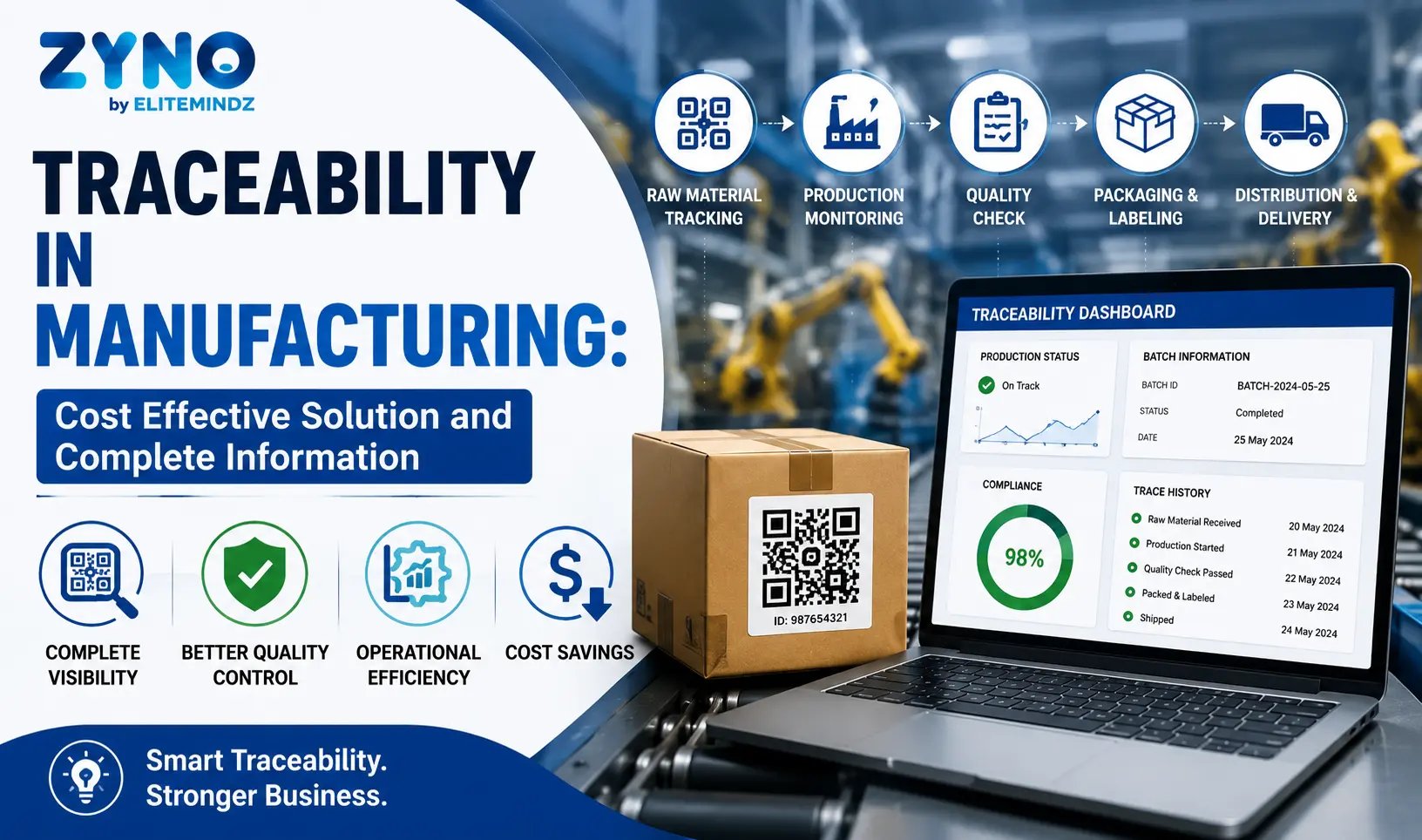
Traceability in Manufacturing: Cost Effective Solution and Complete Information
Read More →
Manufacturing ERP Software Buying Guide: Features, Checklist & Questions to Ask Before You Invest
Read More →
20 Best ERP Software in Japan (2026): Top AI-Powered & Cloud ERP Platforms Ranked
Read More →
10 Best ERP Software for Metal Manufacturing Companies: Features, Checklist & Buying Guide (2026)
Read More →How Manufacturing ERP Helps Ethiopian Factories Improve Production Planning & Cost Control
Read More →
Top 15 Business Management Software for Growing Businesses in 2026
Read More →
Why These Are the Top 15 Small Business ERP Systems for 2026
Read More →
BOM Management Software: A Complete Guide to Smarter Manufacturing
Read More →
Which Companies Build Affordable Manufacturing ERP Software in India?
Read More →
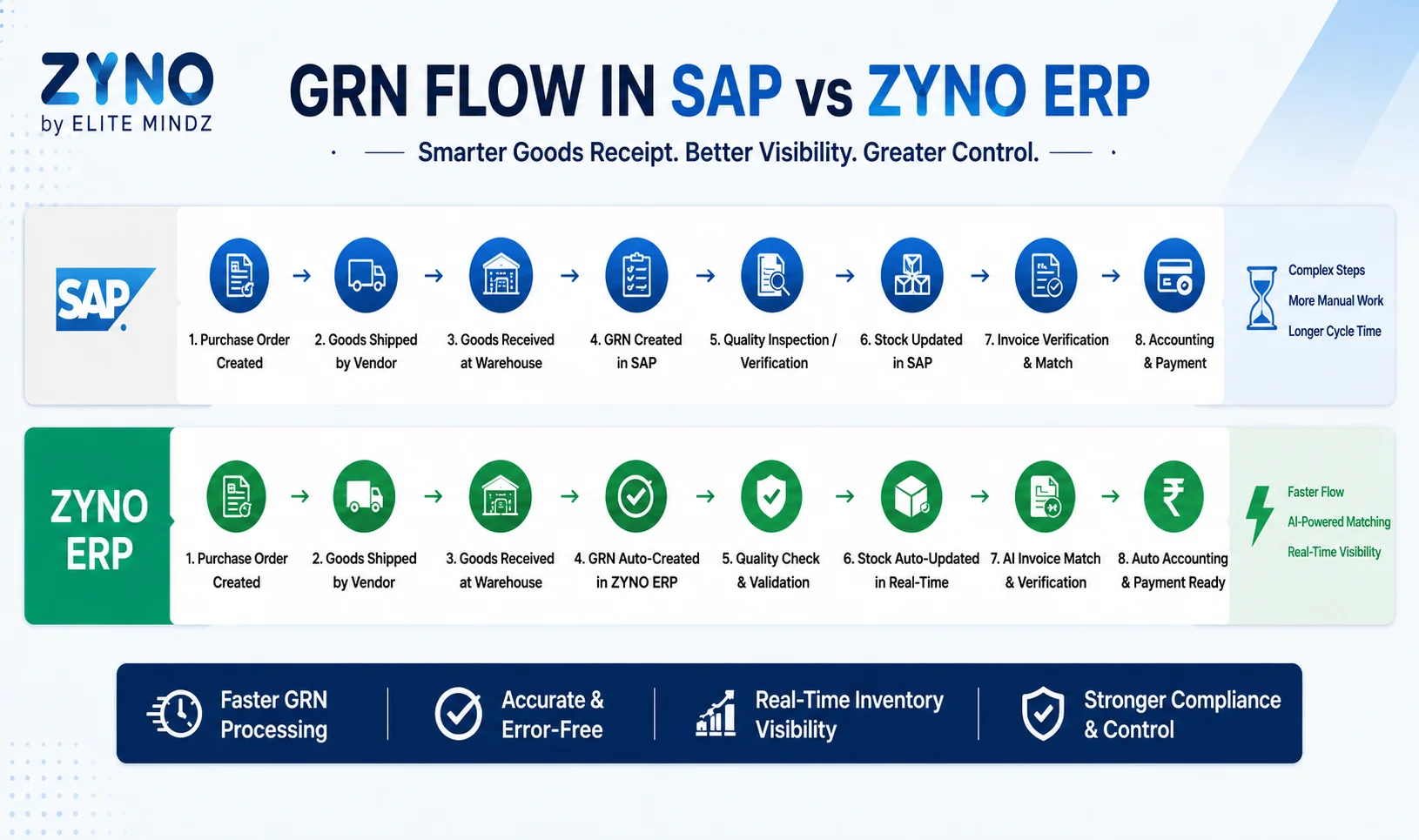
GRN Flow in SAP vs ZYNO ERP
Read More →
Which AI ERP Platform Offers the Best ROI for Retail Businesses Looking to Automate Operations in India?
Read More →
Warehouse Management System (WMS): Complete Guide
Read More →
Best WMS Software in 2026: 10 Warehouse Management Systems Compared
Read More →
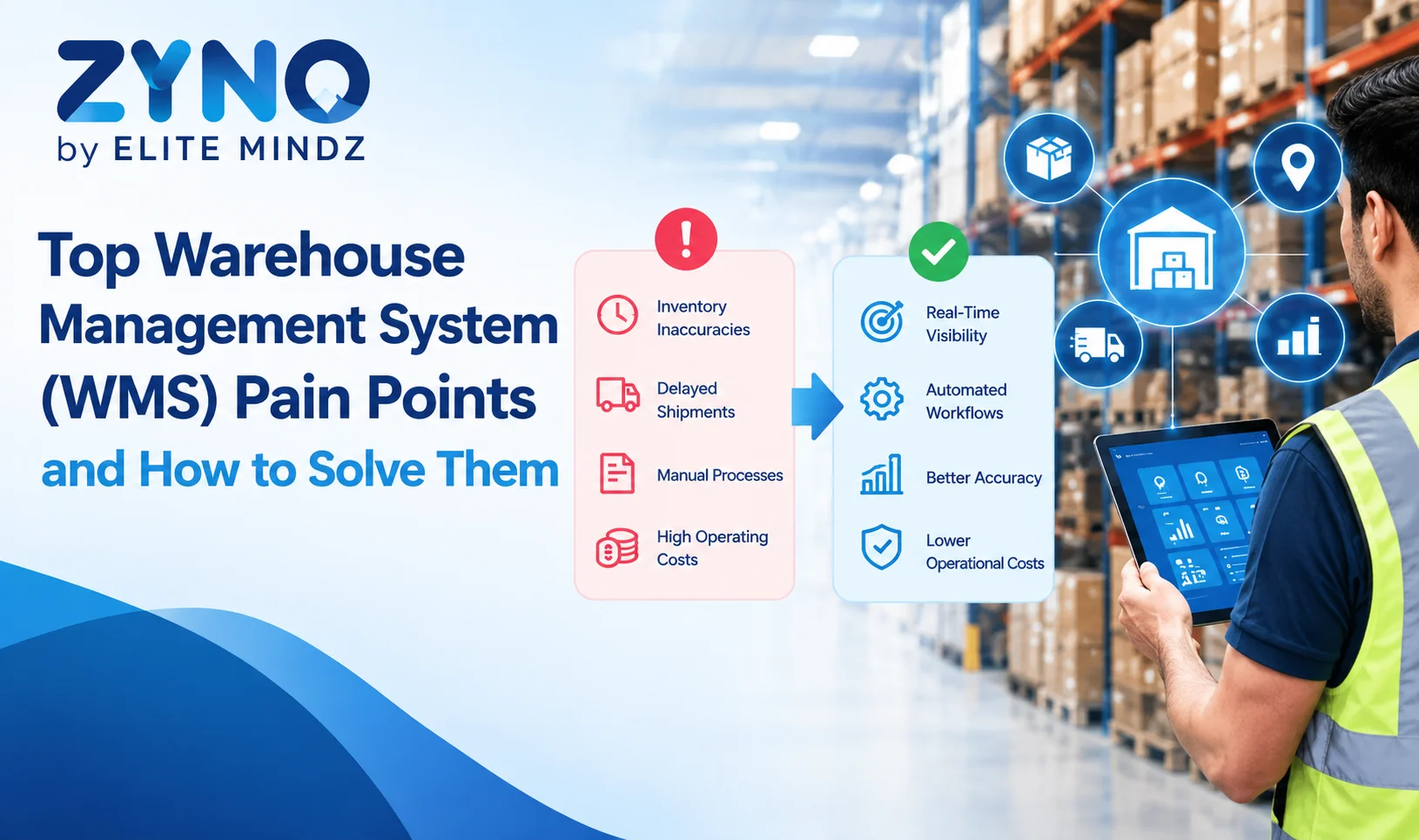
Top Warehouse Management System (WMS) Pain Points and How to Solve Them
Read More →
ERP in Inventory Management: Features, Benefits & Best Practices
Read More →
Best ERP for Inventory Management : Top 10 Software Compared
Read More →
From Clicking Through Screens to Simply Asking: The New ERP Experience
Read More →
Best ERP Solutions for Textile Manufacturing and Supply Chain Control
Read More →
How Automation Software Can Help Middle East Businesses Save Time and Reduce Costs
Read More →
Top ERP Platforms for Food Processing and Manufacturing
Read More →
How to Choose the Right ERP Software for Enterprises in the UAE: Your Must-Know Points
Read More →
Top 10 ERP Solutions for Pharmaceutical Production Management
Read More →
ERP for Chemical Manufacturing: Compare the Best Solutions
Read More →
ERP for Oil and Gas: Compare the Best Solutions for 2026
Read More →
Order Management System: A Complete Buyer’s Guide
Read More →
Best Cloud Warehouse Management System for Businesses: A Complete Guide
Read More →
How Do Prompt-Based ERPs Reduce Manual Workflow Steps?
Read More →
Top 10 ERP Features Your Business Should Not Compromise On
Read More →
What Are the Best AI-Native Enterprise ERP Platforms?
Read More →
7 Best ERP Software for FMCG Manufacturers
Read More →
How to Manage Vendor, Supplier and Purchase Orders in Apparel Manufacturing
Read More →
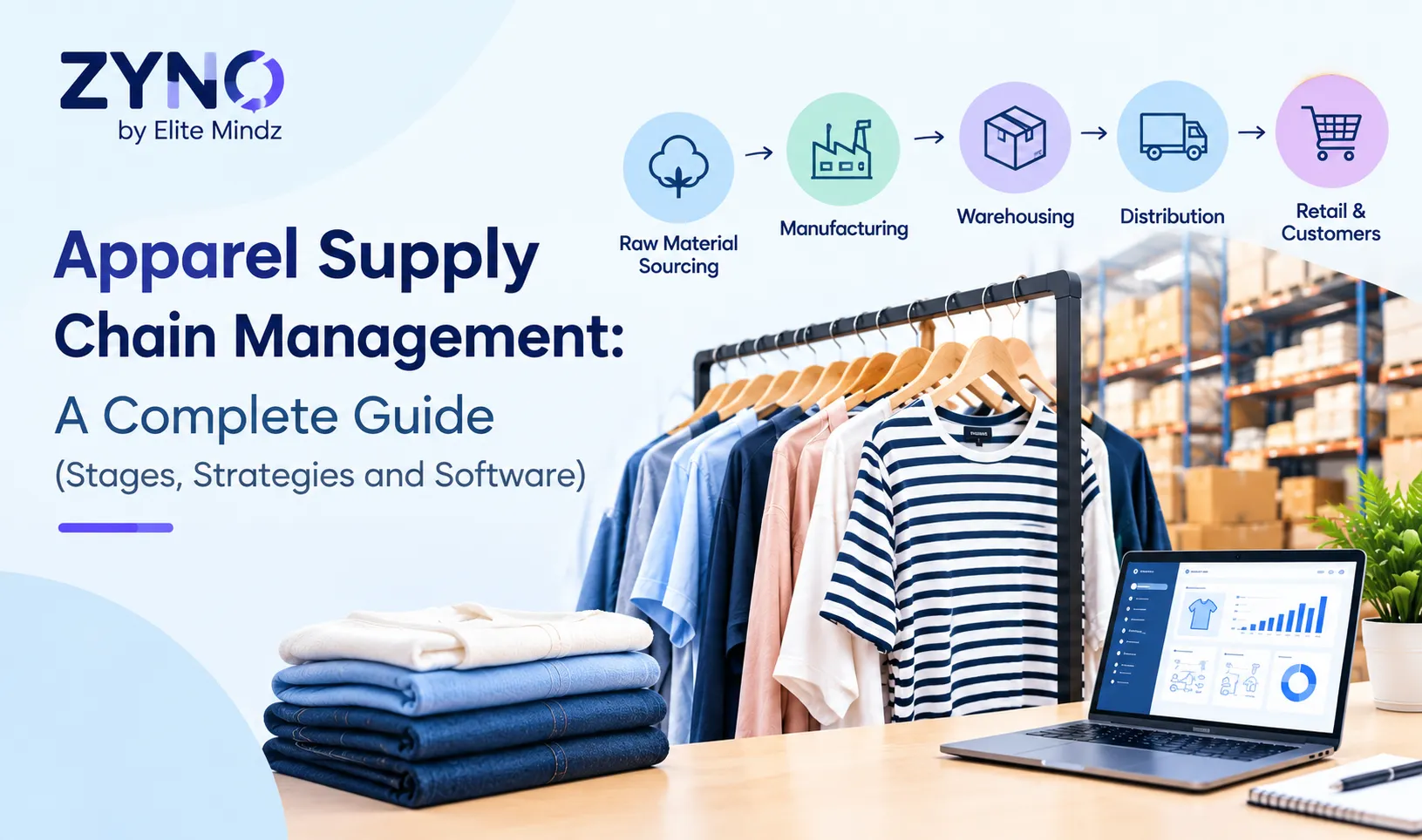
Apparel Supply Chain Management: A Complete Guide (Stages, Strategies and Software)
Read More →
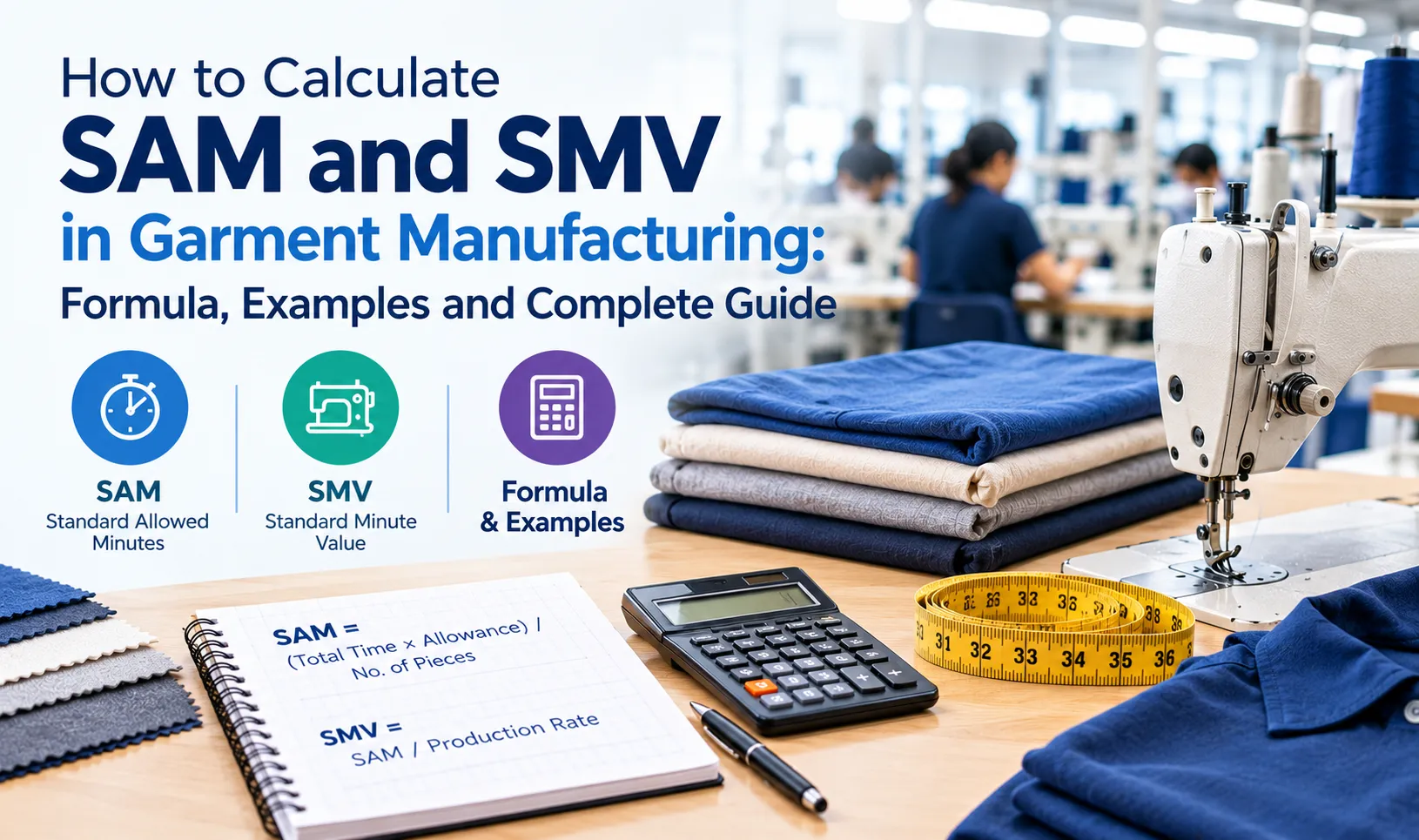
How to Calculate SAM and SMV in Garment Manufacturing: Formula, Examples and Complete Guide
Read More →
NetSuite Alternatives: 10 Best ERP Picks for Growing Manufacturers in 2027
Read More →
How to Choose the Best ERP Software for Manufacturing Factories
Read More →
Best Distribution Management Software in India
Read More →
E-Way Bill System Under GST: Rules, Validity & Generation Guide (2027)
Read More →
ERP Evaluation Guide: 20 Questions to Ask in an ERP Software Demo
Read More →Partner with ZYNO by Elite Mindz to revolutionize how your business works. Fill out the form, and we’ll reach out with AI-powered solutions made just for you.
We use browser cookies to ensure you get the best experience on our website. Learn more
The form was submitted successfully!