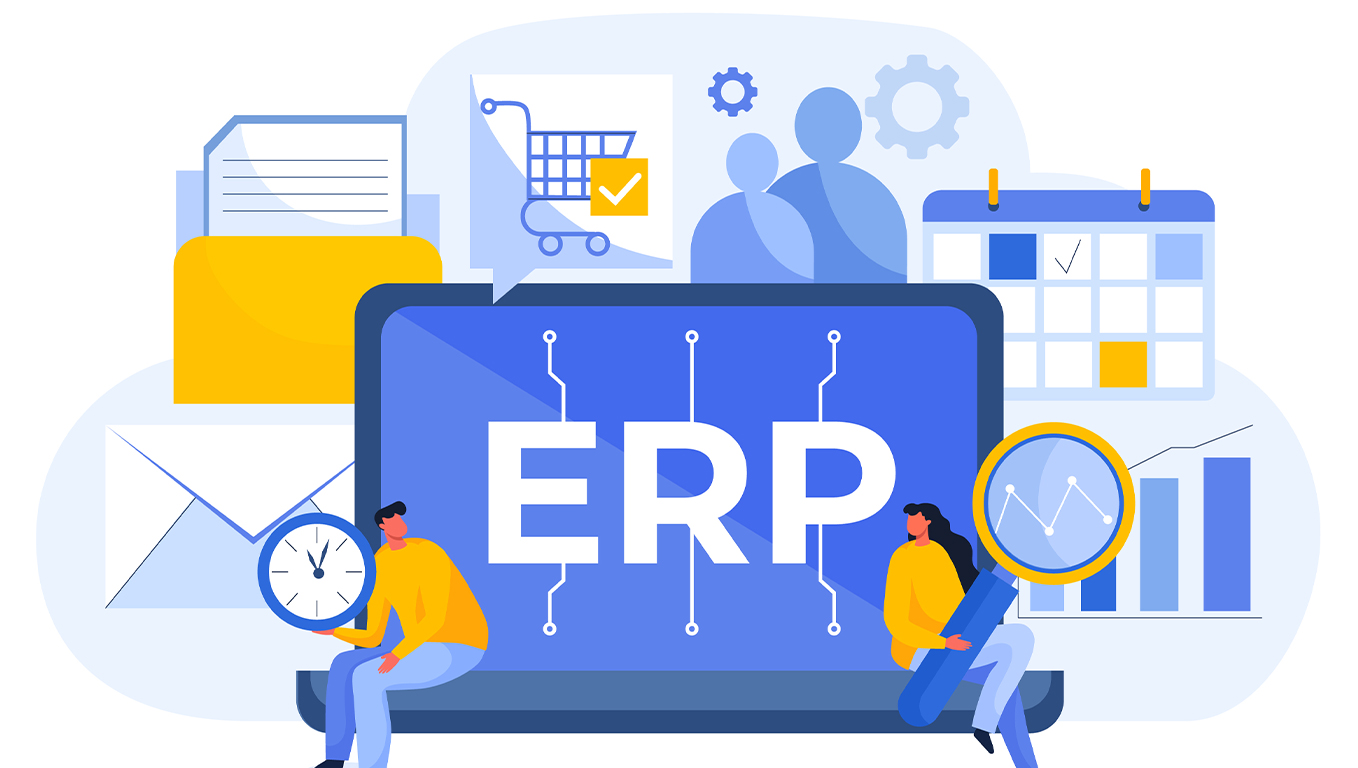
What is ERP? A Beginner's Guide to Enterprise Resource Planning
Read More →

×
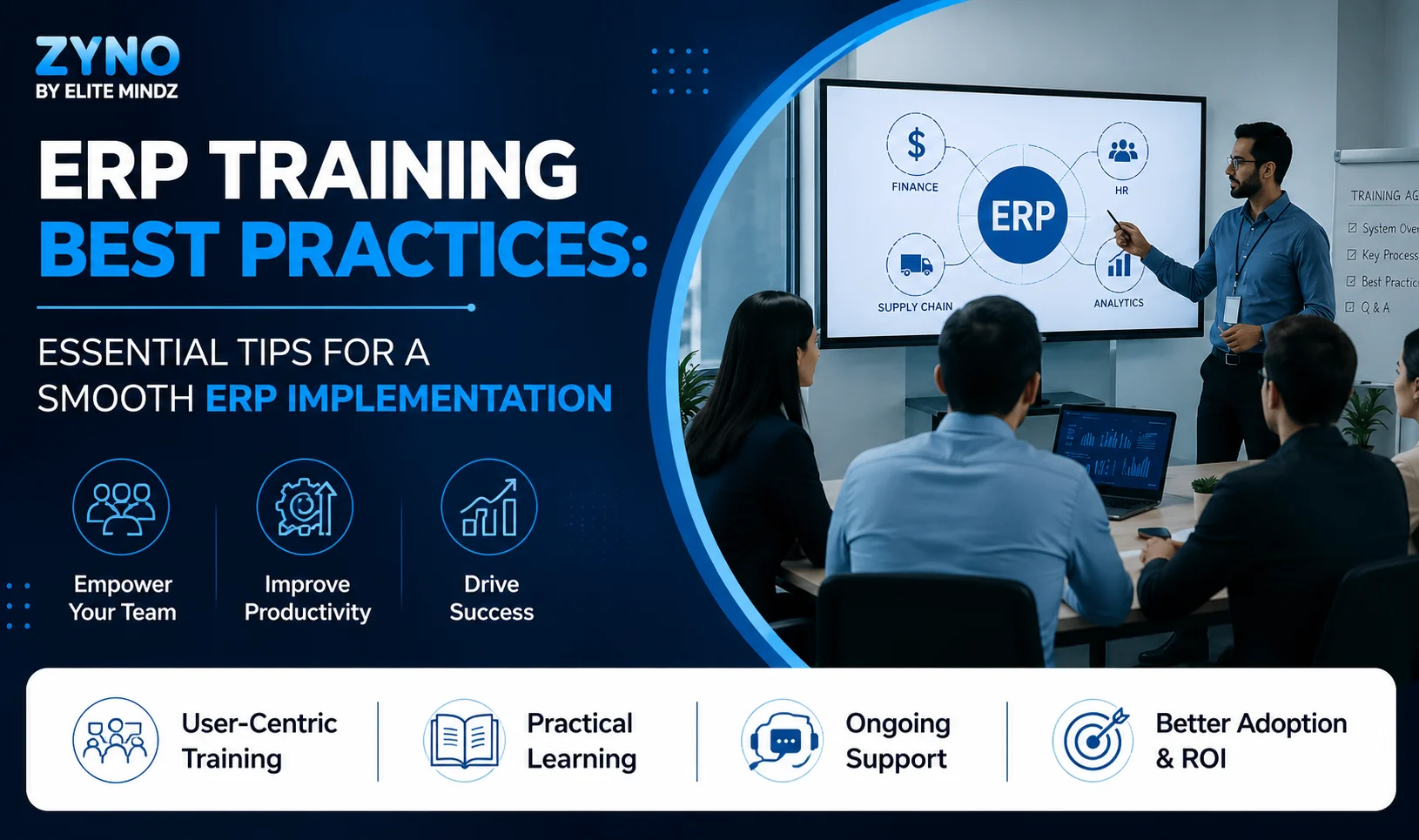
ERP training best practices help organizations prepare employees for successful ERP adoption by improving system knowledge, reducing errors, and increasing productivity. A structured training program with role-based learning, hands-on practice, and ongoing support ensures a smooth ERP implementation, better user engagement, and long-term business success while maximizing the value of ERP software.
Businesses using ZYNO Books cut accounting time by 70% and stay 100% ZATCA-compliant — automatically.
Businesses today depend on ERP Software to streamline operations, manage resources, improve productivity, and make informed decisions. As organizations expand, older ERP systems often struggle to support new technologies, increased workloads, and evolving business requirements. This is why many companies choose to migrate to ERP solutions to move from outdated systems to modern, scalable ones.
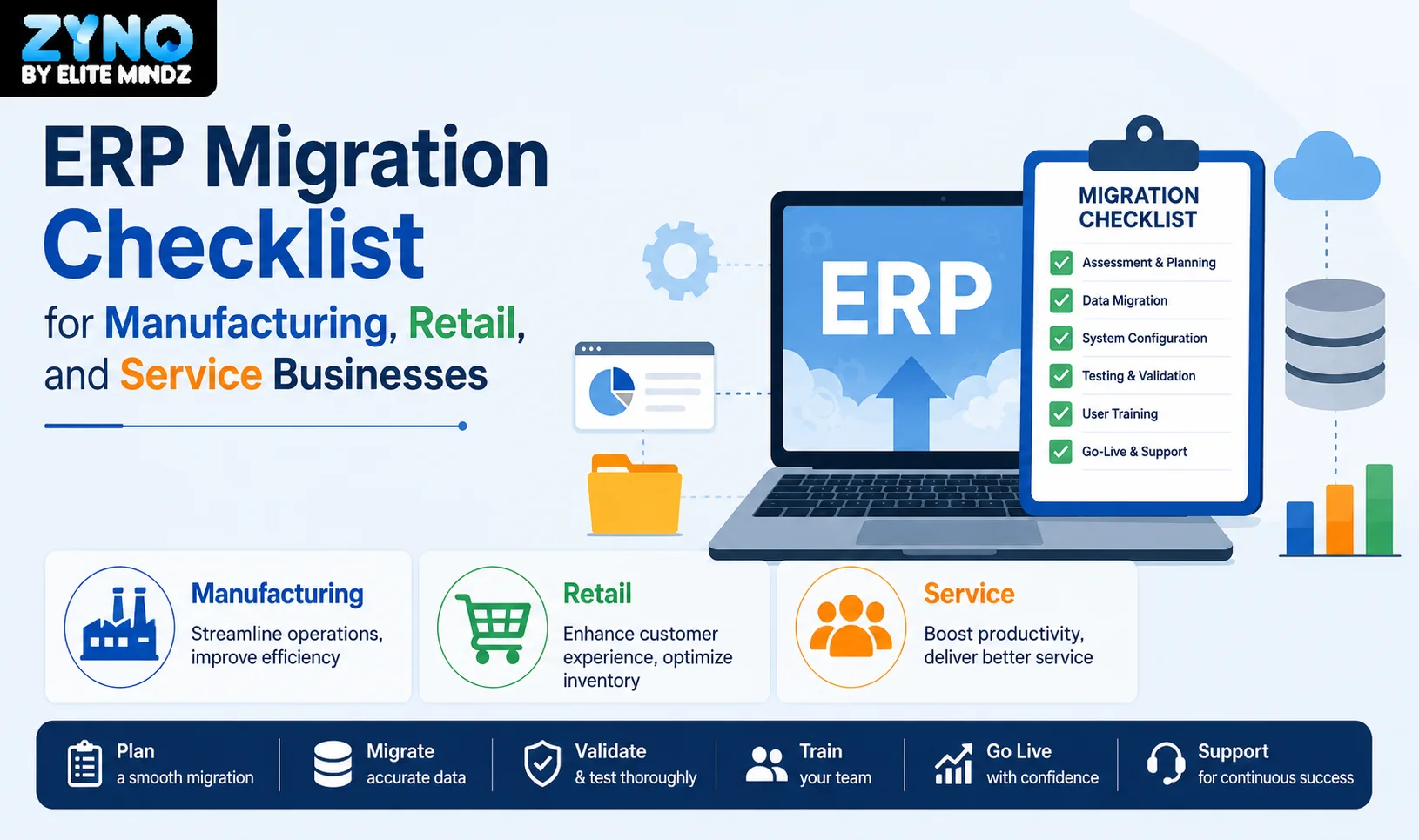
However, migrating to a new ERP system is much more than transferring data from one platform to another. It requires careful planning, accurate data preparation, extensive testing, and employee training to ensure business continuity. Whether you operate in manufacturing, retail, or the service industry, following a structured ERP migration checklist can help reduce risks and maximize the return on your ERP investment.
This guide explains everything you need to know about ERP migration, including an ERP data migration checklist, ERP data migration best practices, ERP data migration to the cloud, and how to build an effective ERP migration strategy.
ERP migration is the process of transferring business data, configurations, workflows, reports, and integrations from an existing ERP platform to a new one. Organizations often migrate when their current system no longer meets business demands, lacks advanced features, or cannot support future growth.
The migration process typically involves moving customer records, financial data, inventory information, supplier details, employee records, manufacturing processes, and other business-critical information while ensuring accuracy and minimizing operational disruptions.
A successful ERP migration enables businesses to modernize operations, improve efficiency, and take advantage of cloud technology, automation, and real-time analytics.
Companies invest in modern ERP Software for several strategic reasons. Legacy ERP systems often require high maintenance costs, provide limited flexibility, and may not integrate well with modern business applications.
Modern ERP solutions offer:
Upgrading to a modern ERP system allows organizations to improve decision-making while creating a strong foundation for long-term business growth.
Plan a Successful ERP Migration with ZYNO ERP
Ensure a smooth ERP migration with ZYNO ERP. Streamline data migration, optimize business processes, reduce downtime, and modernize operations with a scalable ERP solution designed for manufacturing, retail, and service businesses.
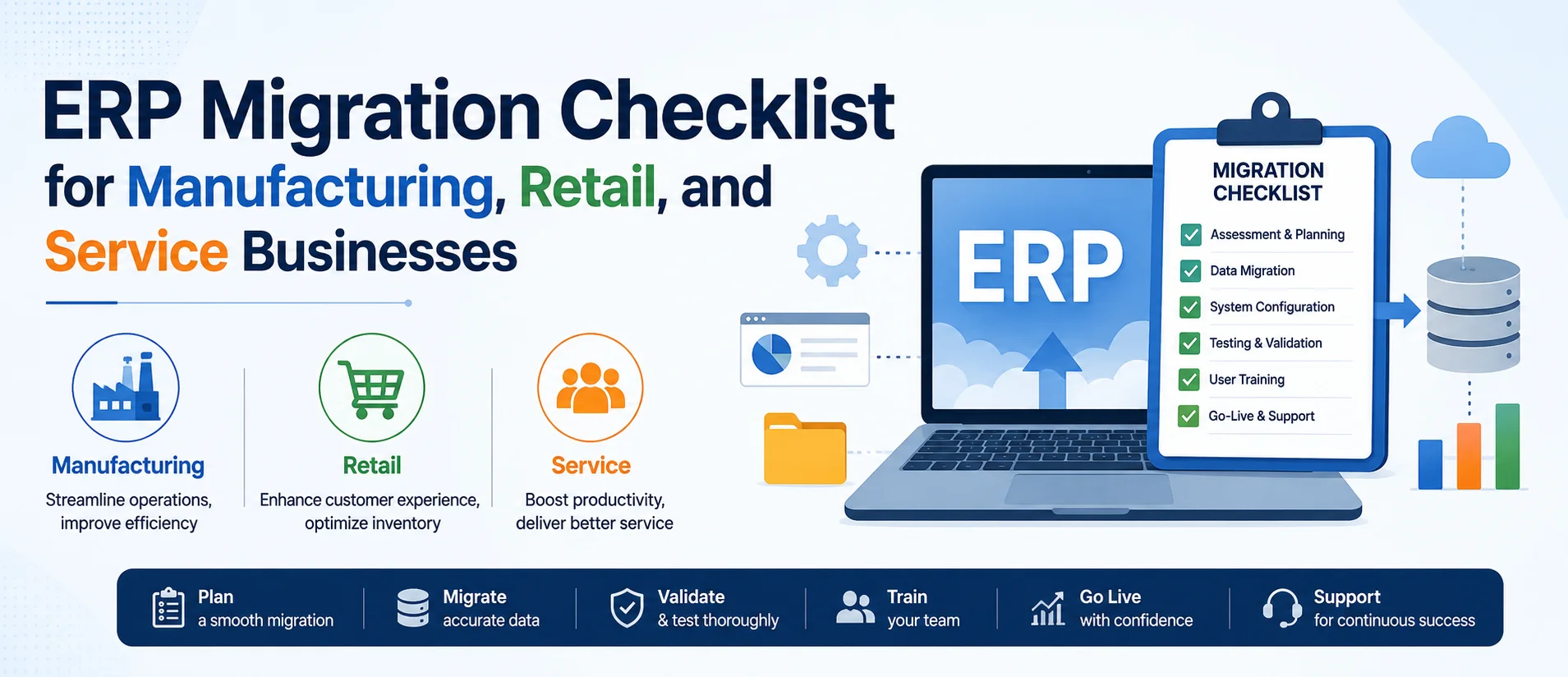
Book a Free Demo Explore ZYNO ERPFollowing a detailed ERP migration checklist helps businesses stay organized throughout every phase of the migration process.
Every successful ERP migration begins with clearly defined goals. Before selecting a new ERP platform or planning the migration, organizations should identify the specific business challenges they want to solve.
These objectives may include improving operational efficiency, reducing manual work, enhancing reporting capabilities, supporting multiple business locations, improving customer service, or enabling business expansion.
Having measurable goals helps ensure that every migration decision aligns with overall business priorities.
An effective ERP migration strategy serves as the roadmap for the entire project. It outlines the timeline, budget, responsibilities, implementation phases, risk management approach, and communication plan.
The strategy should also define project milestones, identify key stakeholders, assign responsibilities to internal teams, and establish procedures for handling unexpected issues during implementation.
A well-structured migration strategy minimizes project delays and keeps every department aligned throughout the transition.
Before migrating to a new ERP system, businesses should carefully evaluate their existing workflows. Migrating outdated or inefficient processes can reduce the benefits of implementing a new ERP solution.
Organizations should review procurement, finance, inventory management, sales, manufacturing, customer service, and human resource processes to identify bottlenecks, duplicate activities, and unnecessary manual tasks.
This evaluation provides an opportunity to redesign workflows and adopt industry best practices before moving to the new system.
Creating an ERP data migration checklist ensures that all essential business information is identified, verified, and prepared before migration begins.
Businesses should organize their data into categories such as:
The checklist should also identify which historical records need to be migrated and which outdated information can be archived.
One of the most important ERP data migration best practices is ensuring data quality before migration.
Businesses should carefully review their databases to eliminate duplicate customer records, inactive suppliers, obsolete inventory items, incorrect addresses, invalid contact information, and incomplete financial records.
Migrating clean data improves reporting accuracy, simplifies future maintenance, and reduces operational issues after implementation.
Data validation should also include verifying mandatory fields, correcting formatting inconsistencies, and ensuring data integrity across departments.
Every ERP platform stores data differently. Therefore, businesses must create a comprehensive mapping document that shows how information from the legacy ERP corresponds to the new system.
Data mapping should define field relationships, validation rules, required transformations, default values, and any custom business logic needed during migration.
Accurate mapping reduces migration errors and ensures consistent reporting after implementation.
Many organizations now prefer ERP data migration to the cloud because cloud ERP solutions provide better scalability, flexibility, security, and accessibility.
When planning cloud migration, businesses should evaluate data security policies, compliance requirements, encryption methods, backup procedures, disaster recovery plans, internet connectivity, and user access permissions.
Proper planning helps organizations transition to cloud-based ERP environments while maintaining business continuity and protecting sensitive information.
Testing is one of the most critical stages of ERP migration. Businesses should never move directly from legacy systems to production without validating the migration process.
Testing should include trial migrations, financial reconciliation, inventory verification, report comparisons, workflow testing, user acceptance testing, and integration testing.
Each department should verify that migrated information is accurate and that all business processes operate as expected before the system goes live.
Employee adoption plays a significant role in ERP success. Even the most advanced ERP solution cannot deliver expected results if users are unfamiliar with the new system.
Organizations should conduct role-based training sessions covering finance, procurement, inventory, manufacturing, sales, customer service, reporting, dashboards, approvals, and mobile applications.
Hands-on practice and user documentation help employees become comfortable with the new platform before deployment.
After successful testing and employee training, organizations can begin the final migration process.
This phase typically includes freezing transactions in the old ERP system, creating complete backups, migrating production data, validating records, activating integrations, configuring security settings, and monitoring system performance during go-live.
Having technical teams and implementation partners available during deployment helps resolve issues quickly and minimizes downtime.
ERP migration does not end when the new system becomes operational. Continuous monitoring ensures that the implementation delivers the expected business outcomes.
Organizations should regularly review data accuracy, system performance, workflow efficiency, user feedback, inventory balances, financial reports, and integration performance.
Ongoing optimization enables businesses to identify opportunities for improvement and maximize the value of their ERP investment.
Following proven ERP data migration best practices significantly improves the likelihood of a successful implementation.
Organizations should begin migration planning early, involve department heads throughout the project, and establish clear communication among stakeholders. Cleaning and validating data before migration reduces errors and improves reporting accuracy. Multiple rounds of testing should be performed to identify issues before the final deployment.
Businesses should also maintain secure backups throughout the migration process, automate repetitive migration tasks where possible, document every migration activity, and verify migrated data against legacy reports before approving the system for production use.
These best practices reduce project risks while ensuring business continuity.
Plan a Successful ERP Migration with ZYNO ERP
Ensure a smooth ERP migration with ZYNO ERP. Streamline data migration, optimize business processes, reduce downtime, and modernize operations with a scalable ERP solution designed for manufacturing, retail, and service businesses.
Book a Free Demo Explore ZYNO ERPManufacturing organizations manage highly complex operations involving production planning, inventory control, procurement, quality assurance, and warehouse management. During ERP migration, businesses should pay special attention to Bills of Materials (BOM), production schedules, machine information, routing, work orders, supplier records, inventory balances, and quality inspection data.
Accurate migration of production-related information helps prevent manufacturing delays and ensures uninterrupted operations after implementation.
Retail businesses require accurate migration of product catalogs, pricing structures, barcode information, customer loyalty programs, promotions, supplier records, inventory balances, and Point-of-Sale (POS) integrations.
Businesses operating multiple stores should also validate inventory synchronization and sales reporting across every location before the new ERP system becomes operational.
A well-executed migration allows retailers to improve inventory visibility and deliver better customer experiences.
Service-based organizations should prioritize migrating customer contracts, project records, employee schedules, billing information, CRM data, support tickets, resource planning, and financial transactions.
Ensuring the accuracy of customer-related information allows service businesses to continue delivering high-quality support without interruptions during the migration process.
Many ERP migration projects encounter avoidable challenges due to poor planning or inadequate testing. Businesses should avoid migrating duplicate or inaccurate data, underestimating project timelines, skipping user training, neglecting backup procedures, or failing to involve key stakeholders during planning.
Choosing an experienced implementation partner, following structured testing procedures, and maintaining detailed documentation greatly reduce the likelihood of costly migration issues.
A successful ERP Implementation extends beyond transferring data. It involves configuring business workflows, integrating third-party applications, defining user roles, automating approvals, customizing dashboards, establishing compliance settings, and optimizing overall system performance.
Organizations that combine a structured ERP implementation with a carefully planned migration strategy achieve faster user adoption, better operational efficiency, and improved long-term business performance.
A successful ERP migration requires much more than moving information from one system to another. It demands careful planning, clean and validated data, thorough testing, employee training, and continuous monitoring after deployment. By following a comprehensive ERP migration checklist, preparing a detailed ERP data migration checklist, adopting ERP data migration best practices, and developing a strong ERP migration strategy, organizations can reduce risks while ensuring a smooth transition.
Whether your organization is planning ERP data migration to the cloud or upgrading to a modern ERP Software platform, a structured migration process combined with an effective ERP Implementation will improve efficiency, enhance data accuracy, support future growth, and provide a strong foundation for digital transformation.
1. What is ERP migration?
ERP migration is the process of moving business data, workflows, configurations, and applications from an existing ERP system to a new ERP platform. It helps organizations improve efficiency, modernize operations, and support future business growth.
2. Why is an ERP migration checklist important?
An ERP migration checklist helps businesses plan every stage of the migration process, including data preparation, testing, user training, and go-live activities. It minimizes risks, reduces downtime, and ensures a smooth transition.
3. What should be included in an ERP data migration checklist?
A comprehensive ERP data migration checklist should include customer and vendor records, employee information, product master data, financial records, inventory data, purchase and sales orders, historical transactions, data mapping, validation, backups, and post-migration testing.
4. What are the ERP data migration best practices?
Some of the most effective ERP data migration best practices include cleaning and validating data, removing duplicate records, creating backups, testing multiple migration scenarios, involving key stakeholders, documenting the migration process, and verifying data accuracy before go-live.
5. What is ERP data migration to the cloud?
ERP data migration to the cloud involves transferring business data and ERP applications from on-premise infrastructure to a cloud-based ERP system. Cloud ERP offers benefits such as remote accessibility, automatic updates, scalability, enhanced security, and lower infrastructure costs.
6. How do I create a successful ERP migration strategy?
A successful ERP migration strategy should define business goals, project timelines, budget, stakeholder responsibilities, data migration methods, testing procedures, employee training plans, risk management, and post-implementation support.
7. How long does an ERP migration project take?
The duration of an ERP migration depends on the size of the organization, data volume, customization requirements, and implementation complexity. Small businesses may complete migration in a few months, while larger enterprises may require six months to a year or longer.
8. What are the biggest challenges during ERP migration?
Common challenges include poor data quality, inadequate planning, insufficient user training, integration issues, unexpected downtime, budget overruns, and resistance to change. Proper planning and testing can help overcome these challenges.
9. How does ERP implementation differ from ERP migration?
ERP migration focuses on transferring data, processes, and configurations from one ERP system to another. ERP Implementation is the broader process of deploying, configuring, customizing, integrating, testing, and launching the new ERP system across the organization.
10. Which industries benefit the most from ERP migration?
Manufacturing, retail, healthcare, construction, distribution, logistics, education, hospitality, and service-based businesses all benefit from ERP migration by improving operational efficiency, data accuracy, collaboration, and business visibility.
What is ERP? A Beginner's Guide to Enterprise Resource Planning
Read More →
Cloud ERP vs. On-Premise vs. Hybrid: Best ERP Model for 2025
Read More →How To Customize ERP Software Without Breaking The Bank?
Read More →
The Future of Manufacturing ERP in 2026 & Beyond
Read More →Best ERP Software in India: 2026 Edition
Read More →
AI in Manufacturing ERP: The Future of Smart Factories
Read More →
How ERP Transforms Inventory Management and Reduces Costs
Read More →
Inventory Management Software Features: The Complete 2026 Buying Guide
Read More →
Top 5 Ways Asset Management Software Can Save Your Business Money
Read More →
Why Smart Businesses Are Switching to Vendor Management Systems in 2025?
Read More →
Why Manufacturing Companies Need ERP Software
Read More →
Cloud ERP vs. Traditional ERP: Which is Right for You?
Read More →
ERP for Small Business: Is It Worth the Investment?
Read More →
How to Calculate ERP ROI and Why It's Worth the Investment
Read More →
Top 10 ERP Software Companies in India 2026 Updated List (Complete Guide)
Read More →
ERP Implementation Mistakes to Avoid in 2025
Read More →
Cloud ERP vs Edge Computing: What's Right for Modern Manufacturing?
Read More →
The Future of ERP Software and the Role of Generative AI
Read More →
Digital Twin Technology & ERP: Real-Time Insights for Smarter Manufacturing
Read More →
Scalable ERP Solutions Designed for Modern Enterprises
Read More →
ERP and IoT Integration: Smart Factory Vision
Read More →Best ERP Software for Manufacturing Businesses in India
Read More →Top 10 Best Manufacturing ERP Software in India (2026)
Read More →
Best ERP Software for Manufacturing Industries in Ethiopia (2026)
Read More →
Best School ERP Software Providers in UAE (2025 Edition)
Read More →
Best School ERP Software for 2025: Guide for Educational Institutions
Read More →
Top 10 ERP Software Solutions for Nigerian Manufacturers (2025 Edition)
Read More →
Best ERP Systems for Scalable Retail and POS Integration
Read More →
Top 10 Cloud-Based Manufacturing ERP Solutions in Africa (2025 Edition)
Read More →
Top 10 Cloud-Based Manufacturing ERP in UAE
Read More →
Top 10 Cloud-Based Manufacturing ERP Software in Nigeria (2026 Edition)
Read More →
Top 10 School ERP Software Companies in Kenya (2025)
Read More →
Best School ERP Software Providers in Nigeria (2025)
Read More →
Top Cloud-Based Manufacturing ERP in Zimbabwe (2025)
Read More →
Best ERP Software in U.K
Read More →
Top 10 ERP Software Developers in the U.K. (2025)
Read More →
Best ERP Software Providers in France (2025)
Read More →
Best ERP Software Companies in Germany : A Comprehensive Guide
Read More →
Top 10 ERP Software Development Companies in Qatar
Read More →
10 Best ERP Providers in Germany - 2026 Updated List
Read More →
Best ERP Software Firms in Saudi Arabia (2025)
Read More →
Best ERP Service Providers in Indonesia for SMEs and Large Enterprises
Read More →
Top 10 Cloud-Based Manufacturing ERP Systems in Egypt for Modern Factories
Read More →
Top ERP Solutions in the USA 2025: Streamline Your Business with ZYNO ERP
Read More →
Top ERP Solutions in Qatar for Businesses of All Sizes
Read More →Top Manufacturing ERP Software in India 2026 ZYNO Manufacturing ERP
Read More →How Manufacturing Companies Reduce Production Delays Using ERP Automation
Read More →Why Legal Firms Need ERP to Manage Cases, Billing & Compliance
Read More →What Is ERP And How Does It Work
Read More →
How ERP Systems Are Evolving in 2026: What Businesses Need to Know
Read More →
Best ERP Software in India: 2025 Edition
Read More →
Top 10 ERP Software Companies in Delhi NCR
Read More →
How Manufacturing ERP Software Improves Demand Forecasting
Read More →
Top 10 Best School Management Software in India
Read More →Manufacturing & Wholesale ERP in Qatar: Complete Industry Guide 2026
Read More →Cloud ERP Software in Qatar: Why Businesses Are Moving in 2026
Read More →Is ERP a Procurement Software? Key Differences, Benefits & What to Choose
Read More →What Is Production Planning and Control? Definition, Objectives & Functions
Read More →
Garment Inventory Software: Features, Providers & Buying Guide (2026)
Read More →
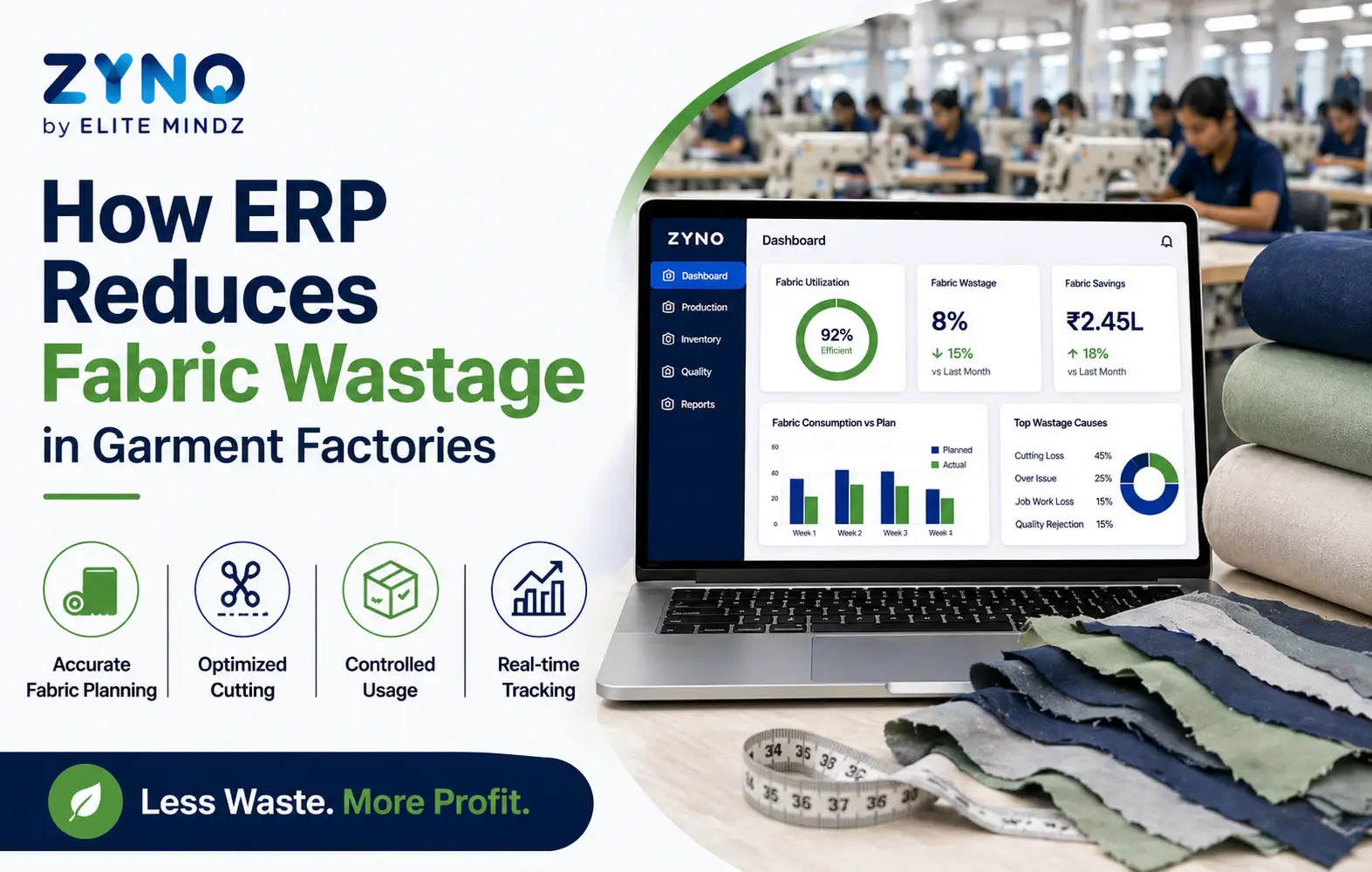
How ERP Reduces Fabric Wastage in Garment Factories
Read More →
Why the Garment Industry Needs a Specialized ERP
Read More →
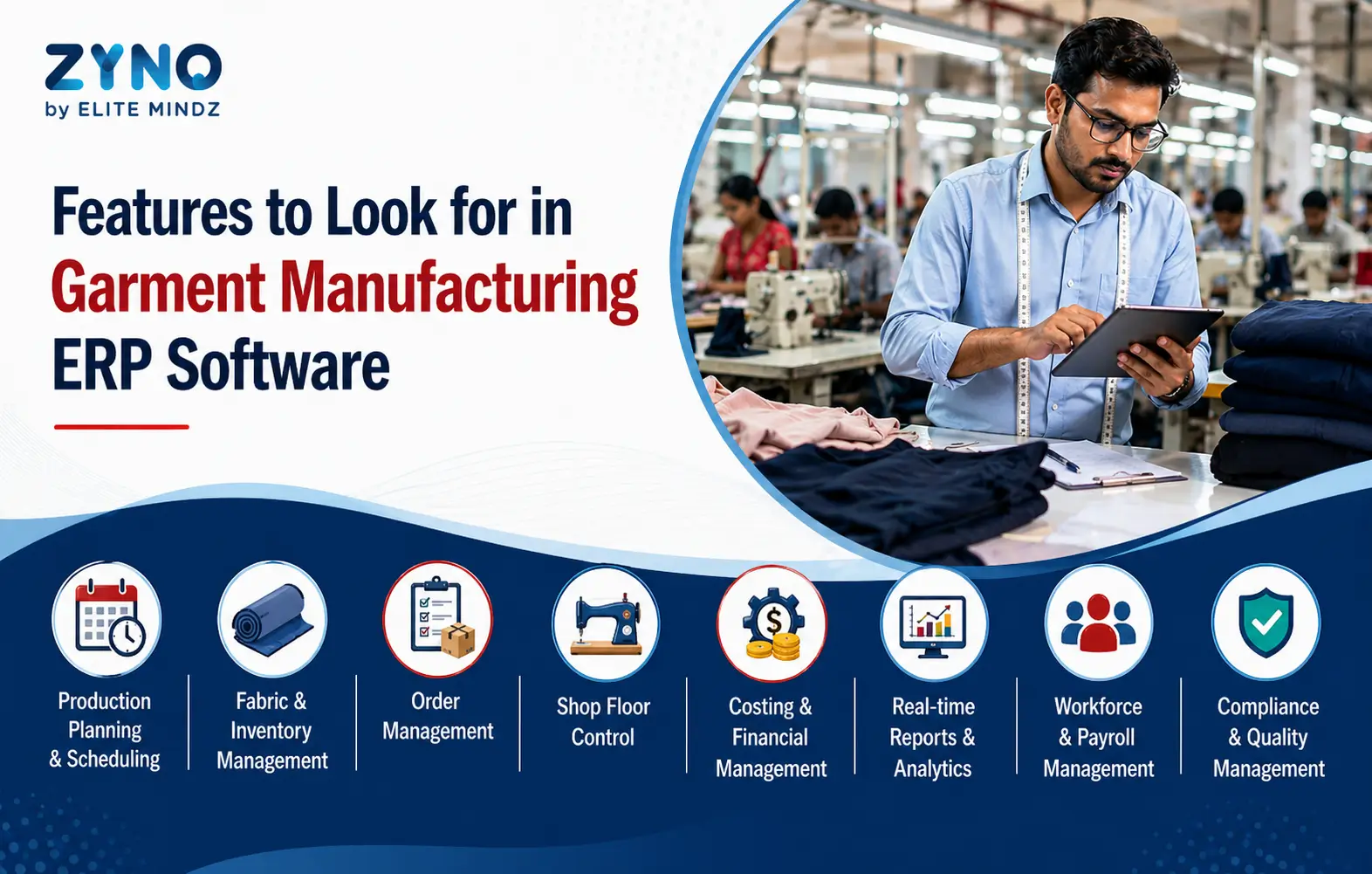
Features to Look for in Garment Manufacturing ERP Software
Read More →
Best ERP Software for Small Garment Manufacturing Business in India
Read More →
The Real Problems Holding Back Small Garment Manufacturers in India
Read More →Garment Manufacturing ERP Software in India: Best Options, Features & Complete Guide 2026
Read More →
Which ERP is Best for Manufacturers in 2026?
Read More →
Distributor & Consumer Management System: The Complete Guide for 2026
Read More →
Best Pharma ERP Software in India 2026 – Features, Compliance & Buying Guide
Read More →
SAP Alternative for Manufacturing in India (2026): 6 Options Compared Honestly
Read More →
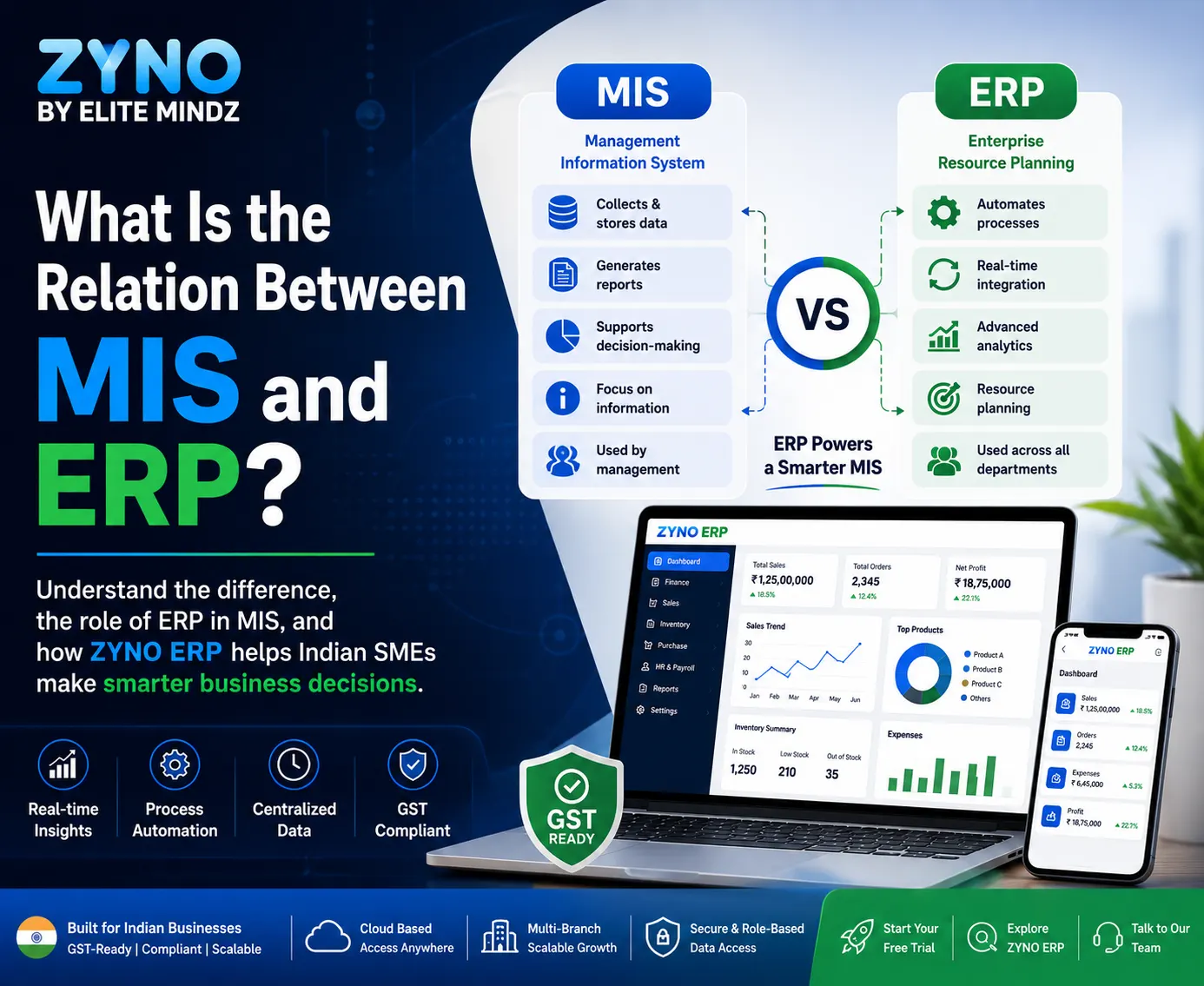
What Is the Relation Between MIS and Enterprise Resource Planning?
Read More →
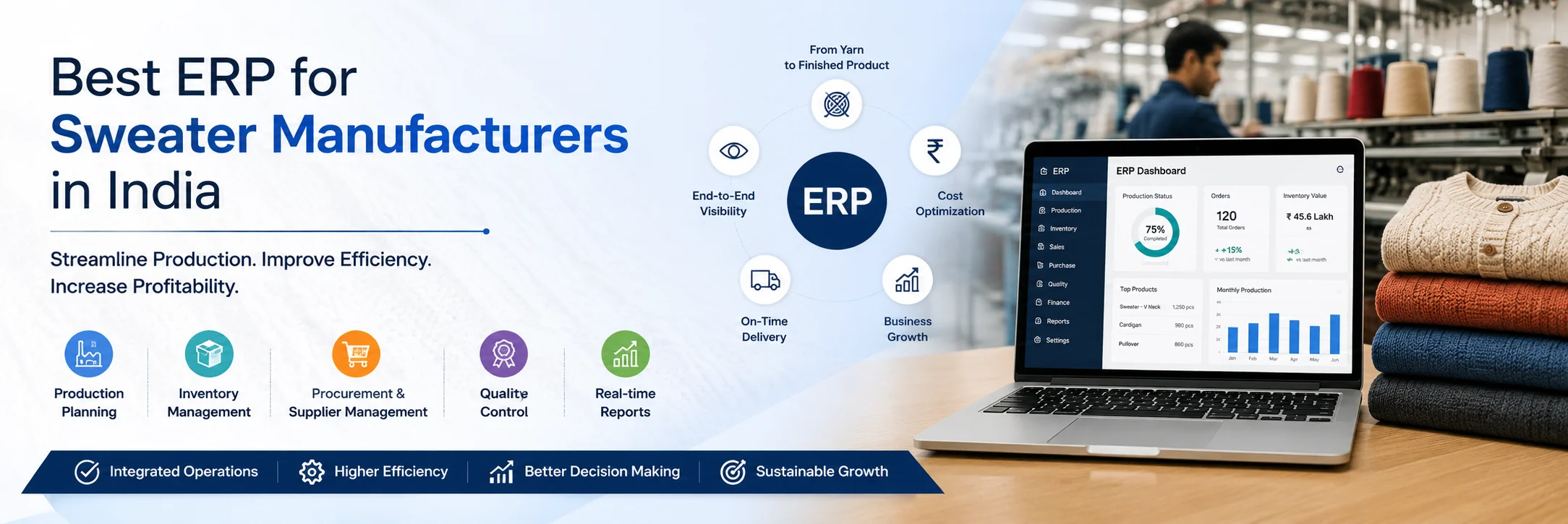
Best ERP for Sweater Manufacturers in India
Read More →
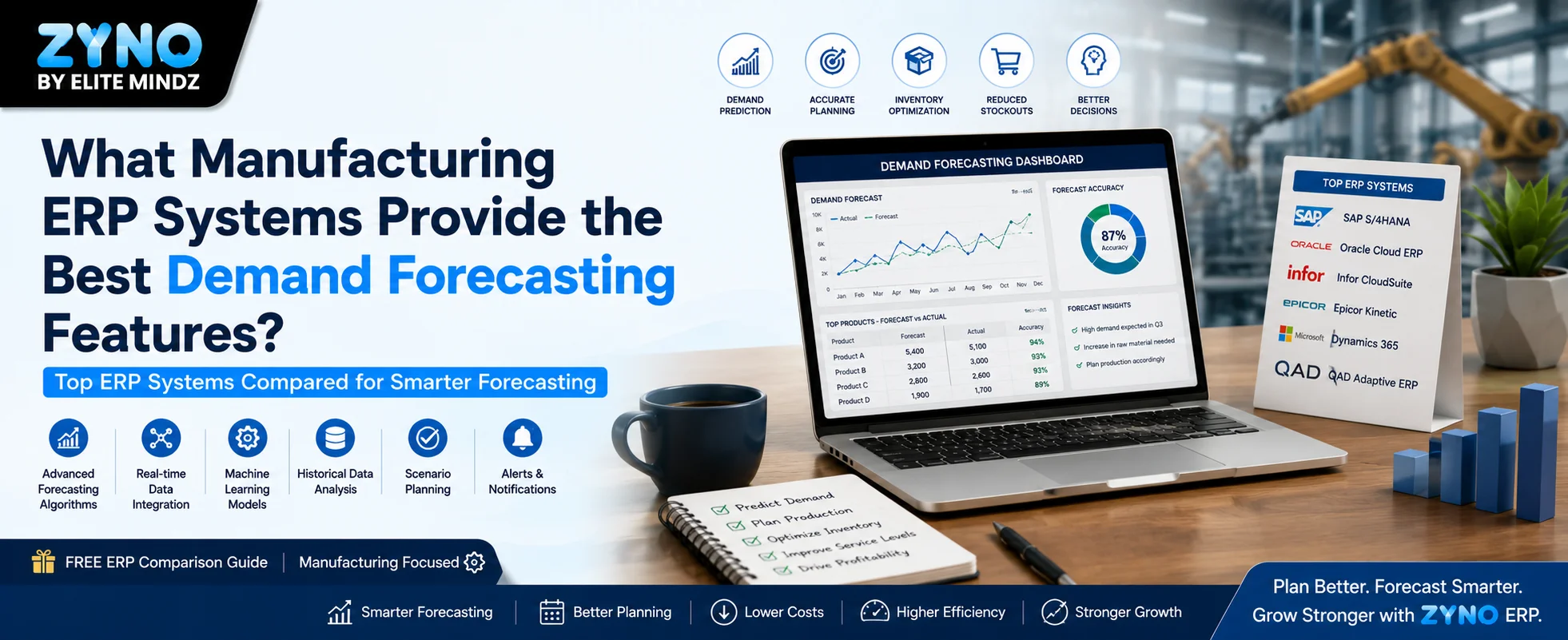
What Manufacturing ERP Systems Provide the Best Demand Forecasting Features?
Read More →
Which ERP Software Provides the Best Demand Forecasting for Manufacturers?
Read More →
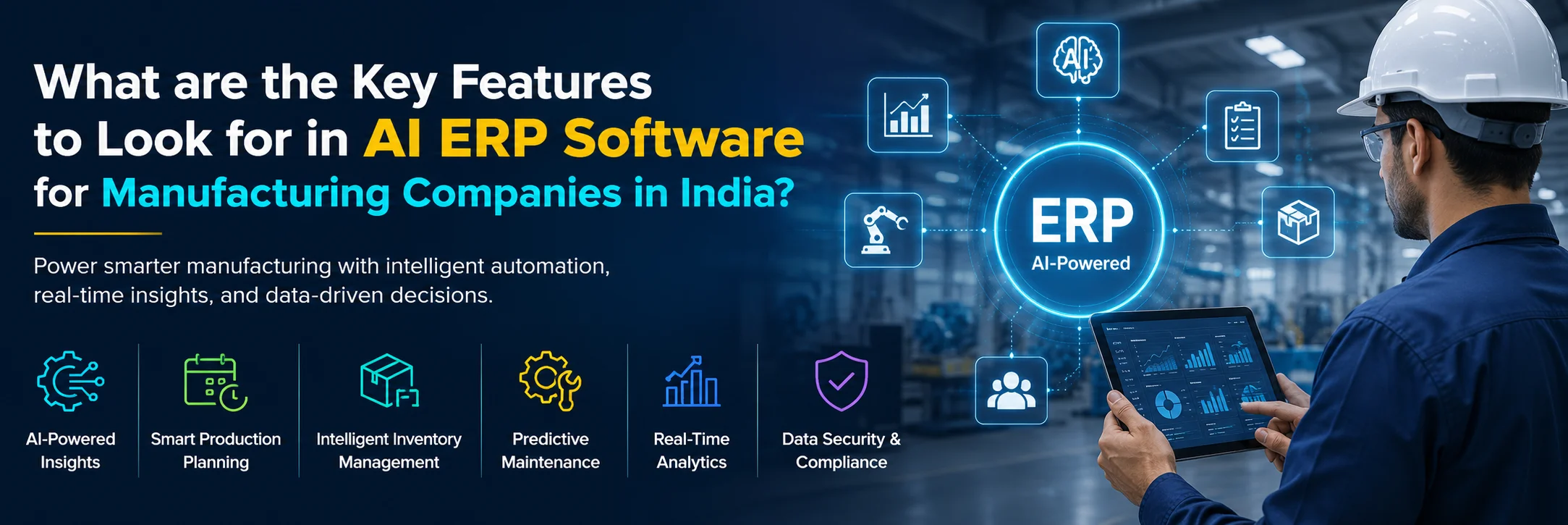
What are the key features to look for in AI ERP software for manufacturing companies in India?
Read More →
How does AI-powered ERP software improve production planning and inventory management in manufacturing?
Read More →
Which AI ERP platforms are best suited for small and mid-sized manufacturing businesses in India?
Read More →
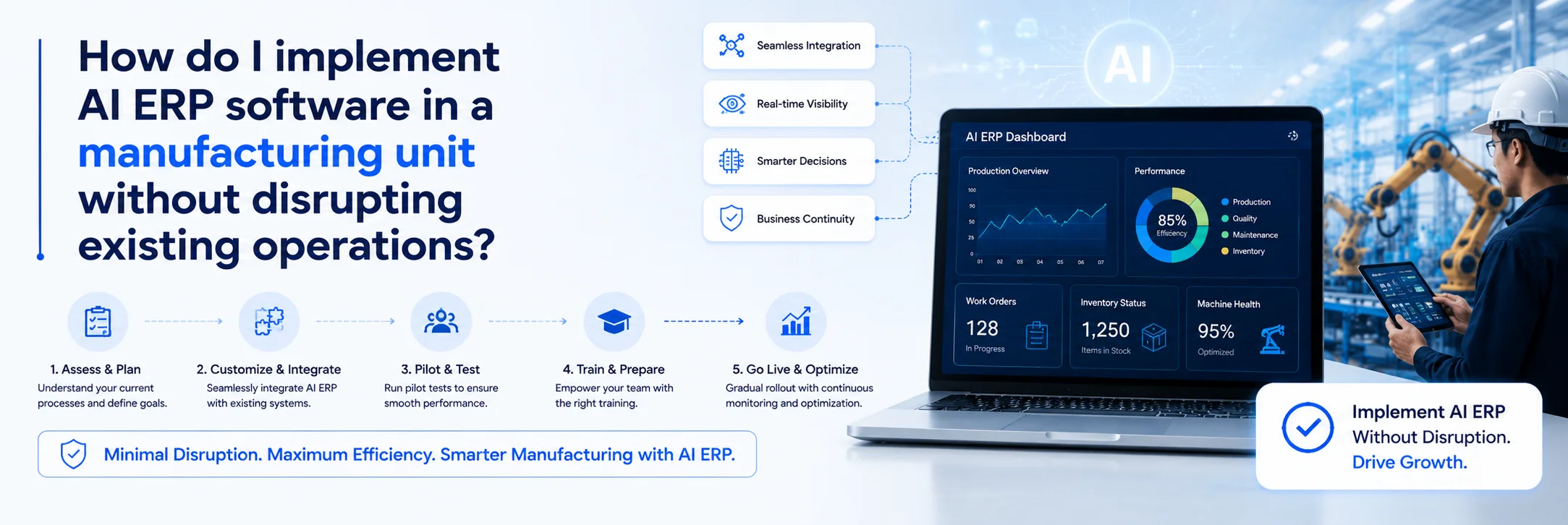
How do I implement AI ERP software in a manufacturing unit without disrupting existing operations?
Read More →
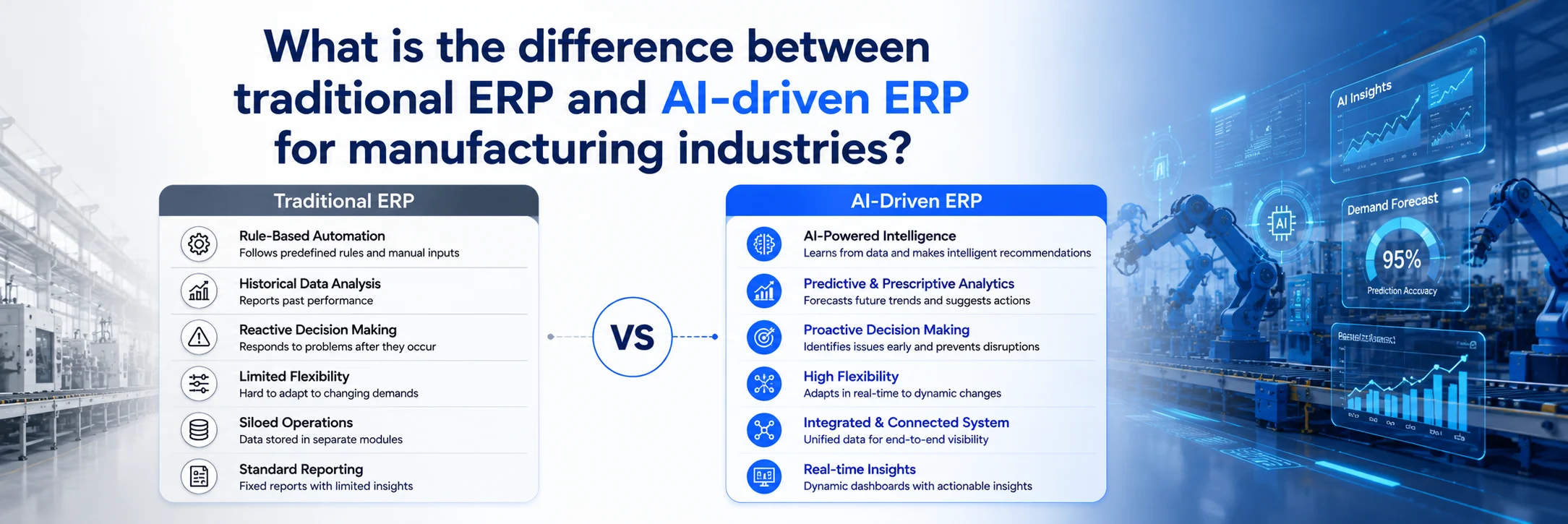
What is the difference between traditional ERP and AI-driven ERP for manufacturing industries?
Read More →
AI-Powered Smart ERP Software: The Complete Guide for Modern Enterprises
Read More →
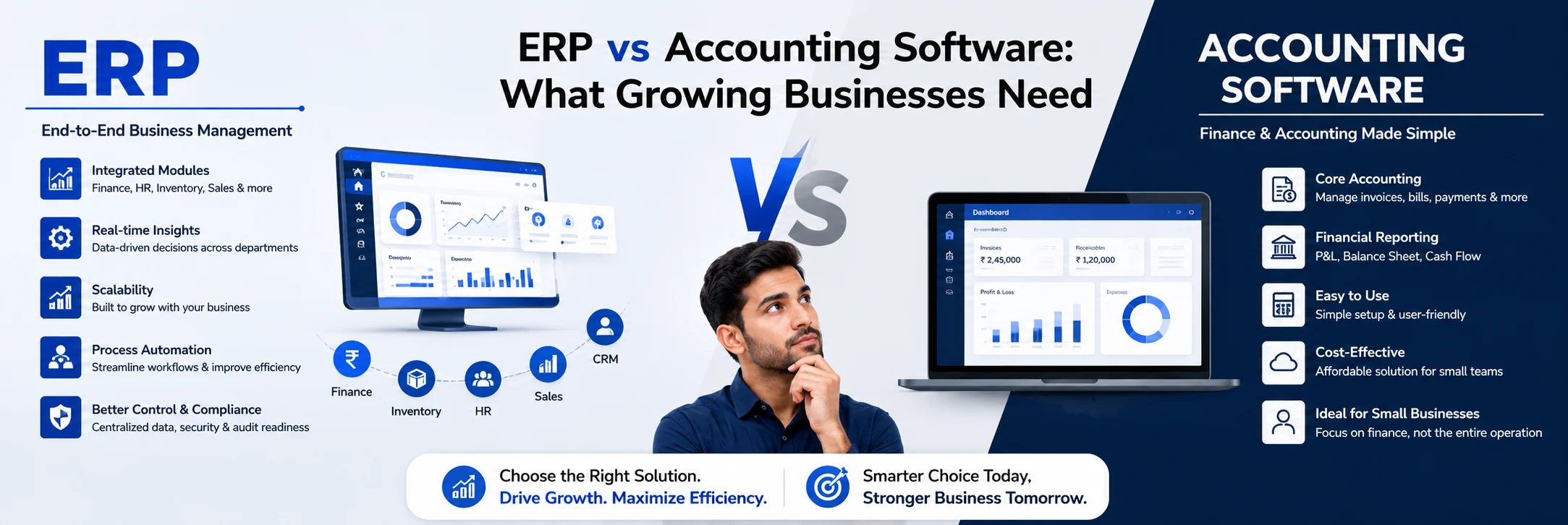
ERP vs Accounting Software: What Growing Businesses Need
Read More →
Signs Your Business Has Outgrown Excel and Needs an ERP
Read More →
How to Index HR Records from an ERP System for a Chatbot?
Read More →
What is the Best Software for Retail Garment Shop?
Read More →
Manufacturing Software for the Textile and Garment Industry?
Read More →
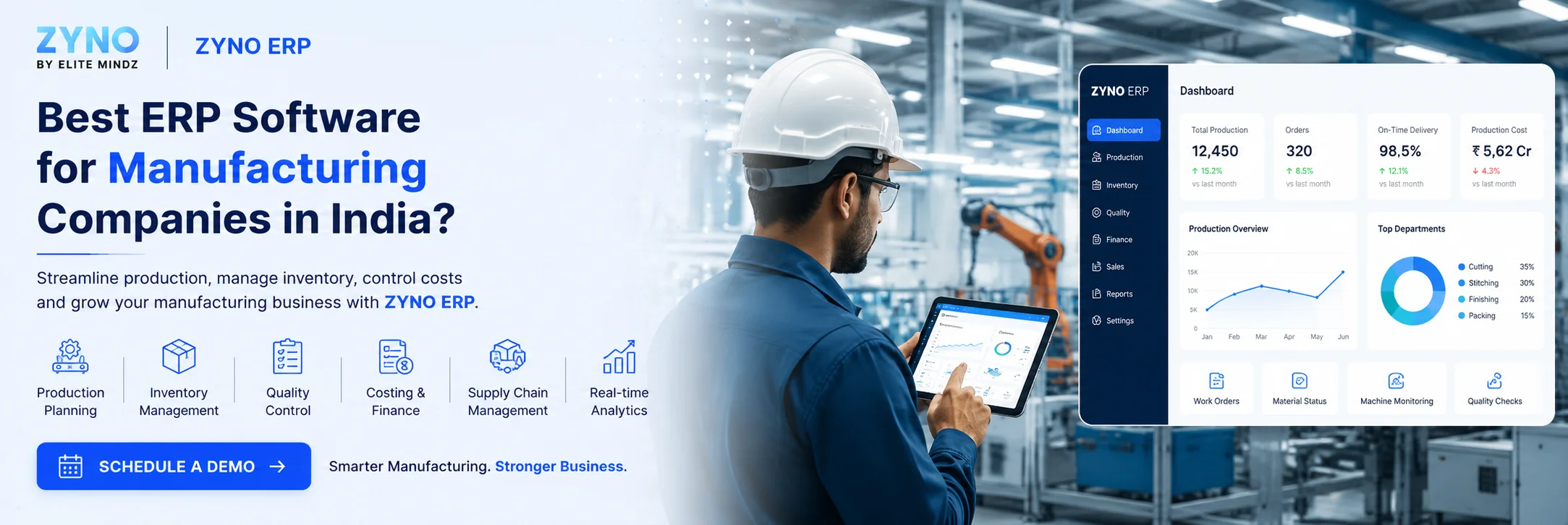
Best ERP Software for Manufacturing Companies in India?
Read More →
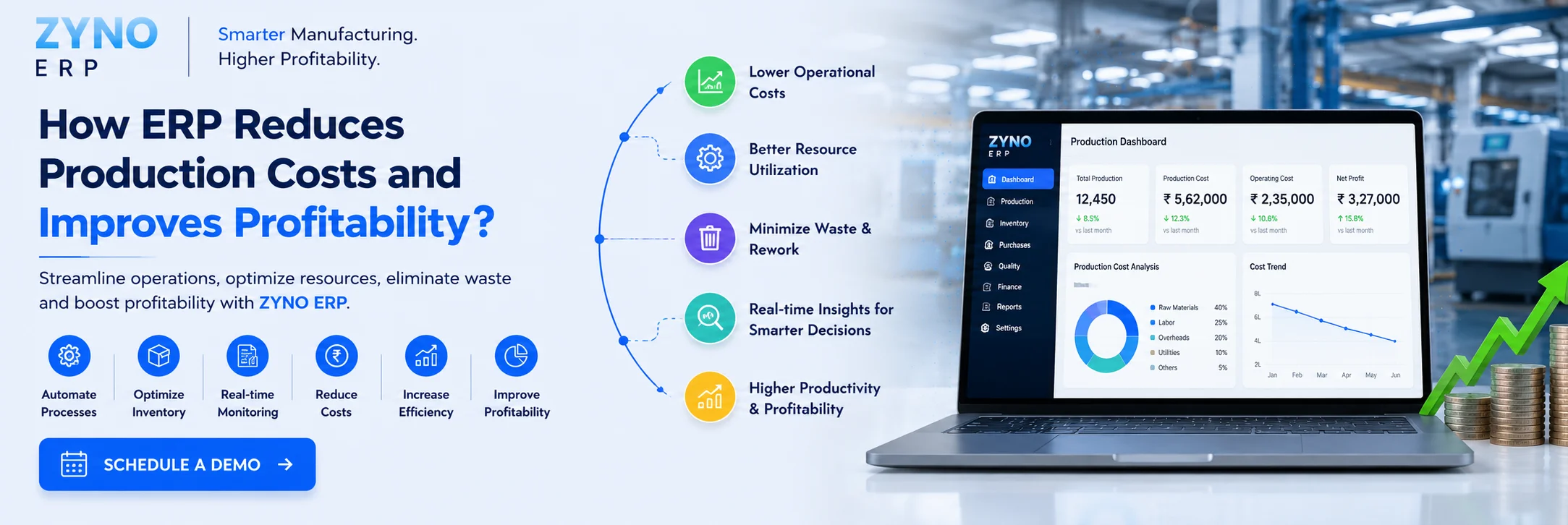
How ERP Reduces Production Costs and Improves Profitability?
Read More →
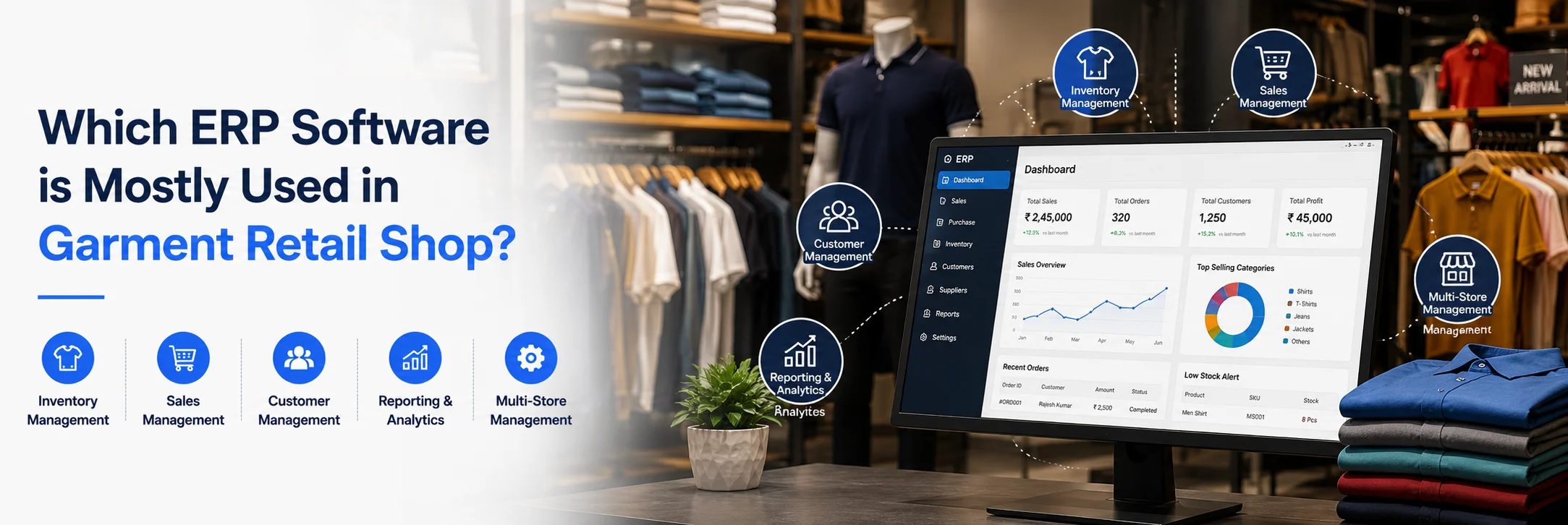
Which ERP Software is Mostly Used in Garment Retail Shop?
Read More →
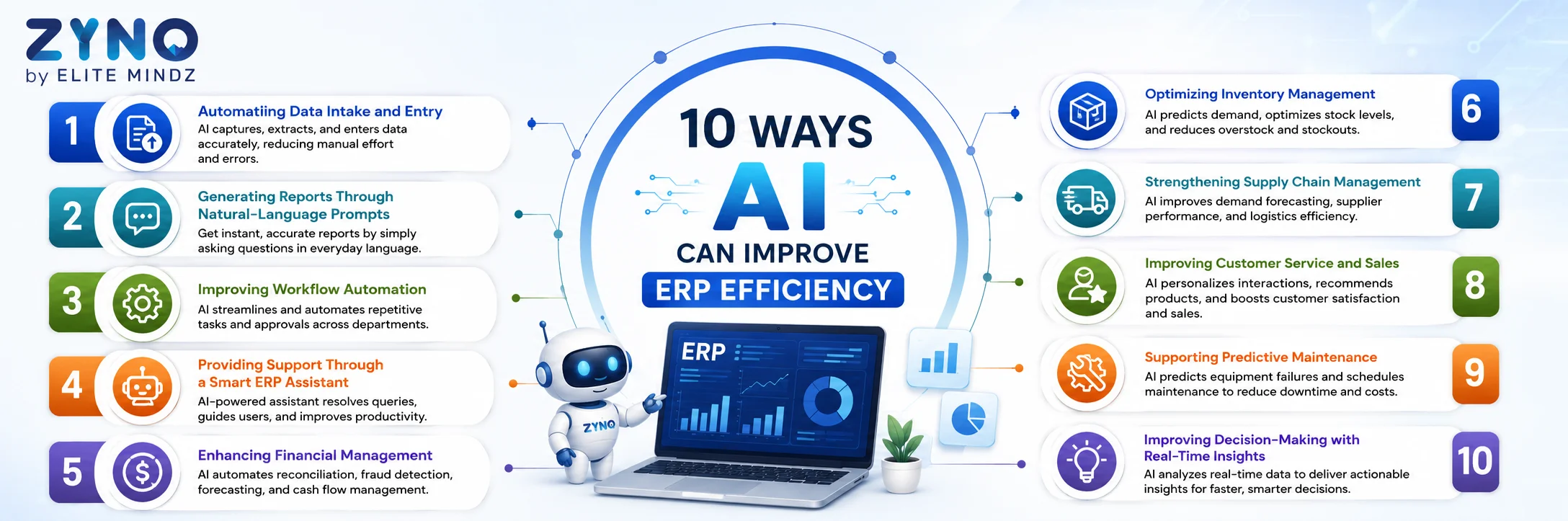
10 Ways AI Can Improve ERP Efficiency
Read More →
Top 8 Odoo Alternatives for Your Business
Read More →
ZYNO vs NetSuite ERP: Which Manufacturing ERP Fits Your Business Needs?
Read More →
Top ERP Software Providers in 2026: Full Comparison
Read More →
ERP Software Reviews: What Buyers Actually Say in 2026
Read More →
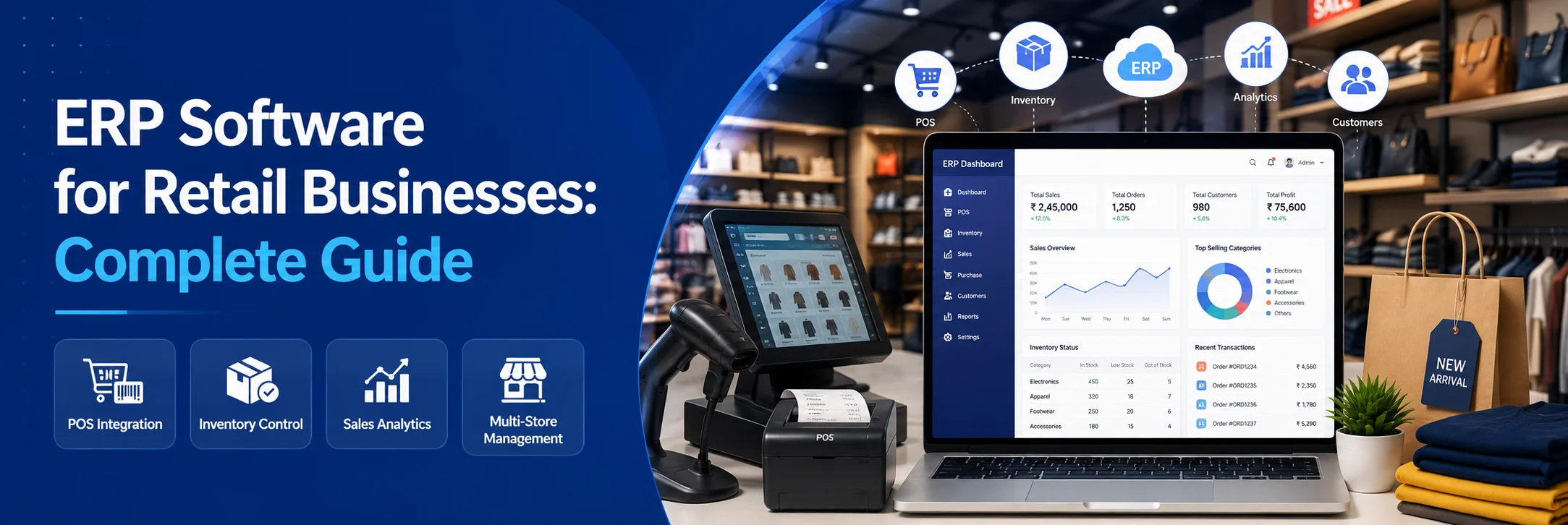
ERP Software for Retail Businesses: Complete Guide
Read More →
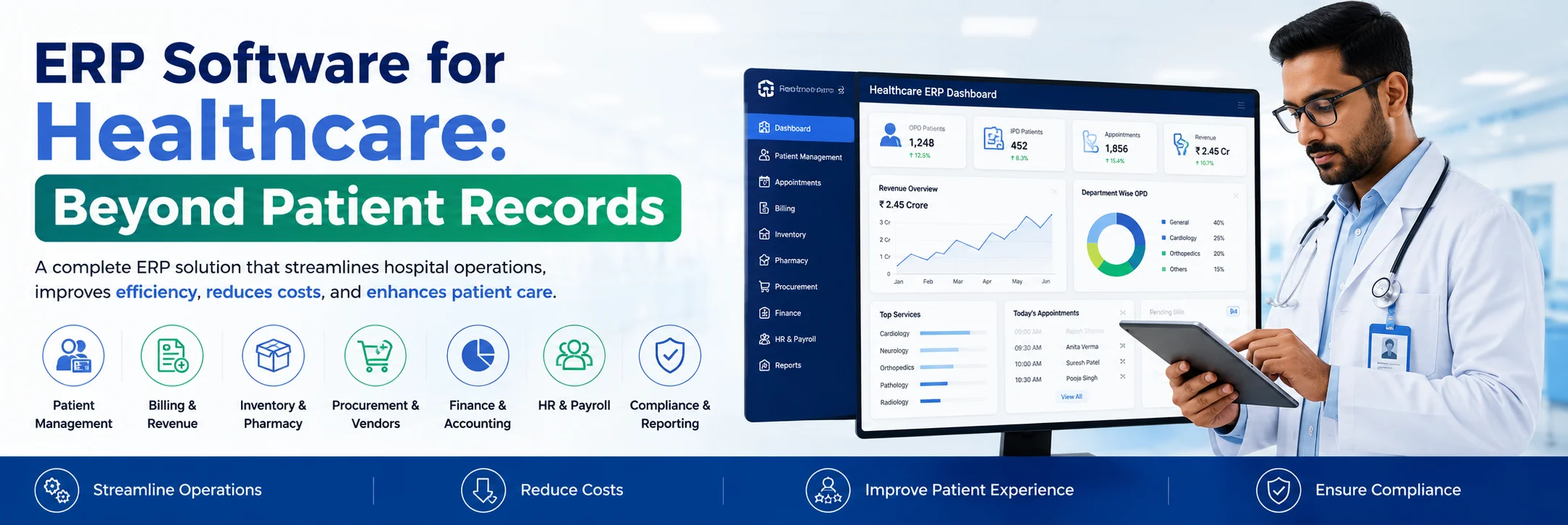
ERP Software for Healthcare: Beyond Patient Records
Read More →
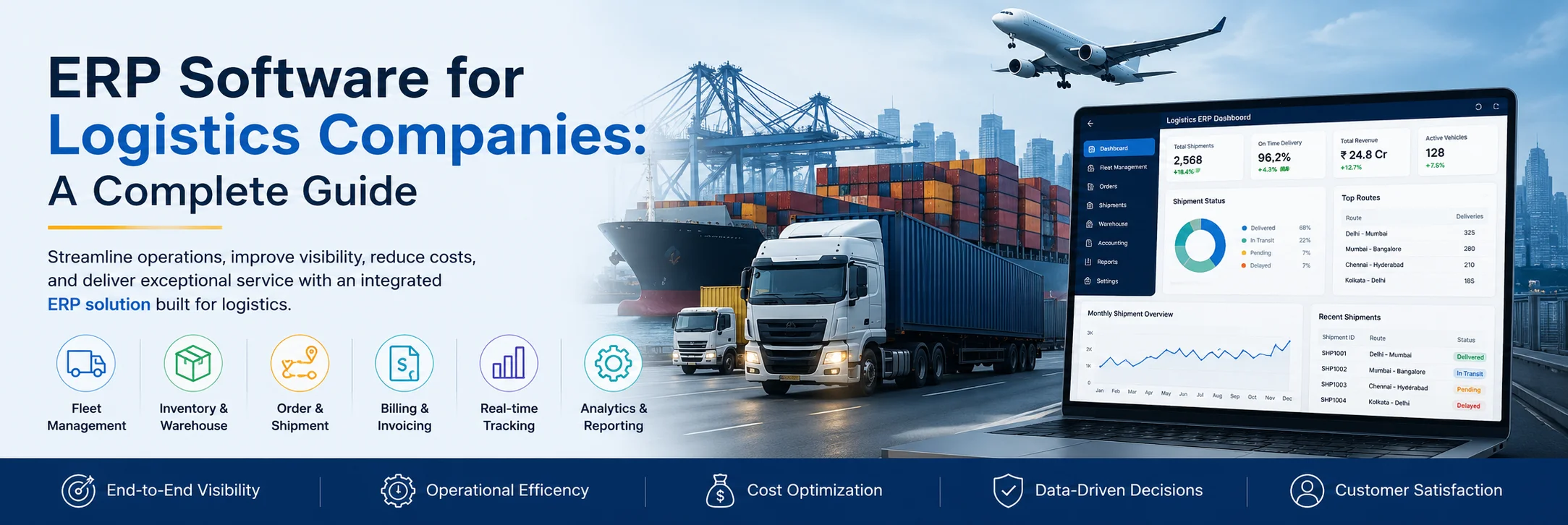
ERP Software for Logistics Companies: A Complete Guide
Read More →
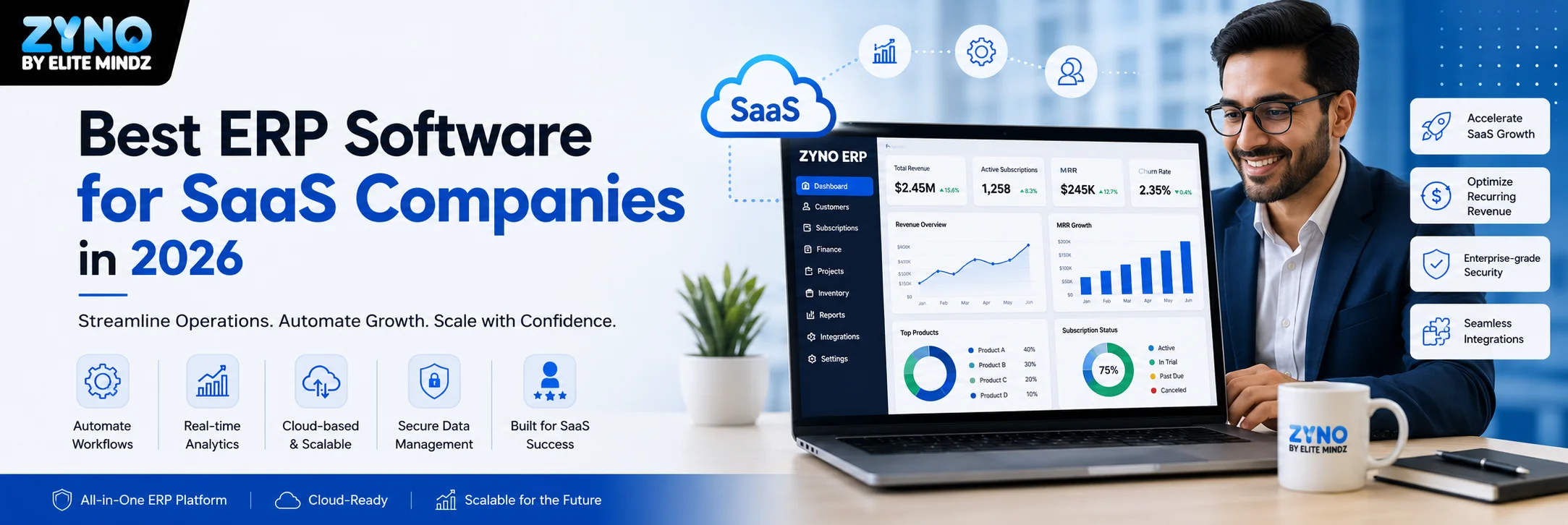
Best ERP Software for SaaS Companies in 2026
Read More →
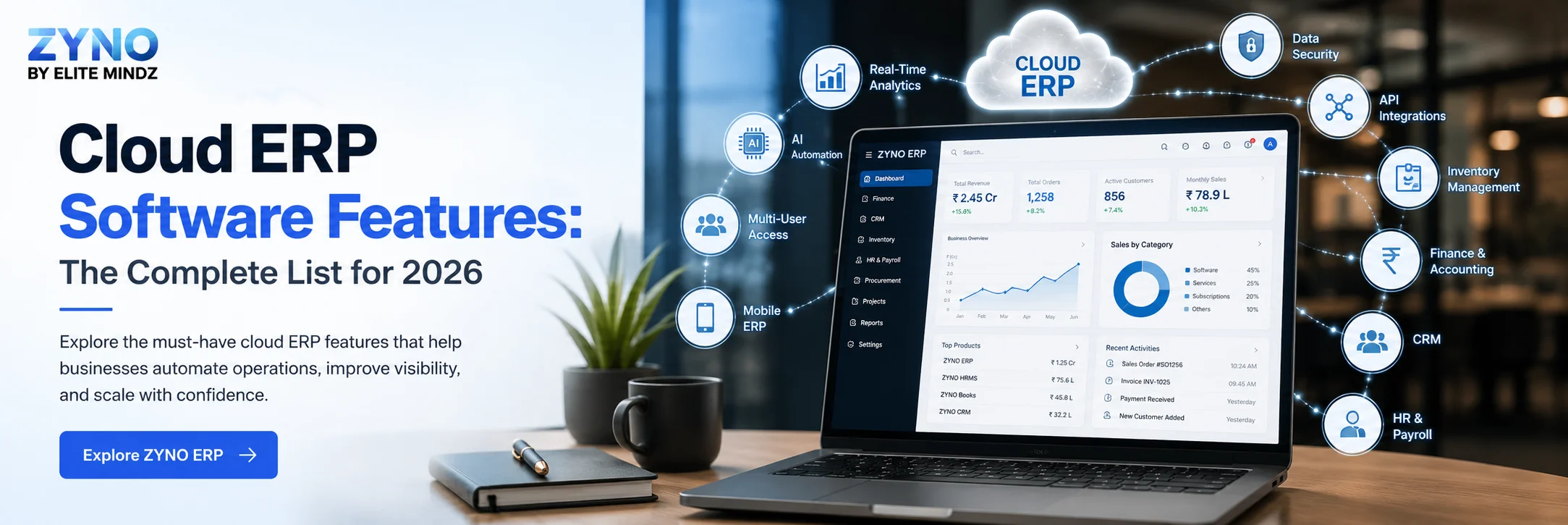
Cloud ERP Software Features: The Complete List for 2026
Read More →
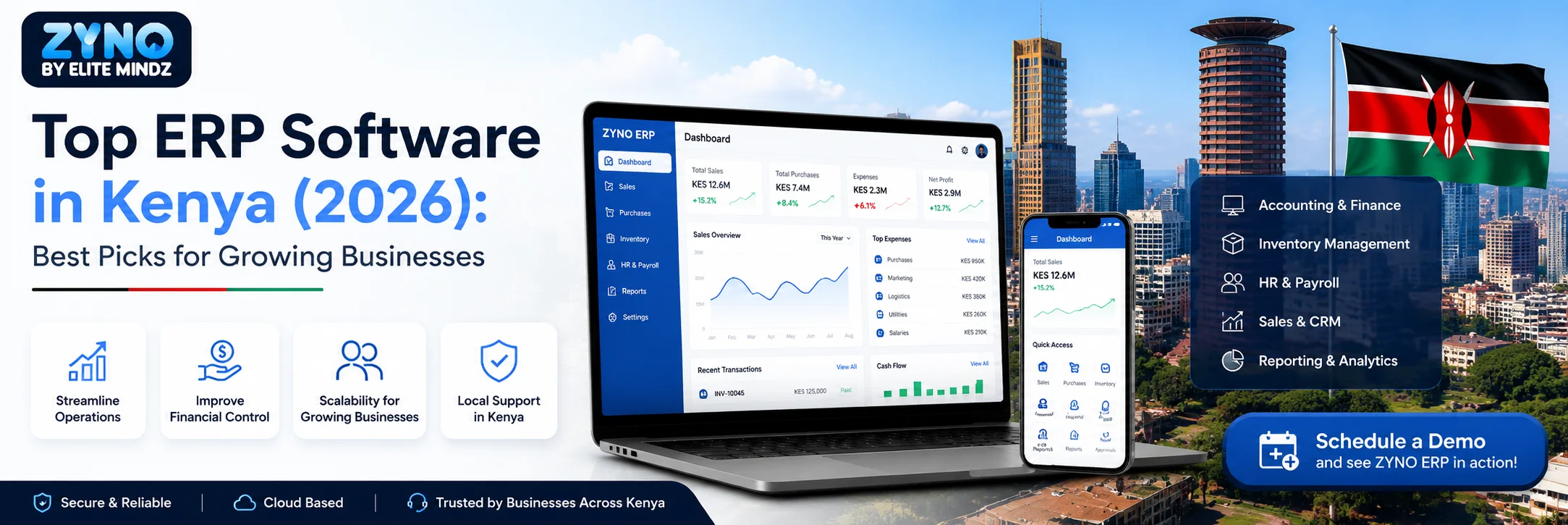
Top ERP Software in Kenya (2026): Best Picks for Growing Businesses
Read More →
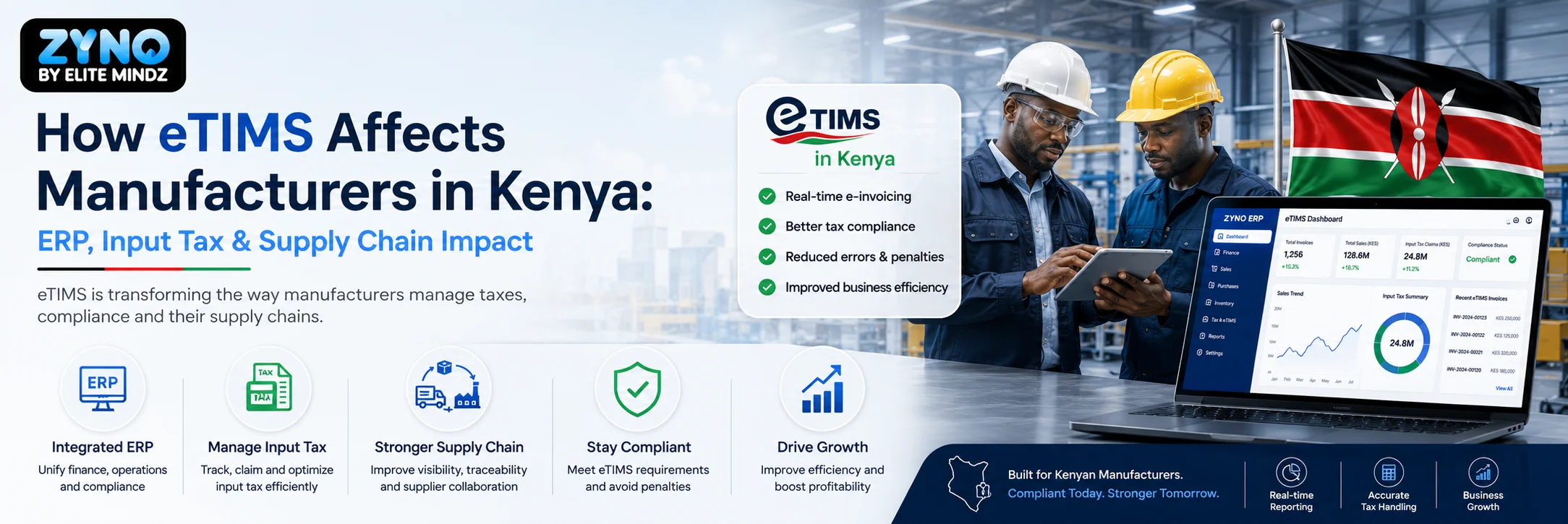
How eTIMS Affects Manufacturers in Kenya: ERP, Input Tax & Supply Chain Impact
Read More →
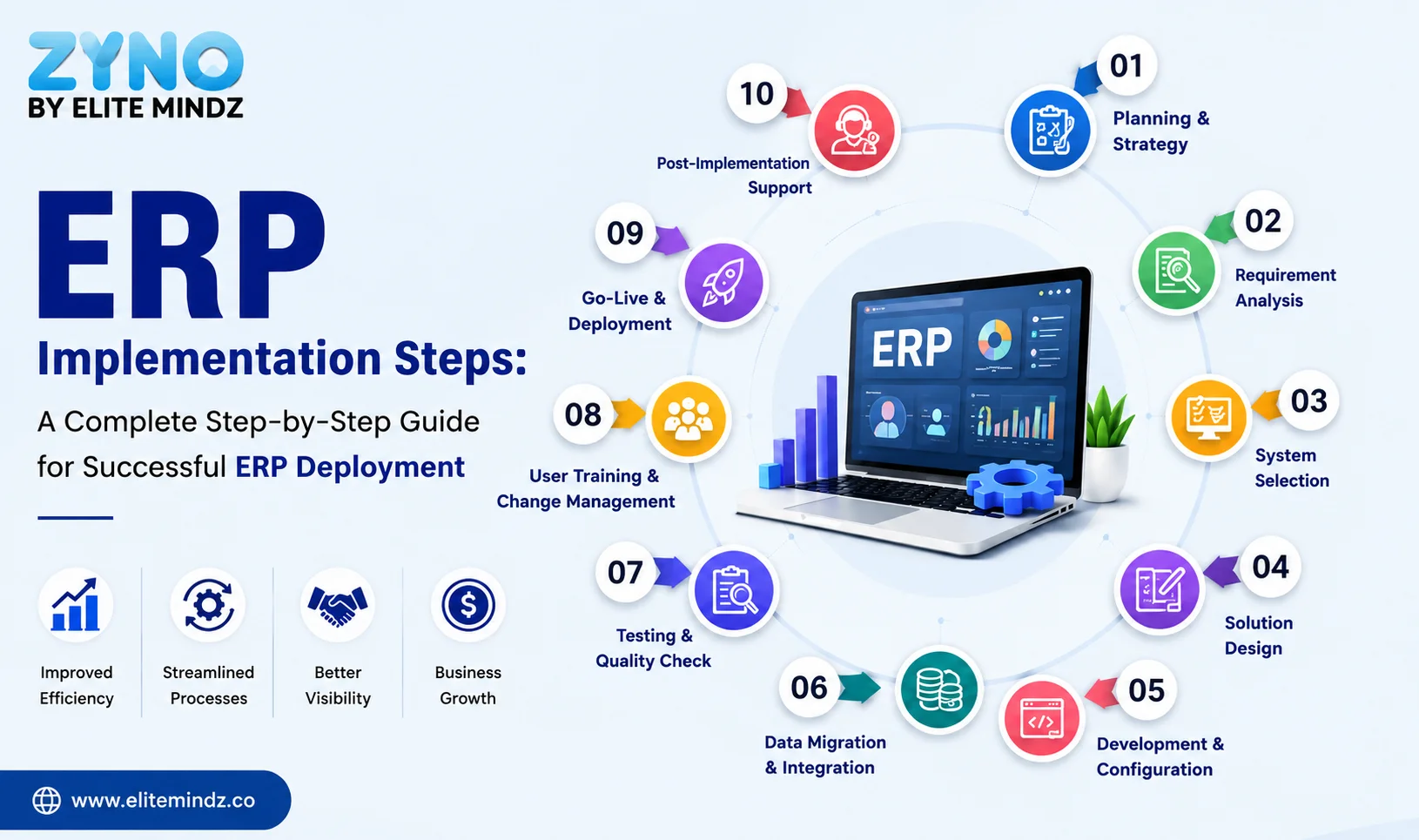
ERP Implementation Steps: A Complete Step-by-Step Guide for Successful ERP Deployment
Read More →
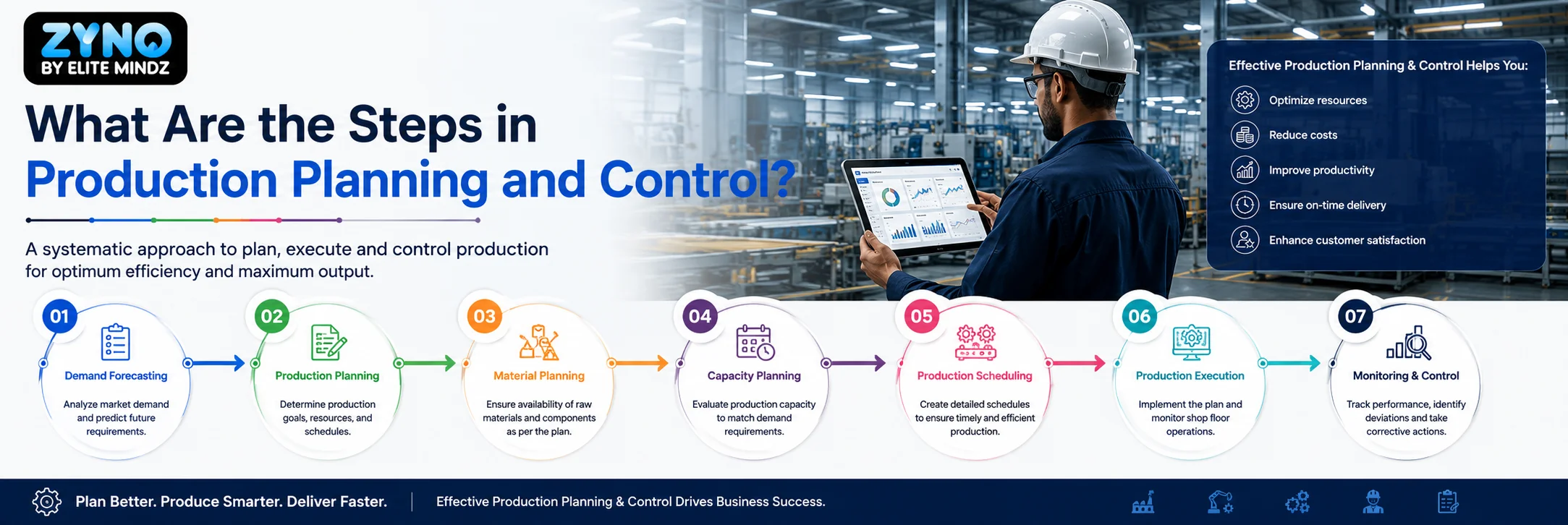
What Are the Steps in Production Planning and Control?
Read More →
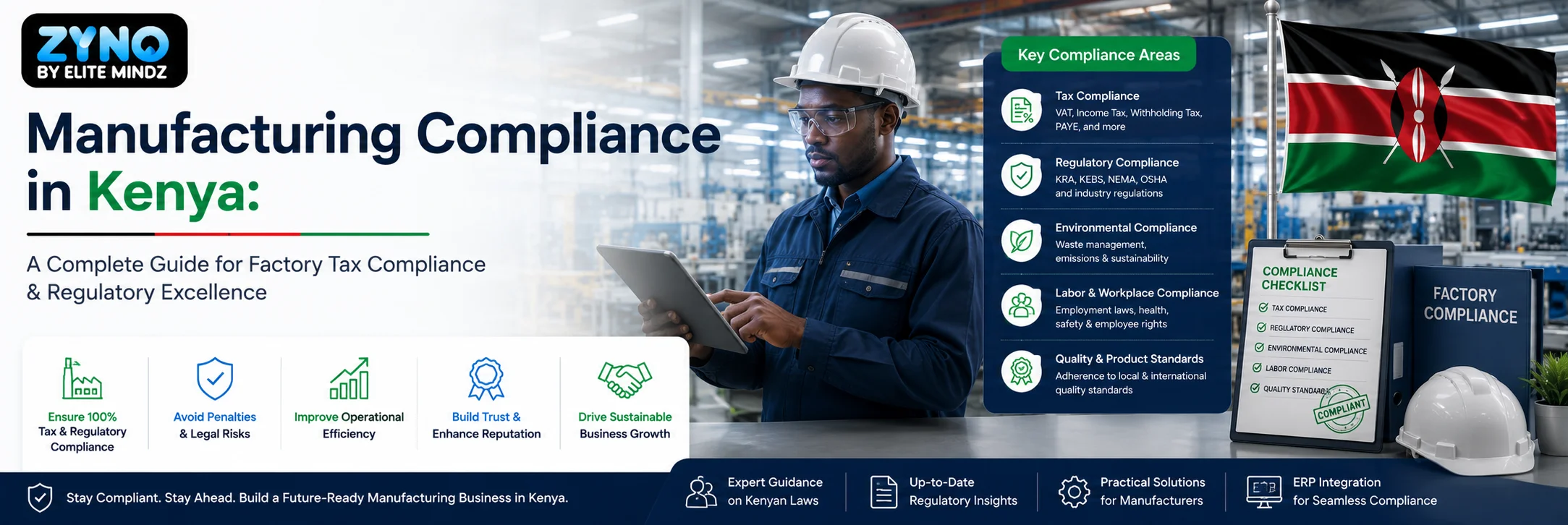
Manufacturing Compliance in Kenya: A Complete Guide for Factory Tax Compliance & Regulatory Excellence
Read More →
ERP Migration Checklist for Manufacturing, Retail, and Service Businesses
Read More →
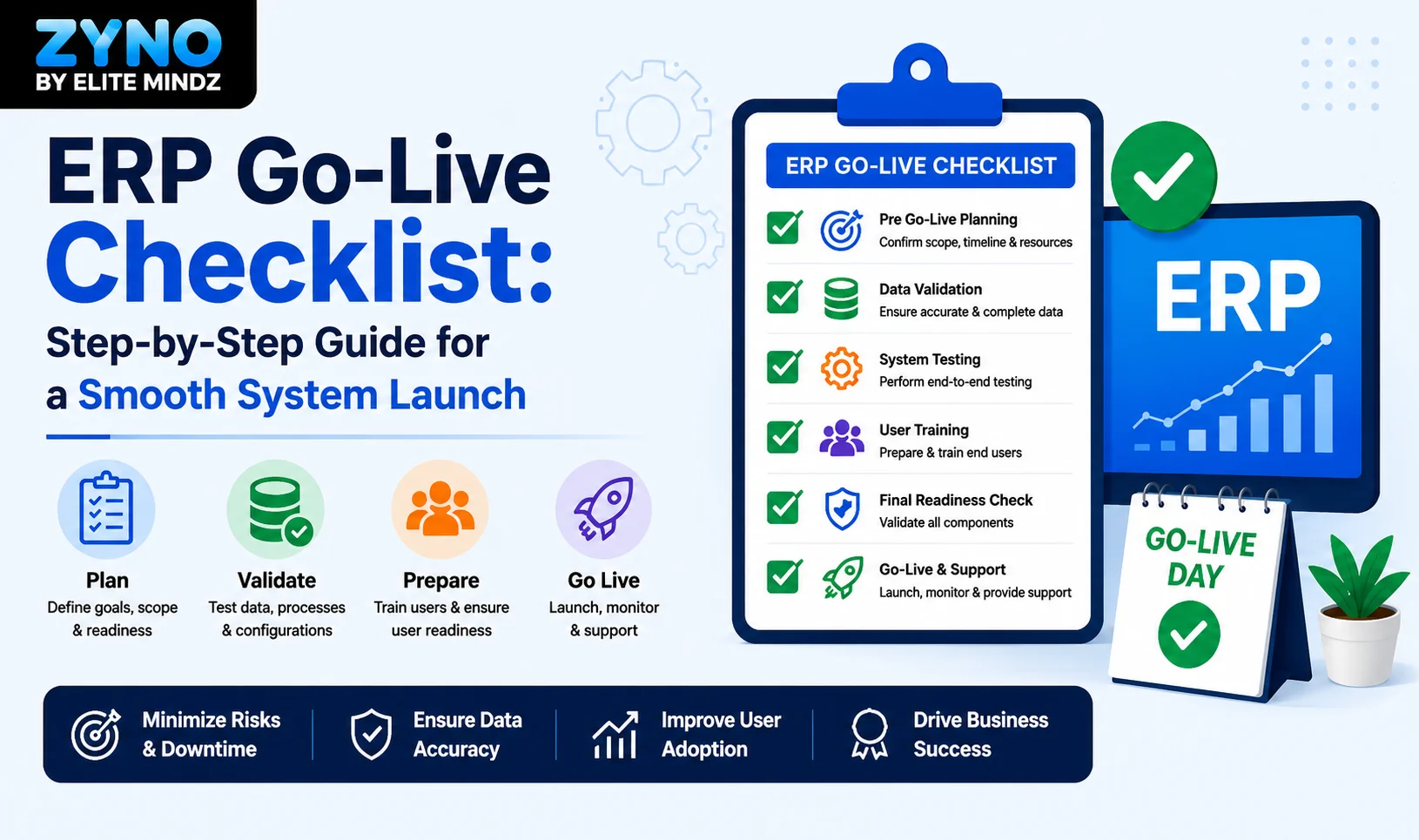
ERP Go-Live Checklist: Step-by-Step Guide for a Smooth System Launch
Read More →Partner with ZYNO by Elite Mindz to revolutionize how your business works. Fill out the form, and we’ll reach out with AI-powered solutions made just for you.
We use browser cookies to ensure you get the best experience on our website. Learn more
The form was submitted successfully!
ZYNO Digital
Fueling Smarter Digital Growth
ZYNO Digital fuels smarter digital growth through data-driven marketing, creative storytelling, and performance strategies that boost visibility, engagement, and measurable business outcomes across global platforms.
ZYNO Tech
Engineering the Future of IT
ZYNO Tech delivers cutting-edge IT solutions — including web, mobile, and digital transformation services — helping businesses scale efficiently, innovate faster, and stay ahead in a connected world.
ZYNO AI
AI Built for Business Growth
ZYNO AI harnesses the power of artificial intelligence to automate processes, enhance decision-making, and deliver predictive insights — driving innovation, agility, and measurable business growth.
ZYNO by Elite Mindz
Your Partner in the AI-Powered Future
ZYNO by Elite Mindz offers AI-powered products and services that unify operations, boost productivity, and drive digital transformation — helping businesses scale smarter and innovate faster.
* In just 2 mins you'll get a response
* Your idea is 100% protected by our Non-Disclosure Agreement