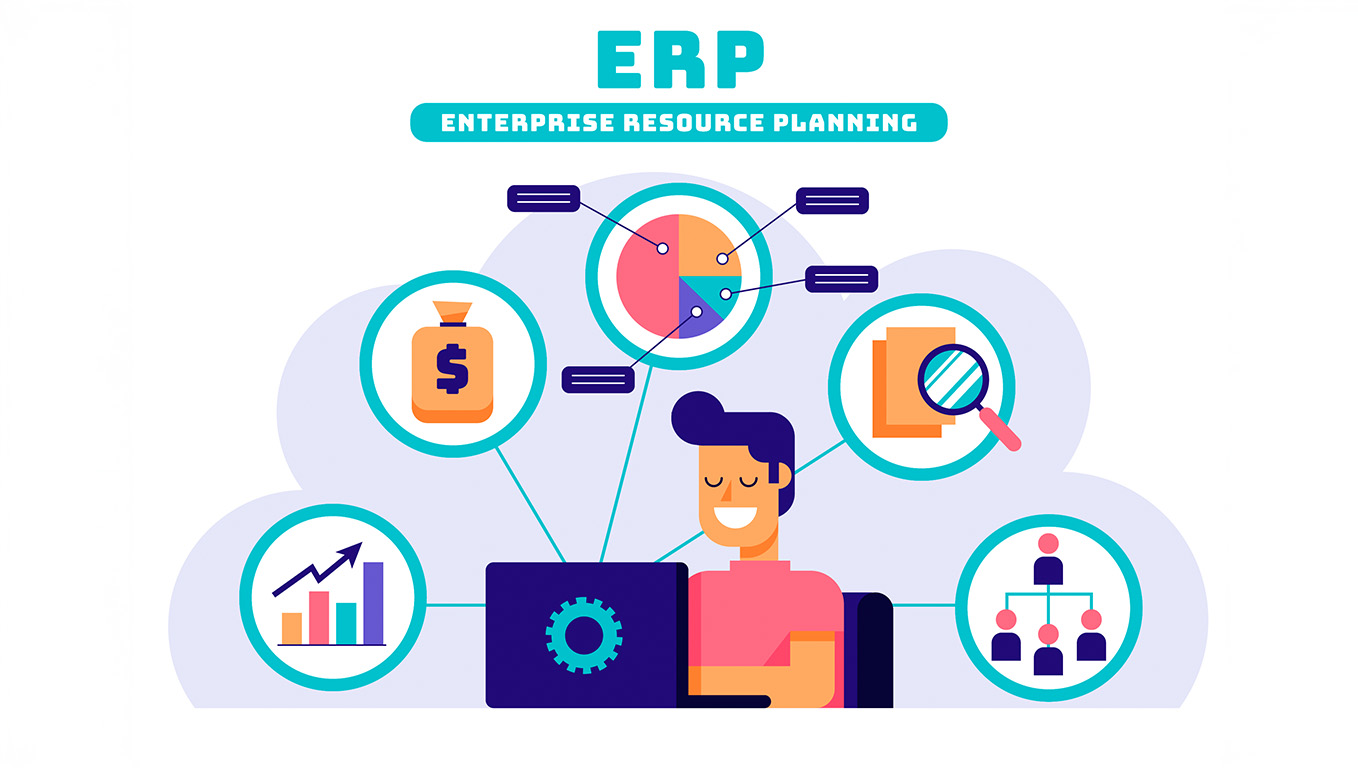
What is ERP? A Beginner's Guide to Enterprise Resource Planning
Read More →

×
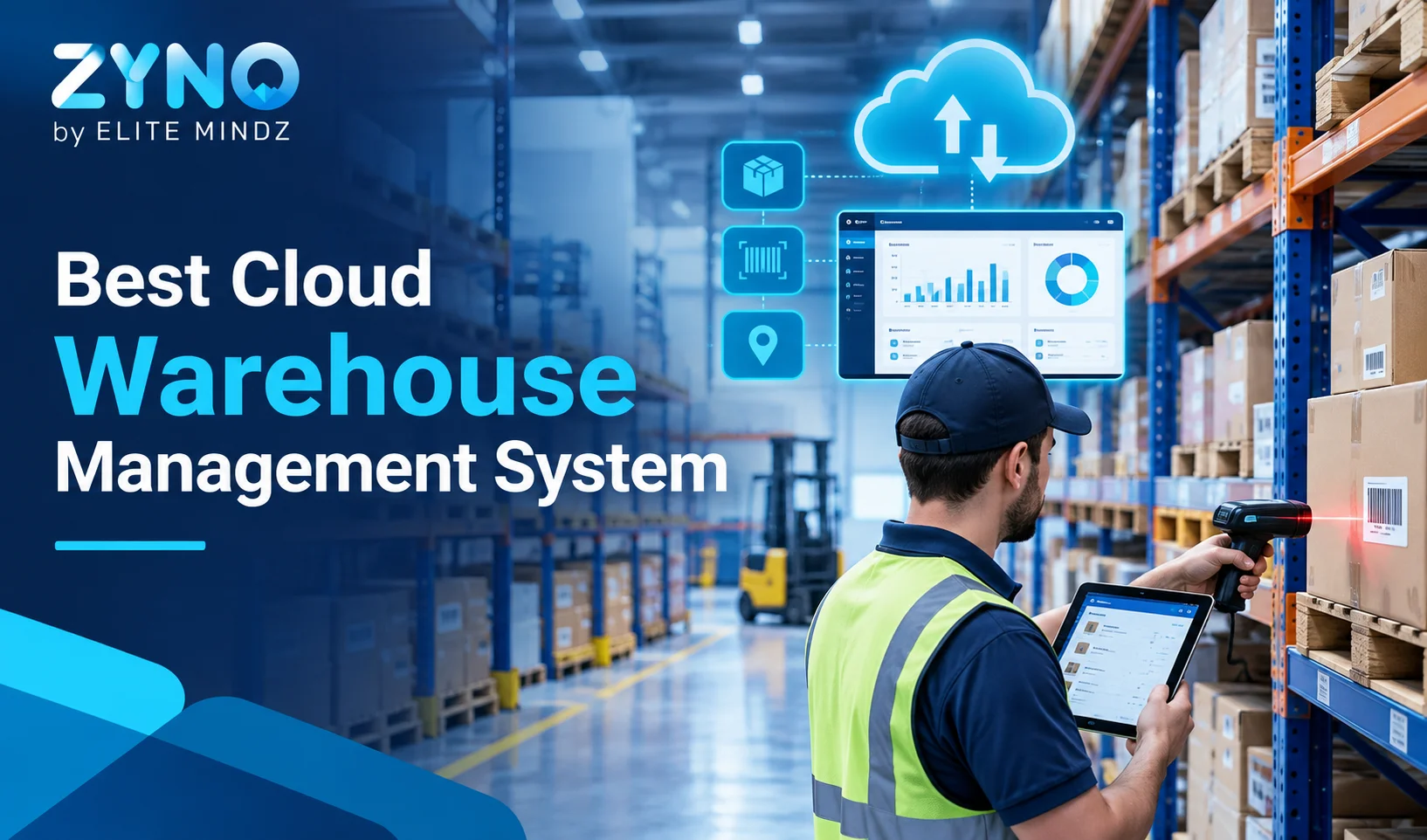
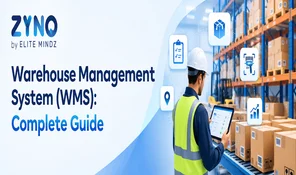
A Warehouse Management System (WMS) is software that manages daily warehouse operations receiving, put-away, inventory tracking, picking, packing, and shipping. It gives real-time visibility into stock location and movement using barcode or RFID tracking, replacing manual spreadsheets. The goal: fewer errors, faster order fulfillment, and accurate inventory control across one or multiple warehouses.
Businesses using ZYNO Books cut accounting time by 70% and stay 100% ZATCA-compliant — automatically.
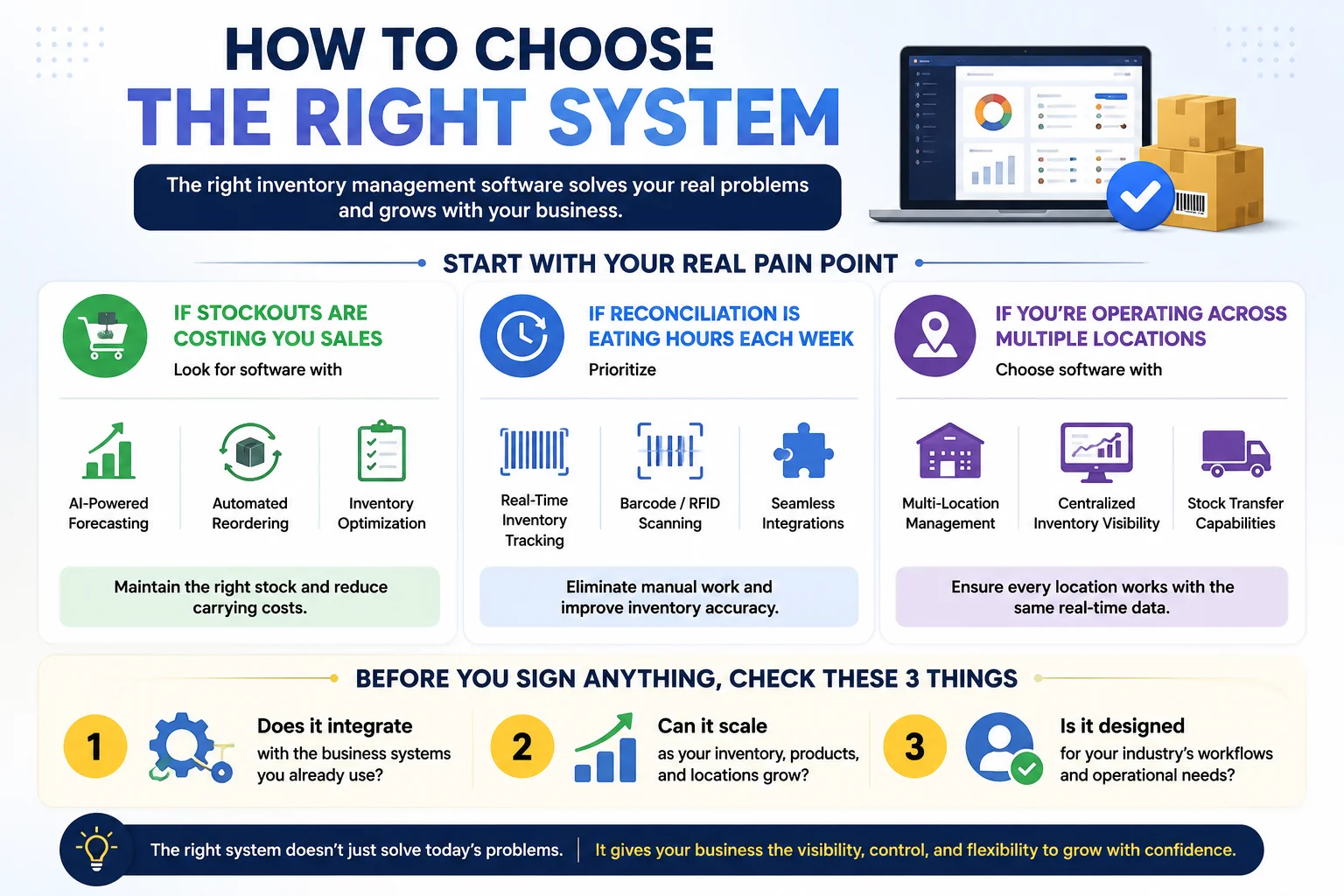
Managing inventory across warehouses becomes increasingly difficult as businesses grow. Spreadsheets, manual stock counts and disconnected systems can quickly lead to stock mismatches, delayed order fulfillment, poor warehouse utilization and limited visibility.
A Warehouse Management System (WMS) solves these challenges by digitally managing the movement, storage and fulfillment of inventory.
From receiving goods and put-away to picking, packing, replenishment and dispatch, a modern WMS gives businesses greater control over warehouse operations.
Today, WMS software is also evolving with cloud computing, barcode and RFID technology, automation, analytics, artificial intelligence and ERP integration.
If your business is ready to replace manual warehouse processes with connected inventory management, explore ZYNO Inventory & Warehouse Management Software.
Ready to take control of your warehouse? Explore ZYNO Warehouse Management Software →
A Warehouse Management System (WMS) is software that helps businesses manage and optimize day-to-day warehouse operations.
A WMS tracks inventory from the moment products or raw materials arrive at a warehouse until they are stored, picked, packed and dispatched. It provides businesses with greater visibility into stock quantities, inventory locations, warehouse activities and fulfillment processes.
The core functions of WMS software generally include receiving and put-away, inventory tracking, picking and packing, shipping, labor management and warehouse analytics.
Instead of depending on paper records or spreadsheets, warehouse teams can use a centralized digital system to coordinate inventory and operational activities in real time.
For manufacturers, WMS becomes even more valuable when it is connected to the wider ERP environment. Businesses can connect warehouse activities with procurement, production planning, inventory and order management.
Learn more about how warehouse operations can fit into a broader ZYNO Manufacturing ERP ecosystem.
Transform Warehouse Operations with ZYNO Warehouse Management System
Streamline receiving, putaway, inventory tracking, picking, packing, and dispatch with ZYNO WMS. Improve inventory accuracy, reduce manual work, optimise warehouse operations, and gain real-time visibility across your entire warehouse.
Request a Free Demo Explore ZYNO WMS Explore More FeaturesWarehouse operations involve hundreds or thousands of inventory movements every day. Even a small manual error can result in incorrect stock levels, delayed orders or unnecessary purchasing.
A WMS helps businesses create standardized and automated processes.
Warehouse teams can see available inventory, stock movements and product locations without waiting for manual stock reports.
Barcode and RFID-based tracking reduces manual data entry and helps businesses maintain more accurate inventory records.
WMS software can optimize picking, packing and dispatch workflows, helping warehouse teams process orders faster.
Businesses can organize storage locations more efficiently and position high-demand products where they can be accessed quickly.
Automation reduces repetitive manual work, unnecessary movement, inventory errors and operational waste.
Businesses operating multiple warehouses can maintain centralized visibility of inventory and coordinate stock across locations.
Warehouse analytics can provide insights into inventory turnover, order fulfillment, stock accuracy, productivity and operational bottlenecks.
A WMS can therefore help reduce waste, improve warehouse processes, minimize human errors and increase operational flexibility.
A modern warehouse management system typically includes the following capabilities.
The system records incoming inventory, verifies quantities and helps warehouse teams assign products to appropriate storage locations.
Real-time inventory tracking provides visibility into stock levels, locations and movements. Barcode scanners and RFID readers can automate inventory identification and movement recording.
WMS software can create picking tasks and guide warehouse workers through efficient picking processes. Depending on the operation, businesses may use batch picking, zone picking or wave picking.
A WMS can coordinate packing, shipping documentation and dispatch workflows while providing visibility into outgoing orders.
The system can identify low-stock situations and help warehouse teams replenish inventory before shortages affect customer orders.
Dashboards can provide information about inventory accuracy, fulfillment performance, stock movement, warehouse productivity and operational bottlenecks.
Businesses with multiple facilities can monitor inventory across locations and coordinate stock transfers, replenishment and fulfillment from a centralized platform.
Businesses generally choose between three major WMS models.
A standalone WMS is dedicated warehouse software that operates separately from an ERP. It can be suitable for businesses that already have other core business systems and primarily need specialized warehouse functionality.
Cloud WMS software is delivered through the internet, usually using a SaaS model. It can reduce infrastructure requirements and make deployment and scaling easier.
An ERP-integrated WMS connects warehouse operations with other business processes such as accounting, procurement, manufacturing and order management.
Cloud-based systems can offer easier scalability and reduce the infrastructure and maintenance burden associated with traditional on-premises deployments.
For manufacturers, integrating warehouse management with production and procurement can provide a more complete operational view. Explore ZYNO Procurement & Supplier Management and Production Planning & Scheduling to understand how these processes can work together.
Artificial intelligence is taking warehouse management beyond simple inventory recording.
Traditional WMS software tells businesses what happened. AI-enabled WMS can increasingly help businesses understand what is likely to happen and what action should be taken next.
AI can analyze historical sales, inventory movements and demand patterns to improve demand forecasting.
AI can identify potential stock shortages and recommend replenishment based on expected demand.
AI can help determine where inventory should be positioned based on demand, warehouse capacity and movement patterns.
AI can analyze warehouse layouts and order patterns to recommend more efficient picking sequences.
AI can help estimate labor requirements according to order volumes, seasonal demand and warehouse workload.
AI can identify unusual inventory movements or discrepancies that may require investigation.
Instead of relying solely on historical reports, businesses can use AI to identify emerging trends and potential operational bottlenecks.
AI, IoT and warehouse automation are increasingly being combined to create more dynamic, data-driven warehouse operations.
Businesses interested in implementing AI across their wider business systems can also explore AI in ERP.
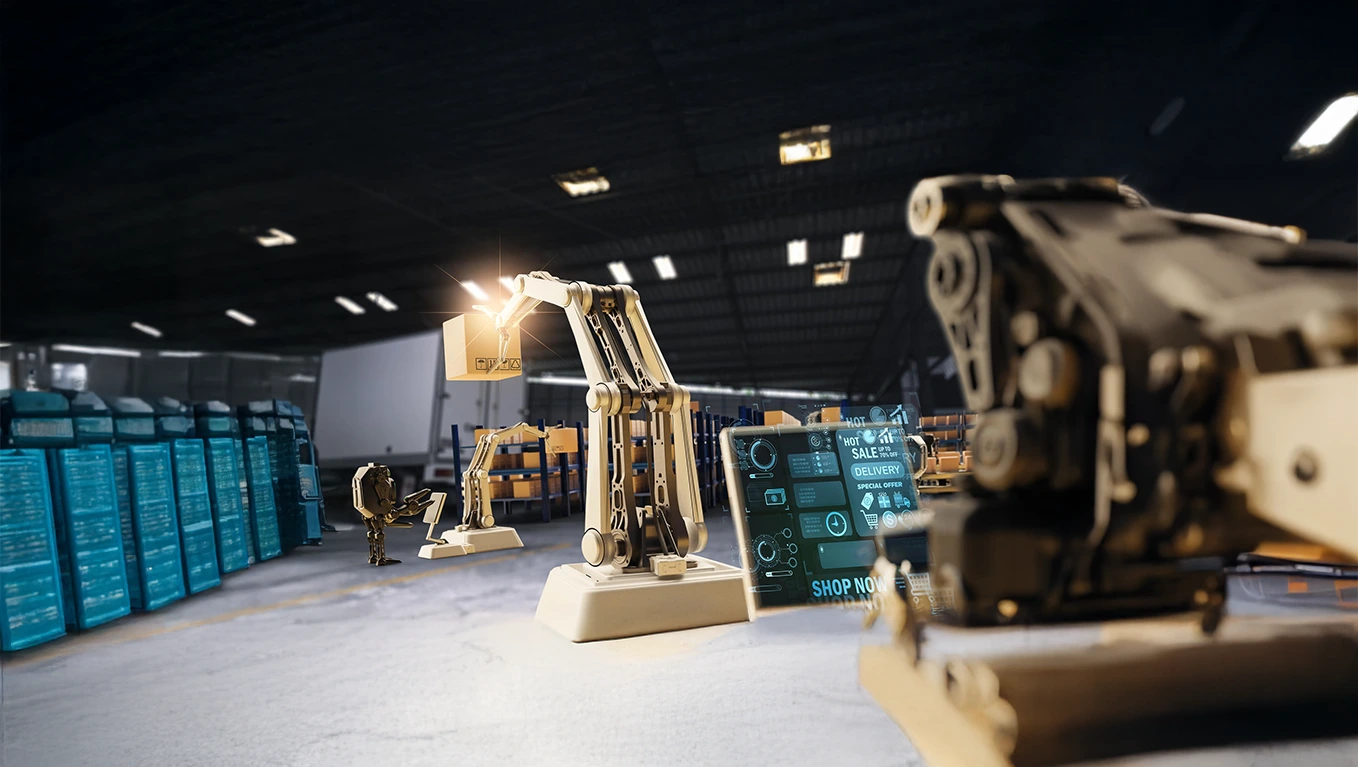
Modern warehouses can combine WMS software with technologies such as:
These technologies can reduce manual work while improving inventory accuracy and warehouse productivity.
Want to automate more than inventory tracking? Talk to the ZYNO team about warehouse automation →

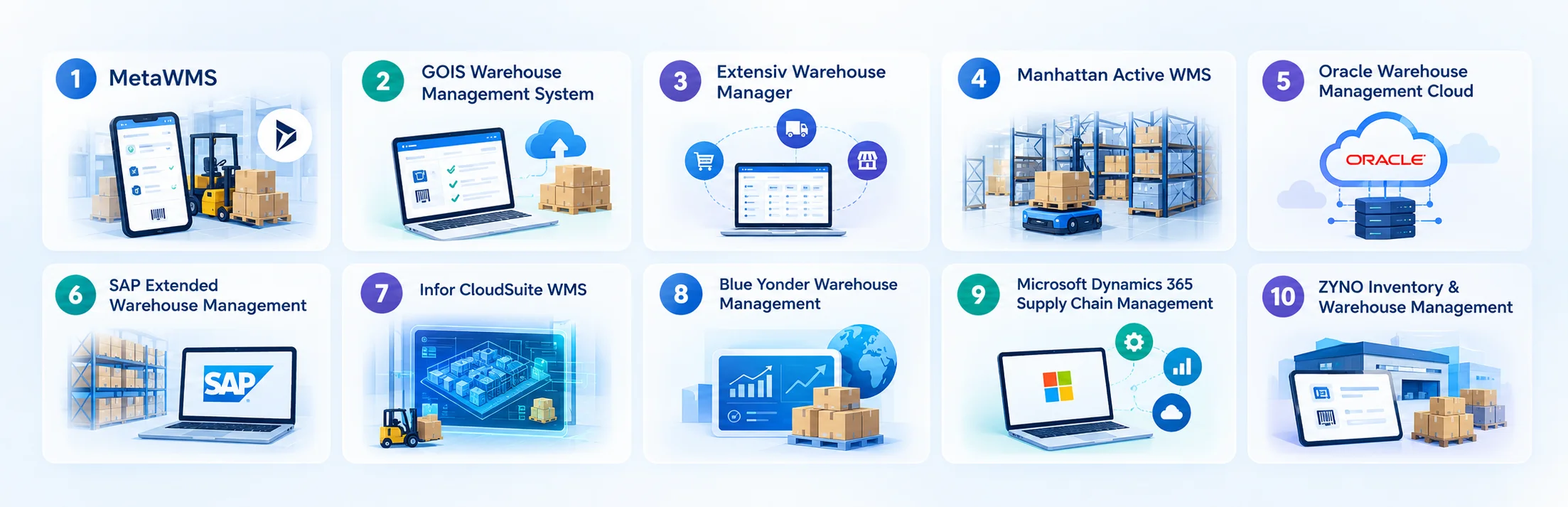
Choosing the best WMS depends on warehouse size, inventory complexity, integration requirements, automation needs and budget. The following ten solutions cover SMB, mid-market and enterprise warehouse environments.
MetaWMS is positioned for small and medium-sized businesses looking to digitize warehouse operations.
Pros: Strong mobile capabilities, customizable workflows, automation-ready features and Dynamics integration.
Cons: Advanced customization may require specialist support, and new users may need time to learn the interface.
Best for: Distributors, manufacturers, retailers, e-commerce companies and Microsoft Dynamics users.
GOIS is a cloud-based inventory and warehouse management platform designed primarily for small and mid-sized businesses.
Pros: Accessible and relatively easy to implement, with mobile support.
Cons: It is more appropriate for SMB and mid-market operations than highly complex enterprise warehouses.
Best for: Retailers, wholesalers and distributors needing straightforward inventory and order management.
Extensiv focuses on cloud-based warehouse management and omnichannel fulfillment.
Pros: Strong integrations, centralized visibility and a user-friendly interface.
Cons: Reporting customization may be limited, while its extensive functionality can be more than smaller teams require.
Best for: Omnichannel brands, 3PL providers and multi-warehouse businesses.
Manhattan Active WMS targets high-volume warehouse and distribution environments.
Pros: Enterprise scalability, advanced automation and robotics-ready architecture.
Cons: Implementation can require substantial investment and employee training.
Best for: Large distribution centers and enterprises requiring sophisticated warehouse automation.
Oracle Warehouse Management Cloud provides comprehensive warehouse capabilities within Oracle's broader cloud ecosystem.
Pros: Strong scalability and automation capabilities.
Cons: Its extensive functionality can make implementation more complex for smaller organizations.
Best for: Large enterprises and multi-country supply networks.
SAP Extended Warehouse Management is designed for complex warehouse and logistics operations.
Pros: Strong enterprise automation and support for complex supply chains.
Cons: Implementation can be expensive and time-consuming, and the solution is particularly suitable for organizations already using SAP.
Best for: Large enterprises with SAP-driven supply-chain processes.
Infor CloudSuite WMS combines warehouse automation with capabilities such as 3D visualization, voice-enabled picking, multi-site inventory visibility, yard management, labor management and workflow automation.
Pros: Strong visualization and automation capabilities.
Cons: The feature set can be complex for new users and may require training.
Best for: High-volume warehouse operations requiring advanced automation.
Blue Yonder focuses on warehouse optimization, demand forecasting, replenishment, labor allocation and multi-site inventory management.
Pros: Strong predictive analytics and supply-chain visibility.
Cons: Its enterprise-oriented functionality may be less suitable for smaller businesses.
Best for: Large retailers, 3PL providers and global distribution operations.
Microsoft Dynamics 365 Supply Chain Management combines warehouse management with broader supply-chain functionality. It supports warehouse processes such as wave and zone picking, replenishment, inventory tracking and Microsoft ecosystem integrations.
Pros: Highly scalable, customizable and strong in automation, AI and analytics.
Cons: Implementation can be complex and requires a higher level of investment.
Best for: Large manufacturers, enterprises and global distributors.
ZYNO Inventory & Warehouse Management is designed to connect warehouse operations with broader inventory and ERP processes. Its capabilities include real-time inventory visibility, multi-warehouse management, barcode/RFID-based tracking, replenishment, forecasting, order fulfillment and integration with business systems.
Pros: Integrated inventory and warehouse management, AI-focused capabilities, multi-warehouse visibility, automation and ERP connectivity.
Cons: Highly specialized enterprise warehouses may require additional integrations or customization depending on their automation environment.
Best for: Manufacturers, distributors, retailers, FMCG businesses and organizations looking for connected inventory and warehouse management.
Explore ZYNO Inventory & Warehouse Management →
The best WMS is not necessarily the platform with the longest feature list. It is the one that fits your operational requirements.
Before purchasing, evaluate:
Optimise Warehouse Operations with ZYNO WMS
Simplify receiving, putaway, inventory tracking, picking, packing, and dispatch with ZYNO Warehouse Management System. Improve inventory accuracy, reduce manual work, optimise warehouse space, and gain real-time visibility across every warehouse operation.
Request a Free Demo Explore ZYNO WMS Explore More FeaturesFor manufacturers and growing businesses, choosing a WMS that operates in isolation can create another data silo.
ZYNO takes a connected approach by bringing inventory, warehouse and ERP processes together.
With ZYNO, businesses can manage inventory visibility and warehouse activities while connecting warehouse operations with broader manufacturing and business workflows.
This becomes particularly useful when warehouse management needs to interact with procurement, production planning, inventory control and order fulfillment.
For example, a manufacturing business can connect incoming raw materials with warehouse inventory, production requirements and finished-goods movement rather than managing each process through separate systems.
Businesses can also explore the wider Manufacturing ERP platform and its Procurement & Supplier Management capabilities.
For businesses operating in sectors such as manufacturing, distribution, retail and FMCG, this connected approach can make warehouse data more useful across the organization.
Stop relying on spreadsheets and disconnected inventory records. Give your team real-time visibility, smarter inventory control and a more connected warehouse operation.
What is ERP? A Beginner's Guide to Enterprise Resource Planning
Read More →
Cloud ERP vs. On-Premise vs. Hybrid: Best ERP Model for 2025
Read More →How To Customize ERP Software Without Breaking The Bank?
Read More →
The Future of Manufacturing ERP in 2026 & Beyond
Read More →Best ERP Software in India: 2026 Edition
Read More →
AI in Manufacturing ERP: The Future of Smart Factories
Read More →
How ERP Transforms Inventory Management and Reduces Costs
Read More →
Inventory Management Software Features: The Complete 2026 Buying Guide
Read More →
Top 5 Ways Asset Management Software Can Save Your Business Money
Read More →
Why Smart Businesses Are Switching to Vendor Management Systems in 2025?
Read More →
Why Manufacturing Companies Need ERP Software
Read More →
Cloud ERP vs. Traditional ERP: Which is Right for You?
Read More →
ERP for Small Business: Is It Worth the Investment?
Read More →
How to Calculate ERP ROI and Why It's Worth the Investment
Read More →
Top 10 ERP Software Companies in India 2026 Updated List (Complete Guide)
Read More →
ERP Implementation Mistakes to Avoid in 2025
Read More →
Cloud ERP vs Edge Computing: What's Right for Modern Manufacturing?
Read More →
The Future of ERP Software and the Role of Generative AI
Read More →
Digital Twin Technology & ERP: Real-Time Insights for Smarter Manufacturing
Read More →
Scalable ERP Solutions Designed for Modern Enterprises
Read More →
ERP and IoT Integration: Smart Factory Vision
Read More →Best ERP Software for Manufacturing Businesses in India
Read More →Top 10 Best Manufacturing ERP Software in India (2026)
Read More →
Best ERP Software for Manufacturing Industries in Ethiopia (2026)
Read More →
Best School ERP Software Providers in UAE (2025 Edition)
Read More →
Best School ERP Software for 2025: Guide for Educational Institutions
Read More →
Top 10 ERP Software Solutions for Nigerian Manufacturers (2025 Edition)
Read More →
Best ERP Systems for Scalable Retail and POS Integration
Read More →
Top 10 Cloud-Based Manufacturing ERP Solutions in Africa (2025 Edition)
Read More →
Top 10 Cloud-Based Manufacturing ERP in UAE
Read More →
Top 10 Cloud-Based Manufacturing ERP Software in Nigeria (2026 Edition)
Read More →
Top 10 School ERP Software Companies in Kenya (2025)
Read More →
Best School ERP Software Providers in Nigeria (2025)
Read More →
Top Cloud-Based Manufacturing ERP in Zimbabwe (2025)
Read More →
Best ERP Software in U.K
Read More →
Top 10 ERP Software Developers in the U.K. (2025)
Read More →
Best ERP Software Providers in France (2025)
Read More →
Best ERP Software Companies in Germany : A Comprehensive Guide
Read More →
Top 10 ERP Software Development Companies in Qatar
Read More →
Best ERP Providers in Germany: 10 ERP Software Options Compared
Read More →
Best ERP Software Firms in Saudi Arabia (2025)
Read More →
Best ERP Service Providers in Indonesia for SMEs and Large Enterprises
Read More →
Top 10 Cloud-Based Manufacturing ERP Systems in Egypt for Modern Factories
Read More →
Top ERP Solutions in the USA 2025: Streamline Your Business with ZYNO ERP
Read More →
Top ERP Solutions in Qatar for Businesses of All Sizes
Read More →Top Manufacturing ERP Software in India 2026 ZYNO Manufacturing ERP
Read More →How Manufacturing Companies Reduce Production Delays Using ERP Automation
Read More →Why Legal Firms Need ERP to Manage Cases, Billing & Compliance
Read More →What Is ERP And How Does It Work
Read More →
How ERP Systems Are Evolving in 2026: What Businesses Need to Know
Read More →
Best ERP Software in India: 2025 Edition
Read More →
Top 10 ERP Software Companies in Delhi NCR
Read More →
How Manufacturing ERP Software Improves Demand Forecasting
Read More →
Top 10 Best School Management Software in India
Read More →Manufacturing & Wholesale ERP in Qatar: Complete Industry Guide 2026
Read More →Cloud ERP Software in Qatar: Why Businesses Are Moving in 2026
Read More →Is ERP a Procurement Software? Key Differences, Benefits & What to Choose
Read More →What Is Production Planning and Control? Definition, Objectives & Functions
Read More →
Garment Inventory Software: Features, Providers & Buying Guide (2026)
Read More →
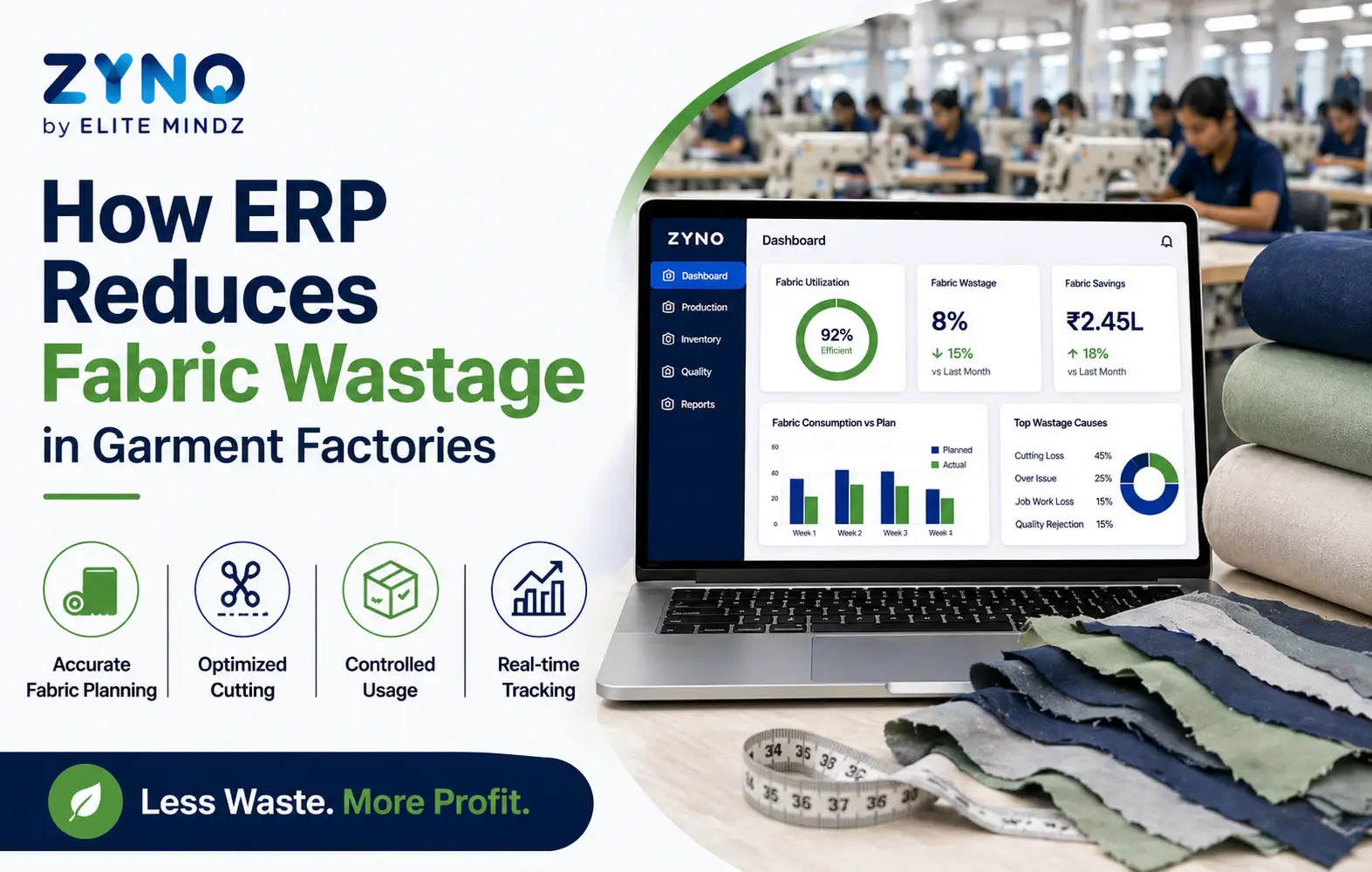
How ERP Reduces Fabric Wastage in Garment Factories
Read More →
Why the Garment Industry Needs a Specialized ERP
Read More →
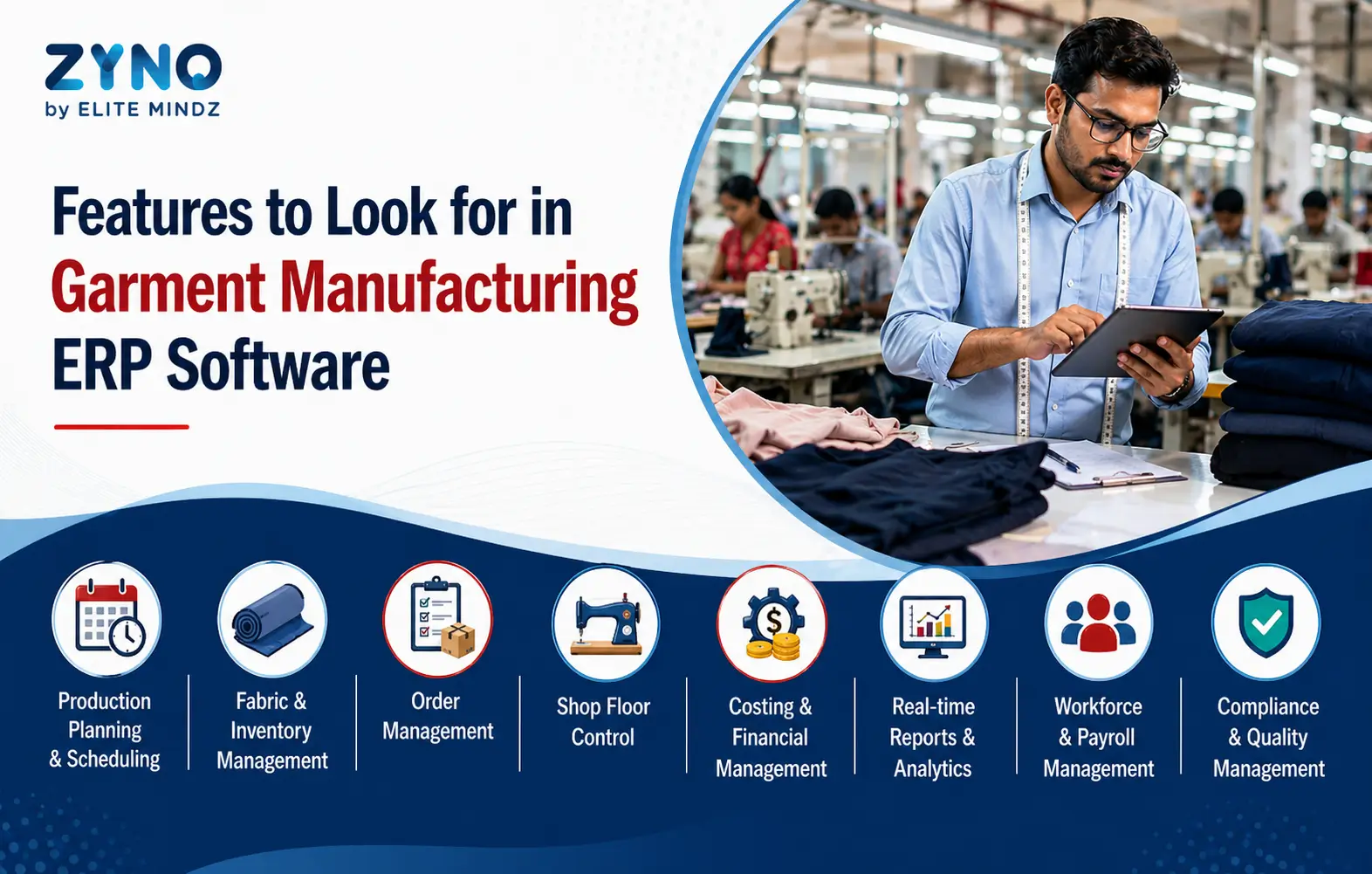
Features to Look for in Garment Manufacturing ERP Software
Read More →
Best ERP Software for Small Garment Manufacturing Business in India
Read More →
The Real Problems Holding Back Small Garment Manufacturers in India
Read More →Garment Manufacturing ERP Software in India: Best Options, Features & Complete Guide 2026
Read More →
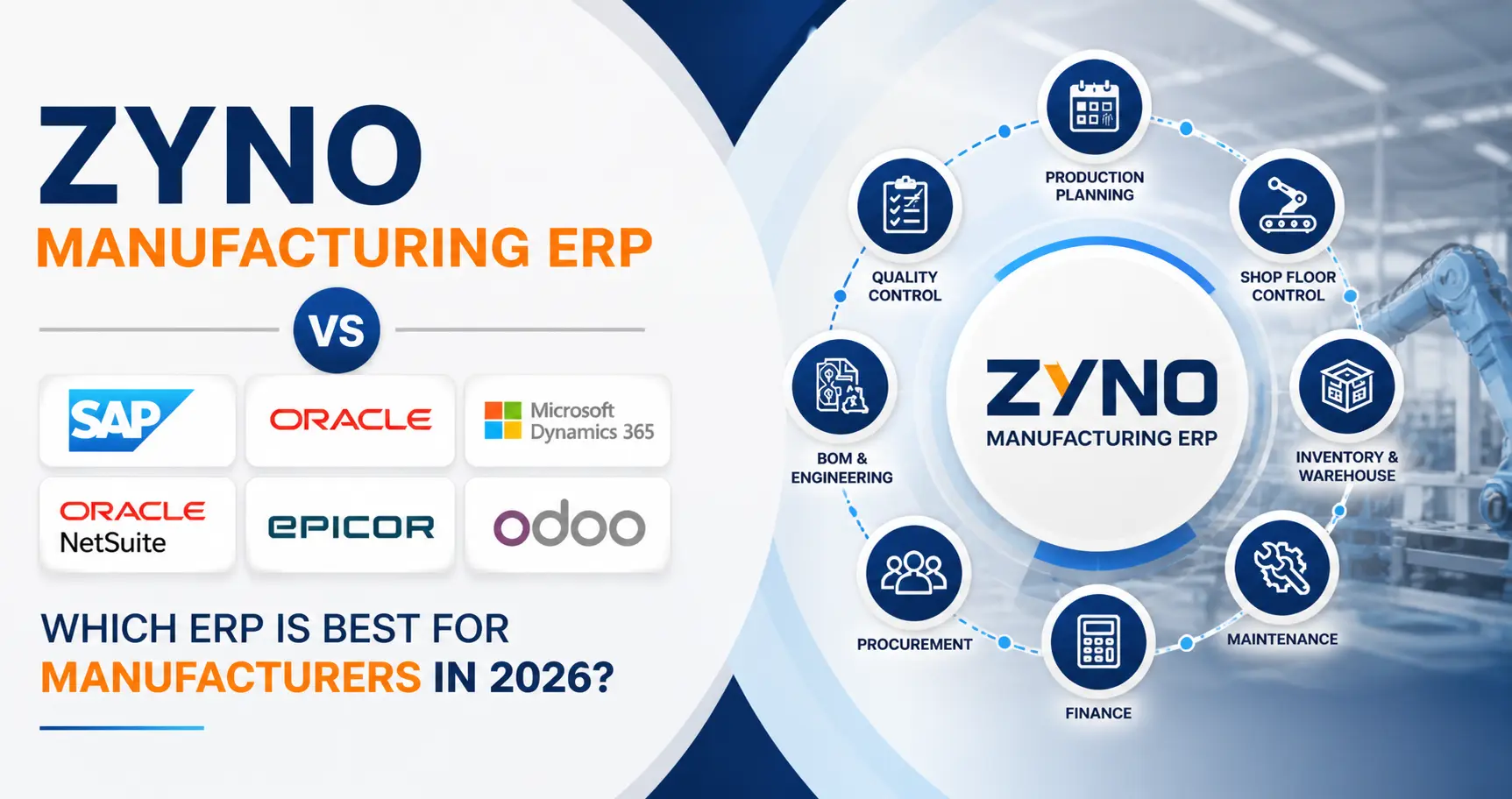
Which ERP is Best for Manufacturers in 2026?
Read More →
Distributor & Consumer Management System: The Complete Guide for 2026
Read More →
Best Pharma ERP Software in India 2026 – Features, Compliance & Buying Guide
Read More →
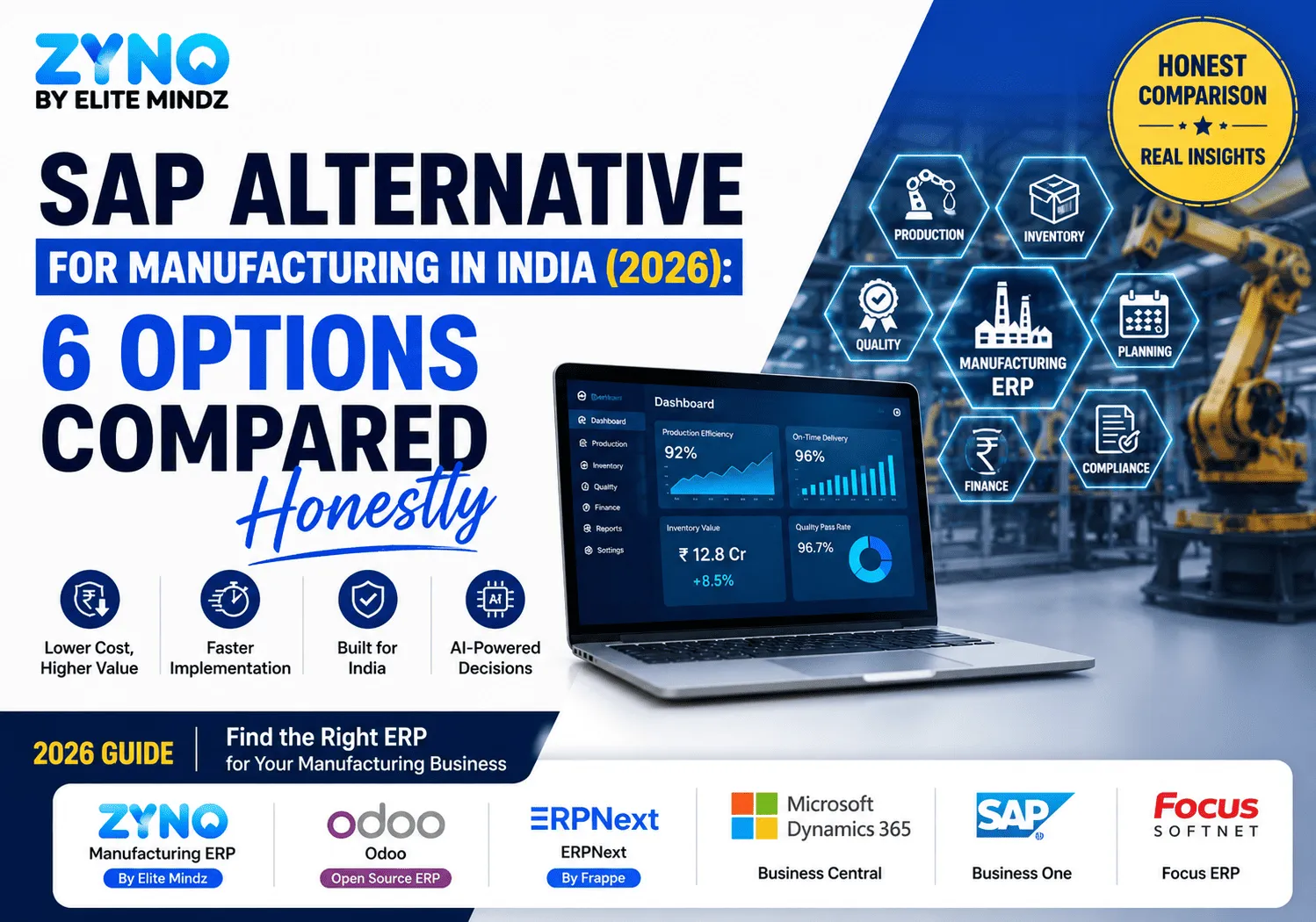
SAP Alternative for Manufacturing in India (2026): 6 Options Compared Honestly
Read More →
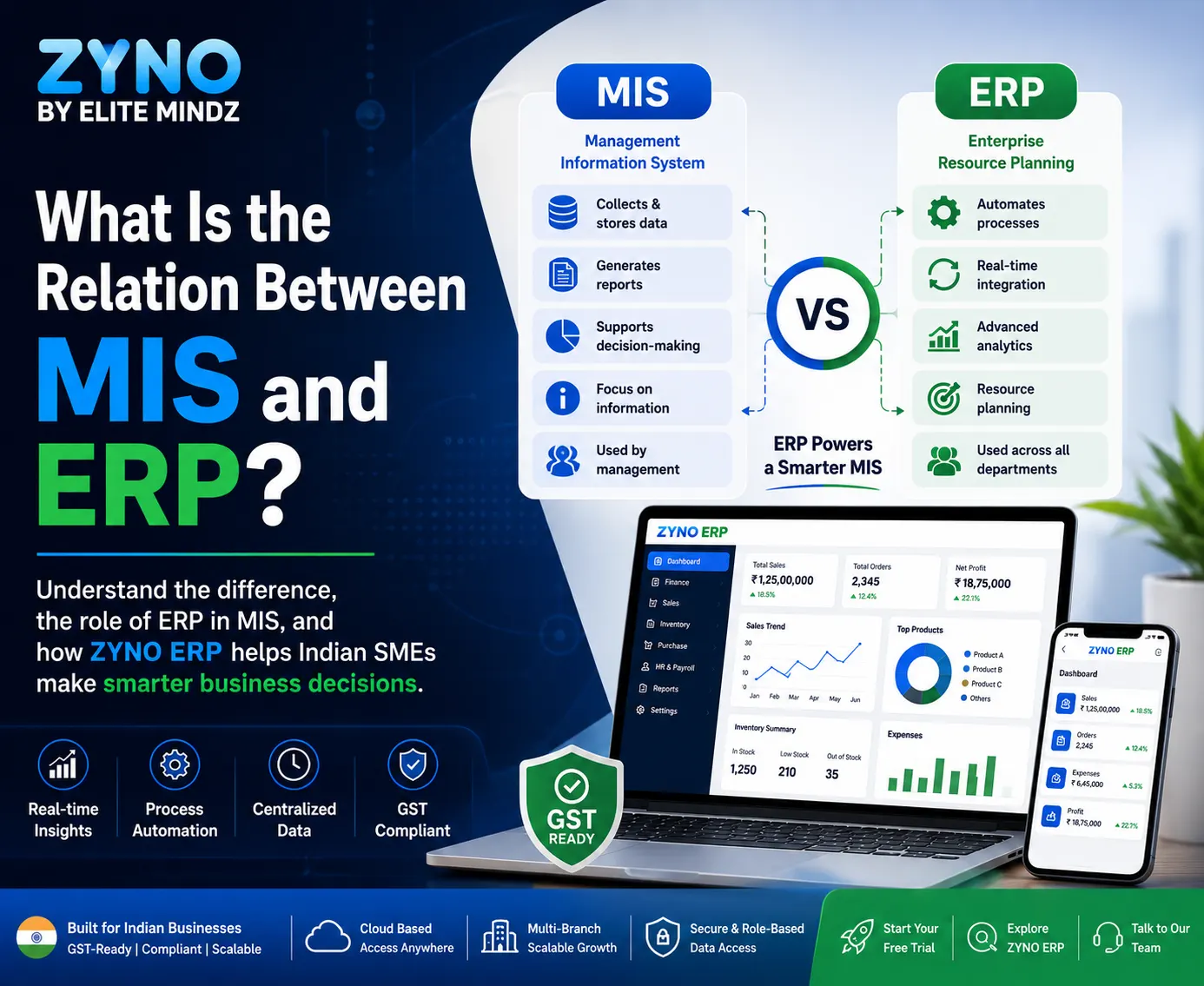
What Is the Relation Between MIS and Enterprise Resource Planning?
Read More →
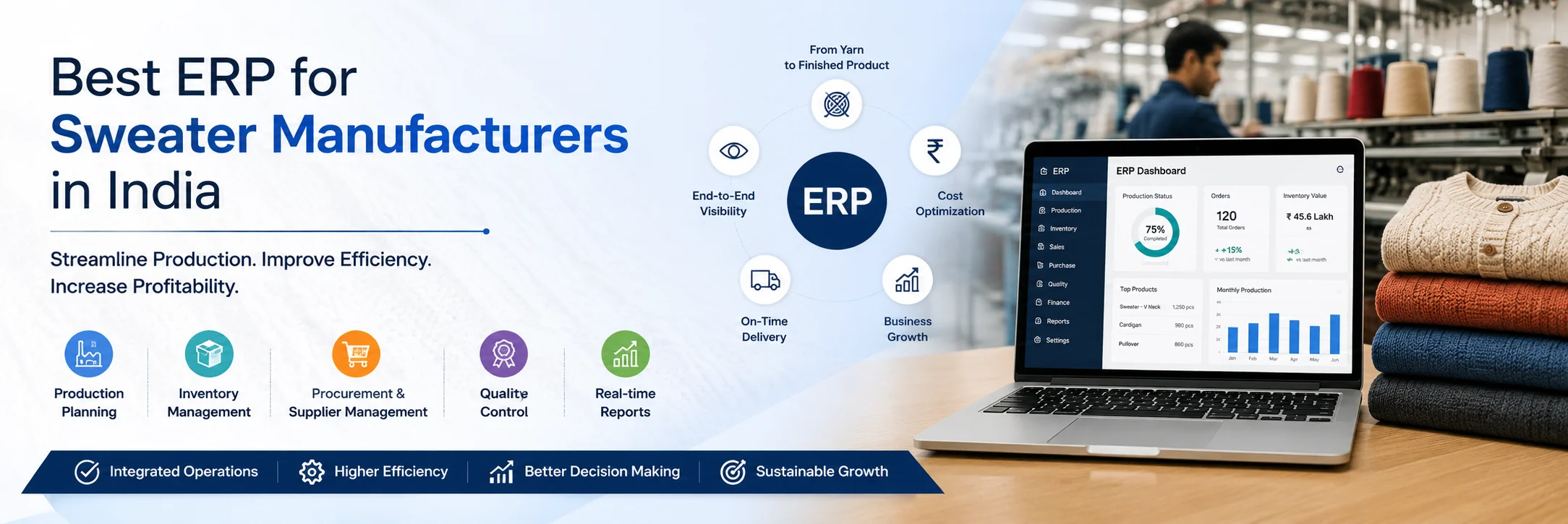
Best ERP for Sweater Manufacturers in India
Read More →
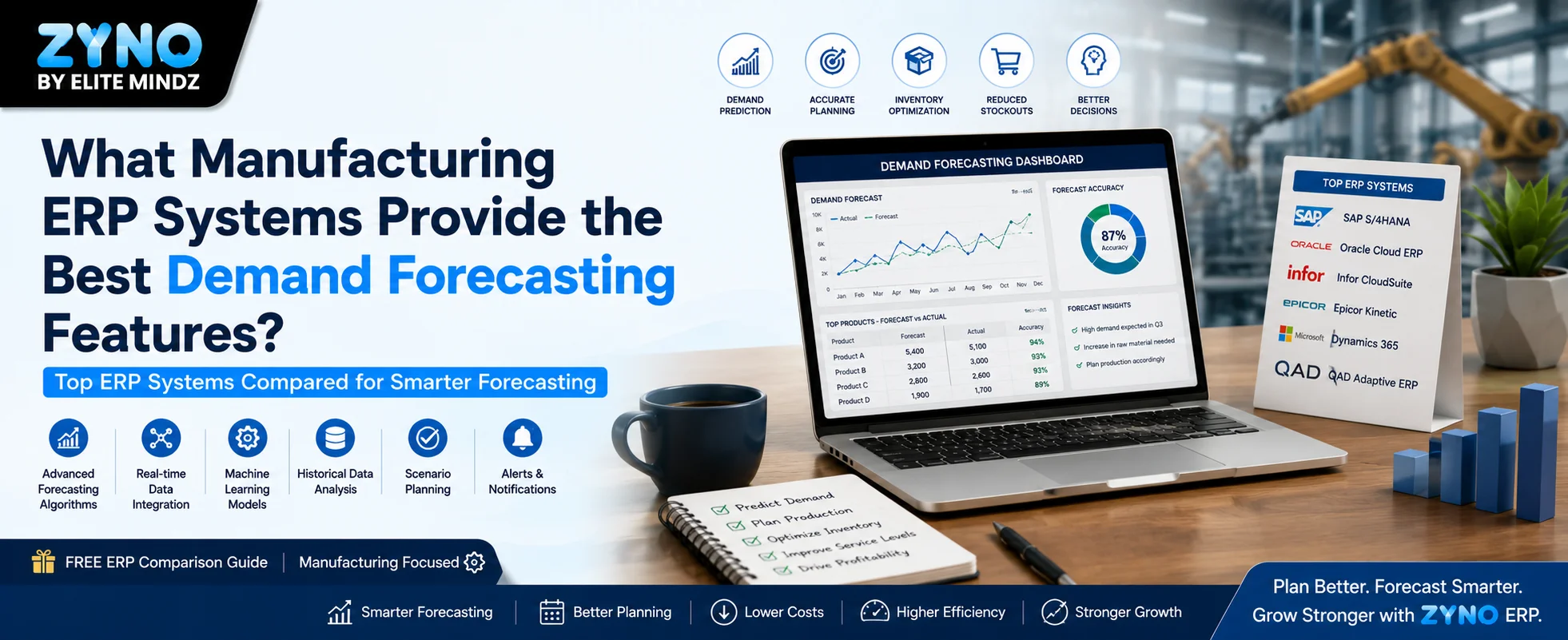
What Manufacturing ERP Systems Provide the Best Demand Forecasting Features?
Read More →
Which ERP Software Provides the Best Demand Forecasting for Manufacturers?
Read More →
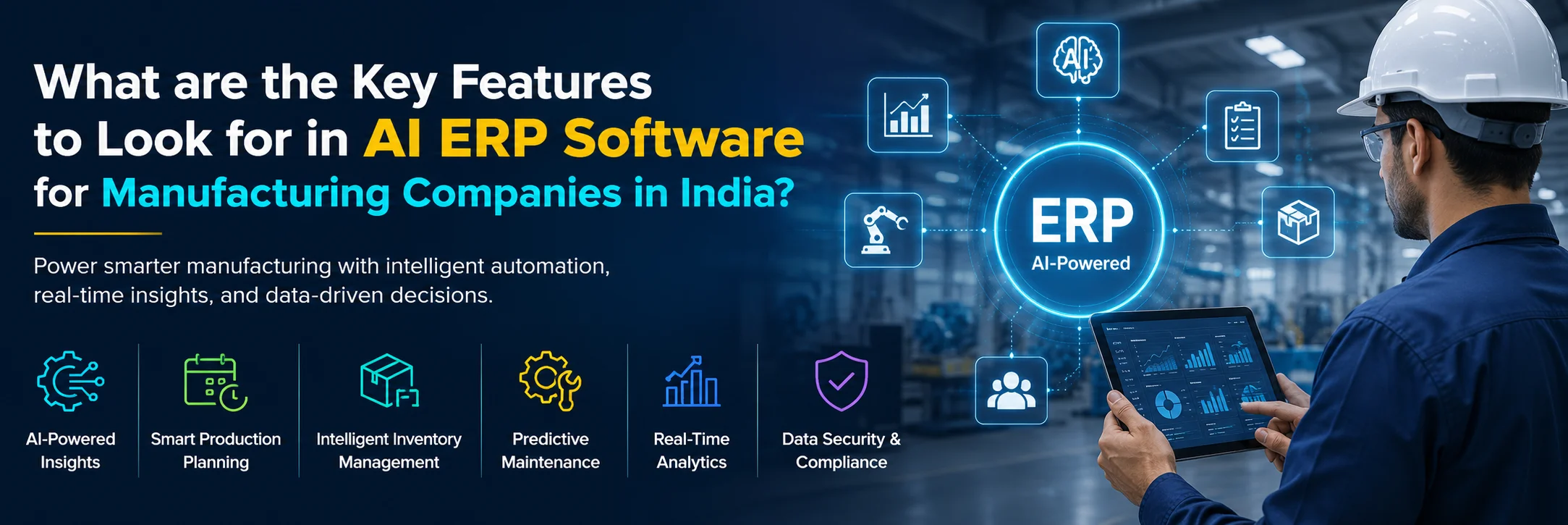
What are the key features to look for in AI ERP software for manufacturing companies in India?
Read More →
How does AI-powered ERP software improve production planning and inventory management in manufacturing?
Read More →
Which AI ERP platforms are best suited for small and mid-sized manufacturing businesses in India?
Read More →
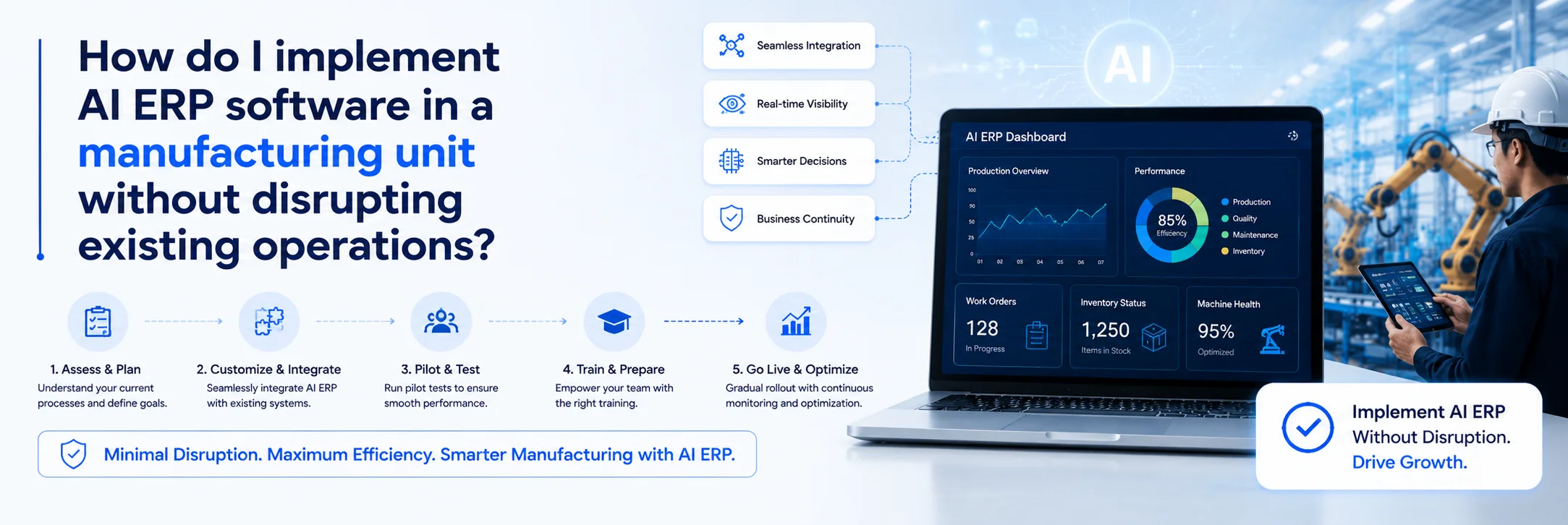
How do I implement AI ERP software in a manufacturing unit without disrupting existing operations?
Read More →
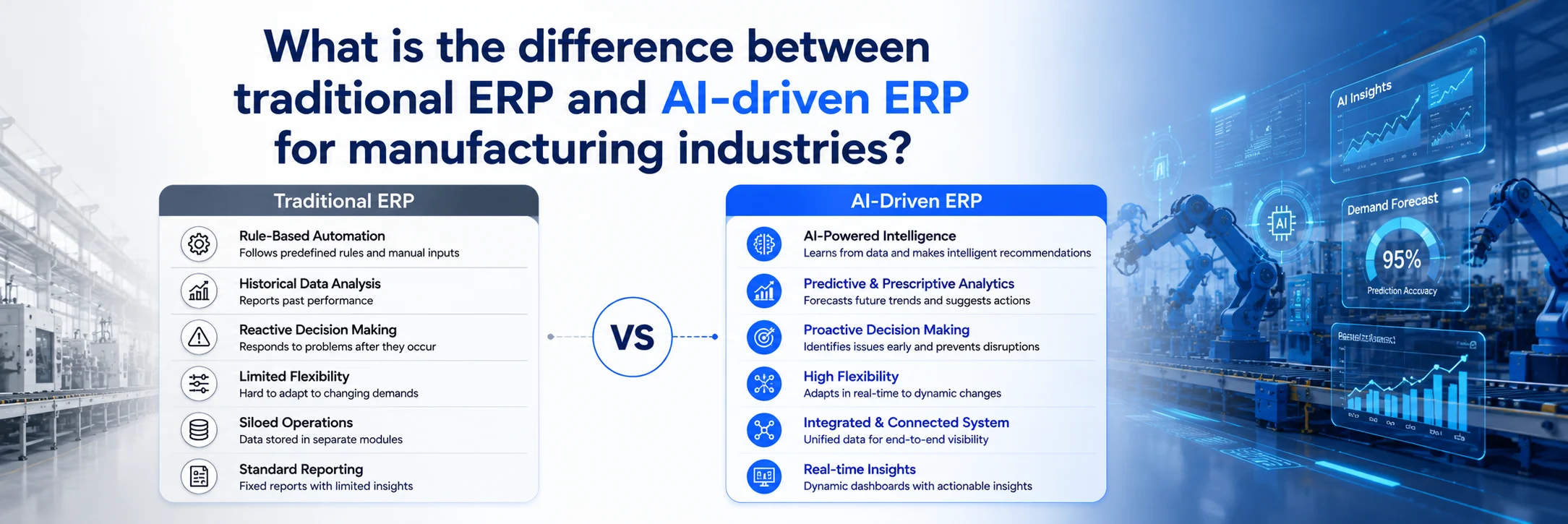
What is the difference between traditional ERP and AI-driven ERP for manufacturing industries?
Read More →
AI-Powered Smart ERP Software: The Complete Guide for Modern Enterprises
Read More →
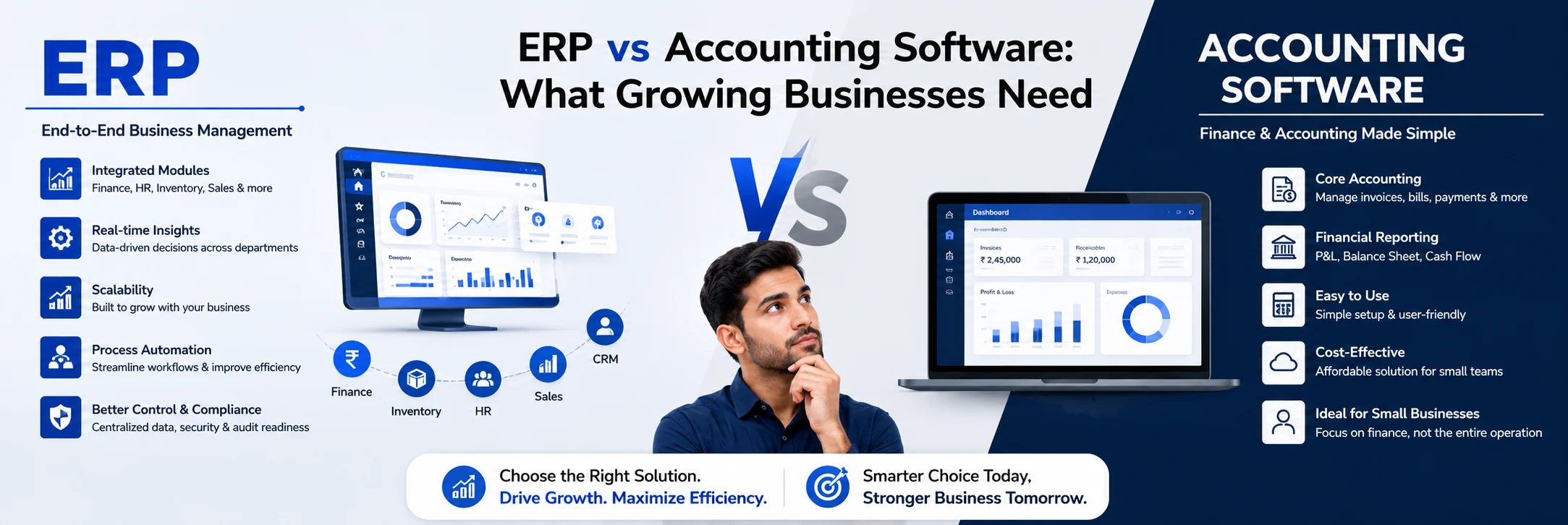
ERP vs Accounting Software: What Growing Businesses Need
Read More →
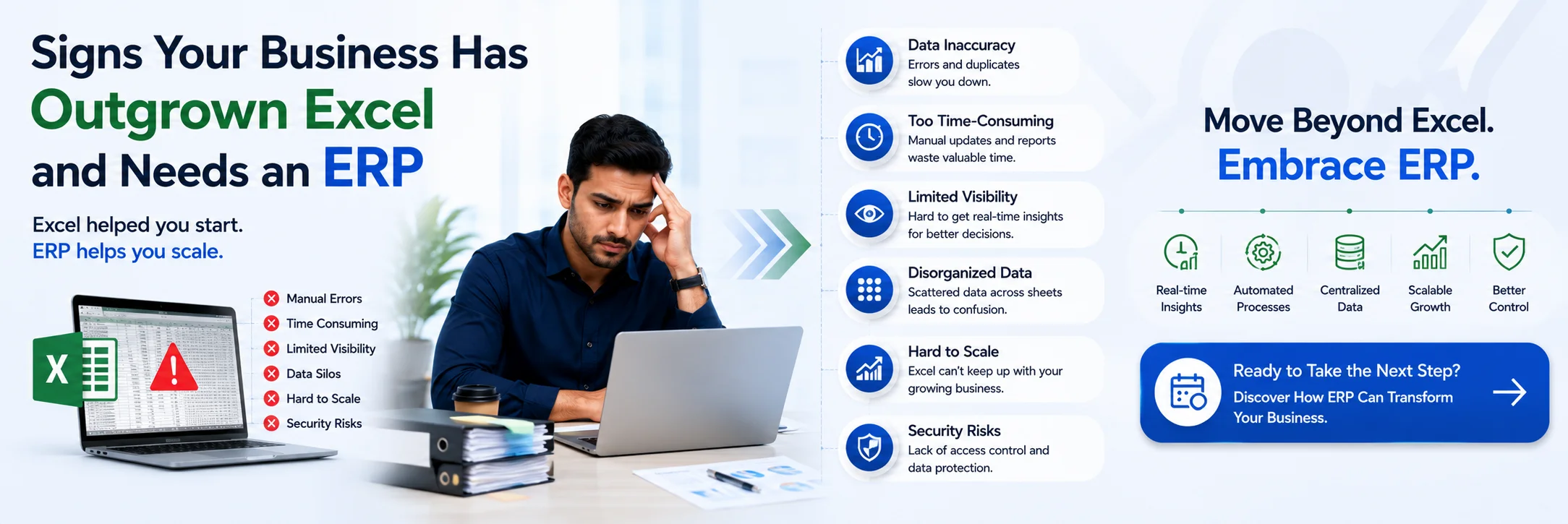
Signs Your Business Has Outgrown Excel and Needs an ERP
Read More →
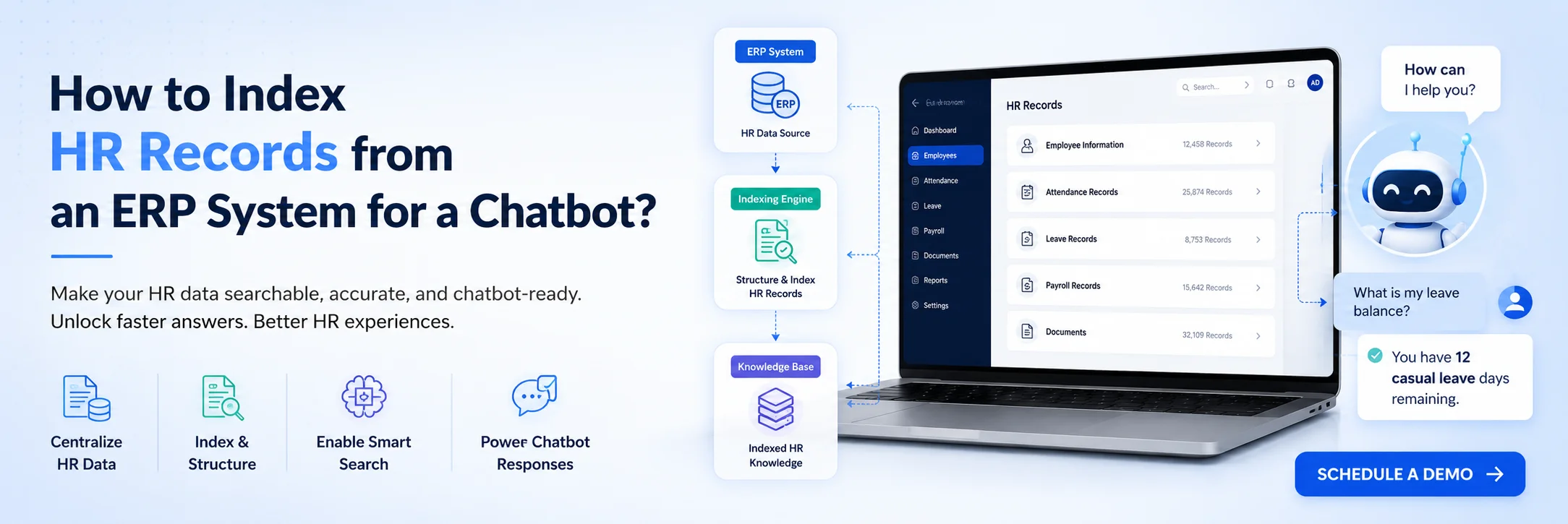
How to Index HR Records from an ERP System for a Chatbot?
Read More →
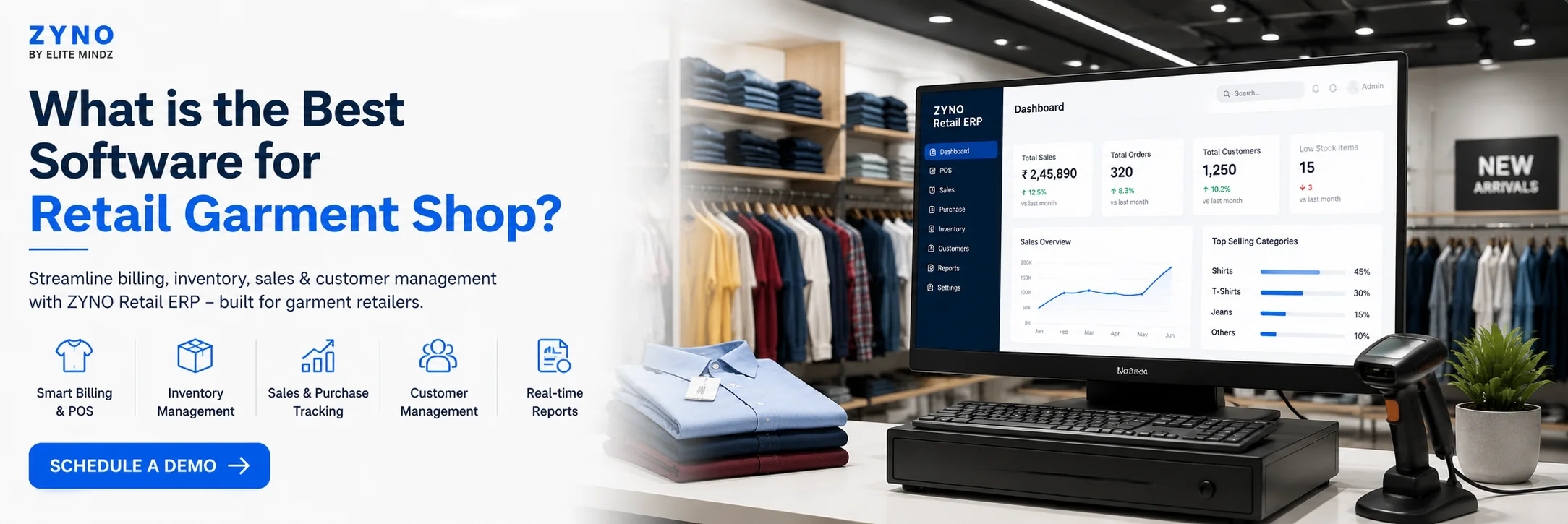
What is the Best Software for Retail Garment Shop?
Read More →
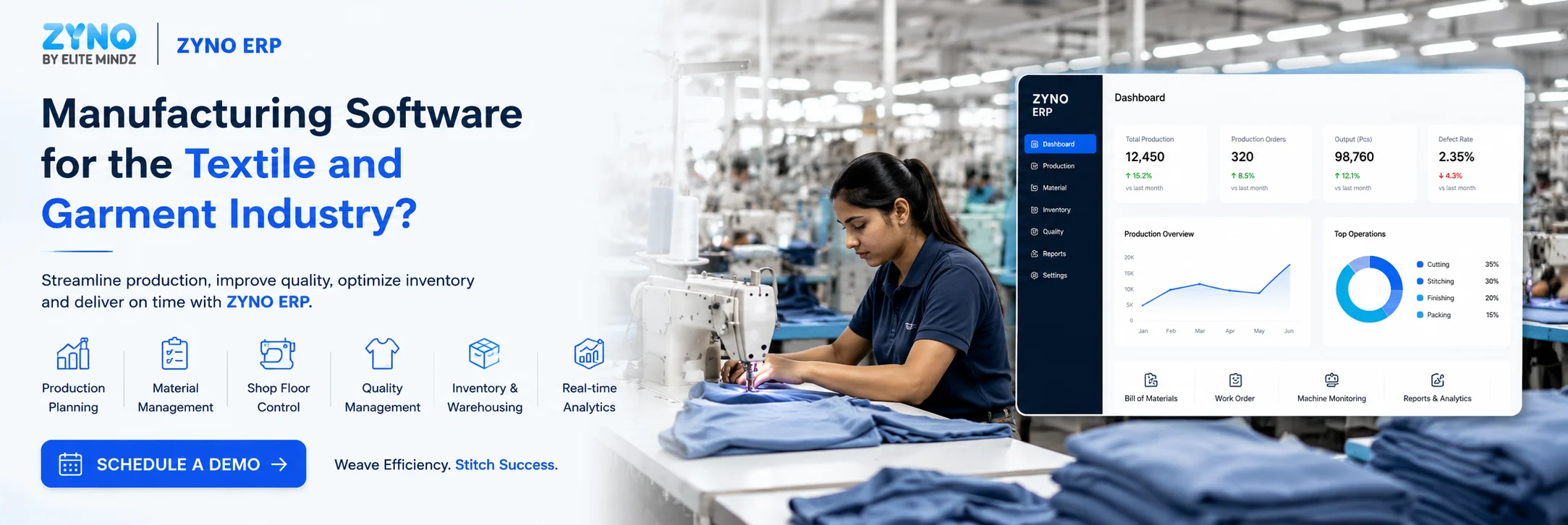
Manufacturing Software for the Textile and Garment Industry?
Read More →
Best ERP Software for Manufacturing Companies in India?
Read More →
How ERP Reduces Production Costs and Improves Profitability?
Read More →
Which ERP Software is Mostly Used in Garment Retail Shop?
Read More →
10 Ways AI Can Improve ERP Efficiency
Read More →
Top 8 Odoo Alternatives for Your Business
Read More →
ZYNO vs NetSuite ERP: Which Manufacturing ERP Fits Your Business Needs?
Read More →
Top ERP Software Providers in 2026: Full Comparison
Read More →
ERP Software Reviews: What Buyers Actually Say in 2026
Read More →
ERP Software for Retail Businesses: Complete Guide
Read More →
ERP Software for Healthcare: Beyond Patient Records
Read More →
ERP Software for Logistics Companies: A Complete Guide
Read More →
Best ERP Software for SaaS Companies in 2026
Read More →
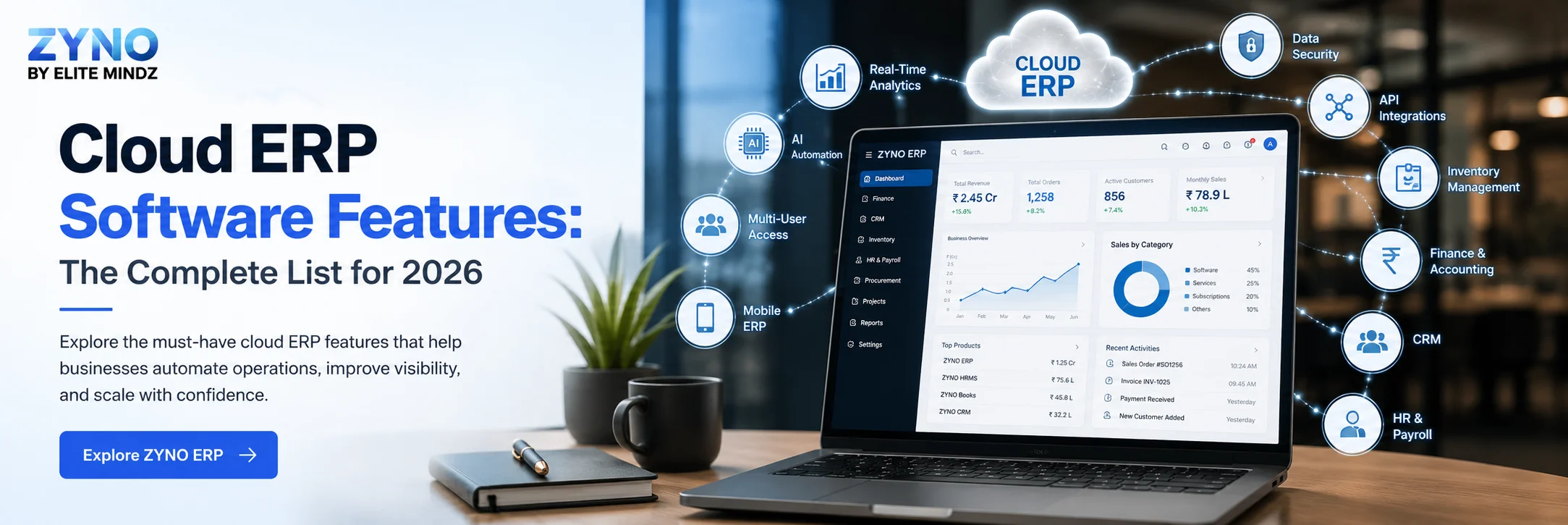
Cloud ERP Software Features: The Complete List for 2026
Read More →
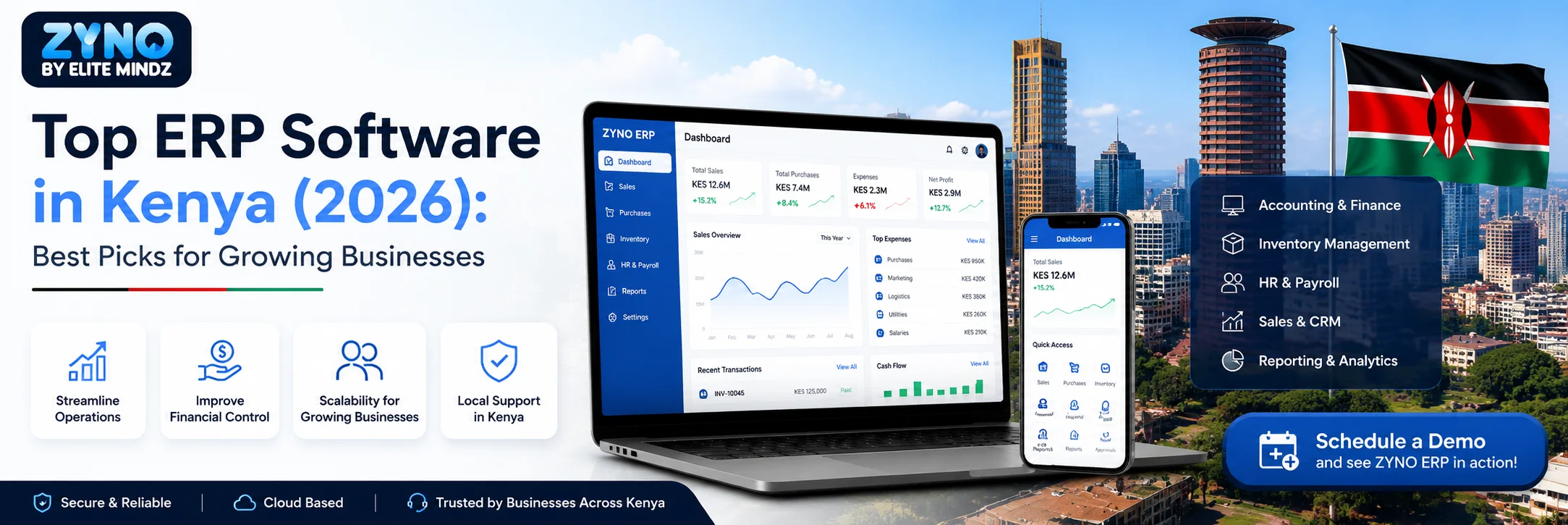
Top ERP Software in Kenya (2026): Best Picks for Growing Businesses
Read More →
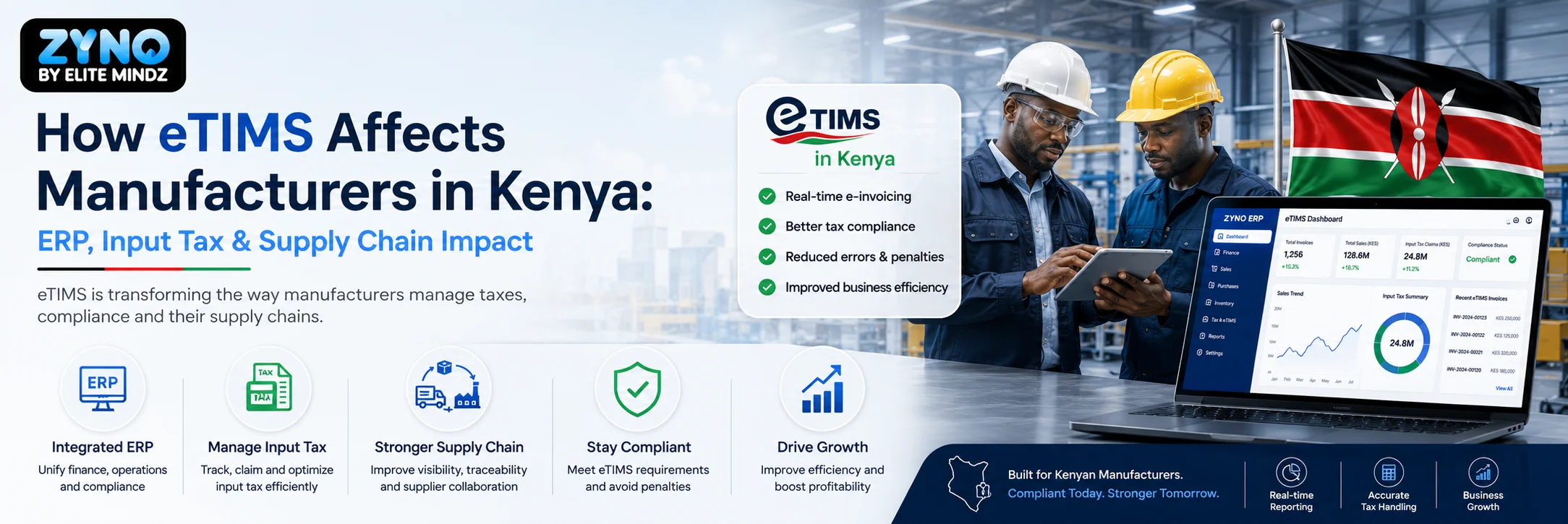
How eTIMS Affects Manufacturers in Kenya: ERP, Input Tax & Supply Chain Impact
Read More →
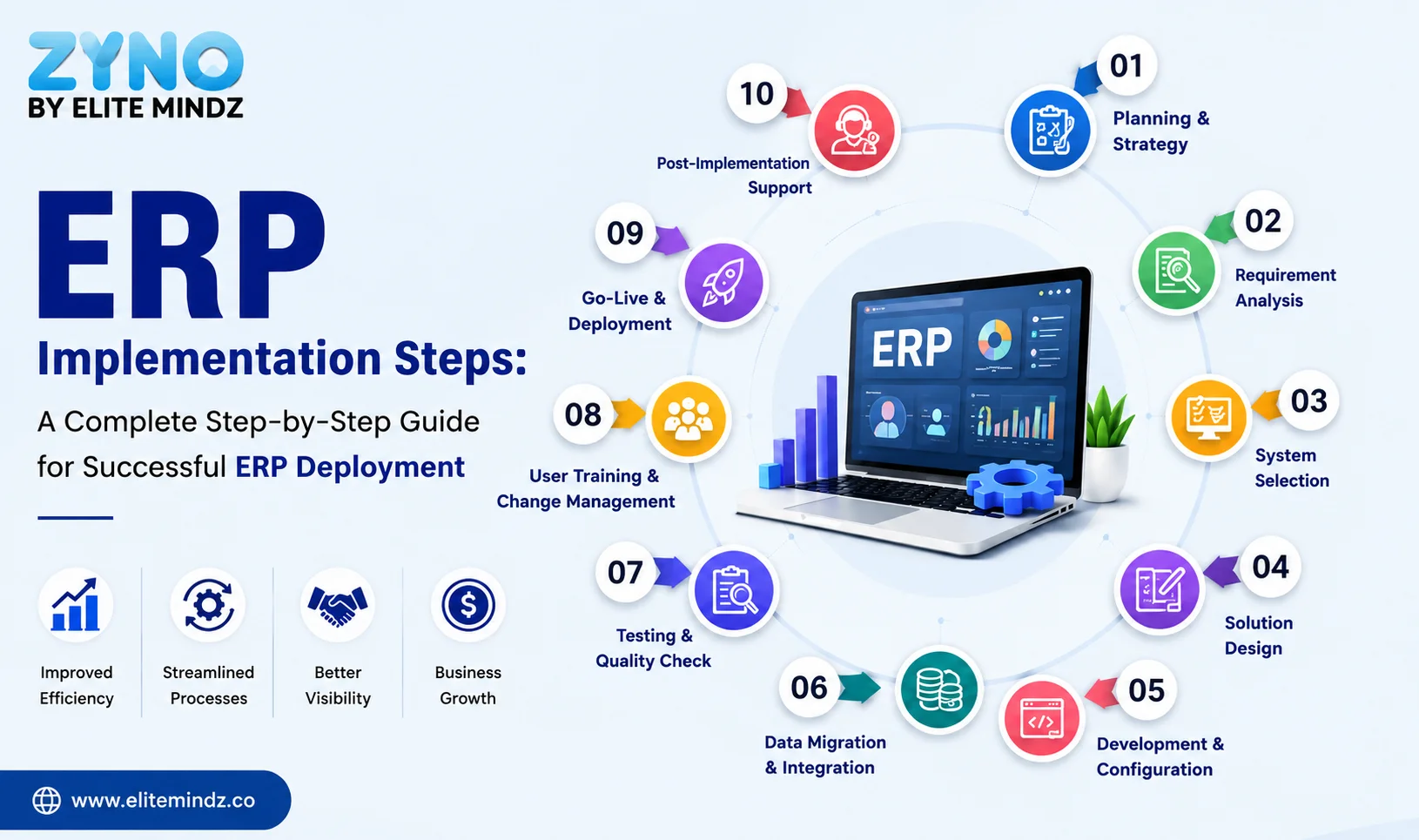
ERP Implementation Steps: A Complete Step-by-Step Guide for Successful ERP Deployment
Read More →
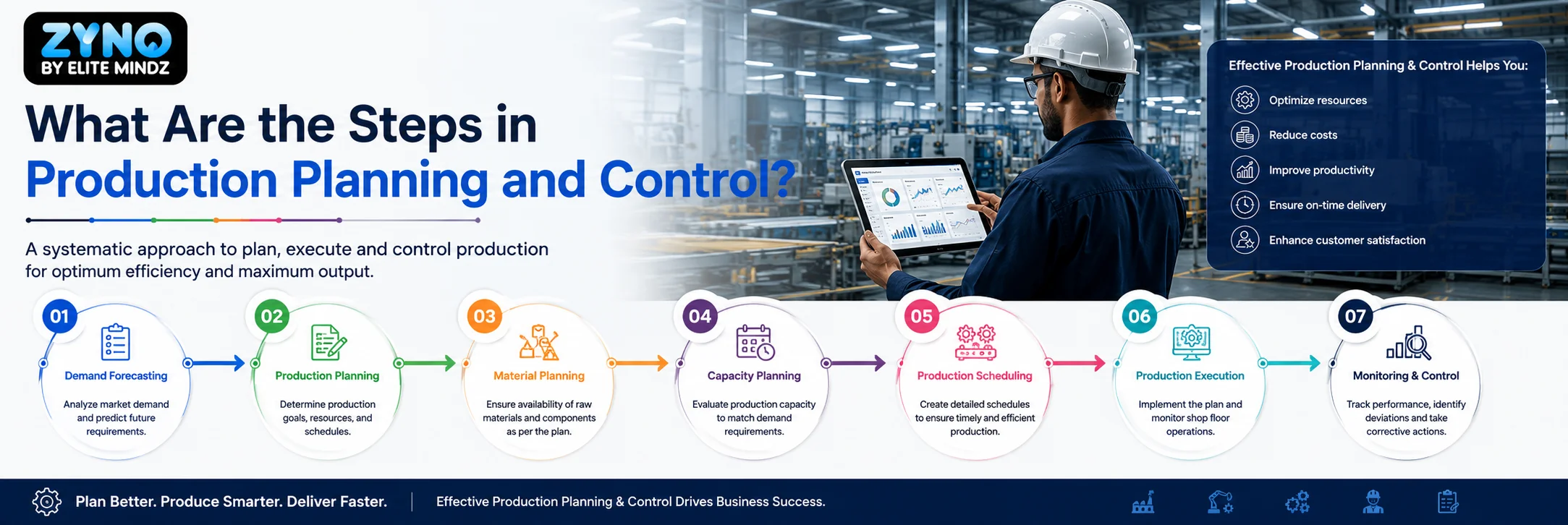
What Are the Steps in Production Planning and Control?
Read More →
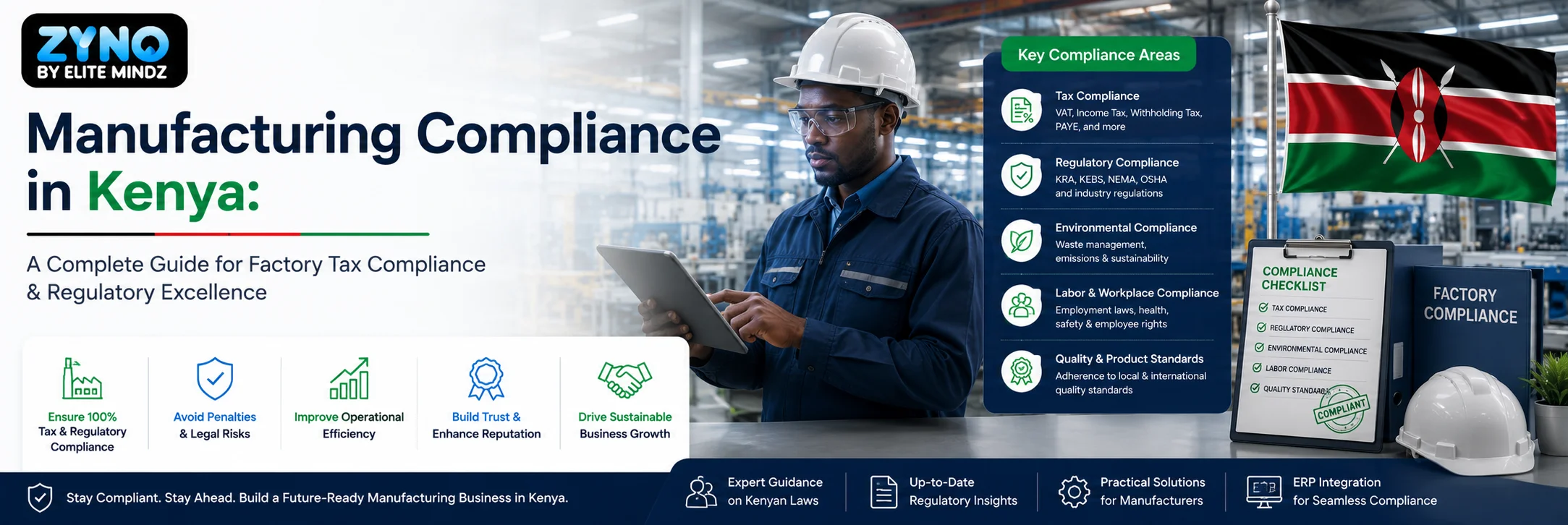
Manufacturing Compliance in Kenya: A Complete Guide for Factory Tax Compliance & Regulatory Excellence
Read More →
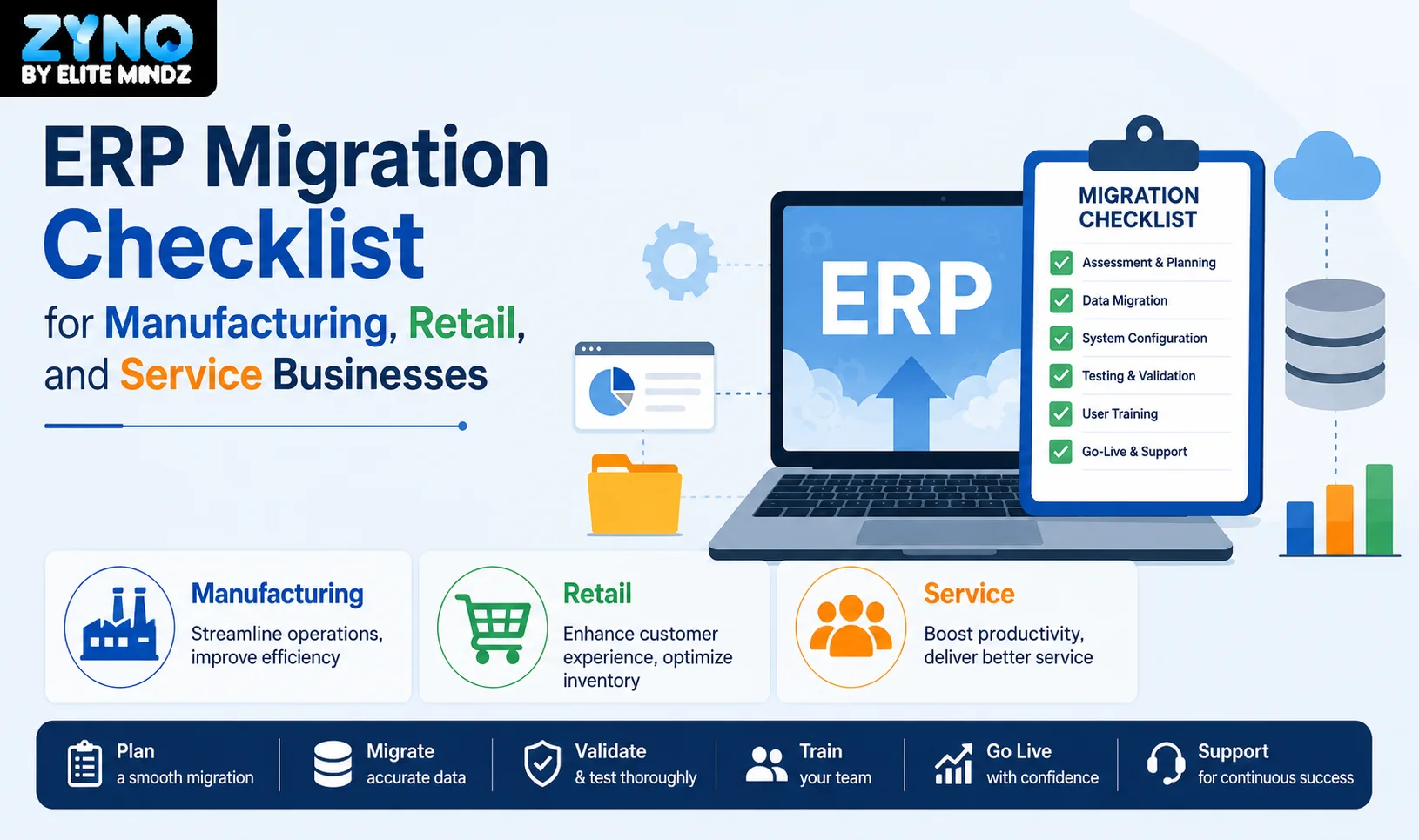
ERP Migration Checklist for Manufacturing, Retail, and Service Businesses
Read More →
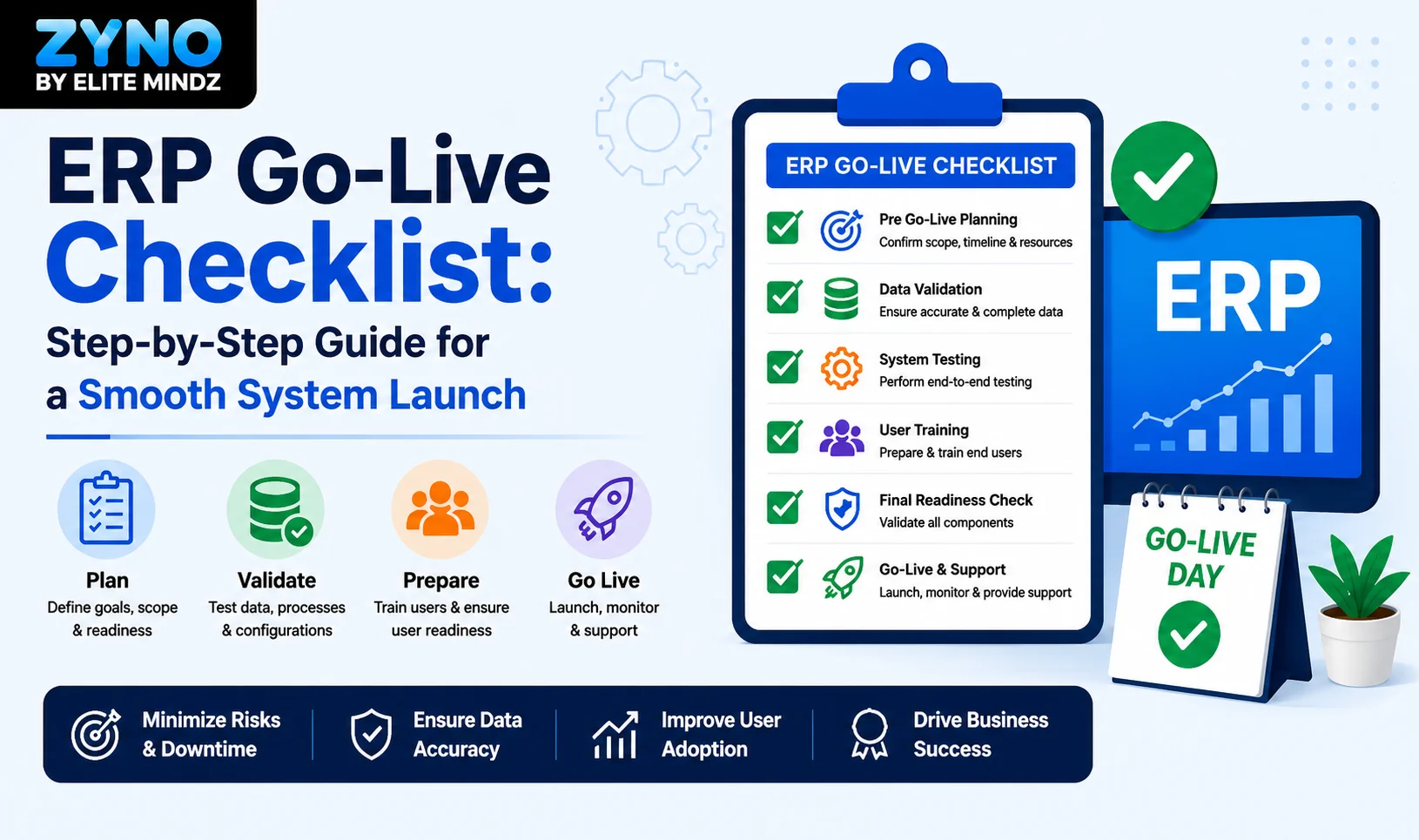
ERP Go-Live Checklist: Step-by-Step Guide for a Smooth System Launch
Read More →
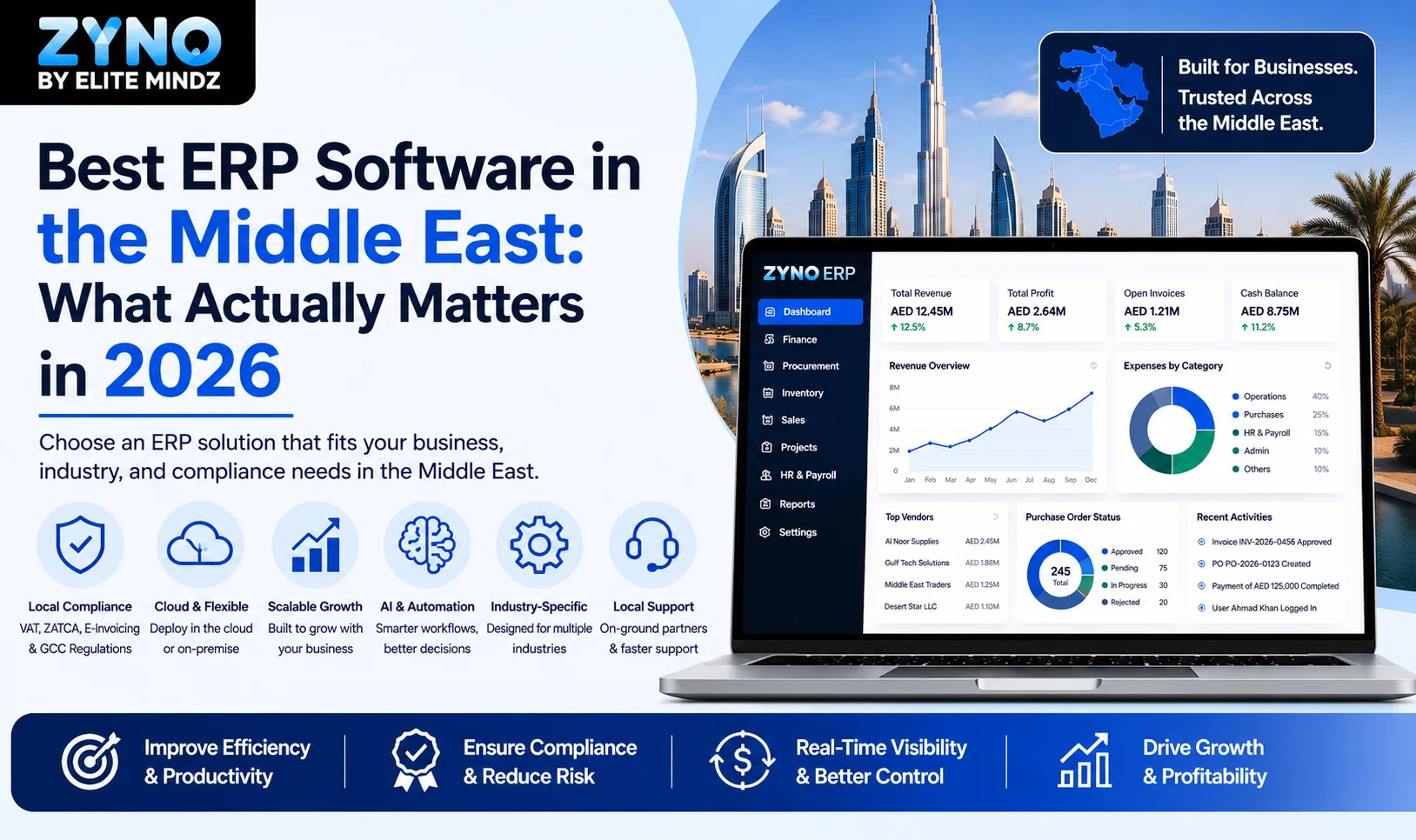
Best ERP Software in the Middle East: What Actually Matters in 2026
Read More →
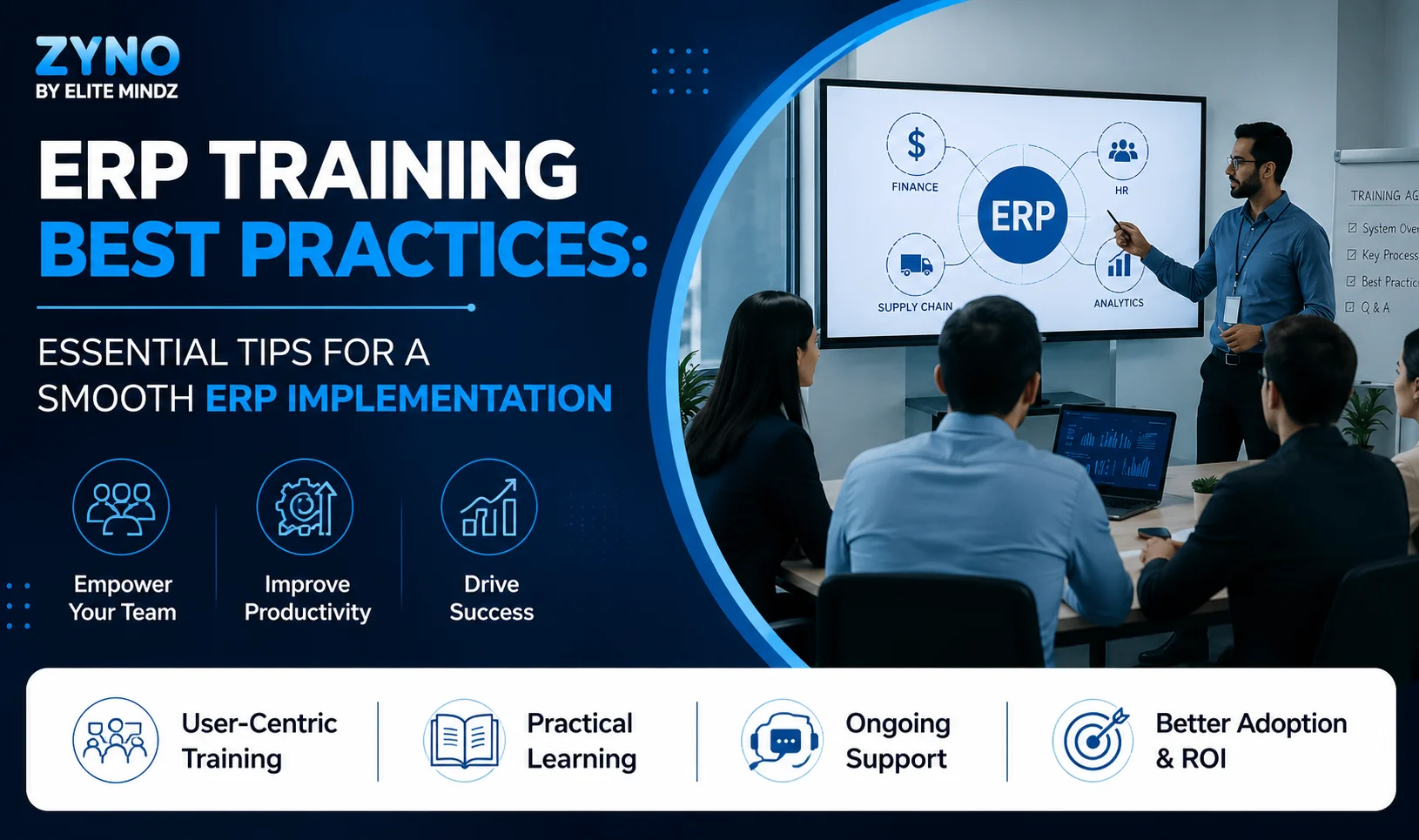
ERP Training Best Practices: Essential Tips for a Smooth ERP Implementation
Read More →
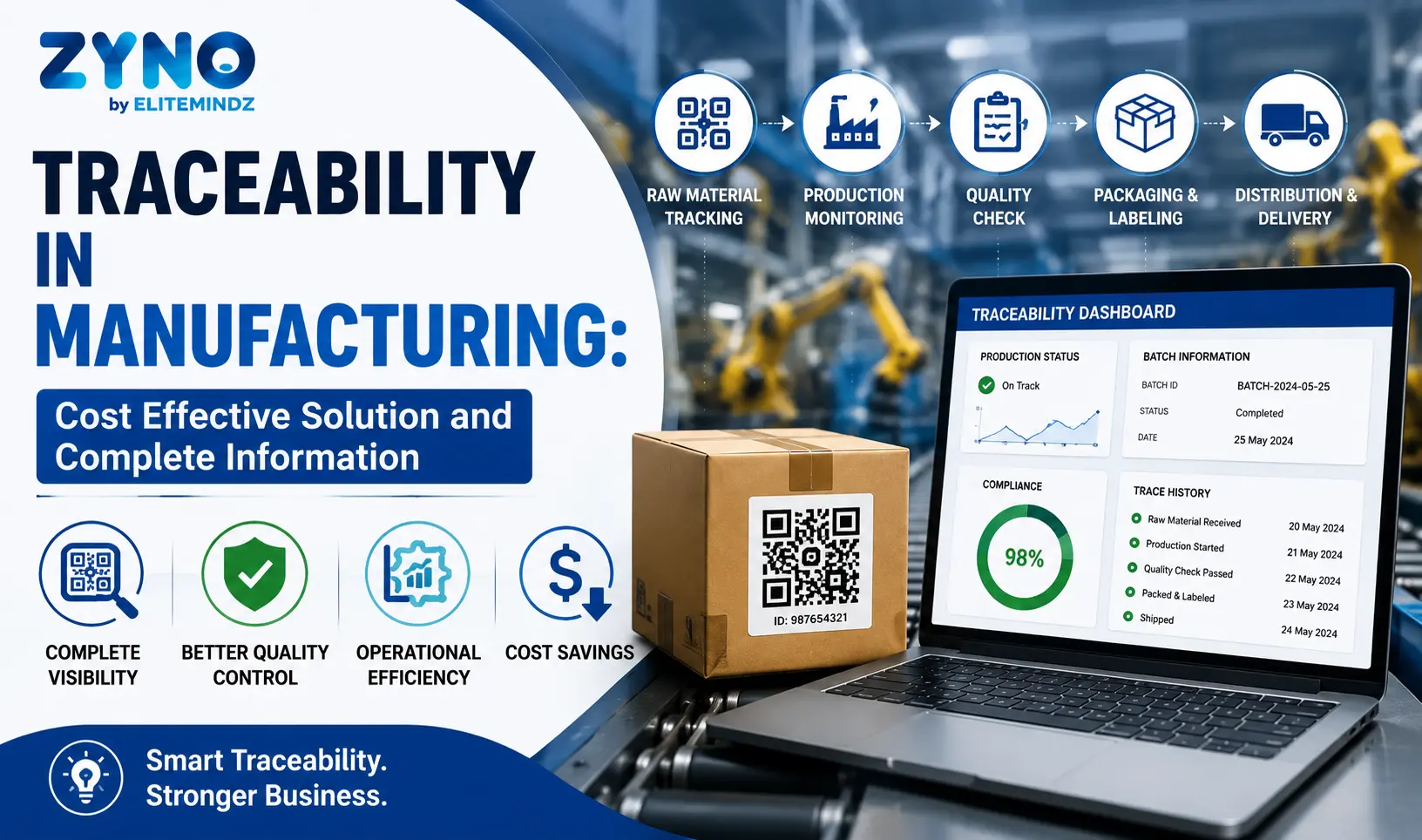
Traceability in Manufacturing: Cost Effective Solution and Complete Information
Read More →
Manufacturing ERP Software Buying Guide: Features, Checklist & Questions to Ask Before You Invest
Read More →
20 Best ERP Software in Japan (2026): Top AI-Powered & Cloud ERP Platforms Ranked
Read More →
10 Best ERP Software for Metal Manufacturing Companies: Features, Checklist & Buying Guide (2026)
Read More →How Manufacturing ERP Helps Ethiopian Factories Improve Production Planning & Cost Control
Read More →
Top 15 Business Management Software for Growing Businesses in 2026
Read More →
Why These Are the Top 15 Small Business ERP Systems for 2026
Read More →
BOM Management Software: A Complete Guide to Smarter Manufacturing
Read More →
Which Companies Build Affordable Manufacturing ERP Software in India?
Read More →
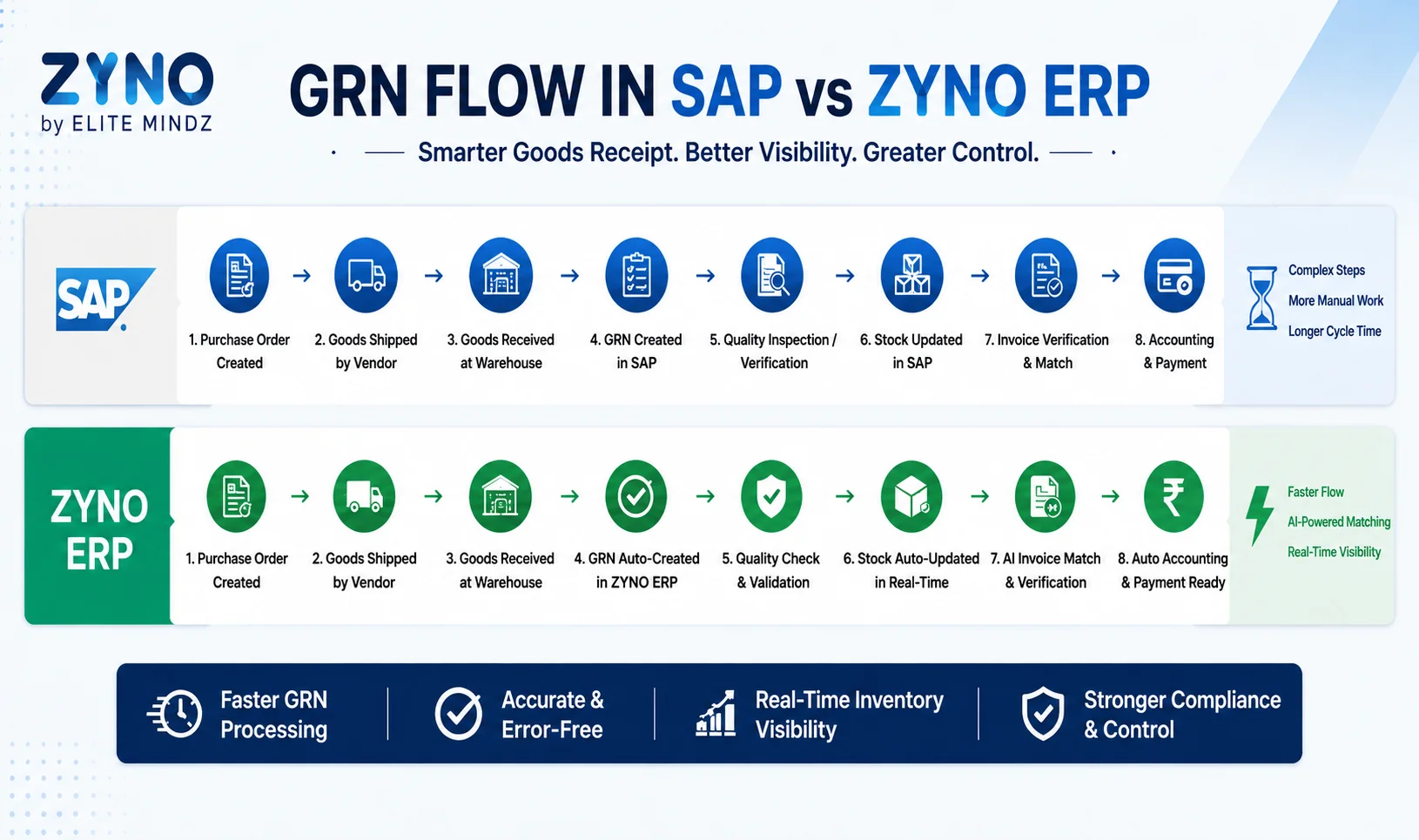
GRN Flow in SAP vs ZYNO ERP
Read More →
Which AI ERP Platform Offers the Best ROI for Retail Businesses Looking to Automate Operations in India?
Read More →
Warehouse Management System (WMS): Complete Guide
Read More →
Best WMS Software in 2026: 10 Warehouse Management Systems Compared
Read More →
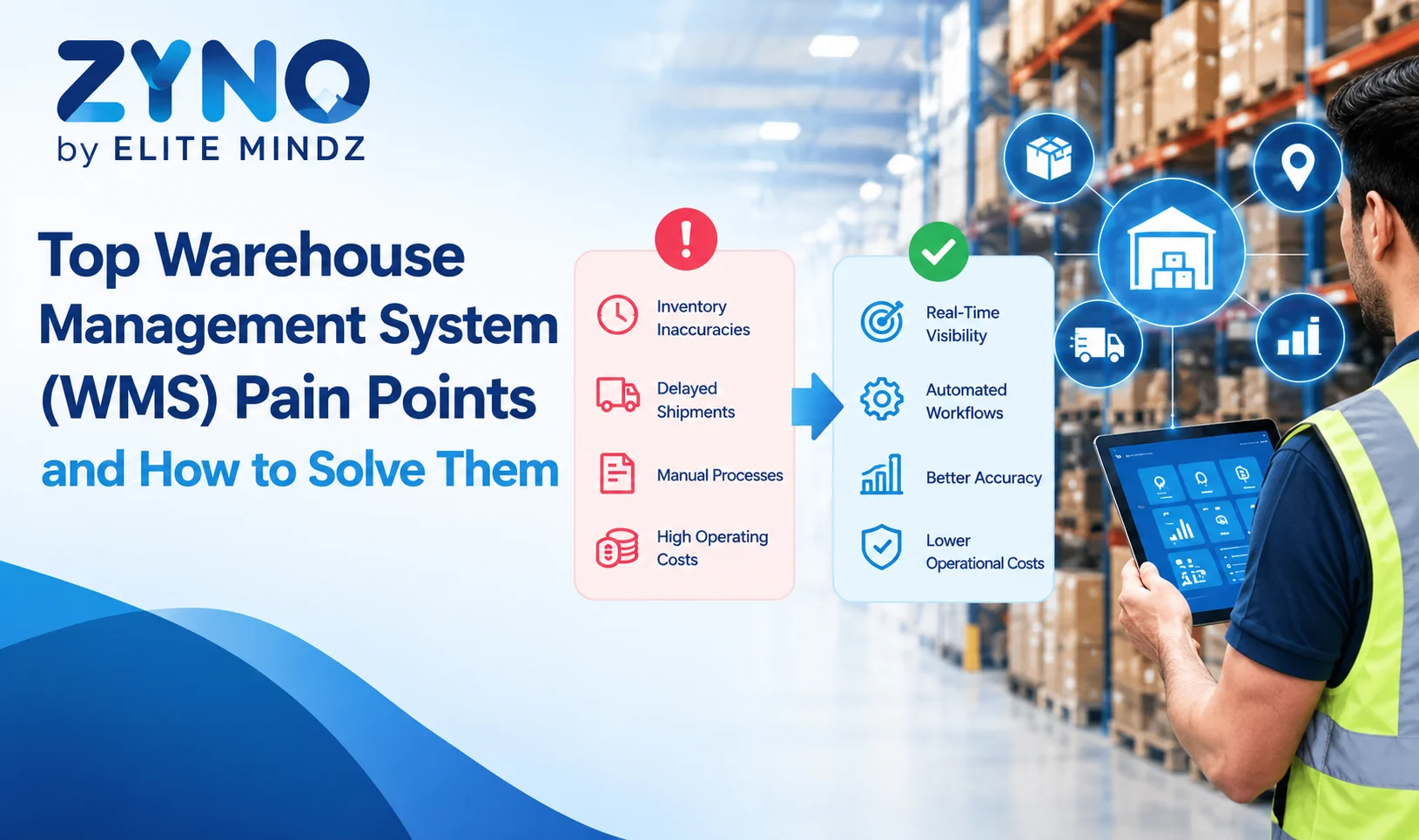
Top Warehouse Management System (WMS) Pain Points and How to Solve Them
Read More →Partner with ZYNO by Elite Mindz to revolutionize how your business works. Fill out the form, and we’ll reach out with AI-powered solutions made just for you.
We use browser cookies to ensure you get the best experience on our website. Learn more
The form was submitted successfully!