What is ERP? A Beginner's Guide to Enterprise Resource Planning
Read More →

×
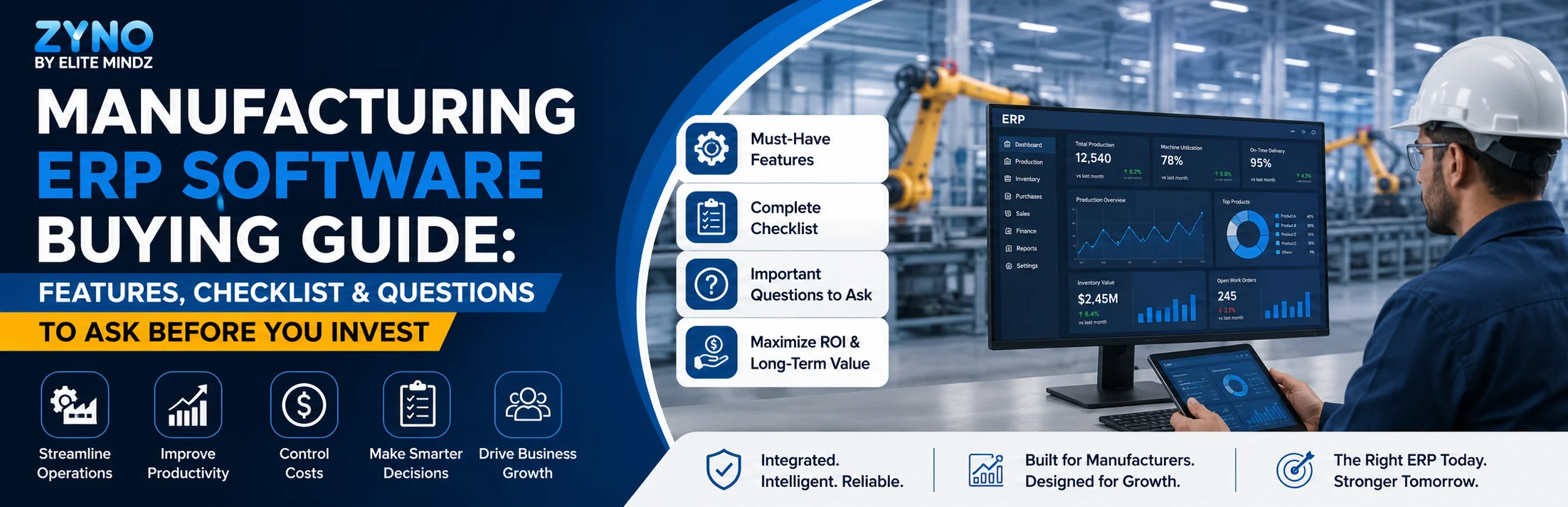
Choosing the right manufacturing ERP software requires careful evaluation of features, scalability, integration capabilities, and business needs. A detailed buying guide helps manufacturers compare solutions, understand essential modules, review implementation requirements, and ask the right questions before investing. Selecting the right ERP system improves production efficiency, streamlines operations, enhances visibility, and supports long-term business growth.
Businesses using ZYNO Books cut accounting time by 70% and stay 100% ZATCA-compliant — automatically.
Whether you are replacing spreadsheets, upgrading from a legacy system, or implementing your first Manufacturing ERP Software, choosing the right solution is a major business decision.
The ERP system you select will influence how your company manages production, inventory, procurement, quality, finance, customer orders, reporting, and future growth. A poor-fit system can create unnecessary complexity, increase implementation costs, and limit operational visibility. The right Manufacturing ERP System, however, can connect departments, automate repetitive work, improve planning, and help your team make faster decisions.
This Manufacturing ERP buying guide will help you evaluate software based on:
Use the checklists, questions, and comparison tables below to find an ERP for Manufacturing that supports your current production requirements and grows with your business.
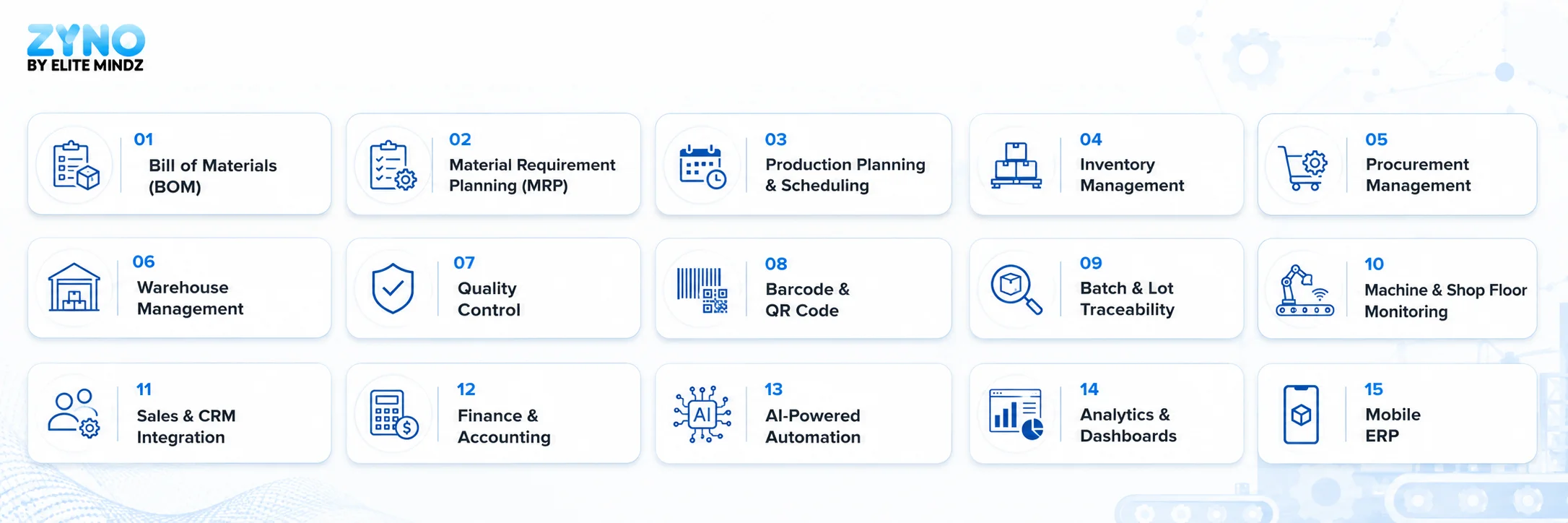
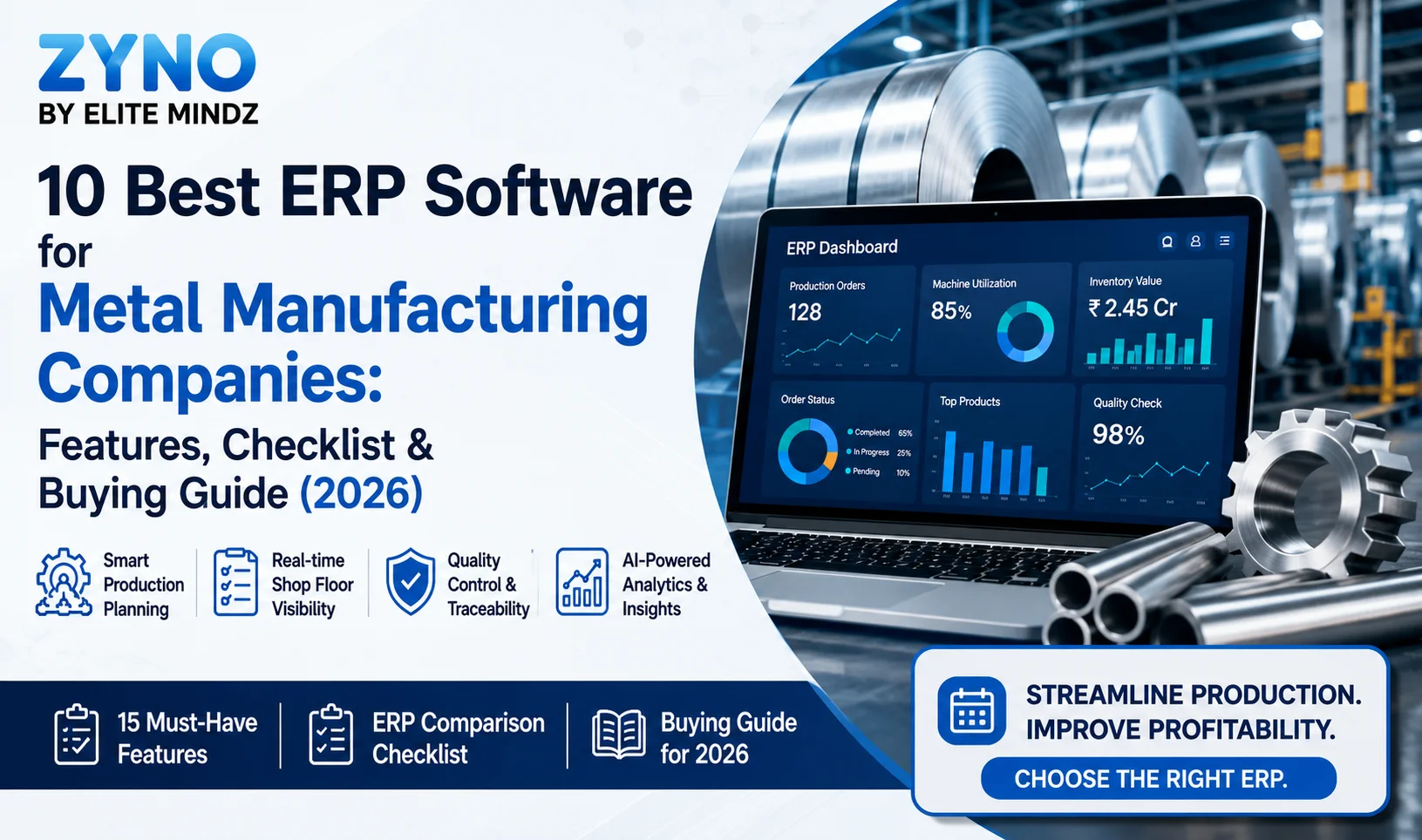
Before investing in Manufacturing ERP Software, check whether the system supports production planning, Bill of Materials management, Material Requirements Planning, inventory, procurement, warehouse operations, quality control, finance, analytics, AI automation, mobile accessibility, and integration with your existing business systems.
The ideal Manufacturing ERP solution should be configurable, scalable, user-friendly, and capable of adapting to your company’s production processes without forcing your team to completely change how it operates.
Build Smarter Manufacturing Operations with ZYNO ERP
Simplify manufacturing operations with ZYNO ERP. Manage production, inventory, finance, and reporting while automating workflows, reducing costs, and improving business efficiency.
Get Your Free ERP Consultation Explore Manufacturing ERPNot every operational problem requires a new ERP. However, certain warning signs usually indicate that your current systems are no longer supporting your business effectively.
Business growth often creates more transactions, users, products, suppliers, customers, production orders, and reporting requirements.
Processes that worked when your company was smaller may become difficult to manage as order volumes increase. A scalable Manufacturing ERP System can help standardize operations and provide better control as the business expands.
Managing several production lines through disconnected spreadsheets or independent systems can lead to scheduling conflicts, inaccurate capacity planning, and delayed orders.
Manufacturing ERP Software provides a centralized view of production requirements, machine capacity, material availability, and delivery deadlines.
Inventory inaccuracies can lead to:
An integrated Inventory Management Software module helps maintain real-time visibility across raw materials, work in progress, finished goods, warehouses, and production locations.
Production delays may result from missing materials, poor scheduling, machine downtime, unclear priorities, or inaccurate demand forecasts.
A Manufacturing ERP solution can connect sales orders, production planning, MRP, procurement, and inventory to reduce planning gaps.
Spreadsheets are useful, but they become risky when multiple employees maintain separate versions of the same information.
Common spreadsheet-related problems include:
ERP software creates a centralized source of operational information.
When managers must wait for teams to prepare reports manually, decisions are often based on outdated information.
Modern dashboards can provide real-time insights into production output, material availability, inventory movement, procurement, quality, sales, cash flow, and profitability.
Late deliveries, incorrect quantities, inconsistent product quality, and limited order visibility can damage customer relationships.
An integrated Manufacturing ERP System helps connect customer orders with inventory, production schedules, quality checks, dispatch, and billing.
ERP readiness check: If your company is experiencing three or more of these challenges, it may be time to evaluate a Manufacturing ERP solution.

A long feature list does not automatically make an ERP suitable for your business. The important question is whether the features work together and support your real production environment.
A Bill of Materials, or BOM, defines the components, raw materials, subassemblies, quantities, and instructions required to manufacture a product.
An inaccurate BOM can affect costing, material planning, purchasing, production, inventory, and delivery commitments.
Material Requirements Planning calculates what materials are required, how much is required, and when they are needed.
Without accurate MRP, manufacturers may purchase too much inventory or discover material shortages after production has already been scheduled.
Production planning determines what should be produced, when it should be produced, and which resources should be used.
Weak production planning can create overloaded machines, idle labor, missed deadlines, and inefficient production sequences.
Inventory management tracks raw materials, work in progress, spare parts, consumables, and finished goods.
Inventory directly affects production continuity, working capital, purchasing, and customer service.
Procurement management controls purchase requests, supplier quotations, purchase orders, receipts, invoices, and supplier performance.
Poor procurement processes can increase material costs, delay production, and create unauthorized spending.
Consider connecting this module with your existing or planned Procurement Software processes.
A Warehouse Management System controls receiving, put-away, bin management, picking, packing, transfers, and dispatch.
Warehouse errors can cause production delays, inaccurate stock records, incorrect shipments, and unnecessary labor costs.
Quality management helps manufacturers define inspections, record results, manage non-conformance, and take corrective action.
Quality problems can lead to returns, rework, production waste, compliance risks, and reputational damage.
Barcode and QR-code features allow users to identify and process materials, products, locations, and production orders quickly.
Manual entry increases transaction time and creates avoidable errors.
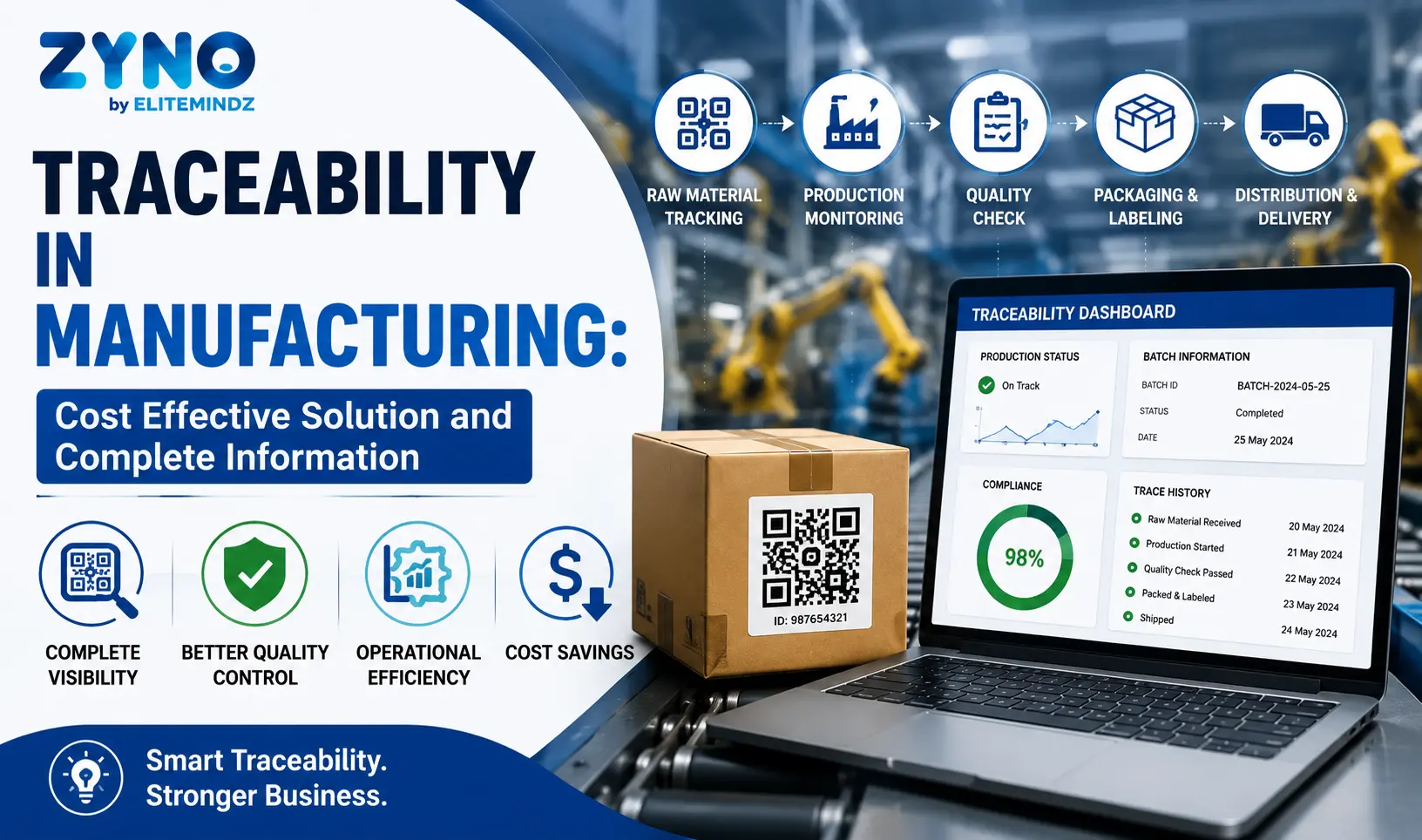
Batch and lot traceability records the movement and usage of materials throughout the production process.
Traceability is especially important for industries where manufacturers must investigate quality issues, manage expiry dates, or conduct recalls.
Shop-floor monitoring connects production activity with machines, employees, work centers, and work orders.
Production managers need actual performance data rather than relying only on planned schedules.
Sales and CRM integration connects leads, quotations, customer orders, production, dispatch, and invoicing.
When sales and production operate separately, sales teams may promise delivery dates that production cannot meet.
Finance integration connects operational transactions with accounting, costing, receivables, payables, taxes, assets, and financial reporting.
Disconnected accounting systems create duplicate entries, reconciliation work, and delayed financial reporting.
AI Manufacturing ERP features can help users analyze operational information, identify patterns, and complete tasks more efficiently.
Manufacturers generate large amounts of operational data. AI can help teams interpret that data and respond more quickly.
Dashboards convert operational data into visual reports and performance indicators.
Management teams need timely information to identify delays, shortages, quality issues, and profitability problems.
Mobile ERP allows employees and managers to access approved ERP functions from smartphones or tablets.
Warehouse teams, salespeople, managers, maintenance staff, and plant supervisors may not always work from desktop computers.
Want to see these features in a real production workflow?
Find the Manufacturing ERP Software for Your Business
Upgrade your manufacturing processes with ZYNO ERP. Manage production, inventory, supply chain, and finance from one integrated platform while improving productivity and reducing manual efforts.
Talk to ERP Experts Explore Manufacturing ERP SolutionsThe lowest-priced ERP may become expensive if it requires heavy customization, manual workarounds, additional integrations, or frequent external support.
Evaluate total cost of ownership instead of looking only at the initial quotation.
ERP implementation quality can be as important as the software itself.
A strong product with an inexperienced implementation team may still result in delays, weak user adoption, and incomplete process configuration.
Generic ERP software may cover accounting and inventory but lack the production depth required for BOMs, MRP, scheduling, traceability, quality, or shop-floor control.
Choose a vendor that understands manufacturing operations.
Employees may return to spreadsheets and manual processes when they do not understand the new system.
Training should be role-based and supported by practical exercises using your own workflows.
An ERP may meet current requirements but become restrictive when you add products, employees, warehouses, plants, customers, or transactions.
Evaluate your likely requirements over the next three to five years.
AI should not be the only reason to select an ERP, but completely ignoring automation may limit future productivity.
Evaluate practical AI features that reduce repetitive work or improve decision-making.
Operational information is only valuable when users can access and understand it.
Ask decision-makers to review dashboards, reports, drill-down capabilities, alerts, and export options before purchasing.
Some companies try to recreate every legacy process inside the new ERP.
This can increase cost and complexity. Identify which processes are genuinely unique and which can be improved by adopting standard ERP practices.
Incomplete customer records, duplicate suppliers, incorrect inventory, and outdated BOMs can delay implementation.
Data cleaning should begin before migration.
ERP selection should not be limited to senior management or the IT department.
Include representatives from production, planning, procurement, inventory, warehouse, quality, sales, finance, and management.
Both deployment models can support manufacturing operations. The best option depends on your infrastructure, security requirements, internal IT capabilities, budget, and accessibility needs. When comparing Cloud ERP vs On-Premise ERP, businesses should evaluate factors such as scalability, data control, maintenance costs, and flexibility to choose the right solution for their manufacturing requirements.
| Evaluation Area | Cloud Manufacturing ERP | On-Premise Manufacturing ERP |
|---|---|---|
| Initial Cost | Usually lower initial infrastructure cost | Usually higher server and setup cost |
| Deployment | Hosted by the ERP provider or cloud partner | Installed on company-controlled infrastructure |
| Maintenance | Primarily managed by the provider | Managed by the company or an IT partner |
| Updates | Usually delivered regularly | Often scheduled and managed internally |
| Accessibility | Accessible through approved internet-connected devices | Remote access may require additional configuration |
| Scalability | Resources can often be expanded more easily | May require additional hardware or infrastructure |
| Internal IT Requirement | Lower infrastructure-management requirement | Greater internal technical responsibility |
| Control | Provider manages more of the environment | Company has greater infrastructure control |
| Backup | Usually included under the provider’s policy | Managed internally or by an infrastructure partner |
| Cost Structure | Subscription-based in many cases | Licence, infrastructure, maintenance, and upgrade costs |
| Implementation Speed | Often faster | May require additional infrastructure preparation |
| Security Responsibility | Shared with the provider | Primarily managed by the business |
Many modern manufacturers prefer Cloud Manufacturing ERP because it improves accessibility and reduces infrastructure-management responsibilities. However, the decision should be based on your operational, security, compliance, and financial requirements.
Every manufacturing company has different products, production methods, approval requirements, quality processes, and reporting needs.
A rigid ERP may force every business to follow the same workflow. A configurable Manufacturing ERP solution can adapt to operational requirements without requiring excessive custom development.
Buying Manufacturing ERP Software is not only a technology decision. It is an operational decision that affects how your teams plan production, purchase materials, manage inventory, control quality, serve customers, and measure performance.
Before selecting a system:
The best Manufacturing ERP Software is not necessarily the product with the longest feature list. It is the solution that fits your manufacturing model, is accepted by your users, provides reliable information, and can grow with your organization.Frequently Asked Questions
1. What is Manufacturing ERP Software?
Manufacturing ERP Software is a centralized business system that connects production planning, BOMs, MRP, inventory, procurement, warehouse operations, quality, sales, finance, and reporting.
2. How do I choose the right Manufacturing ERP?
Start by documenting your production methods, operational problems, required features, users, locations, integrations, reporting needs, and future growth plans.
3. What features should Manufacturing ERP include?
A Manufacturing ERP System should typically include BOM management, MRP, production planning, inventory, procurement, warehouse management, quality control, traceability, sales, finance, analytics, mobile access, permissions, and integration capabilities.
4. What is the average ERP implementation time?
Implementation time varies according to company size, number of users, locations, modules, process complexity, data quality, integrations, customization, and training requirements.
5. Can Manufacturing ERP integrate with accounting software?
Yes. Many ERP platforms include accounting or integrate with third-party Accounting Software through APIs, connectors, or data-exchange processes.
6. Which industries benefit from Manufacturing ERP?
Manufacturing ERP can support industries such as engineering, automotive components, electronics, chemicals, pharmaceuticals, food and beverage, packaging, plastics, textiles, furniture, metal fabrication, equipment manufacturing, and consumer products.
7. Is cloud ERP better than on-premise ERP?
Cloud ERP is often suitable for businesses that want easier remote access, faster deployment, regular updates, and lower infrastructure-management requirements. On-premise ERP may suit organizations that require direct infrastructure control or have specialized operational policies. Neither option is automatically better for every company.
8. How much does Manufacturing ERP cost?
Manufacturing ERP pricing depends on the number of users, modules, locations, implementation requirements, customization, integrations, data migration, training, and support.
9. Can ERP manage multiple manufacturing plants?
Yes. Multi-plant ERP software can manage production, inventory, purchasing, transfers, costing, finance, and reporting across several locations.
10. Does Manufacturing ERP support barcode and batch tracking?
Many Manufacturing ERP solutions support barcode scanning, QR codes, batch numbers, lot numbers, serial numbers, expiry dates, and material traceability.
What is ERP? A Beginner's Guide to Enterprise Resource Planning
Read More →
Cloud ERP vs. On-Premise vs. Hybrid: Best ERP Model for 2025
Read More →How To Customize ERP Software Without Breaking The Bank?
Read More →
The Future of Manufacturing ERP in 2026 & Beyond
Read More →Best ERP Software in India: 2026 Edition
Read More →
AI in Manufacturing ERP: The Future of Smart Factories
Read More →
How ERP Transforms Inventory Management and Reduces Costs
Read More →
Inventory Management Software Features: The Complete 2026 Buying Guide
Read More →
Top 5 Ways Asset Management Software Can Save Your Business Money
Read More →
Why Smart Businesses Are Switching to Vendor Management Systems in 2025?
Read More →
Why Manufacturing Companies Need ERP Software
Read More →
Cloud ERP vs. Traditional ERP: Which is Right for You?
Read More →
ERP for Small Business: Is It Worth the Investment?
Read More →
How to Calculate ERP ROI and Why It's Worth the Investment
Read More →
Top 10 ERP Software Companies in India 2026 Updated List (Complete Guide)
Read More →
ERP Implementation Mistakes to Avoid in 2025
Read More →
Cloud ERP vs Edge Computing: What's Right for Modern Manufacturing?
Read More →
The Future of ERP Software and the Role of Generative AI
Read More →
Digital Twin Technology & ERP: Real-Time Insights for Smarter Manufacturing
Read More →
Scalable ERP Solutions Designed for Modern Enterprises
Read More →
ERP and IoT Integration: Smart Factory Vision
Read More →Best ERP Software for Manufacturing Businesses in India
Read More →Top 10 Best Manufacturing ERP Software in India (2026)
Read More →
Best ERP Software for Manufacturing Industries in Ethiopia (2026)
Read More →
Best School ERP Software Providers in UAE (2025 Edition)
Read More →
Best School ERP Software for 2025: Guide for Educational Institutions
Read More →
Top 10 ERP Software Solutions for Nigerian Manufacturers (2025 Edition)
Read More →
Best ERP Systems for Scalable Retail and POS Integration
Read More →
Top 10 Cloud-Based Manufacturing ERP Solutions in Africa (2025 Edition)
Read More →
Top 10 Cloud-Based Manufacturing ERP in UAE
Read More →
Top 10 Cloud-Based Manufacturing ERP Software in Nigeria (2026 Edition)
Read More →
Top 10 School ERP Software Companies in Kenya (2025)
Read More →
Best School ERP Software Providers in Nigeria (2025)
Read More →
Top Cloud-Based Manufacturing ERP in Zimbabwe (2025)
Read More →
Best ERP Software in U.K
Read More →
Top 10 ERP Software Developers in the U.K. (2025)
Read More →
Best ERP Software Providers in France (2025)
Read More →
Best ERP Software Companies in Germany : A Comprehensive Guide
Read More →
Top 10 ERP Software Development Companies in Qatar
Read More →
10 Best ERP Providers in Germany - 2026 Updated List
Read More →
Best ERP Software Firms in Saudi Arabia (2025)
Read More →
Best ERP Service Providers in Indonesia for SMEs and Large Enterprises
Read More →
Top 10 Cloud-Based Manufacturing ERP Systems in Egypt for Modern Factories
Read More →
Top ERP Solutions in the USA 2025: Streamline Your Business with ZYNO ERP
Read More →
Top ERP Solutions in Qatar for Businesses of All Sizes
Read More →Top Manufacturing ERP Software in India 2026 ZYNO Manufacturing ERP
Read More →How Manufacturing Companies Reduce Production Delays Using ERP Automation
Read More →Why Legal Firms Need ERP to Manage Cases, Billing & Compliance
Read More →What Is ERP And How Does It Work
Read More →
How ERP Systems Are Evolving in 2026: What Businesses Need to Know
Read More →
Best ERP Software in India: 2025 Edition
Read More →
Top 10 ERP Software Companies in Delhi NCR
Read More →
How Manufacturing ERP Software Improves Demand Forecasting
Read More →
Top 10 Best School Management Software in India
Read More →Manufacturing & Wholesale ERP in Qatar: Complete Industry Guide 2026
Read More →Cloud ERP Software in Qatar: Why Businesses Are Moving in 2026
Read More →Is ERP a Procurement Software? Key Differences, Benefits & What to Choose
Read More →What Is Production Planning and Control? Definition, Objectives & Functions
Read More →
Garment Inventory Software: Features, Providers & Buying Guide (2026)
Read More →
How ERP Reduces Fabric Wastage in Garment Factories
Read More →
Why the Garment Industry Needs a Specialized ERP
Read More →
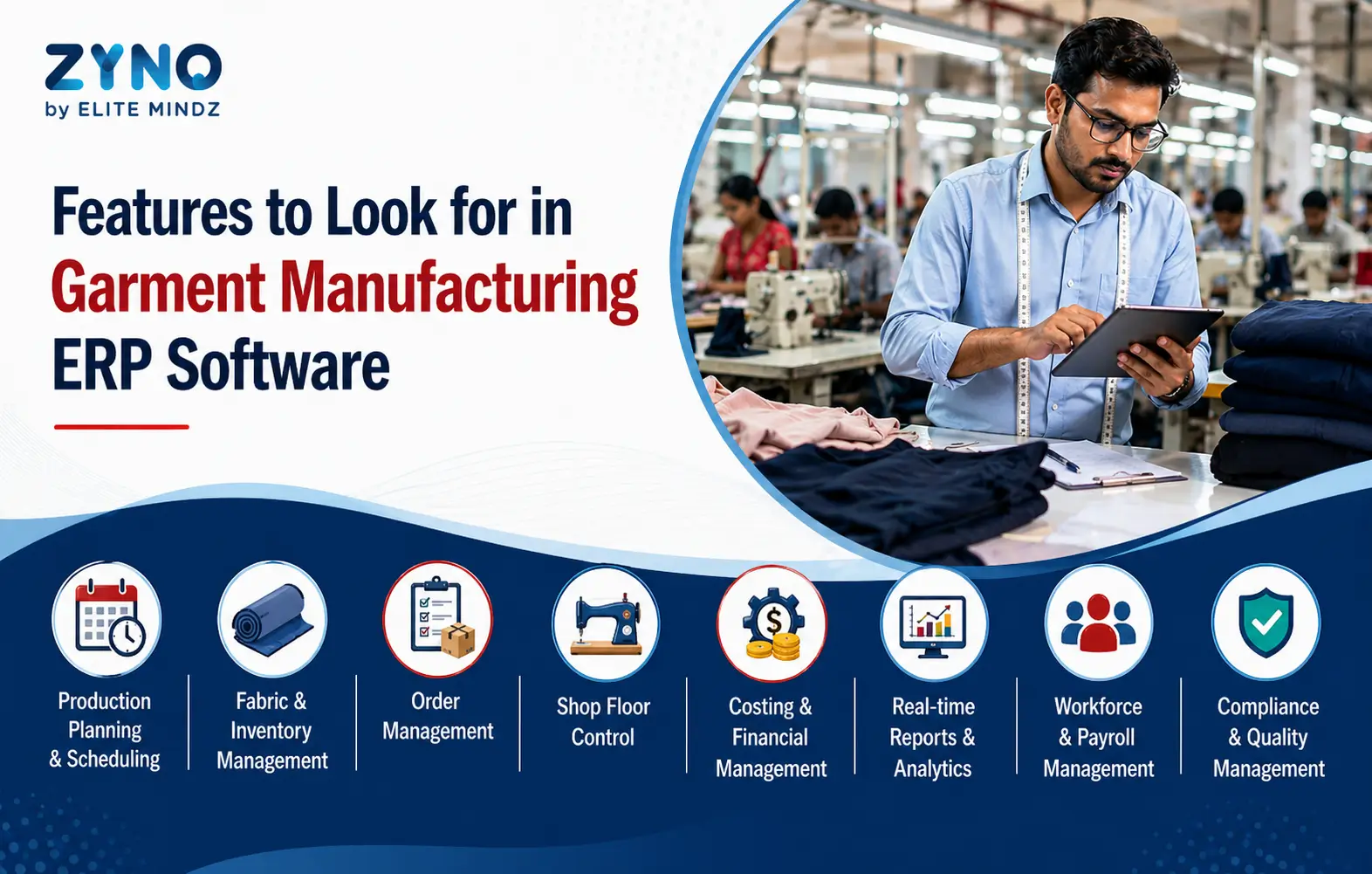
Features to Look for in Garment Manufacturing ERP Software
Read More →
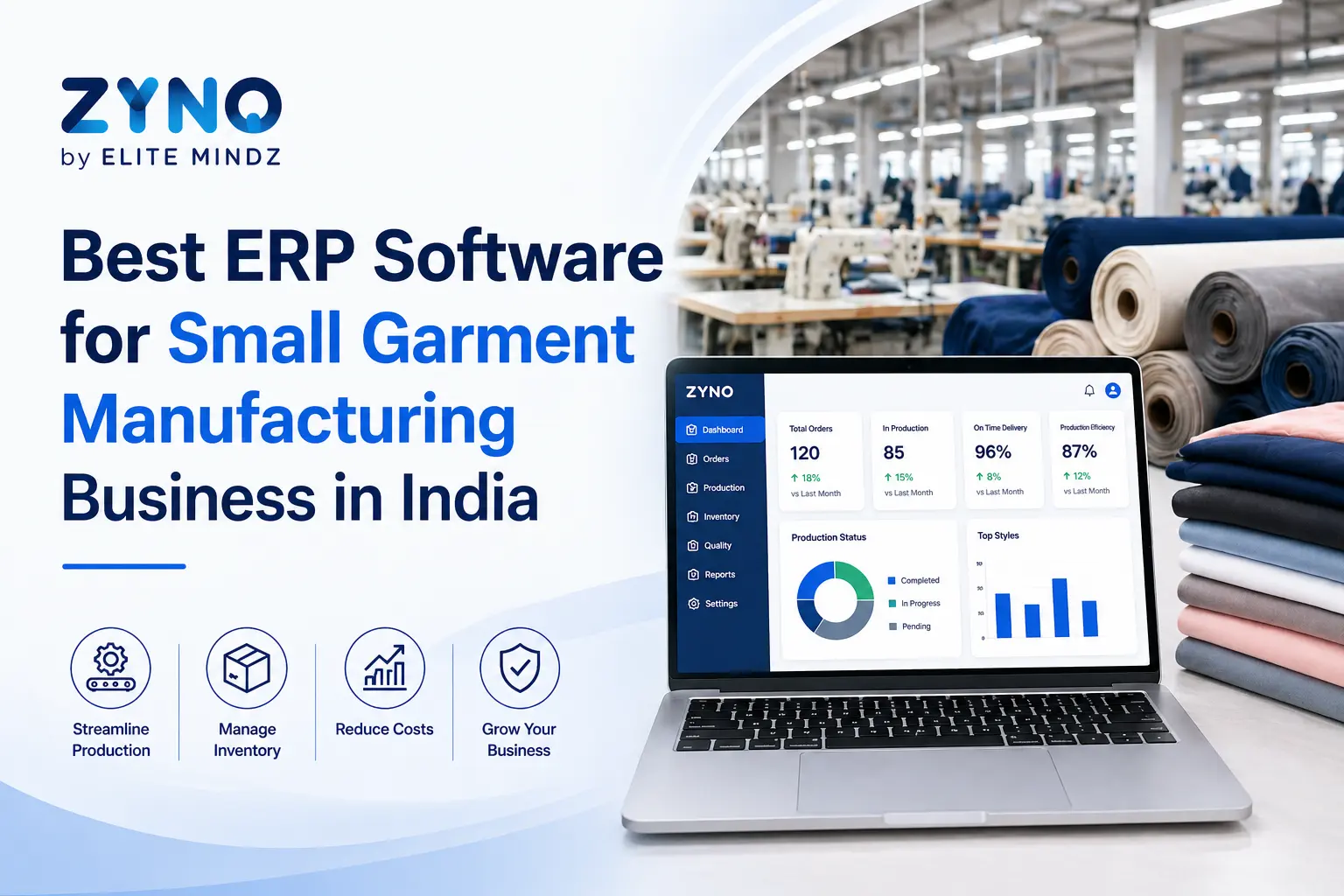
Best ERP Software for Small Garment Manufacturing Business in India
Read More →
The Real Problems Holding Back Small Garment Manufacturers in India
Read More →Garment Manufacturing ERP Software in India: Best Options, Features & Complete Guide 2026
Read More →
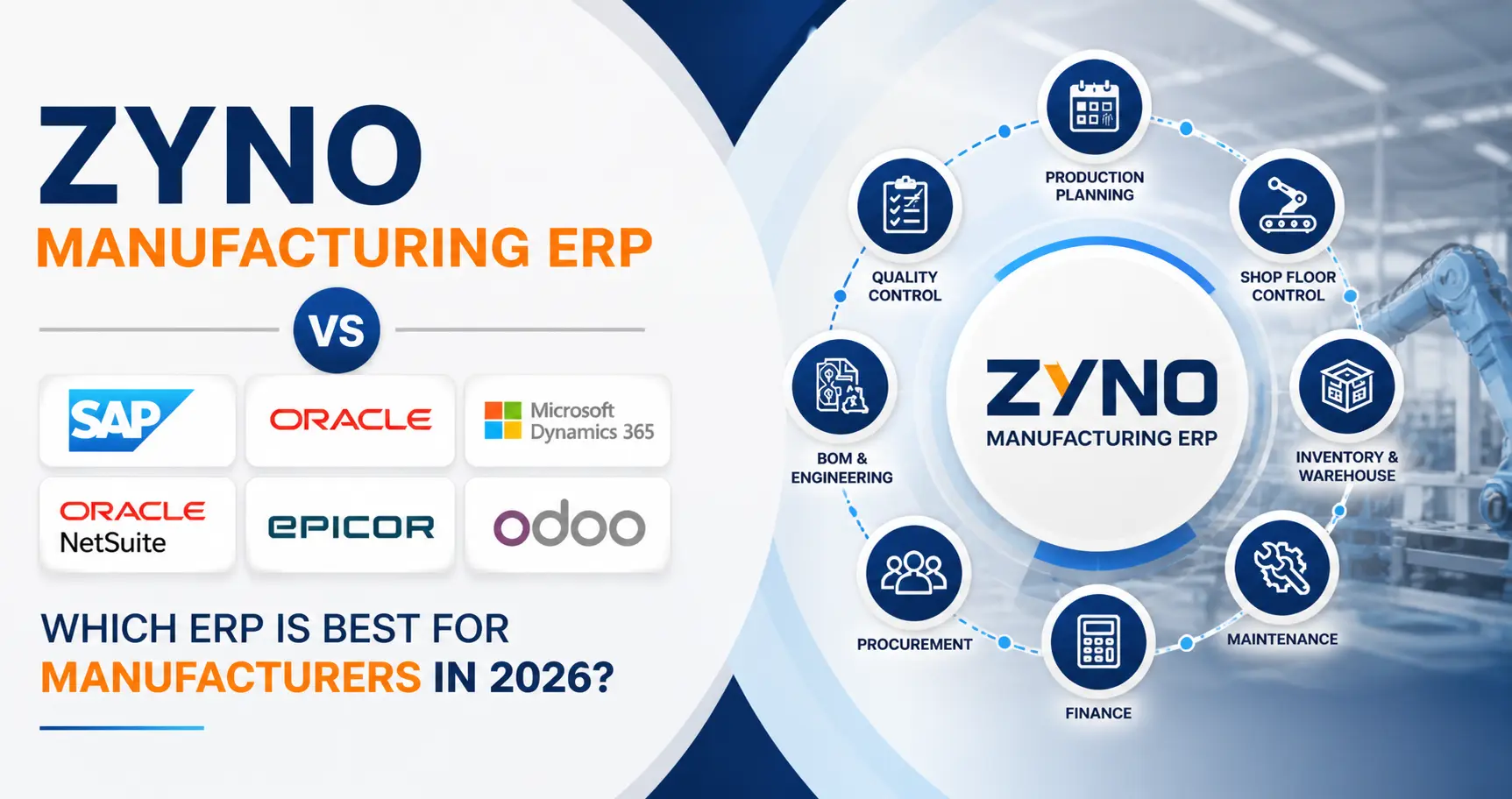
Which ERP is Best for Manufacturers in 2026?
Read More →
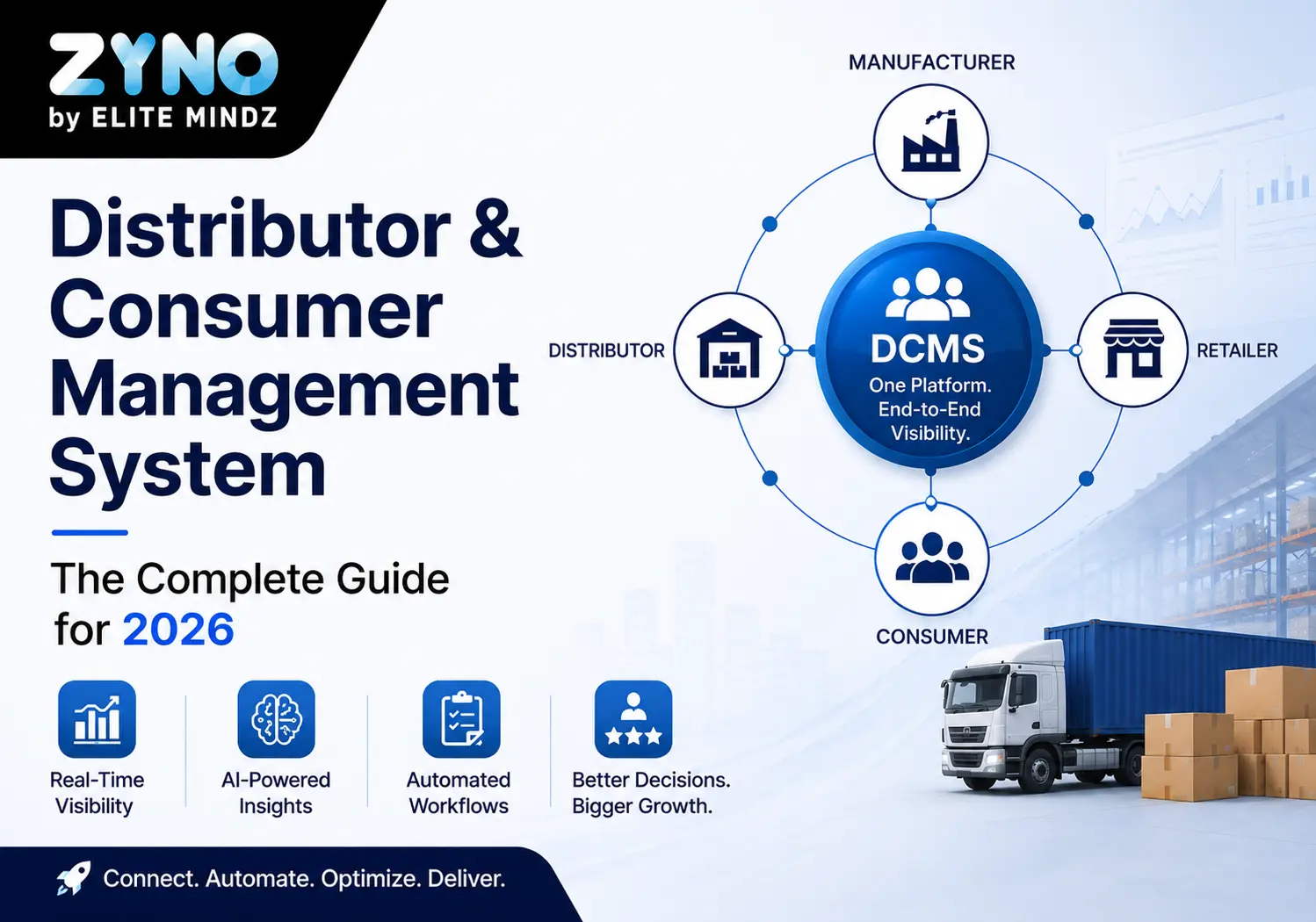
Distributor & Consumer Management System: The Complete Guide for 2026
Read More →
Best Pharma ERP Software in India 2026 – Features, Compliance & Buying Guide
Read More →
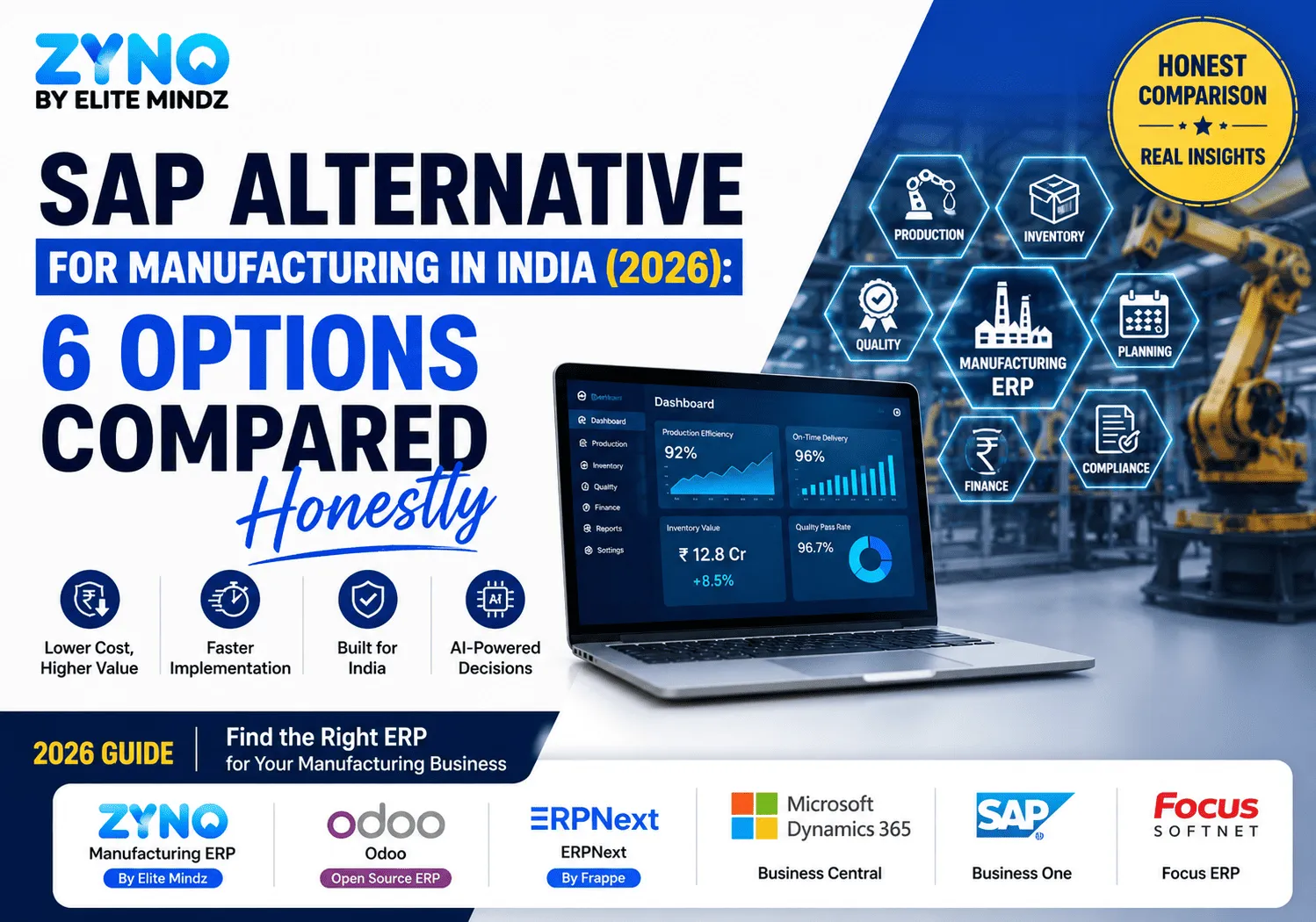
SAP Alternative for Manufacturing in India (2026): 6 Options Compared Honestly
Read More →
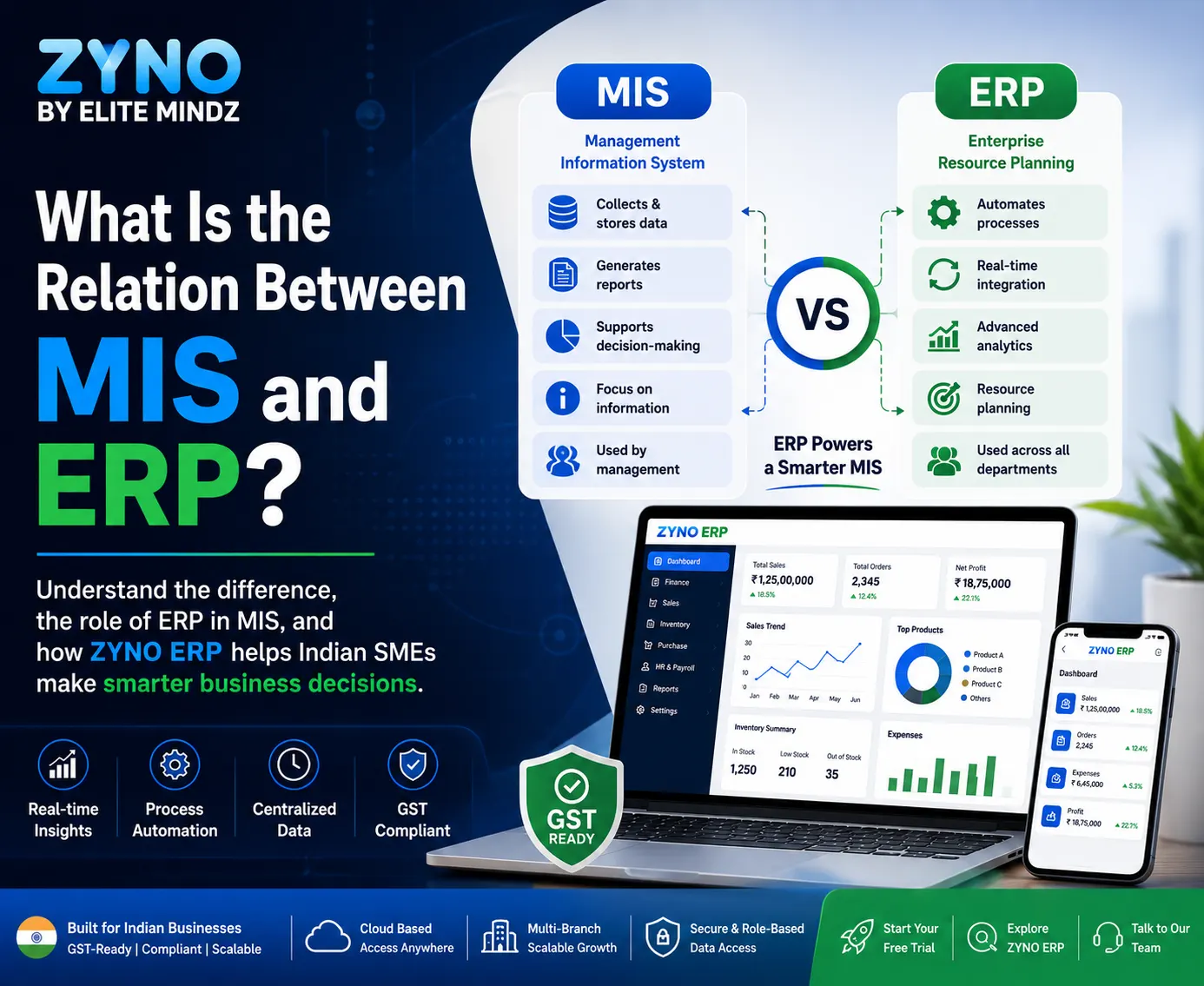
What Is the Relation Between MIS and Enterprise Resource Planning?
Read More →
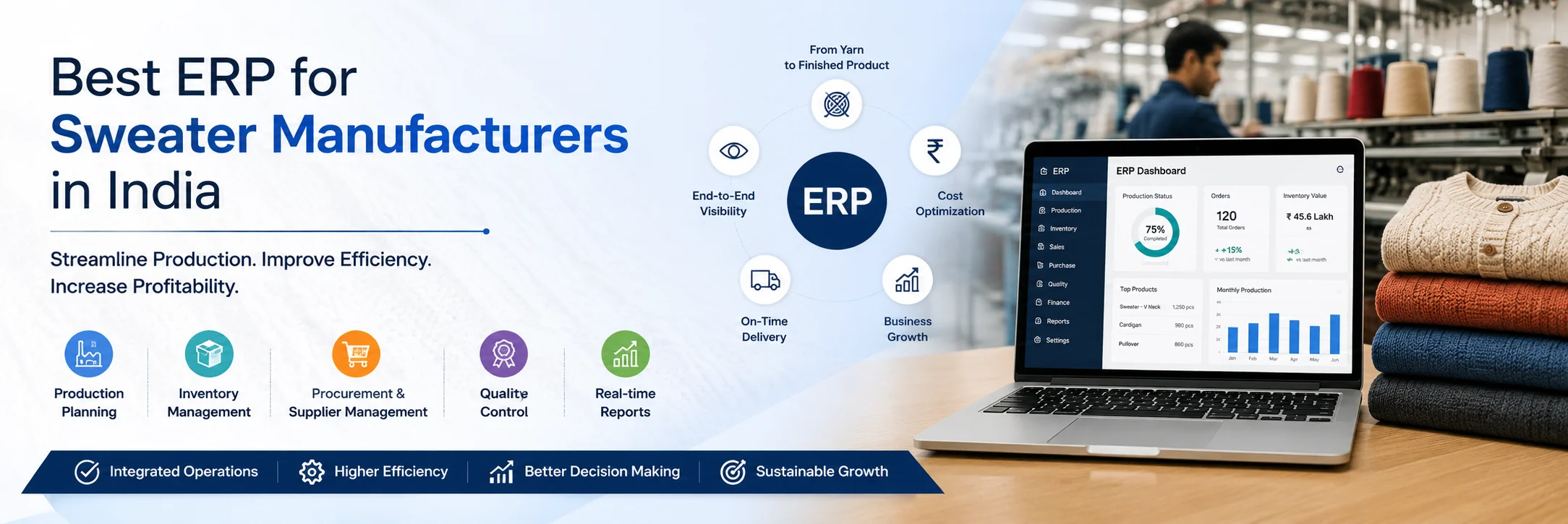
Best ERP for Sweater Manufacturers in India
Read More →
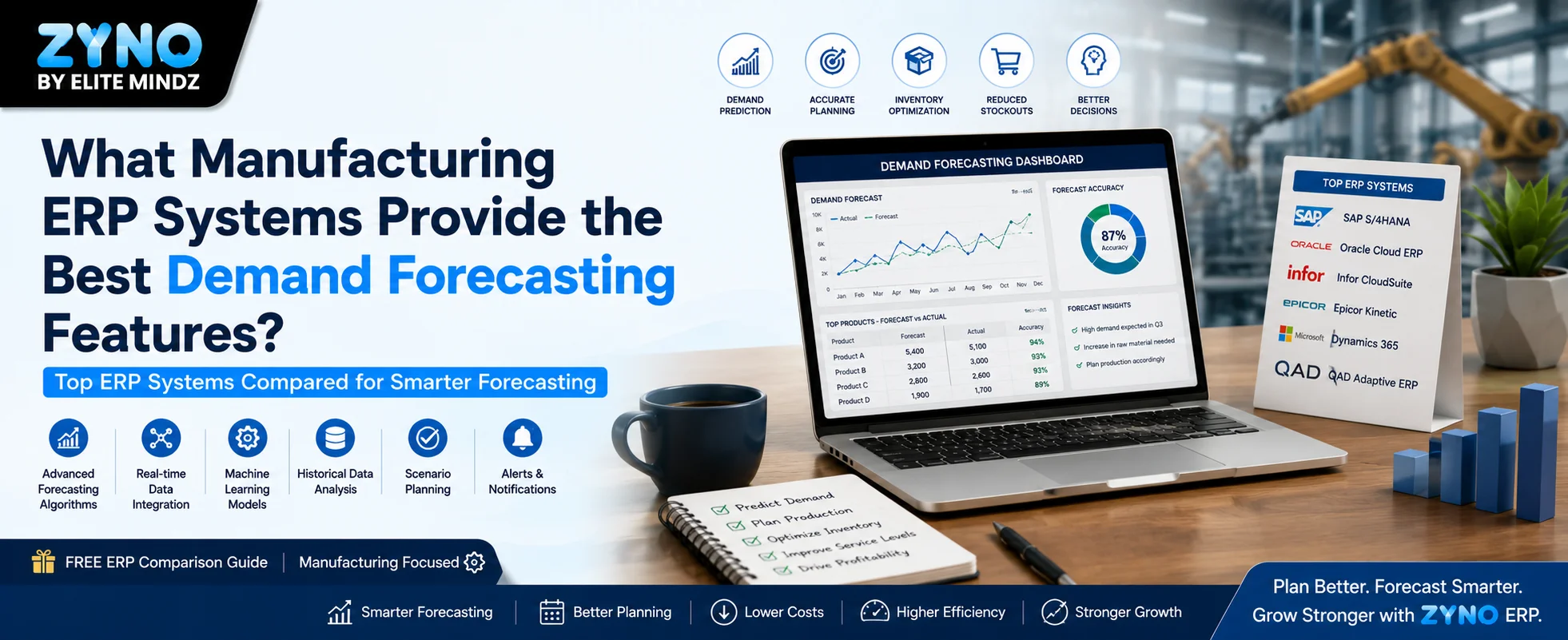
What Manufacturing ERP Systems Provide the Best Demand Forecasting Features?
Read More →
Which ERP Software Provides the Best Demand Forecasting for Manufacturers?
Read More →
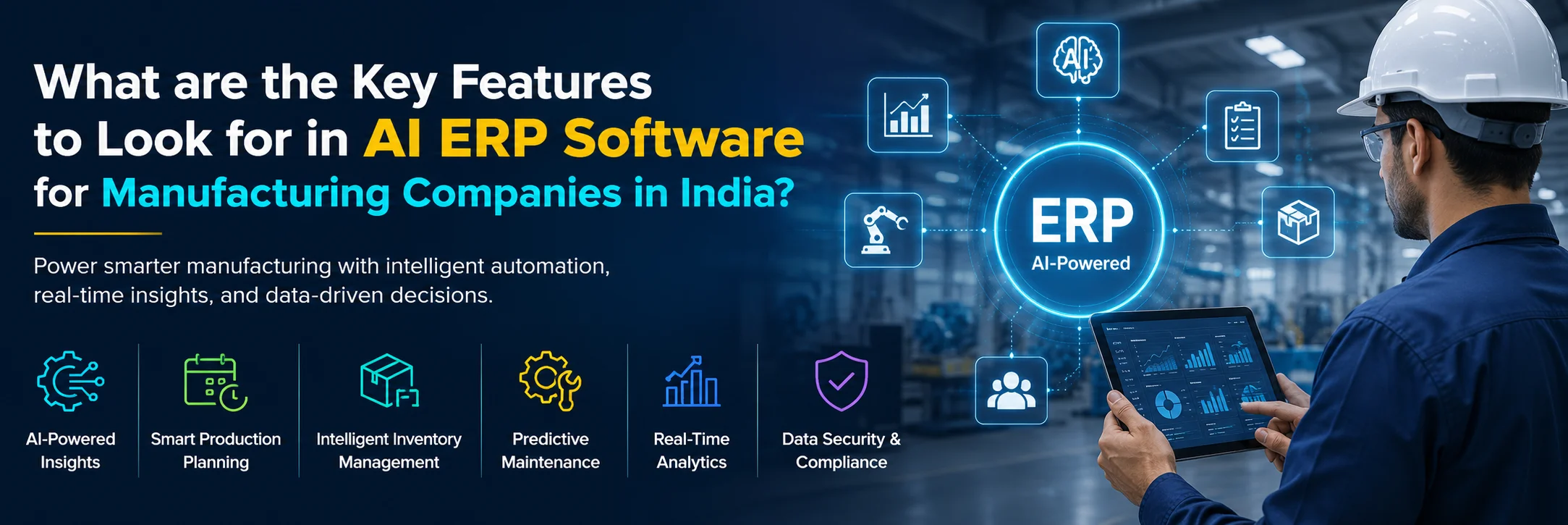
What are the key features to look for in AI ERP software for manufacturing companies in India?
Read More →
How does AI-powered ERP software improve production planning and inventory management in manufacturing?
Read More →
Which AI ERP platforms are best suited for small and mid-sized manufacturing businesses in India?
Read More →
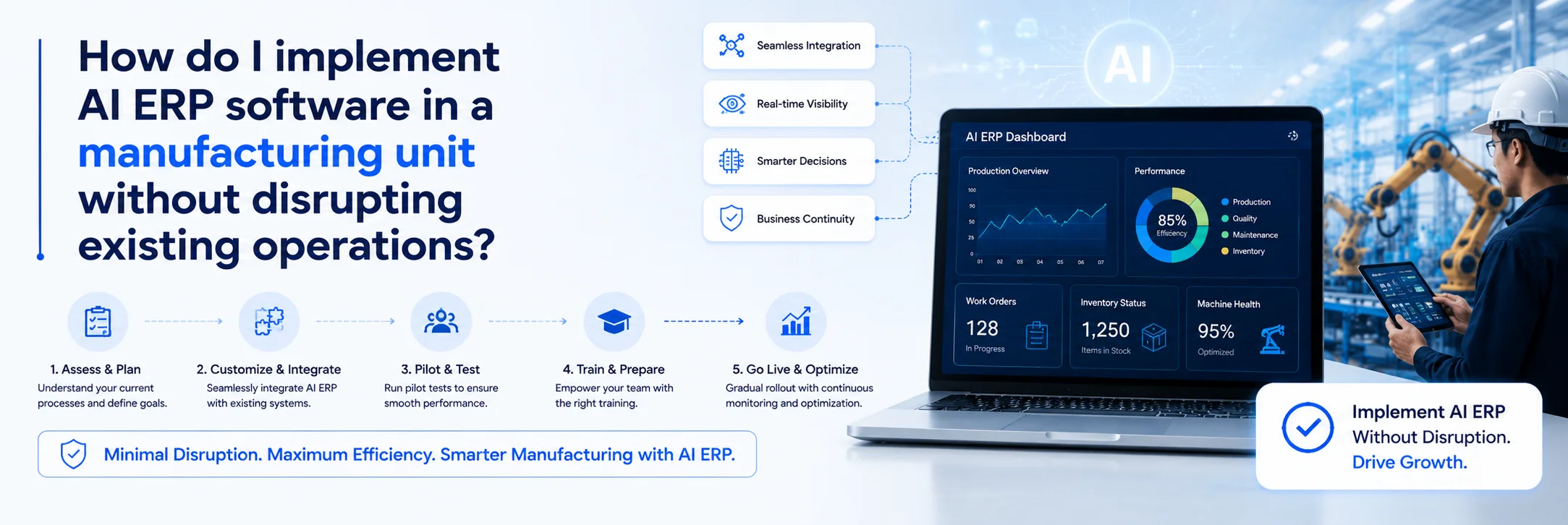
How do I implement AI ERP software in a manufacturing unit without disrupting existing operations?
Read More →
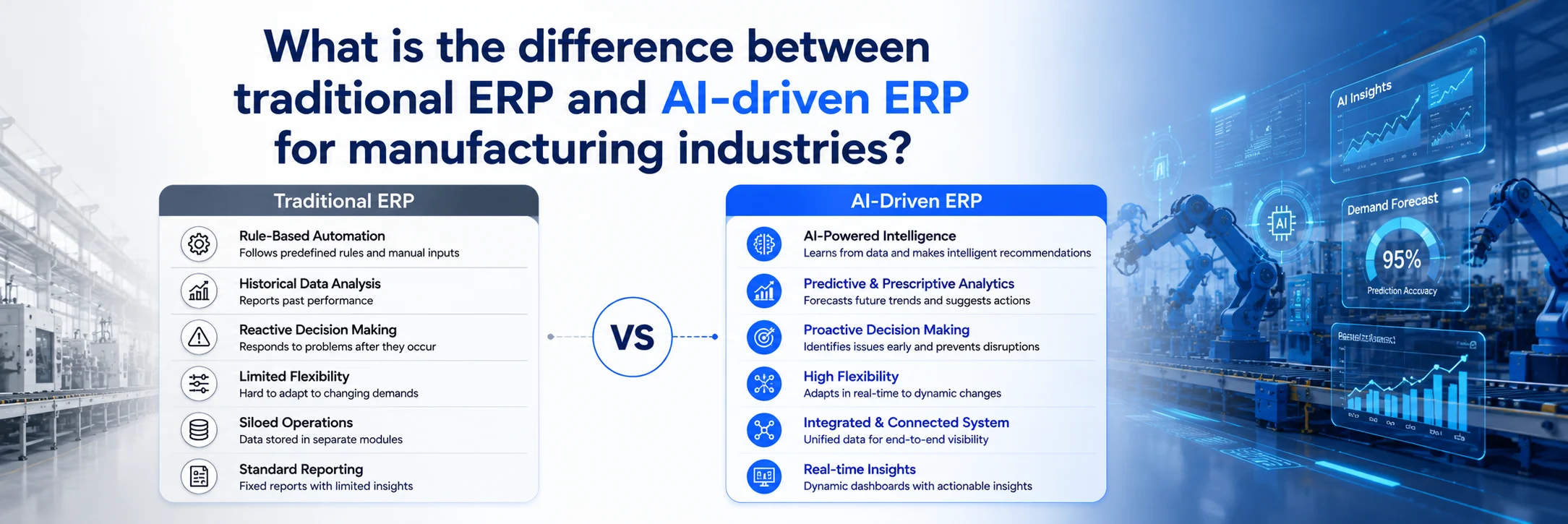
What is the difference between traditional ERP and AI-driven ERP for manufacturing industries?
Read More →
AI-Powered Smart ERP Software: The Complete Guide for Modern Enterprises
Read More →
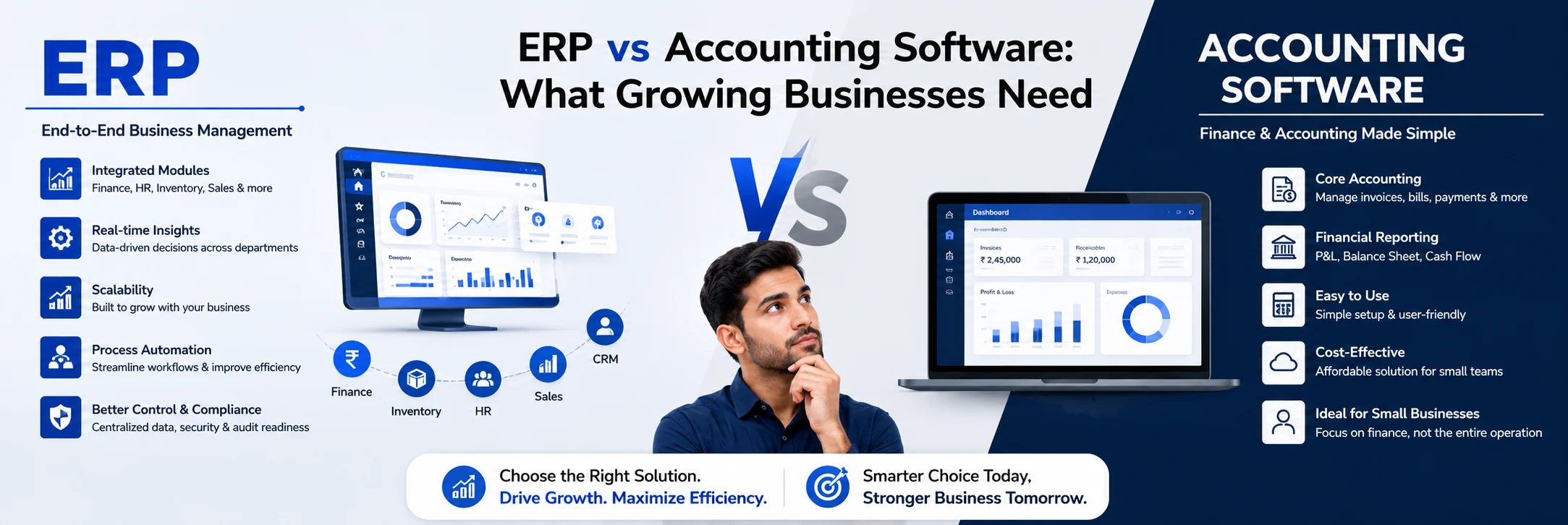
ERP vs Accounting Software: What Growing Businesses Need
Read More →
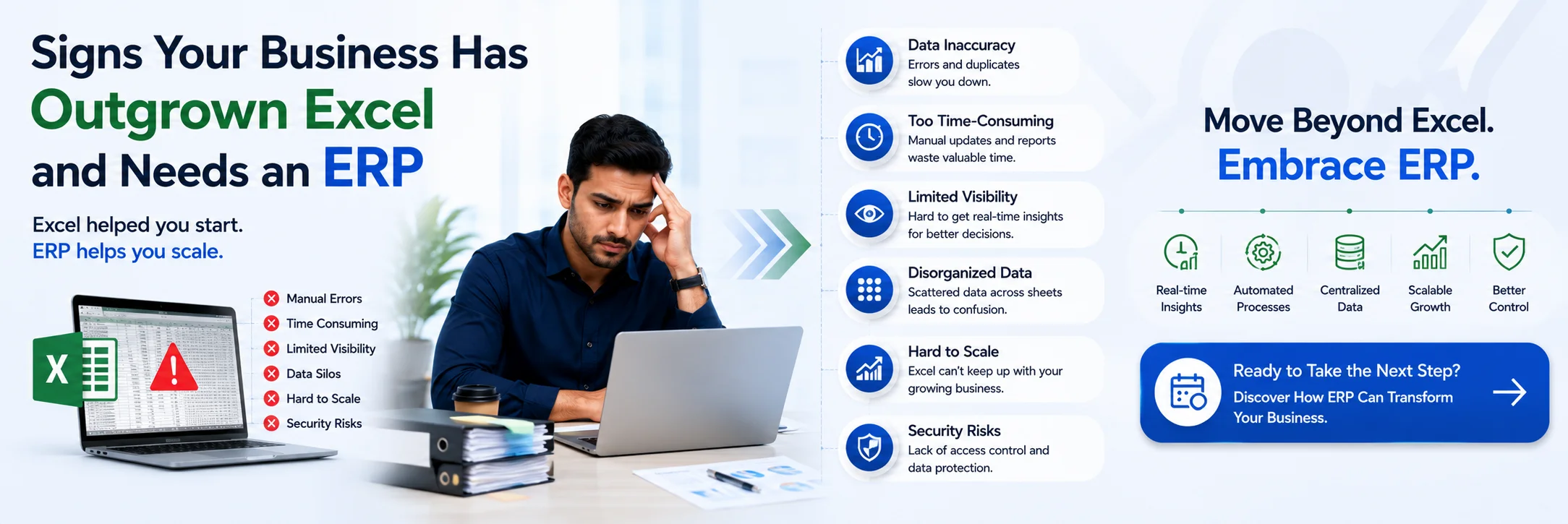
Signs Your Business Has Outgrown Excel and Needs an ERP
Read More →
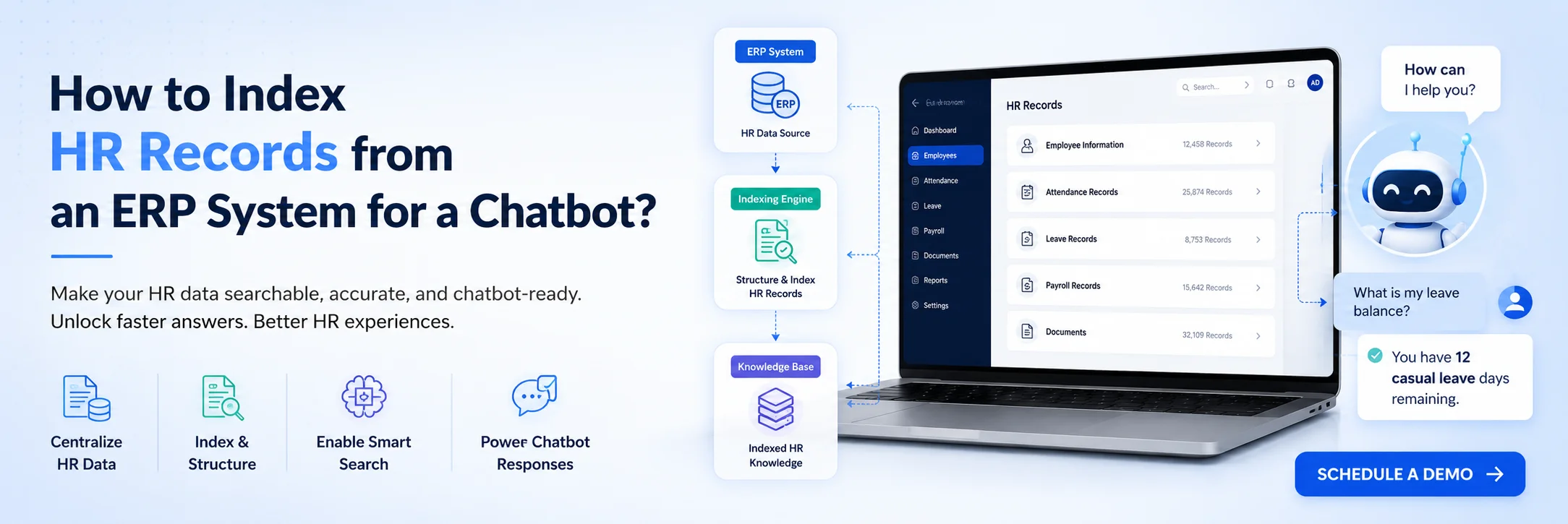
How to Index HR Records from an ERP System for a Chatbot?
Read More →
What is the Best Software for Retail Garment Shop?
Read More →
Manufacturing Software for the Textile and Garment Industry?
Read More →
Best ERP Software for Manufacturing Companies in India?
Read More →
How ERP Reduces Production Costs and Improves Profitability?
Read More →
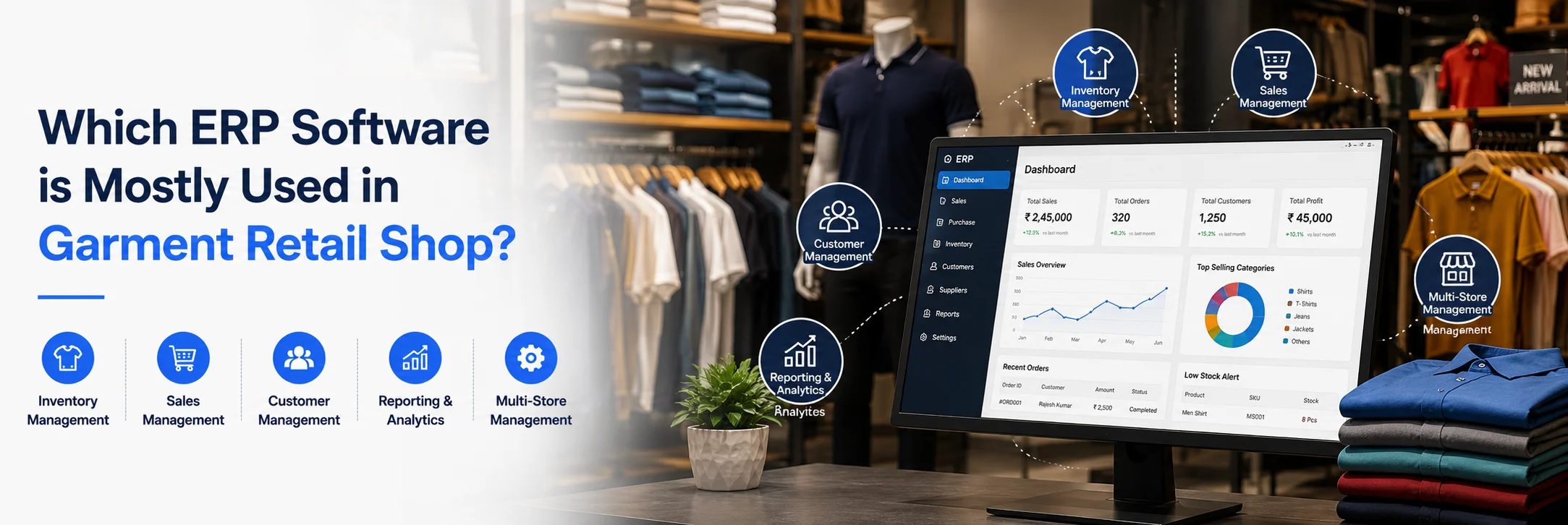
Which ERP Software is Mostly Used in Garment Retail Shop?
Read More →
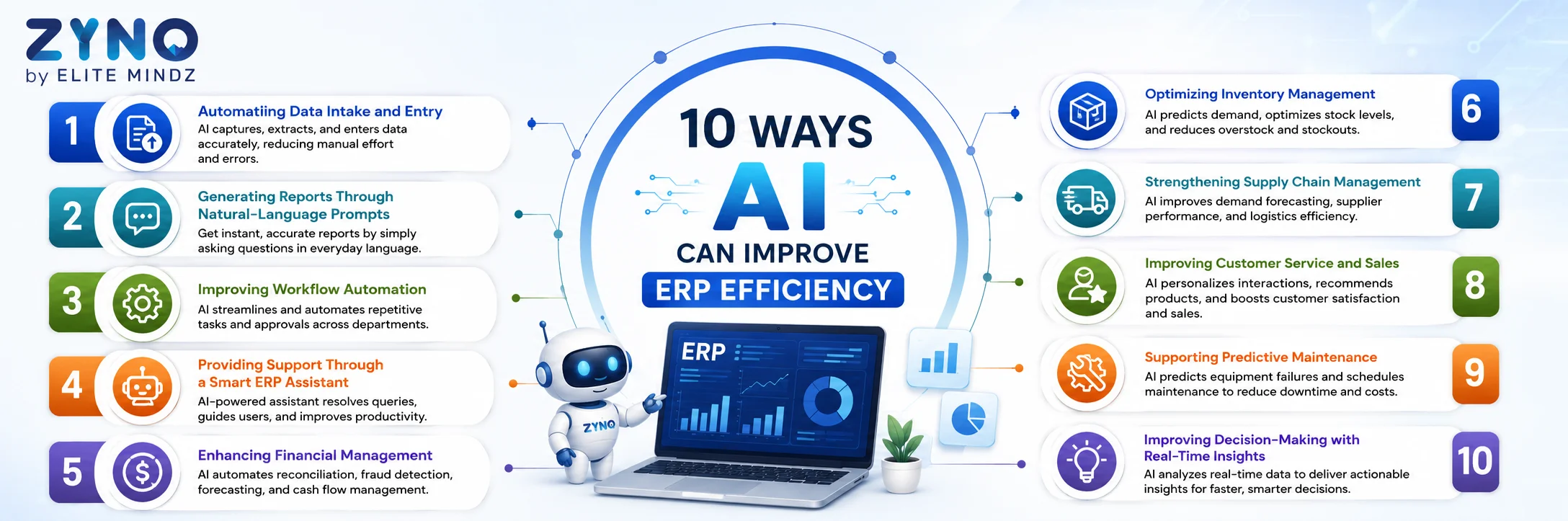
10 Ways AI Can Improve ERP Efficiency
Read More →
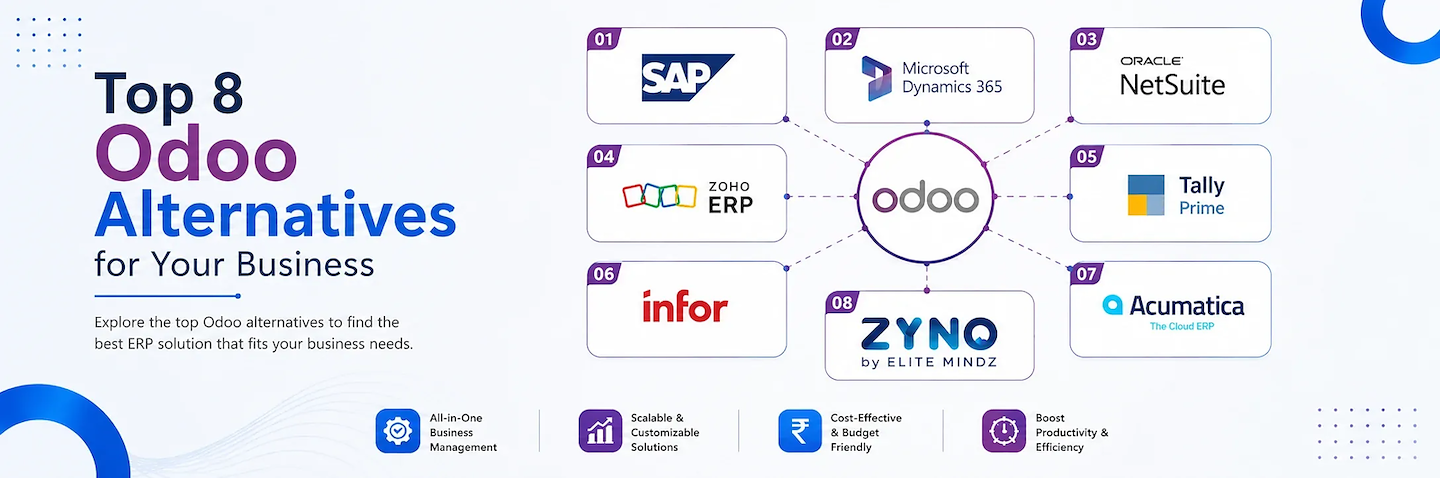
Top 8 Odoo Alternatives for Your Business
Read More →
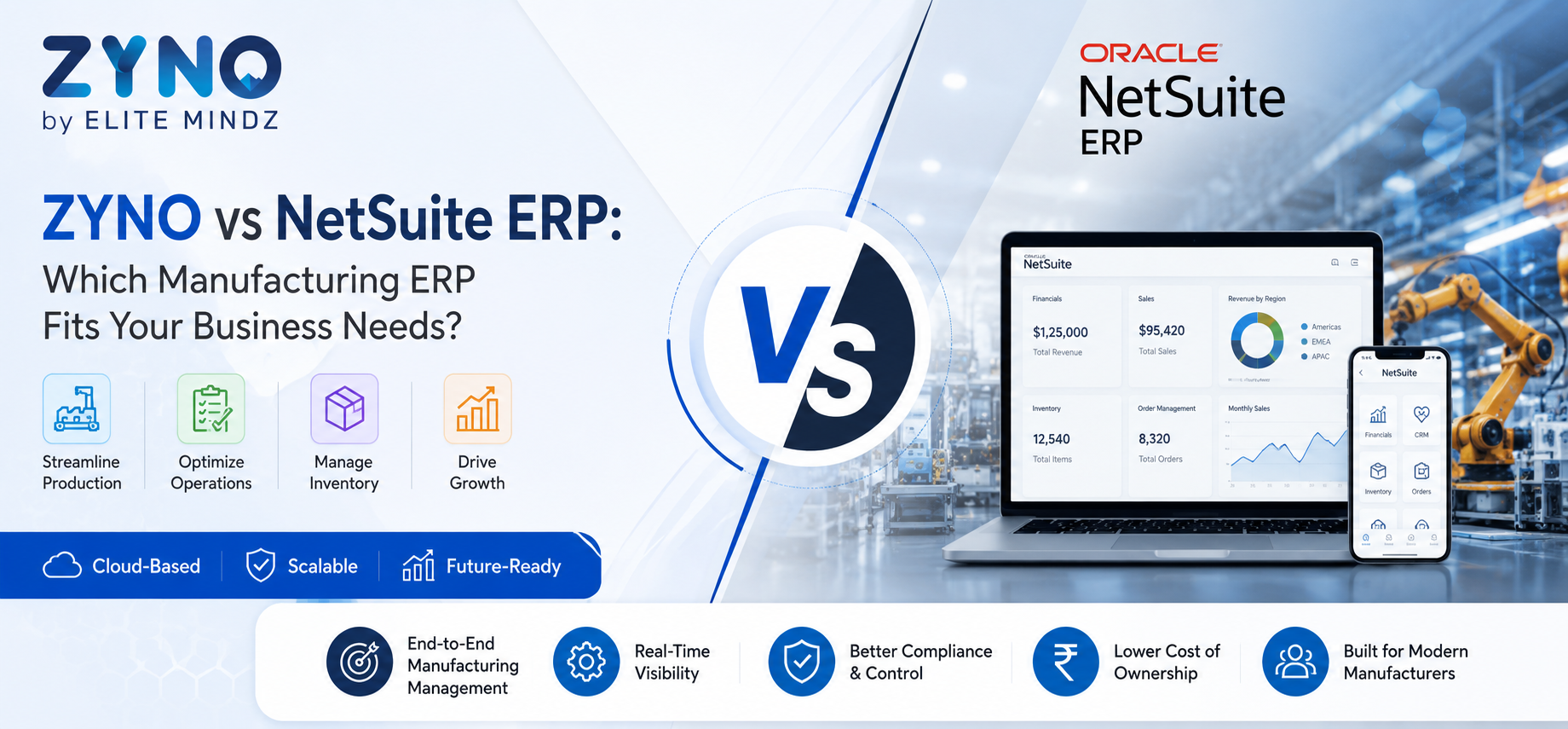
ZYNO vs NetSuite ERP: Which Manufacturing ERP Fits Your Business Needs?
Read More →
Top ERP Software Providers in 2026: Full Comparison
Read More →
ERP Software Reviews: What Buyers Actually Say in 2026
Read More →
ERP Software for Retail Businesses: Complete Guide
Read More →
ERP Software for Healthcare: Beyond Patient Records
Read More →
ERP Software for Logistics Companies: A Complete Guide
Read More →
Best ERP Software for SaaS Companies in 2026
Read More →
Cloud ERP Software Features: The Complete List for 2026
Read More →
Top ERP Software in Kenya (2026): Best Picks for Growing Businesses
Read More →
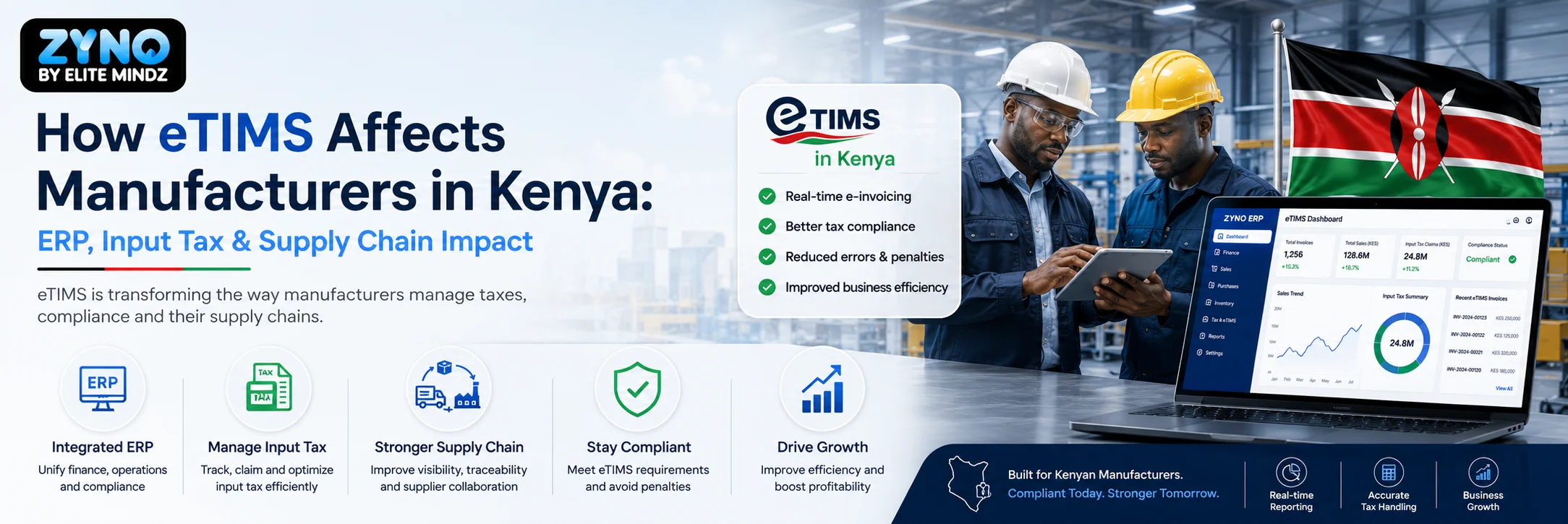
How eTIMS Affects Manufacturers in Kenya: ERP, Input Tax & Supply Chain Impact
Read More →
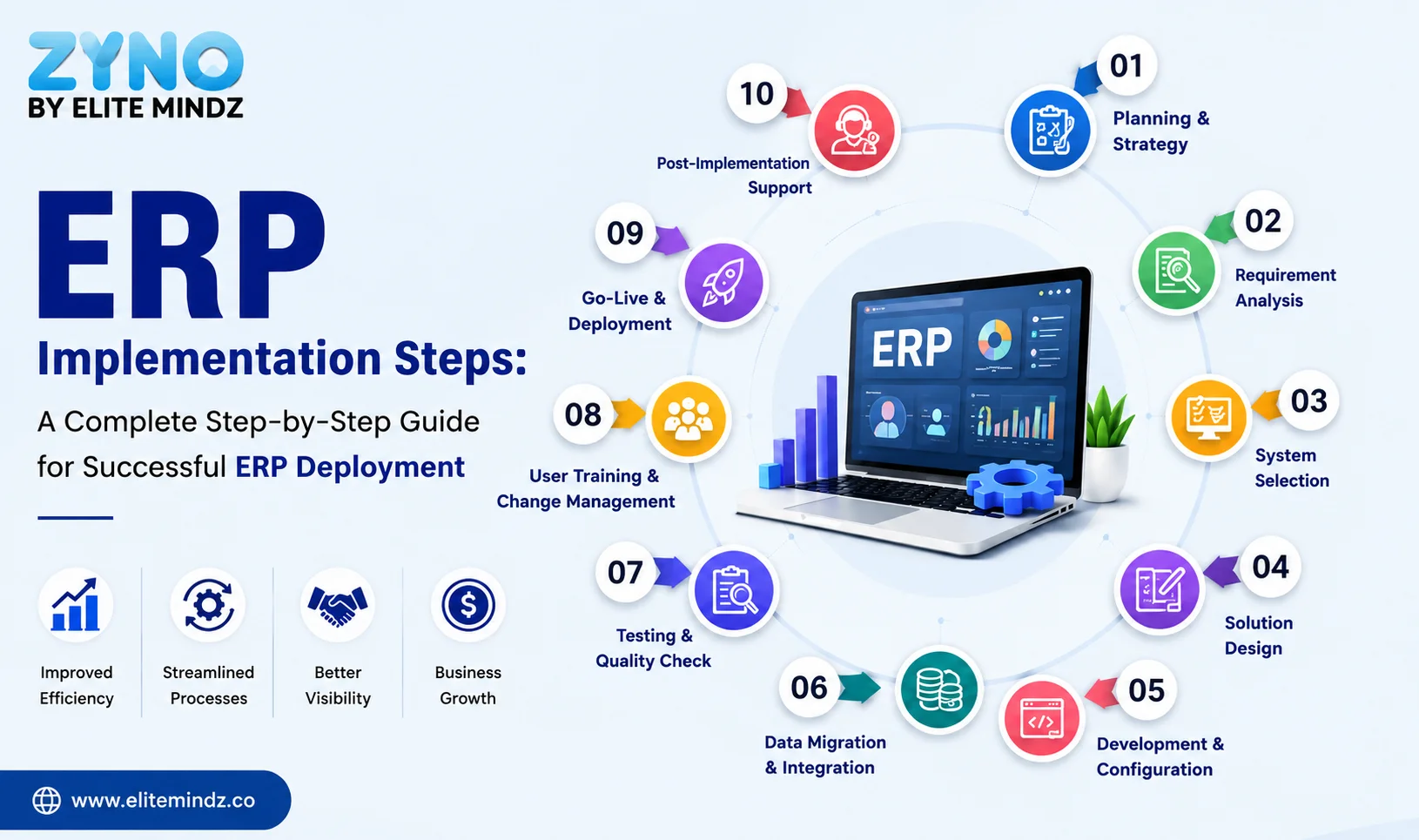
ERP Implementation Steps: A Complete Step-by-Step Guide for Successful ERP Deployment
Read More →
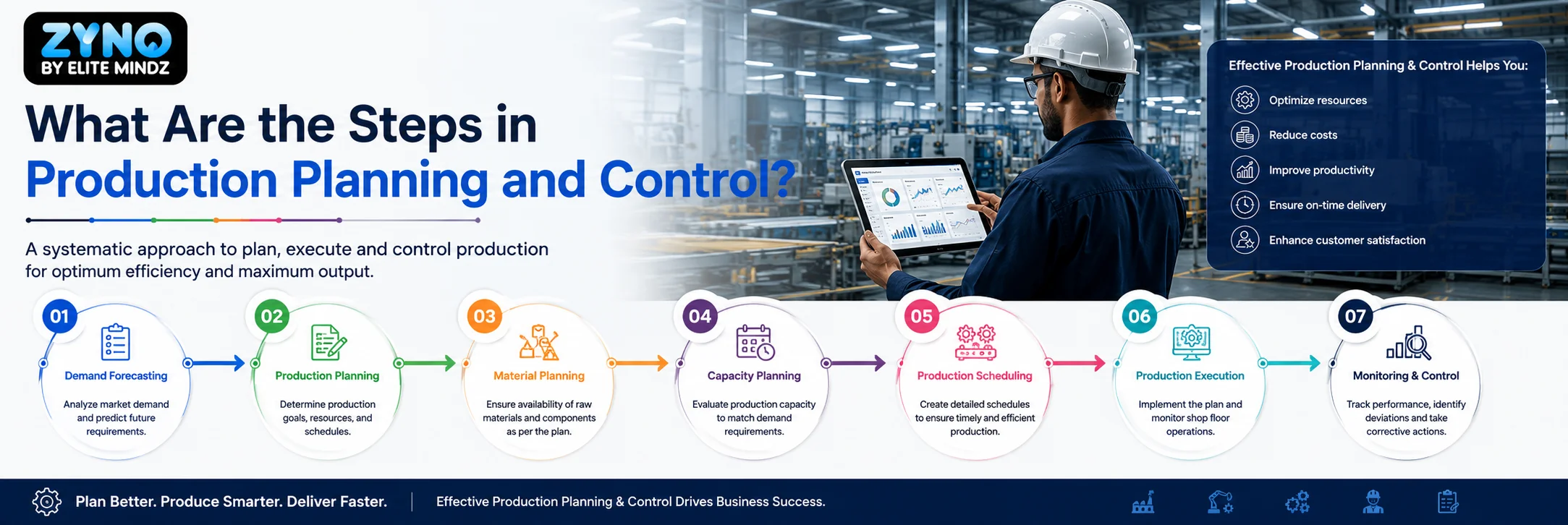
What Are the Steps in Production Planning and Control?
Read More →
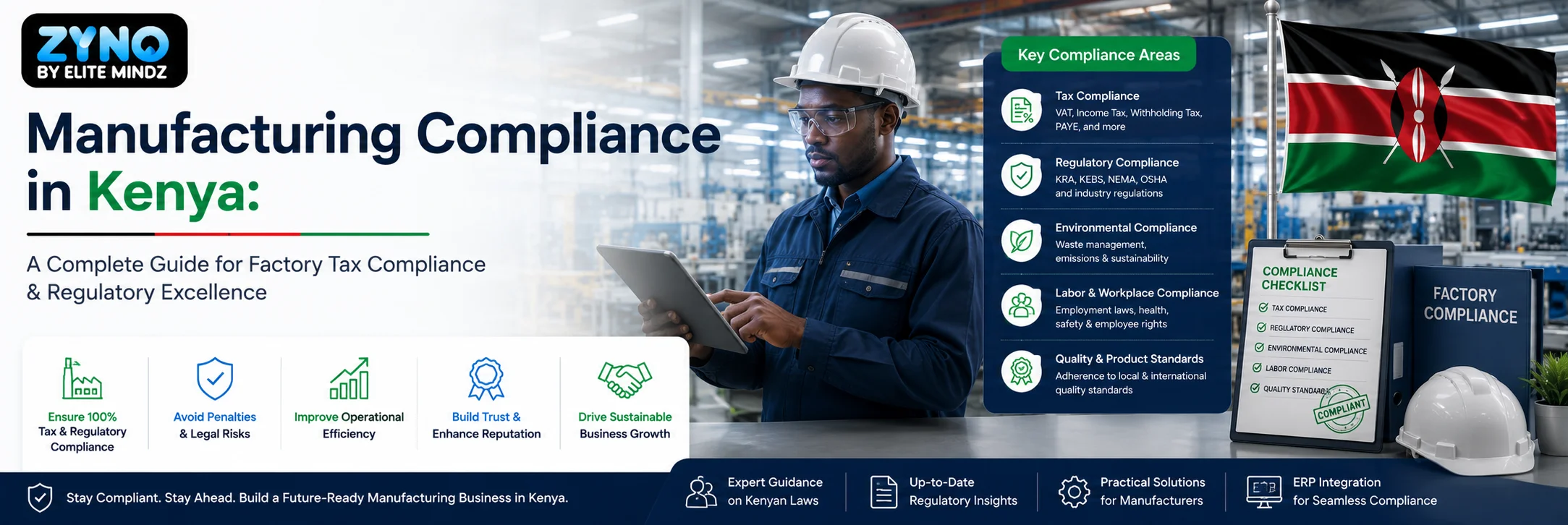
Manufacturing Compliance in Kenya: A Complete Guide for Factory Tax Compliance & Regulatory Excellence
Read More →
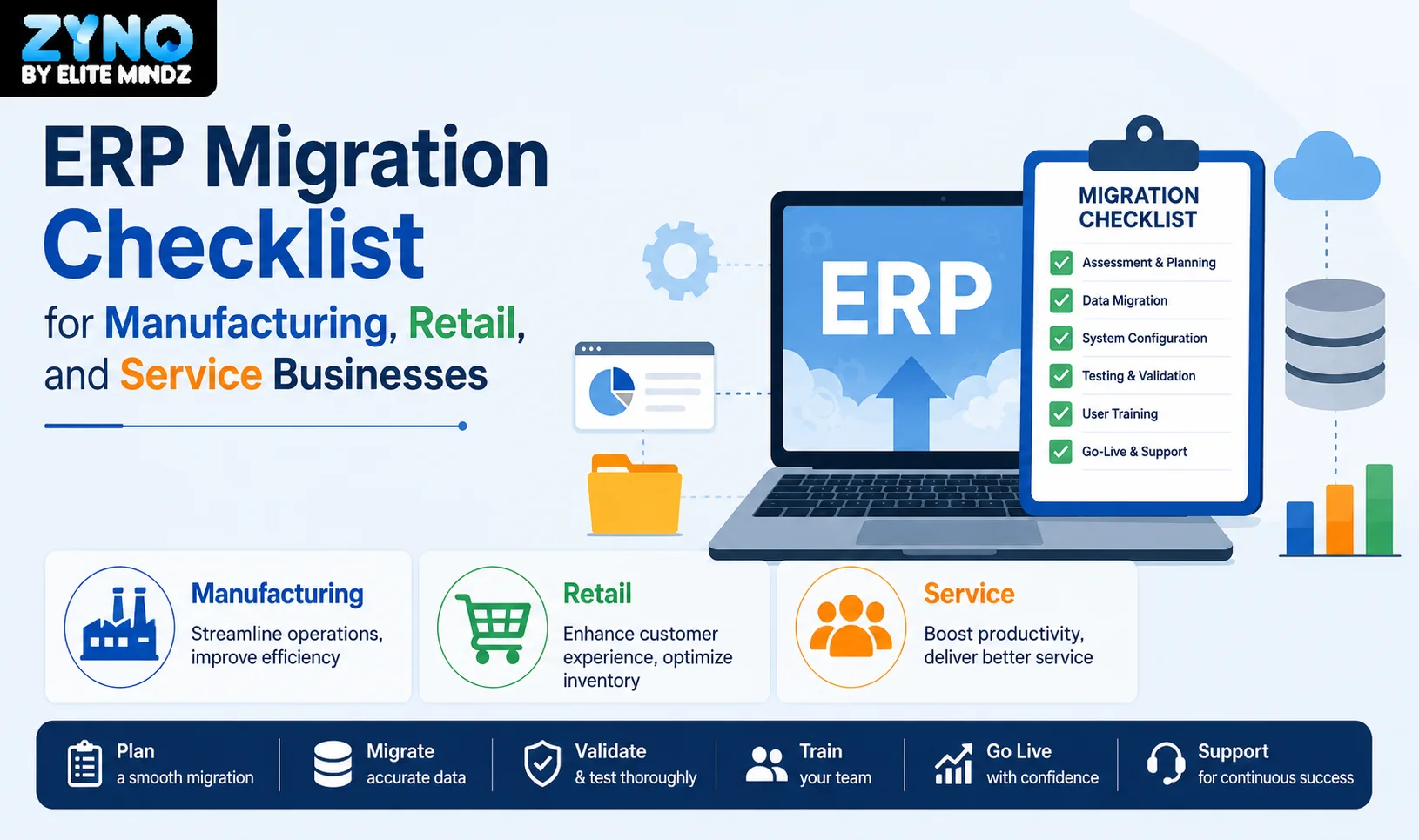
ERP Migration Checklist for Manufacturing, Retail, and Service Businesses
Read More →
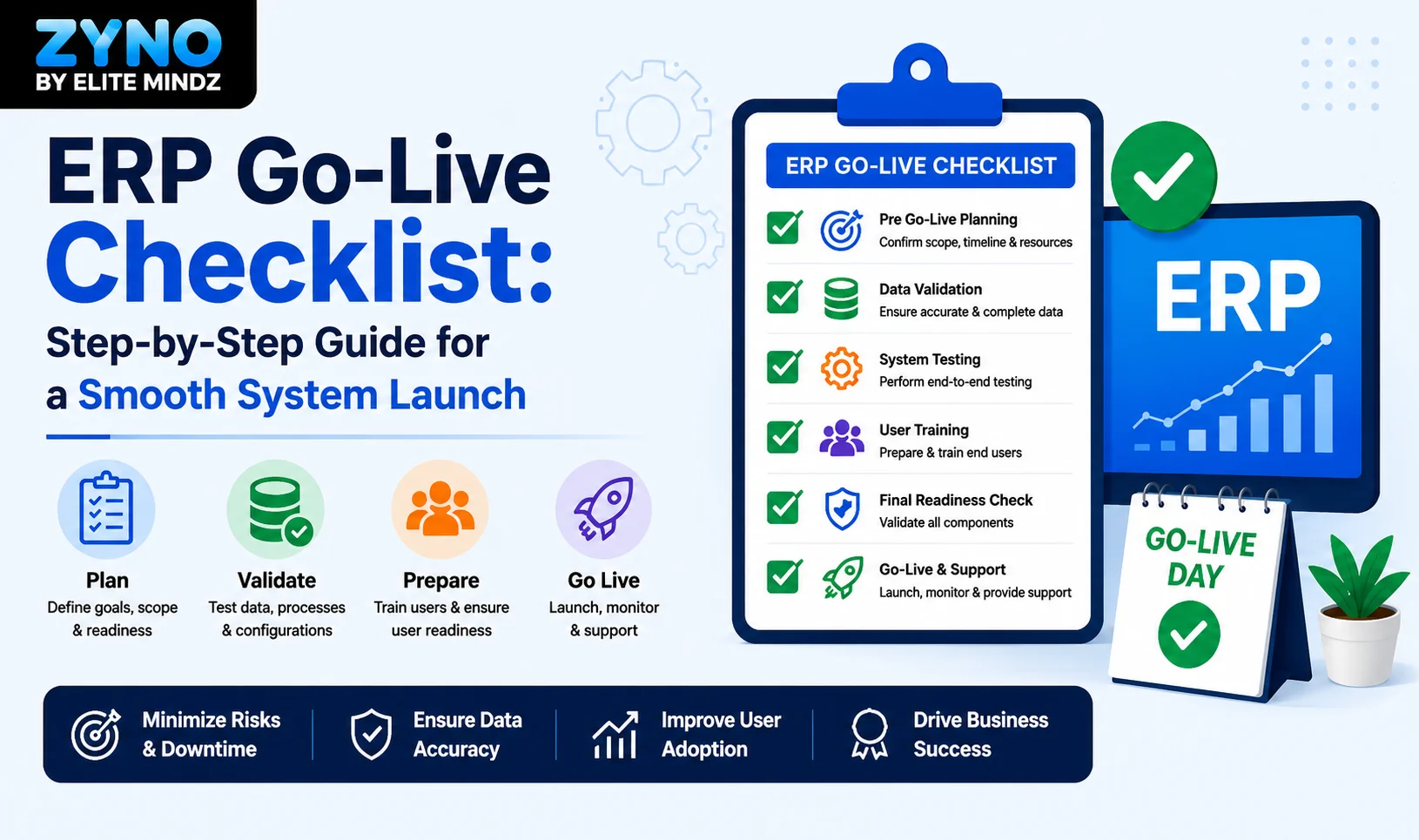
ERP Go-Live Checklist: Step-by-Step Guide for a Smooth System Launch
Read More →
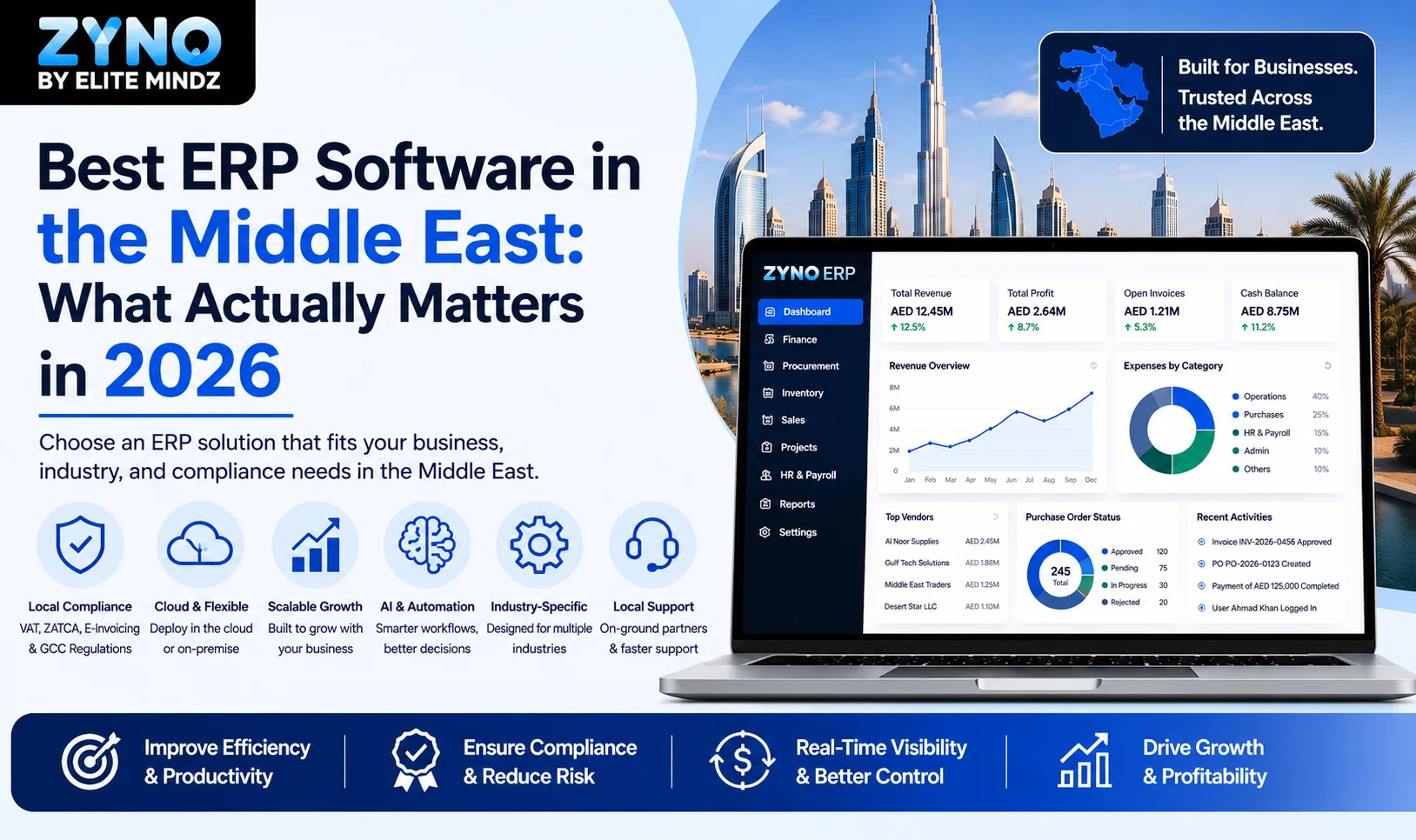
Best ERP Software in the Middle East: What Actually Matters in 2026
Read More →
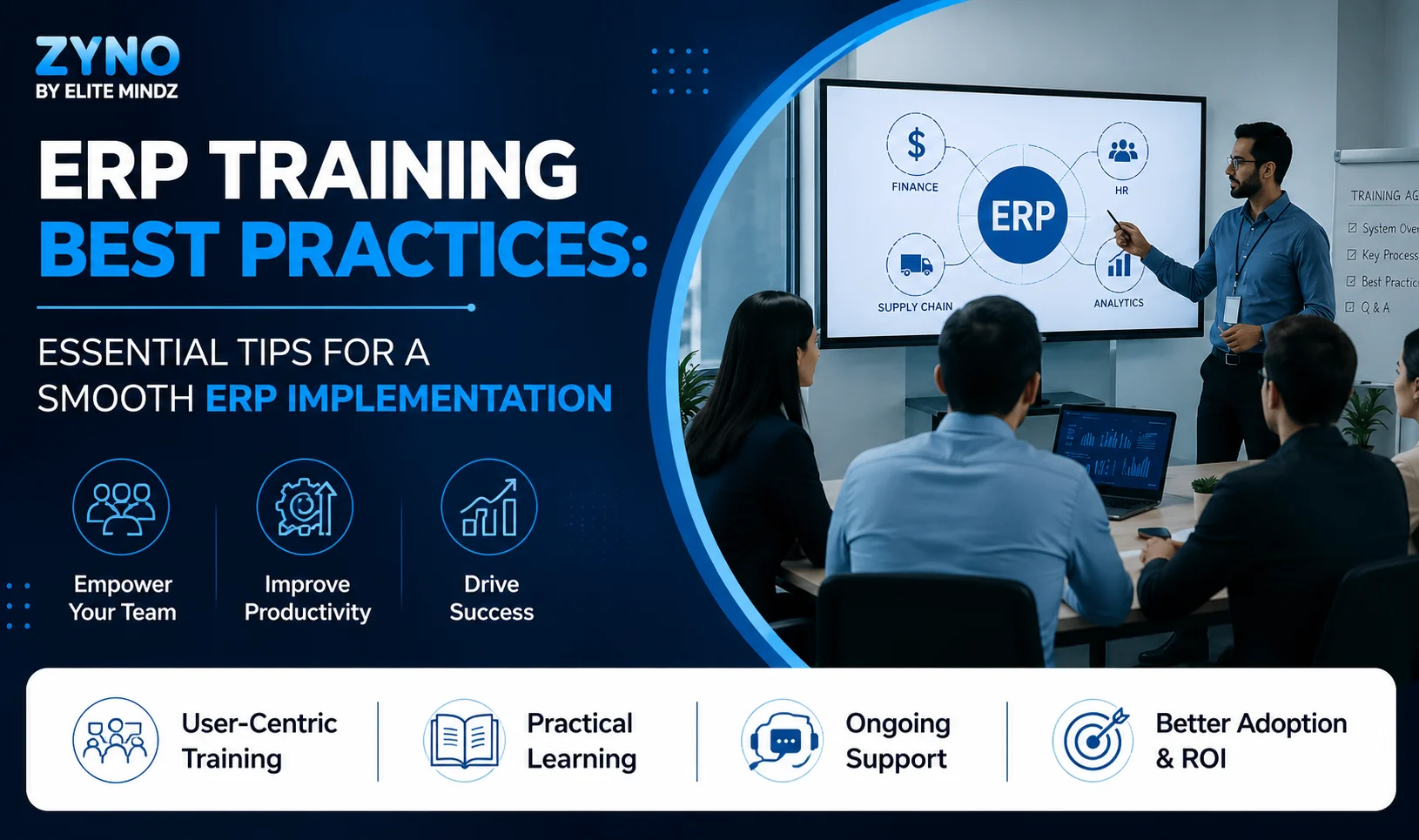
ERP Training Best Practices: Essential Tips for a Smooth ERP Implementation
Read More →
Traceability in Manufacturing: Cost Effective Solution and Complete Information
Read More →
Manufacturing ERP Software Buying Guide: Features, Checklist & Questions to Ask Before You Invest
Read More →Partner with ZYNO by Elite Mindz to revolutionize how your business works. Fill out the form, and we’ll reach out with AI-powered solutions made just for you.
We use browser cookies to ensure you get the best experience on our website. Learn more
The form was submitted successfully!
ZYNO Digital
Fueling Smarter Digital Growth
ZYNO Digital fuels smarter digital growth through data-driven marketing, creative storytelling, and performance strategies that boost visibility, engagement, and measurable business outcomes across global platforms.
ZYNO Tech
Engineering the Future of IT
ZYNO Tech delivers cutting-edge IT solutions — including web, mobile, and digital transformation services — helping businesses scale efficiently, innovate faster, and stay ahead in a connected world.
ZYNO AI
AI Built for Business Growth
ZYNO AI harnesses the power of artificial intelligence to automate processes, enhance decision-making, and deliver predictive insights — driving innovation, agility, and measurable business growth.
ZYNO by Elite Mindz
Your Partner in the AI-Powered Future
ZYNO by Elite Mindz offers AI-powered products and services that unify operations, boost productivity, and drive digital transformation — helping businesses scale smarter and innovate faster.
* In just 2 mins you'll get a response
* Your idea is 100% protected by our Non-Disclosure Agreement