What is ERP? A Beginner's Guide to Enterprise Resource Planning
Read More →

×
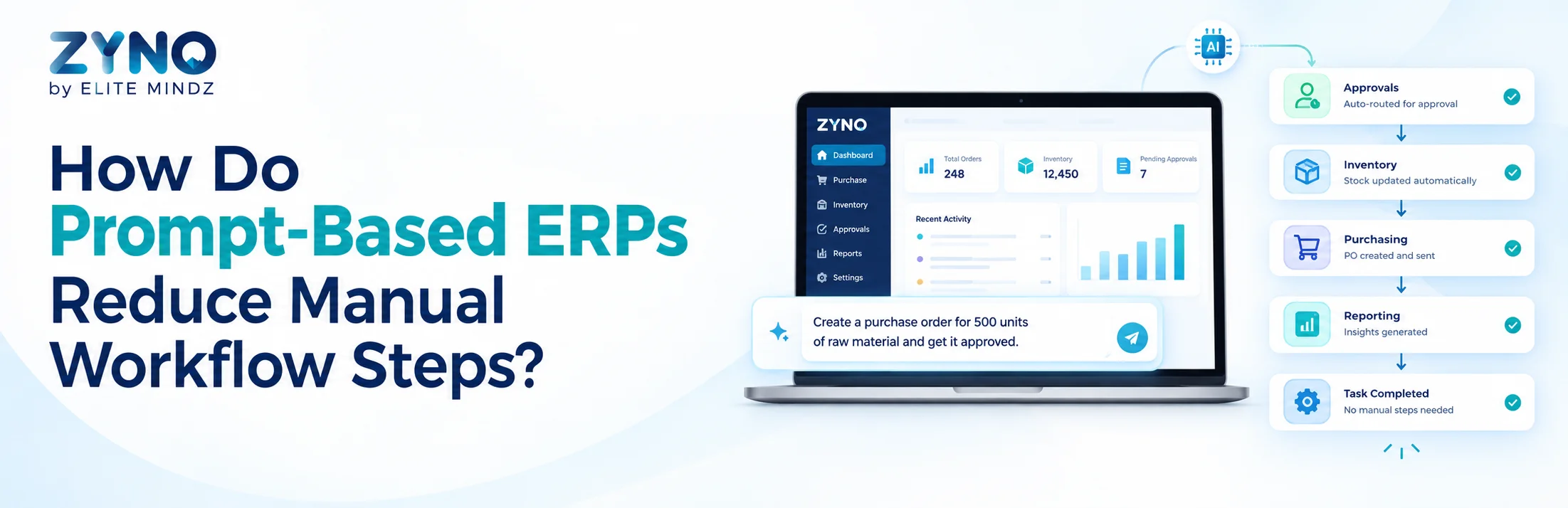
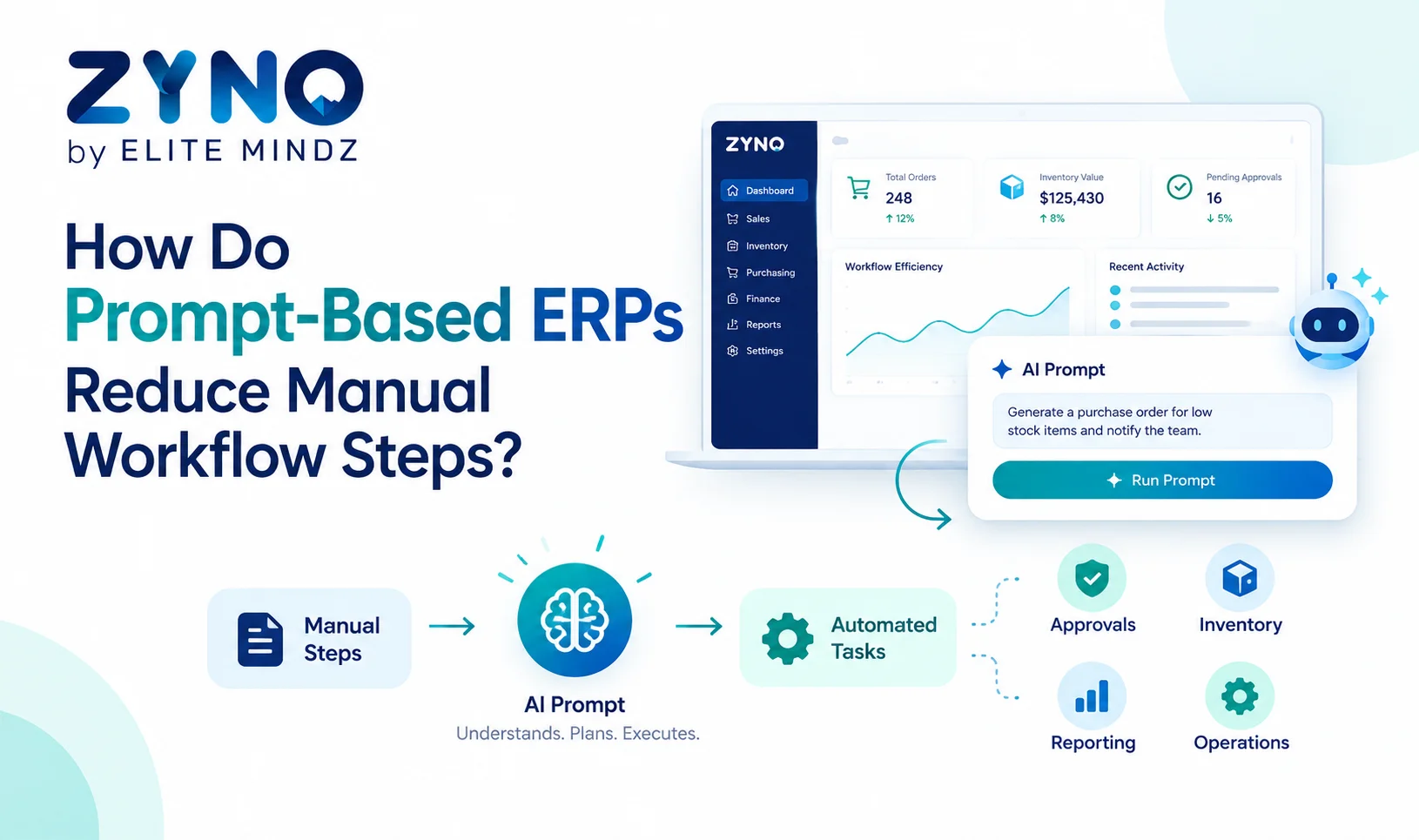
Prompt-based ERPs reduce manual workflow steps by letting users request tasks in plain language instead of navigating menus and forms. They draft records from one instruction, return instant answers without report building, route approvals automatically, match documents to existing records, and flag exceptions. This cuts duplicate entry, screen switching and follow-ups, though clean data and human approvals are still essential.
Businesses using ZYNO Books cut accounting time by 70% and stay 100% ZATCA-compliant — automatically.
Businesses are increasingly adopting AI-powered technologies to simplify daily operations, reduce repetitive tasks, and improve productivity. Traditional ERP systems often require employees to navigate multiple screens, enter data manually, generate reports, and follow several approval steps. These processes can consume valuable time and increase the risk of human error.
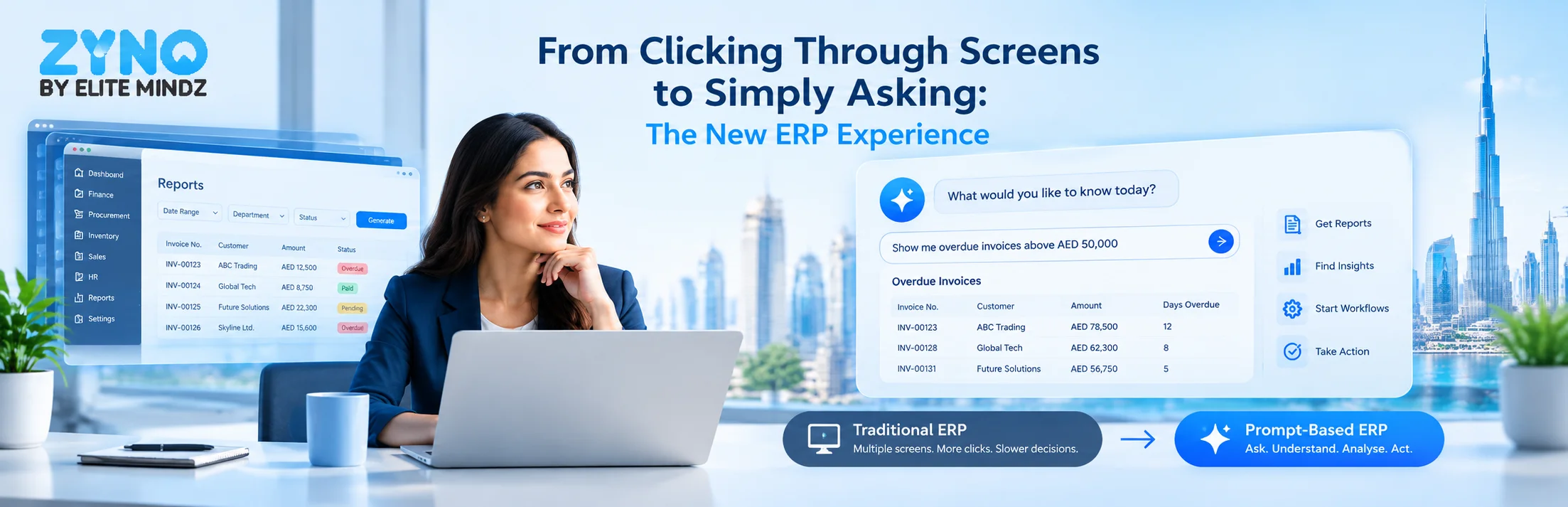
Prompt-based ERP software offers a more intuitive way to manage business operations. By using natural language prompts, employees can request information, initiate supported workflows, generate reports, and access business data through AI-powered interactions.
For example, instead of navigating multiple modules to check inventory levels, an employee could ask, “Show me products that are running low on stock.” Depending on the system's capabilities and permissions, the ERP can retrieve relevant information and help the user take the next step.
In this article, we explore how prompt-based ERP systems reduce manual workflow steps, improve business process automation, and help organizations make faster, data-driven decisions.
A prompt-based ERP system is an enterprise resource planning platform that allows users to interact with business functions through natural language instructions. Instead of relying entirely on menus, forms, and dashboards, employees can enter prompts to request information or trigger supported actions.
These systems may use artificial intelligence, natural language processing, and workflow automation to interpret requests and connect users with relevant ERP functions.
For example, users might enter prompts such as:
The ERP system interprets the request and retrieves information or initiates an approved workflow, depending on its integrations, configuration, and user permissions.

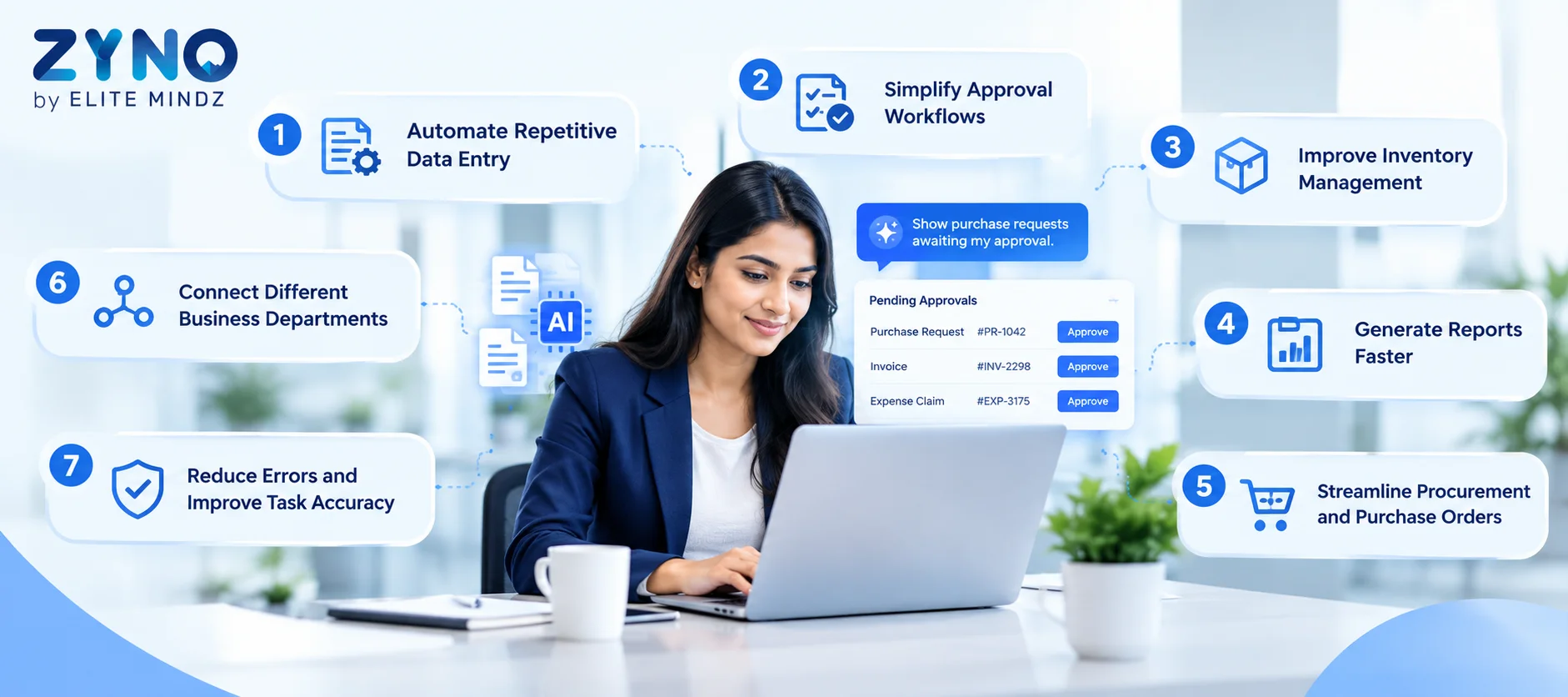
Manual data entry is one of the most time-consuming activities in business operations. Employees frequently enter information into purchase orders, inventory records, customer profiles, invoices, and other business documents.
AI-powered ERP software can reduce repetitive entry by extracting information from supported documents, suggesting field values, retrieving existing records, and transferring data between integrated modules.
For example, an employee can ask the system to prepare a purchase request for specific materials. The ERP may populate available details, such as product information and quantities, using existing records.
Employees can then review the information before submitting the request.
This approach helps reduce duplicate entry, improve data consistency, and free up time for more important tasks.
Traditional approval processes often involve emails, spreadsheets, reminders, and multiple system screens. Employees may spend considerable time checking the status of purchase requests, expense claims, invoices, and work orders.
Prompt-based ERP systems can simplify these workflows by allowing users to check pending approvals, identify delayed requests, and access relevant documentation through natural language commands.
For example, a manager could ask, “Show purchase requests awaiting my approval.”
The system can display pending requests and, if supported, provide options to approve or reject them according to established permissions and business rules.
Approval automation can also route requests to the appropriate person based on department, transaction value, or purchasing category.
This reduces unnecessary navigation and helps businesses maintain a more organized approval process.
Automate Workflows with Prompt-Based ERP
Reduce repetitive tasks, simplify business processes, and access critical information faster with AI-assisted ERP workflows.
Get Your ERP Automation Consultation Explore Advanced ERP CapabilitiesInventory management involves monitoring stock levels, tracking material movements, identifying shortages, and maintaining accurate records. When these activities rely on manual spreadsheets, employees may struggle to obtain timely information.
A prompt-based ERP system can make inventory data easier to access by allowing users to ask direct questions about stock availability, reorder requirements, and warehouse movements.
For example, a warehouse manager might enter, “List raw materials below their minimum stock levels.”
The system can retrieve relevant inventory records and, where configured, recommend replenishment actions or initiate a purchase request.
By connecting inventory management with procurement and production planning, businesses can reduce repetitive checks and improve coordination between departments.
Preparing business reports manually often requires exporting data, combining spreadsheets, applying formulas, and formatting results. This process can delay decision-making, particularly when managers need information from several departments.
Prompt-based ERP software can simplify reporting by allowing users to request specific information in everyday language.
For example, a finance manager could ask, “Summarize monthly expenses by department,” while a sales manager might request, “Compare sales performance for the last three months.”
Depending on the system's capabilities, the ERP can generate a report, summarize available data, or present the results in a dashboard.
This helps reduce the number of steps required to access business insights and allows managers to spend more time analyzing results rather than preparing reports.
Procurement involves several connected activities, including purchase requisitions, supplier selection, quotation comparison, purchase order creation, and invoice verification.
Without automation, employees may need to collect information from different systems and repeatedly enter the same details.
An AI-enabled ERP can help users locate supplier records, summarize quotations, check purchase histories, and prepare purchase orders using existing business data.
For example, an employee could ask, “Prepare a draft purchase order for the approved request.”
If the necessary information and permissions are available, the system can help create a draft for review before submission.
Automated approval rules and supplier workflows can further reduce manual coordination while preserving financial controls.
Many organizations use separate processes for finance, HR, procurement, inventory, sales, and manufacturing. Switching between applications or contacting other departments to obtain information can slow down daily work.
An integrated ERP system connects these business functions through shared records and workflows. A prompt-based interface makes it easier for authorized employees to retrieve information across connected modules.
For example, a production manager may need to check inventory availability before confirming a manufacturing schedule. A finance employee may need to review the status of a supplier invoice linked to a purchase order.
Instead of collecting information manually from different teams, users can request relevant records through a supported ERP interface.
This improves coordination, reduces information silos, and helps employees complete tasks with fewer unnecessary steps.
Manual workflows can introduce errors through incorrect data entry, duplicate records, missed approvals, and inconsistent calculations. Correcting these mistakes can require additional communication and repeated work.
Prompt-based ERP systems can reduce some of these risks by using existing business records, applying predefined workflow rules, validating required fields, and flagging inconsistencies.
For example, when preparing a purchase request, the system may identify missing information or warn the employee if the requested quantity exceeds a configured limit.
AI can also help summarize records and identify unusual patterns for further investigation.
However, AI-generated results should not automatically be treated as accurate in every situation. Businesses should use appropriate validation rules, access controls, approval checkpoints, and audit trails to maintain reliable operations.
| Evaluation Factor | Traditional ERP | Prompt-Based ERP |
|---|---|---|
| User Interaction | Primarily menus, forms, and dashboards. | Natural language prompts alongside conventional interfaces. |
| Data Retrieval | Users navigate modules and apply filters. | Users ask questions in everyday language. |
| Report Generation | Often requires manual configuration. | Can support prompt-based report creation. |
| Workflow Execution | Uses configured rules and manual actions. | Combines configured rules with AI-assisted commands. |
| Employee Productivity | Depends on navigation and process design. | Can reduce repetitive navigation and information searches. |
| Human Oversight | Depends on permissions and workflow controls. | Human review remains important for sensitive actions. |

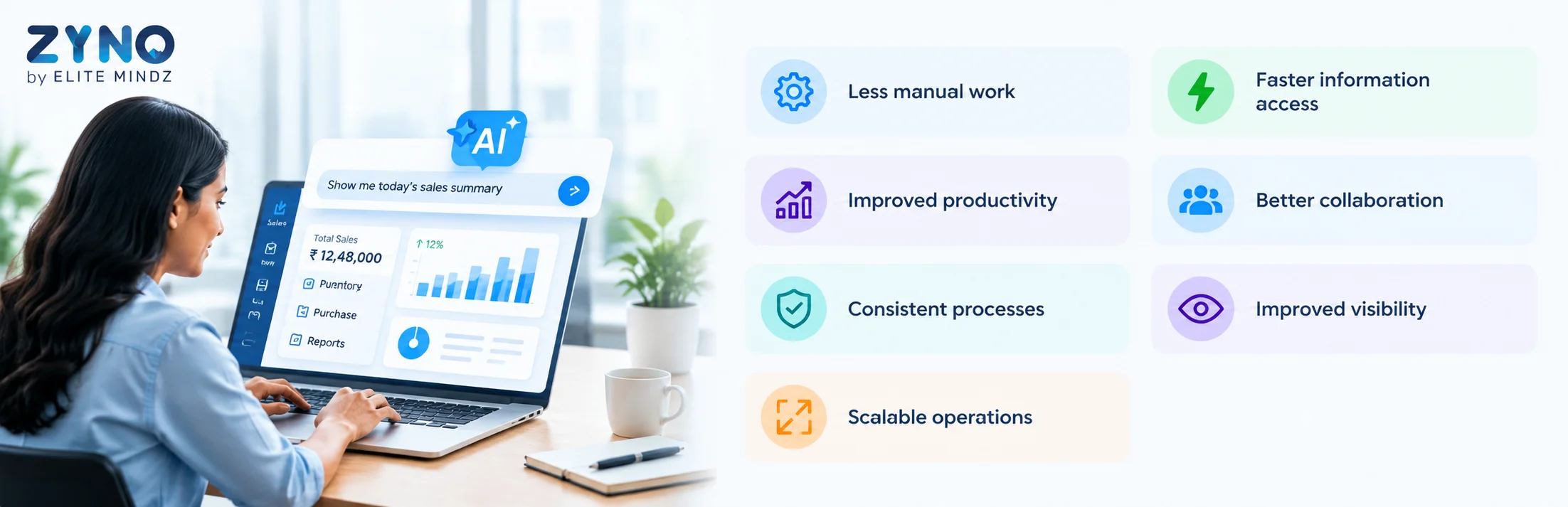
Implementing prompt-based ERP software can provide several operational benefits:
Businesses should measure these benefits using practical indicators such as task completion time, approval turnaround, data-entry error rates, and the number of manual steps required for common workflows.
Before selecting an AI ERP system, businesses should evaluate how well its capabilities match their operational requirements.
Natural language capabilities: Check whether employees can use prompts to retrieve information and complete relevant tasks.
Workflow automation: Confirm that the system supports approval rules, task routing, notifications, and automated actions.
Integration capabilities: Ensure that AI features work with the ERP's finance, inventory, procurement, HR, or manufacturing modules.
Data security: Review role-based access, data privacy, audit logs, and restrictions on sensitive information.
Accuracy and oversight: Determine how the platform validates AI responses and requires confirmation before consequential actions.
Scalability: Choose a system that can support additional users, transactions, locations, and business processes as the organization grows.
Implementation and support: Consider configuration requirements, employee training, vendor support, and the total cost of ownership.
A structured evaluation helps organizations identify a solution that delivers measurable improvements instead of adopting AI features without a clear business purpose.
Streamline Business Processes with Prompt-Based ERP
Simplify repetitive tasks, accelerate information access, and improve workflow efficiency with AI-assisted ERP capabilities. Explore how ZYNO ERP can support smarter business operations and help your team work more efficiently.
Book Your ERP Strategy Session Explore Smart ERP SolutionsZYNO ERP by Elite Mindz supports integrated business operations across areas such as finance, inventory, procurement, and manufacturing. Businesses evaluating AI-enabled ERP capabilities can explore how workflow automation, centralized data, and AI-assisted interactions may help simplify routine activities.
For manufacturers, connecting production planning, inventory records, bills of materials, and procurement processes can help teams reduce repetitive coordination and improve operational visibility.
When evaluating any prompt-based ERP solution, businesses should confirm which natural language actions are available, which workflows can be automated, and where manual review or approval remains necessary.
ExploreZYNO ERP to review ERP capabilities for your business requirements.
Prompt-based ERP software allows users to interact with enterprise resource planning functions through natural language instructions. Depending on the platform, users can retrieve information, generate reports, summarize records, and initiate supported workflows.
AI can reduce manual work by assisting with data extraction, report generation, information retrieval, workflow routing, and repetitive administrative tasks. The level of automation depends on the ERP's features and configuration.
Yes, some AI-enabled ERP systems support approval workflows. They can help identify pending requests, route transactions according to predefined rules, and assist authorized users with approval actions. Sensitive transactions should retain appropriate controls.
Yes. It can help manufacturing businesses access inventory data, review production schedules, check material availability, and retrieve procurement information. The benefits depend on integration between the ERP's manufacturing and business modules.
Traditional ERP systems primarily rely on structured screens, menus, forms, and configured workflows. AI ERP systems may add natural language interaction, intelligent recommendations, document processing, and other AI-assisted features to simplify how users complete tasks.
No. Prompt-based ERP software is designed to assist employees and automate suitable repetitive tasks. Human judgment remains important for approvals, exception handling, strategic decisions, and validating AI-generated information.
Prompt-based ERP systems offer businesses a more accessible way to manage routine operations, retrieve information, and initiate supported workflows. By combining natural language interaction with ERP workflow automation, organizations can reduce unnecessary navigation, repetitive data entry, reporting effort, and manual coordination.
The most effective implementation starts with identifying time-consuming workflows, selecting suitable automation opportunities, and measuring improvements in accuracy and completion time. Businesses should also maintain strong data security, validation processes, and human oversight.
With the right AI-powered ERP software, organizations can simplify everyday work, improve collaboration, and build more efficient, data-driven business operations.
What is ERP? A Beginner's Guide to Enterprise Resource Planning
Read More →
Cloud ERP vs. On-Premise vs. Hybrid: Best ERP Model for 2025
Read More →How To Customize ERP Software Without Breaking The Bank?
Read More →
The Future of Manufacturing ERP in 2026 & Beyond
Read More →Best ERP Software in India: 2026 Edition
Read More →
AI in Manufacturing ERP: The Future of Smart Factories
Read More →
How ERP Transforms Inventory Management and Reduces Costs
Read More →
Inventory Management Software Features: The Complete 2026 Buying Guide
Read More →
Top 5 Ways Asset Management Software Can Save Your Business Money
Read More →
Why Smart Businesses Are Switching to Vendor Management Systems in 2025?
Read More →
Why Manufacturing Companies Need ERP Software
Read More →
Cloud ERP vs. Traditional ERP: Which is Right for You?
Read More →
ERP for Small Business: Is It Worth the Investment?
Read More →
How to Calculate ERP ROI and Why It's Worth the Investment
Read More →
Top 10 ERP Software Companies in India 2026 Updated List (Complete Guide)
Read More →
ERP Implementation Mistakes to Avoid in 2025
Read More →
Cloud ERP vs Edge Computing: What's Right for Modern Manufacturing?
Read More →
The Future of ERP Software and the Role of Generative AI
Read More →
Digital Twin Technology & ERP: Real-Time Insights for Smarter Manufacturing
Read More →
Scalable ERP Solutions Designed for Modern Enterprises
Read More →
ERP and IoT Integration: Smart Factory Vision
Read More →Best ERP Software for Manufacturing Businesses in India
Read More →Top 10 Best Manufacturing ERP Software in India (2026)
Read More →
Best ERP Software for Manufacturing Industries in Ethiopia (2026)
Read More →
Best School ERP Software Providers in UAE (2025 Edition)
Read More →
Best School ERP Software for 2025: Guide for Educational Institutions
Read More →
Top 10 ERP Software Solutions for Nigerian Manufacturers (2025 Edition)
Read More →
Best ERP Systems for Scalable Retail and POS Integration
Read More →
Top 10 Cloud-Based Manufacturing ERP Solutions in Africa (2025 Edition)
Read More →
Top 10 Cloud-Based Manufacturing ERP in UAE
Read More →
Top 10 Cloud-Based Manufacturing ERP Software in Nigeria (2026 Edition)
Read More →
Top 10 School ERP Software Companies in Kenya (2025)
Read More →
Best School ERP Software Providers in Nigeria (2025)
Read More →
Top Cloud-Based Manufacturing ERP in Zimbabwe (2025)
Read More →
Best ERP Software in U.K
Read More →
Top 10 ERP Software Developers in the U.K. (2025)
Read More →
Best ERP Software Providers in France (2025)
Read More →
Best ERP Software Companies in Germany : A Comprehensive Guide
Read More →
Top 10 ERP Software Development Companies in Qatar
Read More →
Best ERP Providers in Germany: 10 ERP Software Options Compared
Read More →
Best ERP Software Firms in Saudi Arabia (2025)
Read More →
Best ERP Service Providers in Indonesia for SMEs and Large Enterprises
Read More →
Top 10 Cloud-Based Manufacturing ERP Systems in Egypt for Modern Factories
Read More →
Top ERP Solutions in the USA 2025: Streamline Your Business with ZYNO ERP
Read More →
Top ERP Solutions in Qatar for Businesses of All Sizes
Read More →Top Manufacturing ERP Software in India 2026 ZYNO Manufacturing ERP
Read More →How Manufacturing Companies Reduce Production Delays Using ERP Automation
Read More →Why Legal Firms Need ERP to Manage Cases, Billing & Compliance
Read More →What Is ERP And How Does It Work
Read More →
How ERP Systems Are Evolving in 2026: What Businesses Need to Know
Read More →
Best ERP Software in India: 2025 Edition
Read More →
Top 10 ERP Software Companies in Delhi NCR
Read More →
How Manufacturing ERP Software Improves Demand Forecasting
Read More →
Top 10 Best School Management Software in India
Read More →Manufacturing & Wholesale ERP in Qatar: Complete Industry Guide 2026
Read More →Cloud ERP Software in Qatar: Why Businesses Are Moving in 2026
Read More →Is ERP a Procurement Software? Key Differences, Benefits & What to Choose
Read More →What Is Production Planning and Control? Definition, Objectives & Functions
Read More →
Garment Inventory Software: Features, Providers & Buying Guide (2026)
Read More →
How ERP Reduces Fabric Wastage in Garment Factories
Read More →
Why the Garment Industry Needs a Specialized ERP
Read More →
Features to Look for in Garment Manufacturing ERP Software
Read More →
Best ERP Software for Small Garment Manufacturing Business in India
Read More →
The Real Problems Holding Back Small Garment Manufacturers in India
Read More →Garment Manufacturing ERP Software in India: Best Options, Features & Complete Guide 2026
Read More →
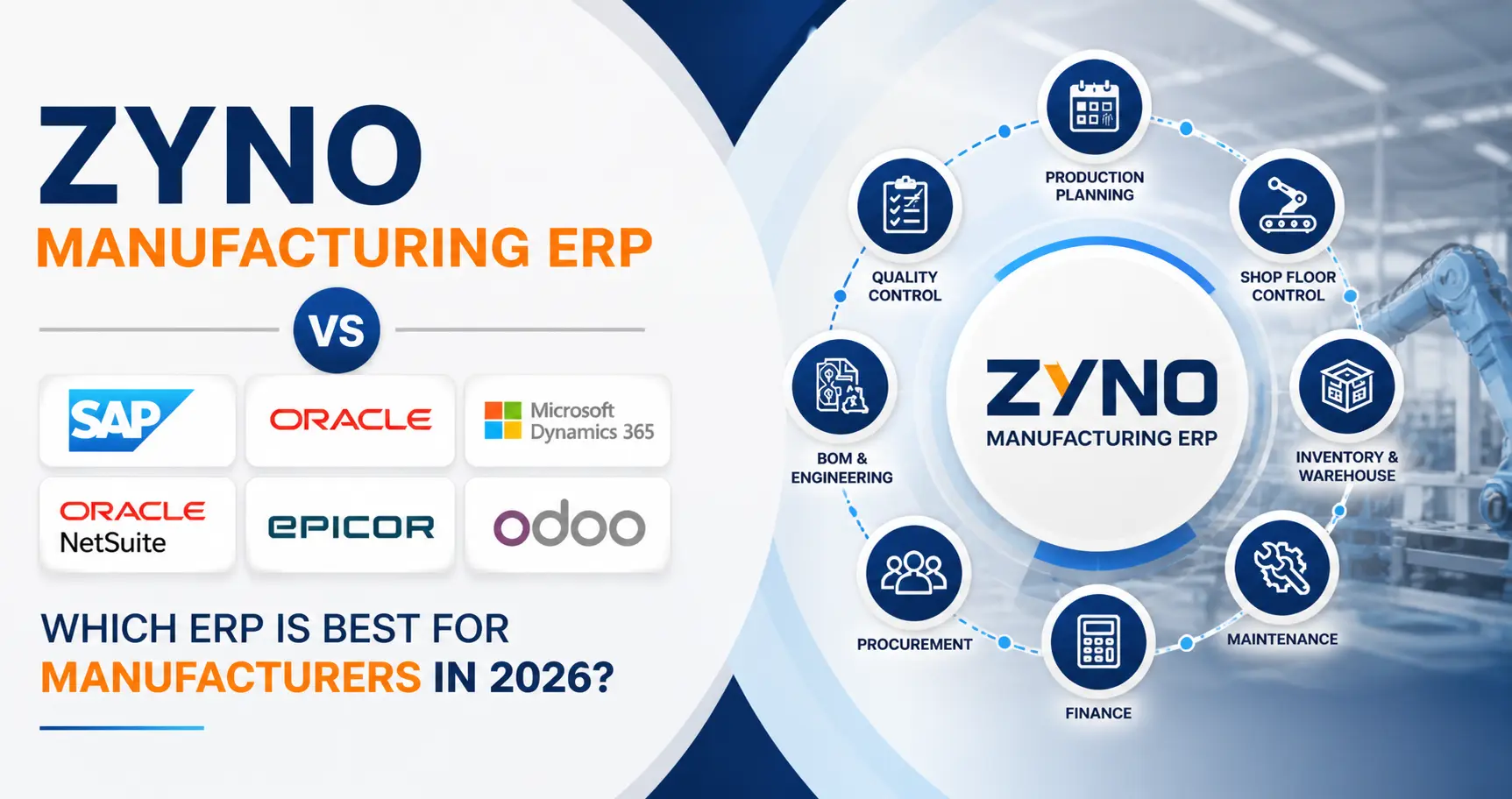
Which ERP is Best for Manufacturers in 2026?
Read More →
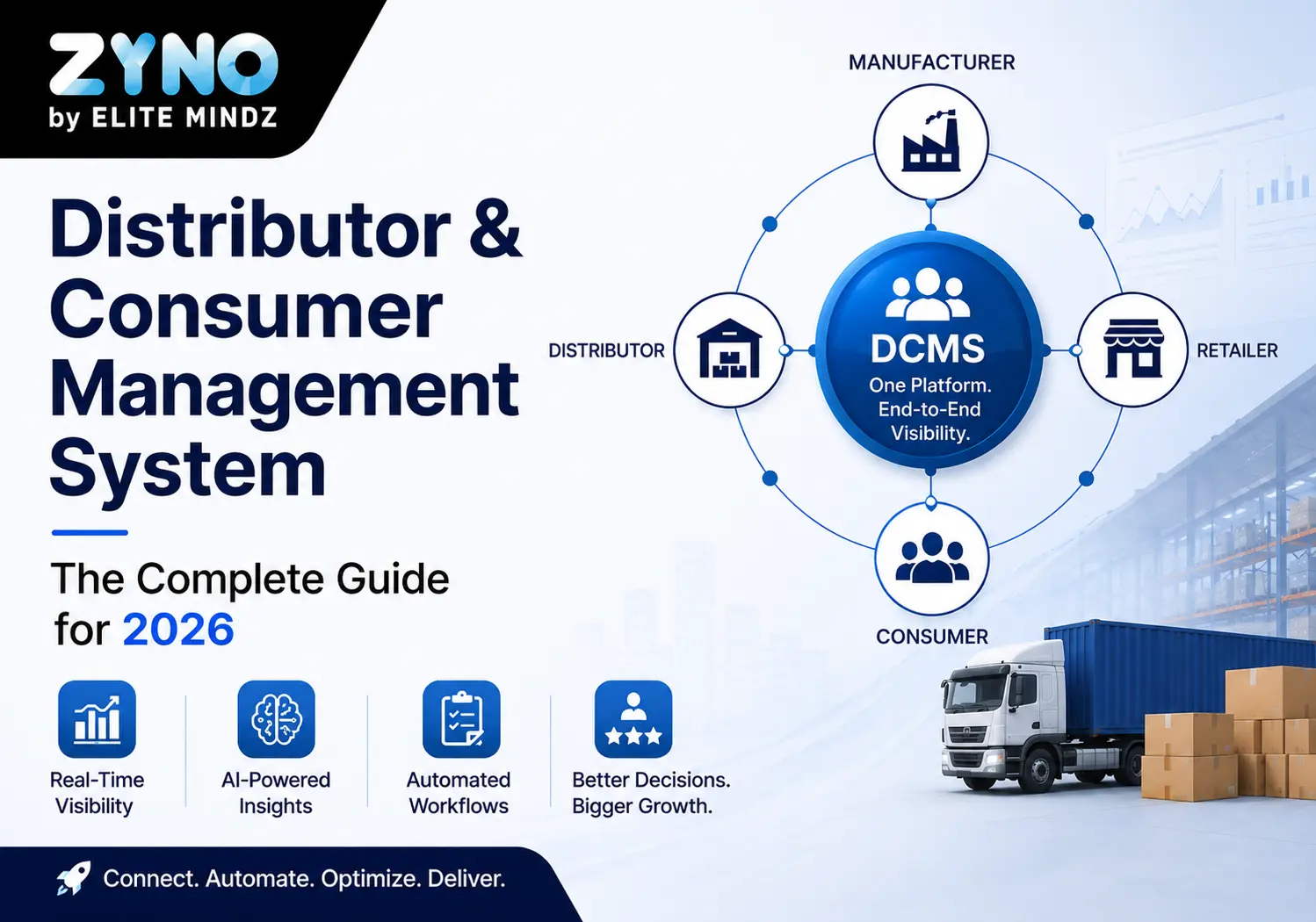
Distributor & Consumer Management System: The Complete Guide for 2026
Read More →
Best Pharma ERP Software in India 2026 – Features, Compliance & Buying Guide
Read More →
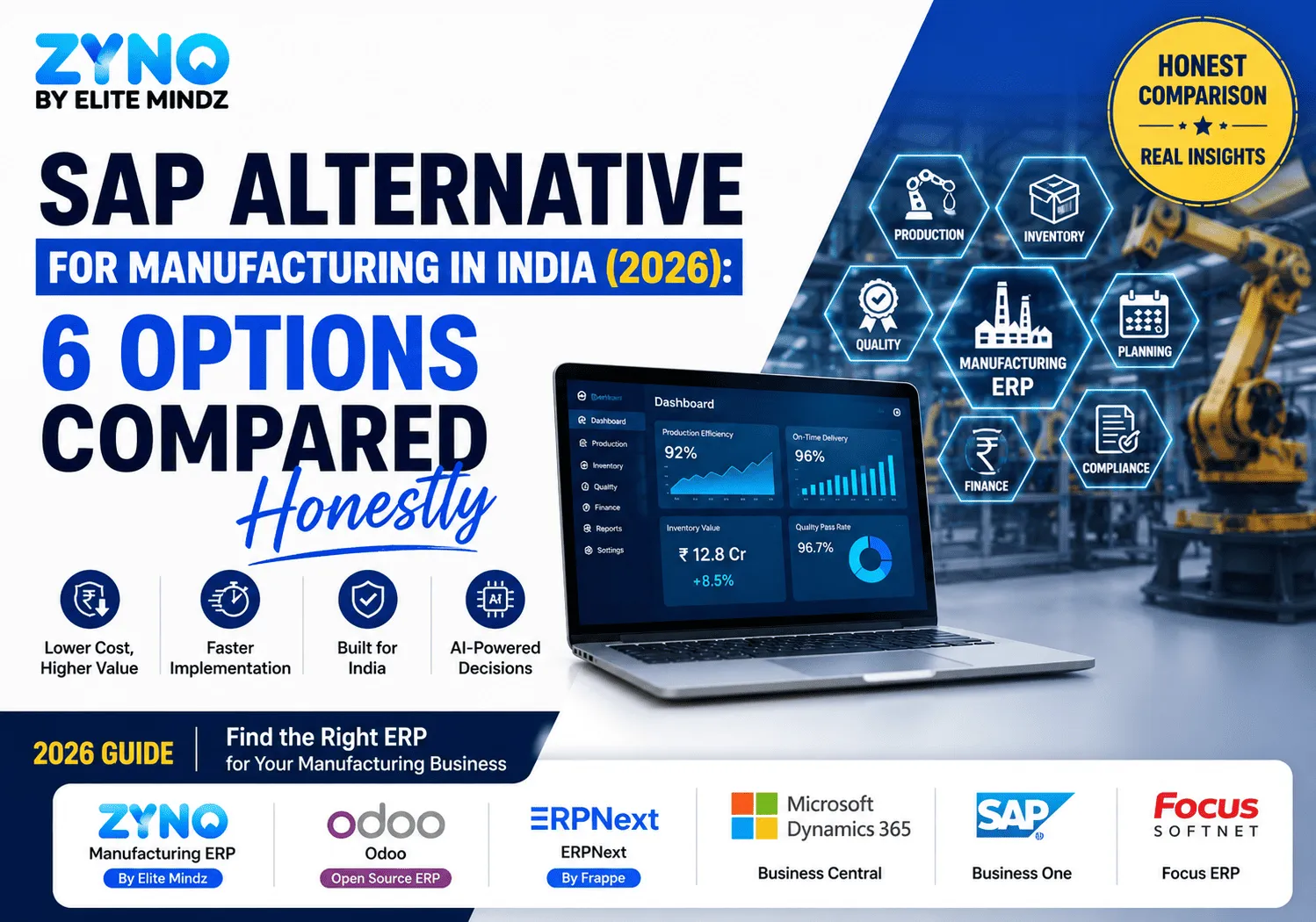
SAP Alternative for Manufacturing in India (2026): 6 Options Compared Honestly
Read More →
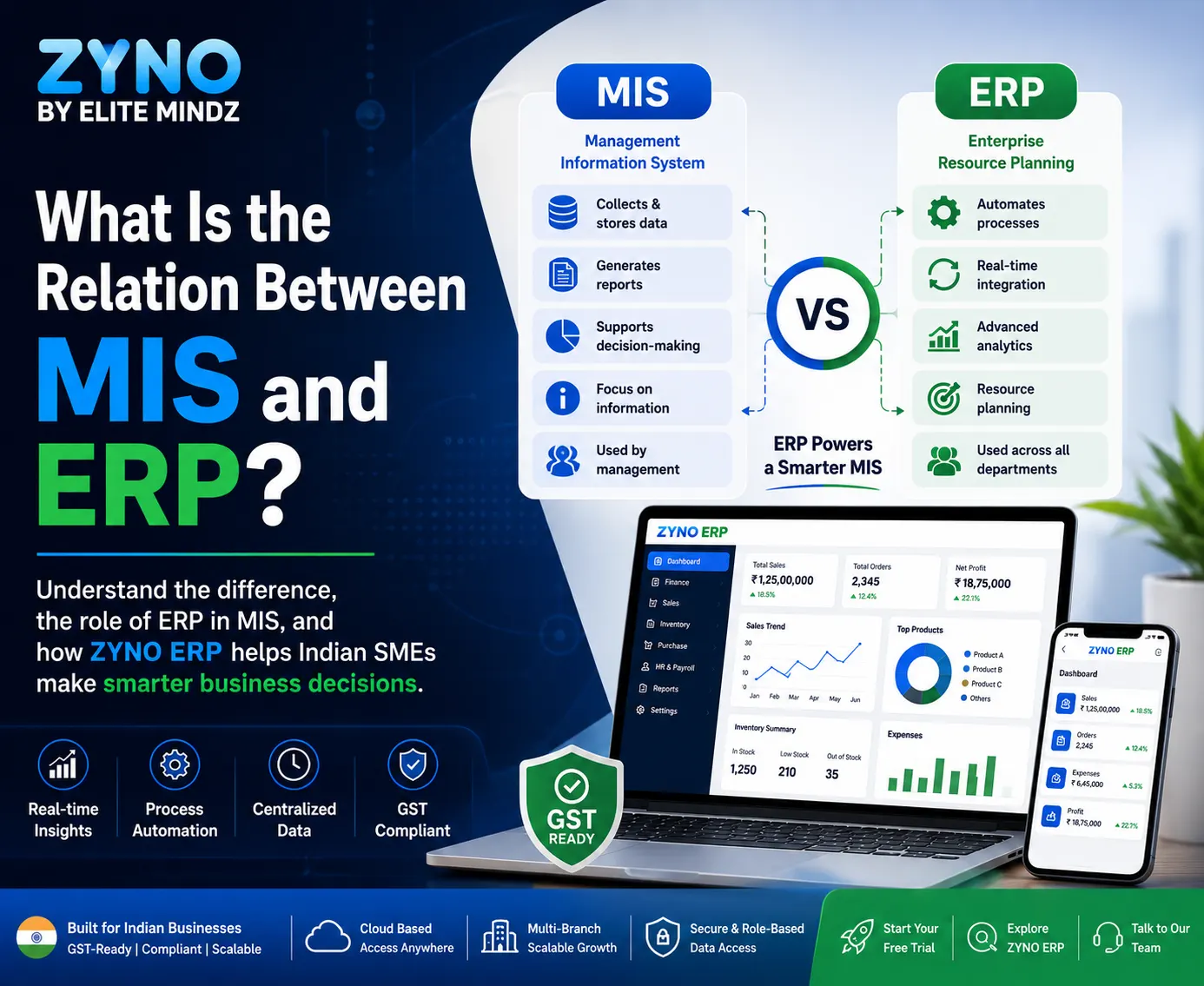
What Is the Relation Between MIS and Enterprise Resource Planning?
Read More →
Best ERP for Sweater Manufacturers in India
Read More →
What Manufacturing ERP Systems Provide the Best Demand Forecasting Features?
Read More →
Which ERP Software Provides the Best Demand Forecasting for Manufacturers?
Read More →
What are the key features to look for in AI ERP software for manufacturing companies in India?
Read More →
How does AI-powered ERP software improve production planning and inventory management in manufacturing?
Read More →
Which AI ERP platforms are best suited for small and mid-sized manufacturing businesses in India?
Read More →
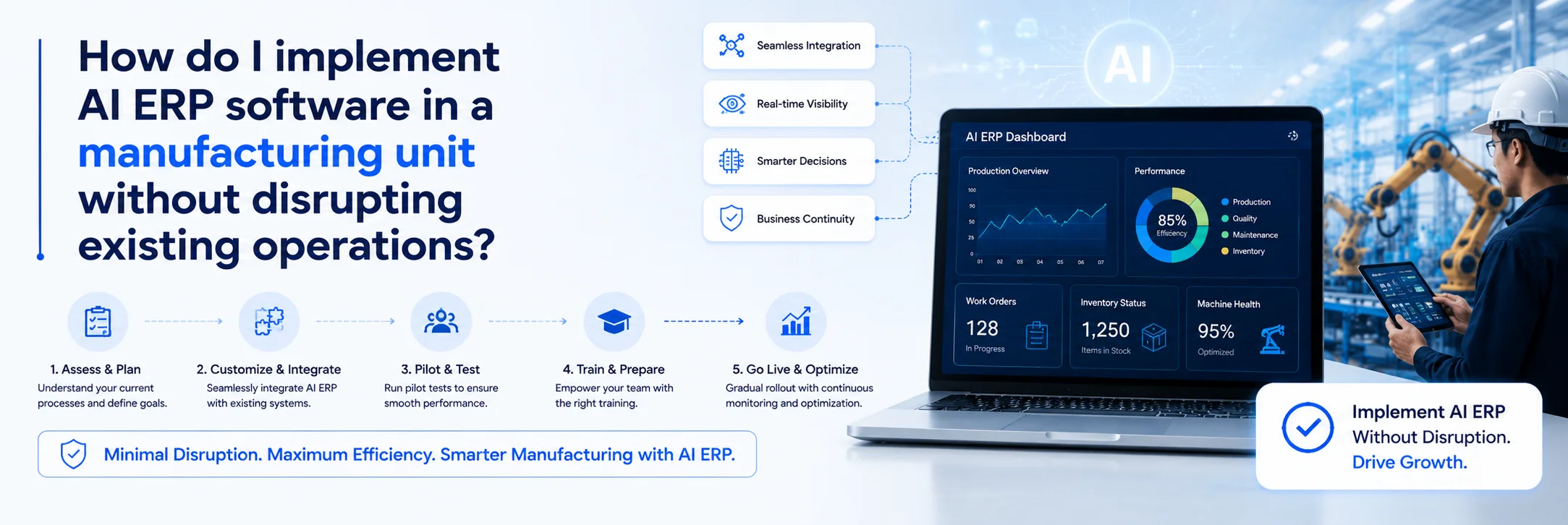
How do I implement AI ERP software in a manufacturing unit without disrupting existing operations?
Read More →
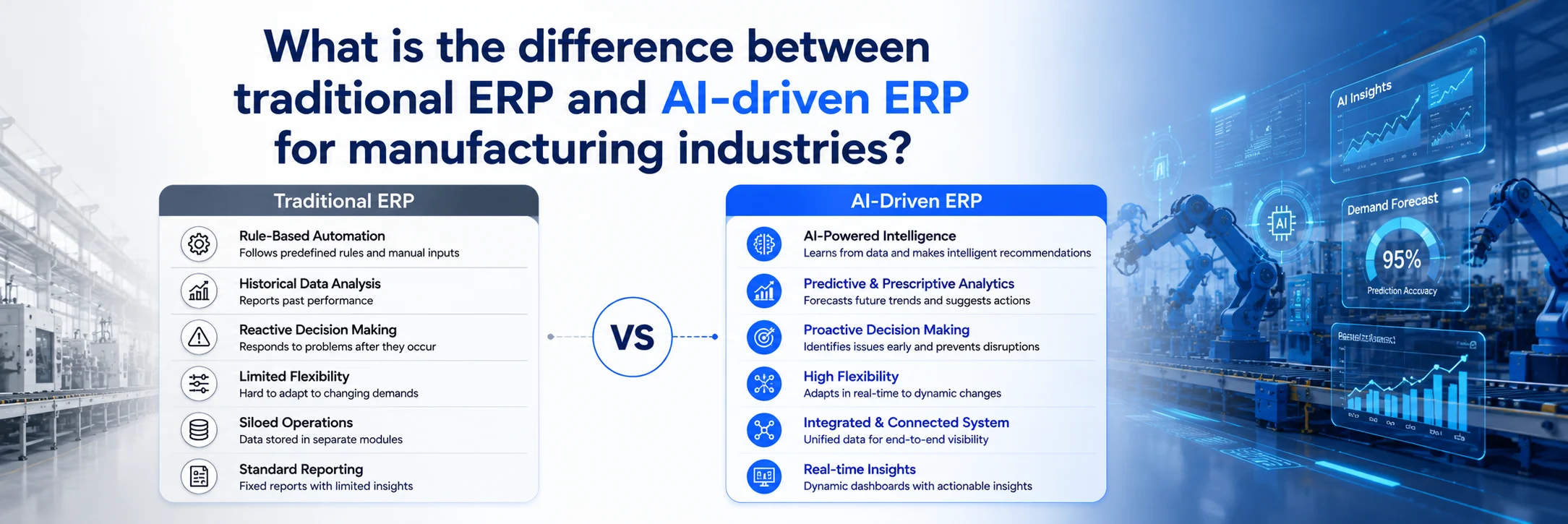
What is the difference between traditional ERP and AI-driven ERP for manufacturing industries?
Read More →
AI-Powered Smart ERP Software: The Complete Guide for Modern Enterprises
Read More →
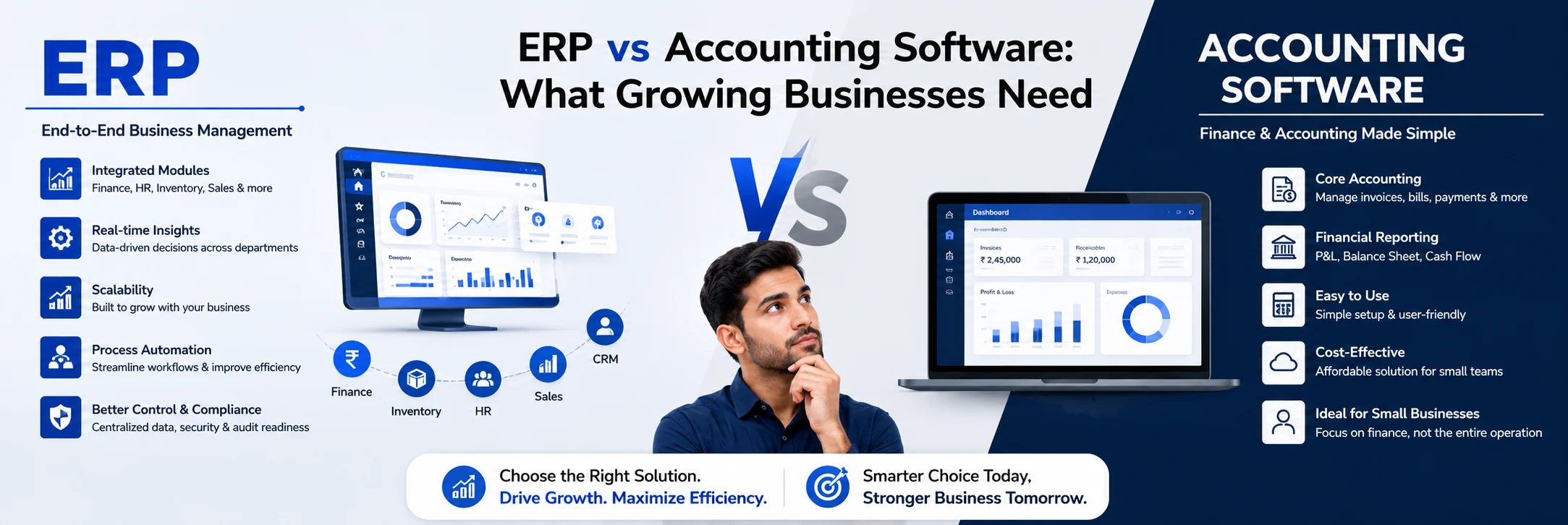
ERP vs Accounting Software: What Growing Businesses Need
Read More →
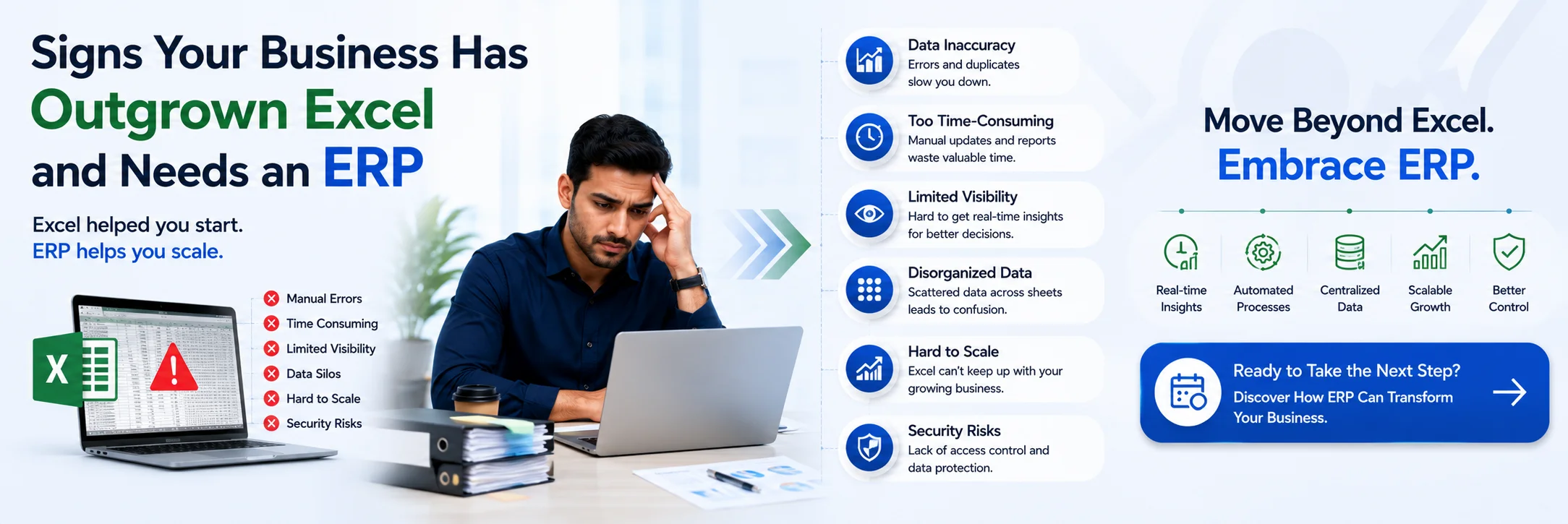
Signs Your Business Has Outgrown Excel and Needs an ERP
Read More →
How to Index HR Records from an ERP System for a Chatbot?
Read More →
What is the Best Software for Retail Garment Shop?
Read More →
Manufacturing Software for the Textile and Garment Industry?
Read More →
Best ERP Software for Manufacturing Companies in India?
Read More →
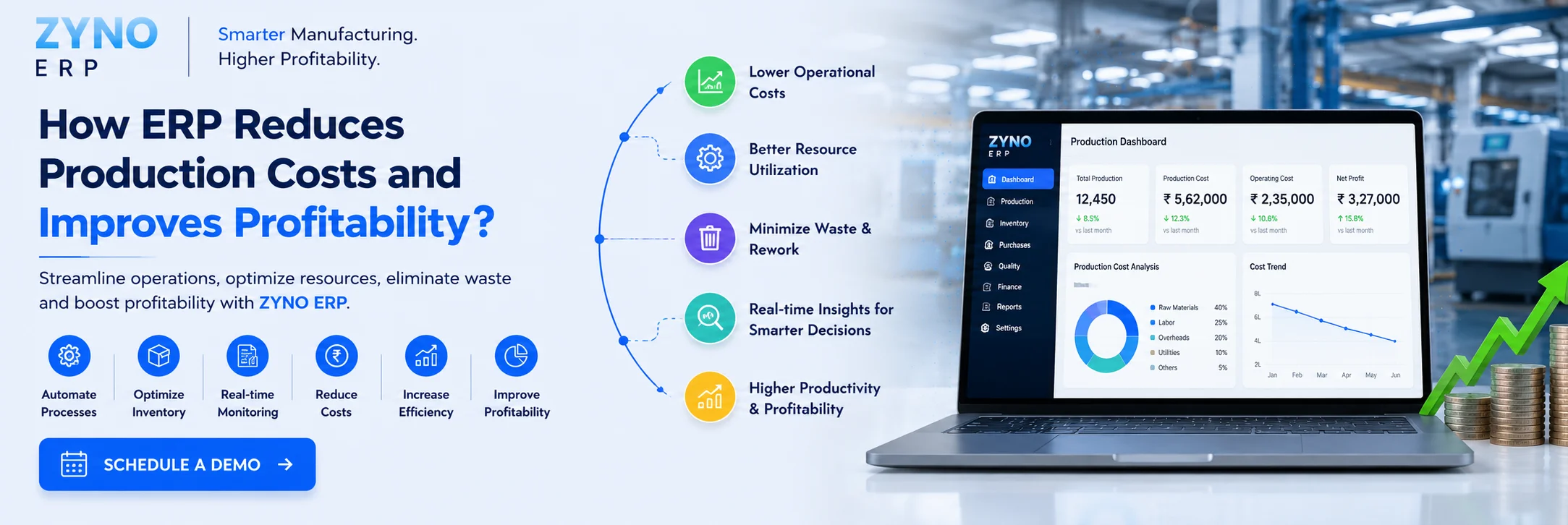
How ERP Reduces Production Costs and Improves Profitability?
Read More →
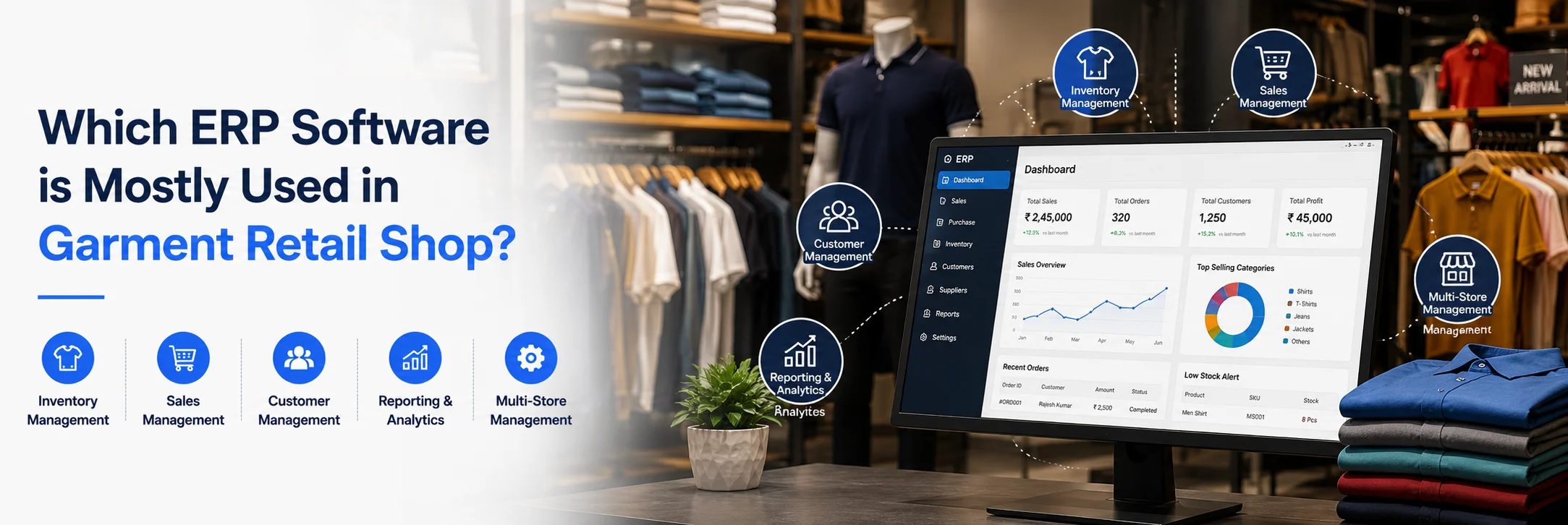
Which ERP Software is Mostly Used in Garment Retail Shop?
Read More →
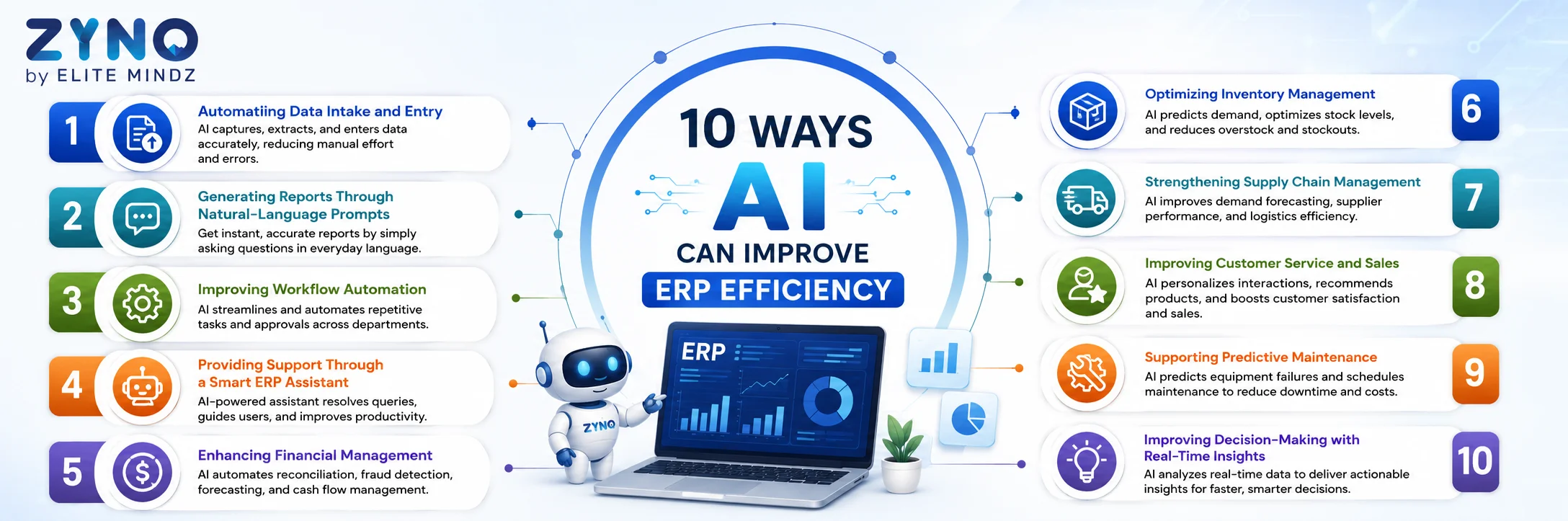
10 Ways AI Can Improve ERP Efficiency
Read More →
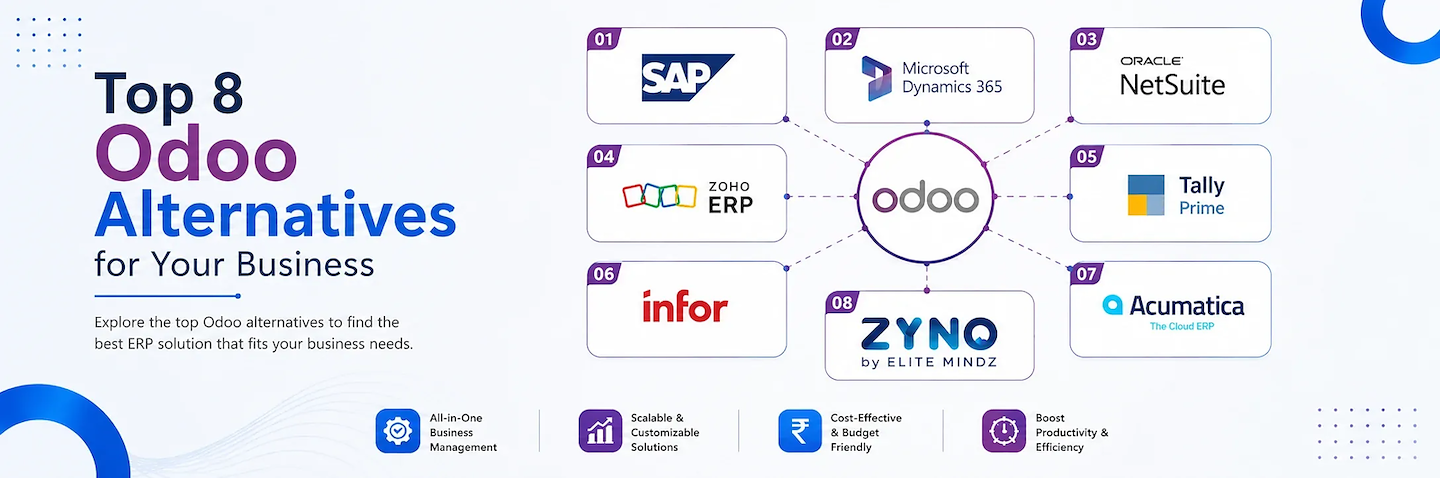
Top 8 Odoo Alternatives for Your Business
Read More →
ZYNO vs NetSuite ERP: Which Manufacturing ERP Fits Your Business Needs?
Read More →
Top ERP Software Providers in 2026: Full Comparison
Read More →
ERP Software Reviews: What Buyers Actually Say in 2026
Read More →
ERP Software for Retail Businesses: Complete Guide
Read More →
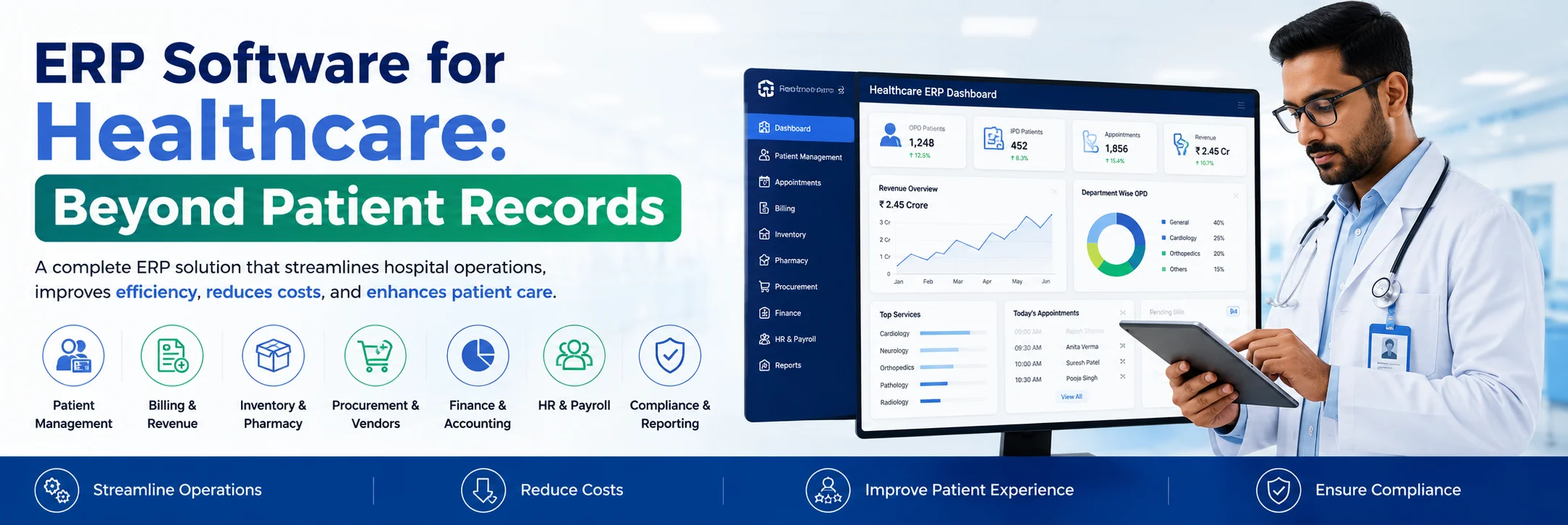
ERP Software for Healthcare: Beyond Patient Records
Read More →
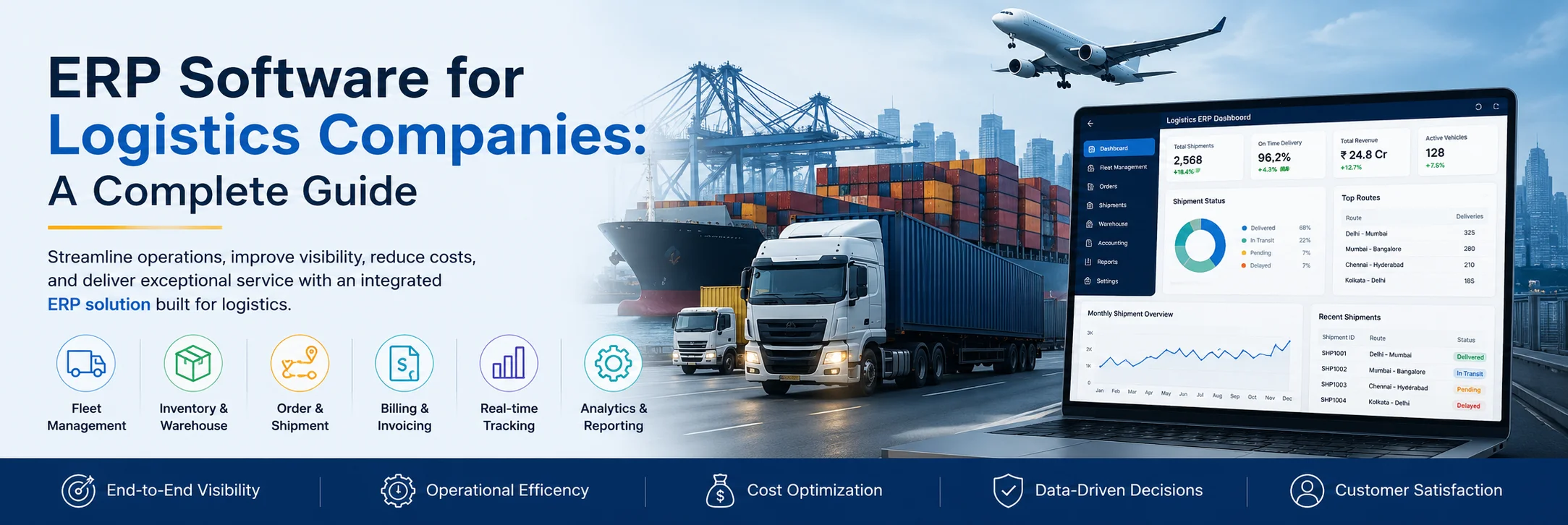
ERP Software for Logistics Companies: A Complete Guide
Read More →
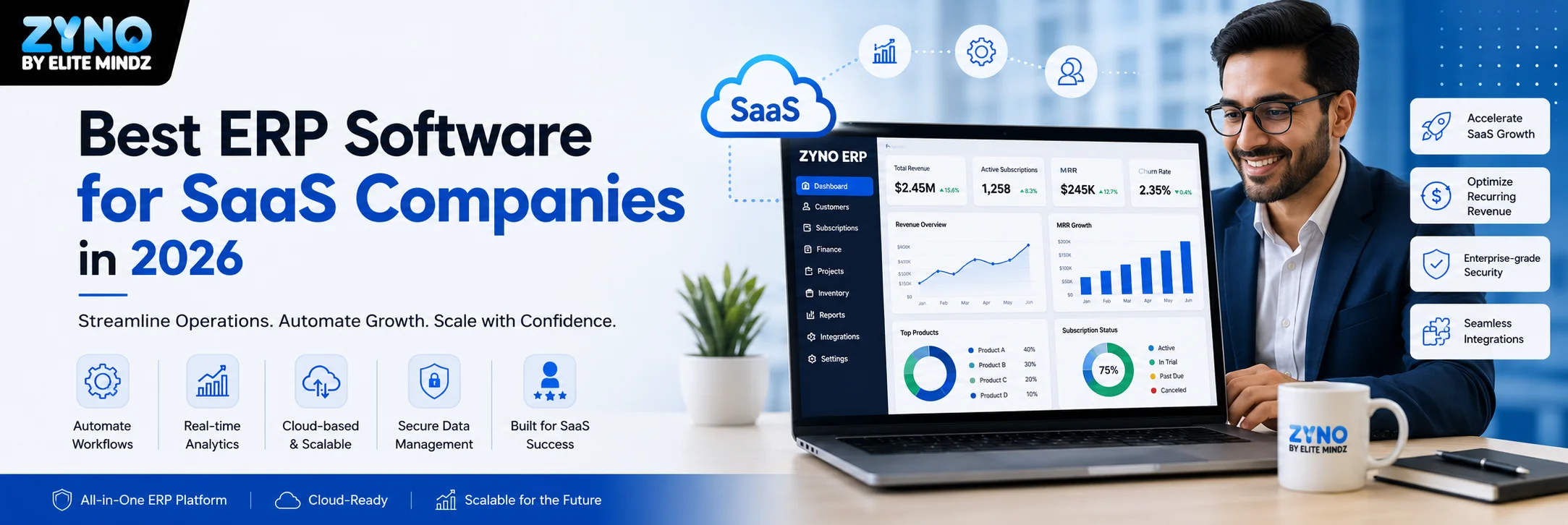
Best ERP Software for SaaS Companies in 2026
Read More →
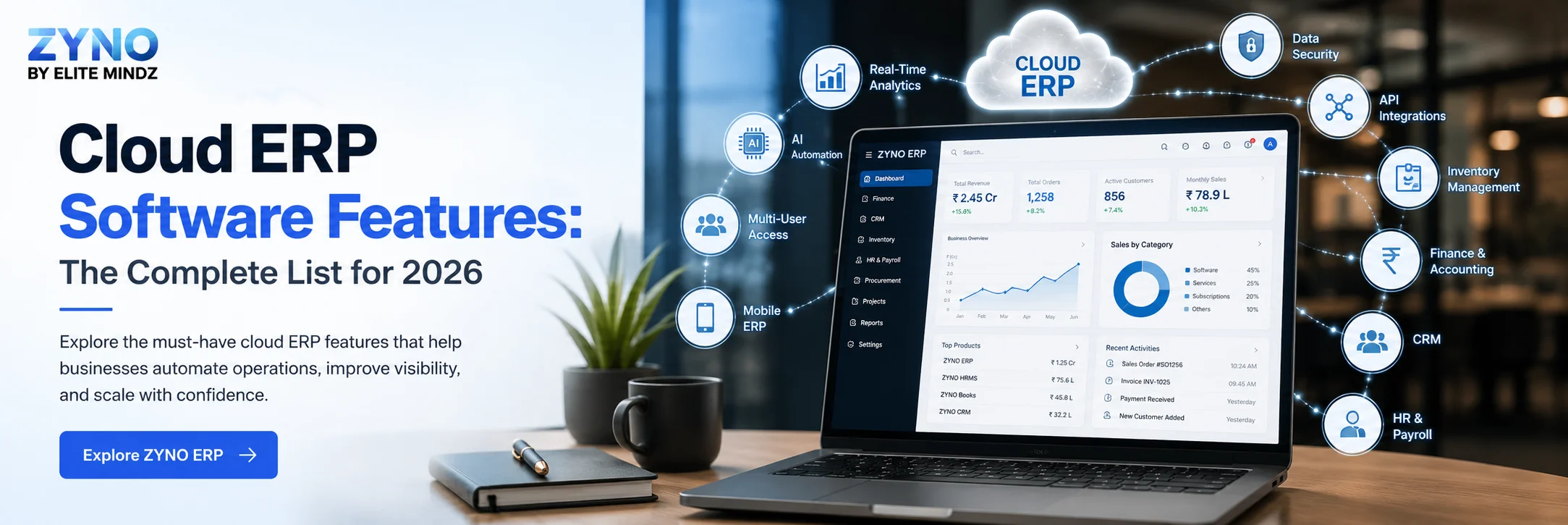
Cloud ERP Software Features: The Complete List for 2026
Read More →
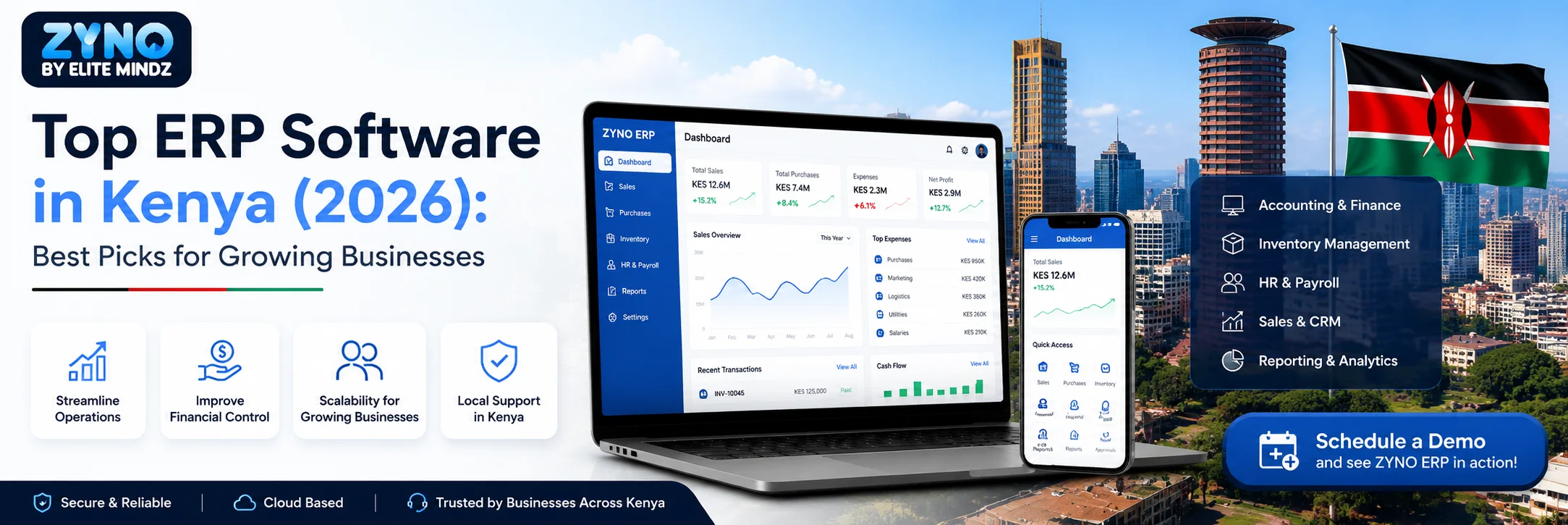
Top ERP Software in Kenya (2026): Best Picks for Growing Businesses
Read More →
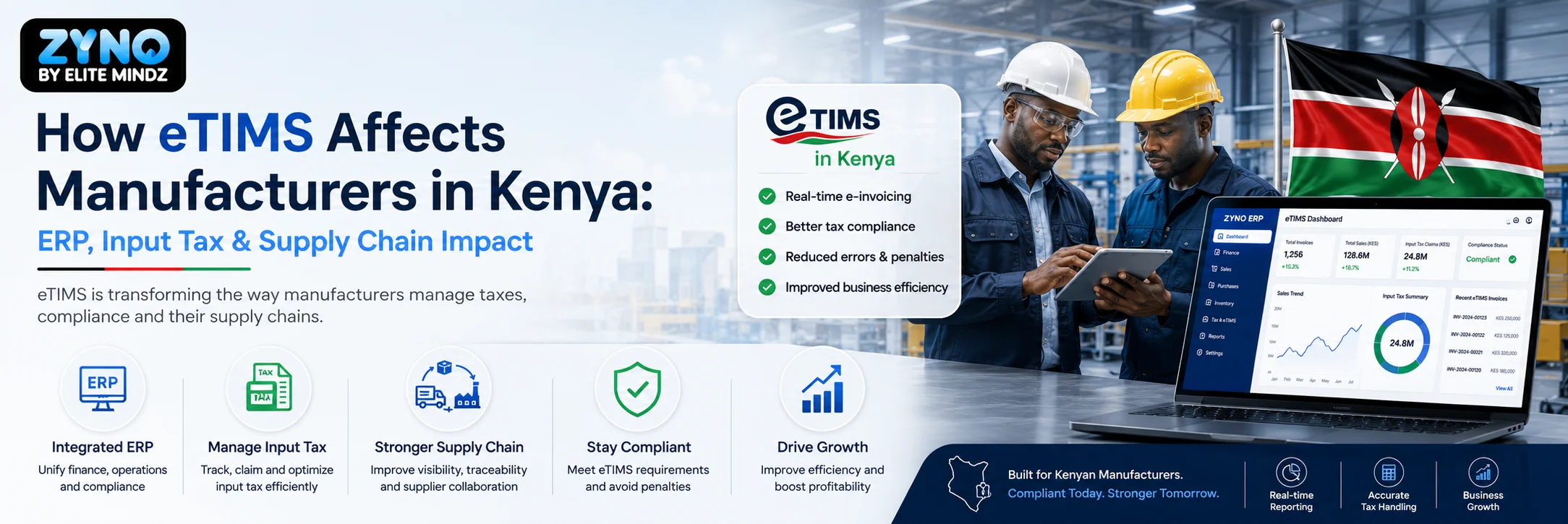
How eTIMS Affects Manufacturers in Kenya: ERP, Input Tax & Supply Chain Impact
Read More →
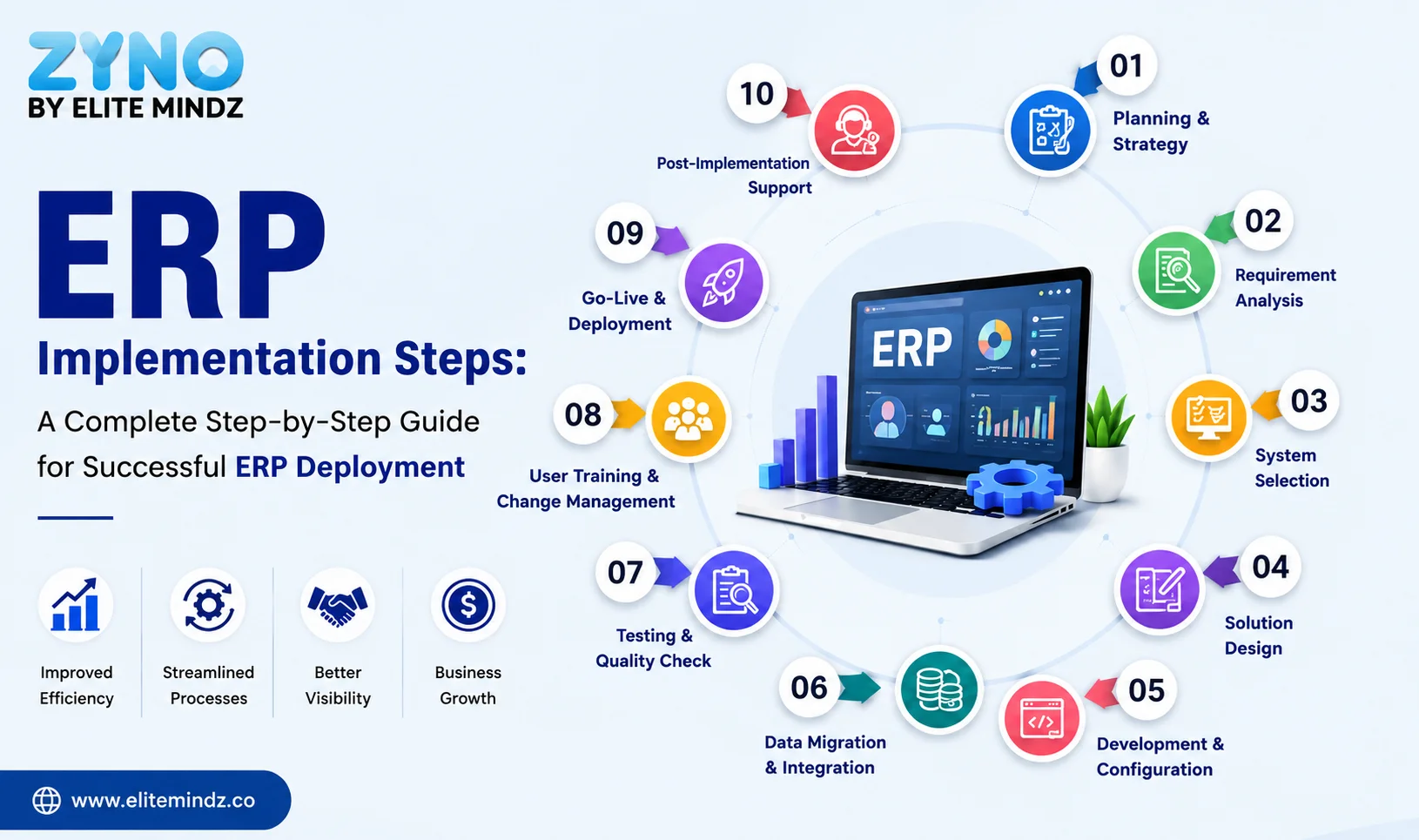
ERP Implementation Steps: A Complete Step-by-Step Guide for Successful ERP Deployment
Read More →
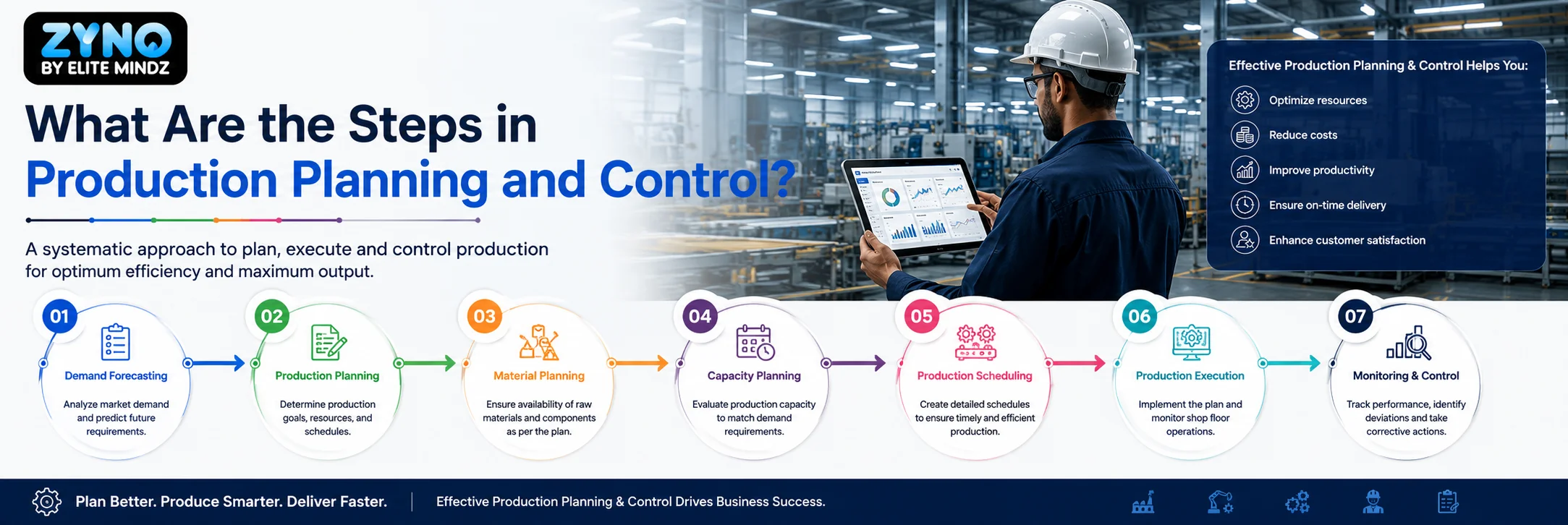
What Are the Steps in Production Planning and Control?
Read More →
Manufacturing Compliance in Kenya: A Complete Guide for Factory Tax Compliance & Regulatory Excellence
Read More →
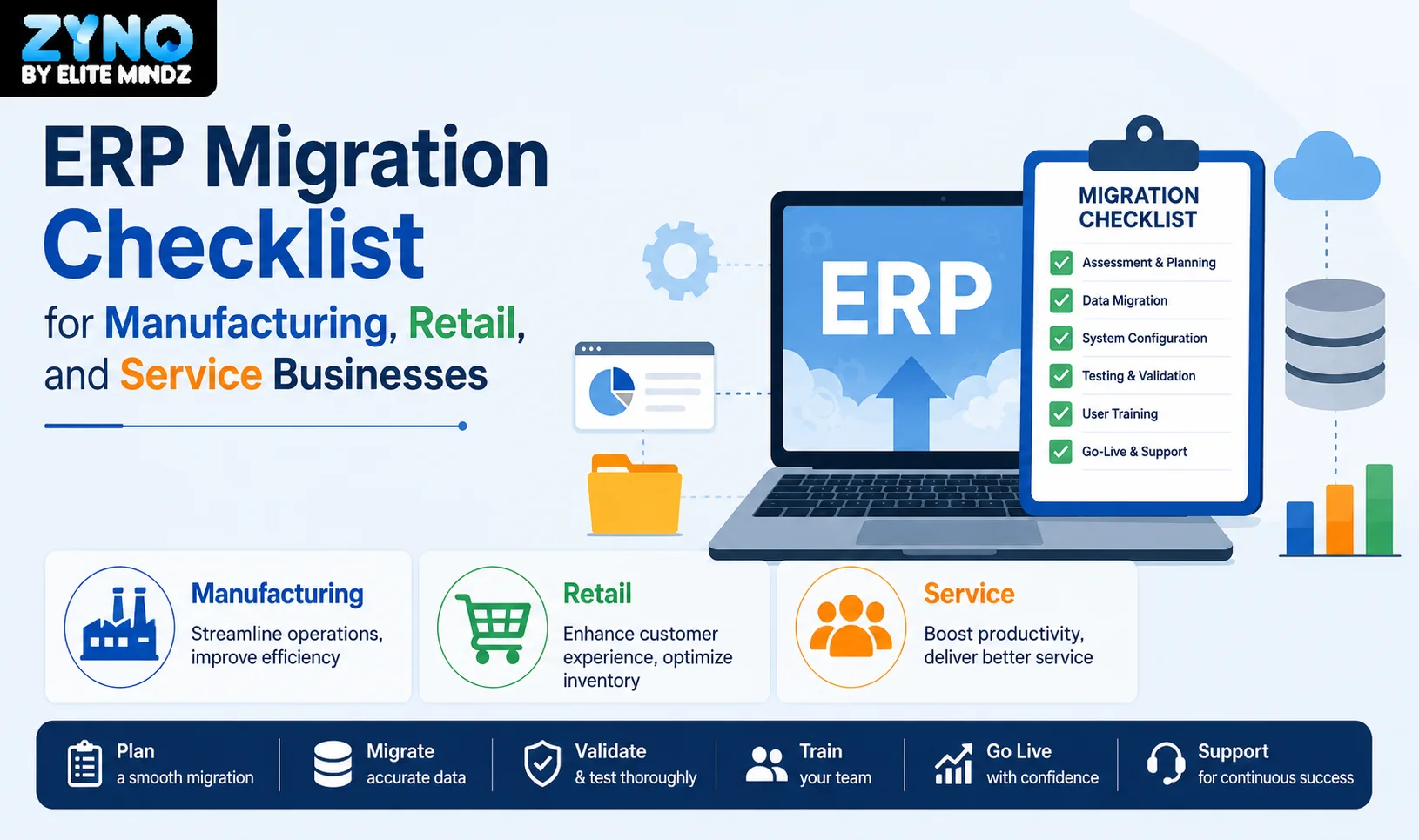
ERP Migration Checklist for Manufacturing, Retail, and Service Businesses
Read More →
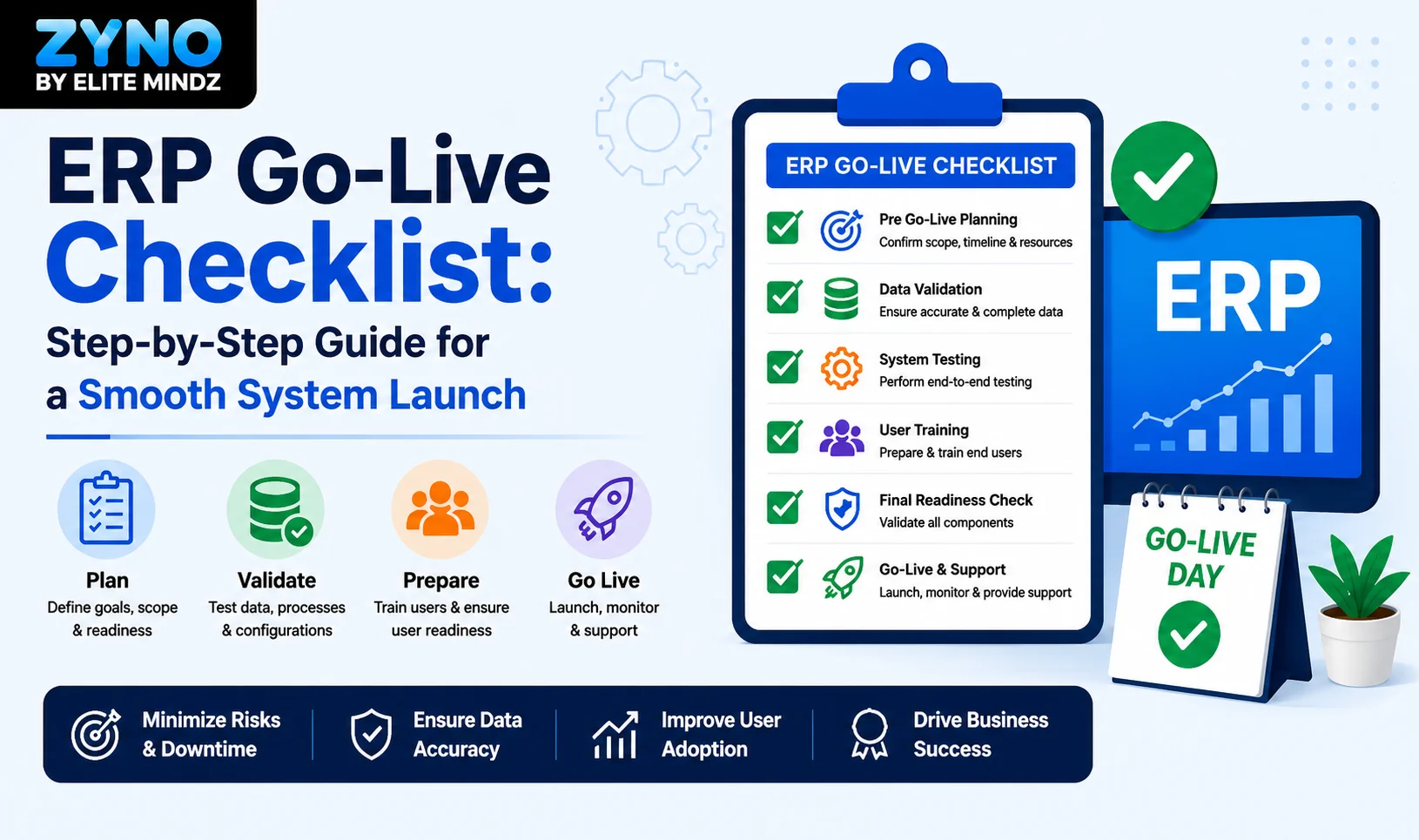
ERP Go-Live Checklist: Step-by-Step Guide for a Smooth System Launch
Read More →
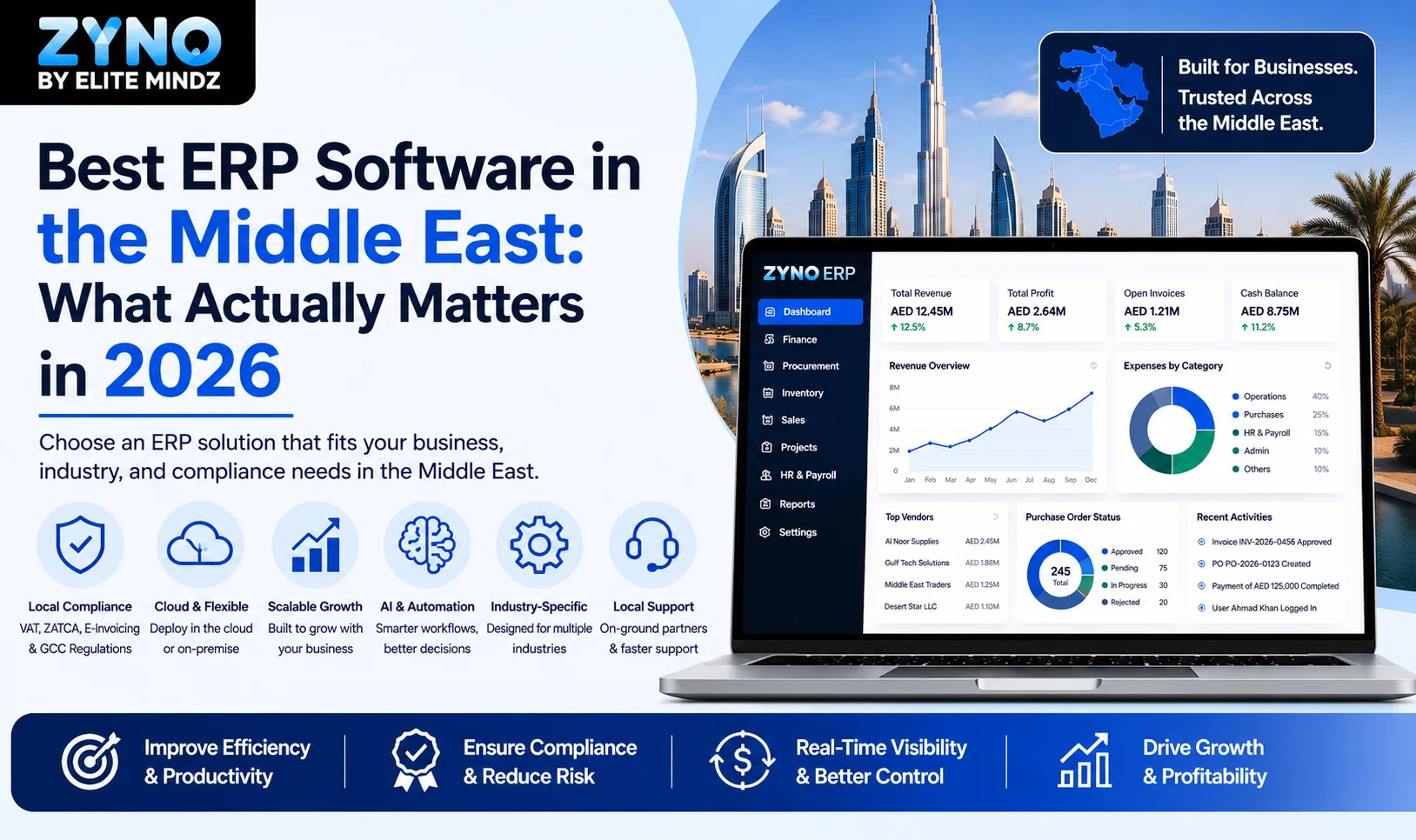
Best ERP Software in the Middle East: What Actually Matters in 2026
Read More →
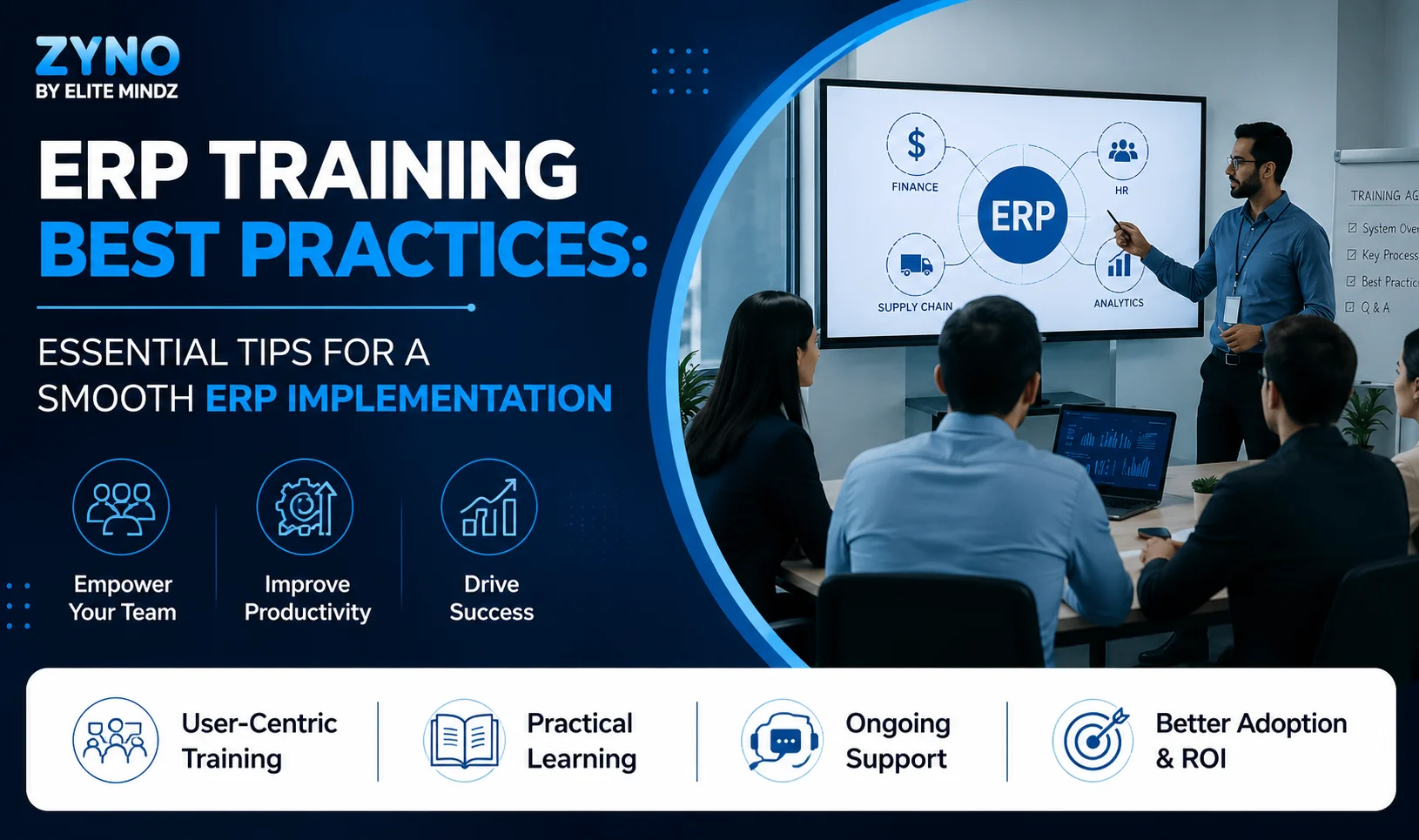
ERP Training Best Practices: Essential Tips for a Smooth ERP Implementation
Read More →
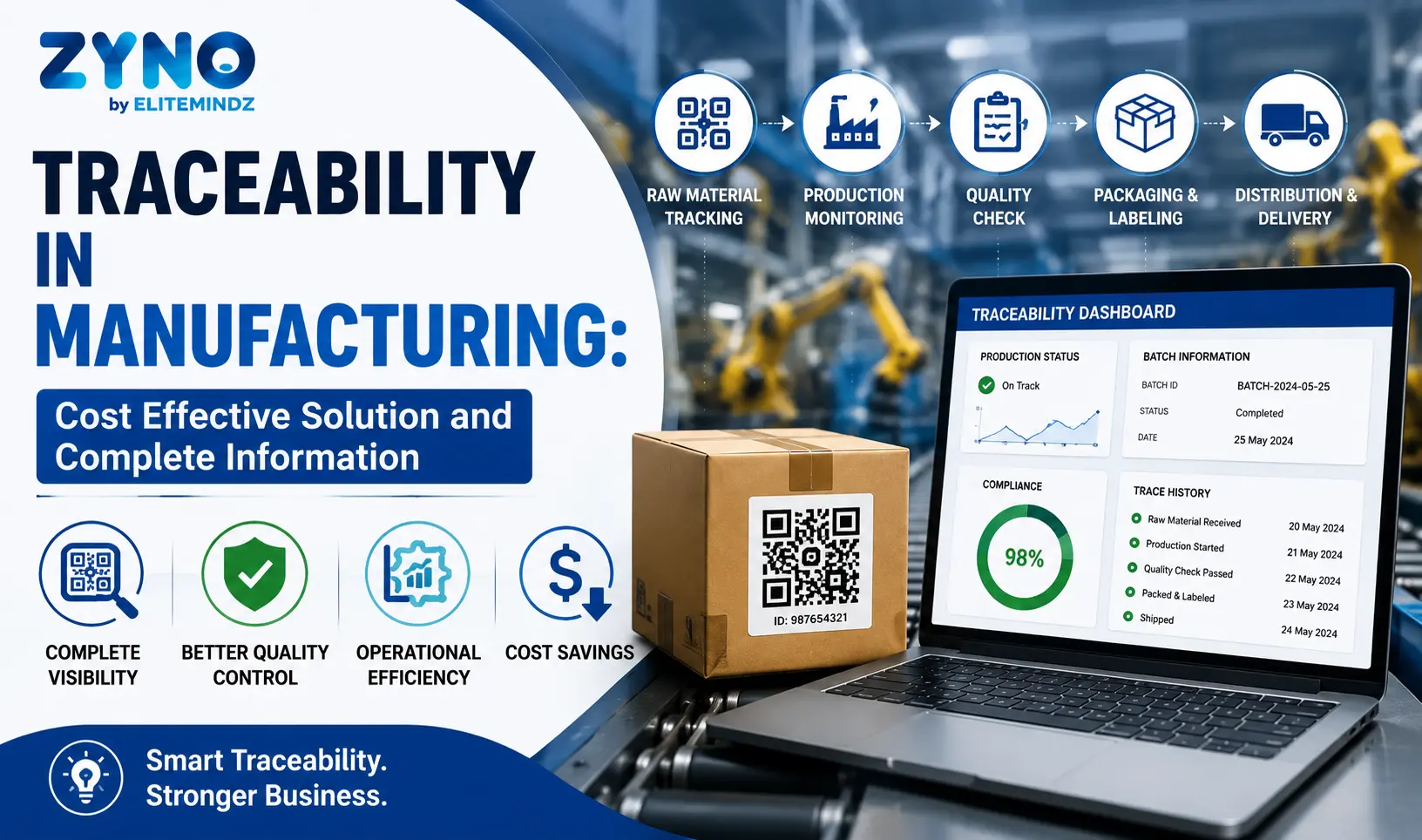
Traceability in Manufacturing: Cost Effective Solution and Complete Information
Read More →
Manufacturing ERP Software Buying Guide: Features, Checklist & Questions to Ask Before You Invest
Read More →
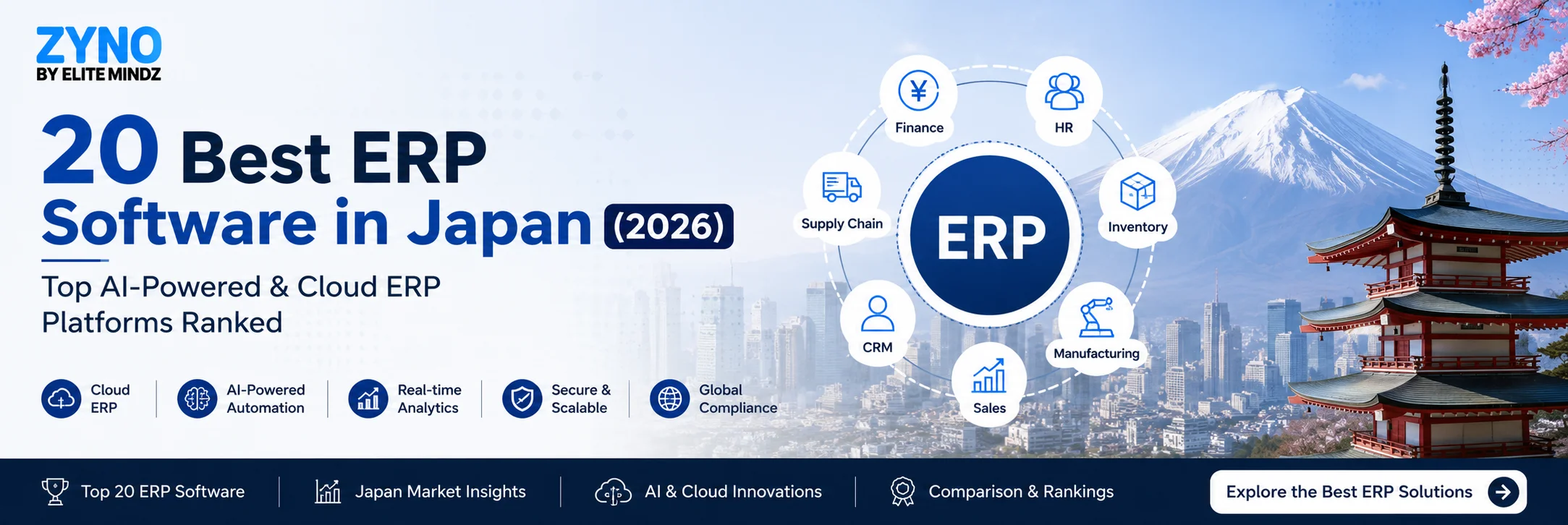
20 Best ERP Software in Japan (2026): Top AI-Powered & Cloud ERP Platforms Ranked
Read More →
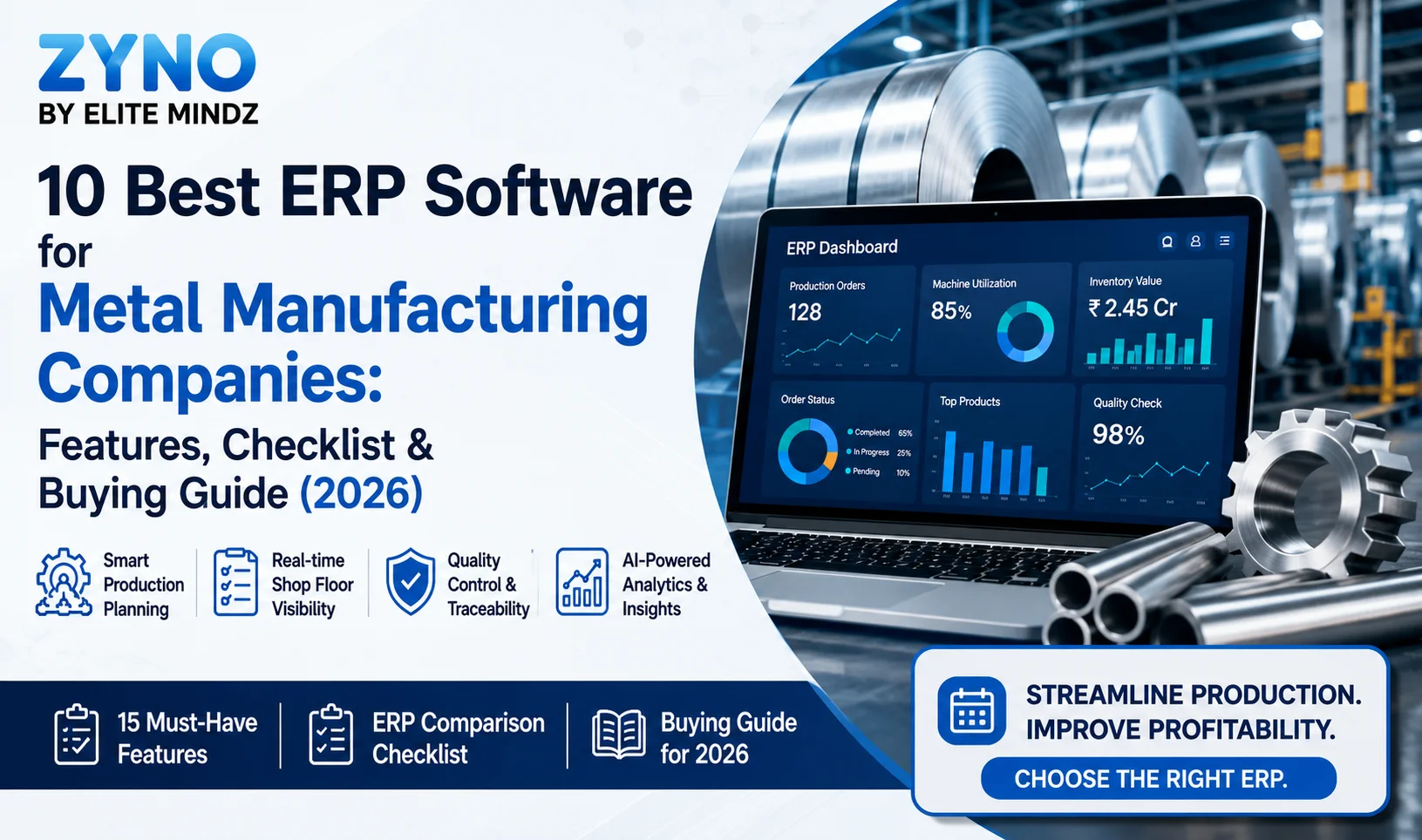
10 Best ERP Software for Metal Manufacturing Companies: Features, Checklist & Buying Guide (2026)
Read More →How Manufacturing ERP Helps Ethiopian Factories Improve Production Planning & Cost Control
Read More →
Top 15 Business Management Software for Growing Businesses in 2026
Read More →
Why These Are the Top 15 Small Business ERP Systems for 2026
Read More →
BOM Management Software: A Complete Guide to Smarter Manufacturing
Read More →
Which Companies Build Affordable Manufacturing ERP Software in India?
Read More →
GRN Flow in SAP vs ZYNO ERP
Read More →
Which AI ERP Platform Offers the Best ROI for Retail Businesses Looking to Automate Operations in India?
Read More →
Warehouse Management System (WMS): Complete Guide
Read More →
Best WMS Software in 2026: 10 Warehouse Management Systems Compared
Read More →
Top Warehouse Management System (WMS) Pain Points and How to Solve Them
Read More →
ERP in Inventory Management: Features, Benefits & Best Practices
Read More →
Best ERP for Inventory Management : Top 10 Software Compared
Read More →
From Clicking Through Screens to Simply Asking: The New ERP Experience
Read More →
Best ERP Solutions for Textile Manufacturing and Supply Chain Control
Read More →
How Automation Software Can Help Middle East Businesses Save Time and Reduce Costs
Read More →
Top ERP Platforms for Food Processing and Manufacturing
Read More →
How to Choose the Right ERP Software for Enterprises in the UAE: Your Must-Know Points
Read More →
Top 10 ERP Solutions for Pharmaceutical Production Management
Read More →
ERP for Chemical Manufacturing: Compare the Best Solutions
Read More →
ERP for Oil and Gas: Compare the Best Solutions for 2026
Read More →
Order Management System: A Complete Buyer’s Guide
Read More →
Best Cloud Warehouse Management System for Businesses: A Complete Guide
Read More →
How Do Prompt-Based ERPs Reduce Manual Workflow Steps?
Read More →Partner with ZYNO by Elite Mindz to revolutionize how your business works. Fill out the form, and we’ll reach out with AI-powered solutions made just for you.
We use browser cookies to ensure you get the best experience on our website. Learn more
The form was submitted successfully!