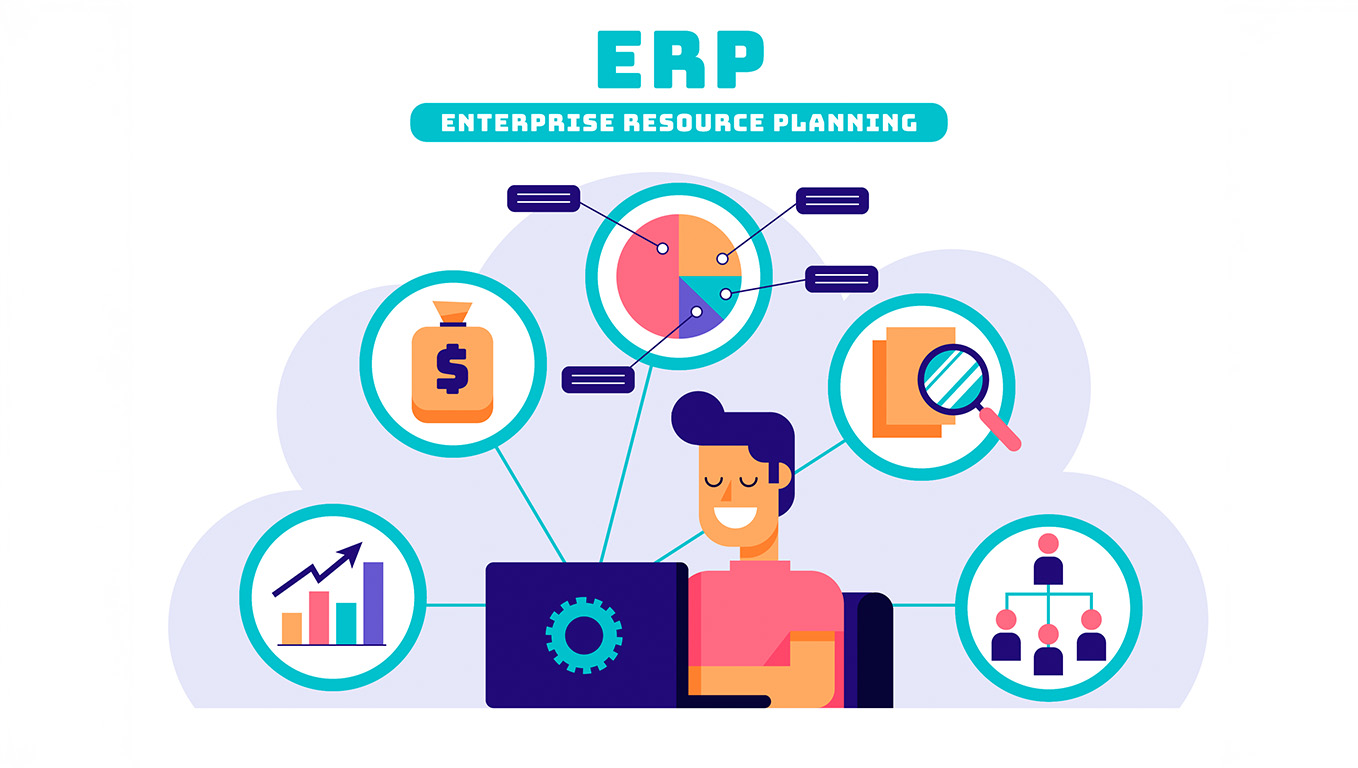




What is ERP? A Beginner's Guide to Enterprise Resource Planning
Read More →

×
Vendor and purchase order management in apparel manufacturing involves selecting reliable suppliers, tracking material requirements, creating accurate purchase orders, and monitoring deliveries. A structured workflow includes BOM verification, PO approvals, quality inspections, goods receipt notes (GRNs), and three-way invoice matching. Using apparel ERP or PLM software helps manufacturers improve supplier coordination, reduce purchasing errors, control costs, and keep production schedules on track.
Businesses using ZYNO Books cut accounting time by 70% and stay 100% ZATCA-compliant — automatically.
If this feels familiar, you are not alone. In apparel manufacturing, a late trim, a wrong shade or a miscalculated fabric quantity rarely stays a small problem. It becomes air freight costs, a buyer penalty, an idle sewing line, or a cancelled order.
The frustrating part is that most of these disasters do not start on the factory floor. They start much earlier, with a vague purchase order, an unvetted supplier, a verbal promise nobody wrote down, or a payment released without checking what was actually received.
The good news: vendor, supplier and purchase order management is a system, and systems can be fixed.
In this guide, you will learn:
Stay till Section 9. The mistake covered there is one that many factories make for years without noticing, and it quietly drains margin on every order.
Simplify vendor and supplier coordination, manage purchase orders, monitor material availability, and track production activities with ZYNO Production. Improve visibility across procurement and inventory workflows, reduce manual errors, and keep material deliveries aligned with your production schedules. Empower your apparel manufacturing business with better planning, organized workflows, and smarter operational control.
Let us start with the quick answer.
To manage vendors, suppliers and purchase orders in apparel manufacturing, do five things:
Done well, this reduces delays, stock-outs, excess fabric, rework and payment disputes.
Vendor and supplier management is the process of finding, evaluating, onboarding, monitoring and improving the businesses that provide your raw materials, trims, packaging and production services.
Purchase order (PO) management is how you formally order those materials or services: creating, approving, sending, tracking, receiving and paying for them.
In apparel, this covers:
Apparel is not like ordering office supplies. The challenges are specific:
Strong vendor and PO control directly protects margin, lead time and brand reputation.

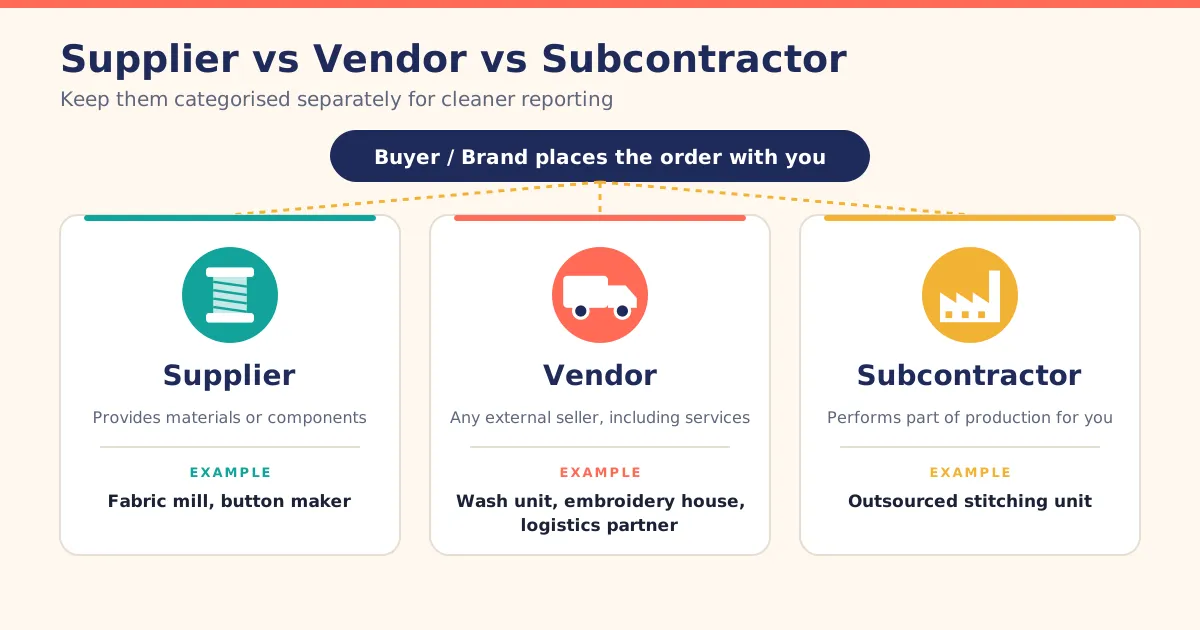
Vendor: A vendor provides products or services required for apparel manufacturing, including machinery, packaging, and production support.
Supplier: A supplier provides raw materials such as fabric, yarn, buttons, zippers, and trims needed for garment production.
Subcontractor: A subcontractor performs specific manufacturing tasks, such as stitching, embroidery, printing, and garment finishing, on behalf of the apparel manufacturer.
| Term | Meaning | Apparel Example |
|---|---|---|
| Supplier | Provides materials or components required for manufacturing. | Fabric mill, button maker |
| Vendor | A broader term for an external seller providing goods or services. | Wash unit, embroidery house, logistics partner |
| Subcontractor | Performs a specific part of production on behalf of the manufacturer. | Outsourced stitching unit |
| Buyer / Brand | Places purchase orders with the apparel manufacturer for finished garments. | Retailer or private-label brand |
In practice, "vendor" and "supplier" are often used interchangeably. Keep them categorized separately in your system for cleaner reporting.
Before searching, write down what you need: material specs, MOQ tolerance, lead time, price target, certifications and sustainability requirements.
Sources include trade fairs, B2B platforms, industry referrals, buyer-nominated vendors and your existing database. Shortlist 3 to 5 vendors per category.
Assess every vendor on:
Finalize price, payment terms, MOQ, lead time, penalties for delay, quality claim process, shade-band tolerance and packaging norms. Put everything in a written agreement or supplier contract.
Create a central vendor record with:
Not every vendor deserves equal attention:
Review monthly or quarterly (details in Section 8).
Share feedback, run corrective action plans, and shift volume toward high performers. Replace chronic underperformers after documented warnings.

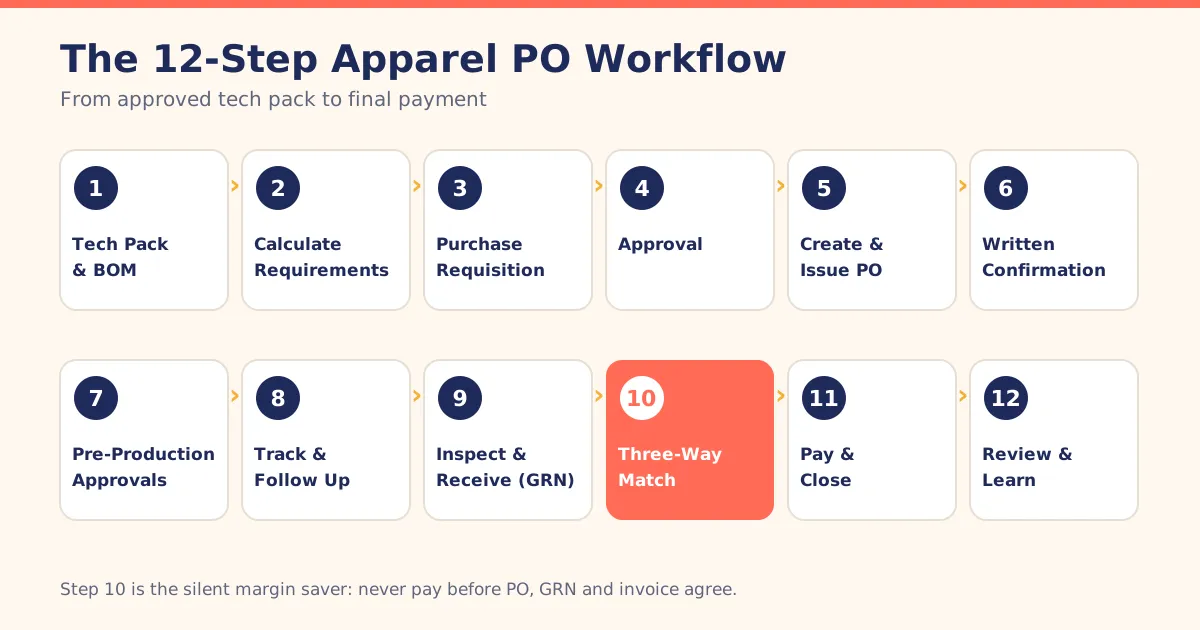
The Bill of Materials (BOM) lists every material per garment, including consumption, wastage allowance and supplier. Errors here flow into every PO.
Total requirement = (consumption per piece × order quantity) + wastage %. Net against existing stock to find the true purchase quantity.
The merchandiser or planner submits the requirement with style, color, size breakup, required-by date and budget.
Route through the right authority based on value limits. This prevents unauthorized spend and duplicate orders.
Send a clear, numbered PO to the vendor with all specs (see Section 7).
Simplify vendor coordination, manage purchase orders, track material availability, and monitor production activities with ZYNO Production. Reduce manual errors, improve inventory visibility, and keep material deliveries aligned with your production schedules.
The vendor should confirm price, quantity, delivery date and specs. Never assume silence means agreement.
Get lab dips, strike-offs, bulk fabric swatches and trim approvals signed off before bulk production.
Monitor milestones: yarn booking, fabric production, dyeing, in-house inspection, dispatch. Flag delays early and re-plan production.
On arrival, check quantity, GSM, width, shade, shrinkage and defects. Record a Goods Receipt Note (GRN). Use an inspection system such as the 4-point system for fabric where applicable.
Match the PO, GRN and vendor invoice before payment. Any mismatch in quantity, rate or terms is resolved first.
Process payment as per agreed terms and close the PO. Record any claims or debit notes.
Feed delivery and quality outcomes back into the vendor scorecard.
| PO Type | Use Case |
|---|---|
| Standard PO | One-time order with a defined quantity and delivery date. |
| Blanket PO | Long-term agreement for repeat items like labels or polybags, with scheduled releases. |
| Contract PO | Fixed terms over a defined period, typically for strategic suppliers. |
| Planned PO | Forecast-based purchasing for long-lead-time materials. |
| Subcontract / Job Work PO | For services such as washing, embroidery or stitching where you supply the material. |
| Sample PO | Small-quantity orders for product development, sampling and approval. |
| Buyer PO (Customer PO) | The order received from your brand or retailer, which triggers your own supplier purchase orders. |
| KPI | What It Measures | Typical Formula |
|---|---|---|
| On-Time Delivery (OTD) | Supplier reliability in meeting delivery dates. | On-time POs ÷ total POs × 100 |
| Quality Acceptance Rate | Right-first-time quality of delivered materials. | Accepted lots ÷ total lots × 100 |
| Defect / Rejection Rate | Percentage of received materials rejected due to quality issues. | Rejected quantity ÷ received quantity × 100 |
| Lead Time Adherence | Consistency between actual and promised lead times. | Compare actual lead time with committed lead time |
| Price Competitiveness | Supplier pricing compared with market rates or benchmarks. | Compare quoted rates with market or benchmark rates |
| Order Fill Rate | Accuracy of quantities delivered against quantities ordered. | Delivered quantity ÷ ordered quantity × 100 |
| Responsiveness | How quickly a supplier responds to queries and requests. | Average response time |
| Compliance Score | Supplier audit results, certifications and compliance status. | Audit results and certificate validity checks |
| Claim Resolution Time | Time taken to resolve quality, quantity or delivery claims. | Number of days taken to close claims |
Weight these based on your priorities. For example: Quality 30%, Delivery 30%, Cost 20%, Compliance 10%, Service 10%.
| Mistake | Impact | Fix |
|---|---|---|
| Incomplete or vague POs | Wrong materials, order confusion and supplier disputes. | Use a standard purchase order template with clear specifications. |
| Verbal orders | Lack of accountability and disputes over agreed terms. | Always issue written purchase orders. |
| Relying on one supplier | Supply disruption if the supplier cannot deliver. | Develop alternate vendors for critical materials. |
| Ignoring wastage in BOM | Material shortages and production delays. | Include a realistic wastage allowance in material planning. |
| No approval before bulk production | Shade mismatches, trim issues and quality rejection. | Require lab dip, swatch and trim approval before bulk production. |
| Poor follow-up | Late deliveries and missed production deadlines. | Use milestone-based tracking for orders and deliveries. |
| Managing everything only in Excel and WhatsApp | Version confusion, lost information and limited visibility. | Use a centralized ERP or PLM system. |
| Skipping three-way matching | Overpayments, duplicate payments and invoice discrepancies. | Match the purchase order (PO), goods receipt note (GRN) and supplier invoice. |
| No vendor performance review | Repeated quality, pricing and delivery problems. | Conduct monthly or quarterly supplier performance reviews using scorecards. |
| Ignoring compliance expiry | Expired certifications and potential buyer audit failures. | Set certificate expiry alerts and schedule timely renewals. |
The silent margin leak: many factories pay invoices based on what the vendor billed, not what was actually received and approved. Small differences in quantity, rate or rejected goods look harmless on a single bill, but across hundreds of POs a year they add up to real money. A strict three-way match is the simplest fix.
|
Need |
Tool Type |
|
Vendor master, POs, inventory, costing, accounts |
Apparel ERP |
|
Tech packs, BOM, sampling and approvals |
PLM |
|
Supplier collaboration and tracking |
Supplier portal or SRM tools |
|
Order and production tracking |
Merchandising or T&A modules |
|
Quality inspection |
Digital inspection apps |
|
Reporting and analytics |
When choosing software, look for BOM-to-PO automation, size-color matrix support, vendor portal access, approval workflows, GRN and three-way match, and real-time reporting.
Brands increasingly expect traceability across tiers. Your vendor and PO process should support:
Embedding compliance in the PO, rather than treating it as a separate task, reduces audit surprises.
Manage suppliers, streamline purchase orders, track material availability, and improve production planning with ZYNO Production. Reduce manual errors and maintain better control over your apparel manufacturing operations.
Remember that 11 PM phone call? It rarely comes from bad luck. It comes from gaps: an unscored vendor, a vague PO, a missing approval, a payment released without a match.
Managing vendors, suppliers and purchase orders well is one of the most direct ways to protect margin and delivery in apparel manufacturing. Start with accurate BOMs, work with vetted and scored vendors, issue clear written POs, track milestones, and close every order with a proper receiving and payment check.
Streamline production planning, inventory management, and procurement with our free manufacturing resource.
Download Your Free Resource →ZYNO Manufacturing | Smarter Production, Better Control
A purchase order is a formal document issued by a buyer to a supplier or vendor that lists the materials or services required, quantities, prices, delivery dates and terms. In apparel, it usually includes style, color, size breakup and quality specifications.
A supplier typically provides materials such as fabric or trims. A vendor is a broader term covering suppliers as well as service providers such as wash units or embroidery houses. Many companies use the two terms interchangeably.
Evaluate capacity, quality history, compliance certifications, financial stability, lead time, pricing and communication. Request samples, check references, and consider a trial order before large commitments.
The usual flow is: approved BOM, requirement calculation, requisition, approval, PO issue, vendor confirmation, pre-production approvals, tracking, goods receipt and inspection, three-way match, payment and review.
A Bill of Materials lists every material needed to make a garment, with quantities and specifications. It is the base for calculating purchase quantities, so errors in the BOM lead directly to wrong orders.
It is a control that compares the purchase order, goods receipt note and supplier invoice before payment. It prevents overpayment, duplicate payment and payment for undelivered goods.
Use a time-and-action calendar, confirm dates in writing, track milestones, order long-lead items early, include delay penalties, and keep backup vendors for critical materials.
Common KPIs are on-time delivery, quality acceptance rate, defect rate, order fill rate, price competitiveness, lead time adherence, compliance score and claim resolution time.
A blanket PO is an agreement with a supplier for repeat purchases of an item over a set period, with deliveries released in scheduled lots. It suits recurring items like labels, hangtags and polybags.
For critical materials, have at least two qualified sources to reduce risk. Avoid spreading volume across too many vendors, as it weakens negotiating power and consistency.
Look for an apparel-specific ERP or PLM that supports BOM-to-PO conversion, size-color matrices, approval workflows, vendor portals and GRN. The best choice depends on your company size and process complexity.
Document the issue with photos, inspection reports and quantities, notify the vendor in writing within the agreed claim window, and agree on replacement, credit note or price adjustment. Log the claim in the vendor scorecard.
Brands and regulators require proof of ethical, safe and environmentally responsible production. Non-compliant vendors can lead to audit failures, shipment rejections or lost buyer relationships.
Monthly for strategic vendors and quarterly for others is a good standard, with an annual full review and rationalization.
What is ERP? A Beginner's Guide to Enterprise Resource Planning
Read More →
Cloud ERP vs. On-Premise vs. Hybrid: Best ERP Model for 2025
Read More →How To Customize ERP Software Without Breaking The Bank?
Read More →
The Future of Manufacturing ERP in 2026 & Beyond
Read More →Best ERP Software in India: 2026 Edition
Read More →
AI in Manufacturing ERP: The Future of Smart Factories
Read More →
How ERP Transforms Inventory Management and Reduces Costs
Read More →
Inventory Management Software Features: The Complete 2026 Buying Guide
Read More →
Top 5 Ways Asset Management Software Can Save Your Business Money
Read More →
Why Smart Businesses Are Switching to Vendor Management Systems in 2025?
Read More →
Why Manufacturing Companies Need ERP Software
Read More →
Cloud ERP vs. Traditional ERP: Which is Right for You?
Read More →
ERP for Small Business: Is It Worth the Investment?
Read More →
How to Calculate ERP ROI and Why It's Worth the Investment
Read More →
Top 10 ERP Software Companies in India 2026 Updated List (Complete Guide)
Read More →
ERP Implementation Mistakes to Avoid in 2025
Read More →
Cloud ERP vs Edge Computing: What's Right for Modern Manufacturing?
Read More →
The Future of ERP Software and the Role of Generative AI
Read More →
Digital Twin Technology & ERP: Real-Time Insights for Smarter Manufacturing
Read More →
Scalable ERP Solutions Designed for Modern Enterprises
Read More →
ERP and IoT Integration: Smart Factory Vision
Read More →Best ERP Software for Manufacturing Businesses in India
Read More →Top 10 Best Manufacturing ERP Software in India (2026)
Read More →
Best ERP Software for Manufacturing Industries in Ethiopia (2026)
Read More →
Best School ERP Software Providers in UAE (2025 Edition)
Read More →
Best School ERP Software for 2025: Guide for Educational Institutions
Read More →
Top 10 ERP Software Solutions for Nigerian Manufacturers (2025 Edition)
Read More →
Best ERP Systems for Scalable Retail and POS Integration
Read More →
Top 10 Cloud-Based Manufacturing ERP Solutions in Africa (2025 Edition)
Read More →
Top 10 Cloud-Based Manufacturing ERP in UAE
Read More →
Top 10 Cloud-Based Manufacturing ERP Software in Nigeria (2026 Edition)
Read More →
Top 10 School ERP Software Companies in Kenya (2025)
Read More →
Best School ERP Software Providers in Nigeria (2025)
Read More →
Top Cloud-Based Manufacturing ERP in Zimbabwe (2025)
Read More →
Best ERP Software in U.K
Read More →
Top 10 ERP Software Developers in the U.K. (2025)
Read More →
Best ERP Software Providers in France (2025)
Read More →
Best ERP Software Companies in Germany : A Comprehensive Guide
Read More →
Top 10 ERP Software Development Companies in Qatar

Read More →
Best ERP Providers in Germany: 10 ERP Software Options Compared
Read More →
Best ERP Software Firms in Saudi Arabia (2025)
Read More →
Best ERP Service Providers in Indonesia for SMEs and Large Enterprises
Read More →
Top 10 Cloud-Based Manufacturing ERP Systems in Egypt for Modern Factories
Read More →
Top ERP Solutions in the USA 2025: Streamline Your Business with ZYNO ERP
Read More →
Top ERP Solutions in Qatar for Businesses of All Sizes
Read More →Top Manufacturing ERP Software in India 2026 ZYNO Manufacturing ERP
Read More →How Manufacturing Companies Reduce Production Delays Using ERP Automation
Read More →Why Legal Firms Need ERP to Manage Cases, Billing & Compliance
Read More →What Is ERP And How Does It Work
Read More →
How ERP Systems Are Evolving in 2026: What Businesses Need to Know
Read More →
Best ERP Software in India: 2025 Edition
Read More →
Top 10 ERP Software Companies in Delhi NCR
Read More →
How Manufacturing ERP Software Improves Demand Forecasting
Read More →
Top 10 Best School Management Software in India
Read More →Manufacturing & Wholesale ERP in Qatar: Complete Industry Guide 2026
Read More →Cloud ERP Software in Qatar: Why Businesses Are Moving in 2026
Read More →Is ERP a Procurement Software? Key Differences, Benefits & What to Choose
Read More →What Is Production Planning and Control? Definition, Objectives & Functions
Read More →
Garment Inventory Software: Features, Providers & Buying Guide (2026)
Read More →
How ERP Reduces Fabric Wastage in Garment Factories

Read More →
Why the Garment Industry Needs a Specialized ERP
Read More →
Features to Look for in Garment Manufacturing ERP Software
Read More →
Best ERP Software for Small Garment Manufacturing Business in India
Read More →
The Real Problems Holding Back Small Garment Manufacturers in India
Read More →Garment Manufacturing ERP Software in India: Best Options, Features & Complete Guide 2026
Read More →
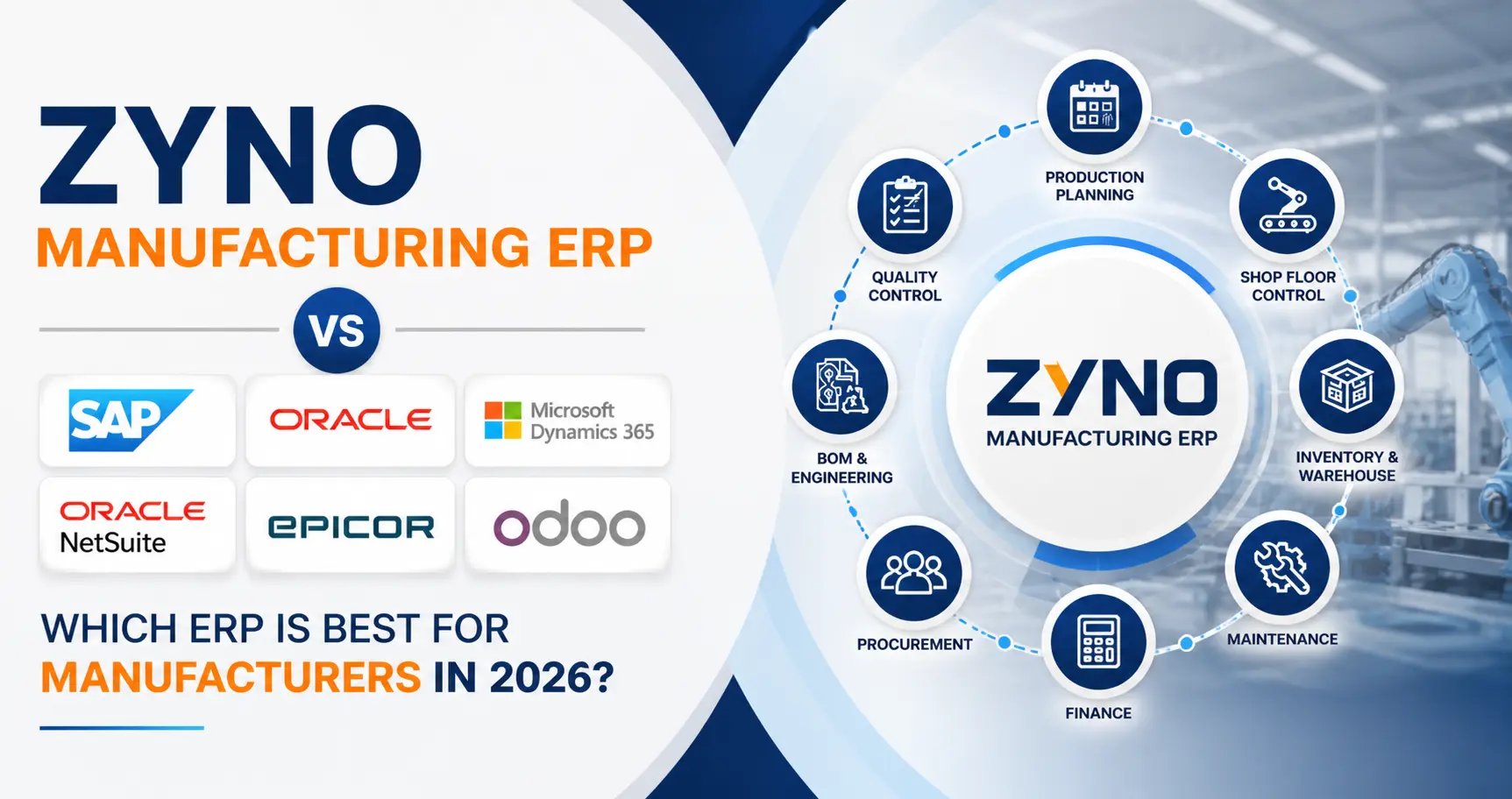
Which ERP is Best for Manufacturers in 2026?
Read More →
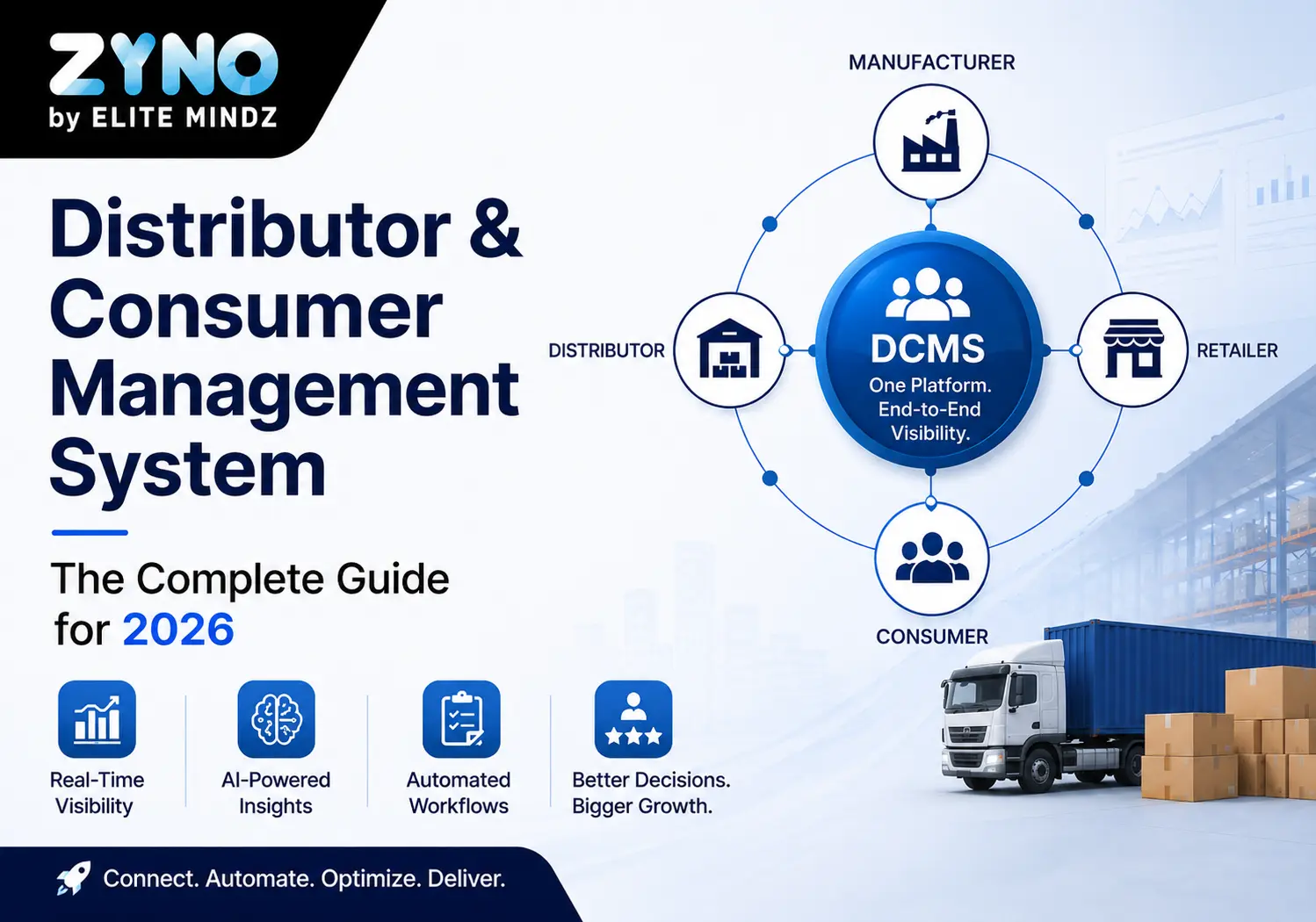
Distributor & Consumer Management System: The Complete Guide for 2026
Read More →
Best Pharma ERP Software in India 2026 – Features, Compliance & Buying Guide
Read More →
SAP Alternative for Manufacturing in India (2026): 6 Options Compared Honestly
Read More →
What Is the Relation Between MIS and Enterprise Resource Planning?
Read More →
Best ERP for Sweater Manufacturers in India
Read More →
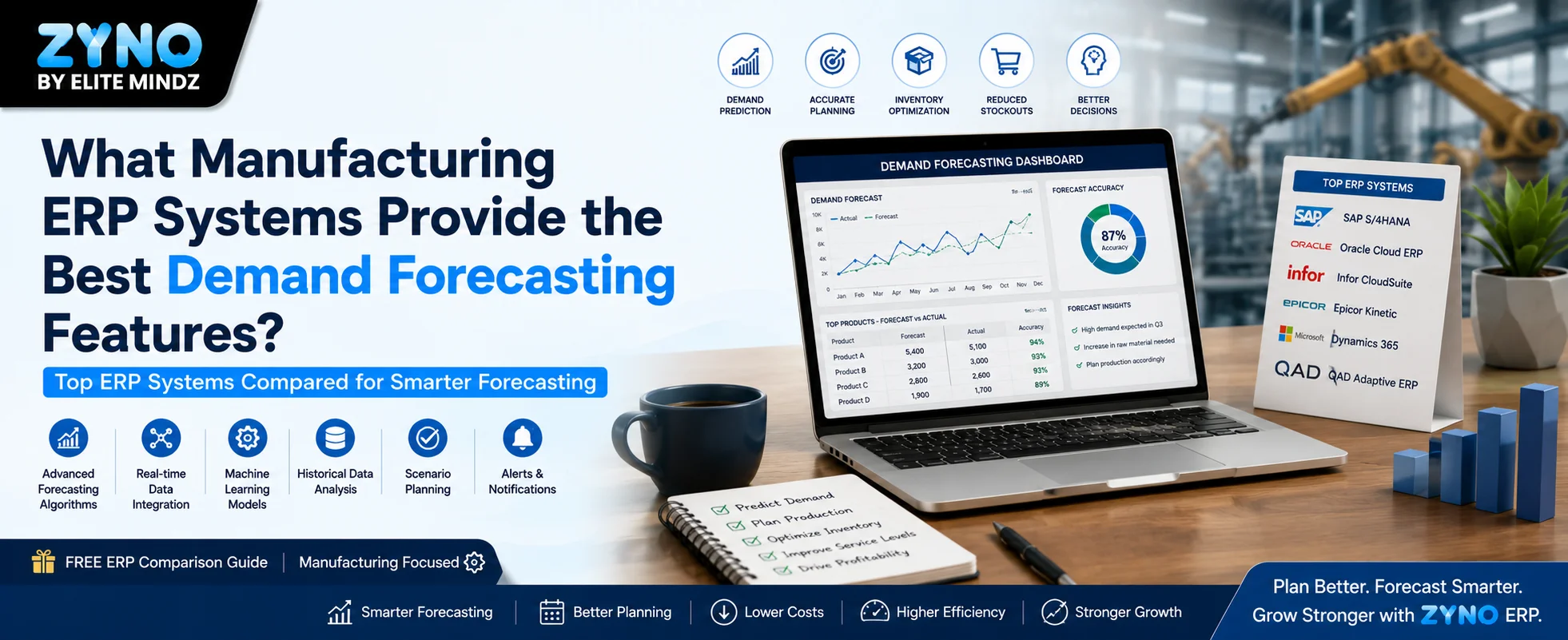
What Manufacturing ERP Systems Provide the Best Demand Forecasting Features?
Read More →
Which ERP Software Provides the Best Demand Forecasting for Manufacturers?
Read More →
What are the key features to look for in AI ERP software for manufacturing companies in India?
Read More →
How does AI-powered ERP software improve production planning and inventory management in manufacturing?
Read More →
Which AI ERP platforms are best suited for small and mid-sized manufacturing businesses in India?
Read More →
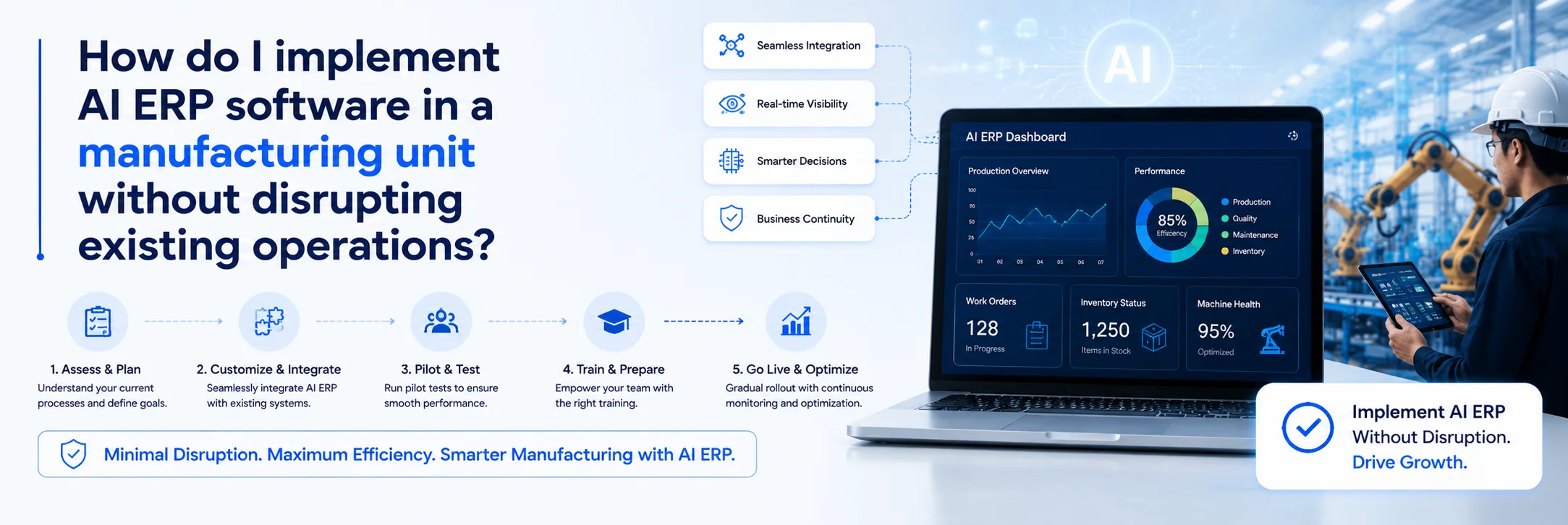
How do I implement AI ERP software in a manufacturing unit without disrupting existing operations?
Read More →
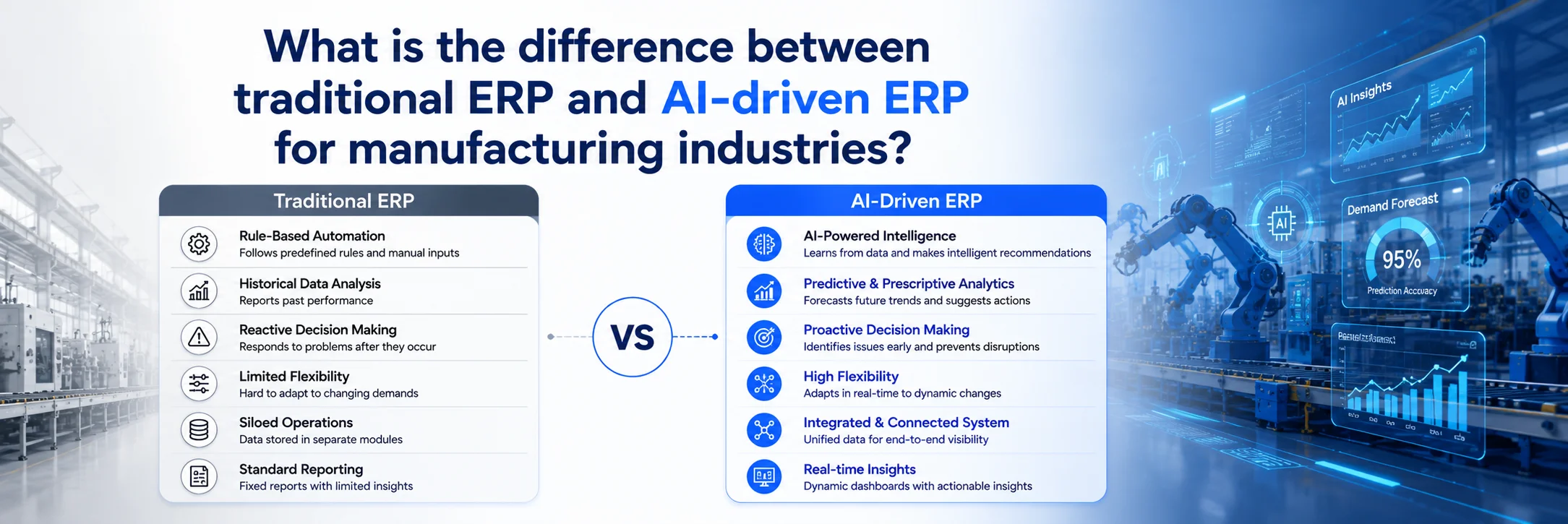
What is the difference between traditional ERP and AI-driven ERP for manufacturing industries?
Read More →
AI-Powered Smart ERP Software: The Complete Guide for Modern Enterprises
Read More →
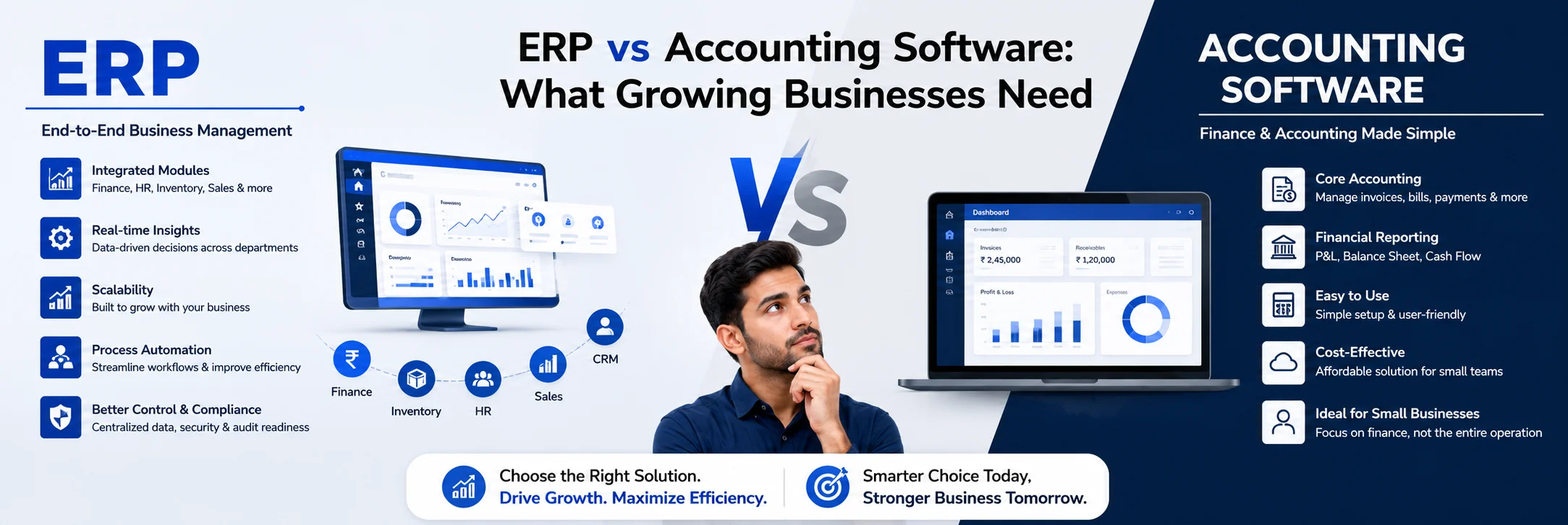
ERP vs Accounting Software: What Growing Businesses Need
Read More →
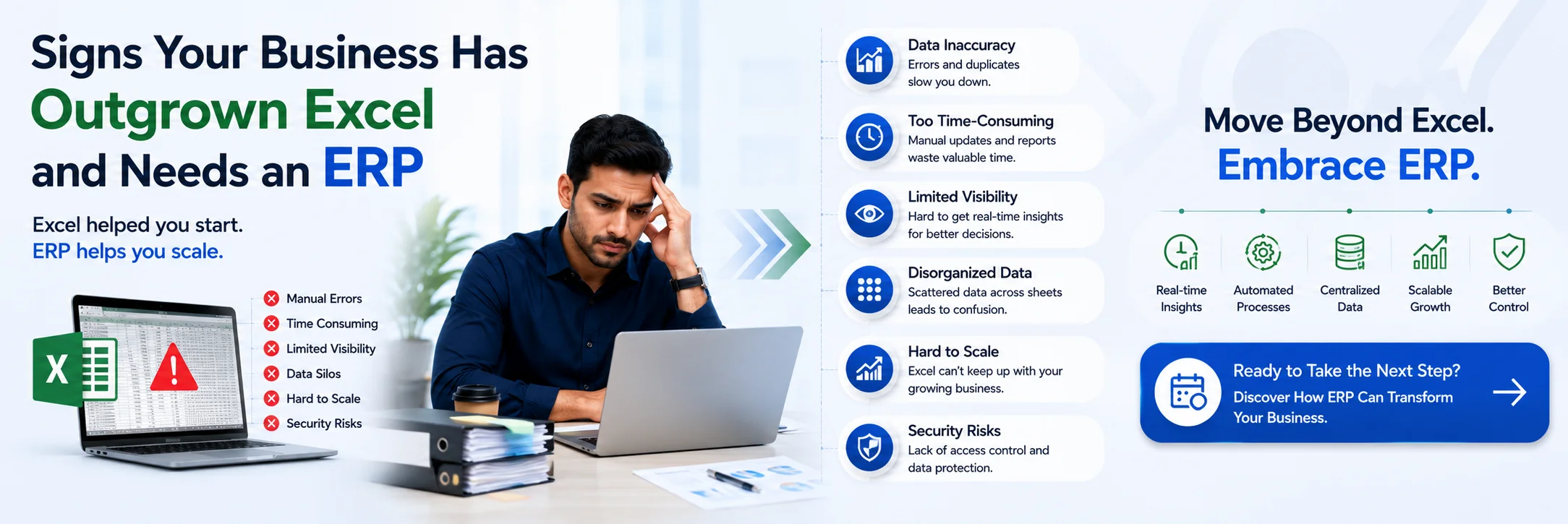
Signs Your Business Has Outgrown Excel and Needs an ERP
Read More →
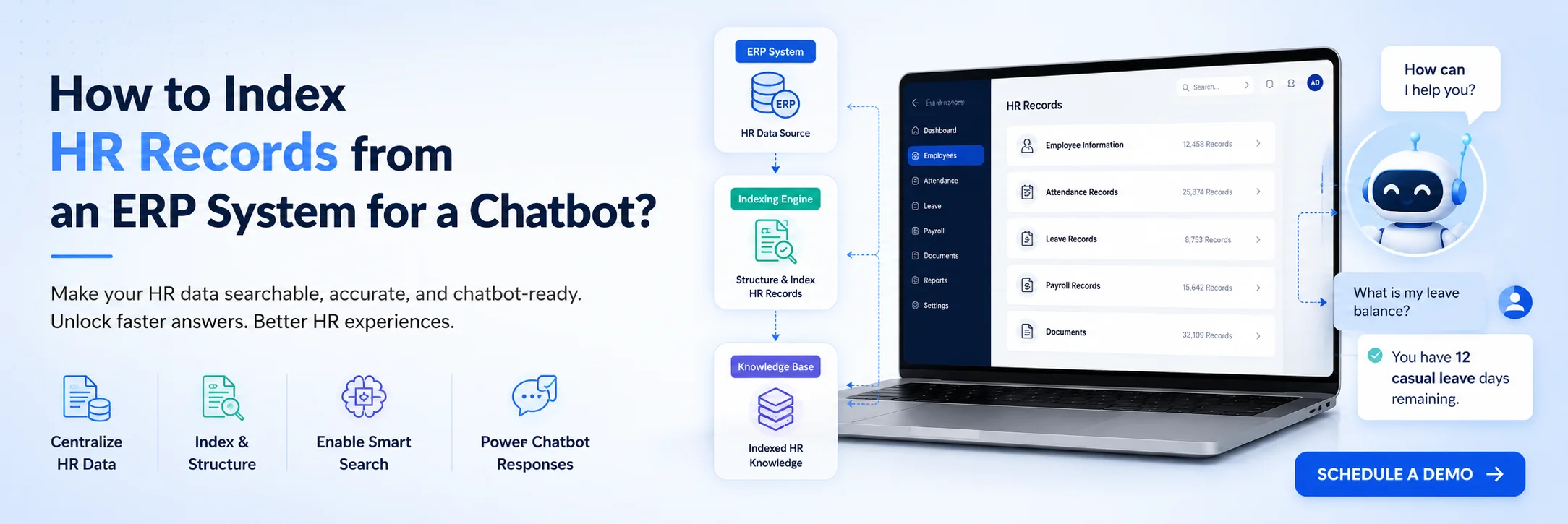
How to Index HR Records from an ERP System for a Chatbot?
Read More →
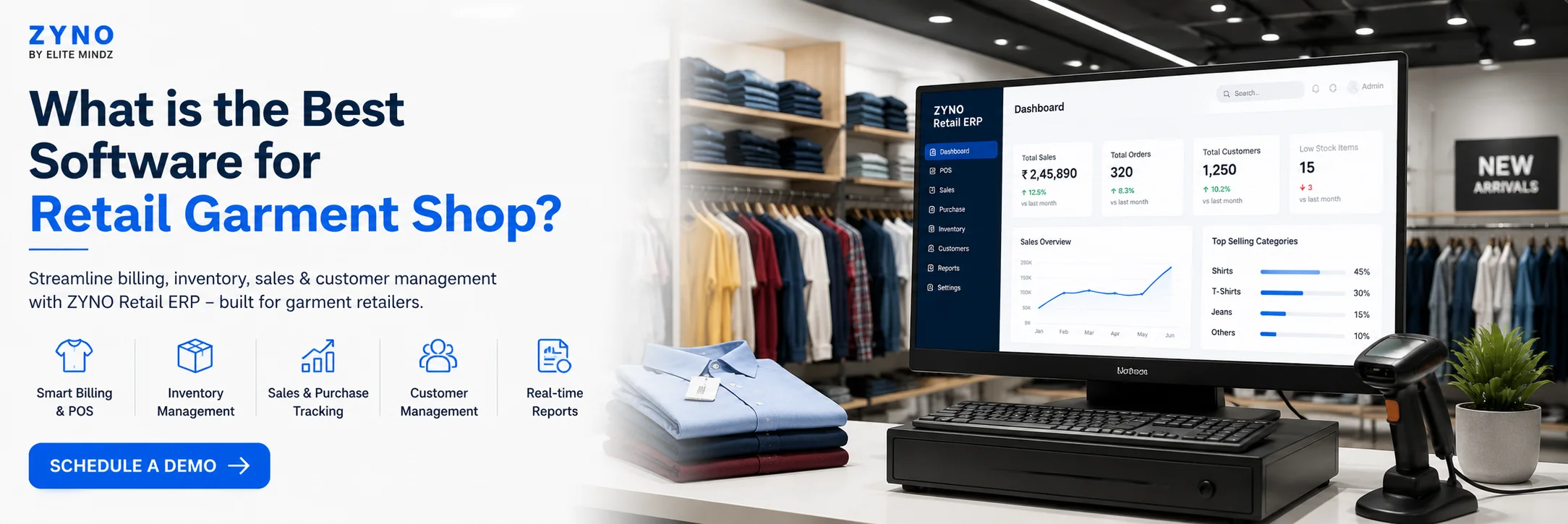
What is the Best Software for Retail Garment Shop?
Read More →
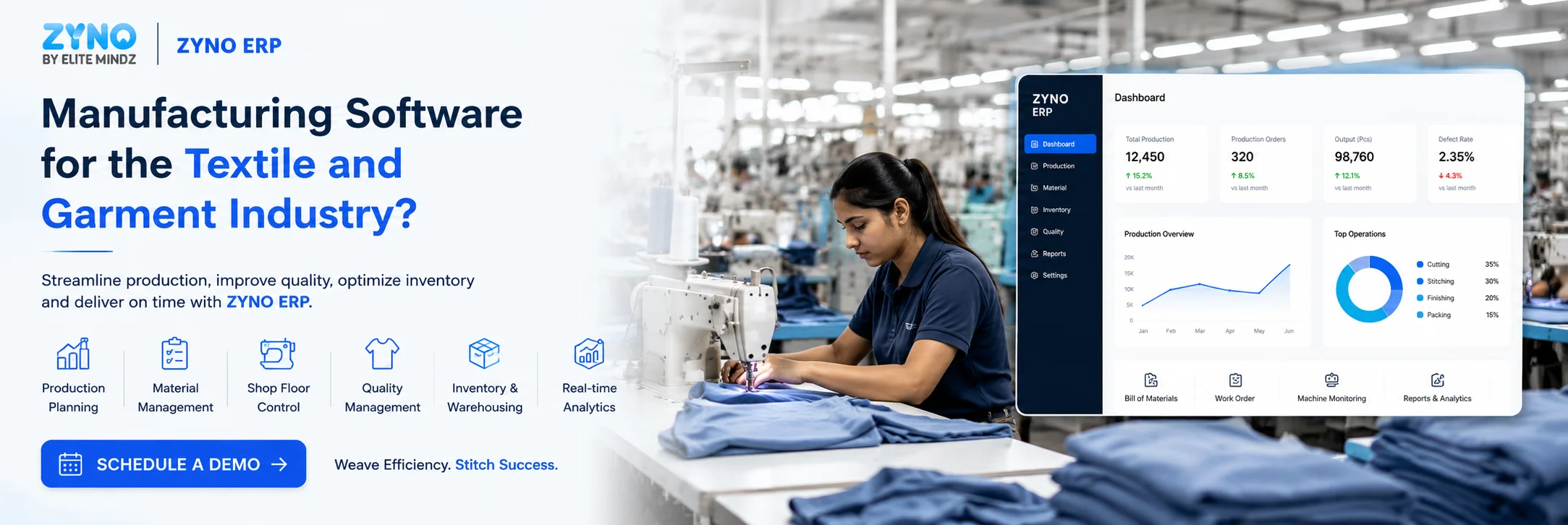
Manufacturing Software for the Textile and Garment Industry?
Read More →
Best ERP Software for Manufacturing Companies in India?
Read More →
How ERP Reduces Production Costs and Improves Profitability?
Read More →
Which ERP Software is Mostly Used in Garment Retail Shop?
Read More →
10 Ways AI Can Improve ERP Efficiency
Read More →
Top 8 Odoo Alternatives for Your Business
Read More →
ZYNO vs NetSuite ERP: Which Manufacturing ERP Fits Your Business Needs?
Read More →
Top ERP Software Providers in 2026: Full Comparison
Read More →
ERP Software Reviews: What Buyers Actually Say in 2026
Read More →
ERP Software for Retail Businesses: Complete Guide
Read More →
ERP Software for Healthcare: Beyond Patient Records
Read More →
ERP Software for Logistics Companies: A Complete Guide
Read More →
Best ERP Software for SaaS Companies in 2026
Read More →
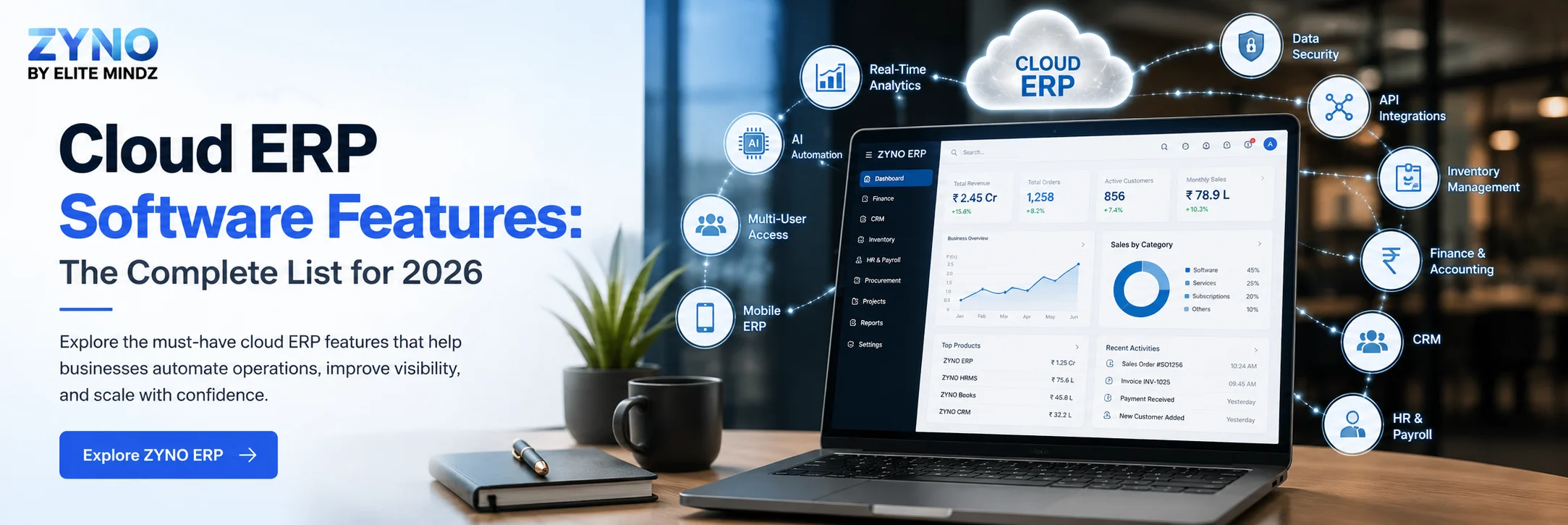
Cloud ERP Software Features: The Complete List for 2026
Read More →
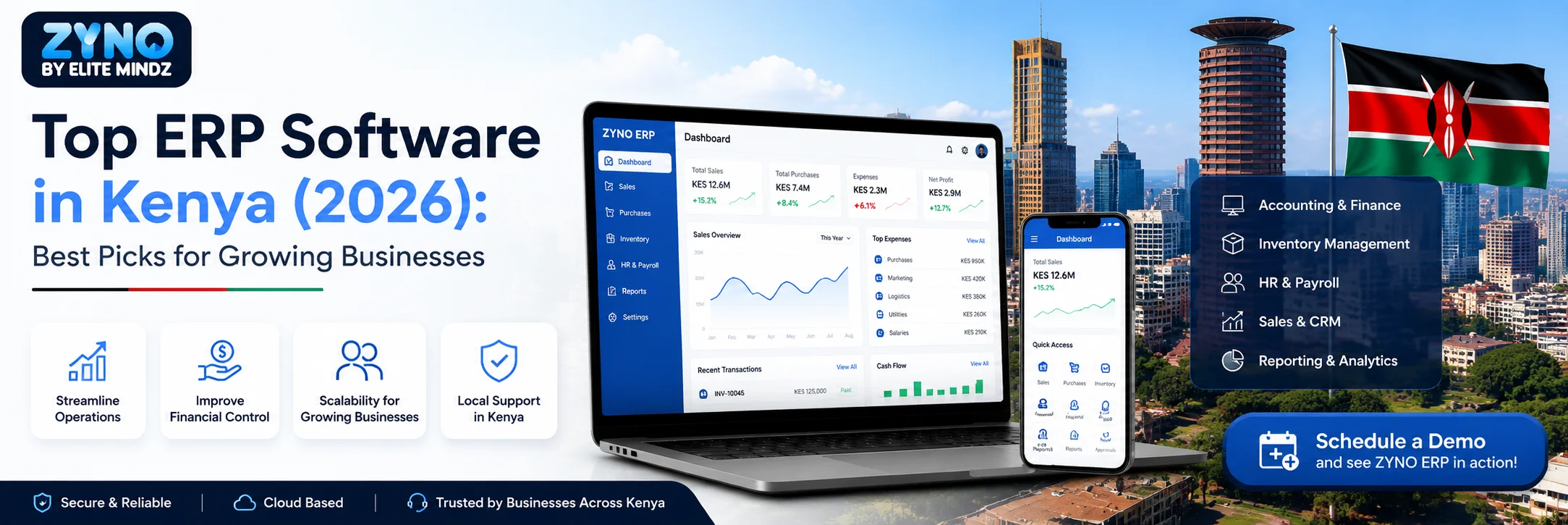
Top ERP Software in Kenya (2026): Best Picks for Growing Businesses
Read More →
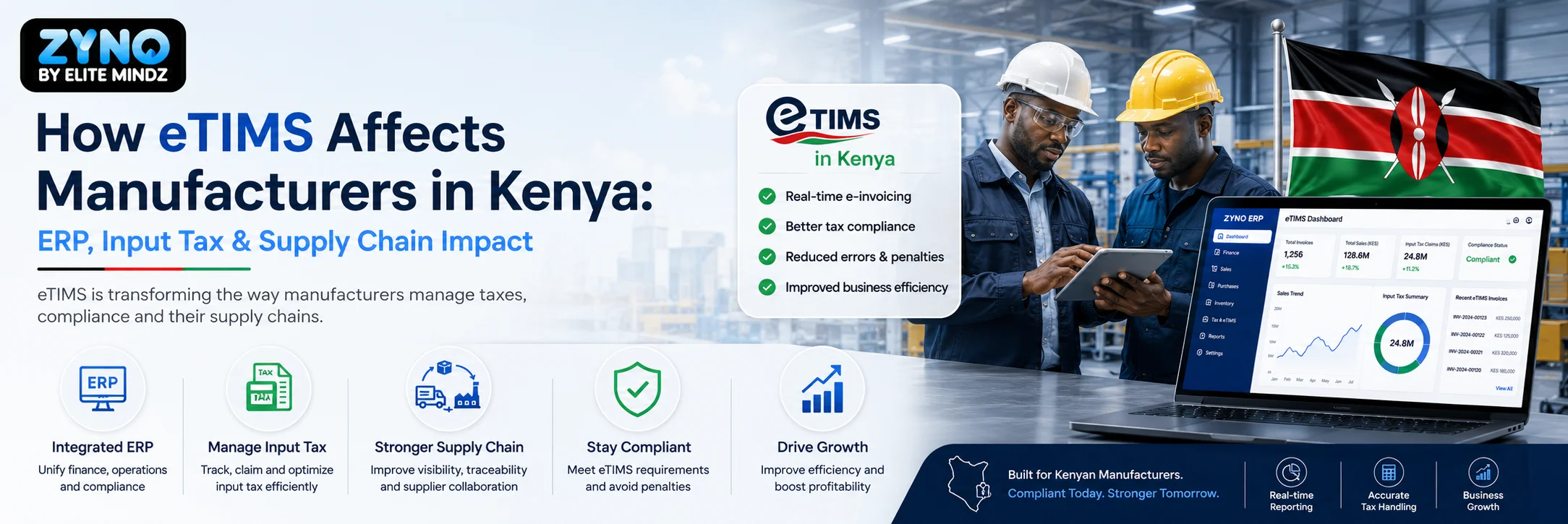
How eTIMS Affects Manufacturers in Kenya: ERP, Input Tax & Supply Chain Impact
Read More →
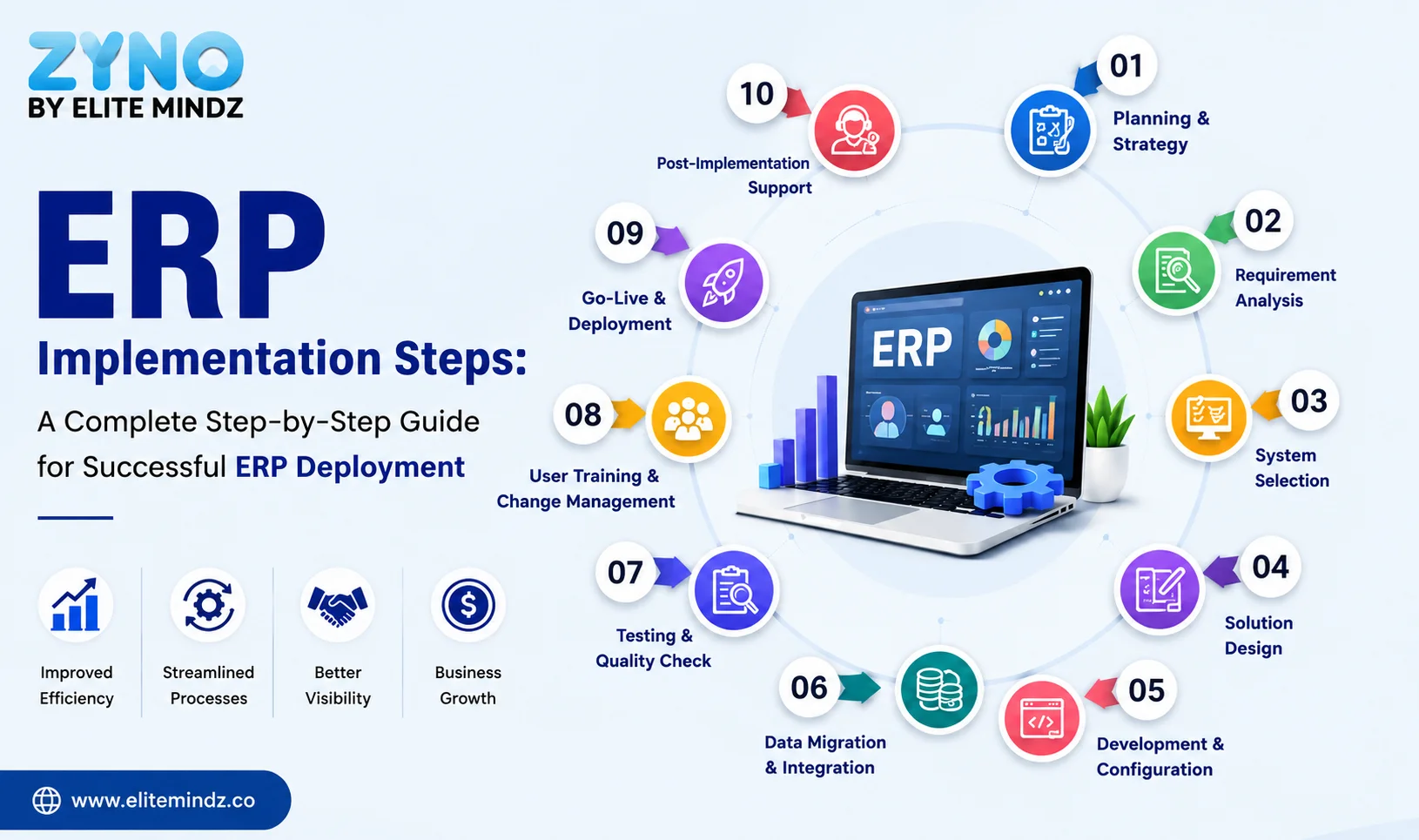
ERP Implementation Steps: A Complete Step-by-Step Guide for Successful ERP Deployment
Read More →
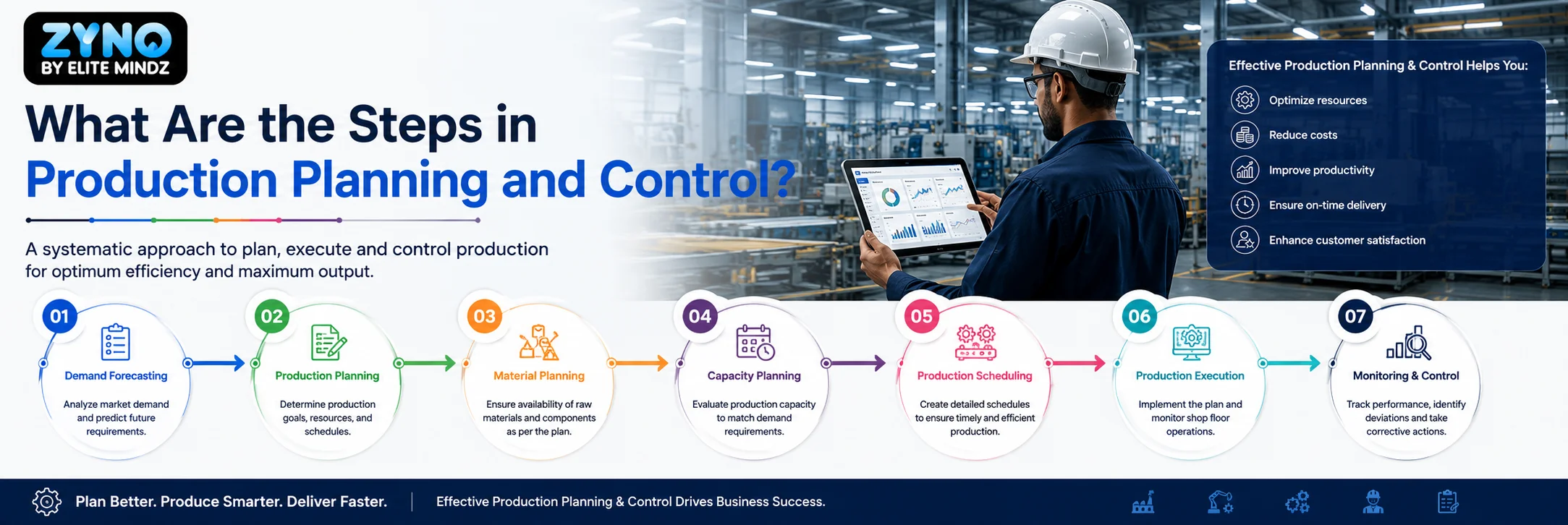
What Are the Steps in Production Planning and Control?
Read More →
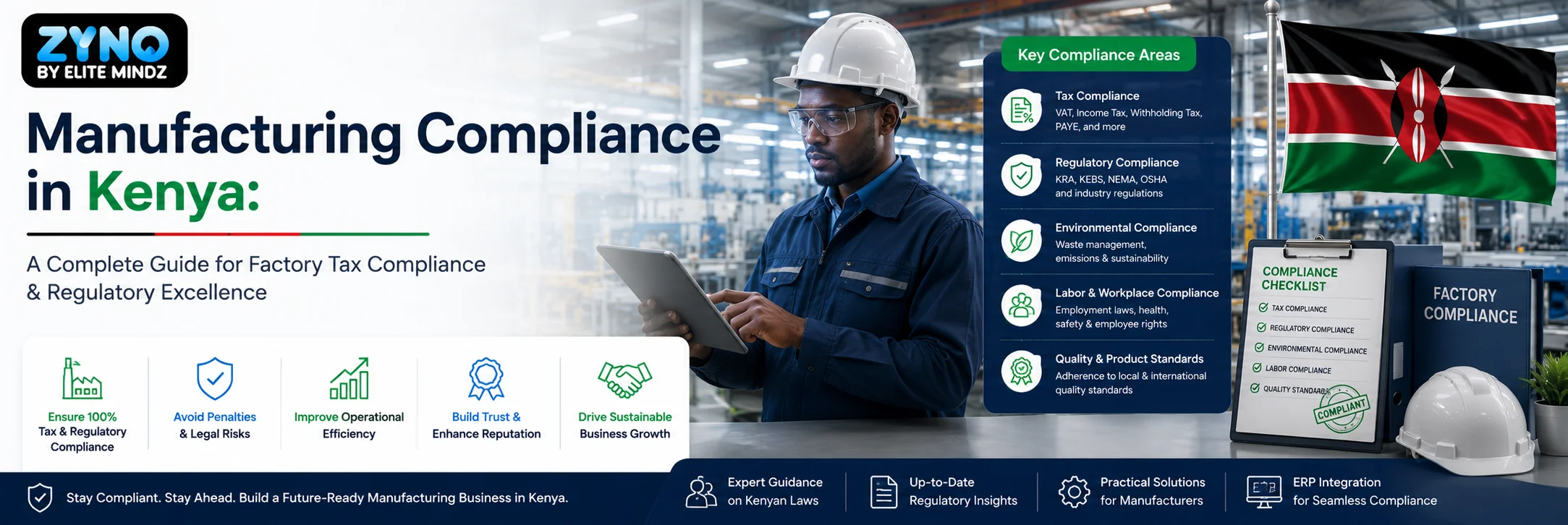
Manufacturing Compliance in Kenya: A Complete Guide for Factory Tax Compliance & Regulatory Excellence
Read More →
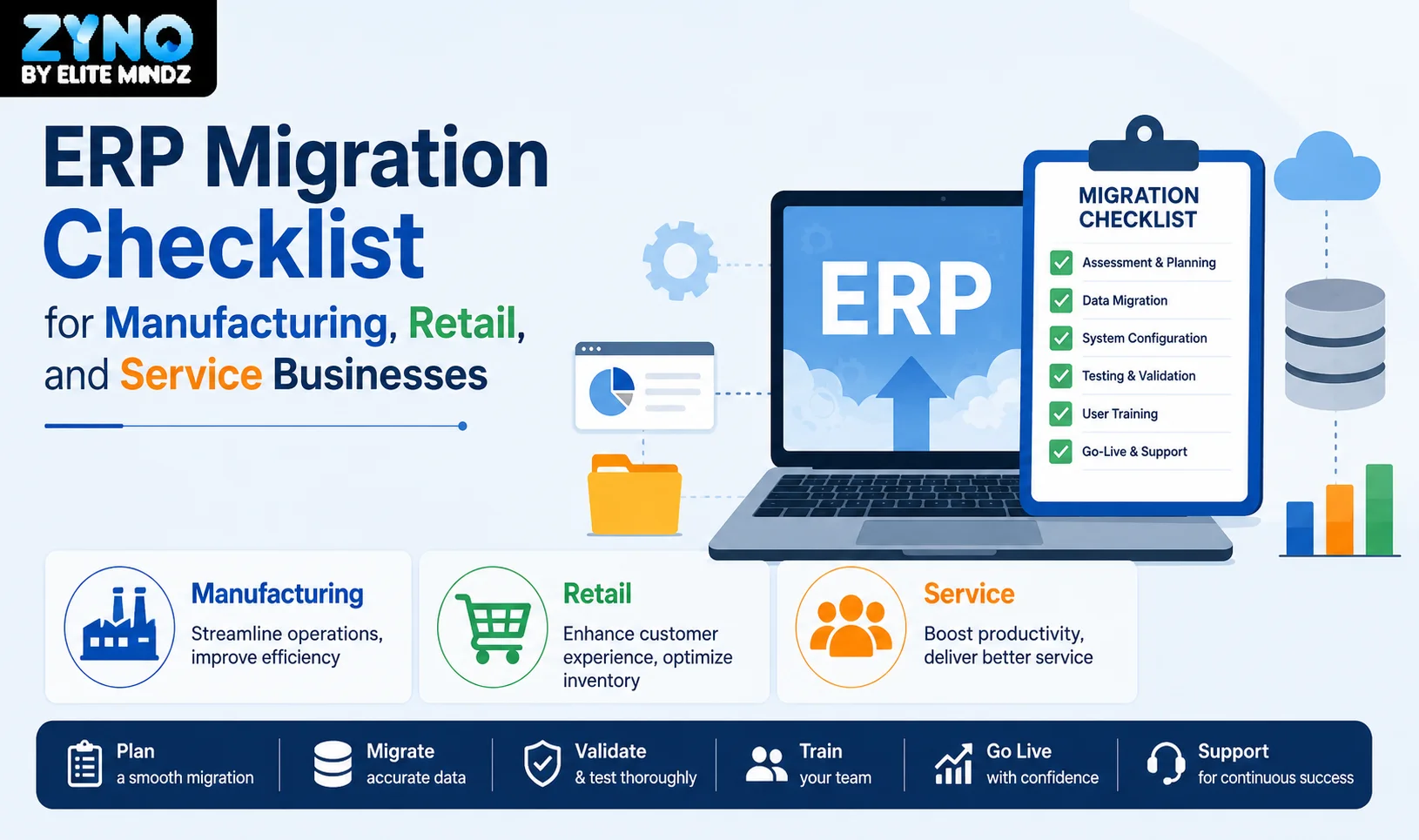
ERP Migration Checklist for Manufacturing, Retail, and Service Businesses
Read More →
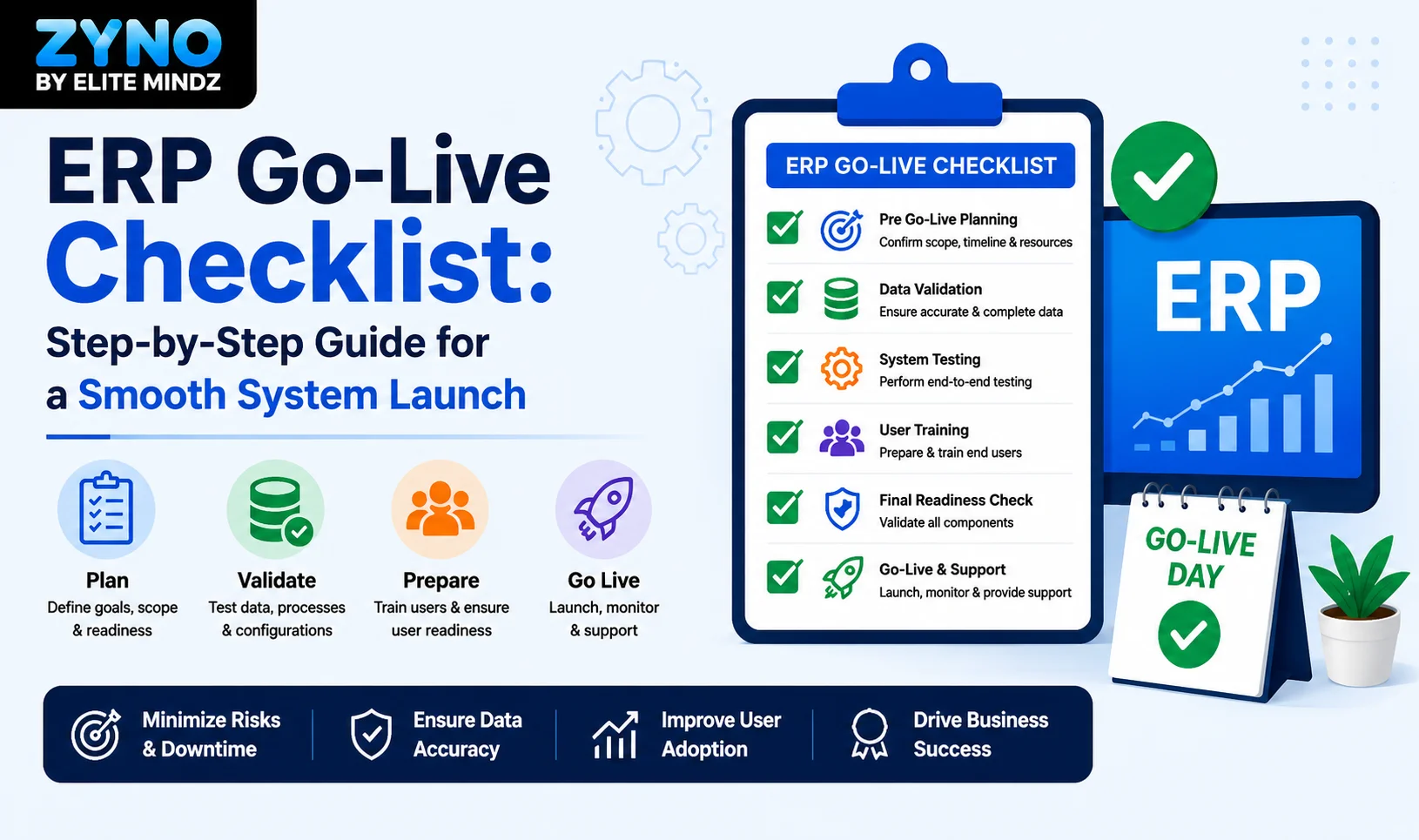
ERP Go-Live Checklist: Step-by-Step Guide for a Smooth System Launch
Read More →
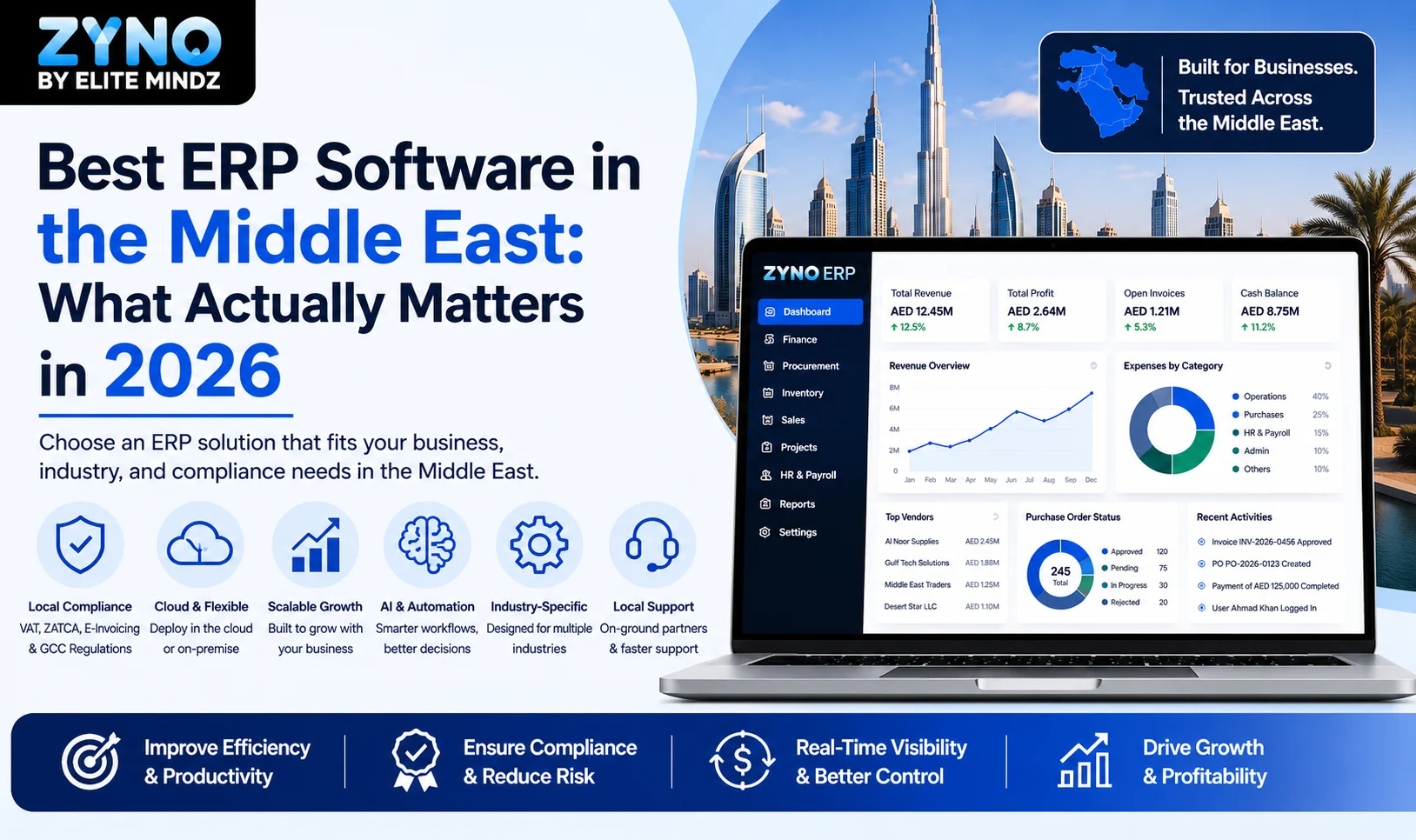
Best ERP Software in the Middle East: What Actually Matters in 2026
Read More →
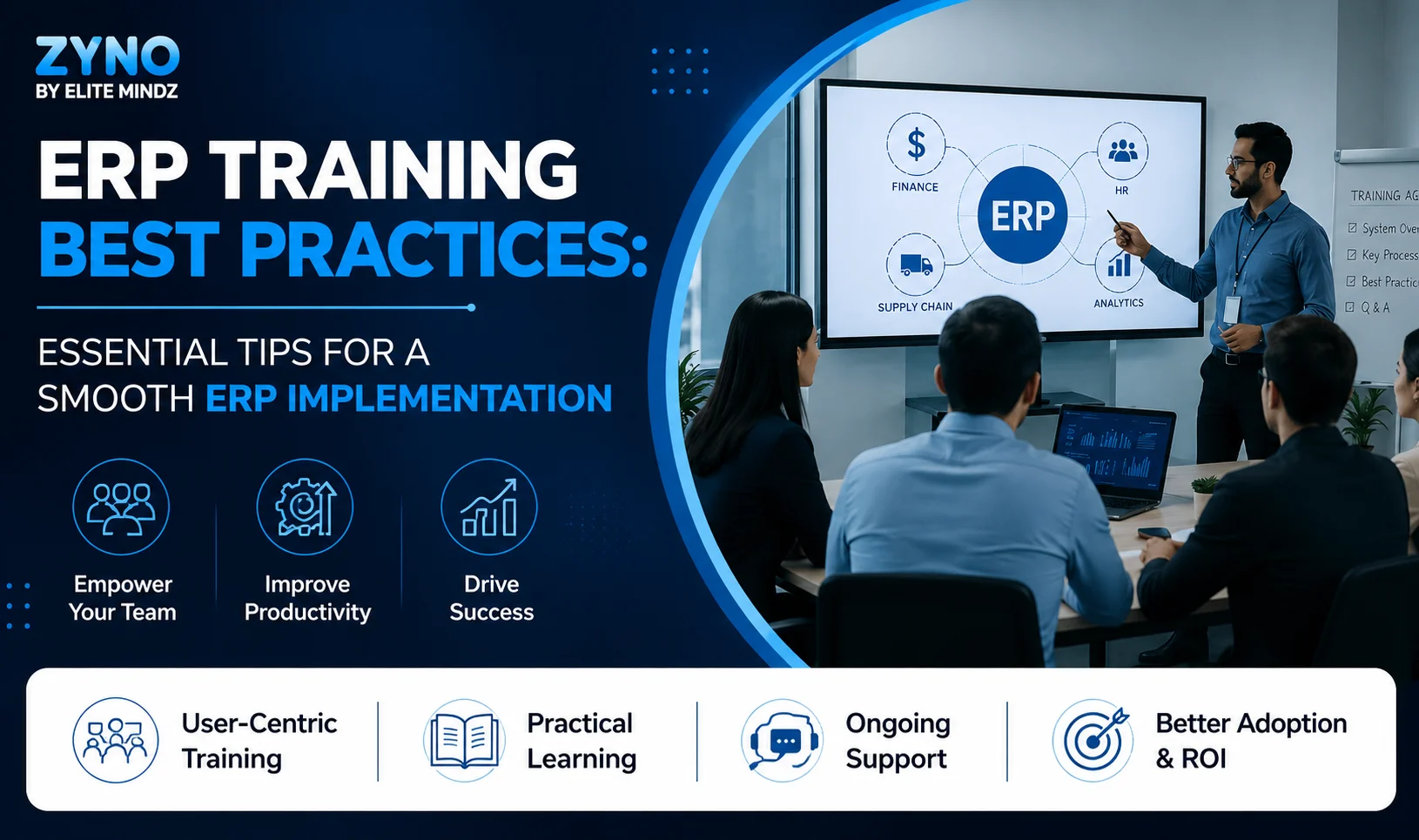
ERP Training Best Practices: Essential Tips for a Smooth ERP Implementation
Read More →
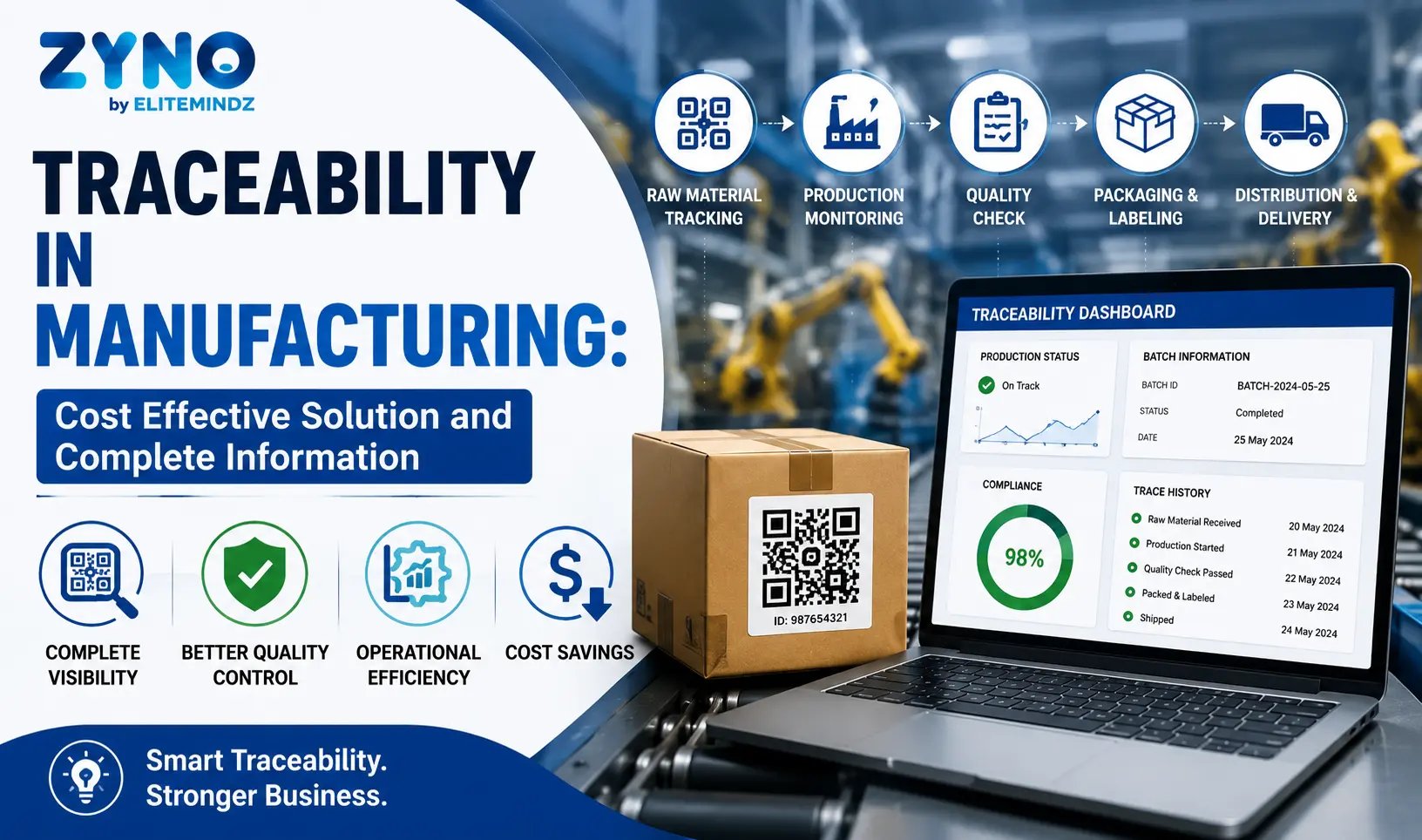
Traceability in Manufacturing: Cost Effective Solution and Complete Information
Read More →
Manufacturing ERP Software Buying Guide: Features, Checklist & Questions to Ask Before You Invest
Read More →
20 Best ERP Software in Japan (2026): Top AI-Powered & Cloud ERP Platforms Ranked
Read More →
10 Best ERP Software for Metal Manufacturing Companies: Features, Checklist & Buying Guide (2026)
Read More →How Manufacturing ERP Helps Ethiopian Factories Improve Production Planning & Cost Control
Read More →
Top 15 Business Management Software for Growing Businesses in 2026
Read More →
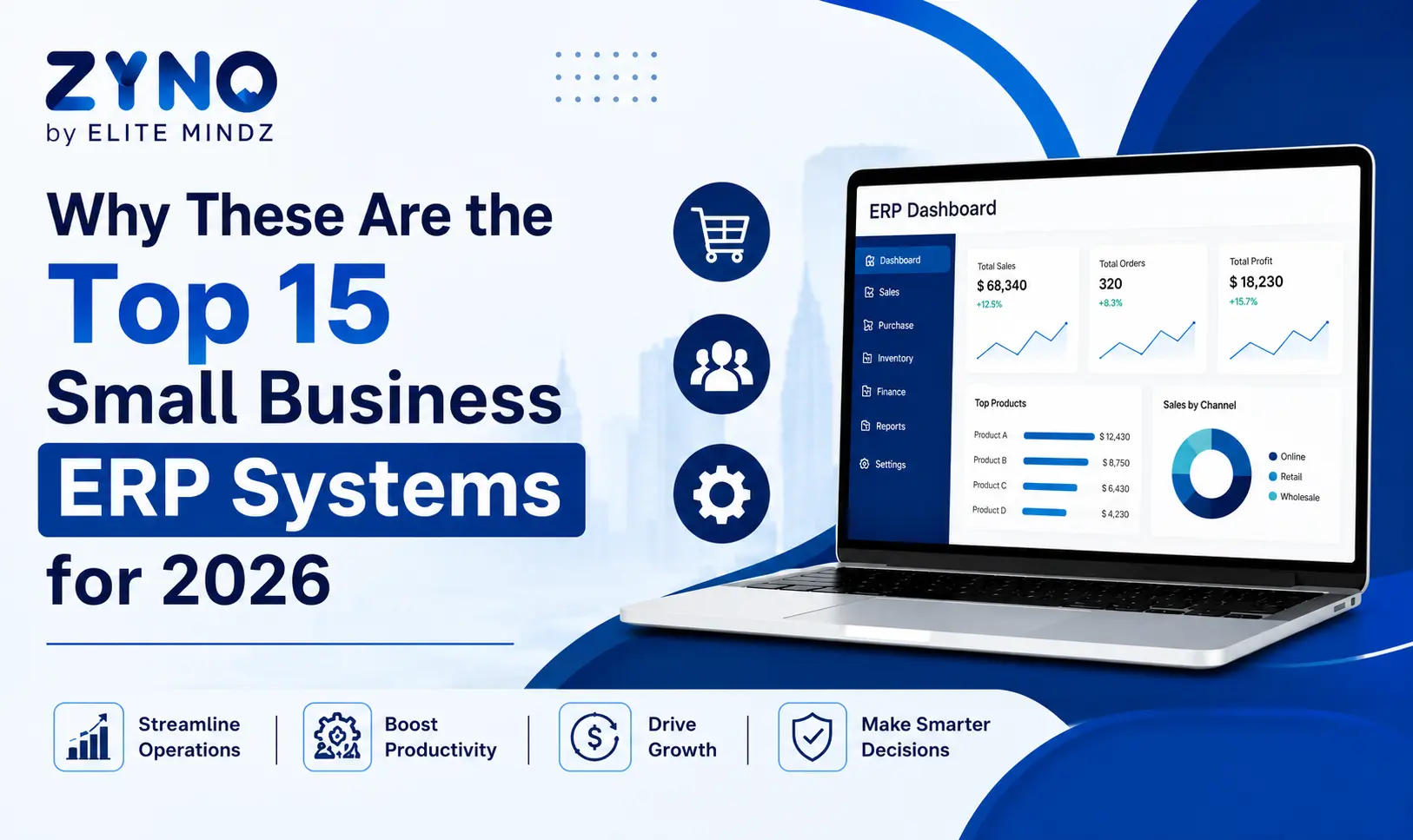
Why These Are the Top 15 Small Business ERP Systems for 2026
Read More →
BOM Management Software: A Complete Guide to Smarter Manufacturing
Read More →
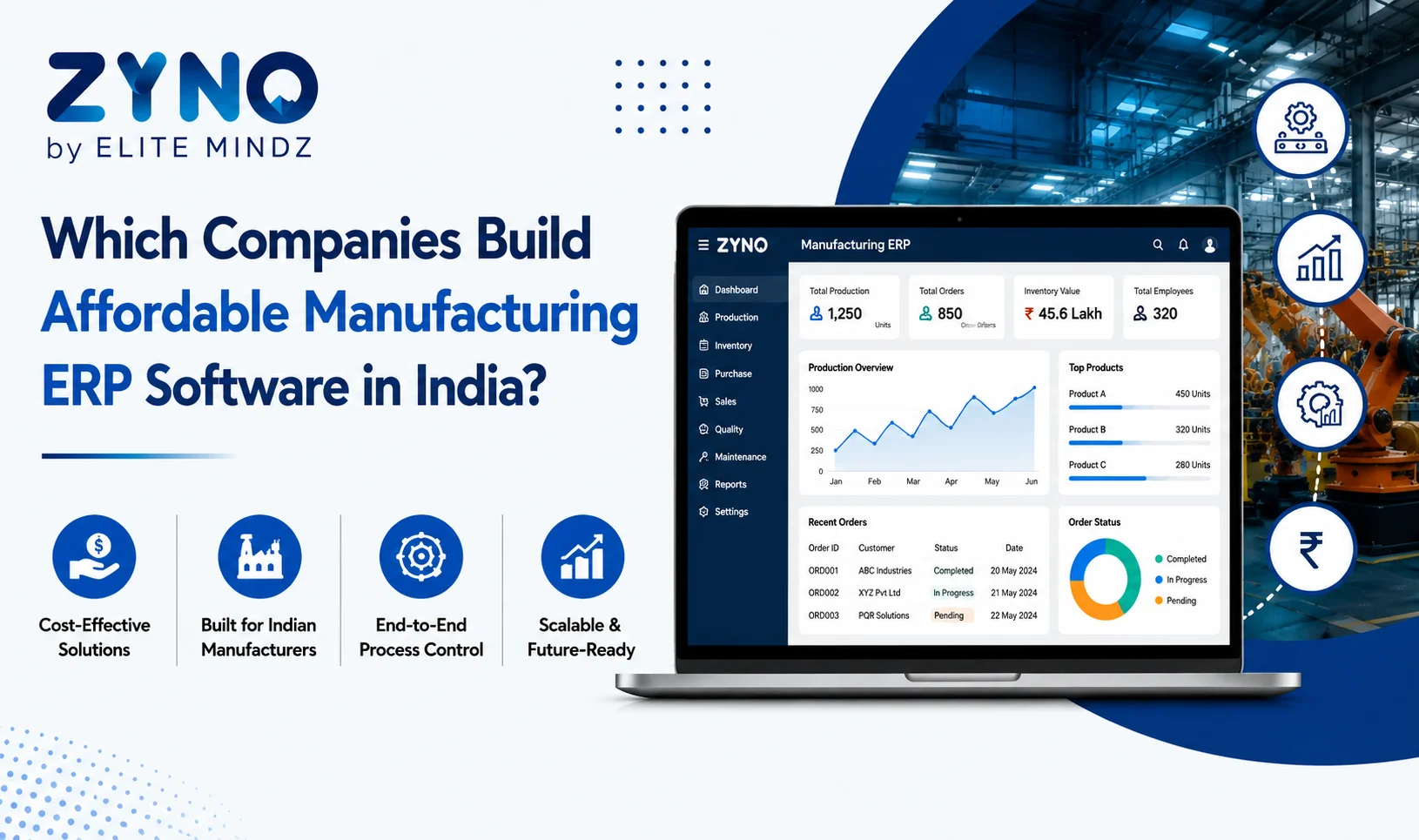
Which Companies Build Affordable Manufacturing ERP Software in India?
Read More →
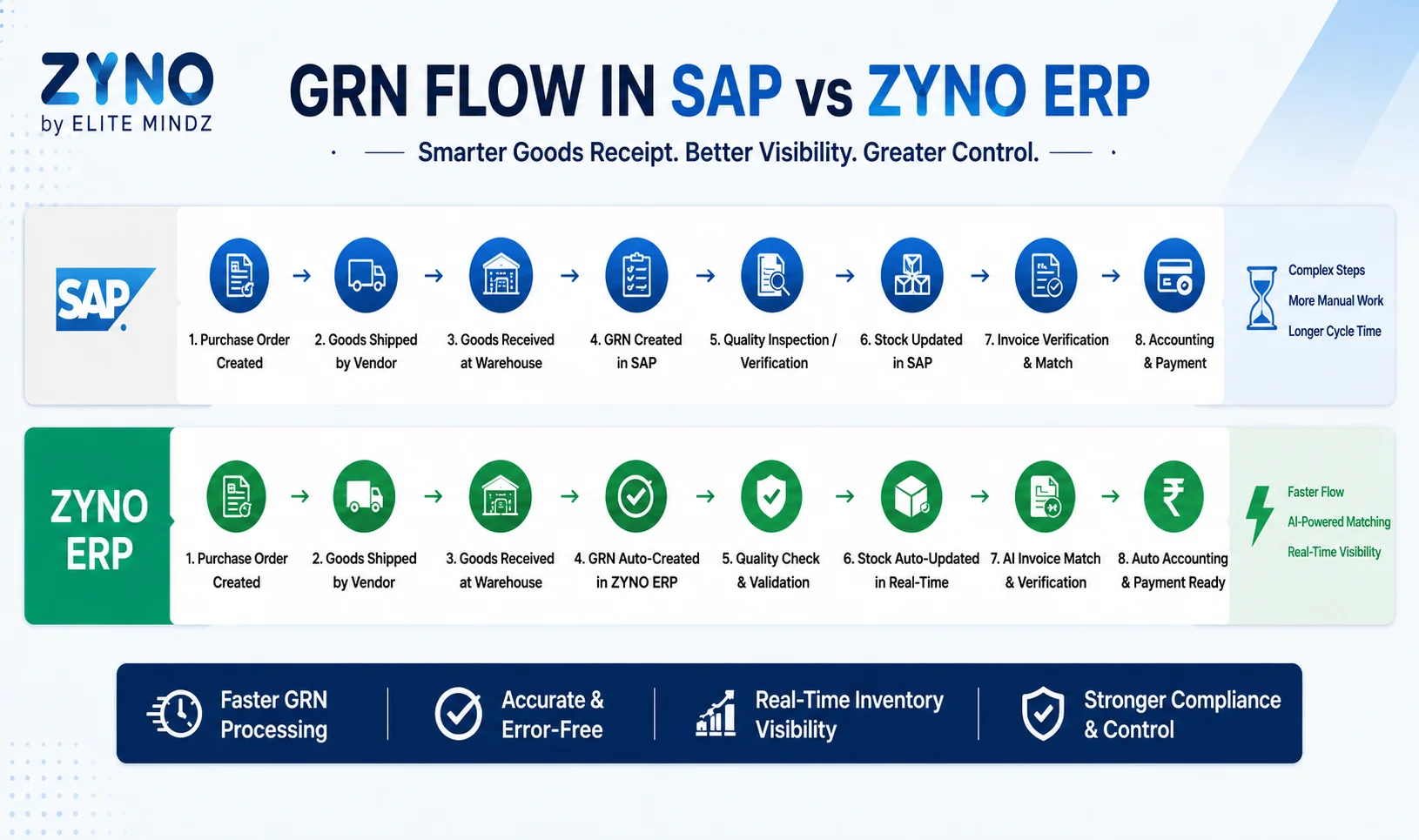
GRN Flow in SAP vs ZYNO ERP
Read More →
Which AI ERP Platform Offers the Best ROI for Retail Businesses Looking to Automate Operations in India?
Read More →
Warehouse Management System (WMS): Complete Guide
Read More →
Best WMS Software in 2026: 10 Warehouse Management Systems Compared
Read More →
Top Warehouse Management System (WMS) Pain Points and How to Solve Them
Read More →
ERP in Inventory Management: Features, Benefits & Best Practices
Read More →
Best ERP for Inventory Management : Top 10 Software Compared
Read More →
From Clicking Through Screens to Simply Asking: The New ERP Experience
Read More →
Best ERP Solutions for Textile Manufacturing and Supply Chain Control
Read More →
How Automation Software Can Help Middle East Businesses Save Time and Reduce Costs
Read More →
Top ERP Platforms for Food Processing and Manufacturing
Read More →
How to Choose the Right ERP Software for Enterprises in the UAE: Your Must-Know Points
Read More →
Top 10 ERP Solutions for Pharmaceutical Production Management
Read More →
ERP for Chemical Manufacturing: Compare the Best Solutions
Read More →
ERP for Oil and Gas: Compare the Best Solutions for 2026
Read More →
Order Management System: A Complete Buyer’s Guide
Read More →
Best Cloud Warehouse Management System for Businesses: A Complete Guide
Read More →
How Do Prompt-Based ERPs Reduce Manual Workflow Steps?
Read More →
Top 10 ERP Features Your Business Should Not Compromise On
Read More →
What Are the Best AI-Native Enterprise ERP Platforms?
Read More →
7 Best ERP Software for FMCG Manufacturers
Read More →
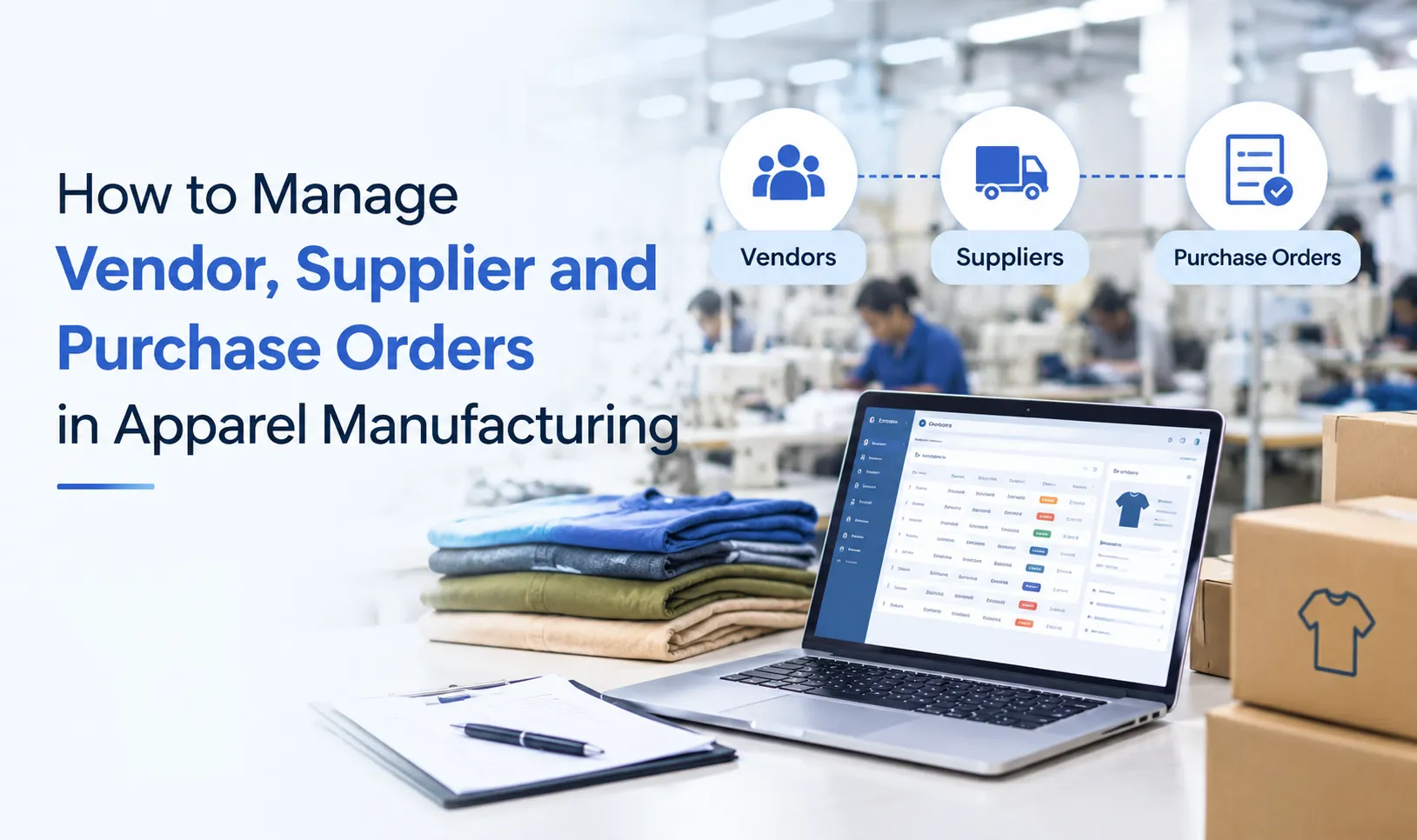
How to Manage Vendor, Supplier and Purchase Orders in Apparel Manufacturing
Read More →
Apparel Supply Chain Management: A Complete Guide (Stages, Strategies and Software)
Read More →Partner with ZYNO by Elite Mindz to revolutionize how your business works. Fill out the form, and we’ll reach out with AI-powered solutions made just for you.
We use browser cookies to ensure you get the best experience on our website. Learn more
The form was submitted successfully!