What is ERP? A Beginner's Guide to Enterprise Resource Planning
Read More →content="Enterprise ERP">

×
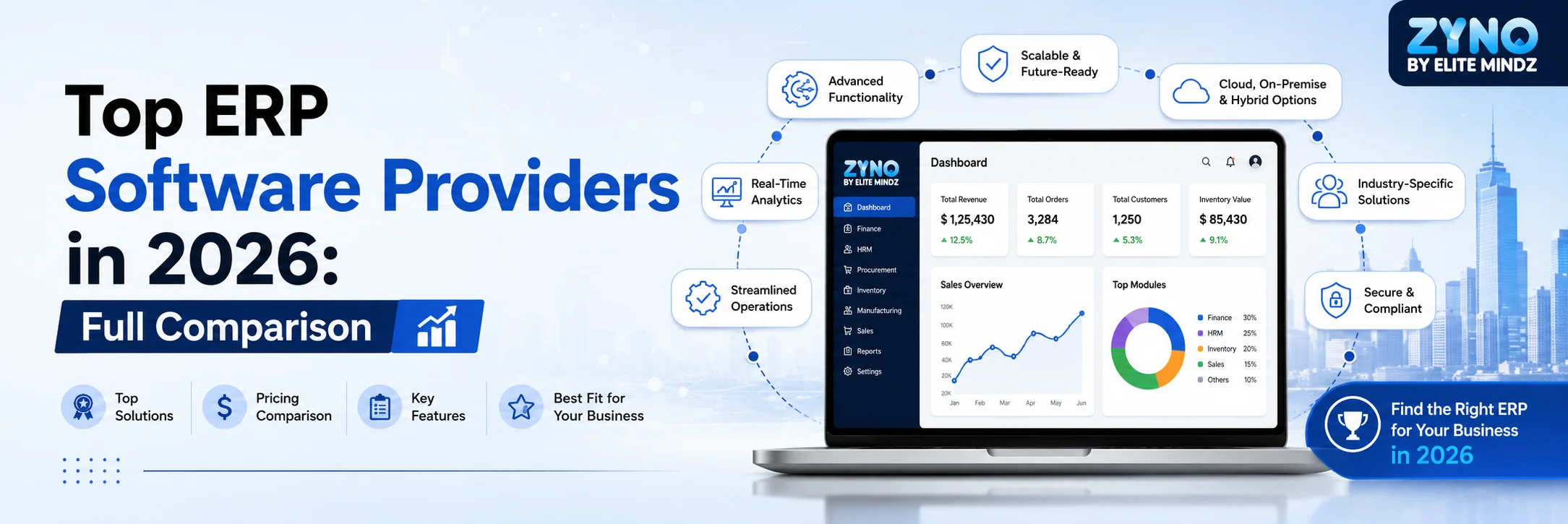
Compare the top ERP software providers in 2026, including ZYNO ERP, SAP S/4HANA, Oracle NetSuite, Microsoft Dynamics 365, Odoo, Sage Intacct, and Acumatica, based on features, pricing, deployment, and business fit.
Businesses using ZYNO Books cut accounting time by 70% and stay 100% ZATCA-compliant — automatically.

If you only read this paragraph: the top ERP software providers in 2026 are SAP S/4HANA and Oracle NetSuite for enterprise and cloud-native mid-market needs, Microsoft Dynamics 365 for Microsoft-standardized businesses, Odoo, Sage Intacct, and Acumatica for budget-conscious SMEs, and ZYNO ERP by Elite Mindz for SMEs and mid-market companies across India, the GCC, and East Africa that need enterprise-grade depth without enterprise-level cost or timelines. There is no single winner across every scenario. The right pick depends on your deployment preference, industry, and budget, and the rest of this guide breaks that down provider by provider so you can shortlist with confidence before booking a single demo.
Choosing between ERP software companies has become harder, not easier, in 2026. Every vendor now claims AI-driven automation, every pricing page hides the real total cost of ownership, and every "top 10" list seems to rank a different provider at number one. If you are building a shortlist before booking demos, you need a comparison that separates marketing language from what actually matters for your business size, industry, and budget.
This guide breaks down the top ERP software providers across enterprise, mid-market, and SME segments, with an honest look at deployment options, standout modules, and where each platform genuinely fits. Whether you are searching for the best ERP software companies for a 50-person manufacturing unit or evaluating leading ERP vendors 2026 for a multi-country rollout, you will find a structured way to narrow the field here.
Read More -: Best ERP Software in the UK
Before scanning any ERP software companies list, it helps to fix your own evaluation criteria first. Vendors are easy to compare on paper; they are much harder to compare once you factor in your industry, team size, and existing tech stack. Three variables decide almost every ERP decision:
Cloud ERP now dominates new deployments because it removes the need for in-house servers, cuts upfront capital expenditure, and ships updates automatically. On-premise ERP still suits organizations with strict data residency rules, heavy customization needs, or regulatory environments that require full infrastructure control. Hybrid deployment is gaining traction among mid-sized manufacturers and financial firms that want cloud accessibility for HR and CRM modules while keeping core financial data on local servers.
Before shortlisting any ERP vendors for enterprise, confirm whether the provider actually supports the deployment model your compliance team requires, not just the one that is easiest for the vendor to sell. A few questions worth asking every vendor at the demo stage:
A generic ERP platform can technically run a manufacturing floor, a hospital, and a retail chain. It just will not run any of them particularly well without heavy customization. Industry-specific ERP systems arrive pre-configured with workflows, compliance templates, and reporting formats built for a specific sector, which shortens implementation timelines significantly.
If you run a construction firm, a hospital, or a retail chain with GST-linked billing requirements, an ERP with pre-built industry-specific modules will almost always outperform a generalist platform stretched to fit your use case. Sector fit typically shows up in three places:
ERP pricing structures vary widely: per-user subscriptions, transaction-based billing, tiered feature licenses, and flat enterprise contracts. Per-user pricing looks affordable at low headcounts but scales expensively as teams grow, while transaction-based or module-based pricing tends to favor businesses with fluctuating usage.
Scalability matters just as much as the starting price. Ask whether the platform can add users, modules, or entities without a full re-implementation, and whether the vendor's pricing model stays predictable as your headcount or transaction volume grows over the next three to five years.
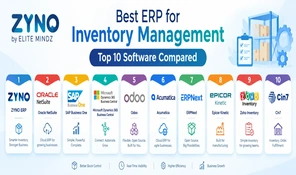
| Provider | Best For | Starting Tier | Standout Feature | Deployment Options |
|---|---|---|---|---|
| ZYNO ERP by EliteMindz | SMEs and mid-market across India, GCC, and East Africa | Custom pricing, INR-based plans | Unified HR, finance, procurement, manufacturing, and retail modules | Cloud, on-premise, hybrid |
| SAP S/4HANA | Large enterprises with complex, multi-country manufacturing | Enterprise-tier, quote-based | Deep manufacturing and multi-GAAP finance capability | Cloud (public/private), on-premise |
| Oracle NetSuite | Mid-market companies wanting a single cloud-native suite | Subscription, module-based | Unified finance, CPM, and e-commerce on one platform | Cloud only |
| Microsoft Dynamics 365 | Businesses already running on Microsoft infrastructure | Per-user subscription | Native Microsoft 365 Copilot AI integration | Cloud, hybrid |
| Odoo | Small businesses and startups on a tight budget | Free community edition, paid apps | Modular, open-source app structure | Cloud, self-hosted |
| Sage Intacct | Finance-first mid-market organizations | Subscription, quote-based | Strong multi-entity financial consolidation | Cloud only |
| Acumatica | Distribution and light-manufacturing SMEs | Transaction-based, not per-user | Usage-based pricing that does not penalize headcount growth | Cloud, private cloud |
A quick read of this ERP software companies list shows the market splitting cleanly into three bands: global enterprise suites (SAP, Oracle), Microsoft-ecosystem and cloud-native mid-market platforms (Dynamics 365, NetSuite, Sage Intacct), and budget or usage-based SME options (Odoo, Acumatica), with regionally built platforms like ZYNO ERP competing directly against all three bands for India, GCC, and East Africa buyers.
If your shortlist needs to reflect local vendor presence and country-specific compliance requirements rather than a global view, explore our country-specific ERP guides covering the UK, France, Germany, Qatar, Saudi Arabia, Indonesia, the USA, India, Delhi NCR, and Egypt.
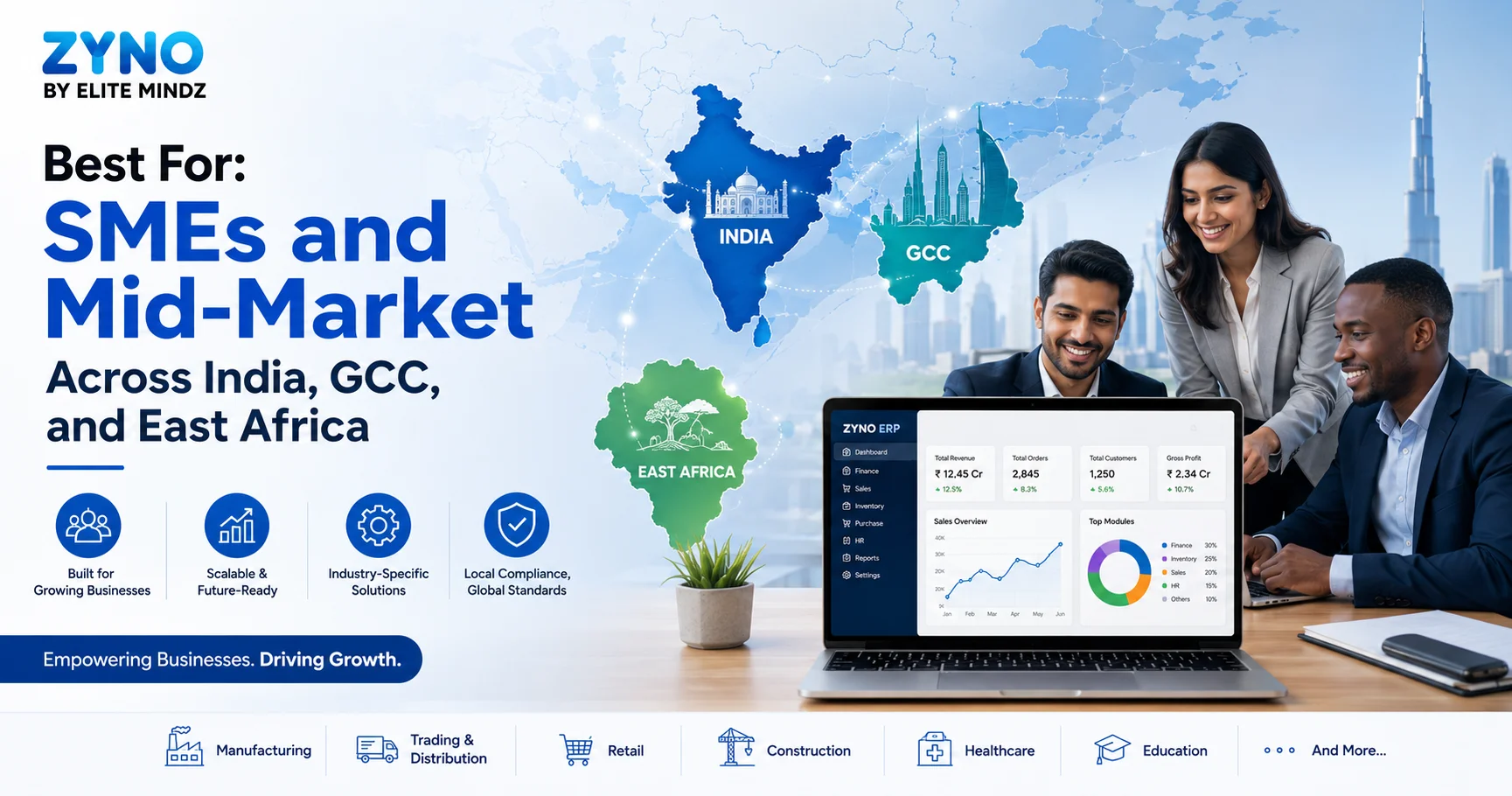
ZYNO ERP is built for the segment most global vendors underserve: SMEs and growing mid-market companies in India, the GCC, and East Africa that need enterprise-grade functionality without enterprise-level implementation timelines or costs. Where global platforms are often priced and configured for a US or European enterprise first and localized later, ZYNO is built India-first, with GST-compliant billing, DPDP Act-aligned data handling, and TDS-ready finance modules included by default rather than bolted on.
Businesses evaluating ERP software companies in these regions often run into the same problem: global suites like SAP or Oracle are priced for enterprise budgets, while smaller regional players lack the depth to support multi-entity or multi-country operations. ZYNO ERP sits in between, offering the module depth of a large-vendor suite at pricing structured around INR benchmarks and regional compliance needs, including GCC-specific requirements such as ZATCA e-invoicing and WPS payroll compliance.

ZYNO's core strength is how tightly its modules talk to each other out of the box:
For a company that would otherwise need three or four separate tools stitched together, ZYNO consolidates the stack into one platform, which is often the deciding factor for mid-market buyers comparing top ERP vendors for enterprise against a single regional suite.
SAP S/4HANA remains one of the most recognized names among top ERP vendors for enterprise, and for good reason. Its manufacturing depth, multi-GAAP financial reporting, and global compliance coverage make it the default choice for large, multi-country organizations with complex production requirements.
SAP Business One, its SME-focused offering, extends that same rigor to smaller manufacturing and distribution companies, though pricing on the Professional tier runs well above what most Indian SMEs are structured to absorb. The tradeoff with SAP is well documented:
Oracle NetSuite is a cloud-native suite that unifies finance, CRM, and e-commerce, making it a strong pick for mid-market companies that have outgrown basic accounting software but are not ready for a full enterprise deployment. NetSuite's subscription and module-based pricing model gives it flexibility that on-premise systems lack, and its cloud-first architecture means faster rollout than legacy enterprise ERPs.
Microsoft Dynamics 365 appeals most to organizations already standardized on Microsoft infrastructure, since it integrates natively with Microsoft 365, Teams, and Power BI, and increasingly with Copilot AI features. It spans enterprise finance and supply chain management down to Business Central for smaller teams, giving it unusual range across company sizes under one vendor. The catch is that implementation timelines can stretch longer than expected, particularly for companies migrating off older Dynamics GP or NAV systems, and per-user pricing scales similarly to NetSuite as headcount grows.
Odoo is the go-to option for startups and small businesses that need core ERP functionality without enterprise pricing. Its open-source, modular structure keeps entry costs low, including a free community edition, though most growing businesses eventually need technical support to customize and scale it properly.
Sage Intacct focuses squarely on finance-first organizations that need strong multi-entity consolidation and audit-ready reporting, making it a common choice for professional services and nonprofit-adjacent businesses rather than manufacturing-heavy operations.
Acumatica stands out for its transaction-based pricing model, which charges by usage rather than per user, an attractive structure for distribution and light-manufacturing SMEs that expect to add headcount without their ERP bill scaling in lockstep.
Together, these four platforms round out the best ERP solutions comparison for buyers who do not need SAP or Oracle-level depth but still want a credible, well-supported cloud ERP.
Narrowing a list of best ERP solutions comparison candidates down to a final two or three vendors comes down to matching the platform to your actual operating reality, not the vendor with the loudest marketing:
Who are the top ERP software providers in 2026?
The category leaders among top ERP software providers in 2026 include SAP S/4HANA, Oracle NetSuite, Microsoft Dynamics 365, Odoo, Sage Intacct, Acumatica, and regional specialists like ZYNO ERP. That said, "best" depends heavily on your company size, industry, and geography; a platform that leads for global enterprise manufacturing is rarely the right fit for an India-based SME.
What is the difference between enterprise ERP and SME-focused ERP?
Enterprise ERP is built for large, often multi-country organizations with complex compliance, multi-entity finance, and deep manufacturing or supply chain requirements, typically at a correspondingly higher price and longer implementation timeline. SME-focused ERP delivers core finance, HR, inventory, and procurement functionality with faster deployment and pricing structured around smaller budgets and simpler organizational structures.
How do I choose between ERP providers?
Three factors decide most ERP decisions: deployment type (cloud, on-premise, or hybrid, based on your compliance needs), industry fit (whether the platform has pre-built modules for your sector or requires heavy customization), and total cost of ownership (per-user or transaction-based pricing modeled across three to five years, not just the first-year quote).
Is cloud ERP more secure than on-premise ERP?
Cloud ERP providers generally invest heavily in security infrastructure and compliance certifications, but on-premise systems give organizations direct control over data residency and access. The right choice depends on your industry's regulatory requirements rather than a blanket security comparison.
How long does ERP implementation typically take?
SME-focused cloud ERP platforms often go live in 8 to 16 weeks, while enterprise deployments involving multiple entities, currencies, or heavy customization can take 6 to 18 months depending on scope.
Can I switch ERP providers later without losing my data?
Most established vendors support data migration tools and export formats, but the ease of switching depends heavily on how deeply your workflows are customized within the original platform. Choosing a provider with open APIs and standard export formats from the start reduces future lock-in risk.
Read More:
Top ERP Software Developers in the UK
Best ERP Software Providers in France
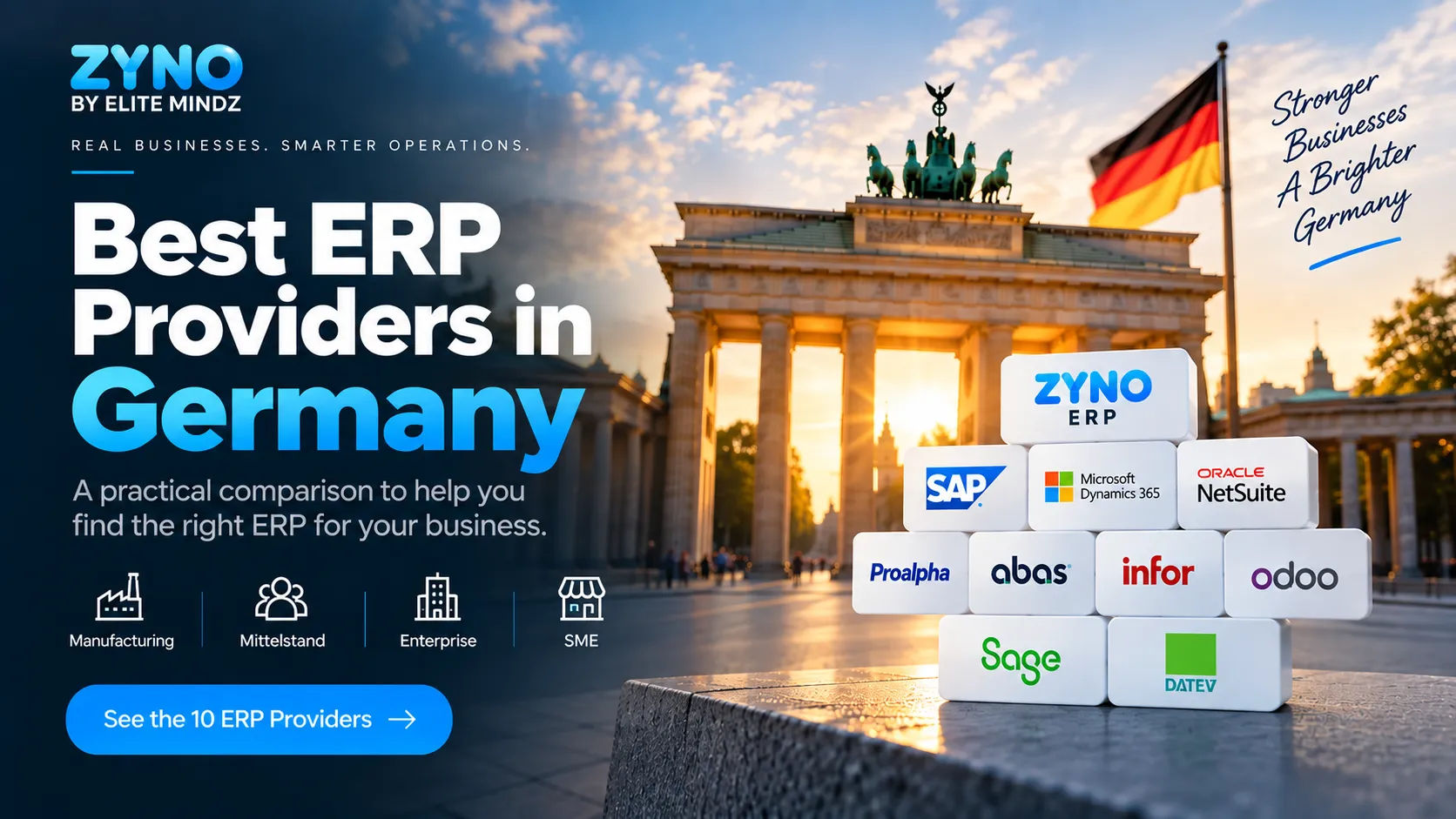
Best ERP Software Companies in Germany
Top ERP Software Development Companies in Qatar
Best ERP Software Firms in Saudi Arabia
Best ERP Service Providers in Indonesia
Top ERP Software Companies in India
What is ERP? A Beginner's Guide to Enterprise Resource Planning
Read More →
Cloud ERP vs. On-Premise vs. Hybrid: Best ERP Model for 2025
Read More →How To Customize ERP Software Without Breaking The Bank?
Read More →
The Future of Manufacturing ERP in 2026 & Beyond
Read More →Best ERP Software in India: 2026 Edition
Read More →
AI in Manufacturing ERP: The Future of Smart Factories
Read More →
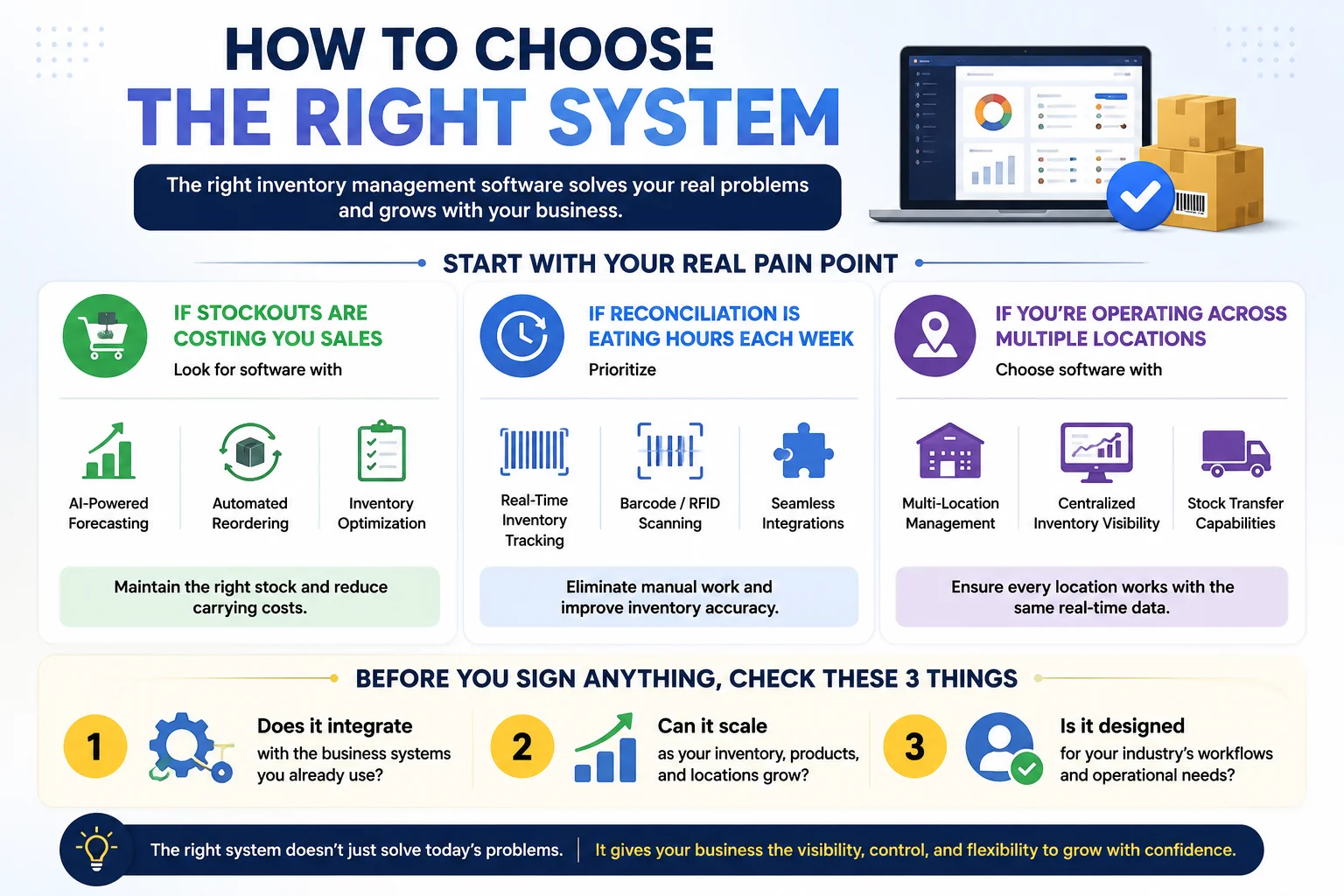
How ERP Transforms Inventory Management and Reduces Costs
Read More →
Top Features to Look for in Inventory Management Software in 2025
Read More →
Top 5 Ways Asset Management Software Can Save Your Business Money
Read More →
Why Smart Businesses Are Switching to Vendor Management Systems in 2025?
Read More →
Why Manufacturing Companies Need ERP Software
Read More →
Cloud ERP vs. Traditional ERP: Which is Right for You?
Read More →
ERP for Small Business: Is It Worth the Investment?
Read More →
How to Calculate ERP ROI and Why It's Worth the Investment
Read More →
Top 10 ERP Software Companies in India 2026 Updated List (Complete Guide)
Read More →
ERP Implementation Mistakes to Avoid in 2025
Read More →
Cloud ERP vs Edge Computing: What's Right for Modern Manufacturing?
Read More →
The Future of ERP Software and the Role of Generative AI
Read More →
Digital Twin Technology & ERP: Real-Time Insights for Smarter Manufacturing
Read More →
Scalable ERP Solutions Designed for Modern Enterprises
Read More →
ERP and IoT Integration: Smart Factory Vision
Read More →Best ERP Software for Manufacturing Businesses in India
Read More →Top 10 Best Manufacturing ERP Software in India (2026)
Read More →
Best ERP Software for Manufacturing Industries in Ethiopia (2026)
Read More →
Best School ERP Software Providers in UAE (2025 Edition)
Read More →
Best School ERP Software for 2025: Guide for Educational Institutions
Read More →
Top 10 ERP Software Solutions for Nigerian Manufacturers (2025 Edition)
Read More →
Best ERP Systems for Scalable Retail and POS Integration
Read More →
Top 10 Cloud-Based Manufacturing ERP Solutions in Africa (2025 Edition)
Read More →
Top 10 Cloud-Based Manufacturing ERP in UAE
Read More →
Top 10 Cloud-Based Manufacturing ERP Software in Nigeria (2026 Edition)
Read More →
Top 10 School ERP Software Companies in Kenya (2025)
Read More →
Best School ERP Software Providers in Nigeria (2025)
Read More →
Top Cloud-Based Manufacturing ERP in Zimbabwe (2025)
Read More →
Best ERP Software in U.K
Read More →
Top 10 ERP Software Developers in the U.K. (2025)
Read More →
Best ERP Software Providers in France (2025)
Read More →
Best ERP Software Companies in Germany : A Comprehensive Guide
Read More →
Top 10 ERP Software Development Companies in Qatar
Read More →
10 Best ERP Providers in Germany - 2026 Updated List
Read More →
Best ERP Software Firms in Saudi Arabia (2025)
Read More →
Best ERP Service Providers in Indonesia for SMEs and Large Enterprises
Read More →
Top 10 Cloud-Based Manufacturing ERP Systems in Egypt for Modern Factories
Read More →
Top ERP Solutions in the USA 2025: Streamline Your Business with ZYNO ERP
Read More →
Top ERP Solutions in Qatar for Businesses of All Sizes
Read More →Top Manufacturing ERP Software in India 2026 ZYNO Manufacturing ERP
Read More →How Manufacturing Companies Reduce Production Delays Using ERP Automation
Read More →Why Legal Firms Need ERP to Manage Cases, Billing & Compliance
Read More →What Is ERP And How Does It Work
Read More →
How ERP Systems Are Evolving in 2026: What Businesses Need to Know
Read More →
Best ERP Software in India: 2025 Edition
Read More →
Top 10 ERP Software Companies in Delhi NCR
Read More →
How Manufacturing ERP Software Improves Demand Forecasting
Read More →
Top 10 Best School Management Software in India
Read More →Manufacturing & Wholesale ERP in Qatar: Complete Industry Guide 2026
Read More →Cloud ERP Software in Qatar: Why Businesses Are Moving in 2026
Read More →Is ERP a Procurement Software? Key Differences, Benefits & What to Choose
Read More →What Is Production Planning and Control? Definition, Objectives & Functions
Read More →
Garment Inventory Management Software: Complete Guide 2026
Read More →
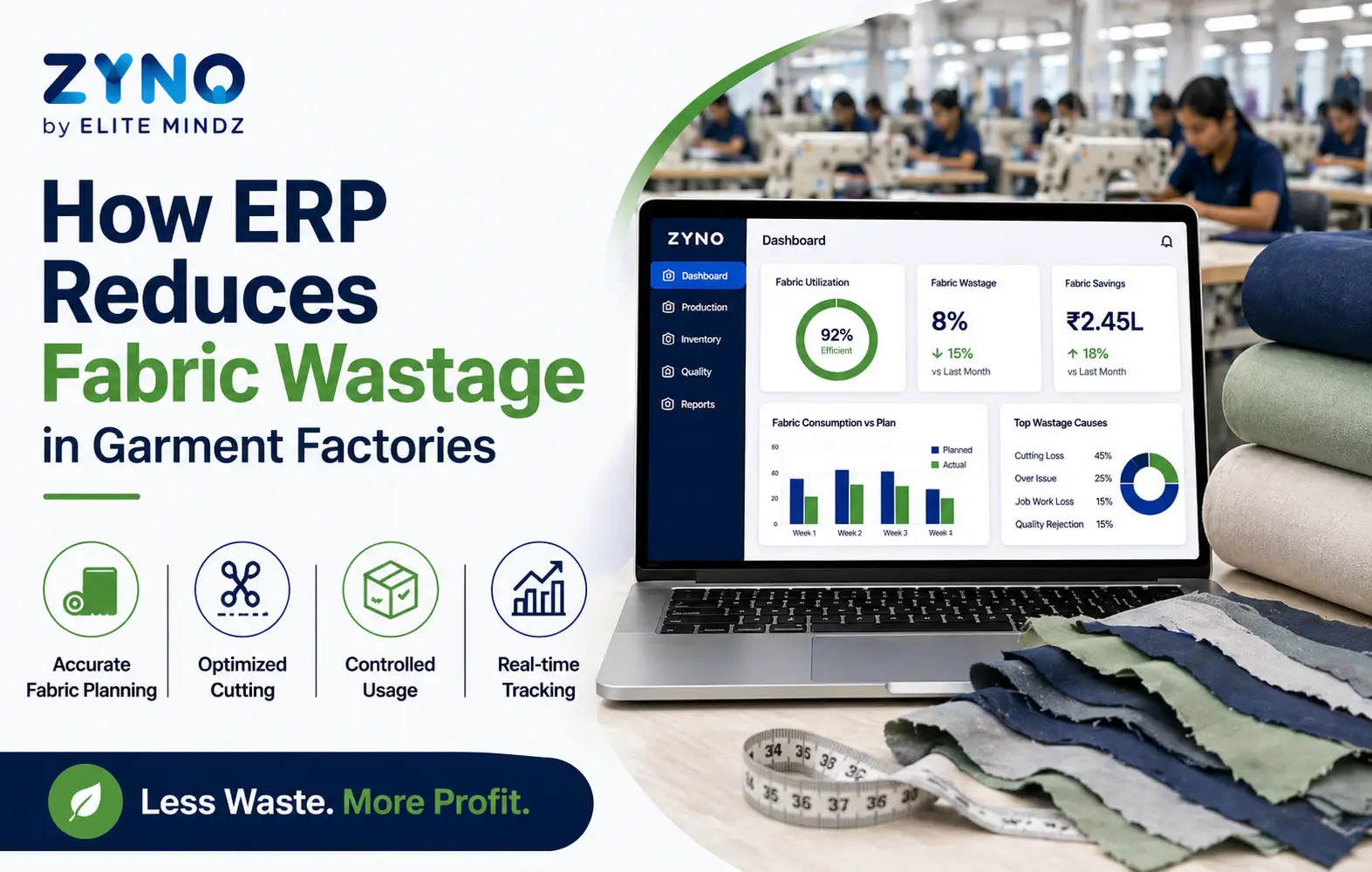
How ERP Reduces Fabric Wastage in Garment Factories
Read More →
Why the Garment Industry Needs a Specialized ERP
Read More →
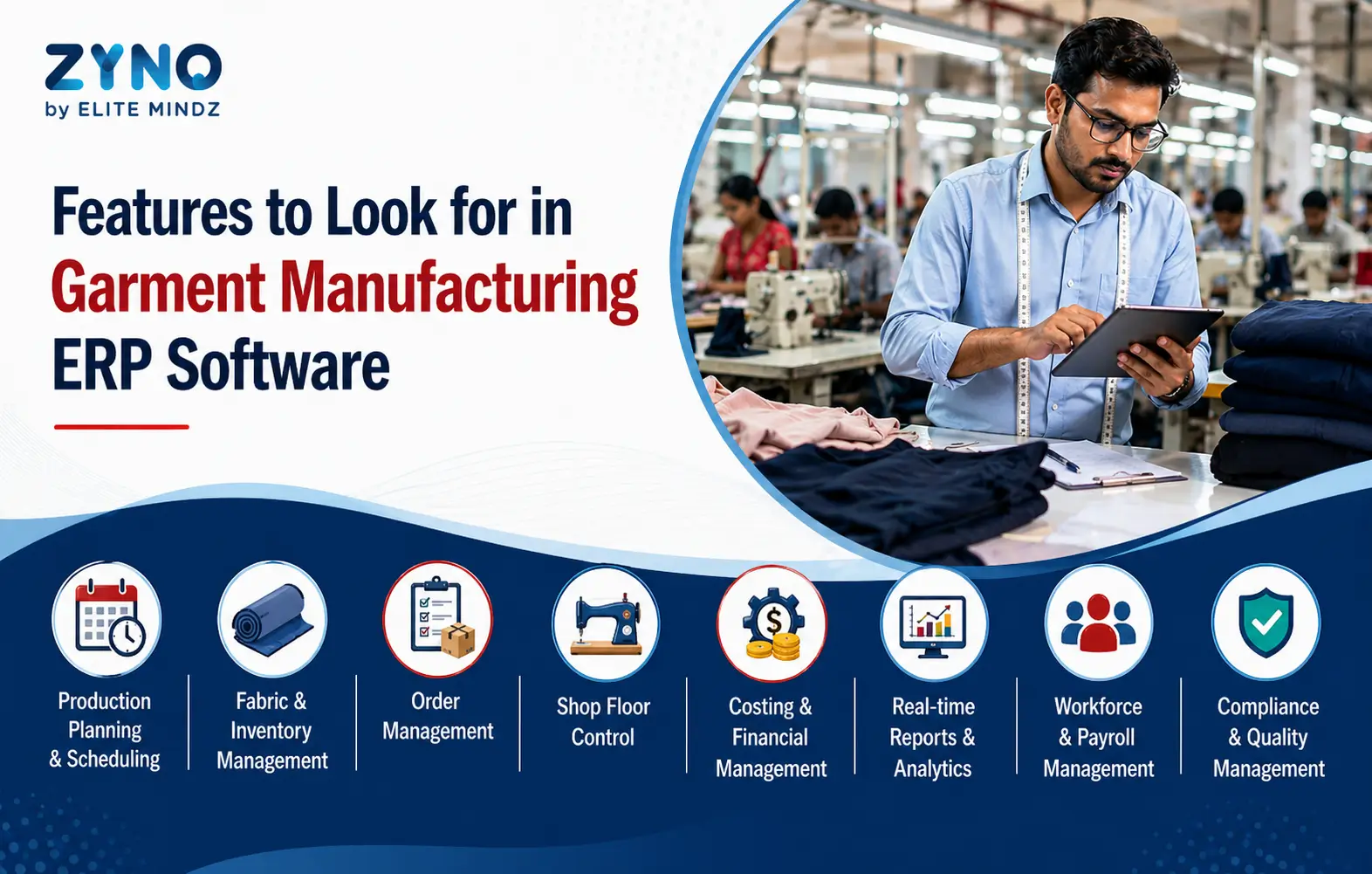
Features to Look for in Garment Manufacturing ERP Software
Read More →
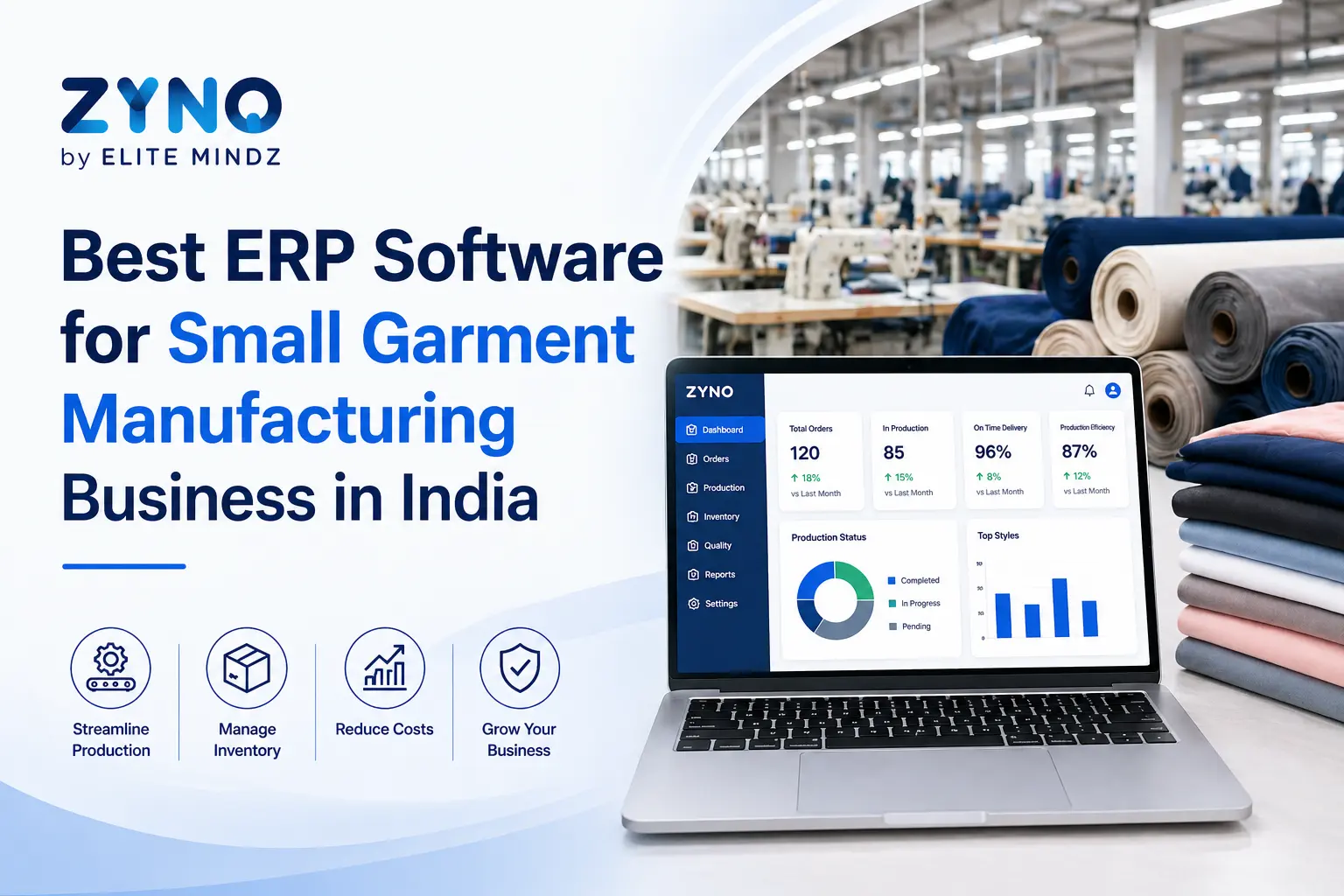
Best ERP Software for Small Garment Manufacturing Business in India
Read More →
The Real Problems Holding Back Small Garment Manufacturers in India
Read More →Garment Manufacturing ERP Software in India: Best Options, Features & Complete Guide 2026
Read More →
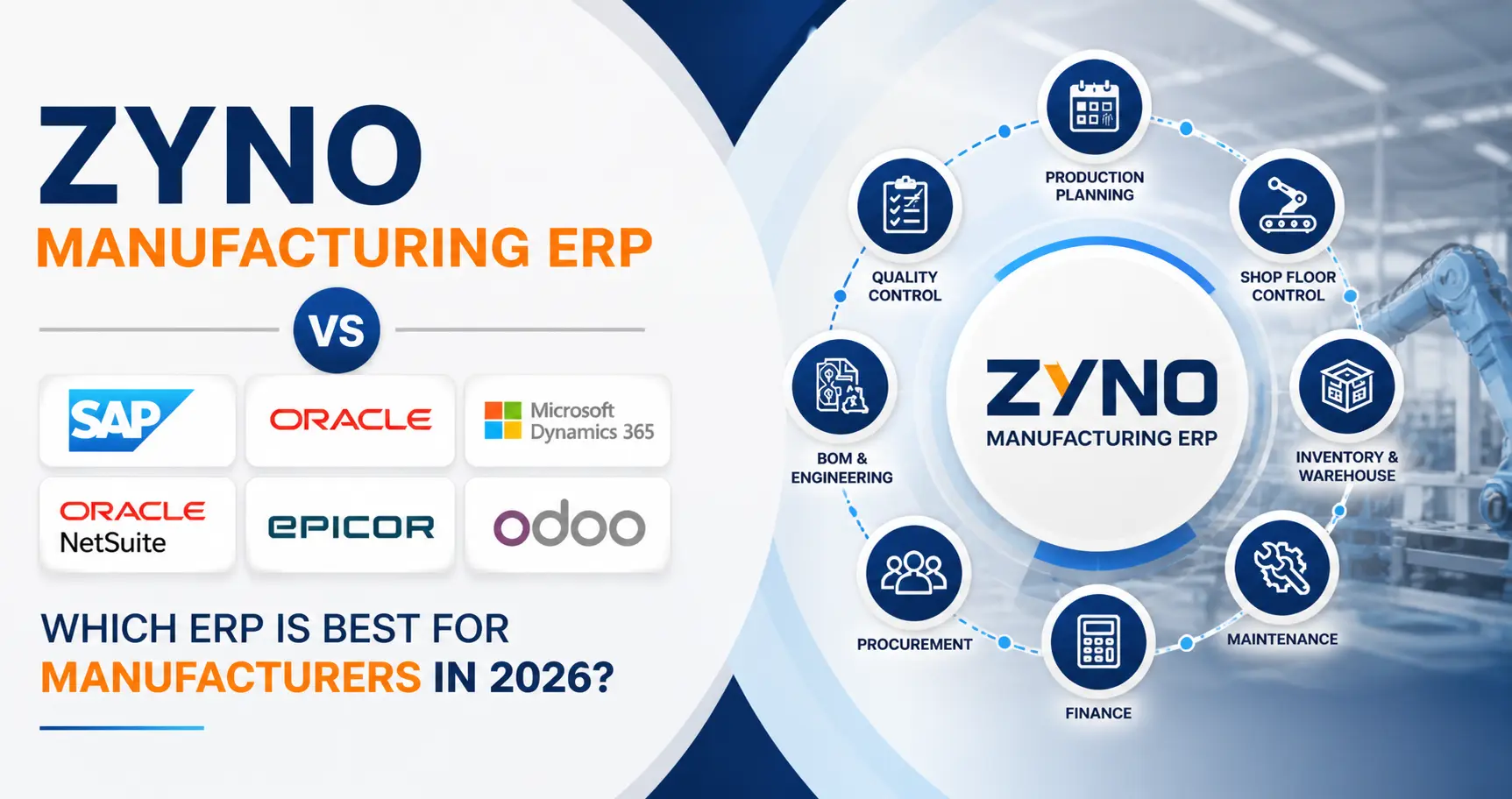
Which ERP is Best for Manufacturers in 2026?
Read More →
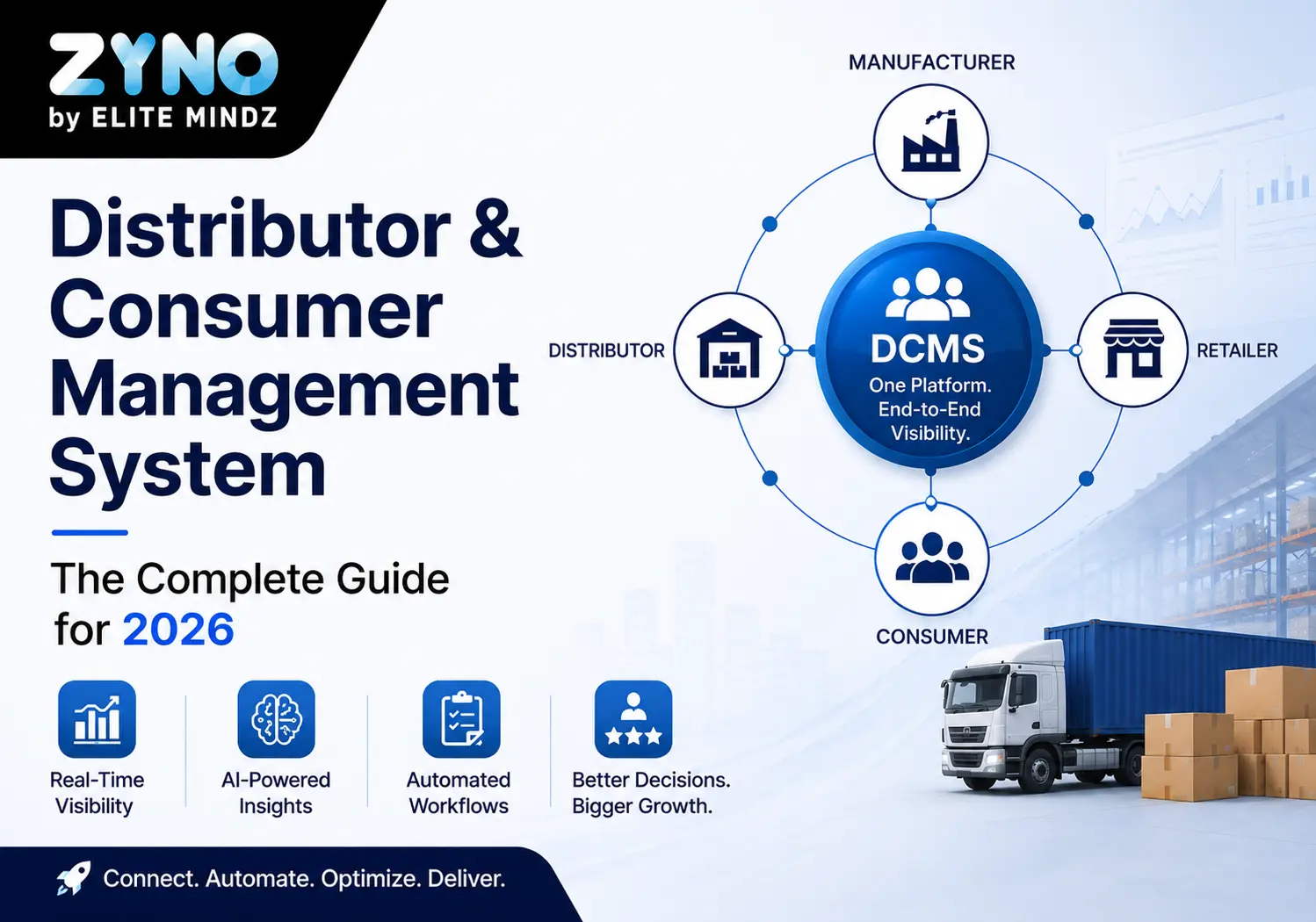
Distributor & Consumer Management System: The Complete Guide for 2026
Read More →
Best Pharma ERP Software in India 2026 – Features, Compliance & Buying Guide
Read More →
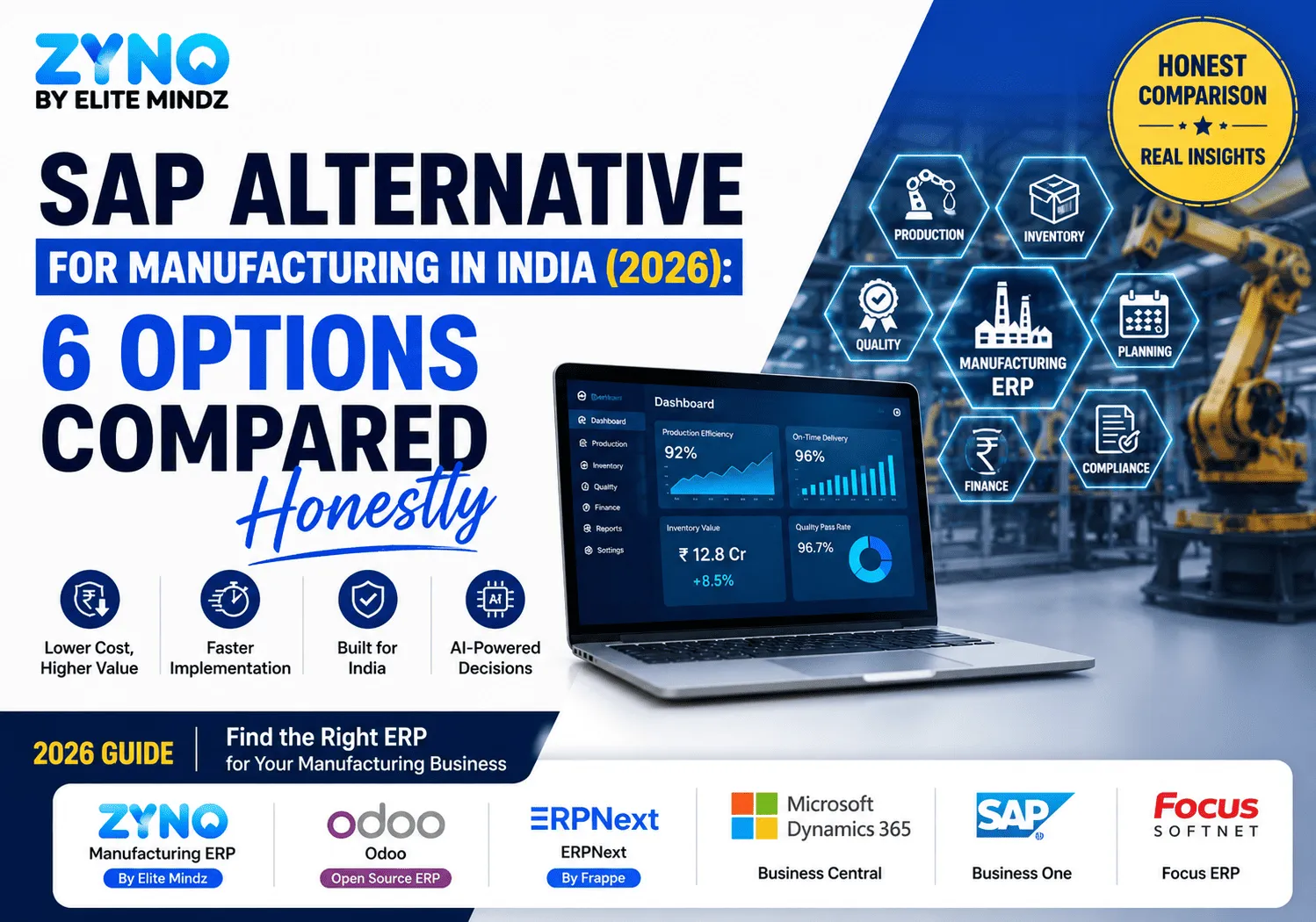
SAP Alternative for Manufacturing in India (2026): 6 Options Compared Honestly
Read More →
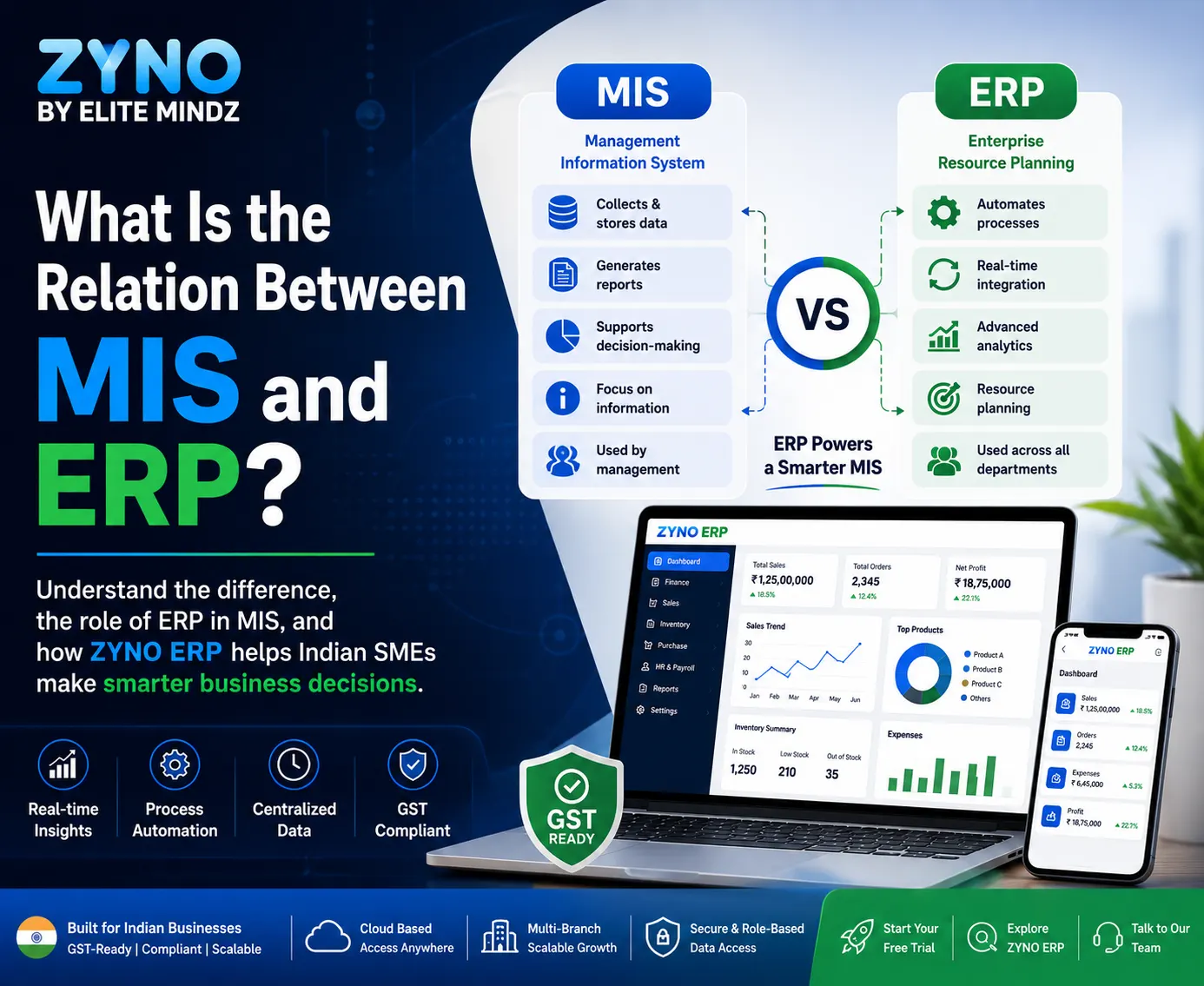
What Is the Relation Between MIS and Enterprise Resource Planning?
Read More →
Best ERP for Sweater Manufacturers in India
Read More →
What Manufacturing ERP Systems Provide the Best Demand Forecasting Features?
Read More →
Which ERP Software Provides the Best Demand Forecasting for Manufacturers?
Read More →
What are the key features to look for in AI ERP software for manufacturing companies in India?
Read More →
How does AI-powered ERP software improve production planning and inventory management in manufacturing?
Read More →
Which AI ERP platforms are best suited for small and mid-sized manufacturing businesses in India?
Read More →
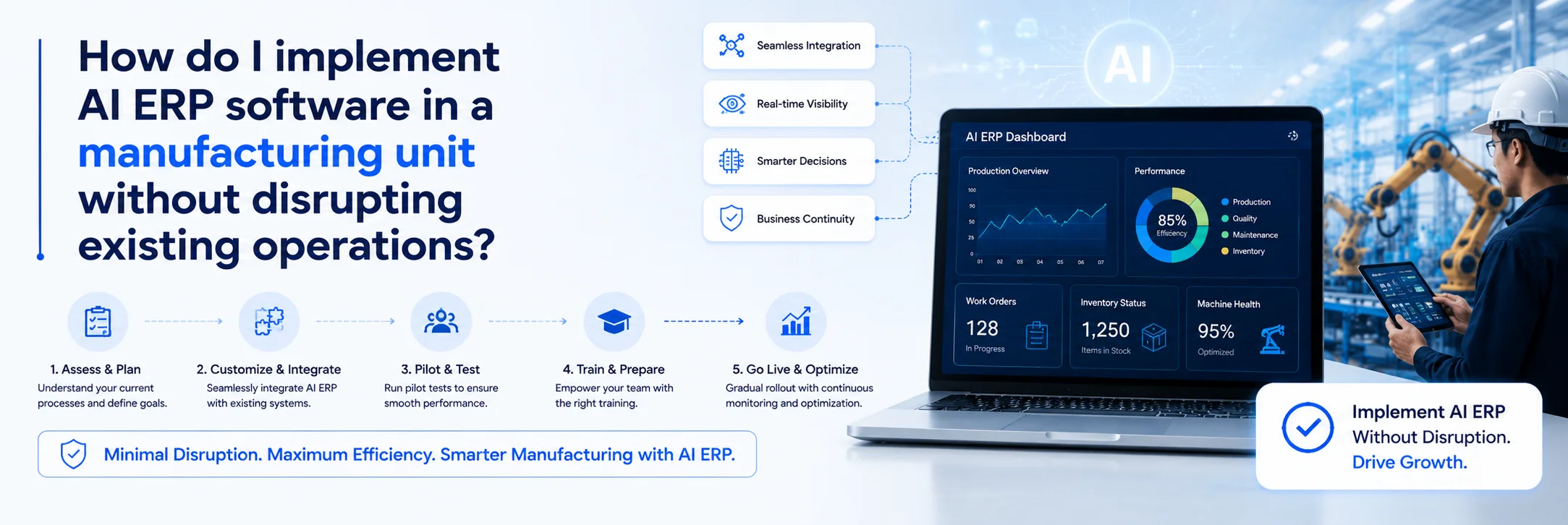
How do I implement AI ERP software in a manufacturing unit without disrupting existing operations?
Read More →
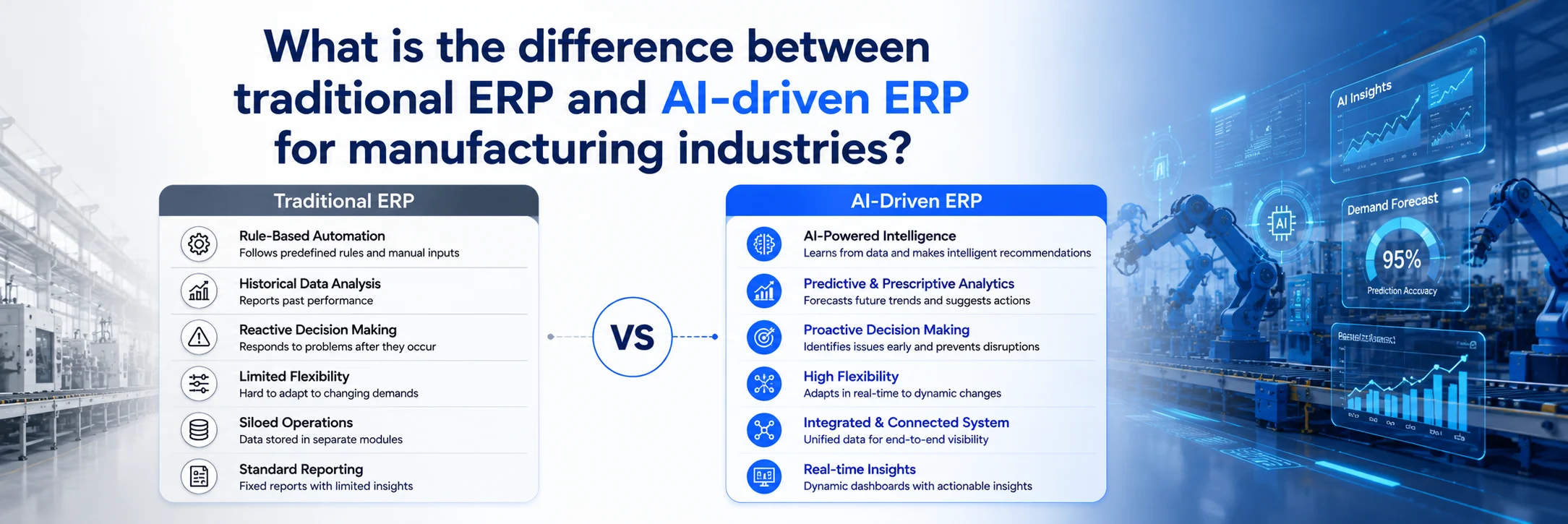
What is the difference between traditional ERP and AI-driven ERP for manufacturing industries?
Read More →
AI-Powered Smart ERP Software: The Complete Guide for Modern Enterprises
Read More →
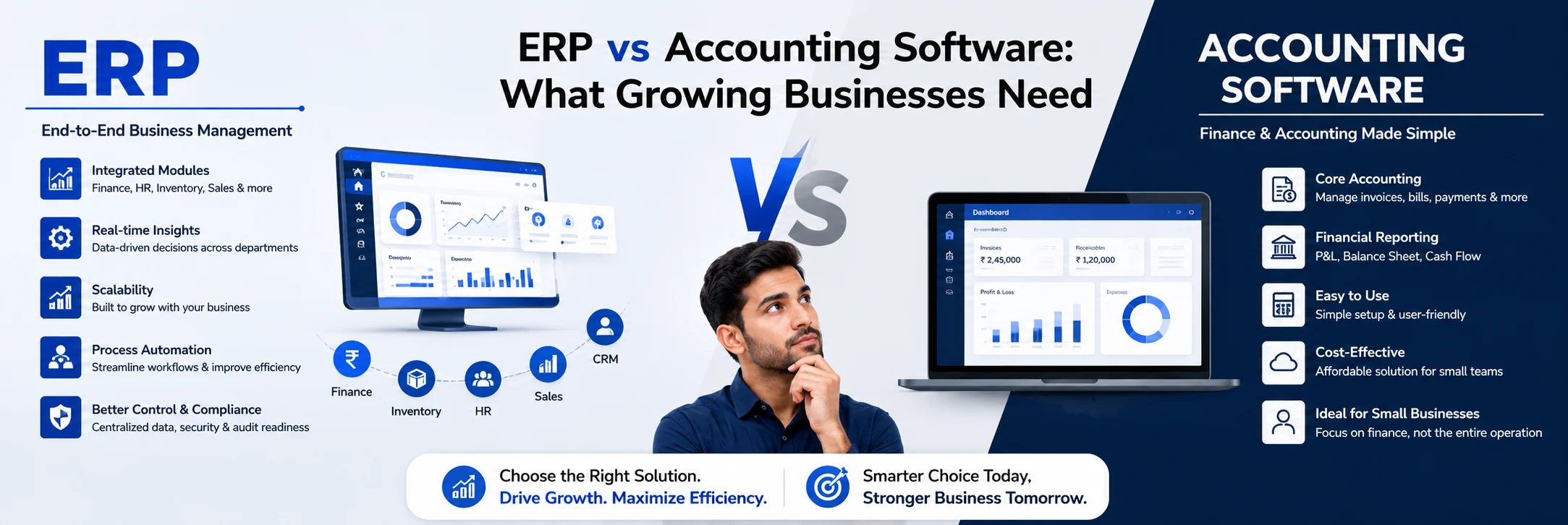
ERP vs Accounting Software: What Growing Businesses Need
Read More →
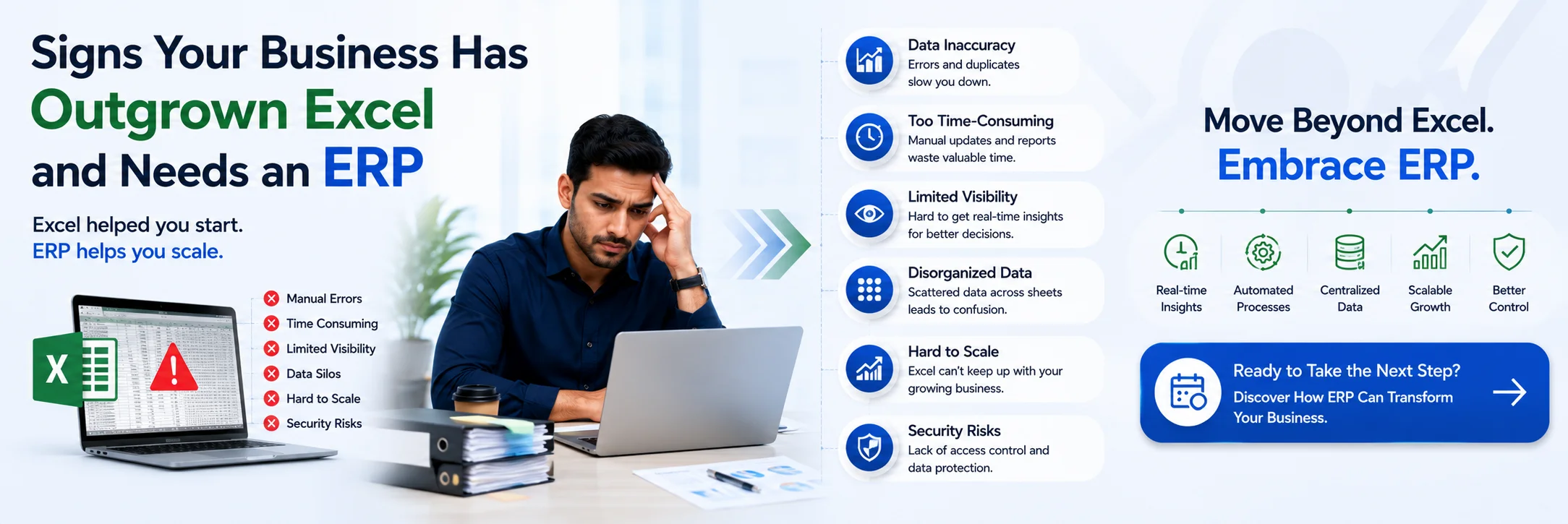
Signs Your Business Has Outgrown Excel and Needs an ERP
Read More →
How to Index HR Records from an ERP System for a Chatbot?
Read More →
What is the Best Software for Retail Garment Shop?
Read More →
Manufacturing Software for the Textile and Garment Industry?
Read More →
Best ERP Software for Manufacturing Companies in India?
Read More →
How ERP Reduces Production Costs and Improves Profitability?
Read More →
Which ERP Software is Mostly Used in Garment Retail Shop?
Read More →
10 Ways AI Can Improve ERP Efficiency
Read More →
Top 8 Odoo Alternatives for Your Business
Read More →
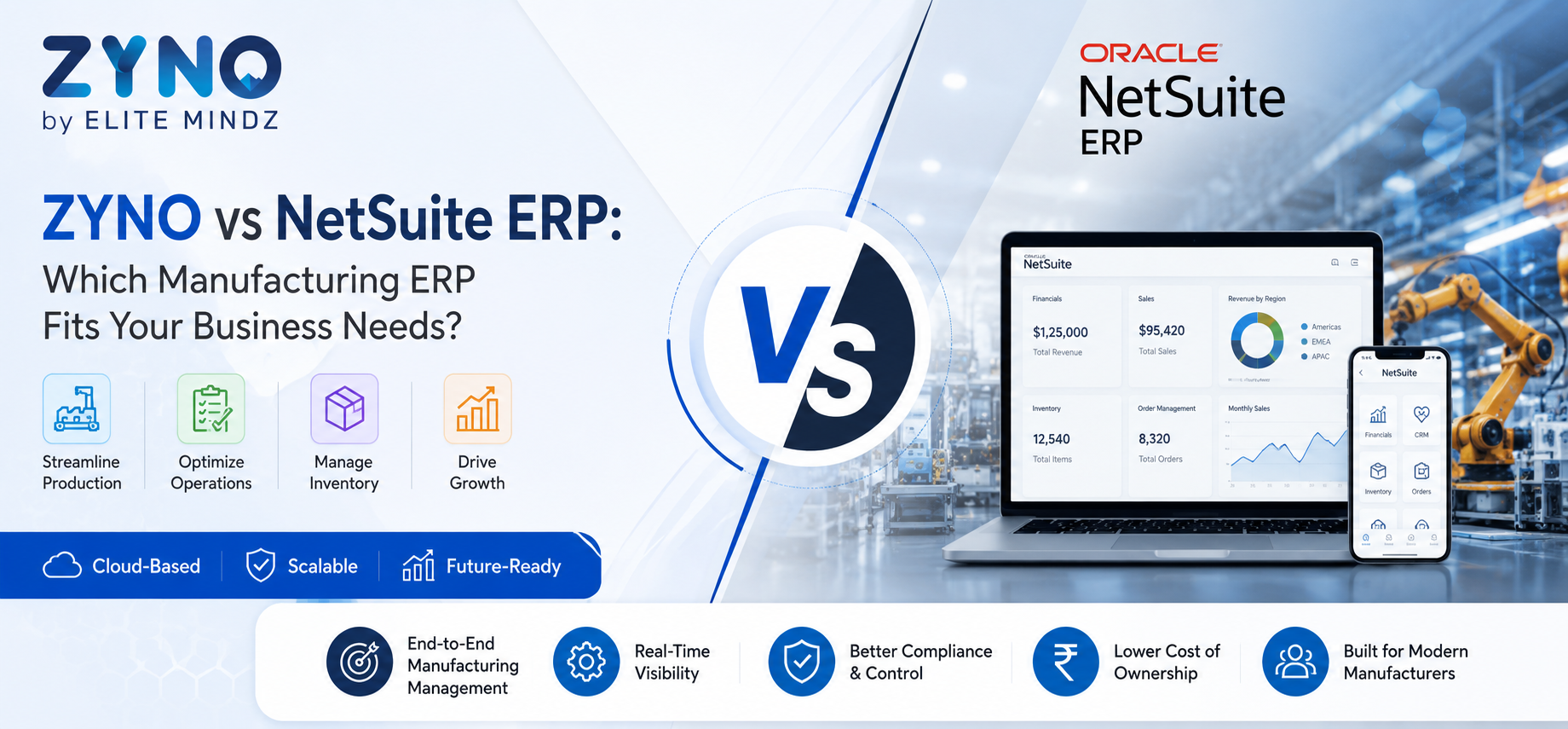
ZYNO vs NetSuite ERP: Which Manufacturing ERP Fits Your Business Needs?
Read More →
Top ERP Software Providers in 2026: Full Comparison
Read More →
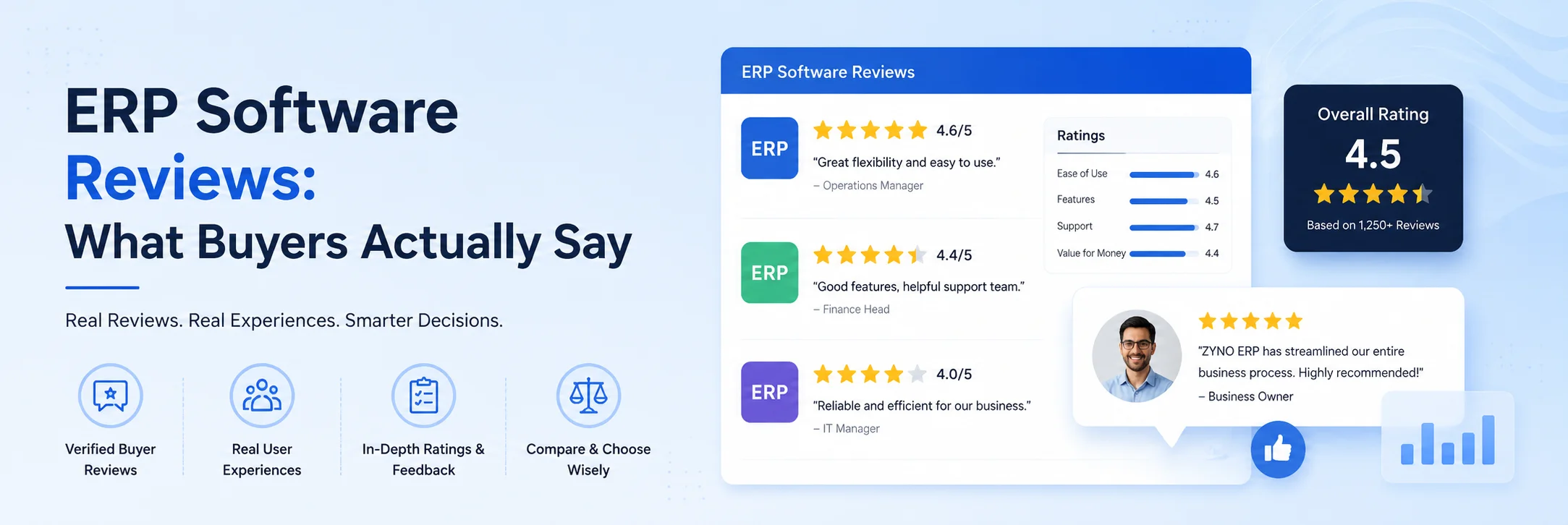
ERP Software Reviews: What Buyers Actually Say in 2026
Read More →Partner with ZYNO by Elite Mindz to revolutionize how your business works. Fill out the form, and we’ll reach out with AI-powered solutions made just for you.
We use browser cookies to ensure you get the best experience on our website. Learn more
The form was submitted successfully!
ZYNO Digital
Fueling Smarter Digital Growth
ZYNO Digital fuels smarter digital growth through data-driven marketing, creative storytelling, and performance strategies that boost visibility, engagement, and measurable business outcomes across global platforms.
ZYNO Tech
Engineering the Future of IT
ZYNO Tech delivers cutting-edge IT solutions — including web, mobile, and digital transformation services — helping businesses scale efficiently, innovate faster, and stay ahead in a connected world.
ZYNO AI
AI Built for Business Growth
ZYNO AI harnesses the power of artificial intelligence to automate processes, enhance decision-making, and deliver predictive insights — driving innovation, agility, and measurable business growth.
ZYNO by Elite Mindz
Your Partner in the AI-Powered Future
ZYNO by Elite Mindz offers AI-powered products and services that unify operations, boost productivity, and drive digital transformation — helping businesses scale smarter and innovate faster.
* In just 2 mins you'll get a response
* Your idea is 100% protected by our Non-Disclosure Agreement