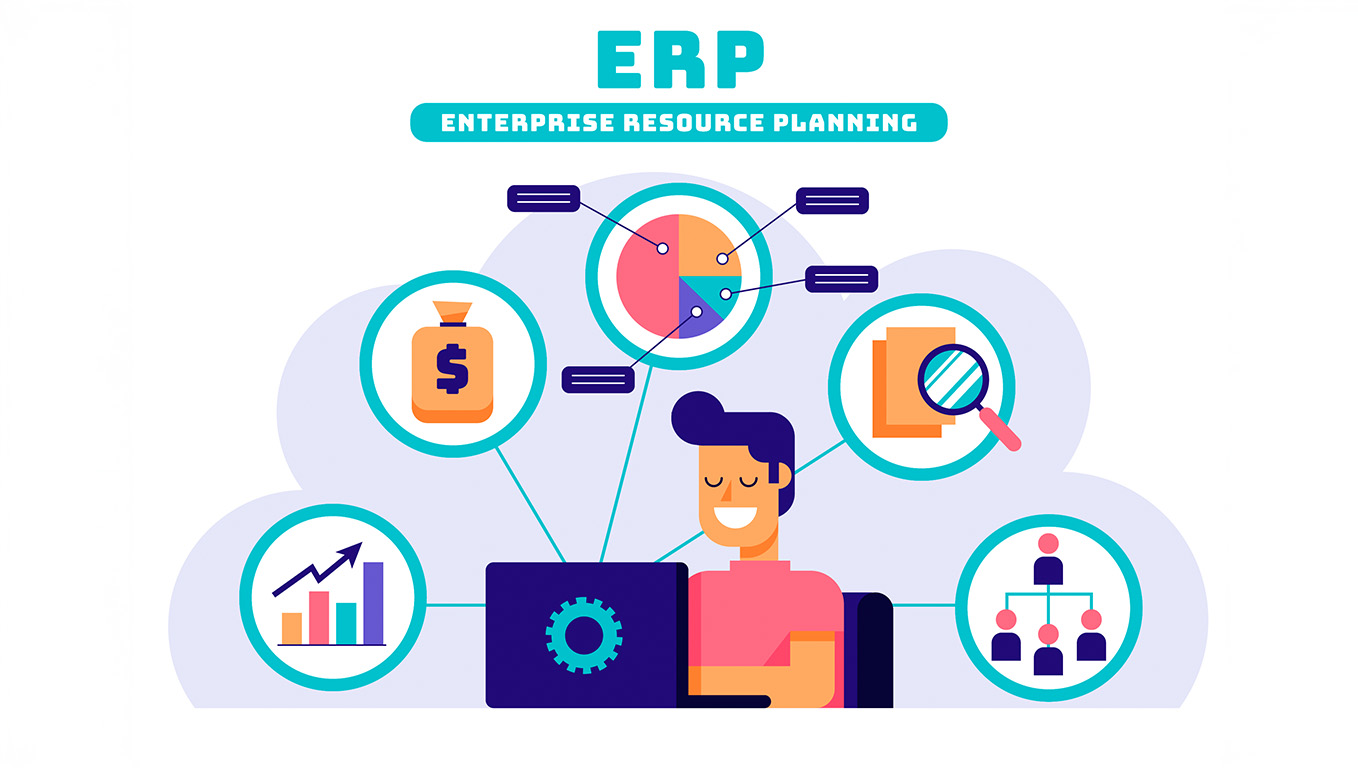
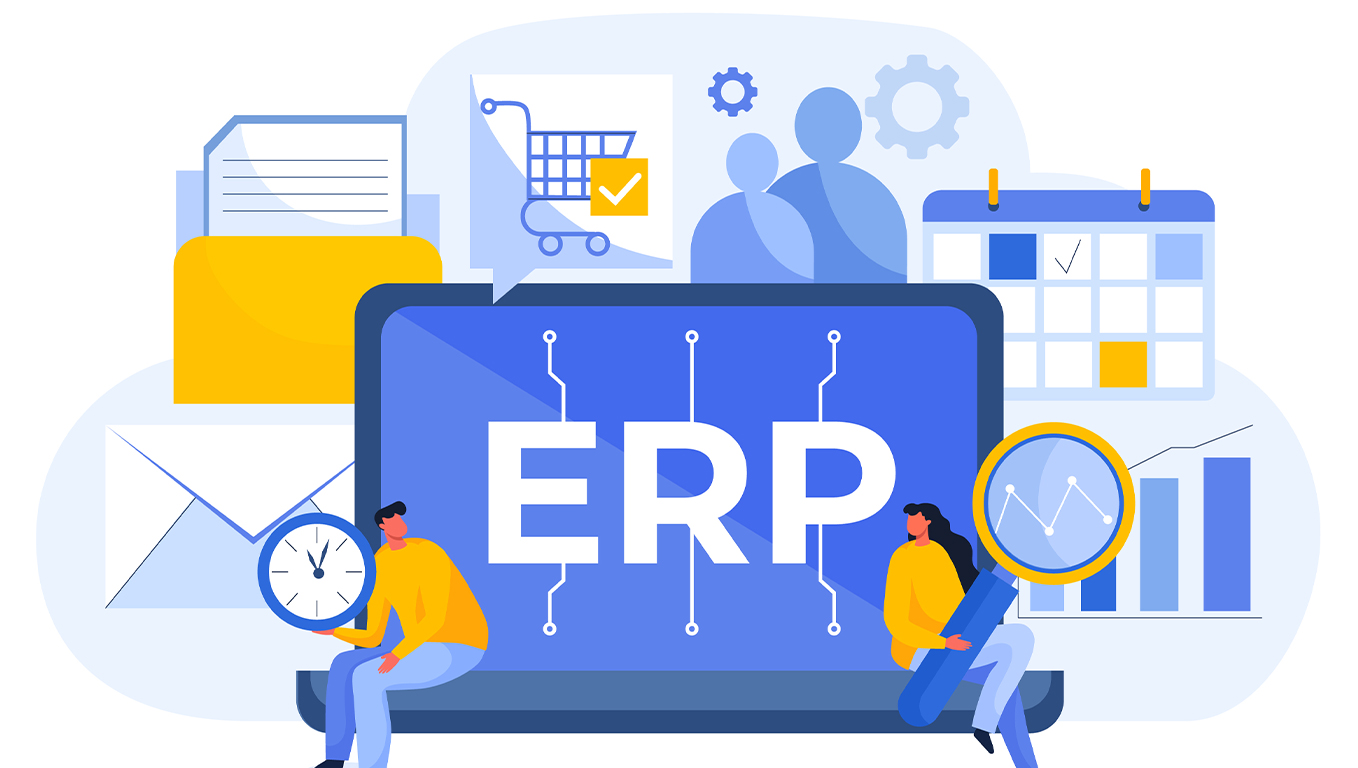
What is ERP? A Beginner's Guide to Enterprise Resource Planning
Read More →0

×
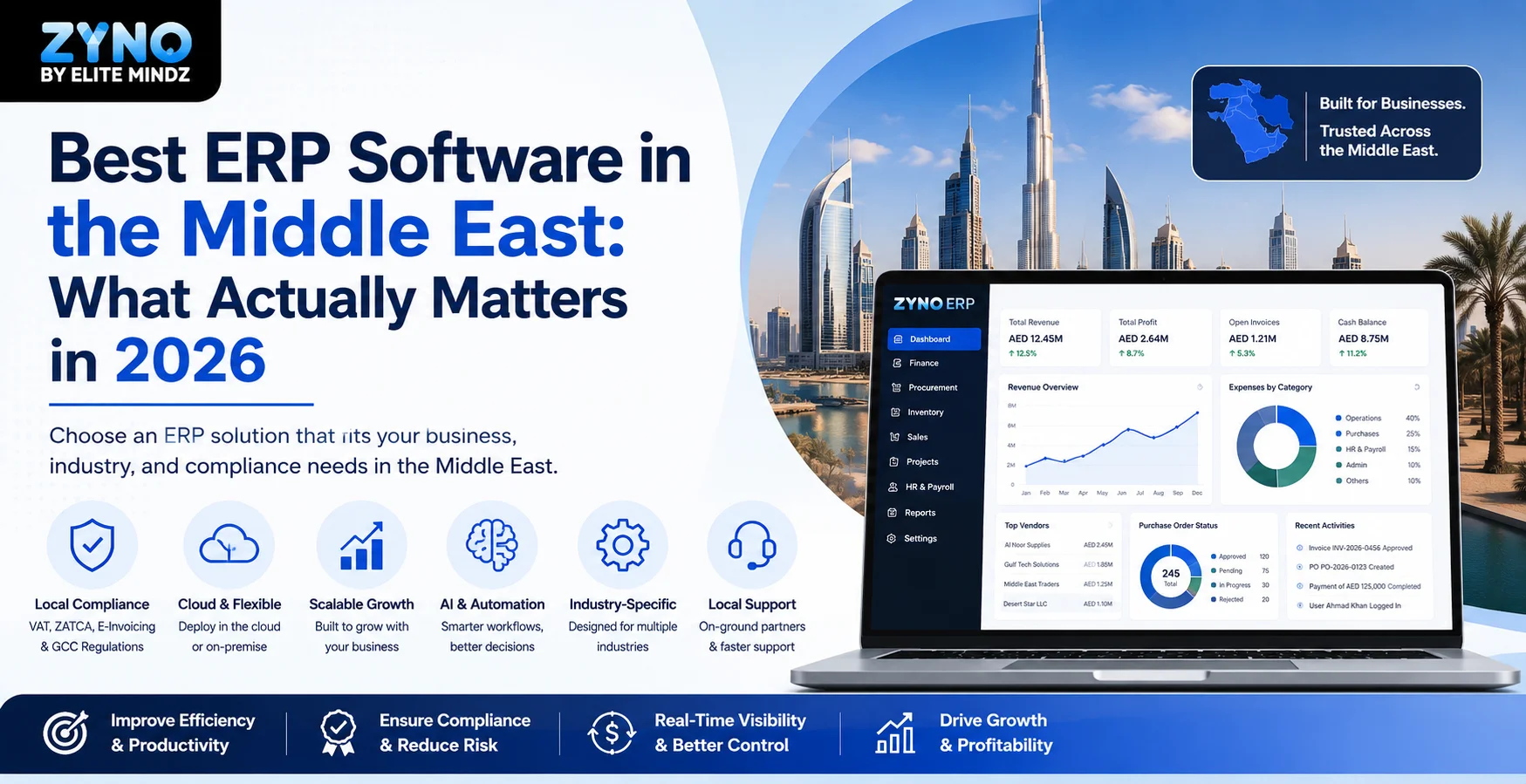
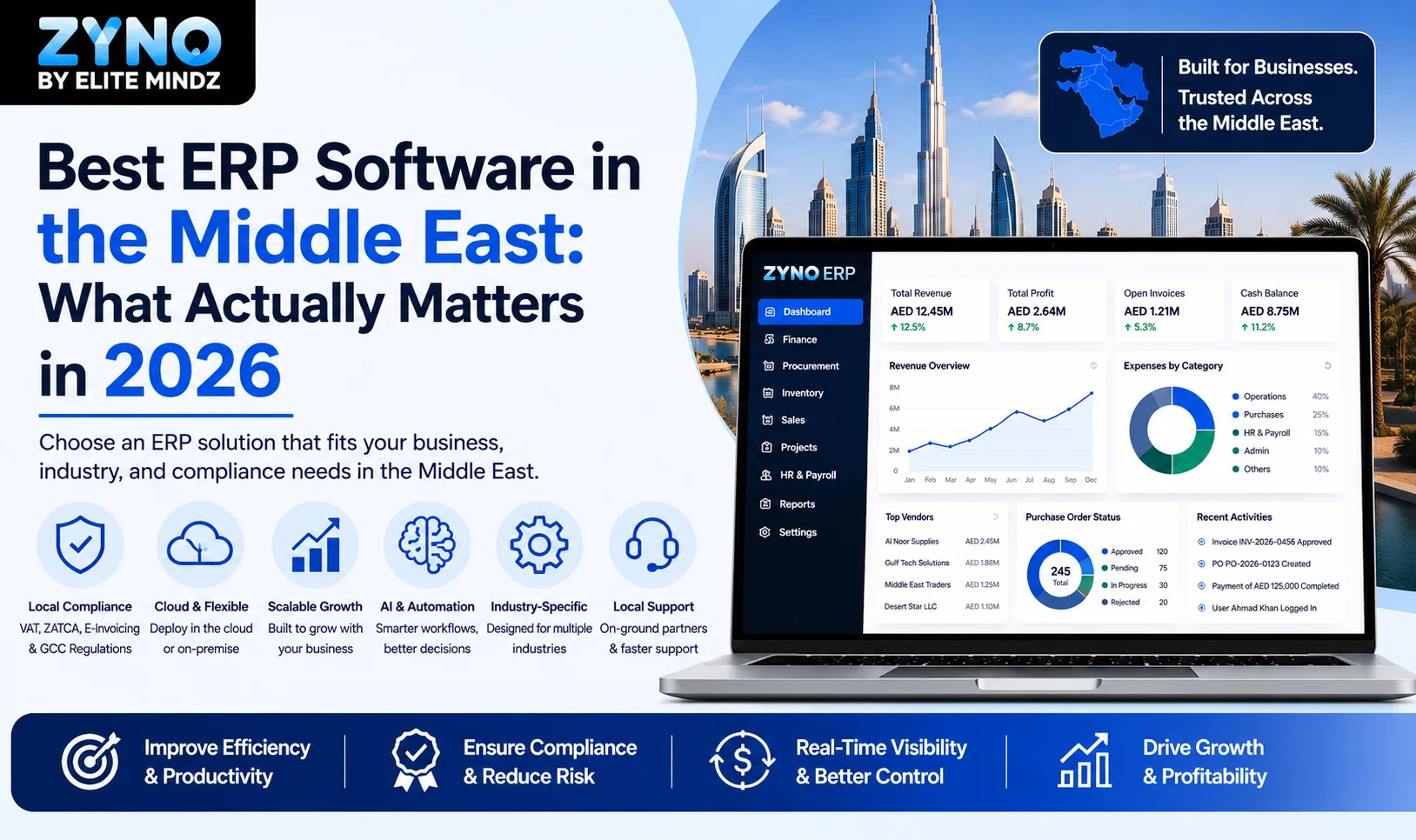
Choosing the best ERP software in the Middle East requires evaluating scalability, cloud capabilities, AI-powered automation, industry-specific features, compliance, and local support. This guide explains the key factors businesses should consider in 2026 to select an ERP solution that improves efficiency, streamlines operations, and supports long-term growth.
Businesses using ZYNO Books cut accounting time by 70% and stay 100% ZATCA-compliant — automatically.
table tr:last-child td:first-child{ border-bottom-left-radius:14px; } table tr:last-child td:last-child{ border-bottom-right-radius:14px; } /* Responsive */ @media(max-width:768px){ table{ display:block; overflow-x:auto; white-space:nowrap; } table th, table td{ padding:12px; font-size:14px; } }
Picking an ERP system in the Middle East is not about finding the biggest name. It is about finding the one that fits your VAT rules, your Arabic reporting needs, and your team size without draining your budget for the next two years.
From Amman to Dubai, and Riyadh to Doha, businesses are hitting the same wall. Spreadsheets and disconnected tools cannot keep up once you add branches, currencies, and tax filings.
This guide breaks down what is actually out there, what GCC businesses need to check before signing, and where most companies get it wrong.
If you just want the short version, here it is.
None of these is "the best" on its own. The right pick depends on your company size, industry, and how fast you need to go live.

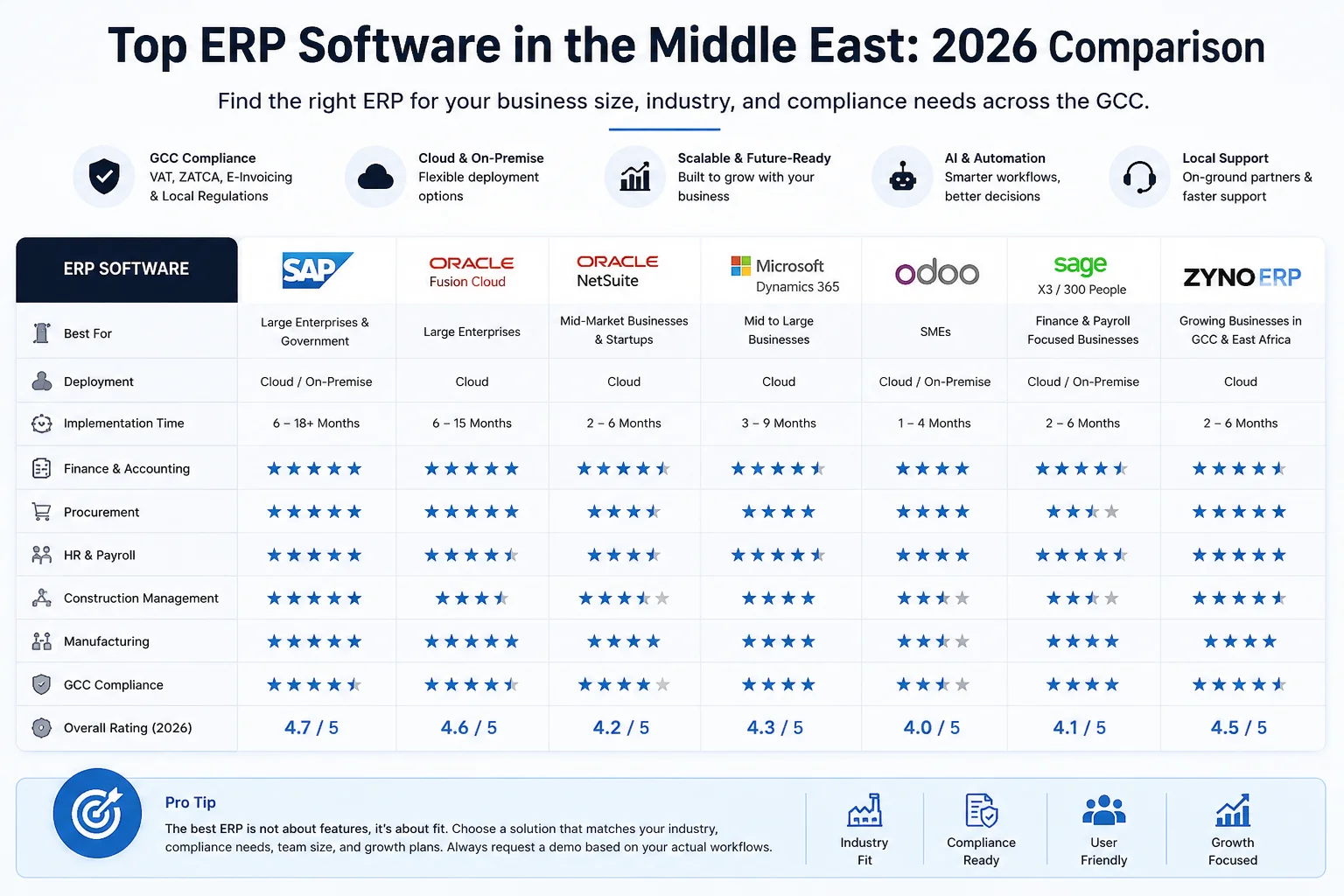
The Middle East ERP market has grown rapidly as businesses across the GCC invest in cloud transformation, AI, compliance, and digital operations. While SAP and Oracle continue to dominate large enterprises, several regional and cloud-first ERP providers have emerged to serve mid-sized businesses with industry-specific capabilities.
Here's a practical overview of the leading ERP vendors operating across the UAE, Saudi Arabia, Qatar, Oman, Bahrain, and Kuwait.
Best for: Large enterprises, government organizations, and multinational corporations
SAP remains one of the most widely deployed ERP platforms in the GCC. It is particularly strong in industries such as oil & gas, manufacturing, utilities, healthcare, and the public sector. Organizations choose SAP for its extensive customization options, advanced analytics, global compliance capabilities, and ability to manage complex business processes across multiple countries.
Strengths
Best for: Large enterprises with complex finance and procurement operations
Oracle Fusion Cloud ERP is widely adopted by organizations managing multiple legal entities, international finance, and large procurement functions. Its AI-powered automation, financial management, and cloud-native architecture make it a preferred choice for enterprises modernizing their operations.
Strengths
Best for: Fast-growing mid-market businesses and startups
NetSuite is designed for organizations that want a cloud-first ERP without the complexity of traditional enterprise systems. It combines finance, CRM, inventory, procurement, and reporting into a single SaaS platform, making it ideal for expanding businesses.
Strengths
Best for: Businesses already using Microsoft 365 and Azure
Microsoft Dynamics 365 integrates seamlessly with Microsoft Teams, Outlook, Excel, Power BI, and Azure services. It is popular among organizations looking for a unified ERP and CRM platform while maintaining a familiar Microsoft environment.
Strengths
Best for: SMEs looking for flexibility and affordability
Odoo has become one of the fastest-growing ERP platforms in the Middle East because of its modular architecture and competitive pricing. Businesses can start with a few applications and expand as operations grow. Its large implementation partner network across the GCC makes deployment relatively straightforward.
Strengths
Find the Right ERP Software for Your Business
Empower your business with ZYNO ERP, an intelligent ERP solution designed for manufacturing, retail, construction, and service industries. Streamline operations, automate workflows, improve productivity, and stay compliant with a scalable ERP platform built for growing businesses.
Book a Free Demo Explore ZYNO ERPBest for: Finance-focused businesses and payroll-intensive organizations
Sage has maintained a strong presence across the Middle East, particularly among businesses prioritizing accounting, payroll, HR, and financial reporting. Sage X3 also offers capabilities for manufacturing, inventory, and distribution.
Strengths
Best for: Growing enterprises across the GCC and East Africa seeking an integrated business platform
ZYNO ERP is designed for organizations that want ERP, Procurement, HRMS, CRM, Finance, Inventory, Projects, and AI-powered automation within a single ecosystem. The platform supports regional business requirements, including procurement workflows, construction management, HR operations, and localized compliance for GCC and East African markets.
Strengths
Best for: Businesses implementing Sage X3
Based in Dubai, Greytrix is one of the region's leading Sage implementation partners. Rather than offering its own ERP, the company specializes in deployment, customization, integration, and support for Sage solutions across multiple industries.
Strengths
Best for: Construction, contracting, and project-based companies in Saudi Arabia
FirstBit focuses on businesses that need project accounting, job costing, payroll, inventory, and contractor management. It has established a strong customer base within Saudi Arabia's construction sector.
Strengths
Best for: Mid-sized enterprises seeking a proven regional ERP solution
ebizframe has served organizations across the Middle East for many years with modules covering finance, HR, procurement, manufacturing, inventory, and supply chain management. It is commonly selected by businesses looking for a mature ERP platform with regional implementation experience.
Strengths
The best ERP depends on your organization's size, industry, budget, and operational complexity.
|
Business Need |
Recommended ERP |
|
Large Enterprise |
Zyno, SAP, Oracle Fusion |
|
Mid-sized Business |
Microsoft Dynamics 365, NetSuite, ZYNO ERP |
|
Manufacturing |
SAP, Sage X3, ZYNO ERP |
|
Construction |
ZYNO ERP, FirstBit, SAP |
|
Procurement Management |
Zyno Procurement, SAP, ZYNO ERP |
|
Finance & Accounting |
Oracle Fusion, Sage X3, NetSuite |
|
Affordable & Modular |
Odoo |
|
Microsoft Ecosystem |
Dynamics 365 |
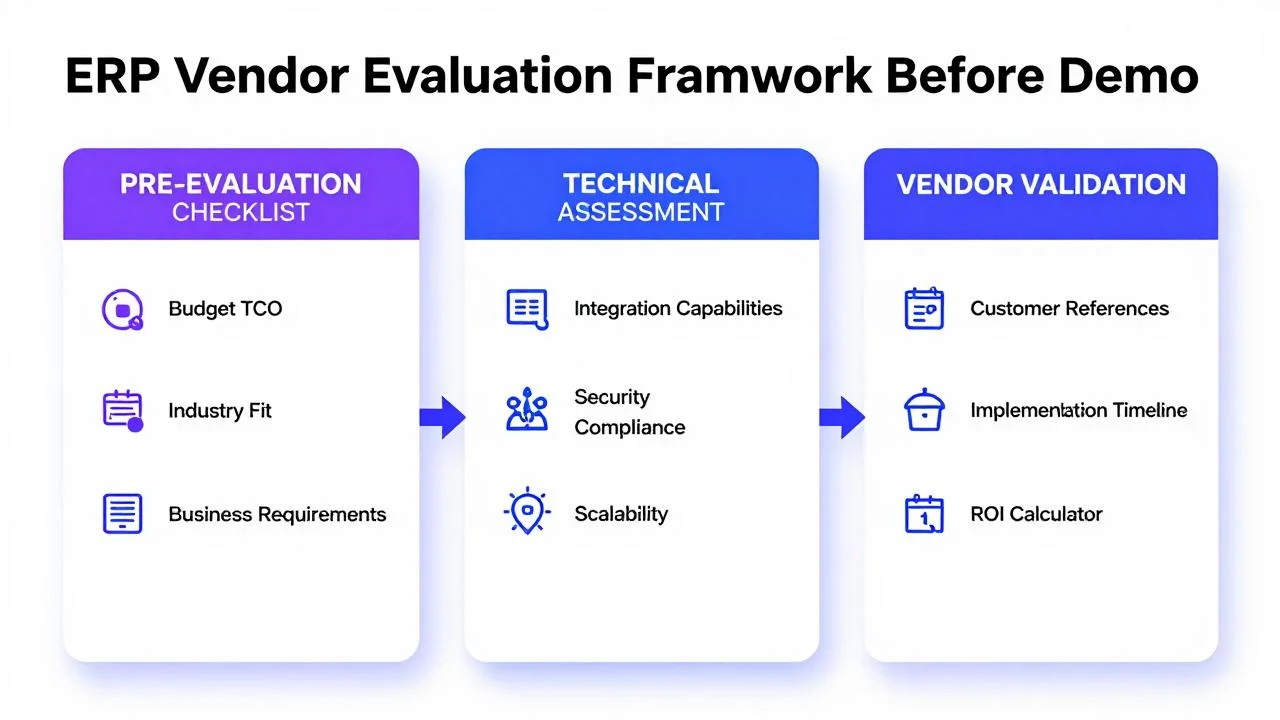
Before scheduling demonstrations, evaluate every ERP vendor using the same criteria.
|
Evaluation Criteria |
Why It Matters |
|
Local Compliance |
VAT, ZATCA, eTIMS, and country-specific regulations |
|
Implementation Time |
Faster deployment means quicker ROI |
|
Industry Expertise |
Construction, healthcare, retail, manufacturing, procurement |
|
Customization Requirements |
Less customization usually reduces cost |
|
Local Support Team |
Faster issue resolution and better onboarding |
|
AI & Automation |
Workflow automation, reporting, forecasting |
|
Mobile Accessibility |
Field teams and remote workforce support |
|
Integration Capabilities |
CRM, payroll, accounting, POS, banking |
|
Scalability |
Ability to grow with additional branches and users |
|
Total Cost of Ownership |
Licensing, implementation, maintenance, upgrades |
This checklist helps decision-makers compare vendors objectively instead of relying solely on marketing presentations.
Several trends are influencing ERP adoption across the GCC and neighboring markets.

Spreadsheets stop working the moment you open a second branch. That is the honest reason most companies start looking for ERP.
Add in VAT reporting, e-invoicing mandates, and multi-currency trade across GCC countries, and manual tracking becomes a liability, not just an inconvenience.
Businesses that move to ERP properly tend to see fewer manual errors, faster month-end closing, and better visibility into cash flow. The systems that deliver this fastest are usually the ones built around local compliance, not retrofitted for it later.

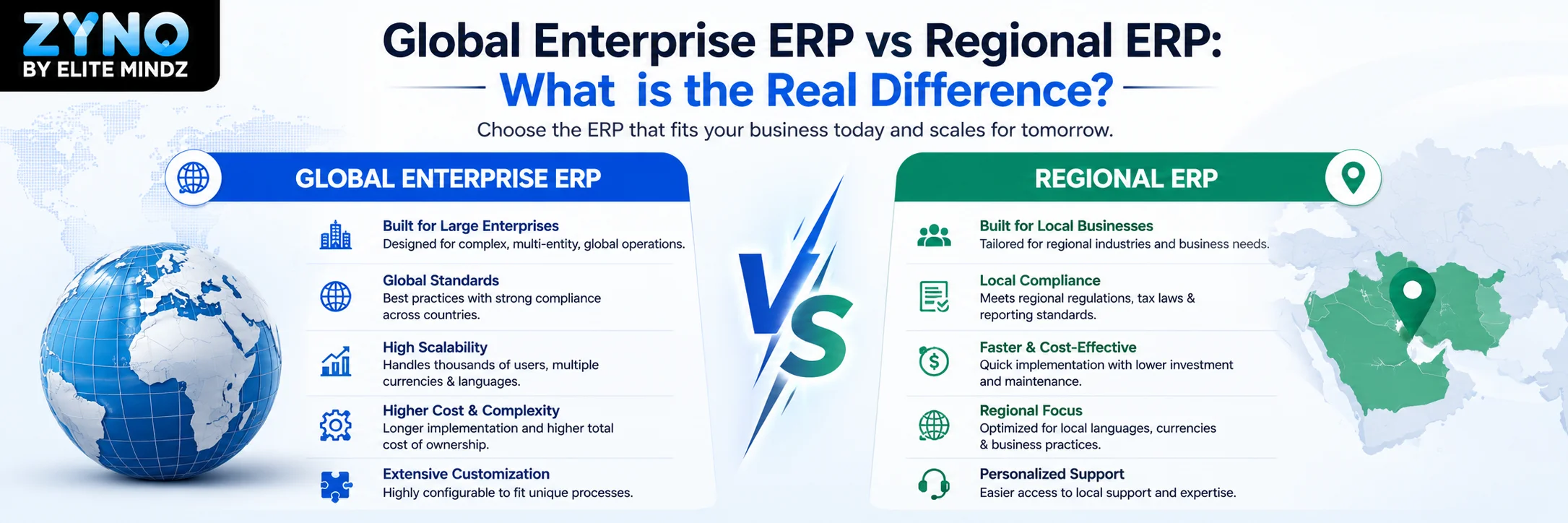
Global platforms (SAP, Oracle Fusion) offer the deepest feature set and can handle almost any industry edge case. The trade-off is cost and time. Implementation can stretch past a year, and customization for Arabic reporting or ZATCA compliance often gets bolted on afterward.
Regional and local ERP platforms are designed around GCC and East Africa rules from the start. Arabic and English interfaces, VAT logic, and e-invoicing come built in, which usually means a shorter go-live window and a lower total cost. For businesses trading into Kenya, that same regional approach matters just as much, since compliance there runs through KRA eTIMS and M-Pesa integration rather than GCC VAT rules.
Open-source systems like Odoo sit in between. They are flexible and cheaper to license, but you will likely need a developer or a strong implementation partner to get compliance right.
For most SMEs and mid-sized companies in the region, a regional platform built for local rules ends up being the faster, cheaper path to actually using the software, not just owning it.
Whether you're expanding globally or focusing on regional markets, ZYNO ERP helps you streamline operations, ensure regulatory compliance, automate workflows, and scale your business with a flexible ERP solution tailored to your industry and growth goals.
Schedule a Free Demo Discover ZYNO ERPBefore comparing vendors, run every option against this list.
If a vendor cannot answer these clearly in a demo, that is your gap to walk away.
Step 1: Map your real needs. Number of users, branches, must-have modules, and budget ceiling. Write it down before any sales call.
Step 2: Shortlist by fit, not fame. Look for vendors who already work in your country and industry.
Step 3: Ask for a live demo, not a slide deck. Test the actual workflow your team will use daily.
Step 4: Judge on ROI, not sticker price. A cheaper system that needs six months of customization can cost more than a slightly pricier one that works from week one.
A generic ERP rarely fits a specific industry well.
Explore the full ZYNO ERP product line for the Middle East if you want to see how one platform handles multiple industries under a single system.
Pricing varies widely by vendor, user count, and modules. Global enterprise platforms often run into six figures once implementation and customization are added.
Regional and mid-market ERP systems are usually priced per user per month, with implementation costs a fraction of what enterprise systems demand. Always ask for total cost of ownership over three years, not just the license fee, since support, training, and customization add up fast.
1. Which ERP is mostly used in the UAE?
SAP and Oracle dominate among large enterprises in the UAE, while Odoo and regional cloud platforms are more common among SMEs due to lower cost and faster setup.
2. Which is the best ERP in Saudi Arabia?
There is no single best option. Large firms lean toward SAP or Oracle Fusion, while mid-sized businesses often prefer regional ERP systems built around ZATCA e-invoicing compliance.
3. What is ERP in Qatar, and is it different from other GCC markets?
ERP in Qatar works the same way as elsewhere in the region, centralizing finance, HR, and operations, but VAT and reporting rules should match Qatar's specific tax authority requirements.
4. How much does an ERP system cost in the UAE?
Costs range from a few hundred dirhams per user per month for cloud-based regional systems to well over six figures annually for enterprise platforms like SAP once implementation is included.
5. Is ERP software mandatory for VAT compliance in Saudi Arabia?
ERP is not legally mandatory, but ZATCA Phase 2 e-invoicing requirements make compliant accounting software close to essential for most VAT-registered businesses.
6. What is the real difference between SAP and Odoo for GCC businesses?
SAP offers deeper customization for large, complex operations but takes longer and costs more to implement. Odoo is faster to deploy and cheaper, but suits simpler or mid-sized operations better.
7. Can ERP software handle Arabic and English reporting together?
Yes, most modern GCC-focused ERP platforms support bilingual interfaces and reporting by default. Global platforms can too, but often need extra configuration.
8. How long does ERP implementation usually take in the Middle East?
Regional cloud ERP can go live in a matter of weeks. Enterprise platforms like SAP or Oracle Fusion typically take six months to over a year depending on complexity.
9. What is ZATCA Phase 2, and why does it matter when choosing ERP?
ZATCA Phase 2 is Saudi Arabia's e-invoicing mandate requiring integration with the Fatoora portal. Any ERP used in Saudi Arabia should support this natively to avoid compliance penalties.
1. Do small businesses in the GCC actually need ERP software?
Once a business manages more than one branch, multiple currencies, or VAT filing across departments, spreadsheets stop scaling. That is usually the point where ERP pays for itself.
Looking to compare specific ERP options for your industry and country? Explore ZYNO ERP solutions for the Middle East and see which fits your setup.
There is no universal "best ERP" for every business in the Middle East. The right choice depends on your industry, company size, regulatory requirements, implementation timeline, and long-term growth plans.
Organizations managing complex multinational operations may benefit from enterprise platforms such as SAP or Oracle Fusion. Mid-sized businesses often achieve faster time-to-value with cloud-based solutions like Microsoft Dynamics 365, NetSuite, or Odoo. Companies looking for integrated procurement, HR, finance, and industry-specific workflows tailored to GCC operations may also consider regional ERP platforms designed around local compliance requirements.
The most effective approach is to define your business processes first, shortlist vendors that align with those requirements, and evaluate them using live demonstrations based on your actual workflows rather than generic feature presentations.
What is ERP? A Beginner's Guide to Enterprise Resource Planning
Read More →
Cloud ERP vs. On-Premise vs. Hybrid: Best ERP Model for 2025
Read More →How To Customize ERP Software Without Breaking The Bank?
Read More →
The Future of Manufacturing ERP in 2026 & Beyond
Read More →Best ERP Software in India: 2026 Edition
Read More →
AI in Manufacturing ERP: The Future of Smart Factories
Read More →
How ERP Transforms Inventory Management and Reduces Costs
Read More →
Inventory Management Software Features: The Complete 2026 Buying Guide
Read More →
Top 5 Ways Asset Management Software Can Save Your Business Money
Read More →
Why Smart Businesses Are Switching to Vendor Management Systems in 2025?
Read More →
Why Manufacturing Companies Need ERP Software
Read More →
Cloud ERP vs. Traditional ERP: Which is Right for You?
Read More →
ERP for Small Business: Is It Worth the Investment?
Read More →
How to Calculate ERP ROI and Why It's Worth the Investment
Read More →
Top 10 ERP Software Companies in India 2026 Updated List (Complete Guide)
Read More →
ERP Implementation Mistakes to Avoid in 2025
Read More →
Cloud ERP vs Edge Computing: What's Right for Modern Manufacturing?
Read More →
The Future of ERP Software and the Role of Generative AI
Read More →
Digital Twin Technology & ERP: Real-Time Insights for Smarter Manufacturing
Read More →
Scalable ERP Solutions Designed for Modern Enterprises
Read More →
ERP and IoT Integration: Smart Factory Vision
Read More →Best ERP Software for Manufacturing Businesses in India
Read More →Top 10 Best Manufacturing ERP Software in India (2026)
Read More →
Best ERP Software for Manufacturing Industries in Ethiopia (2026)
Read More →
Best School ERP Software Providers in UAE (2025 Edition)
Read More →
Best School ERP Software for 2025: Guide for Educational Institutions
Read More →
Top 10 ERP Software Solutions for Nigerian Manufacturers (2025 Edition)
Read More →
Best ERP Systems for Scalable Retail and POS Integration
Read More →
Top 10 Cloud-Based Manufacturing ERP Solutions in Africa (2025 Edition)
Read More →
Top 10 Cloud-Based Manufacturing ERP in UAE
Read More →
Top 10 Cloud-Based Manufacturing ERP Software in Nigeria (2026 Edition)
Read More →
Top 10 School ERP Software Companies in Kenya (2025)
Read More →
Best School ERP Software Providers in Nigeria (2025)
Read More →
Top Cloud-Based Manufacturing ERP in Zimbabwe (2025)
Read More →
Best ERP Software in U.K
Read More →
Top 10 ERP Software Developers in the U.K. (2025)
Read More →
Best ERP Software Providers in France (2025)
Read More →
Best ERP Software Companies in Germany : A Comprehensive Guide
Read More →
Top 10 ERP Software Development Companies in Qatar
Read More →
10 Best ERP Providers in Germany - 2026 Updated List
Read More →
Best ERP Software Firms in Saudi Arabia (2025)
Read More →
Best ERP Service Providers in Indonesia for SMEs and Large Enterprises
Read More →
Top 10 Cloud-Based Manufacturing ERP Systems in Egypt for Modern Factories
Read More →
Top ERP Solutions in the USA 2025: Streamline Your Business with ZYNO ERP
Read More →
Top ERP Solutions in Qatar for Businesses of All Sizes
Read More →Top Manufacturing ERP Software in India 2026 ZYNO Manufacturing ERP
Read More →How Manufacturing Companies Reduce Production Delays Using ERP Automation
Read More →Why Legal Firms Need ERP to Manage Cases, Billing & Compliance
Read More →What Is ERP And How Does It Work
Read More →
How ERP Systems Are Evolving in 2026: What Businesses Need to Know
Read More →
Best ERP Software in India: 2025 Edition
Read More →
Top 10 ERP Software Companies in Delhi NCR
Read More →
How Manufacturing ERP Software Improves Demand Forecasting
Read More →
Top 10 Best School Management Software in India
Read More →Manufacturing & Wholesale ERP in Qatar: Complete Industry Guide 2026
Read More →Cloud ERP Software in Qatar: Why Businesses Are Moving in 2026
Read More →Is ERP a Procurement Software? Key Differences, Benefits & What to Choose
Read More →What Is Production Planning and Control? Definition, Objectives & Functions
Read More →
Garment Inventory Software: Features, Providers & Buying Guide (2026)
Read More →
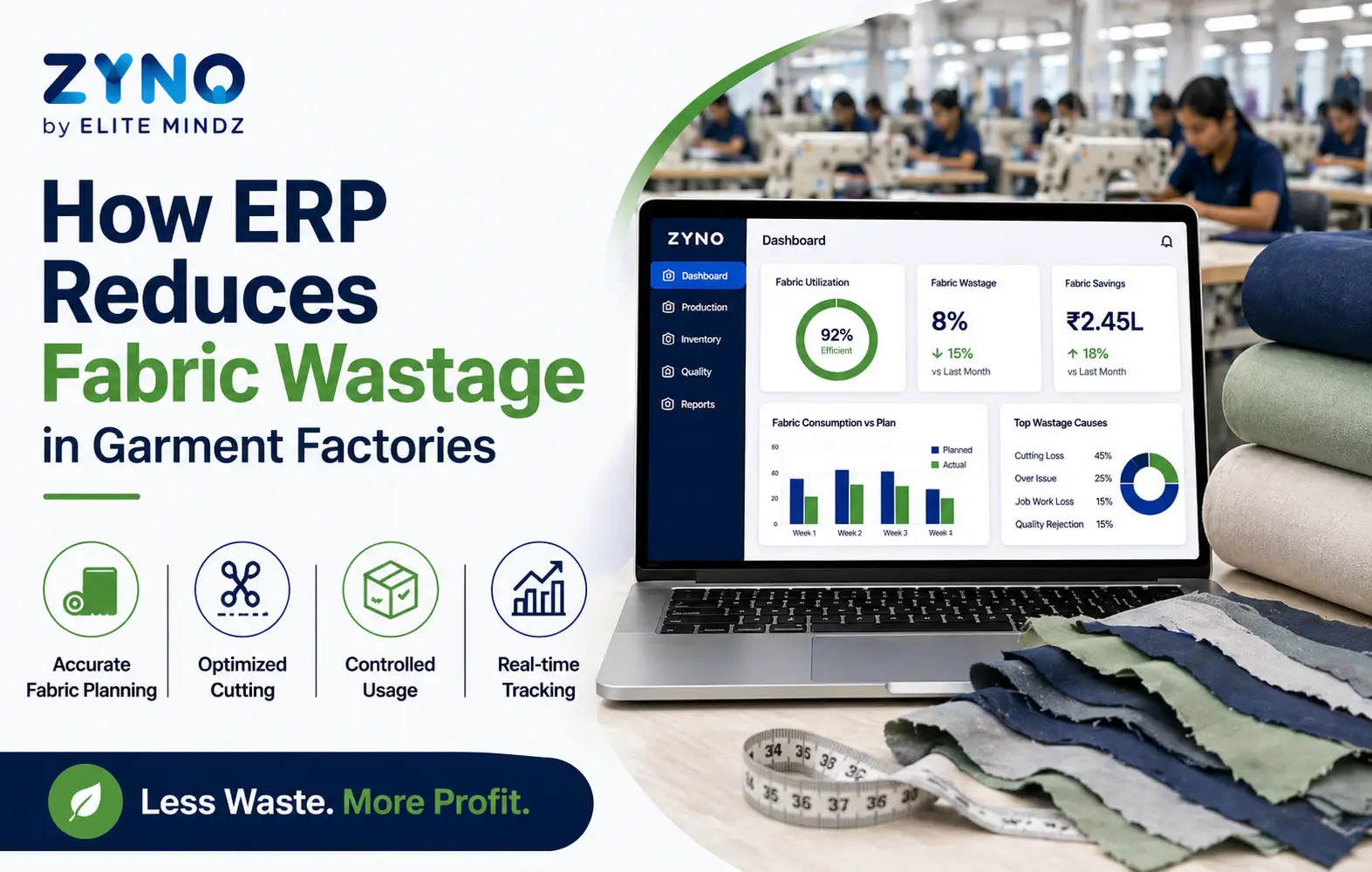
How ERP Reduces Fabric Wastage in Garment Factories
Read More →
Why the Garment Industry Needs a Specialized ERP
Read More →
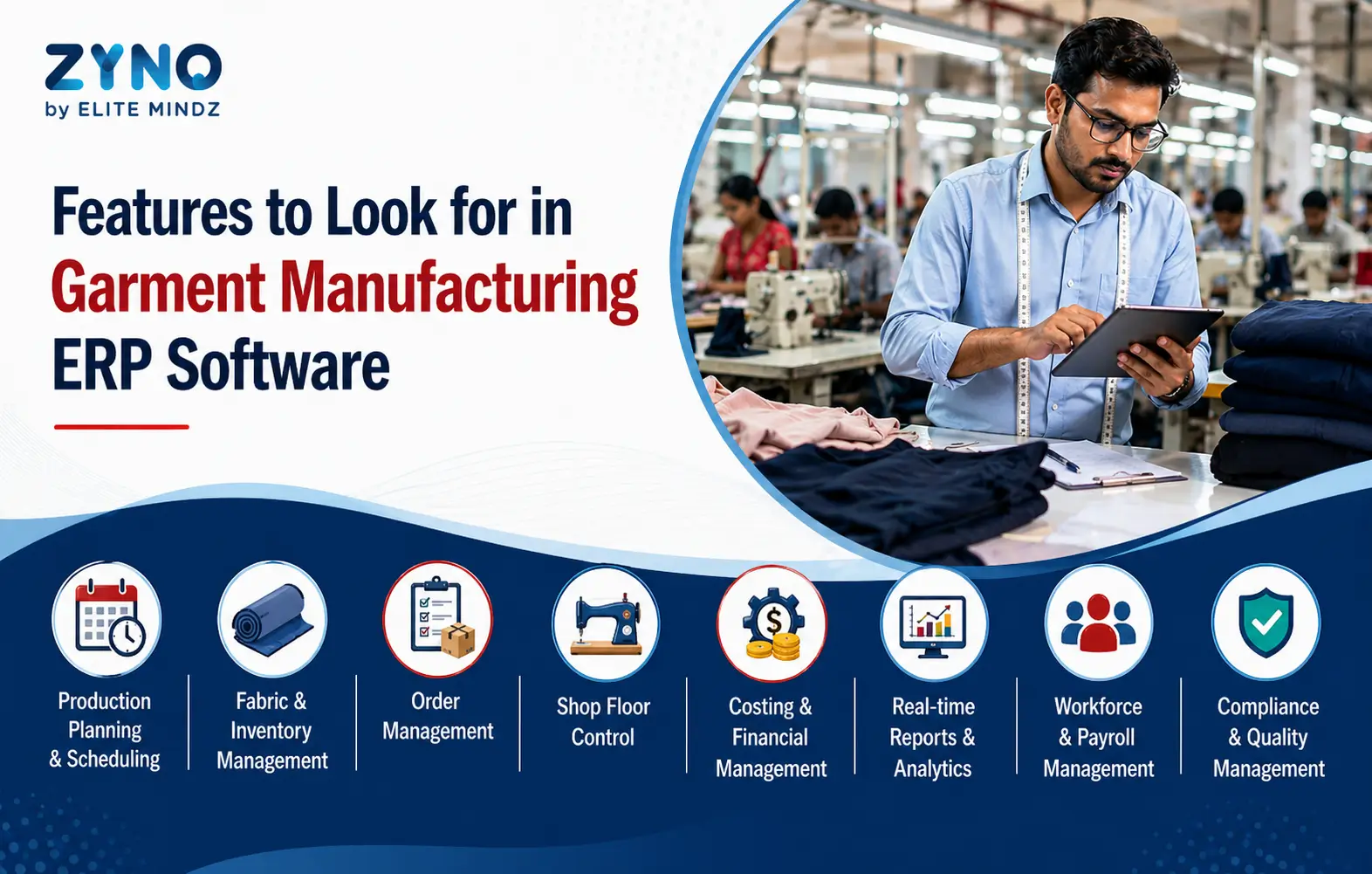
Features to Look for in Garment Manufacturing ERP Software
Read More →
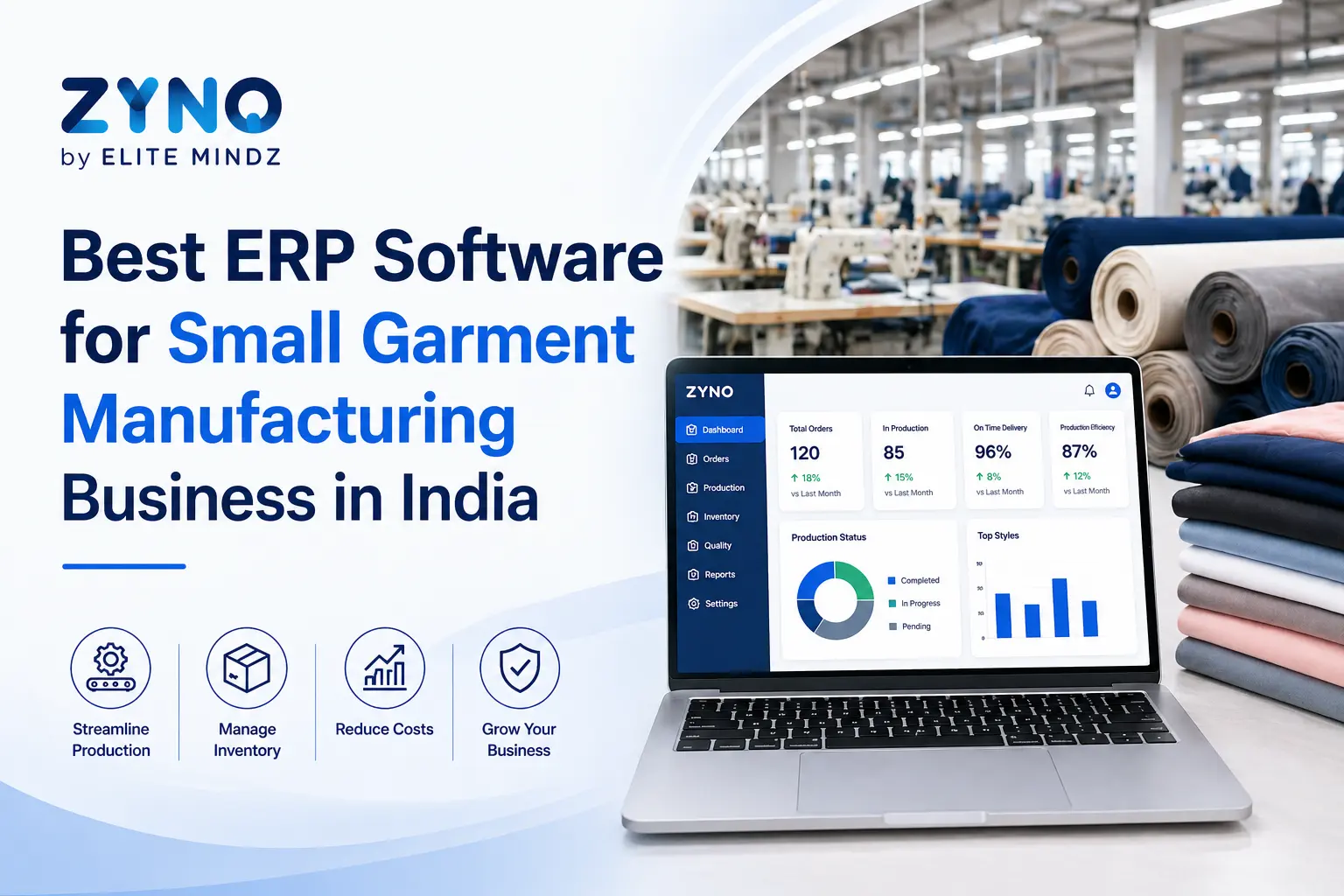
Best ERP Software for Small Garment Manufacturing Business in India
Read More →
The Real Problems Holding Back Small Garment Manufacturers in India
Read More →Garment Manufacturing ERP Software in India: Best Options, Features & Complete Guide 2026
Read More →
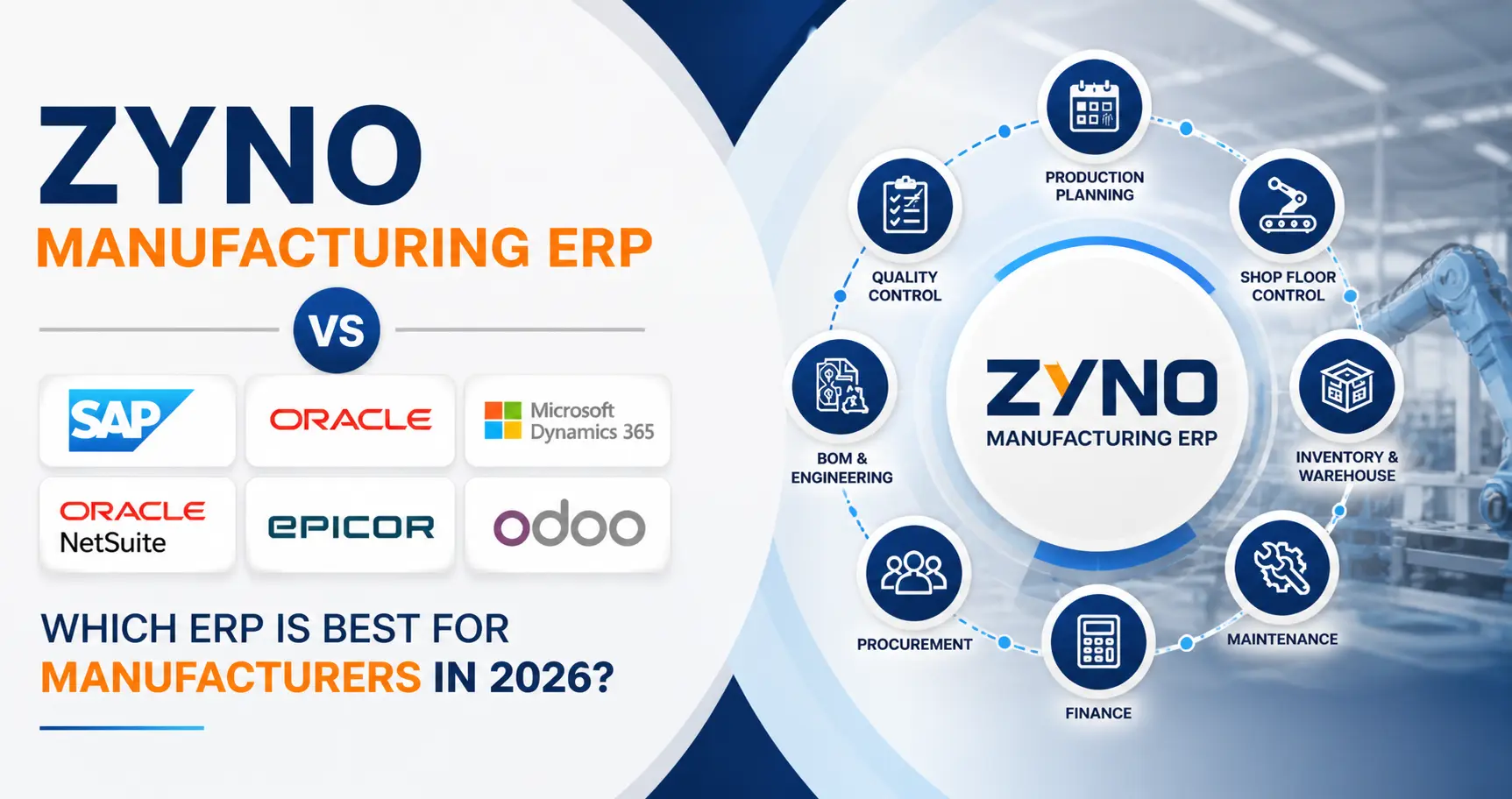
Which ERP is Best for Manufacturers in 2026?
Read More →
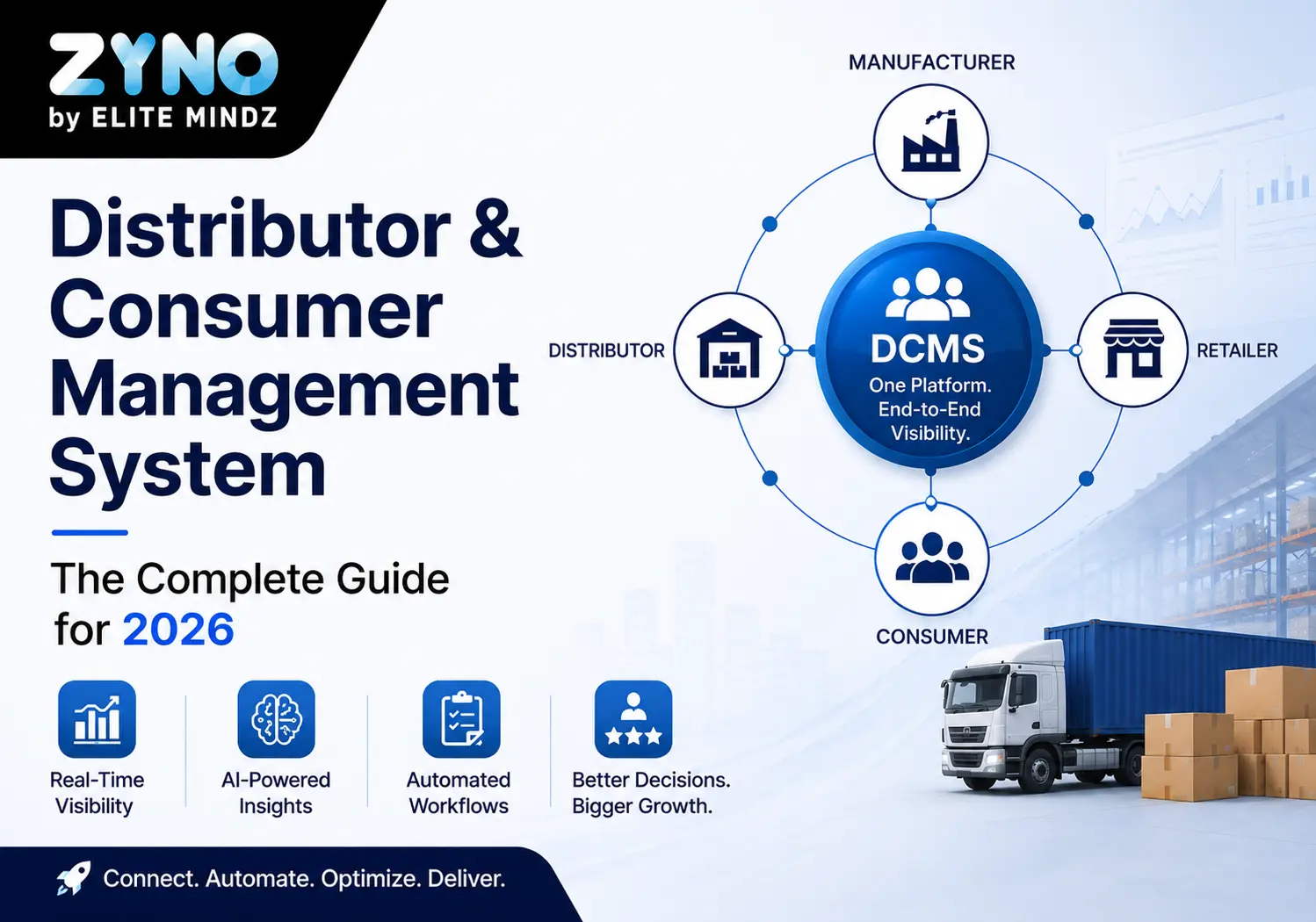
Distributor & Consumer Management System: The Complete Guide for 2026
Read More →
Best Pharma ERP Software in India 2026 – Features, Compliance & Buying Guide
Read More →
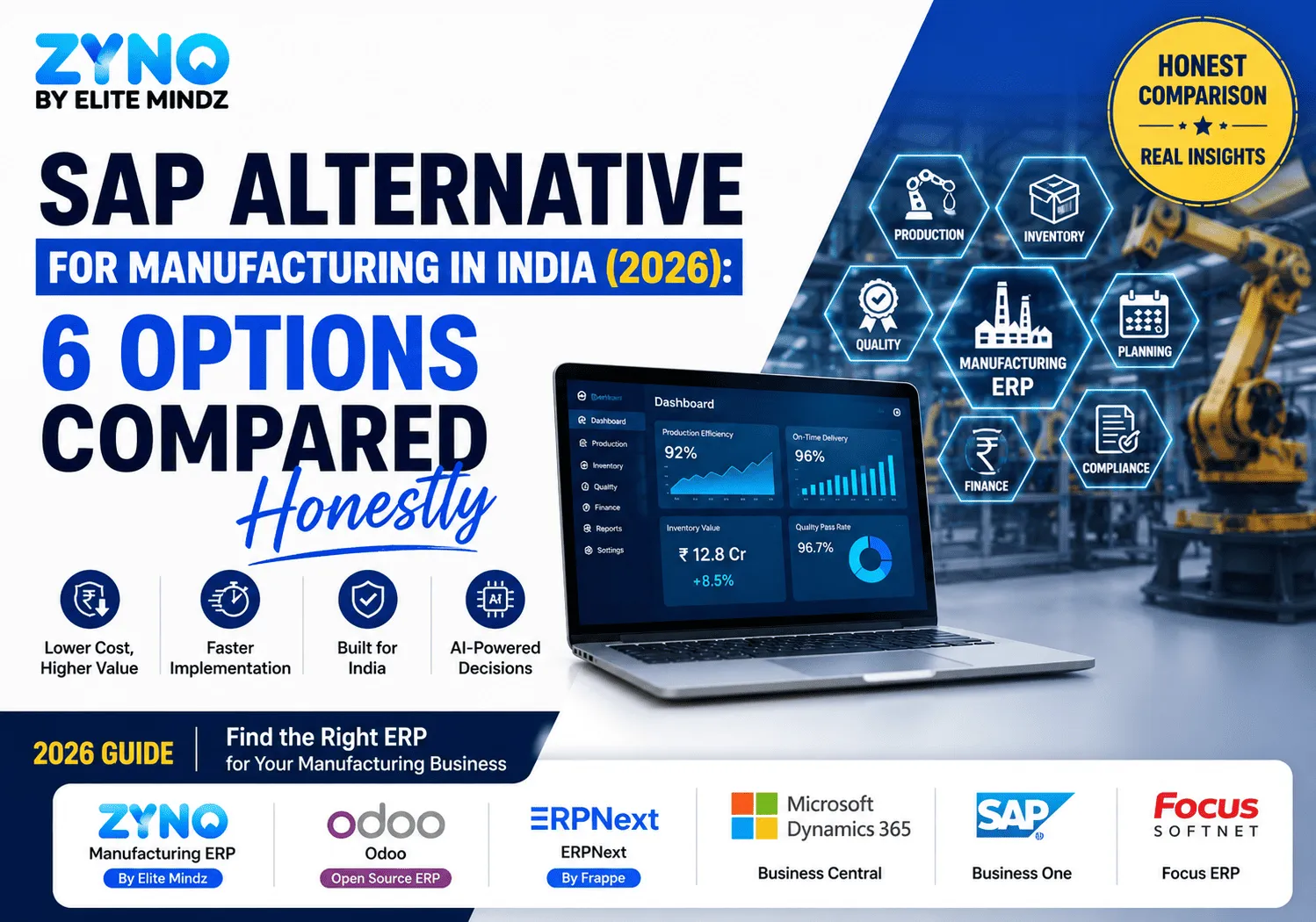
SAP Alternative for Manufacturing in India (2026): 6 Options Compared Honestly
Read More →
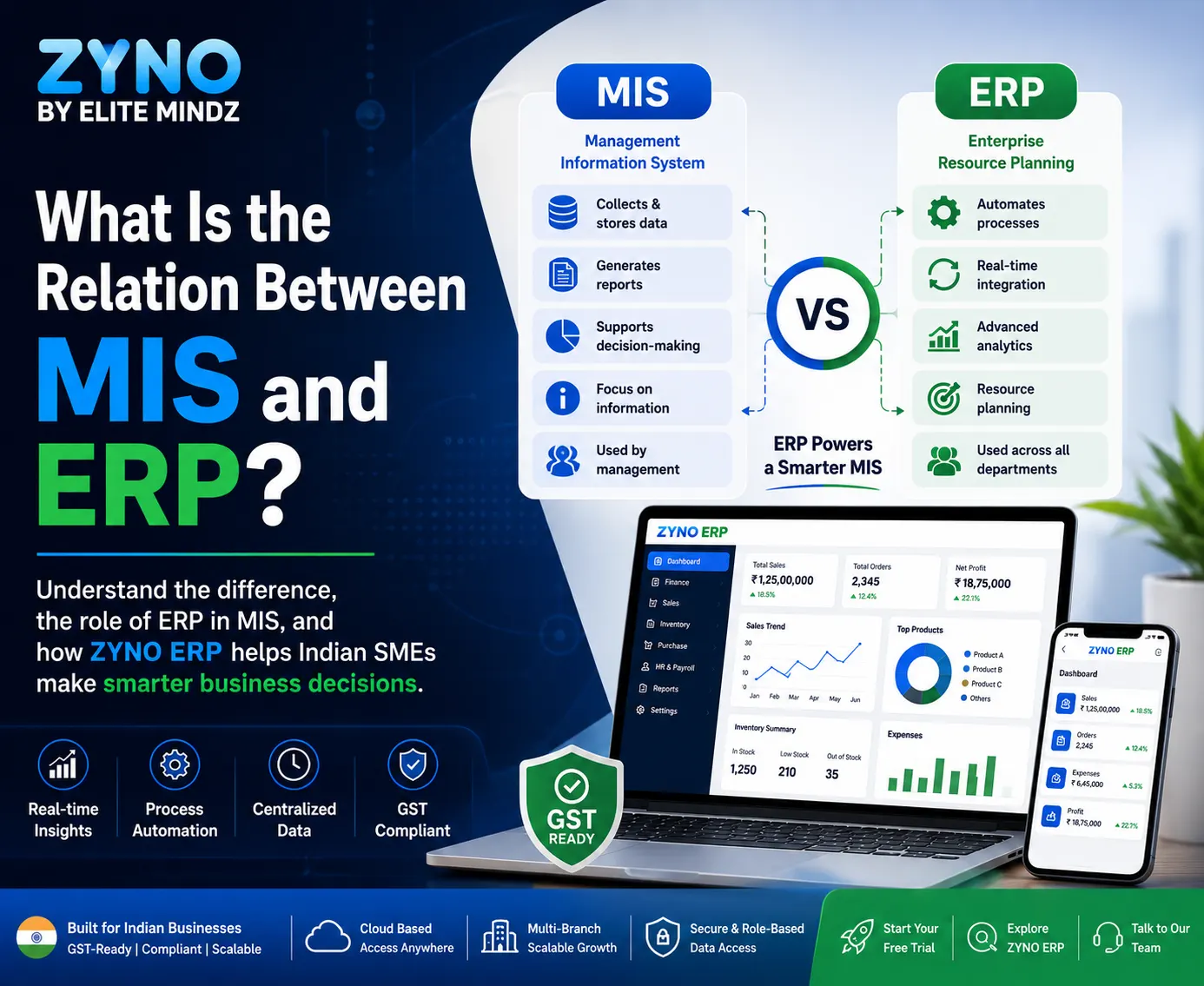
What Is the Relation Between MIS and Enterprise Resource Planning?
Read More →
Best ERP for Sweater Manufacturers in India
Read More →
What Manufacturing ERP Systems Provide the Best Demand Forecasting Features?
Read More →
Which ERP Software Provides the Best Demand Forecasting for Manufacturers?
Read More →
What are the key features to look for in AI ERP software for manufacturing companies in India?
Read More →
How does AI-powered ERP software improve production planning and inventory management in manufacturing?
Read More →
Which AI ERP platforms are best suited for small and mid-sized manufacturing businesses in India?
Read More →
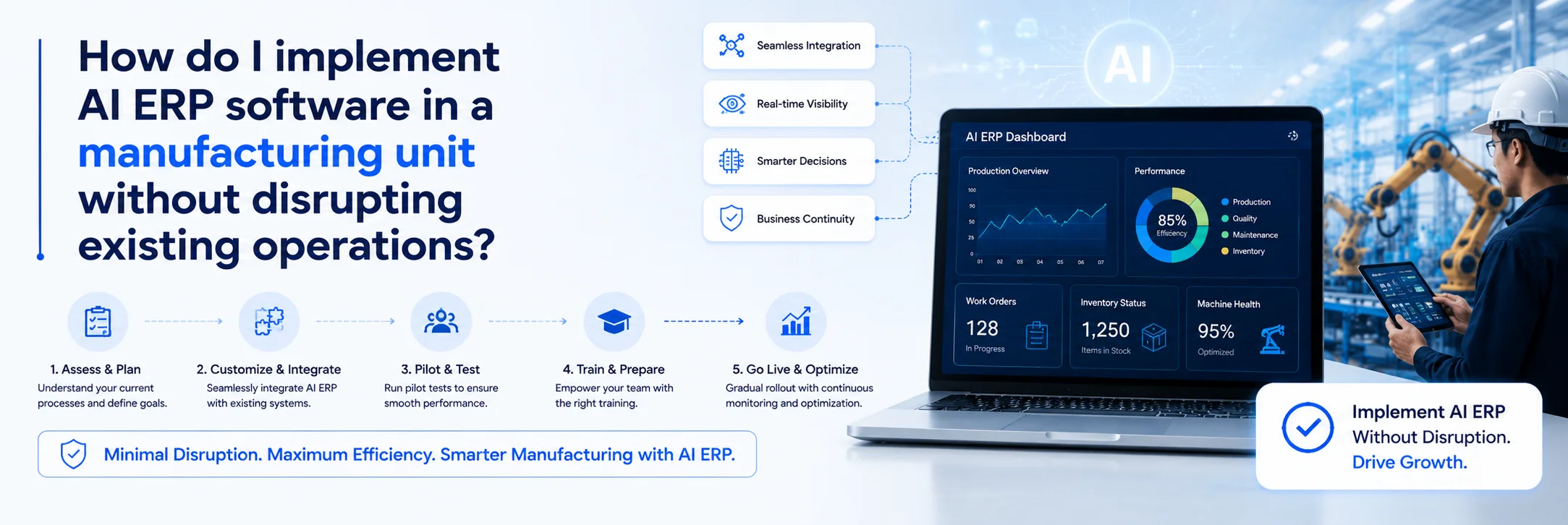
How do I implement AI ERP software in a manufacturing unit without disrupting existing operations?
Read More →
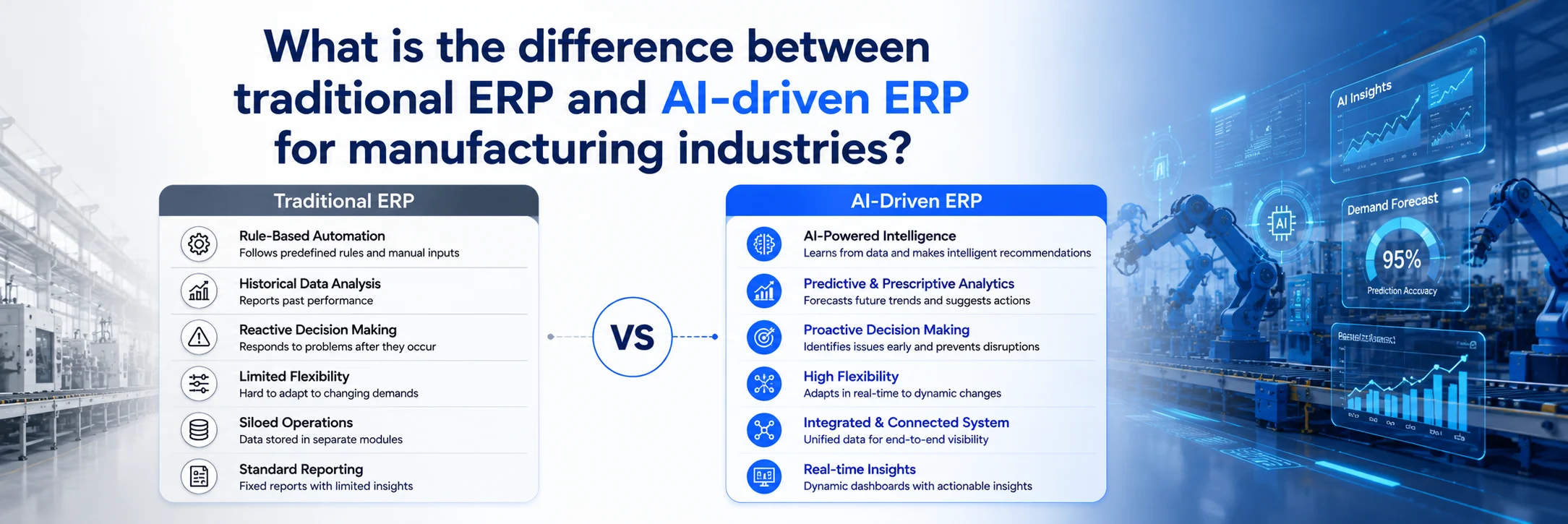
What is the difference between traditional ERP and AI-driven ERP for manufacturing industries?
Read More →
AI-Powered Smart ERP Software: The Complete Guide for Modern Enterprises
Read More →
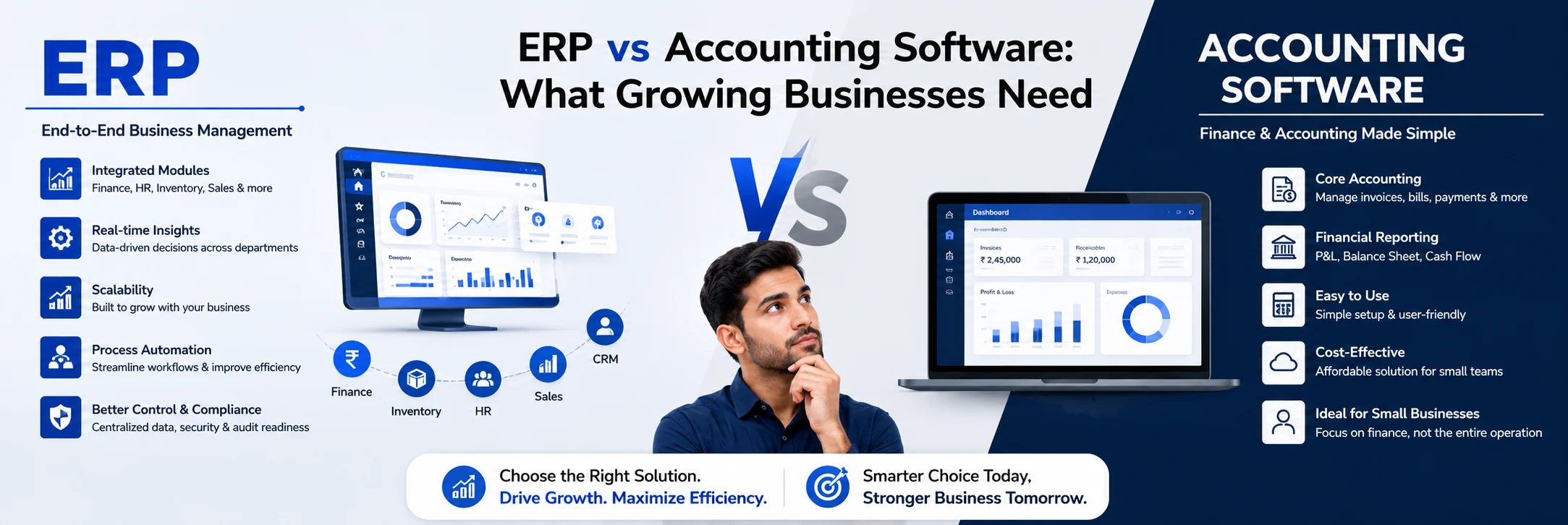
ERP vs Accounting Software: What Growing Businesses Need
Read More →
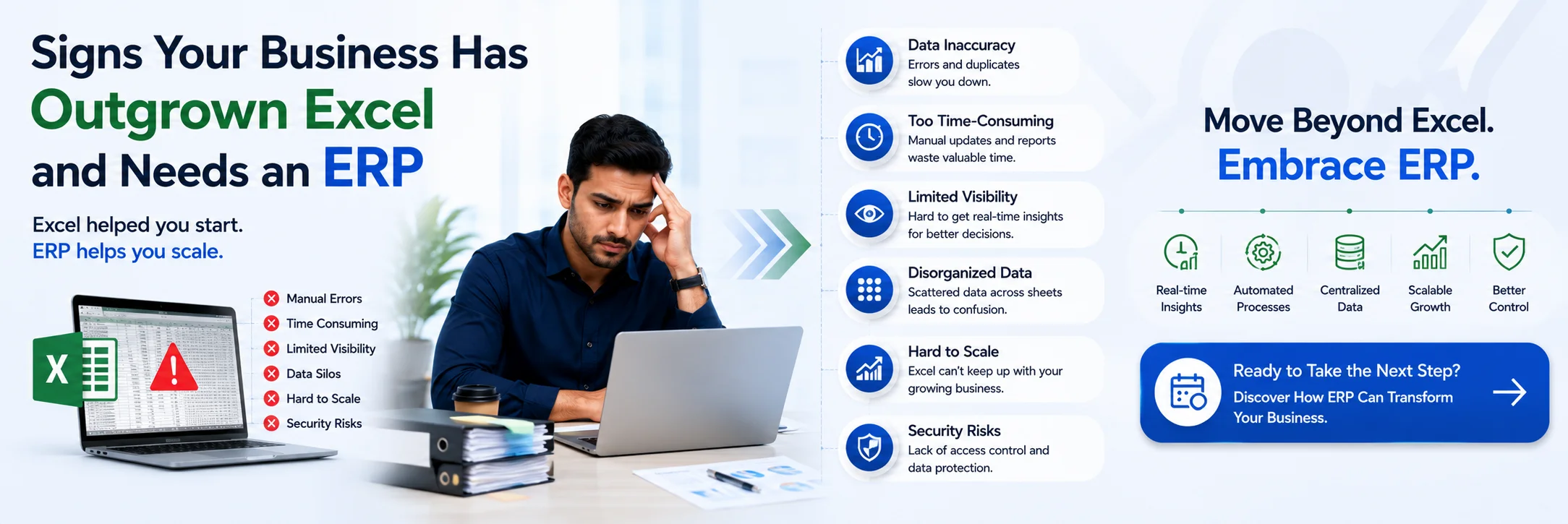
Signs Your Business Has Outgrown Excel and Needs an ERP
Read More →
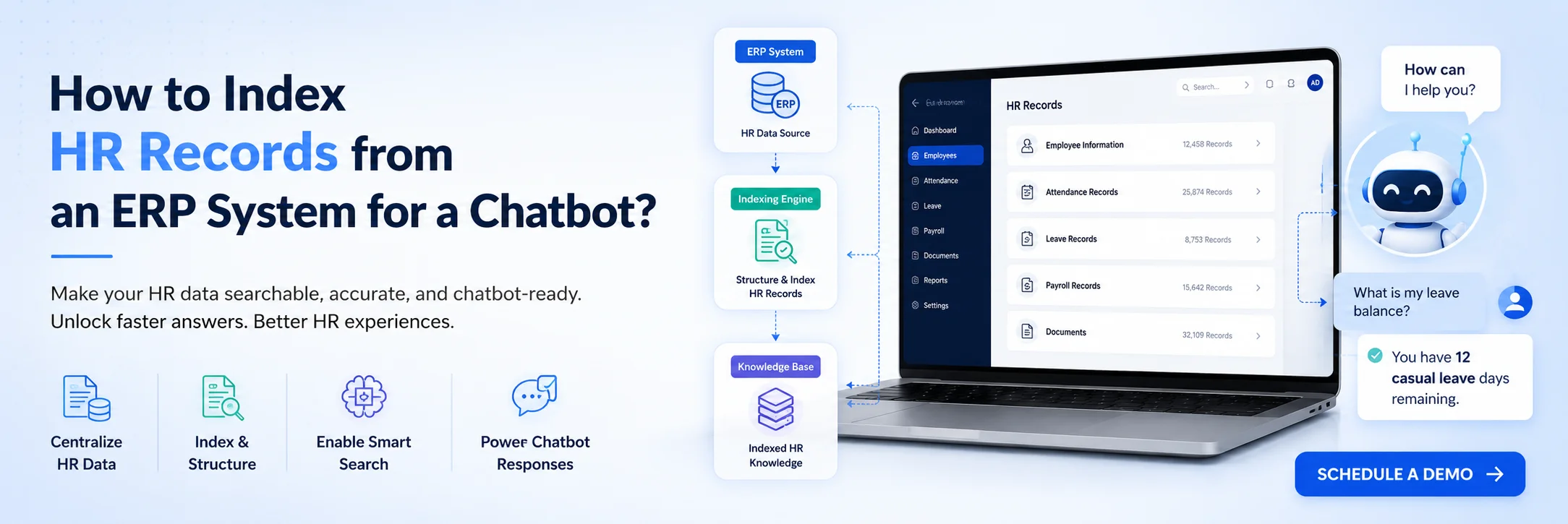
How to Index HR Records from an ERP System for a Chatbot?
Read More →
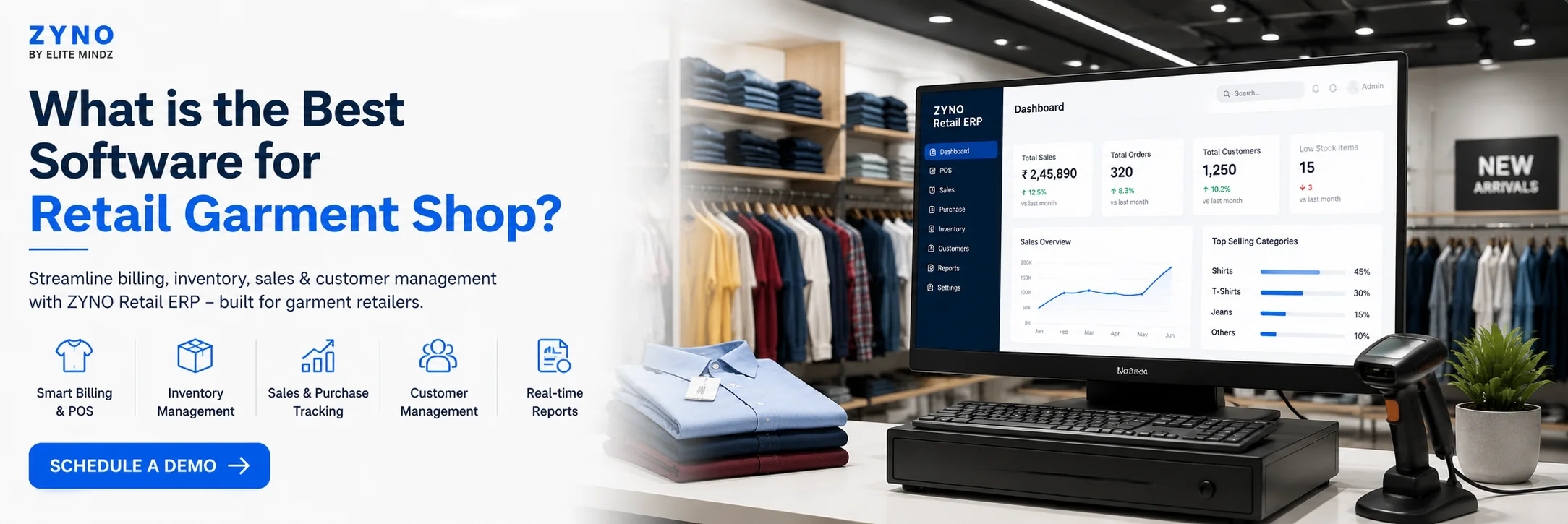
What is the Best Software for Retail Garment Shop?
Read More →
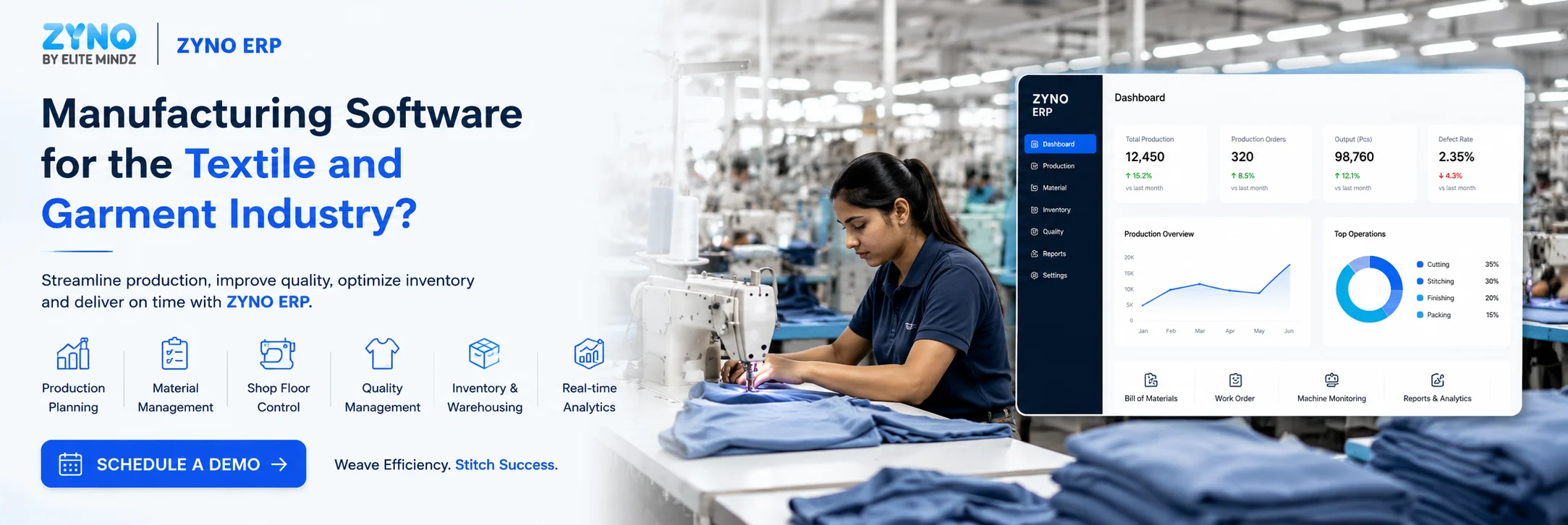
Manufacturing Software for the Textile and Garment Industry?
Read More →
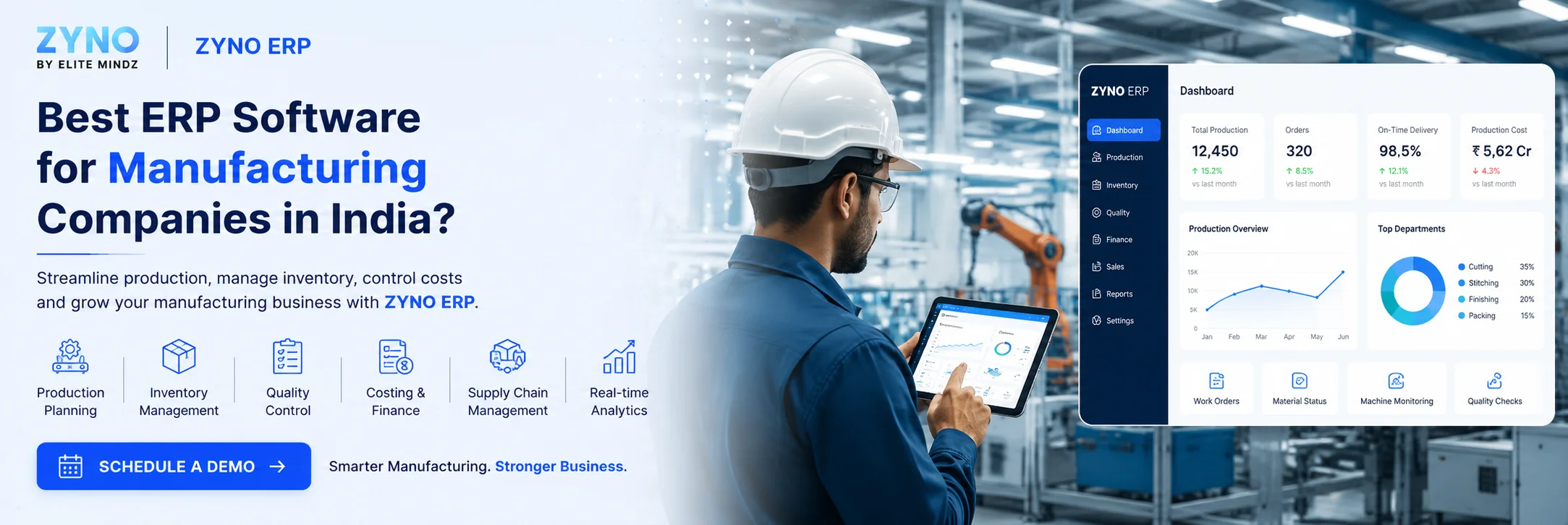
Best ERP Software for Manufacturing Companies in India?
Read More →
How ERP Reduces Production Costs and Improves Profitability?
Read More →
Which ERP Software is Mostly Used in Garment Retail Shop?
Read More →
10 Ways AI Can Improve ERP Efficiency
Read More →
Top 8 Odoo Alternatives for Your Business
Read More →
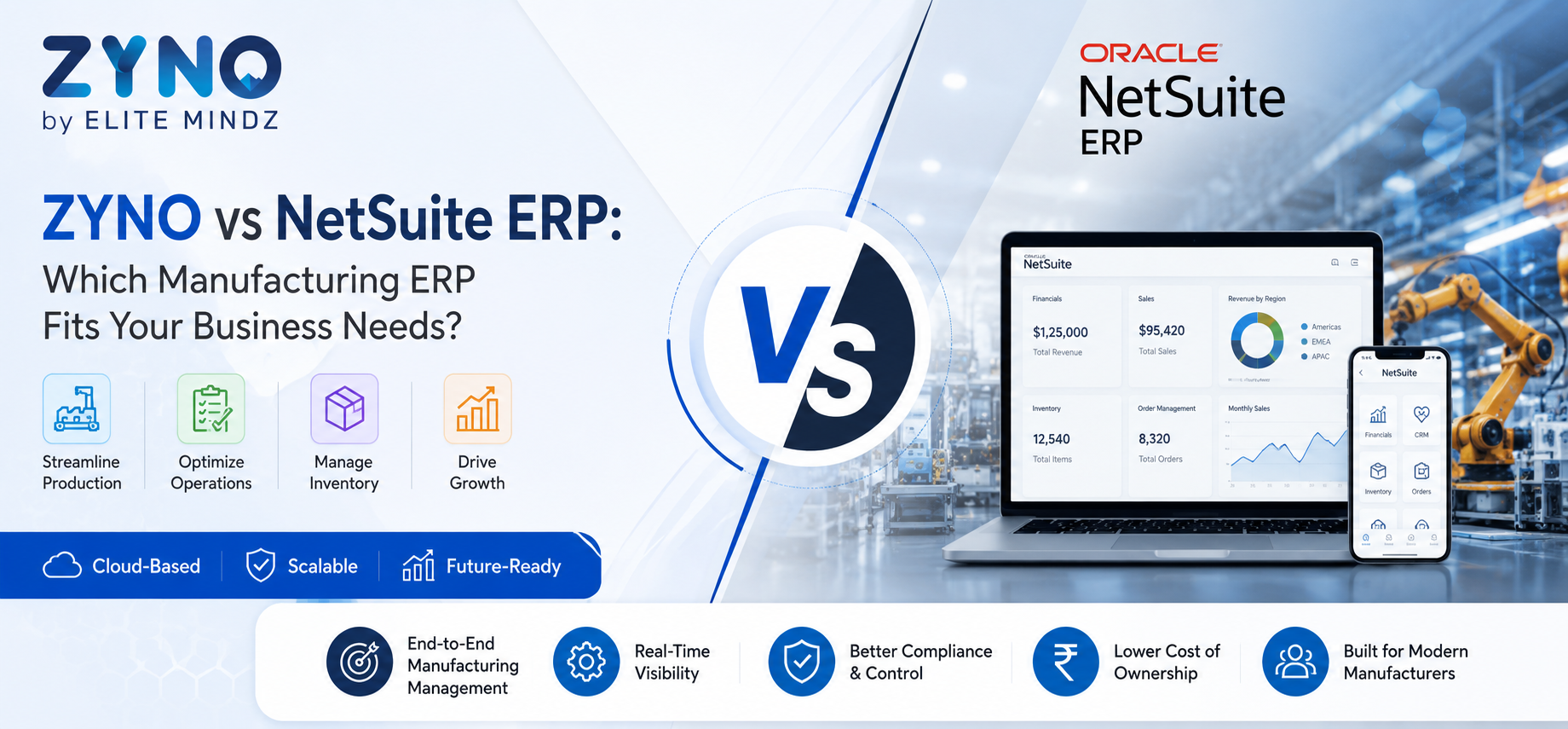
ZYNO vs NetSuite ERP: Which Manufacturing ERP Fits Your Business Needs?
Read More →
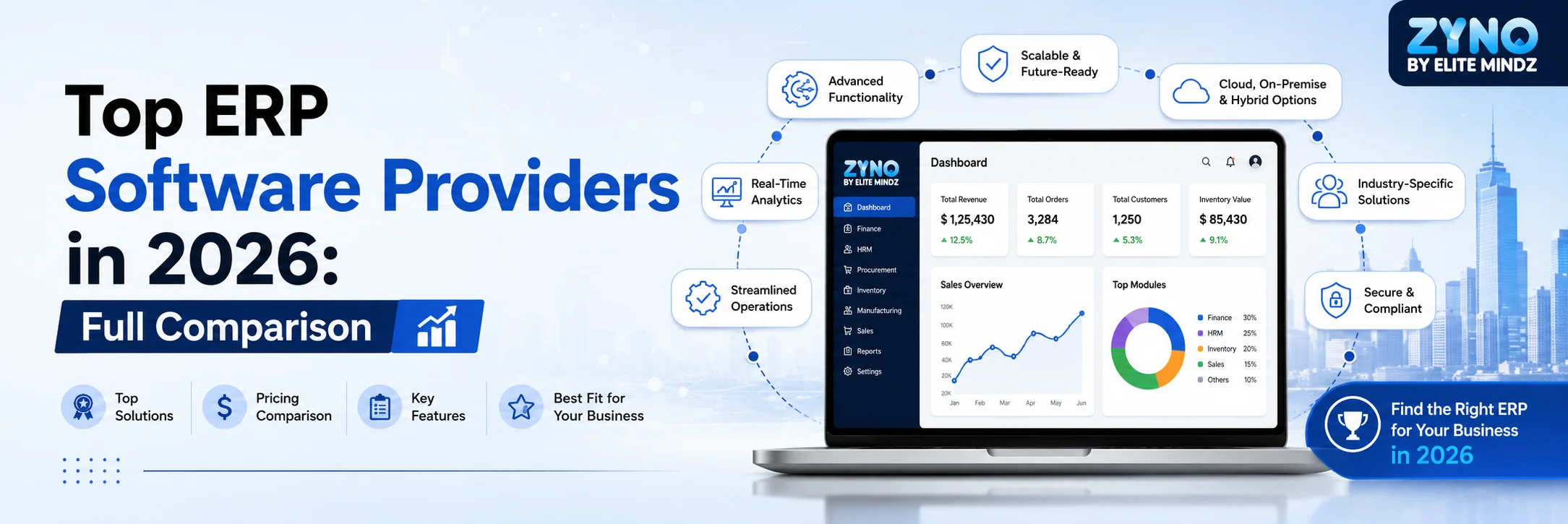
Top ERP Software Providers in 2026: Full Comparison
Read More →
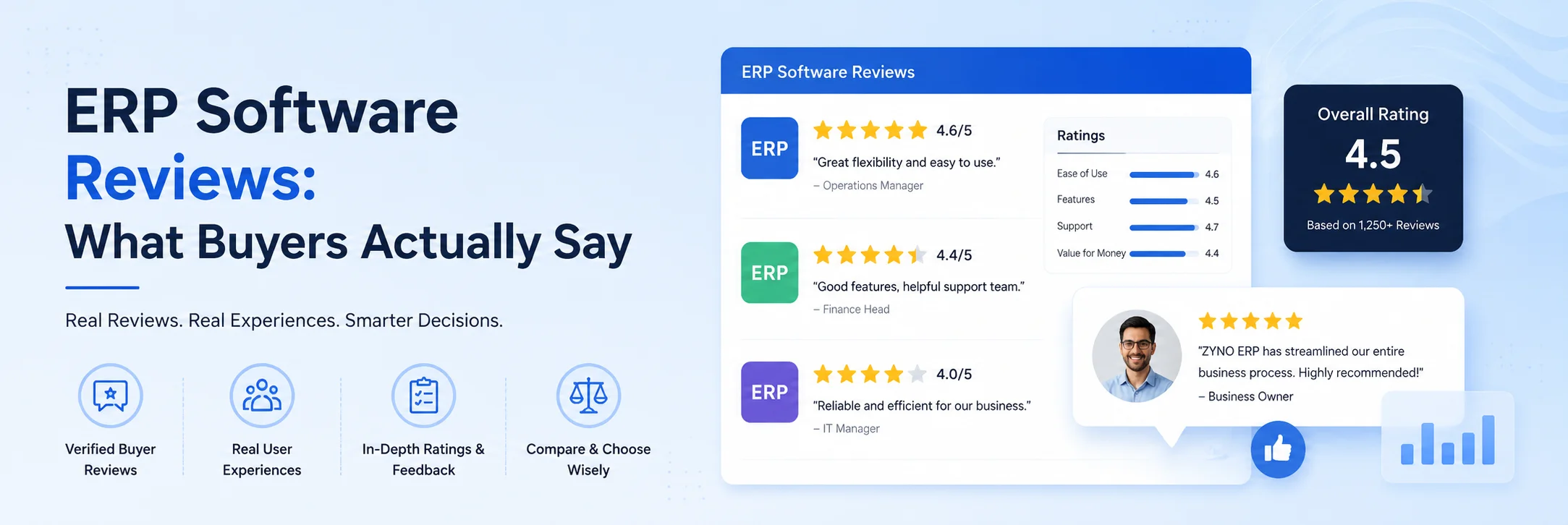
ERP Software Reviews: What Buyers Actually Say in 2026
Read More →
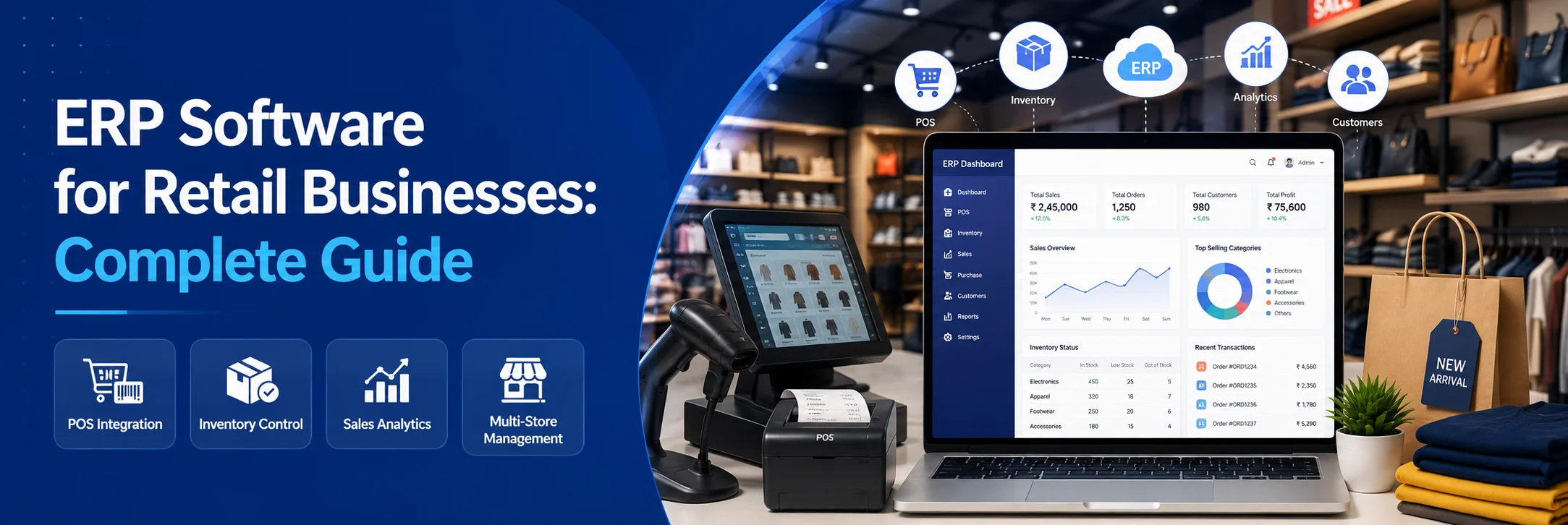
ERP Software for Retail Businesses: Complete Guide
Read More →
ERP Software for Healthcare: Beyond Patient Records
Read More →
ERP Software for Logistics Companies: A Complete Guide
Read More →
Best ERP Software for SaaS Companies in 2026
Read More →
Cloud ERP Software Features: The Complete List for 2026
Read More →
Top ERP Software in Kenya (2026): Best Picks for Growing Businesses
Read More →
How eTIMS Affects Manufacturers in Kenya: ERP, Input Tax & Supply Chain Impact
Read More →
ERP Implementation Steps: A Complete Step-by-Step Guide for Successful ERP Deployment
Read More →
What Are the Steps in Production Planning and Control?
Read More →
Manufacturing Compliance in Kenya: A Complete Guide for Factory Tax Compliance & Regulatory Excellence
Read More →
ERP Migration Checklist for Manufacturing, Retail, and Service Businesses
Read More →
ERP Go-Live Checklist: Step-by-Step Guide for a Smooth System Launch
Read More →
Best ERP Software in the Middle East: What Actually Matters in 2026
Read More →Partner with ZYNO by Elite Mindz to revolutionize how your business works. Fill out the form, and we’ll reach out with AI-powered solutions made just for you.
We use browser cookies to ensure you get the best experience on our website. Learn more
The form was submitted successfully!
ZYNO Digital
Fueling Smarter Digital Growth
ZYNO Digital fuels smarter digital growth through data-driven marketing, creative storytelling, and performance strategies that boost visibility, engagement, and measurable business outcomes across global platforms.
ZYNO Tech
Engineering the Future of IT
ZYNO Tech delivers cutting-edge IT solutions — including web, mobile, and digital transformation services — helping businesses scale efficiently, innovate faster, and stay ahead in a connected world.
ZYNO AI
AI Built for Business Growth
ZYNO AI harnesses the power of artificial intelligence to automate processes, enhance decision-making, and deliver predictive insights — driving innovation, agility, and measurable business growth.
ZYNO by Elite Mindz
Your Partner in the AI-Powered Future
ZYNO by Elite Mindz offers AI-powered products and services that unify operations, boost productivity, and drive digital transformation — helping businesses scale smarter and innovate faster.
* In just 2 mins you'll get a response
* Your idea is 100% protected by our Non-Disclosure Agreement