Procurement Software Trends in 2026: What to Expect
Read More →

×
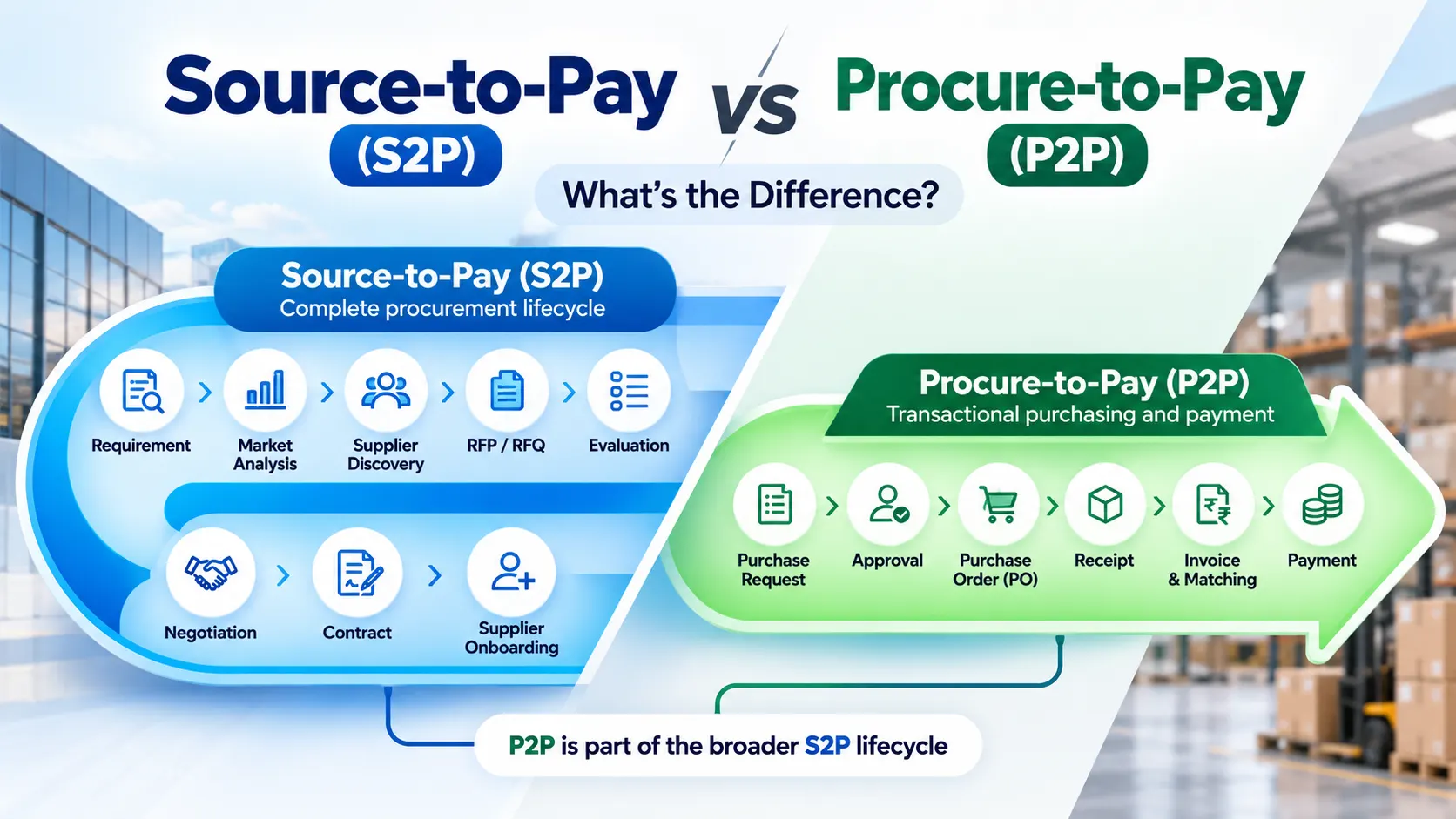
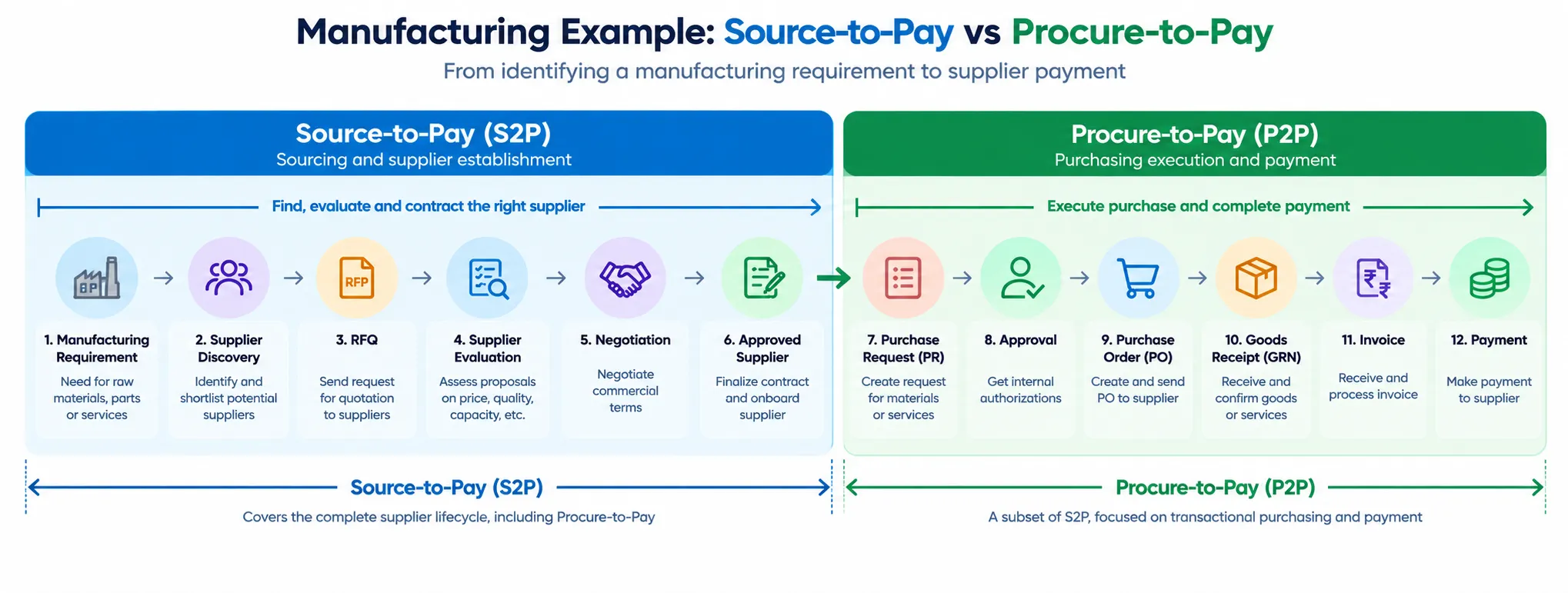
Source-to-Pay (S2P) and Procure-to-Pay (P2P) are closely connected procurement processes, but they do not cover the same part of the purchasing lifecycle. Source-to-Pay is the broader procurement lifecycle that can include requirement identification, supplier discovery, sourcing, supplier evaluation, negotiation, contracting, purchasing, receiving, invoicing, and payment. Procure-to-Pay focuses primarily on executing a purchase from request and approval through purchase order, receipt, invoice processing, and payment. If you are comparing Source to Pay vs Procure to Pay, the simplest distinction is: Source-to-Pay covers the broader journey from sourcing suppliers through payment, while Procure-to-Pay focuses on executing purchases through payment. The two processes overlap because P2P can form the downstream transactional part of a broader S2P lifecycle. The exact boundaries can vary by organization and software platform.
Businesses using ZYNO Books cut accounting time by 70% and stay 100% ZATCA-compliant — automatically.
Source-to-Pay vs Procure-to-Pay

| Factor | Source-to-Pay (S2P) | Procure-to-Pay (P2P) |
|---|---|---|
| Scope | Broader procurement lifecycle | Purchasing and payment lifecycle |
| Starts with | Requirement, sourcing need, or supplier discovery | Purchase request or requisition |
| Supplier discovery | Included | Usually outside core P2P |
| Market analysis | Included | Usually outside core P2P |
| RFP/RFQ | Included | Usually outside core P2P |
| Supplier evaluation | Included | Usually outside core P2P |
| Negotiation | Included | Usually outside core P2P |
| Contracting | Commonly included | Usually outside core P2P |
| Supplier onboarding | Commonly included | May be connected |
| Purchase request | Included | Included |
| Approval | Included | Included |
| Purchase order | Included | Included |
| Goods/service receipt | Included | Included |
| Invoice processing | Included | Included |
| Invoice matching | Included | Included |
| Payment | Included | Included |
| Primary focus | Strategic sourcing + purchasing execution | Transactional purchasing + financial control |
S2P starts further upstream by connecting sourcing and supplier decisions to purchasing and payment, while P2P concentrates on the purchasing transaction itself.
That distinction is the foundation for understanding the two processes.
Source-to-Pay (S2P) is a procurement lifecycle that connects sourcing and supplier-related activities with purchasing, invoicing, and payment.
The important distinction is where the process can begin.
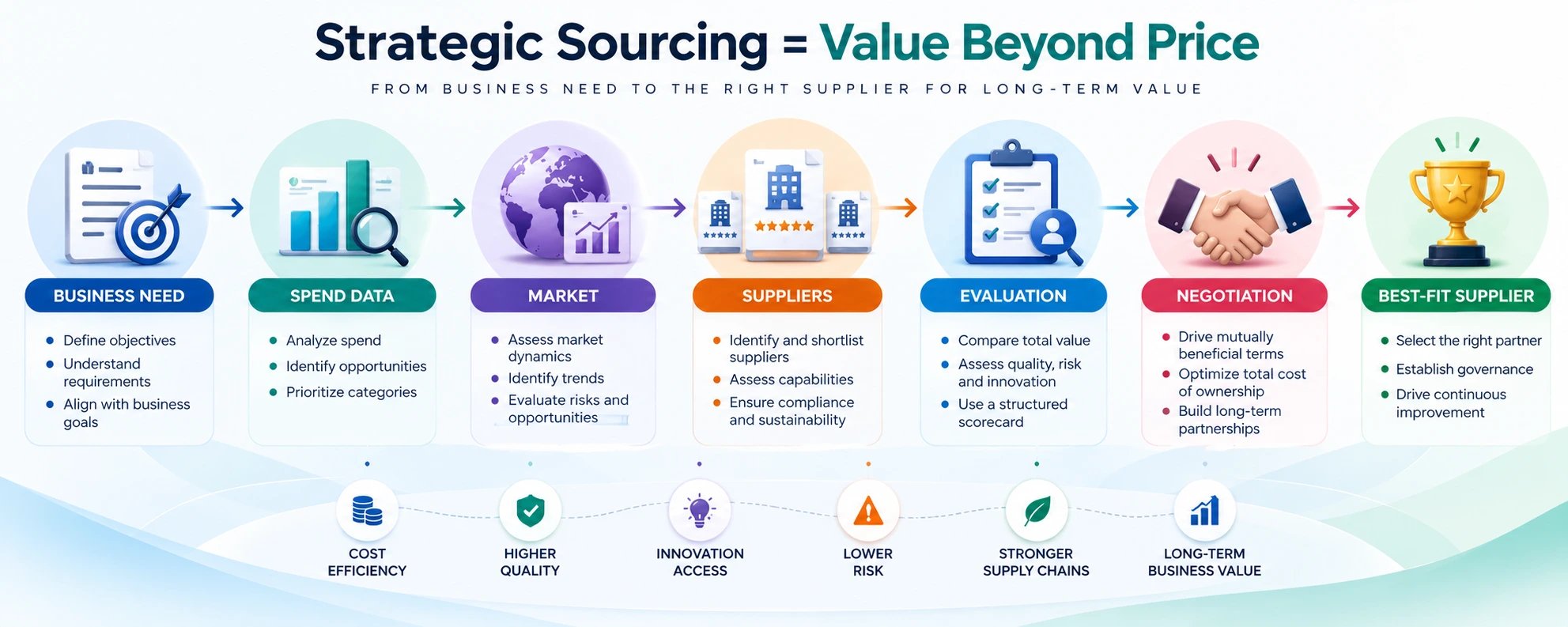
Source-to-Pay can start before a supplier has been selected. Procurement may first need to understand the requirement, analyze the market, identify potential suppliers, run an RFP or RFQ, evaluate proposals, negotiate commercial terms, and establish a contract.
After the supplier relationship is established, the organization can move into the purchasing and payment workflow.
This makes S2P particularly useful when an organization wants visibility across both strategic sourcing and operational procurement.
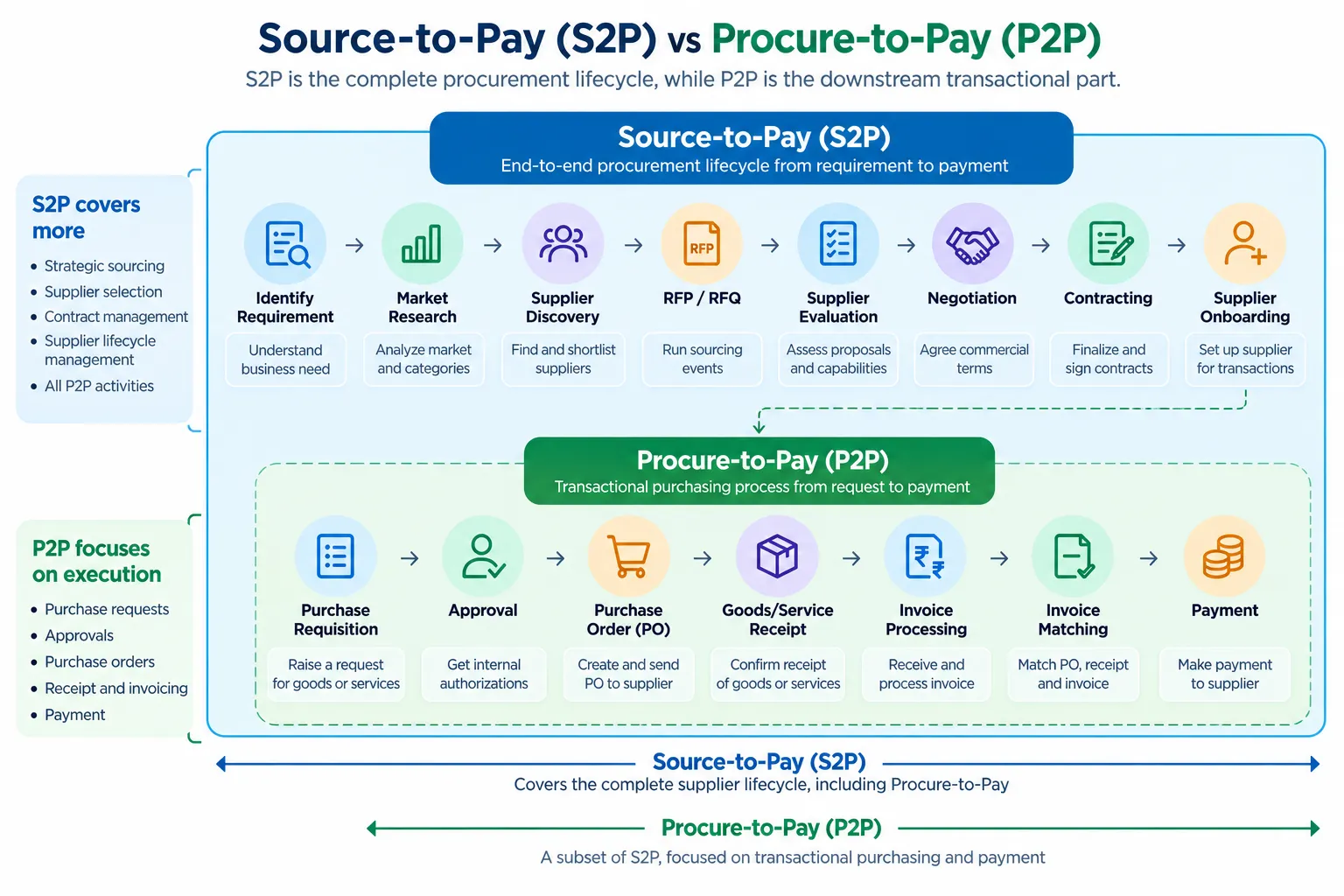
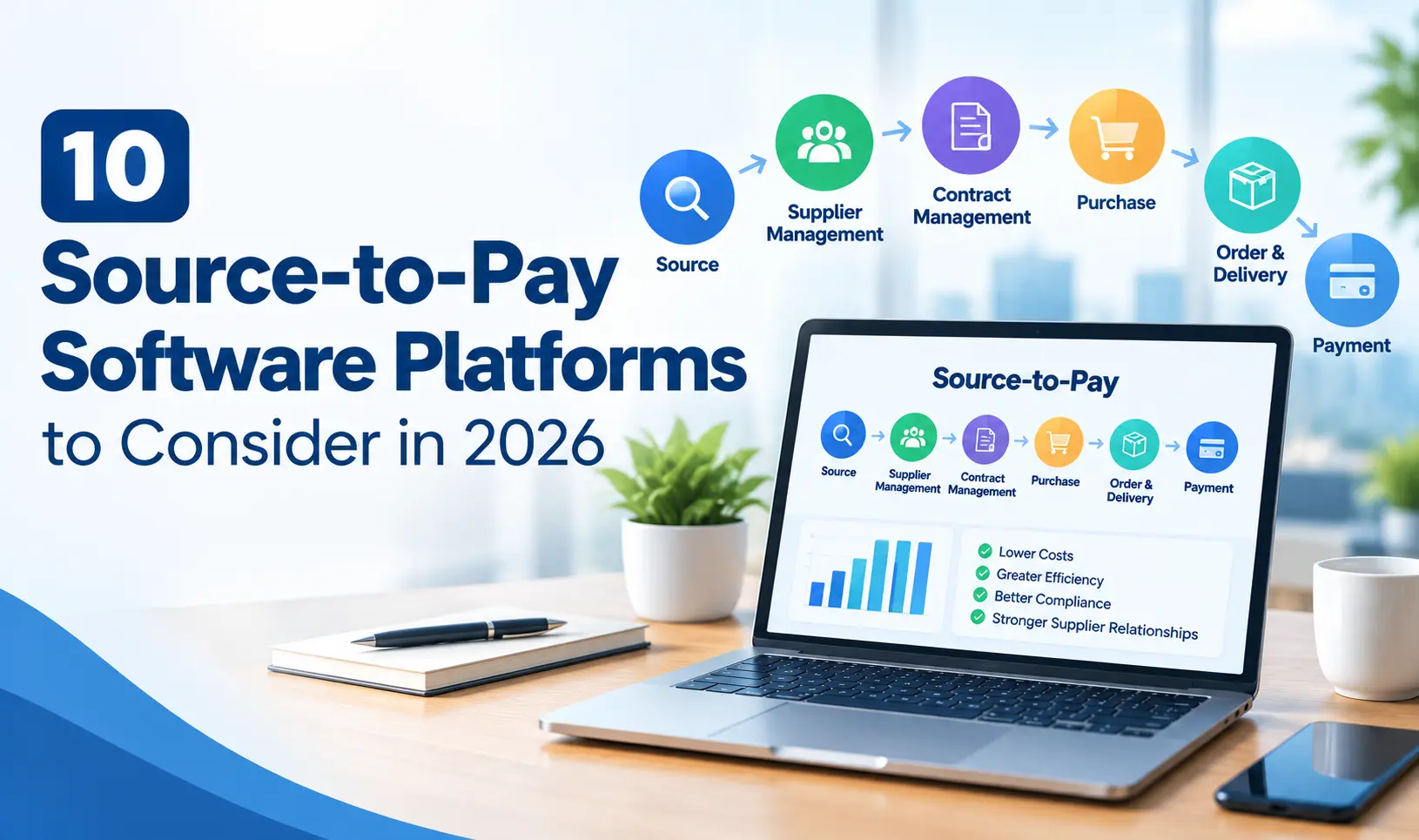
The exact source to pay process varies by organization, procurement category, and software platform. A typical lifecycle can include:
A business unit identifies a need for a product, service, material, or other external purchase.
At this point, procurement can determine whether an existing supplier can meet the requirement or whether a new sourcing exercise is necessary.
If new sourcing is required, procurement researches potential suppliers.
The objective is not simply to find a supplier. It is to identify suppliers that can meet the organization's commercial, operational, quality, and compliance requirements.
Procurement may use:
Suppliers can submit pricing, technical information, delivery information, commercial terms, and other required details.
Supplier proposals are evaluated against predefined criteria.
A structured evaluation helps procurement consider overall supplier value instead of comparing suppliers only on price.
The organization may negotiate:
This is one of the clearest points where S2P extends beyond the core Procure-to-Pay workflow.
Once commercial terms are agreed, the supplier relationship can be formalized through the appropriate contract.
The contract establishes the commercial and operational conditions that can influence future purchasing transactions.
Supplier onboarding may include:
At this point, procurement moves from finding and selecting a supplier toward being able to transact with that supplier.
The organization can now raise purchasing requirements against the approved supplier relationship.
This is where the downstream Procure-to-Pay process becomes central.
The organization records what was actually delivered.
For physical goods, this may involve a Goods Receipt Note (GRN).
The supplier submits an invoice, which is captured and checked against relevant purchasing and receiving information.
Matching can identify quantity differences, price discrepancies, duplicate invoices, missing receipts, and other exceptions.
After the required checks and approvals are complete, payment is processed according to the agreed supplier terms.
This completes the broader source-to-pay lifecycle.
Procure-to-Pay (P2P) is the purchasing process that manages a requirement from purchase request and approval through purchase order, receipt, invoice processing, and payment.
If someone searches for procure to pay meaning, the simplest definition is:
The P2P cycle focuses on executing purchases in a controlled, traceable, and efficient way.
A typical workflow is:
The exact starting point can vary. Some organizations include requirement identification in P2P, while others consider the formal process to begin when a purchase requisition is created.
A typical procure to pay business process covers the operational steps required to turn an approved purchasing requirement into a completed supplier payment.
An employee or department identifies a requirement and submits a purchase request or purchase requisition.
The request moves through the appropriate approval workflow.
Automated approval routing can reduce delays caused by manual or email-based approvals.
After approval, the purchasing requirement can be converted into a purchase order.
The PO communicates what the organization intends to purchase and provides the supplier with the relevant order information.
The organization confirms that the ordered goods or services have been received.
For physical products, this may involve recording a Goods Receipt Note (GRN).
The supplier submits an invoice.
The invoice is captured and checked against the relevant purchasing information.
The organization compares invoice information with purchase order and receipt records.
Depending on the organization's controls, this may involve two-way or three-way matching.
After the required checks and approvals are completed, the invoice moves through the payment workflow.
This completes the Procure-to-Pay cycle.
For a detailed breakdown of every P2P step, see our Procure-to-Pay Process guide rather than duplicating that entire topic here.
Now that both processes are defined, the distinction becomes easier to see.
| Dimension | Source-to-Pay | Procure-to-Pay |
|---|---|---|
| Starting point | Requirement, sourcing need, or supplier discovery | Purchase request/requisition |
| Ending point | Supplier payment | Supplier payment |
| Scope | Broader procurement lifecycle | Purchasing transaction lifecycle |
| Supplier discovery | Included | Usually outside core P2P |
| Market research | Included | Usually outside core P2P |
| Strategic sourcing | Included | Usually outside core P2P |
| RFP/RFQ | Included | Usually outside core P2P |
| Supplier evaluation | Included | Usually outside core P2P |
| Negotiation | Included | Usually outside core P2P |
| Contracting | Commonly included | Usually outside core P2P |
| Supplier onboarding | Commonly included | May be connected |
| Purchase requisition | Included | Included |
| Approval | Included | Included |
| Purchase order | Included | Included |
| Receiving | Included | Included |
| Invoice processing | Included | Included |
| Invoice matching | Included | Included |
| Payment | Included | Included |
| Primary focus | Strategic sourcing + purchasing execution | Purchasing execution + financial control |
The two processes share the purchasing-to-payment portion.
The major difference is what happens before that transaction begins.
That is the central distinction behind the Source-to-Pay vs Procure-to-Pay comparison.

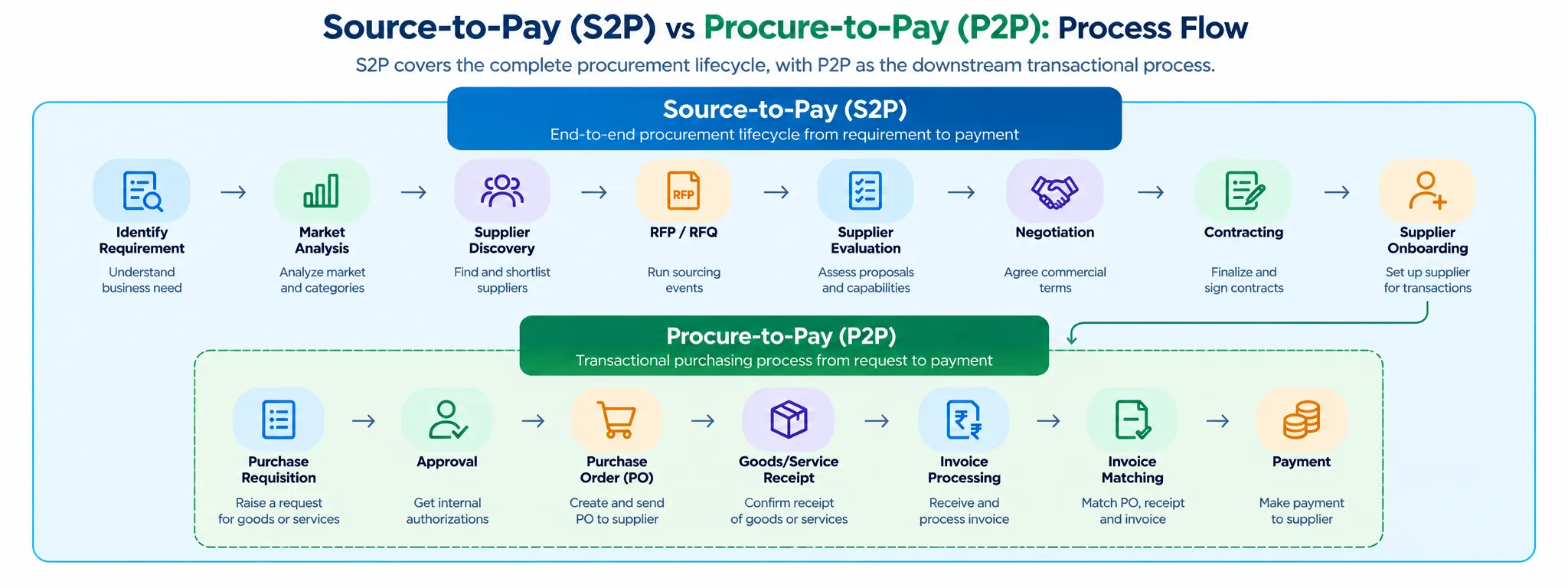
A process flow makes the relationship easier to understand.
The P2P workflow represents the downstream purchasing and payment portion of a broader S2P lifecycle.
That is why a company can improve P2P without implementing every S2P capability immediately.
Conversely, a broader S2P transformation can connect sourcing decisions with the purchasing and payment workflows that follow.
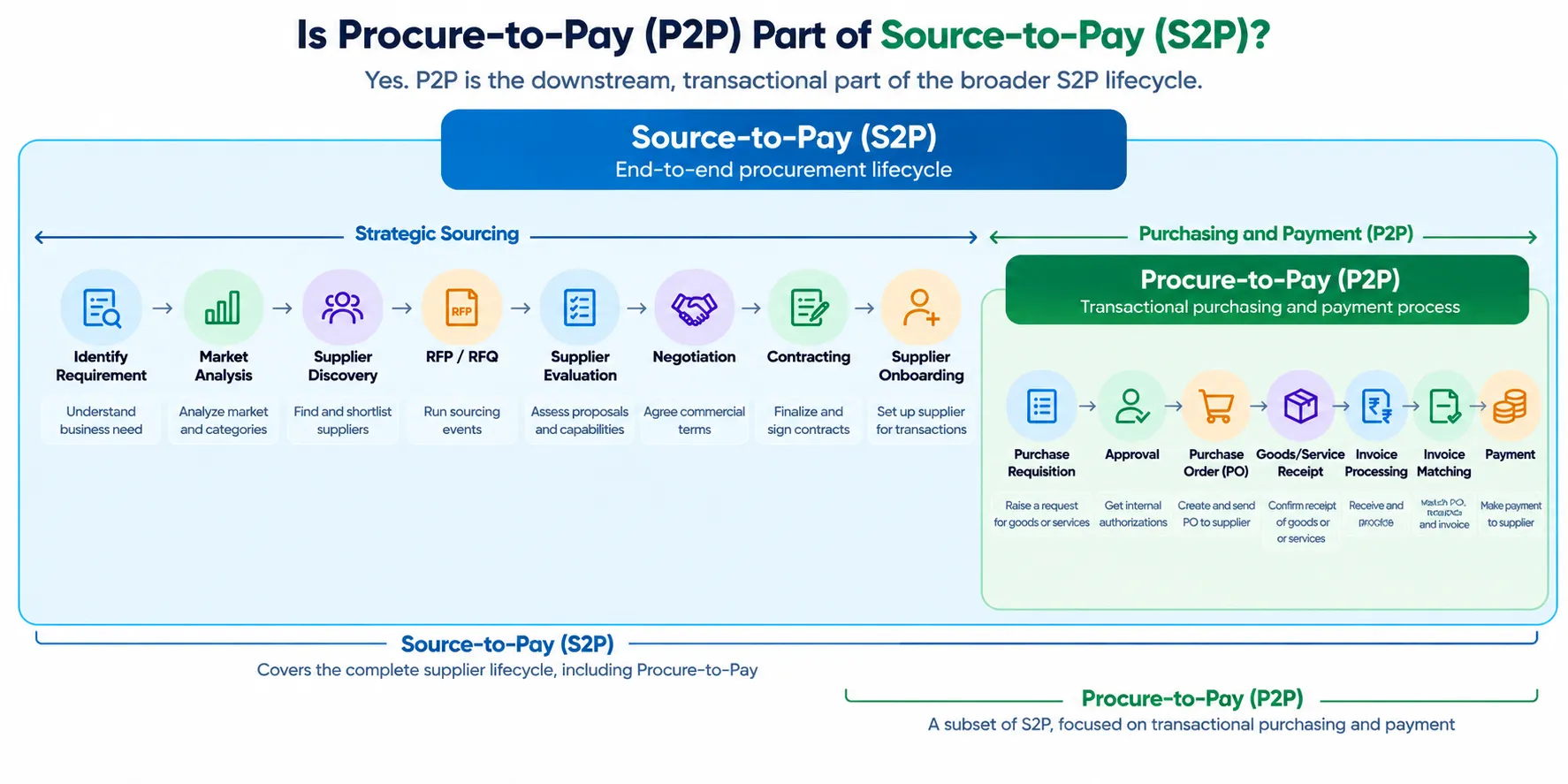
Generally, yes. Procure-to-Pay can be viewed as the downstream transactional component of a broader Source-to-Pay lifecycle.

A simplified relationship is:
However, procurement terminology is not completely standardized. Organizations and software vendors can define process boundaries differently.
Therefore, when comparing procurement platforms, evaluate the actual workflow capabilities, not only whether a vendor calls its platform S2P or P2P.
In a full procurement lifecycle, Source-to-Pay generally starts before Procure-to-Pay because supplier discovery, sourcing, evaluation, negotiation, and contracting can happen before a purchasing transaction.
A simplified sequence is:
Therefore:
This also explains another common procurement question.
A purchase requisition (PR) normally comes before a purchase order (PO) in a standard P2P workflow.
The PR is an internal request to purchase.
The PO is created after the relevant approval and purchasing controls have been completed and is then issued to the supplier.
There is no universal winner.
Which part of the procurement lifecycle is creating the biggest problem for your organization?
Source-to-Pay may be the better priority when you need to improve:
Procure-to-Pay may be the better priority when you need to improve:
Many organizations eventually need both.
The decision is therefore not simply S2P versus P2P. It is about identifying where procurement is losing the most time, control, money, visibility, or compliance.
| Your main challenge | More relevant priority |
|---|---|
| Finding new suppliers | S2P |
| Comparing suppliers | S2P |
| Running RFPs | S2P |
| Running RFQs | S2P |
| Supplier qualification | S2P |
| Supplier evaluation | S2P |
| Supplier onboarding | S2P |
| Negotiating better terms | S2P |
| Contract management | S2P |
| Strategic sourcing | S2P |
| Purchase requests | P2P |
| Approval delays | P2P |
| Purchase order management | P2P |
| Goods receipt | P2P |
| Invoice processing | P2P |
| Invoice matching | P2P |
| Payment workflow | P2P |
| End-to-end procurement visibility | S2P |
| Sourcing + purchasing integration | S2P |
If the problem begins before you know which supplier you should use, think broader than P2P and consider S2P capabilities.
If the supplier is already established and the problem begins with executing the purchase, P2P may be the more immediate priority.
If both problems exist, connecting S2P and P2P can provide greater value than optimizing either workflow in isolation.
The distinction also matters when evaluating procurement software.
Procure-to-Pay software typically focuses on purchasing execution.
Depending on the platform, it may include:
A broader Source-to-Pay software platform may connect those capabilities with:
If you are specifically researching procure to pay software, evaluate whether the platform solves the transactional problem you actually have.
If you are comparing source to pay software, look beyond P2P and check whether sourcing, suppliers, contracts, purchasing, invoices, and payment can work together.
For a broader platform comparison, see our Source-to-Pay Software Platforms guide.
Two vendors can use the same terminology while offering very different functionality.
Instead of asking:
ask:
A platform marketed as S2P may have strong sourcing capabilities but limited downstream automation.
Another platform may have excellent P2P capabilities but limited sourcing or supplier lifecycle functionality.
The actual workflow coverage matters more than the label.
Once you understand the difference between S2P and P2P, software evaluation becomes easier.
If sourcing is important, check for:
Check whether supplier information, onboarding, compliance, risk, and performance can be managed centrally.
Employees should be able to submit purchasing requirements without relying heavily on email or spreadsheets.
Check whether approvals can be routed based on:
Approved requests should move into structured PO workflows with appropriate controls.
The system should support recording goods or services received and connecting that information to the purchasing transaction.
Check how invoices are captured, validated, routed, and tracked.
Understand whether the platform supports the matching workflow required by your organization, including PO, receipt, and invoice matching where applicable.
A broader procurement platform should help teams understand spending by:
Check whether the platform integrates with the ERP, accounting, finance, and other systems already used by your organization.
Do not select procurement software simply because it is described as “AI-powered.” Ask what the automation actually does.
Also evaluate:
The best procurement software is not necessarily the platform with the longest feature list.
It is the platform that fits the organization's actual procurement workflows.
The biggest advantage of connecting S2P and P2P is continuity.
Instead of managing sourcing, supplier management, purchasing, invoicing, and finance in disconnected systems, organizations can connect the information created at each stage.
For example:
This creates a connected procurement lifecycle rather than a collection of isolated tools.
Consider a manufacturing company that needs a new raw material.
The company identifies the requirement and determines that its existing suppliers may not provide the required combination of price, quality, and capacity.

Procurement researches the market and identifies potential suppliers.
The company sends an RFQ, receives supplier quotations, evaluates proposals, negotiates pricing and delivery terms, and selects an approved supplier.
These activities belong to the broader Source-to-Pay lifecycle.
The purchasing team then raises a purchase request.
After approval, a purchase order is issued.
The supplier delivers the material.
The organization records the GRN.
The supplier submits an invoice.
The invoice is matched against the PO and receipt.
The approved invoice moves to payment.
Those activities represent the Procure-to-Pay portion of the lifecycle.
The relationship is therefore straightforward:
Another procurement term that often appears alongside S2P and P2P is Source-to-Contract (S2C).
| Process | Main scope |
|---|---|
| Source-to-Contract (S2C) | Sourcing through supplier selection and contract |
| Procure-to-Pay (P2P) | Purchasing through invoice and payment |
| Source-to-Pay (S2P) | Broader lifecycle connecting sourcing through purchasing and payment |
In simplified form:
can represent two major portions of a broader:
This distinction is useful when evaluating procurement platforms because a system may cover only sourcing and contracting, only P2P, or the connected lifecycle.
They overlap, but S2P generally covers broader upstream sourcing and supplier-related activities.
Suppliers are directly involved in P2P transactions. The distinction is that supplier discovery, strategic evaluation, sourcing, and contracting are generally associated with the upstream S2P side.
If an organization already has an effective sourcing process but struggles with purchase approvals or invoice processing, P2P automation may provide more immediate value.
P2P software can improve purchasing execution without necessarily providing strategic sourcing, supplier evaluation, negotiation, or contract capabilities.
A connected procurement platform can combine multiple stages of the lifecycle in one environment.
There is no universal starting point.
A useful way to prioritize is to identify the workflow creating the greatest combination of:
The goal is to solve the highest-value bottleneck first and then connect adjacent workflows as procurement requirements become more mature.
Organizations looking to connect sourcing, supplier management, purchasing, and downstream finance workflows can evaluate platforms that support multiple procurement activities in one environment.
ZYNO Procurement brings together capabilities including:
The value of this approach is not simply having multiple modules.
The objective is to connect procurement activities so information can move through the purchasing lifecycle without unnecessary manual handoffs.
For example:
This allows organizations to evaluate whether a connected procurement platform is more appropriate than managing sourcing, supplier management, purchasing, and finance through disconnected tools.
Before comparing vendors, map your current procurement lifecycle.
The answers will show whether the organization needs a focused P2P solution, broader S2P capabilities, or an integrated platform covering both.
Start with the workflow creating the greatest combination of manual effort, delays, financial impact, compliance risk, and poor visibility. That could be sourcing, supplier onboarding, purchasing approvals, invoice processing, or another procurement bottleneck.
S2P software can connect sourcing, supplier management, contracting, purchasing, invoicing, payment, and spend visibility. P2P software generally focuses on purchasing transactions such as requisitions, approvals, purchase orders, receiving, invoice processing, matching, and payment.
Source-to-Pay is generally more comprehensive because it can extend upstream into sourcing, supplier evaluation, negotiation, and contracting before purchasing begins.
Supplier selection is generally associated with the sourcing stage and is therefore more commonly positioned within the broader S2P lifecycle. However, the exact boundary can vary by organization and procurement software platform.
Yes. RFP and RFQ activities generally belong to the sourcing portion of the Source-to-Pay lifecycle.
P2P stands for Procure-to-Pay.
S2P stands for Source-to-Pay.
The procure to pay cycle is the sequence of activities that takes a purchasing requirement from request and approval through purchase order, receipt, invoice processing, matching, and supplier payment.
The procure to pay process generally includes purchase request, approval, purchase order, goods or service receipt, invoice processing, invoice matching, and payment.
Procure-to-Pay is the purchasing process that manages a requirement from purchase request and approval through purchase order, receipt, invoice processing, matching, and payment.
In a full procurement lifecycle, S2P generally starts earlier because it can include supplier discovery, sourcing, evaluation, negotiation, and contracting before the purchasing workflow begins.
Generally, yes. P2P can be viewed as the downstream transactional portion of a broader S2P lifecycle.
No. They overlap, but they generally describe different scopes. S2P extends upstream into sourcing and supplier-related activities, while P2P focuses primarily on purchasing execution and payment.
Source-to-Pay covers a broader procurement lifecycle, including sourcing, supplier evaluation, negotiation, contracting, purchasing, receiving, invoicing, and payment. Procure-to-Pay focuses primarily on the purchasing transaction, from purchase request and approval through purchase order, receipt, invoice processing, and payment.
Source-to-Pay and Procure-to-Pay are not competing versions of the same procurement process.
They represent different scopes within the procurement lifecycle.
Source-to-Pay extends upstream into sourcing, supplier discovery, supplier evaluation, negotiation, and contracting before connecting those decisions to purchasing and payment.
Procure-to-Pay focuses on executing purchases through request, approval, purchase order, receipt, invoice processing, matching, and payment.
The relationship can be remembered simply:
If the procurement problem starts with finding, evaluating, selecting, or managing suppliers, broader S2P capabilities are likely relevant.
If the problem starts with controlling purchase requests, approvals, POs, invoices, or payments, P2P may be the more immediate priority.
When both sides need improvement, connecting S2P and P2P can provide a more complete view of the procurement lifecycle.
If you are evaluating a connected procurement platform, explore ZYNO Procurement to see how sourcing, supplier management, purchasing, receiving, invoicing, payment, and spend workflows can be connected in one environment.
Procurement Software Trends in 2026: What to Expect
Read More →
Why E-Procurement Outperforms Traditional ERP in Modern Procurement
Read More →
Top Procurement Software in India: 12 Best Options for 2026
Read More →
Best Procurement Software Companies in Kuwait (2025)
Read More →
5 Best Procurement Software in Africa for Enterprises & SMEs (2026 Guide)
Read More →
Best Procurement Software in Nigeria 2026 | Top 5 Picks
Read More →
Best Procurement Software Providers in USA (2025): How AI is Transforming the Future
Read More →
10 Best Procurement Software Providers in Thailand for Streamlined Supply Chain Management
Read More →
Top 10 Cloud-Based Procurement Solutions in Portugal for Businesses in 2025
Read More →
Top 10 Procurement Software Providers in Switzerland 2026: Streamlining Sourcing and Supplier Management
Read More →
What Makes ZYNO Procurement Different from Other Oil & Gas Procurement Software
Read More →
The Digital Transformation of Logistics Procurement in the Middle East
Read More →
A Step by Step Guide to Procurement Management Software for Modern Enterprises
Read More →
Sourcing and Procurement: What is the Difference and Why It Matters
Read More →Difference Between Procurement and Supply Chain Management
Read More →
What Is Procurement Software and Why Do Modern Businesses Need It?
Read More →
Best Procurement Management Software to Automate ERP Process
Read More →
Direct vs Indirect Procurement: Key Differences, Examples & Uses (2026)
Read More →
Smart procurement strategies for cost optimization & risk management
Read More →
What Is Procurement? Everything You Need to Know (Types, Process & SAP)
Read More →Beyond Cost-Cutting: How Procurement Drives Margin Expansion in 2026
Read More →
Direct Procurement: Process, Examples, and When to Use It
Read More →
What Are the 5 Types of E-Procurement? A Complete Guide for Businesses
Read More →
Which Procurement Management Software Is Best? Top Tools Compared for 2026
Read More →
Top 8 Coupa Alternatives to Explore in 2026
Read More →
Looking to Replace Coupa? Discover the Best Alternatives Like ZYNO Procurement
Read More →
How Does Procurement Software Work? A Complete Guide
Read More →
ZYNO Procurement vs Coupa: Best Procurement Software Comparison for Mid-Market Teams
Read More →
Best SAP ARIBA Procurement Alternatives in 2026
Read More →
ZYNO Procurement vs SAP Ariba: Which Solution Is More User-Friendly?
Read More →
AI-Powered Procurement Management Software for Fast, Connected, and Visible Workflows in Dubai
Read More →
What is Vendor Management? Complete Guide to Vendor Management Software, Systems, and Processes
Read More →
Best Procurement Management Software In Kenya
Read More →
6 SAP Ariba Alternatives for Mid-Market Businesses in 2026
Read More →
Top E-Procurement Solutions for B2B Organizations (2026)
Read More →
Quotation Format: Free Templates + Complete Guide (2026)
Read More →
Cost Control Software: Features, Benefits & Performance Guide for 2026
Read More →
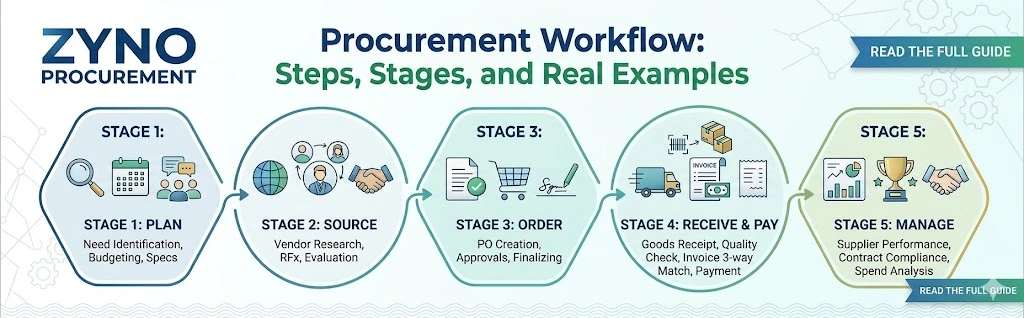
Procurement Workflow: Steps, Stages, and Real Examples
Read More →
Top 10 Zycus Alternatives for Procurement Teams in 2026
Read More →
Best Precoro Alternative for Purchase Requisition and Procurement
Read More →
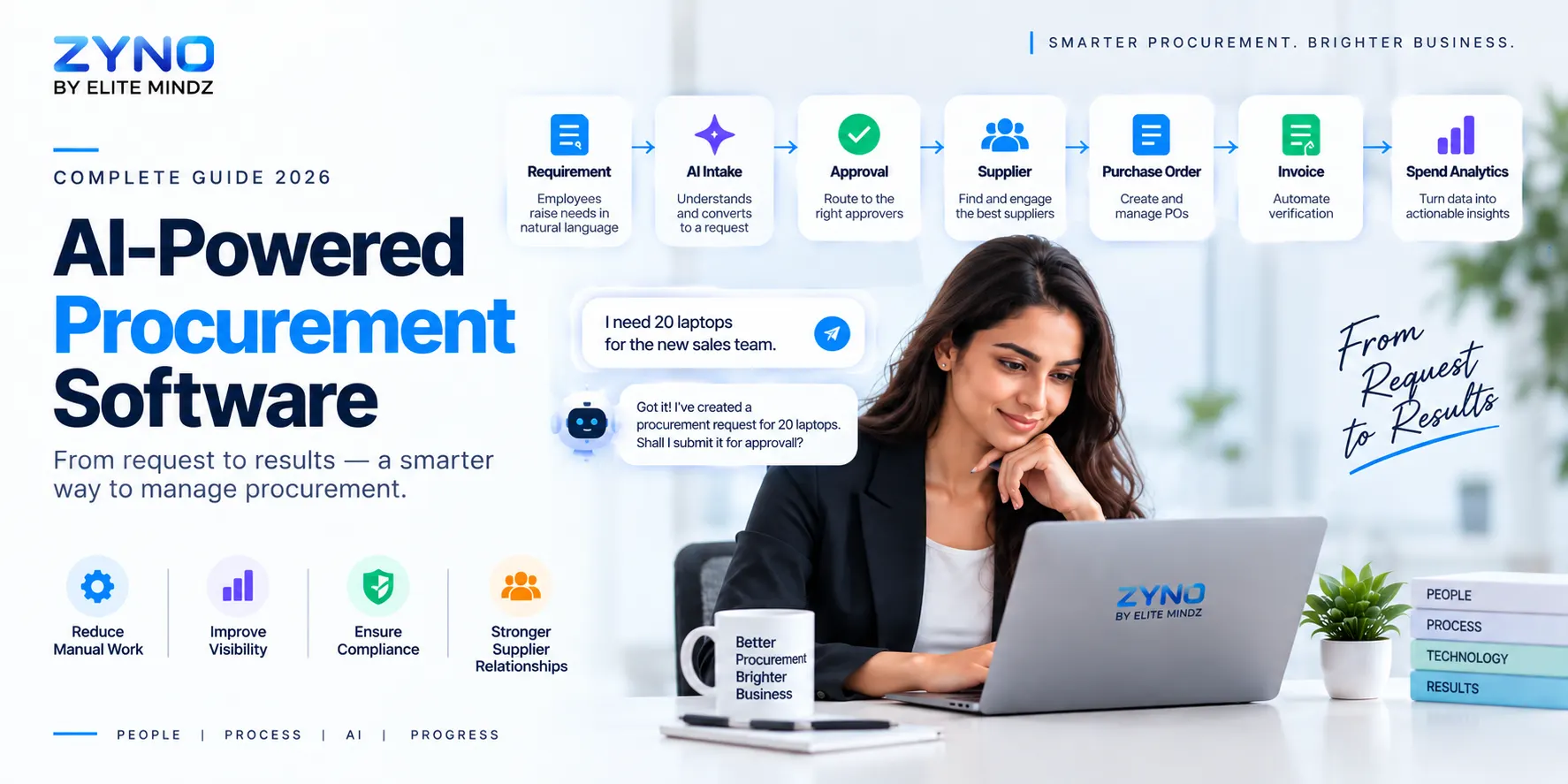
Top AI Procurement Tools in 2026
Read More →
Best Tools for Supplier Risk Management
Read More →
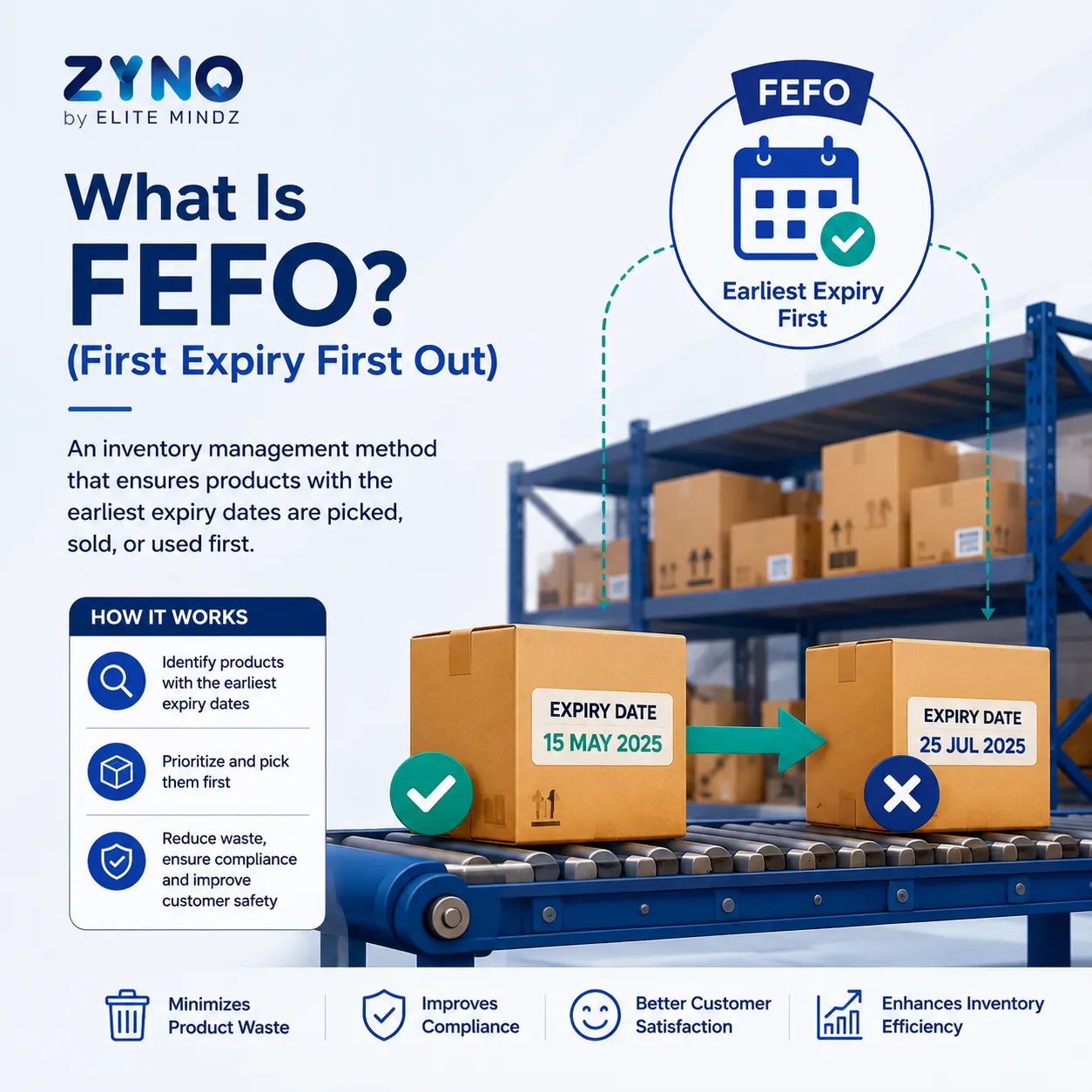
FEFO vs FIFO vs LIFO: Differences, Benefits & Which Inventory Method Is Best?
Read More →
AI Procurement Software: Features, Benefits, Use Cases & How to Choose
Read More →
Best AI Tools for Supply Chain Procurement
Read More →
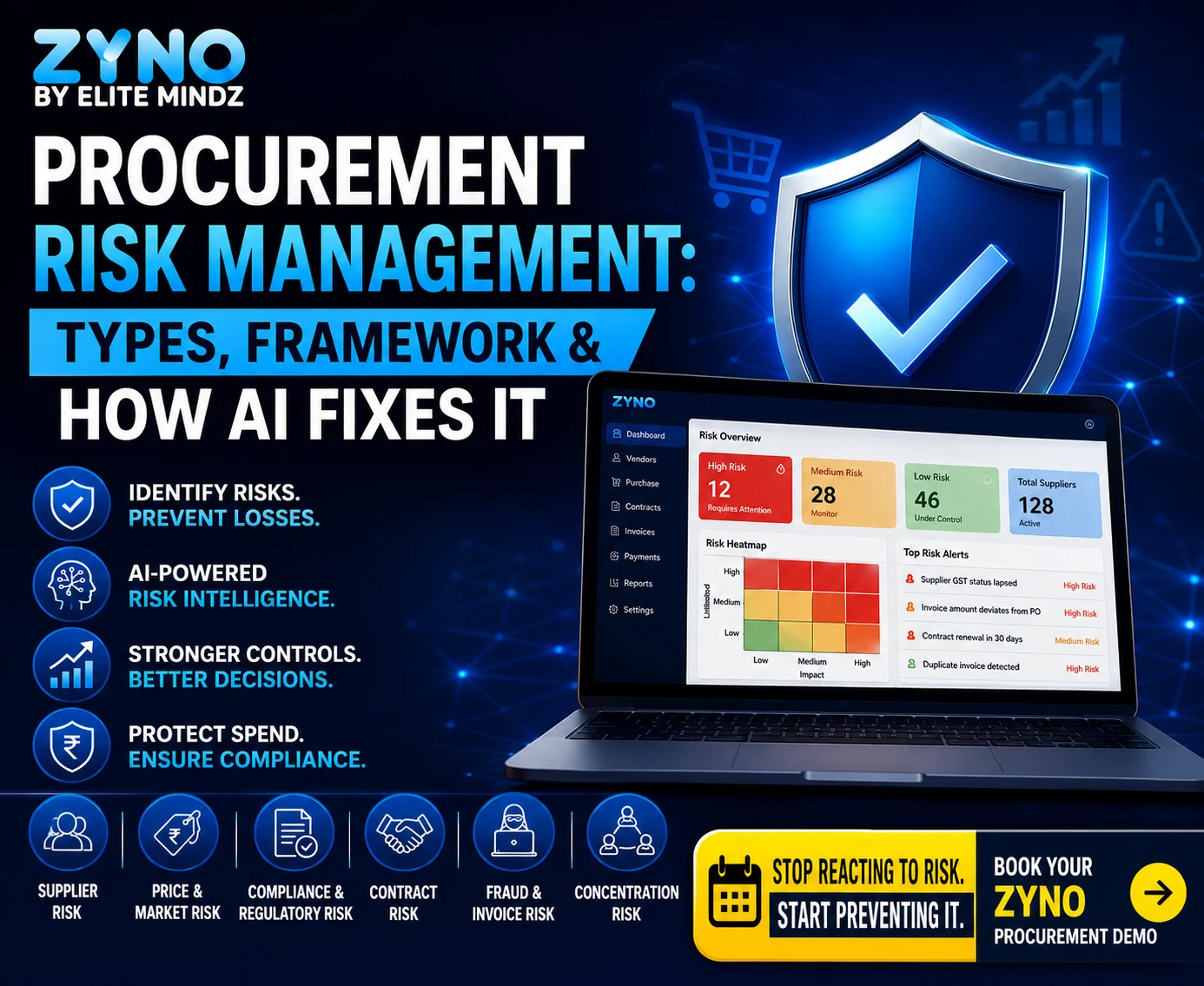
Procurement Risk Management
Read More →
Still Using Excel for Procurement? Read This Before It's Too Late
Read More →
Best RFP Software in 2026: Top Tools Compared for Faster Proposal Responses
Read More →
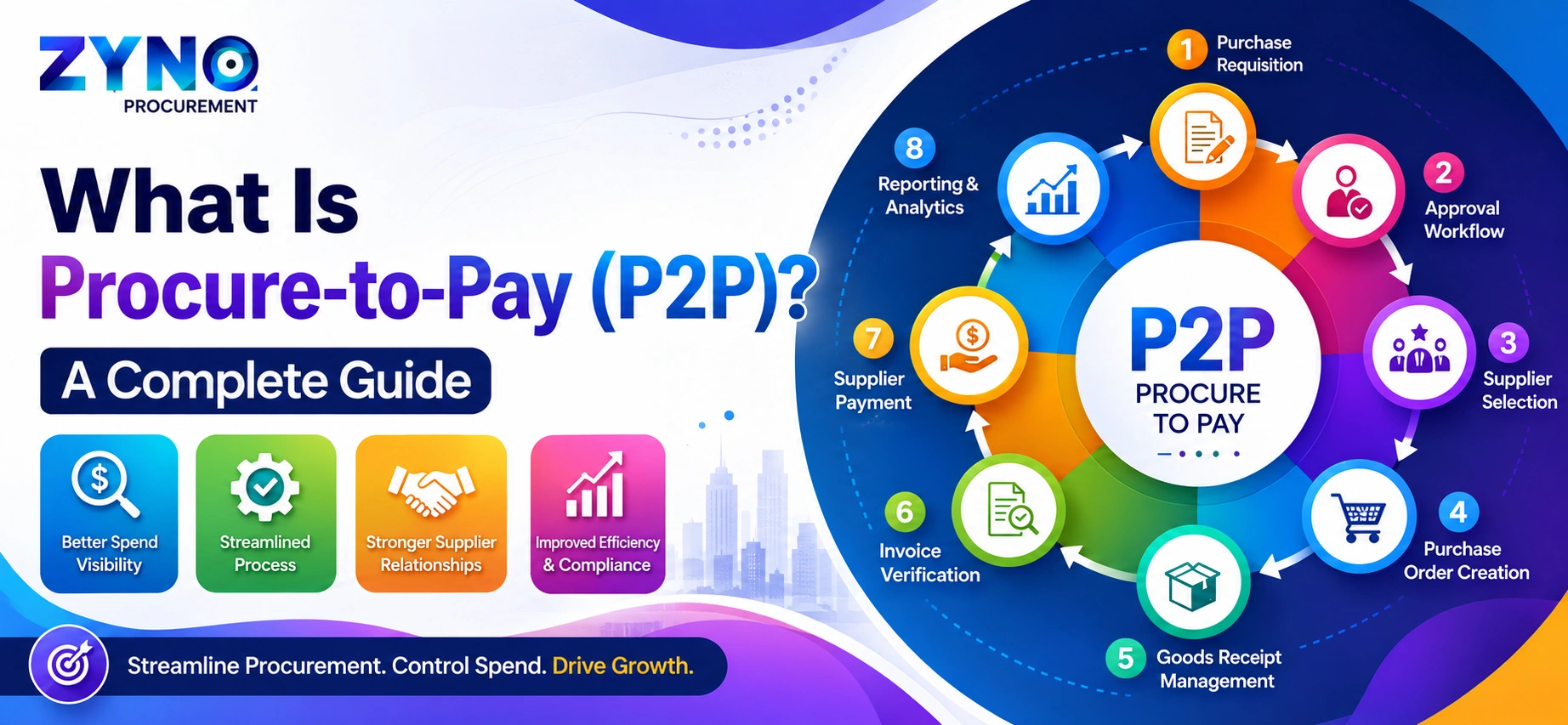
What Is Procure-to-Pay (P2P)? A Complete Guide
Read More →
Complete Procurement Workflow Guide for Modern Businesses
Read More →
Complete Guide to E-Procurement Solutions for B2B Organizations
Read More →
Cost Control Software Comparison Guide: Features, Pricing & Benefits
Read More →
Purchase Order Tracking: How to Manage Every PO Without the Chaos
Read More →
Inventory Management: What It Is, How It Works and Why It Matters
Read More →
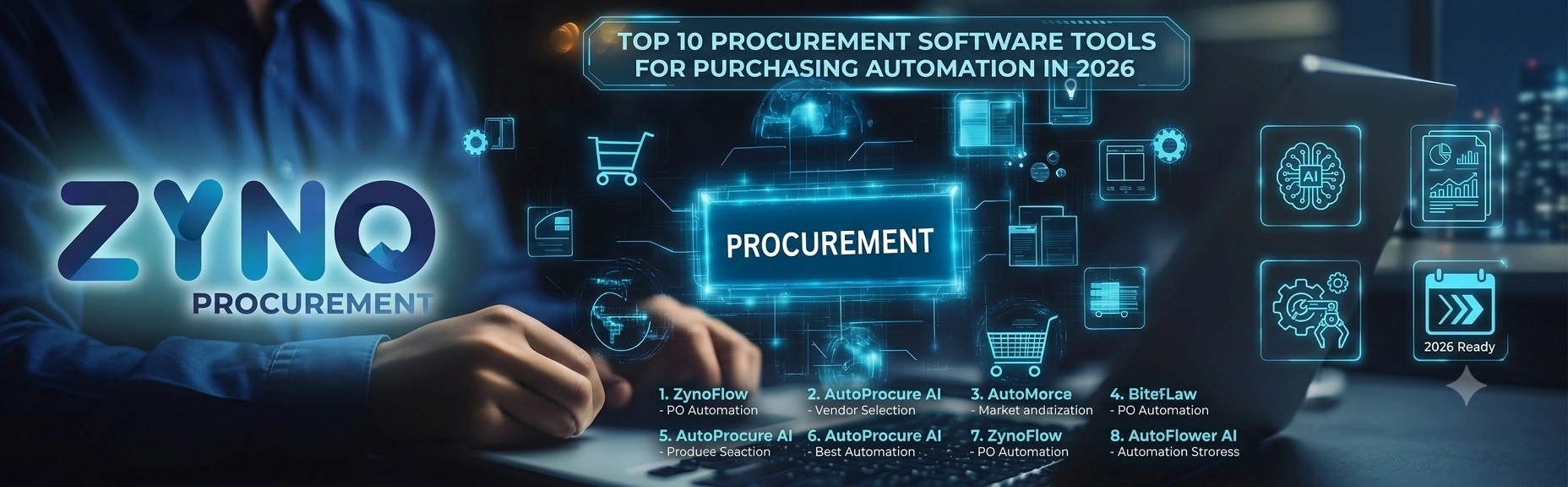
Top 10 Procurement Software Tools for Purchasing Automation in 2026
Read More →
Agentic AI Procurement Platforms and the Future of Strategic Sourcing
Read More →
AI Spend Analytics Software for Procurement Leaders
Read More →
From Prompt to Procurement: How AI Is Transforming Enterprise Purchasing
Read More →
ZYNO Procurement vs IBM Procure-to-Pay Automation
Read More →
ZYNO Procurement vs Infor Nexus: Which Procure-to-Pay Platform Fits Your Team?
Read More →
AI-Powered Procurement Software in 2026: Top 6 Platforms That Actually Deliver ROI
Read More →
Contract Management Software Buyer's Guide: Features, Costs & Top Picks
Read More →
Top 10 Procure to Pay Software Companies in India 2026
Read More →
10 Best Vendor Management Software in India (2026): Features, Benefits & Comparison
Read More →
How Machine Learning and AI Are Transforming Procurement: A Strategic Overview
Read More →
What Is Procurement Software for GP? Features, Benefits and Best Solutions for Businesses
Read More →
What Procurement Software Do Mid-Market Companies Use Instead of SAP Ariba or Coupa?
Read More →
Prompt-Based Procurement Software for Kenyan Businesses
Read More →
Project Management Software: A Complete Guide to Streamline Business Operations and Procurement Processes
Read More →
SAP Ariba vs ZYNO Procurement: Complete Feature Comparison (2026)
Read More →
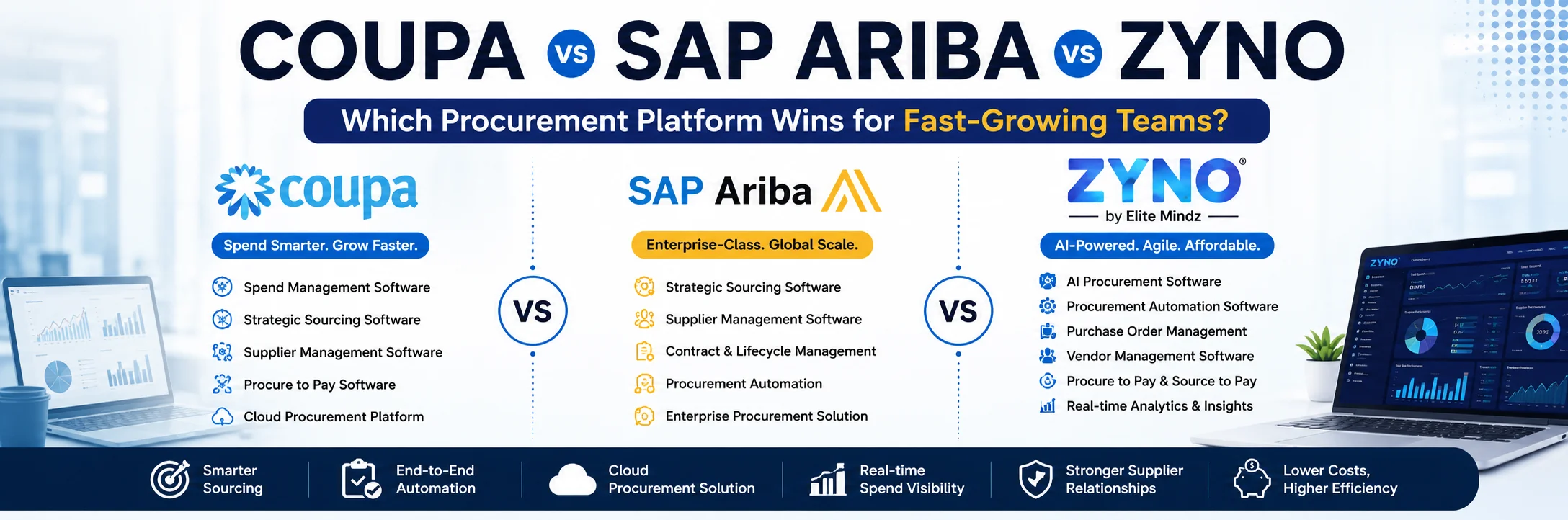
Coupa vs SAP Ariba vs ZYNO: Which Procurement Platform Wins for Fast-Growing Teams?
Read More →
How AI Procurement Software Is Transforming Purchase Requisition and Supplier Management in 2026
Read More →
Purchase Request Management: A Complete Guide for Modern Procurement Teams
Read More →
The Top 3 Best Practices for Effective Purchase Request Management
Read More →
What Is Purchase Order Automation? How to Automate Purchase Order Processing
Read More →
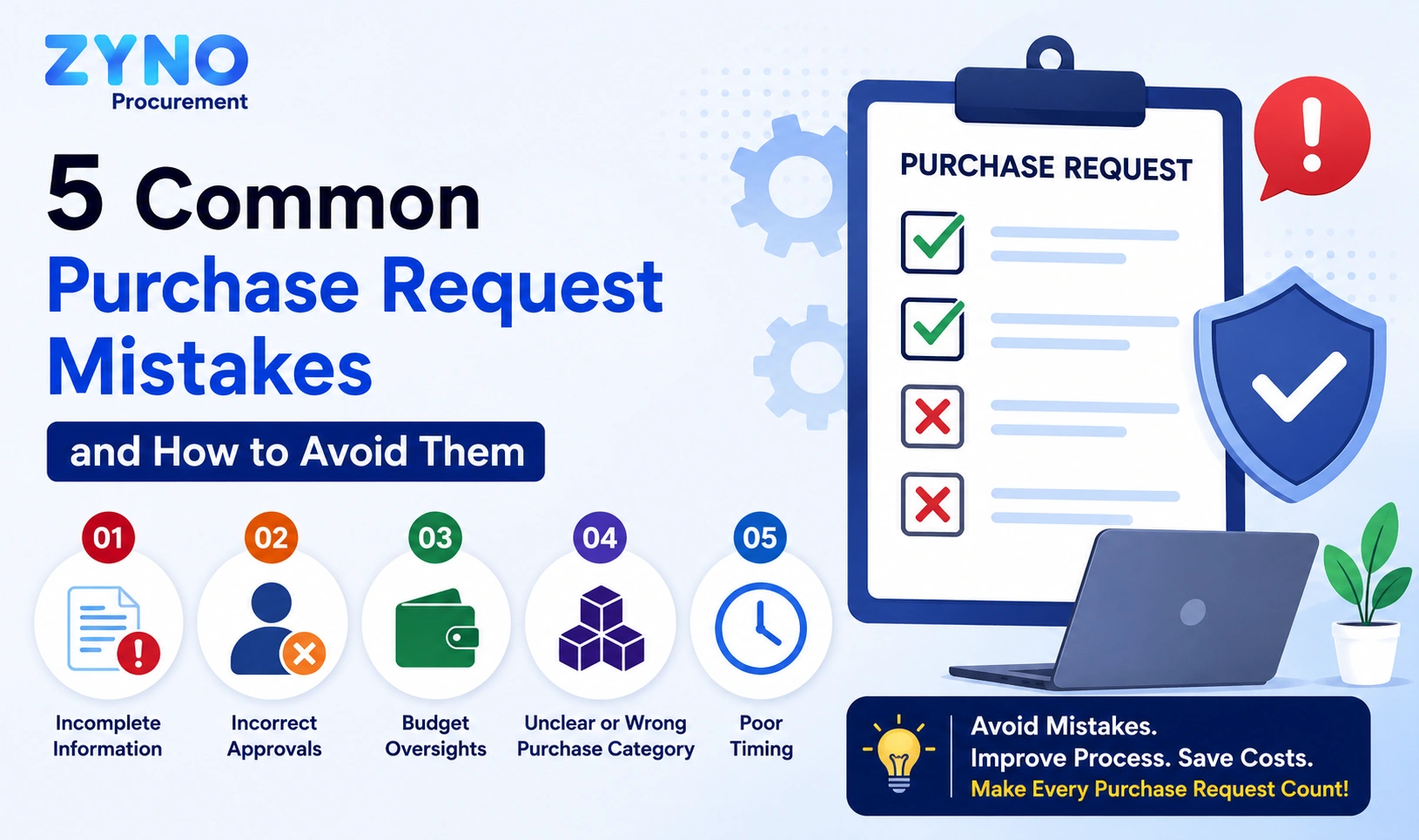
5 Common Purchase Request Mistakes and How to Avoid Them
Read More →
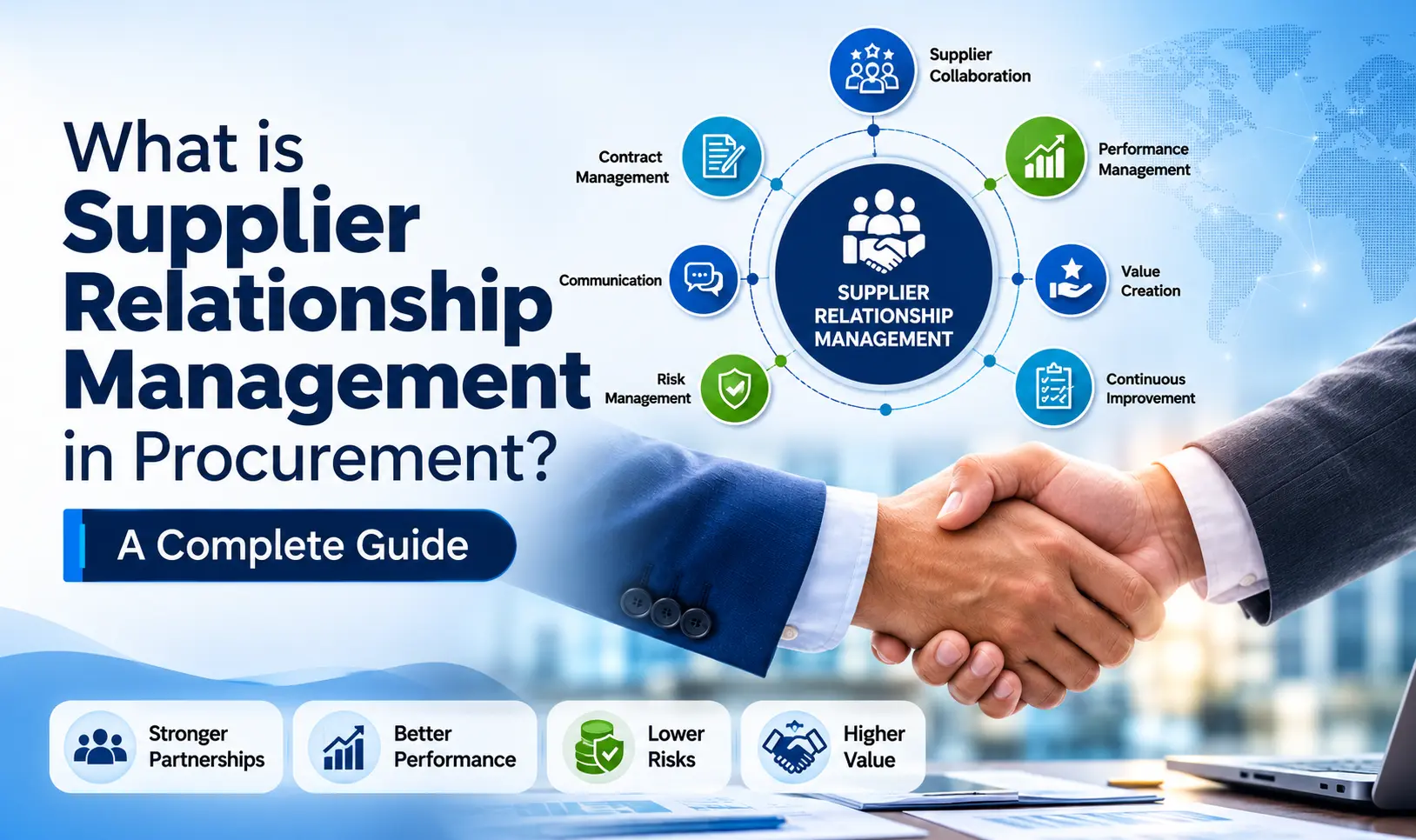
What is Supplier Relationship Management in Procurement? A Complete Guide
Read More →
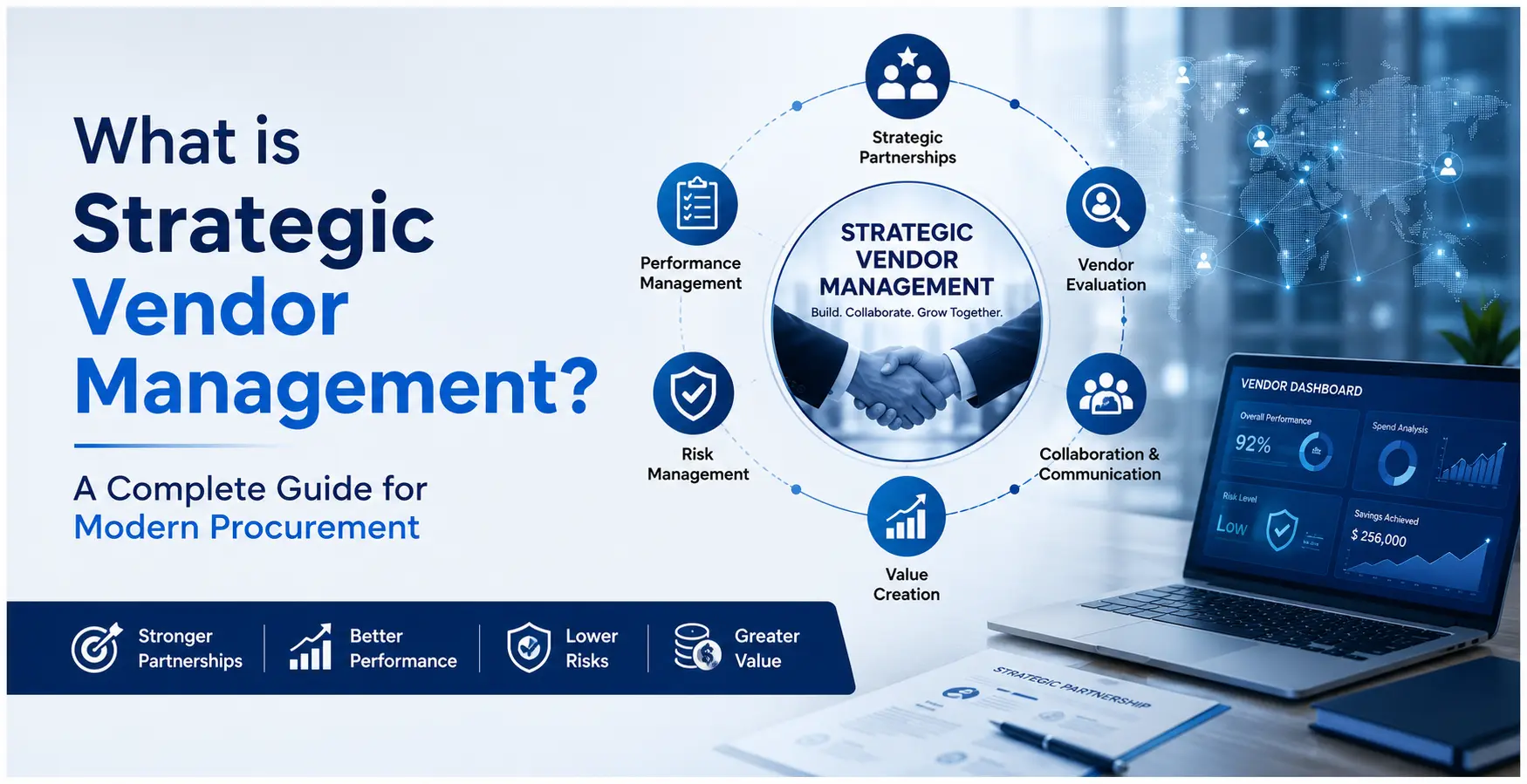
What is Strategic Vendor Management? A Complete Guide for Modern Procurement
Read More →
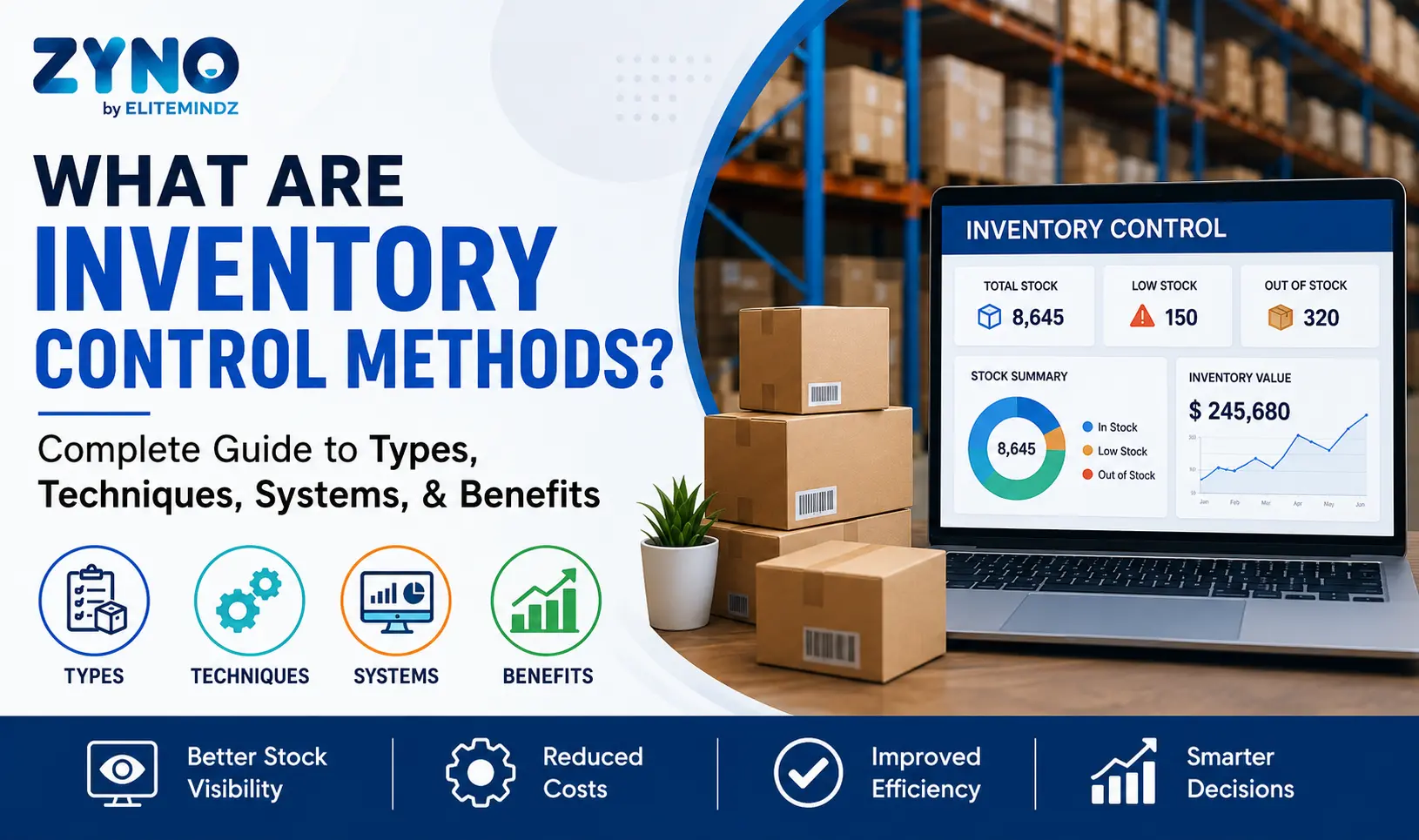
What Are Inventory Control Methods? Complete Guide to Types, Techniques, Systems, & Benefits
Read More →
Inventory Audit Checklist: Steps, Process & Best Practices
Read More →
Warehouse Inventory Management: Best Practices for 2026
Read More →
Treasury Management System (TMS): A Complete Guide for Modern Corporates
Read More →
What is Portfolio Management Services (PMS) and What Are Its Benefits?
Read More →
Generative AI Procurement Software Solution: The Future of Intelligent Procurement
Read More →
Top Contract Management Software Companies in Ethiopia: Features, Benefits & Best Procurement Solutions
Read More →
AI Procurement Software: Complete Guide to Intelligent, Generative AI & Machine Learning Procurement Solutions
Read More →
Top SAP alternatives for small, midsize, and enterprise businesses
Read More →
Best RFP Software in 2026: Top Solutions for Smarter Procurement and Proposal Management
Read More →
GST on Purchase: Complete Guide to GST on Purchases in India
Read More →
Procurement Software UAE: Complete Guide to Choosing the Best Procurement Solution
Read More →
Supply Chain Procurement: Everything You Need to Know
Read More →
Top 10 Oracle Procurement Alternatives for Businesses in 2026
Read More →
Quotation Software vs Excel: Which Is Better for Businesses in 2026?
Read More →
Contract Management Software Buyer's Guide: Features, Pricing & How to Choose
Read More →
How to Identify the Right Vendor: 10 Simple Steps
Read More →
Top 10 Automated PO Generation Tools in 2026: Best Purchase Order Software with AI Capabilities
Read More →
How to Generate a PO Automatically in SAP: Step-by-Step Guide
Read More →
What Is the Best Budget-Friendly Procurement Software With Vendor Onboarding for Indian SMEs?
Read More →
How to Generate a PO Automatically in SAP: Step-by-Step Guide
Read More →
How to Solve Invoice Mismatches: 10 Real Ways to Fix Invoice Discrepancies
Read More →
Top 10 Vendor Onboarding Tools for Businesses in 2026: Features, Process & How to Choose
Read More →
Vendor Comparison & Supplier Intelligence: How AI Helps Businesses Choose the Right Vendor
Read More →
How to Choose the Right Procurement Management Software in 2026 (Complete Buyer's Guide)
Read More →
How to Reduce Procurement Costs: 18 Practical Strategies That Actually Work
Read More →
How to Choose the Right Procurement Management Software in 2026 (Complete Buyer's Guide)
Read More →
How to Calculate Procurement Software ROI: Formula, Example & Calculator
Read More →
Procurement Software Evaluation Checklist: 35 Criteria for Choosing the Right Platform
Read More →
How Businesses Can Improve Vendor Performance and Manage Supplier Risk
Read More →
Procure-to-Pay Process: Steps, Challenges & How to Automate It
Read More →
Purchase Requisition vs Purchase Order: What’s the Difference?
Read More →
10 Source-to-Pay Software Platforms to Consider in 2026
Read More →
Supplier Management Software Buying Guide: How to Choose the Right Platform
Read More →
Procurement Automation Guide: How It Works, What to Automate & How to Implement It
Read More →
Procurement Software Features: 12 Must-Have Capabilities to Look For
Read More →
Best E-Procurement Software in 2026: Top Electronic Procurement Systems for Modern Businesses
Read More →
AI in Vendor Management: Complete Guide to Automated Supplier Scoring and Supply Chain Risk Analysis
Read More →
Procurement Software vs ERP: What's the Difference and Which Do You Need?
Read More →
How to Reduce P2P Cycle Time: 9 Practical Strategies for Procurement Teams
Read More →
Procurement Software for Oil & Gas Companies in UAE and Saudi Arabia
Read More →
10 Vendor Onboarding Best Practices Every Business Should Follow (2026)
Read More →
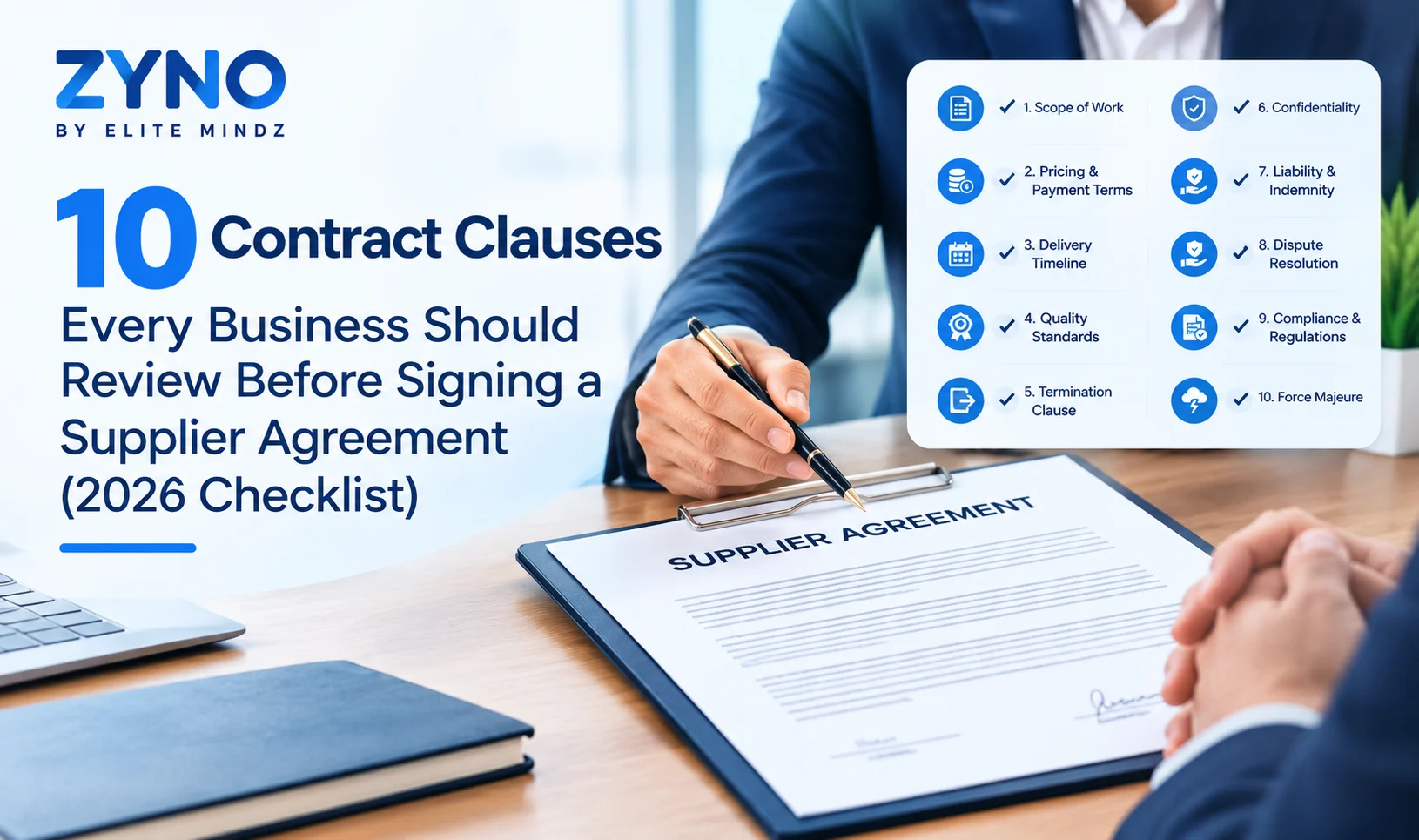
10 Contract Clauses Every Business Should Review Before Signing a Supplier Agreement (2026 Checklist)
Read More →
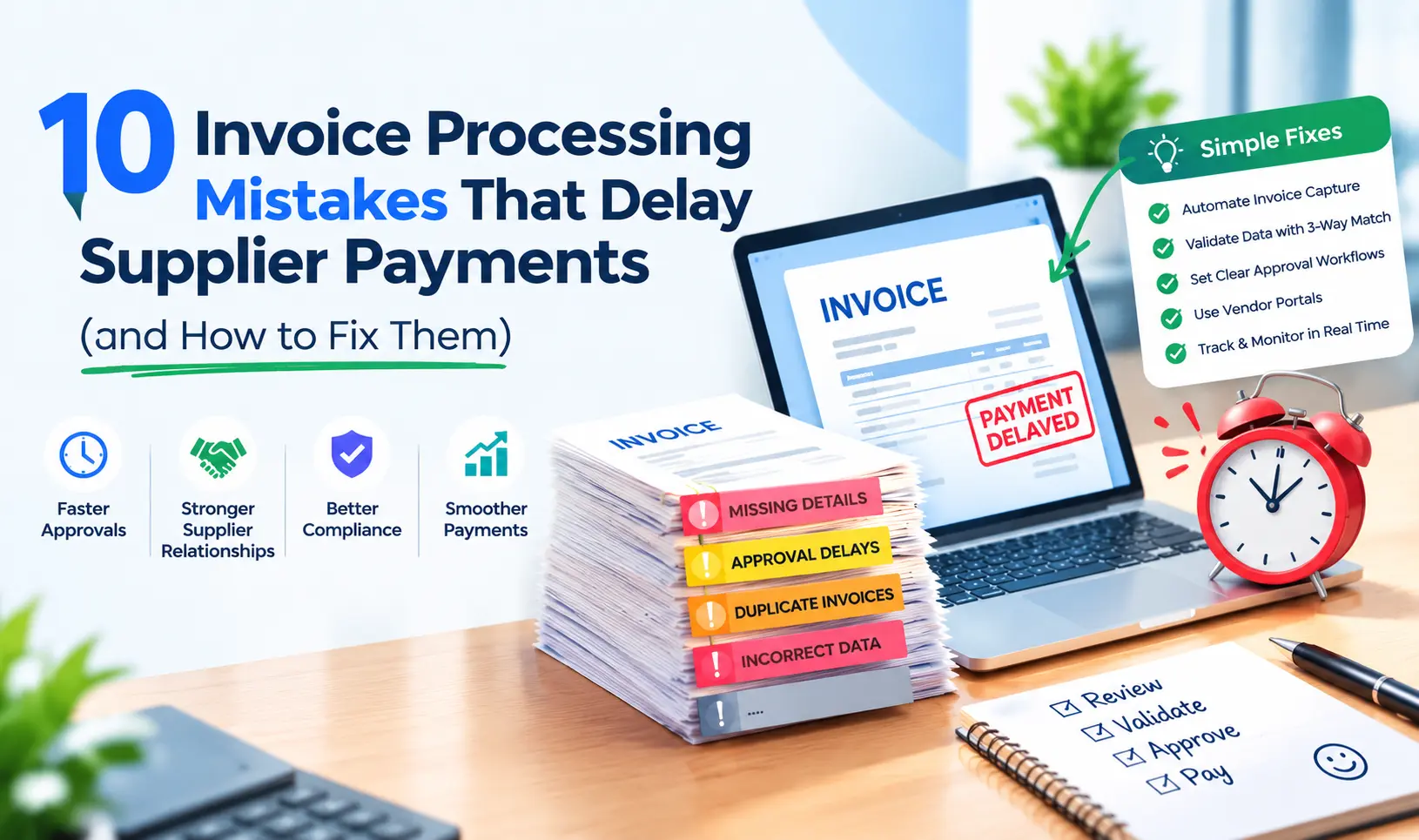
10 Invoice Processing Mistakes That Delay Supplier Payments (and How to Fix Them)
Read More →Source-to-Pay vs Procure-to-Pay: Key Differences, Processes & Software Guide
Read More →
Procurement Challenges: 15 Common Problems & How to Solve Them
Read More →
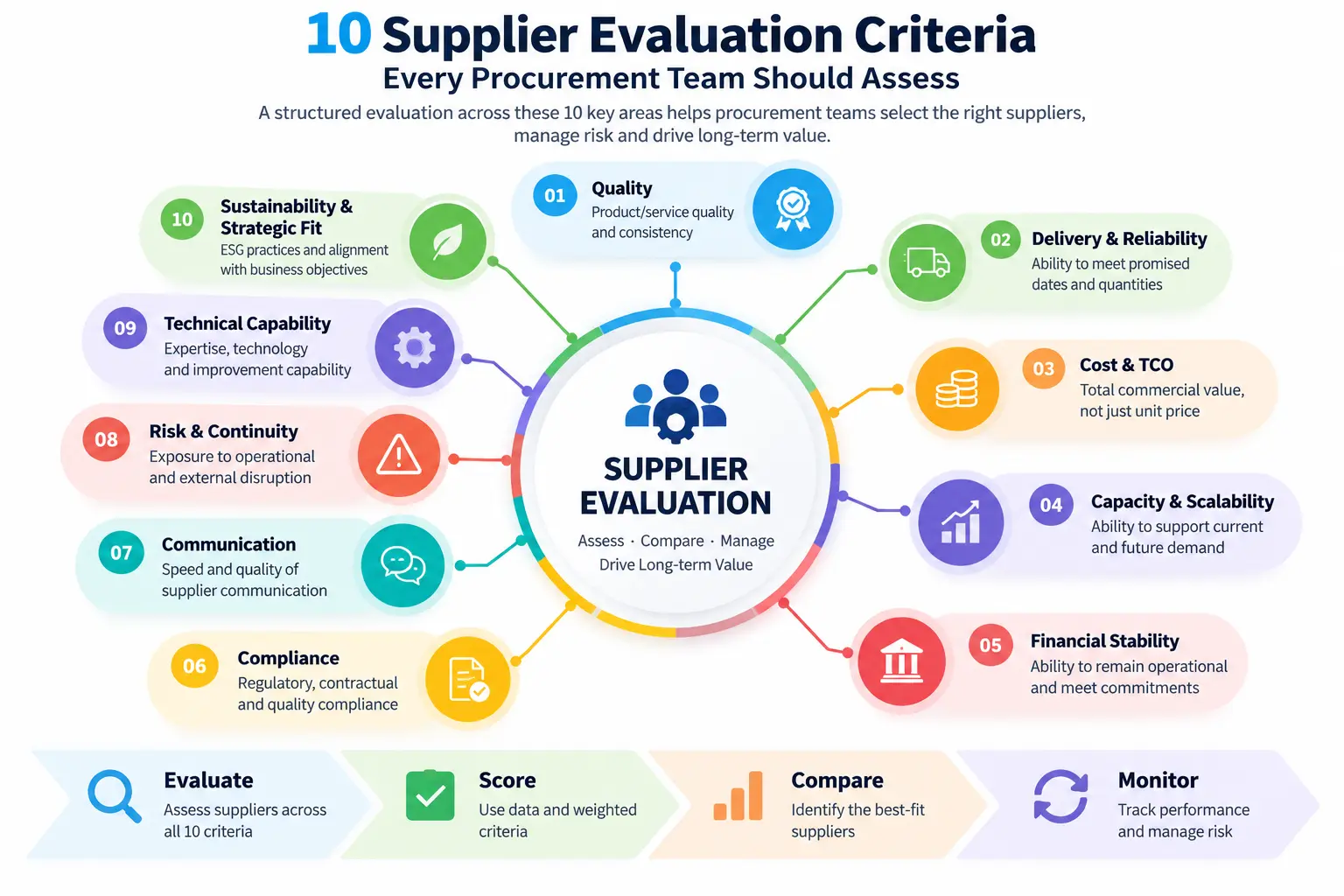
Supplier Evaluation Criteria: 10 Factors Every Procurement Team Should Assess
Read More →
What Is Strategic Sourcing? Process, Benefits & Best Practices
Read More →
Tail Spend Analysis: How to Identify, Measure and Optimize Fragmented Spend
Read More →Partner with ZYNO by Elite Mindz to revolutionize how your business works. Fill out the form, and we’ll reach out with AI-powered solutions made just for you.
We use browser cookies to ensure you get the best experience on our website. Learn more
The form was submitted successfully!