Procurement Software Trends in 2026: What to Expect
Read More →```html ``` ```html ```

×
Choosing the right supplier is about more than finding the lowest price. A supplier may offer competitive pricing but still create problems through inconsistent quality, late deliveries, limited capacity, weak financial stability, poor communication, compliance issues, or supply disruption risk. That is why procurement teams need a structured supplier evaluation process. The right approach combines measurable supplier evaluation criteria, supplier data, weighted scoring, risk assessment, and ongoing performance monitoring. Modern procurement teams can go further by connecting evaluation to actual purchasing, delivery, quality, invoice, and supplier-performance data rather than relying only on questionnaires or spreadsheets.
Businesses using ZYNO Books cut accounting time by 70% and stay 100% ZATCA-compliant — automatically.
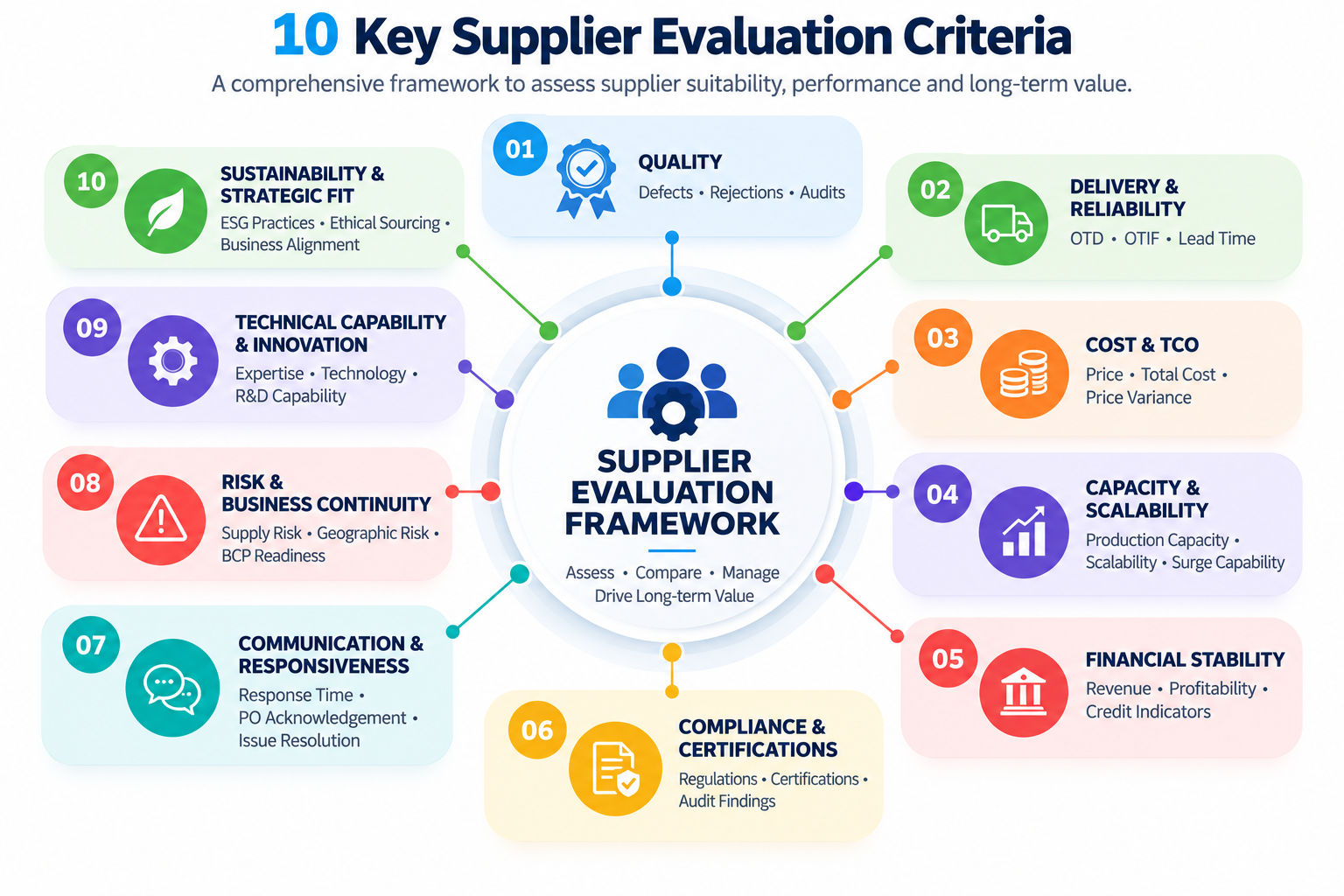
| Supplier evaluation criterion | What procurement should assess | Example KPIs or evidence |
|---|---|---|
| Quality | Product/service quality and consistency | Defect rate, rejection rate, quality audits |
| Delivery & reliability | Ability to meet promised dates and quantities | On-time delivery, OTIF, lead-time variance |
| Cost & TCO | Total commercial value, not just unit price | Price variance, freight, maintenance, failure costs |
| Capacity & scalability | Ability to support current and future demand | Capacity utilization, lead time, surge capability |
| Financial stability | Ability to remain operational and meet commitments | Financial statements, credit indicators |
| Compliance & certifications | Regulatory, contractual, and quality compliance | Certifications, audit findings, violations |
| Communication & responsiveness | Speed and quality of supplier communication | Response time, PO acknowledgement |
| Risk & business continuity | Exposure to operational and external disruption | BCP, geographic concentration, single-source risk |
| Technical capability & innovation | Expertise, technology, improvement capability | Technical assessments, R&D, certifications |
| Sustainability & strategic fit | ESG practices and alignment with business objectives | ESG assessments, environmental/social policies |
The exact weighting should depend on the category and business risk. A supplier providing a production-critical component may require much greater emphasis on delivery, capacity, quality, and continuity than a low-risk indirect supplier.
Supplier evaluation is the structured process of assessing a supplier's capability, suitability, risk, and performance against defined procurement requirements.
It can happen before a supplier is selected and after the supplier begins working with the organization.
The purpose is not simply to rank suppliers. A strong supplier evaluation process helps procurement teams answer questions such as:
Modern supplier evaluation combines qualitative information, such as questionnaires and stakeholder feedback, with quantitative information from procurement and operational systems.
SAP's current supplier-evaluation functionality, for example, combines operational and questionnaire-based scores and supports scorecards for comparing suppliers and identifying areas for improvement.
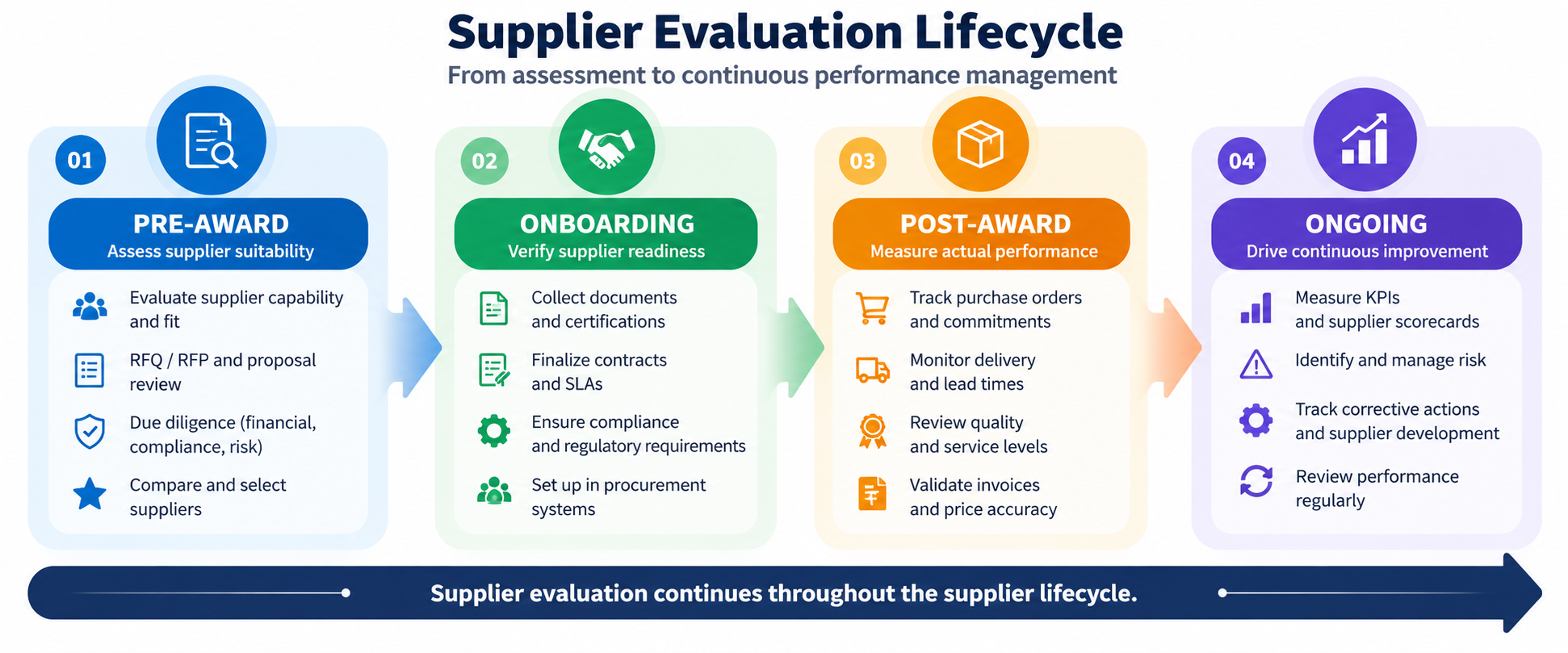
Supplier evaluation is not limited to supplier selection.
| Stage | Main purpose | Typical information |
|---|---|---|
| Pre-award | Determine whether a supplier is suitable | RFQ responses, certifications, financial information, capacity, references |
| Onboarding | Verify supplier readiness | Documents, contracts, compliance, capabilities |
| Post-award | Measure actual supplier performance | POs, delivery records, quality data, invoices, communication |
| Ongoing | Identify trends and manage risk | Scorecards, KPIs, corrective actions, risk assessments |

This distinction matters because a supplier can look strong during selection and still underperform after the contract begins.
Supplier evaluation therefore needs to continue after the supplier is approved.
The two terms are closely related, but they are not identical.
Supplier selection answers: "Who should we choose?"
Supplier evaluation answers: "How suitable is this supplier, and how well is the supplier performing?"
| Supplier selection | Supplier evaluation |
|---|---|
| Primarily supports sourcing decisions | Supports sourcing and ongoing supplier management |
| Compares potential suppliers | Can assess both potential and existing suppliers |
| Often uses RFQ/RFP responses | Uses supplier information plus actual performance data |
| Leads to supplier award | Can lead to approval, development, corrective action, or replacement |
| Usually occurs before contracting | Can continue throughout the supplier relationship |
A structured supplier selection process commonly defines criteria, assigns weights, gathers supplier responses, scores suppliers, conducts due diligence, and then monitors performance after selection.
This is why supplier evaluation should be treated as a continuous procurement activity rather than a one-time checklist.
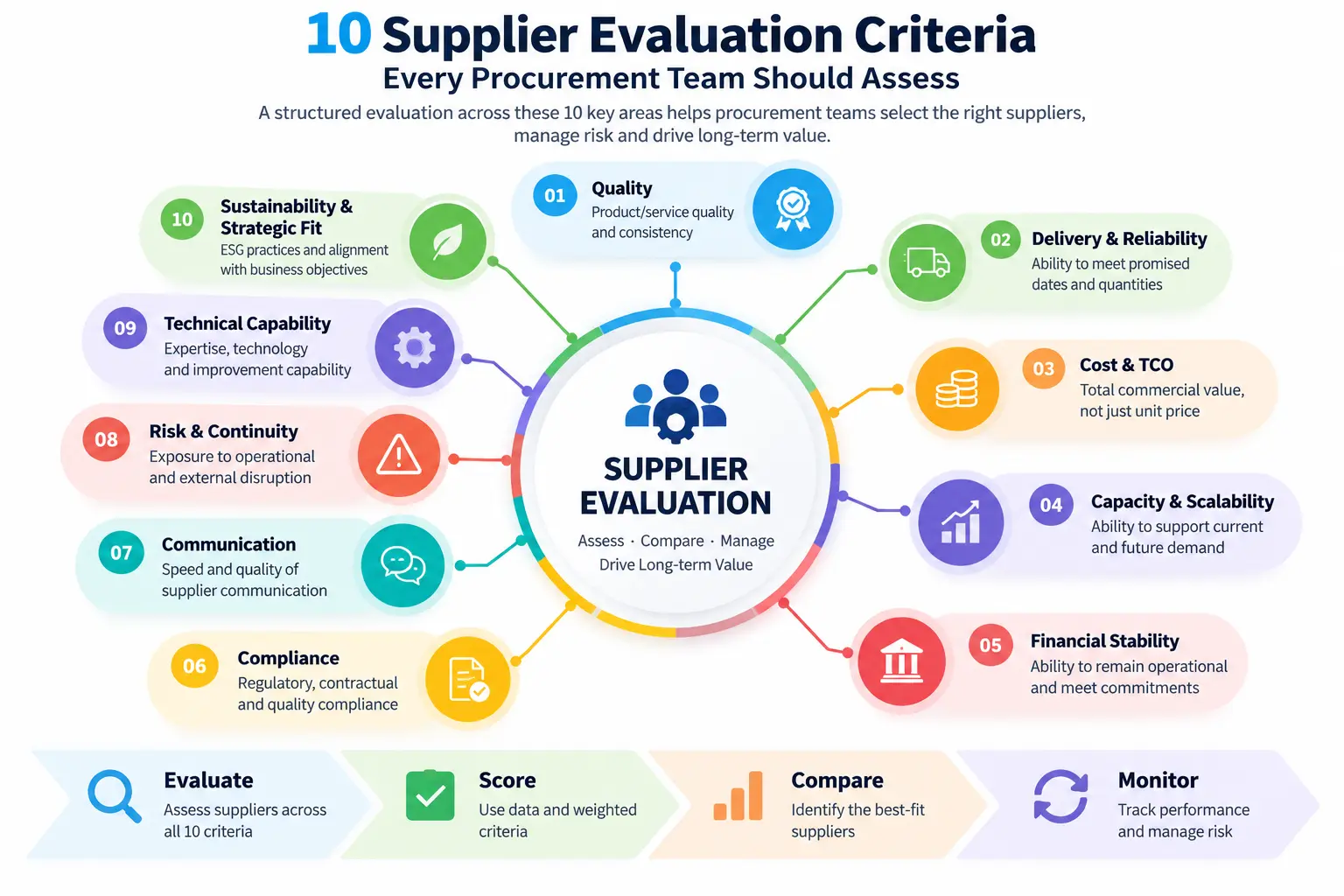
The most effective supplier evaluation criteria cover the areas that directly influence cost, quality, continuity, operational performance, compliance, and long-term value.
Below are the 10 factors procurement teams should assess.

Quality should measure whether the supplier consistently delivers products or services that meet agreed specifications and requirements.
A supplier's quoted quality capability is only the starting point. Procurement should examine actual quality performance wherever historical data is available.
SAP's supplier-evaluation capabilities include quality evaluation based on inspection information and quality notifications, demonstrating how quality can be connected to actual purchasing and receipt data rather than treated solely as a questionnaire response.
Procurement insight: A low purchase price loses its value quickly if poor quality creates rework, returns, production delays, or customer complaints.
A supplier should be evaluated on whether it delivers when promised, in the required quantity, and according to agreed commitments.
Delivery reliability is particularly important for production-critical, imported, long-lead-time, or single-source suppliers.
SourceDay's current supplier-evaluation guidance emphasizes delivery reliability, lead-time reliability, purchase-order acknowledgements, commitment changes, and actual PO execution as important sources of supplier-performance data.
Procurement insight: Do not evaluate delivery based only on whether the supplier eventually delivered. Compare actual delivery against the supplier's agreed commitment.
Price matters, but unit price alone does not represent supplier cost.
A supplier offering the lowest quotation may become more expensive when freight, quality failures, delays, maintenance, inventory, financing, or administrative costs are included.
That is why procurement should evaluate total cost of ownership (TCO).
The principle is simple:
Modern supplier-selection guidance similarly recommends evaluating total cost or total value rather than relying exclusively on the quoted price.
Procurement insight: Evaluate the financial impact of the entire supplier relationship, not just the number on the quotation.
A supplier may perform well at today's volume but struggle when demand increases.
Procurement should therefore evaluate both current capacity and future scalability.
Procurement insight: Capacity evaluation is especially important when supplier failure could stop production or create customer-service issues.
A financially unstable supplier can become a supply-chain risk even if its quality and pricing look attractive.
Financial evaluation helps procurement determine whether a supplier is likely to remain capable of fulfilling its commitments.
Financial evaluation should be proportionate to supplier criticality and risk.
Procurement insight: The more critical the supplier, the more important it is to understand whether that supplier can remain financially viable throughout the relationship.
Compliance should cover more than checking whether a supplier has submitted the required documents.
Procurement should determine whether the supplier can consistently meet the organization's regulatory, contractual, quality, safety, and industry requirements.
For regulated or high-risk categories, compliance can become a pass/fail requirement rather than something that should simply add points to a supplier's score.
Procurement insight: A supplier that fails a mandatory regulatory or contractual requirement may not be an acceptable supplier regardless of its commercial score.
Supplier communication becomes especially important when plans change.
Procurement should evaluate how quickly and effectively a supplier responds to:
A supplier that communicates early when a commitment cannot be met can be easier to manage than one that remains silent until the deadline passes.
Procurement insight: Responsiveness is not just about replying quickly. It is about providing accurate information early enough for procurement and operations to act.
Supplier evaluation should identify what could prevent a supplier from fulfilling its obligations.
supplier risk can come from many sources:
Procurement insight: Supplier risk should not be assessed only after a disruption. The goal is to identify vulnerabilities before they become supply problems.
A supplier's ability to meet today's specification does not necessarily mean it can support tomorrow's requirements.
Technical capability should therefore include expertise, infrastructure, engineering resources, technology, and the ability to improve.
Procurement insight: Strategic suppliers should be evaluated not only on their ability to meet today's requirements but also on their ability to evolve with the business.
Supplier evaluation increasingly extends beyond price, quality, and delivery.
Procurement teams may also need to consider environmental, social, governance, ethical, and strategic requirements.
Strategic fit can also include the supplier's willingness to collaborate, innovate, communicate openly, and support long-term business objectives.
Procurement insight: Sustainability and strategic fit should be weighted according to the organization's actual requirements rather than added as a generic checkbox.
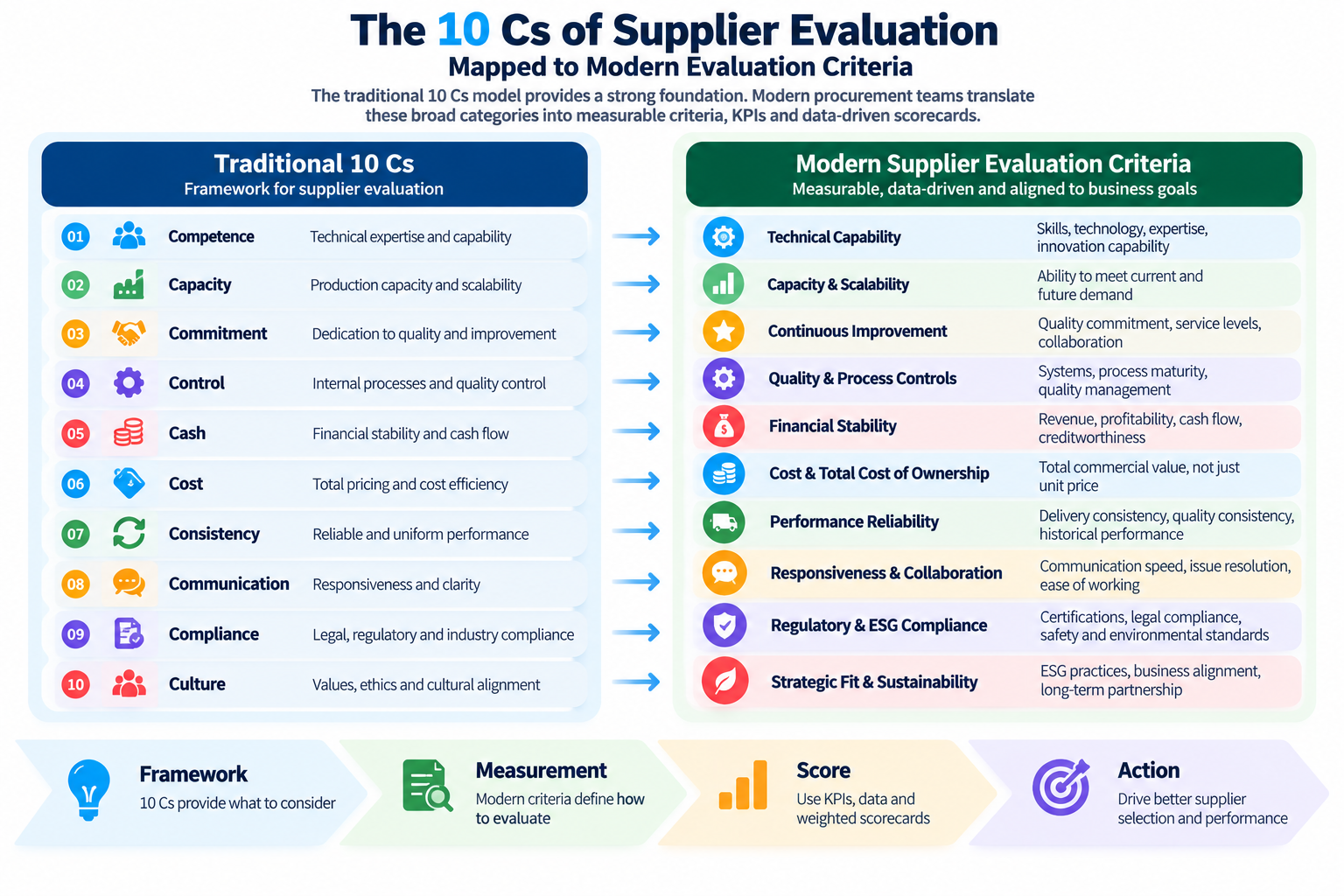
The 10 Cs of supplier evaluation are a traditional framework associated with Dr. Ray Carter. The model provides a structured way to assess supplier suitability across multiple dimensions rather than focusing only on price and quality.
The commonly referenced Cs are:
The framework remains useful because it forces procurement teams to consider multiple dimensions of supplier suitability.
However, a modern evaluation program should translate these broad categories into measurable criteria and evidence.
| Traditional 10 C | Modern supplier evaluation equivalent |
|---|---|
| Competence | Technical capability and expertise |
| Capacity | Capacity and scalability |
| Commitment | Continuous improvement and service commitment |
| Control | Quality and process controls |
| Cash | Financial stability |
| Cost | Cost and total cost of ownership |
| Consistency | Delivery and performance reliability |
| Communication | Responsiveness and collaboration |
| Compliance | Regulatory, contractual and ESG compliance |
| Culture | Strategic fit and relationship alignment |
The 10 Cs provide the framework. Modern supplier scorecards provide the measurement.

That distinction is important. A framework tells procurement teams what to consider. A scorecard tells them how a supplier is actually performing.
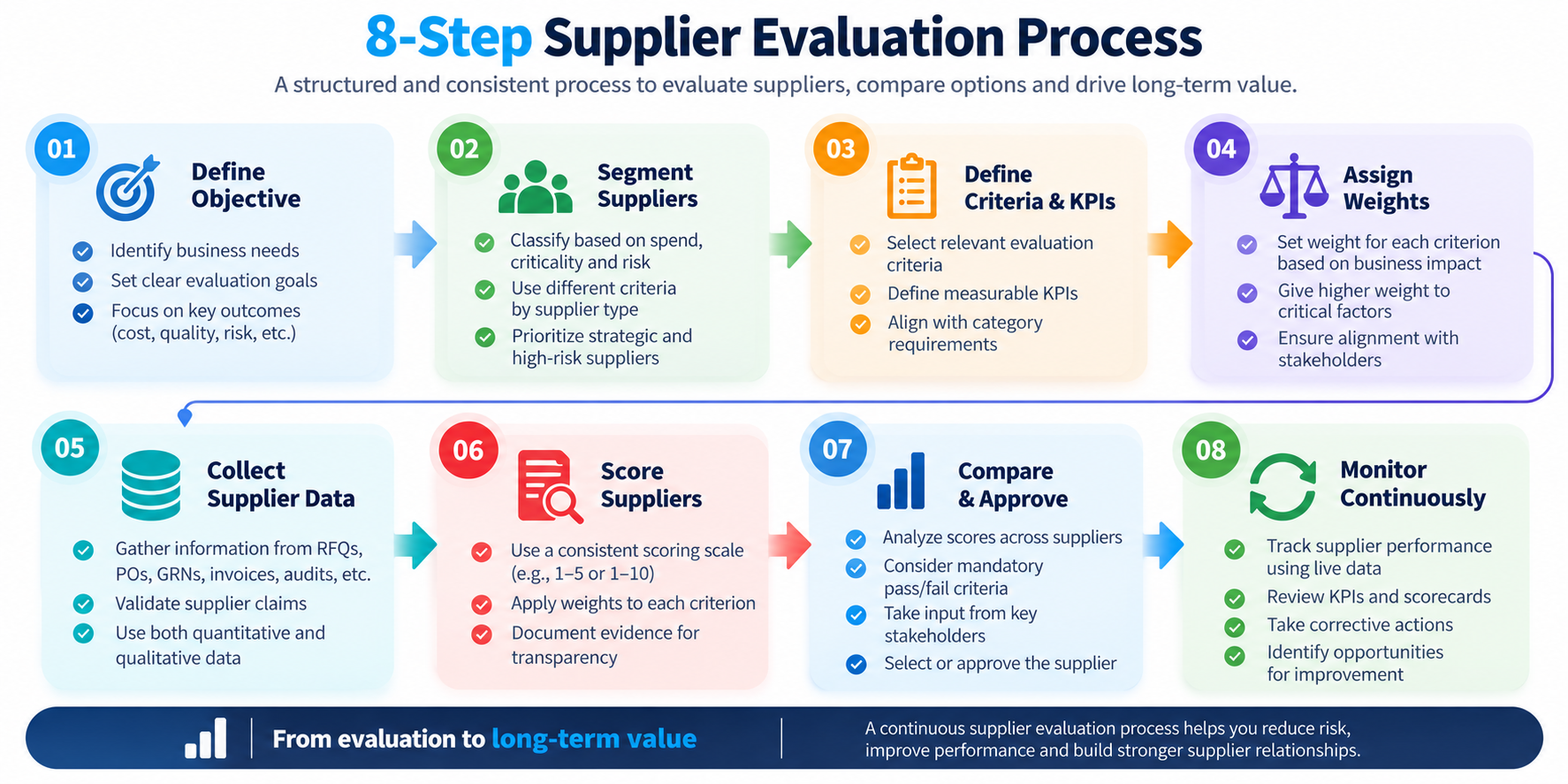
A supplier evaluation process becomes more useful when every supplier is assessed consistently.

Start by determining what the evaluation needs to protect or improve.
Examples include:
The objective determines which criteria deserve the most weight.
Not every supplier needs the same level of evaluation.
Consider segmenting suppliers based on:
A strategic or production-critical supplier may require much deeper evaluation than a low-risk office-supplies vendor.
Select the criteria that actually matter to the category.
For example:
Avoid creating an unnecessarily large scorecard. A focused set of meaningful KPIs is usually easier to maintain and act on.
Not every criterion has equal importance.
For example, a procurement team might decide that delivery and quality deserve greater weight than sustainability for a particular category.
The weights should reflect:
SAP's supplier-evaluation functionality explicitly supports weighting and scoring criteria when calculating supplier evaluation results.
Use multiple sources rather than relying entirely on supplier-submitted information.
Possible sources include:
This creates a more evidence-based evaluation.
Apply a consistent scoring scale.
For example:
Or use a 1–10 scale if greater differentiation is required.
The most important principle is consistency: the same scoring definitions should be applied across suppliers.
Review the results with the appropriate stakeholders.
Depending on the category, this may include:
A score should support a decision, not replace professional judgment.
Once a supplier is approved, the evaluation process should not stop.
Monitor:
SAP describes supplier evaluation as supporting both evaluation and ongoing performance monitoring, while SourceDay similarly distinguishes broader supplier evaluation from ongoing scorecard-based performance measurement.
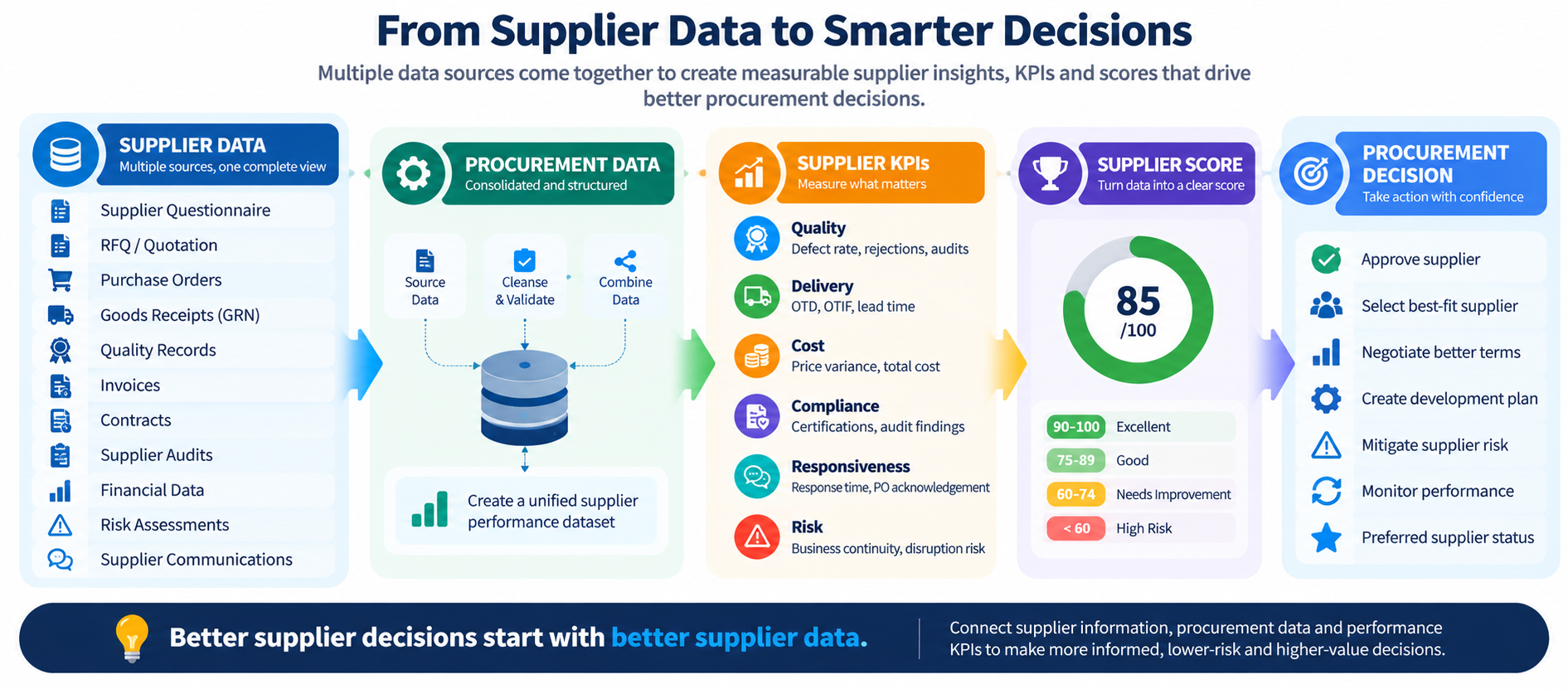
A strong supplier evaluation process is only as reliable as the data behind it.
| Data source | What it can tell procurement |
|---|---|
| Supplier questionnaire | Capability, certifications, policies |
| RFQ/quotation | Price, commercial terms, lead times |
| Purchase orders | Commitments, order history |
| Goods receipts | Delivered quantity and timing |
| Quality records | Defects, inspections, rejections |
| Invoices | Billing and price accuracy |
| Contracts | SLAs and contractual obligations |
| Supplier audits | Process and compliance performance |
| Financial records | Financial stability |
| Risk assessments | Supply and continuity exposure |
| Supplier communications | Responsiveness and issue management |

This is where supplier evaluation becomes significantly more powerful than a static spreadsheet.
For example, an ERP or procurement system can provide evidence of whether a supplier consistently meets delivery commitments, whether quantities match orders, and whether price variances are occurring.
SAP's current supplier-evaluation capabilities include operational KPIs covering price, time, quantity and quality, while SourceDay's supplier scorecards use execution data such as PO activity and receipts to measure performance.
A weighted supplier scorecard converts multiple evaluation criteria into a comparable result.
Here is an illustrative example:
| Criterion | Weight |
|---|---|
| Quality | 20% |
| Delivery & reliability | 20% |
| Cost & TCO | 15% |
| Capacity & scalability | 10% |
| Financial stability | 10% |
| Compliance | 10% |
| Communication & responsiveness | 5% |
| Risk & business continuity | 5% |
| Technical capability | 3% |
| Sustainability & strategic fit | 2% |
| Total | 100% |
Important: These percentages are an example, not a universal standard. Procurement teams should adjust them according to category requirements and supplier criticality.
The basic formula is:
For example:
If a supplier scores 9/10 for quality and quality has a 20% weight:
Repeat the calculation for each criterion and add the results.
The final score provides a standardized basis for comparing suppliers.
Weighted evaluation is also used in established procurement systems. SAP documents supplier scoring based on weighted criteria, while Art of Procurement demonstrates weighted decision matrices for supplier selection.
There is no universal scoring threshold that applies to every organization.
However, procurement teams can establish an internal framework such as:
| Score | Example interpretation | Possible action |
|---|---|---|
| 90–100 | Excellent | Preferred/strategic supplier |
| 75–89 | Good | Continue and monitor |
| 60–74 | Needs improvement | Corrective action |
| Below 60 | High risk | Review, develop or replace |
These ranges are illustrative only.
More important than the final score is understanding why a supplier received that score.
A supplier with a high overall score could still have a critical compliance failure or unacceptable business-continuity risk.
That is why procurement should combine weighted scores with mandatory pass/fail criteria for critical requirements.
Use this checklist before approving or reviewing a supplier:
Even a formal evaluation process can fail if procurement teams use the wrong approach.
The cheapest supplier may not provide the lowest total cost.
If every supplier is evaluated differently, comparisons become unreliable.
A supplier that regularly misses commitments can create operational costs that are not visible in the original quotation.
Questionnaires are useful, but actual purchase, delivery, quality, and invoice data provide additional evidence.
Treating every criterion as equally important can distort the final result.
Financial, geographic, operational, cyber, and continuity risks can affect supply even when day-to-day performance looks good.
A supplier can change after approval. Performance should therefore be monitored throughout the relationship.
A scorecard has little value if procurement does not use it to trigger corrective action, supplier development, reallocation, or replacement.
The best supplier evaluation systems connect the score to a decision.
Supplier evaluation becomes difficult when procurement software information is scattered across spreadsheets, emails, ERP records, invoices, quality systems, and individual buyer files.
A connected procurement system can bring these data points into a single workflow.
A simplified procurement data flow looks like this:
Each stage can contribute information to supplier evaluation.
For example:
This connected approach moves supplier evaluation away from a static document and toward an ongoing procurement process.
SAP's current supplier-evaluation capabilities similarly combine operational and questionnaire-based information into supplier scorecards, while modern supplier-performance platforms increasingly use transaction and PO data to make performance more current and measurable.
For procurement teams using ZYNO Procurement, this creates an opportunity to connect supplier evaluation with the wider procurement lifecycle rather than managing supplier information separately.
There is no single review frequency that works for every supplier.
The appropriate schedule should depend on:
A practical framework is:
| Supplier type | Suggested review approach |
|---|---|
| High-risk/critical | Continuous monitoring with frequent formal reviews |
| Strategic | Monthly or quarterly performance review |
| Standard | Quarterly or semiannual review |
| Low-risk | Semiannual or annual review |
The key distinction is between data monitoring and formal evaluation meetings.
Supplier-performance data can be collected continuously even if procurement conducts formal reviews monthly or quarterly.
SourceDay similarly recommends more frequent reviews for production-sensitive or high-risk suppliers and emphasizes that performance data should remain current between formal review cycles.
Procurement teams can use several supplier evaluation methods depending on the purpose of the evaluation.
Assign weights to criteria and calculate an overall score.
Collect structured information directly from suppliers.
Use actual procurement and operational data.
Review supplier processes, facilities, documentation, and controls.
Compare multiple suppliers across standardized criteria.
Track supplier KPIs over time rather than evaluating performance only during an annual review.
The strongest procurement programs generally combine these methods rather than depending on a single evaluation tool.
A supplier evaluation checklist can tell you whether a supplier meets predefined requirements.
A scorecard can tell you how the supplier compares with others.
But the real value comes from connecting those evaluations to actual procurement decisions.
Consider a supplier whose delivery score has declined for three consecutive review periods.
A useful procurement system should help the team move from:
The same principle applies to quality, cost, responsiveness, and compliance.
This is the difference between recording supplier performance and managing supplier performance.
The 10 Cs are Competence, Capacity, Commitment, Control, Cash, Cost, Consistency, Communication, Compliance, and Culture. The framework provides a broad way to assess supplier suitability beyond price. Modern procurement teams can use these categories as a foundation and translate them into measurable KPIs and scorecard criteria.
Five common high-level criteria are quality, delivery performance, cost, capacity, and risk. However, the right criteria depend on the category. Other factors such as financial stability, compliance, responsiveness, technical capability, and sustainability may become more important depending on supplier criticality and business requirements.
A strong supplier typically demonstrates consistent quality, reliable delivery, competitive total cost, sufficient capacity, financial stability, compliance, responsiveness, resilience, technical capability, and strategic alignment. Procurement should verify these qualities through documented evidence and actual performance data wherever possible.
Supplier selection primarily determines which supplier should be chosen. Supplier evaluation is broader and can assess suppliers before selection as well as after onboarding. Evaluation can therefore support sourcing decisions, supplier approval, performance management, corrective actions, supplier development, and replacement decisions.
Define evaluation criteria, assign weights, establish a consistent scoring scale, collect evidence, score each criterion, and calculate the weighted total. A basic formula is: Weighted Supplier Score = Σ (Criterion Score × Criterion Weight). Critical compliance or risk requirements may also need separate pass/fail gates.
The frequency should depend on supplier criticality, risk, spend, category, and performance history. High-risk or production-critical suppliers generally require more frequent reviews, while stable low-risk suppliers may be reviewed less often. Performance data can be monitored continuously even when formal supplier reviews occur monthly, quarterly, or annually.
Effective supplier evaluation is not simply about creating a checklist and assigning suppliers a score.
It is about creating a repeatable system that answers five questions:
The traditional 10 Cs remain a useful framework for thinking broadly about supplier suitability. But modern procurement teams can make supplier evaluation more powerful by connecting those criteria to measurable KPIs, weighted scorecards, procurement transactions, supplier risk, and ongoing performance monitoring.
The result is a supplier evaluation process that does more than rank suppliers.
It helps procurement teams make better sourcing decisions, identify supplier risks earlier, improve supplier performance, and build a more reliable supply base.
Procurement Software Trends in 2026: What to Expect
Read More →
Why E-Procurement Outperforms Traditional ERP in Modern Procurement
Read More →
Top Procurement Software in India: 12 Best Options for 2026
Read More →
Best Procurement Software Companies in Kuwait (2025)
Read More →
5 Best Procurement Software in Africa for Enterprises & SMEs (2026 Guide)
Read More →
Best Procurement Software in Nigeria 2026 | Top 5 Picks
Read More →
Best Procurement Software Providers in USA (2025): How AI is Transforming the Future
Read More →
10 Best Procurement Software Providers in Thailand for Streamlined Supply Chain Management
Read More →
Top 10 Cloud-Based Procurement Solutions in Portugal for Businesses in 2025
Read More →
Top 10 Procurement Software Providers in Switzerland 2026: Streamlining Sourcing and Supplier Management
Read More →
What Makes ZYNO Procurement Different from Other Oil & Gas Procurement Software
Read More →
The Digital Transformation of Logistics Procurement in the Middle East
Read More →
A Step by Step Guide to Procurement Management Software for Modern Enterprises
Read More →
Sourcing and Procurement: What is the Difference and Why It Matters
Read More →Difference Between Procurement and Supply Chain Management
Read More →
What Is Procurement Software and Why Do Modern Businesses Need It?
Read More →
Best Procurement Management Software to Automate ERP Process
Read More →
Direct vs Indirect Procurement: Key Differences, Examples & Uses (2026)
Read More →
Smart procurement strategies for cost optimization & risk management
Read More →
What Is Procurement? Everything You Need to Know (Types, Process & SAP)
Read More →Beyond Cost-Cutting: How Procurement Drives Margin Expansion in 2026
Read More →
Direct Procurement: Process, Examples, and When to Use It
Read More →
What Are the 5 Types of E-Procurement? A Complete Guide for Businesses
Read More →
Which Procurement Management Software Is Best? Top Tools Compared for 2026
Read More →
Top 8 Coupa Alternatives to Explore in 2026
Read More →
Looking to Replace Coupa? Discover the Best Alternatives Like ZYNO Procurement
Read More →
How Does Procurement Software Work? A Complete Guide
Read More →
ZYNO Procurement vs Coupa: Best Procurement Software Comparison for Mid-Market Teams
Read More →
Best SAP ARIBA Procurement Alternatives in 2026
Read More →
ZYNO Procurement vs SAP Ariba: Which Solution Is More User-Friendly?
Read More →
AI-Powered Procurement Management Software for Fast, Connected, and Visible Workflows in Dubai
Read More →
What is Vendor Management? Complete Guide to Vendor Management Software, Systems, and Processes
Read More →
Best Procurement Management Software In Kenya
Read More →
6 SAP Ariba Alternatives for Mid-Market Businesses in 2026
Read More →
Top E-Procurement Solutions for B2B Organizations (2026)
Read More →
Quotation Format: Free Templates + Complete Guide (2026)
Read More →
Cost Control Software: Features, Benefits & Performance Guide for 2026
Read More →
Procurement Workflow: Steps, Stages, and Real Examples
Read More →
Top 10 Zycus Alternatives for Procurement Teams in 2026
Read More →
Best Precoro Alternative for Purchase Requisition and Procurement
Read More →
Top AI Procurement Tools in 2026
Read More →
Best Tools for Supplier Risk Management
Read More →
FEFO vs FIFO vs LIFO: Differences, Benefits & Which Inventory Method Is Best?
Read More →
AI Procurement Software: Features, Benefits, Use Cases & How to Choose
Read More →
Best AI Tools for Supply Chain Procurement
Read More →
Procurement Risk Management
Read More →
Still Using Excel for Procurement? Read This Before It's Too Late
Read More →
Best RFP Software in 2026: Top Tools Compared for Faster Proposal Responses
Read More →
What Is Procure-to-Pay (P2P)? A Complete Guide
Read More →
Complete Procurement Workflow Guide for Modern Businesses
Read More →
Complete Guide to E-Procurement Solutions for B2B Organizations
Read More →
Cost Control Software Comparison Guide: Features, Pricing & Benefits
Read More →
Purchase Order Tracking: How to Manage Every PO Without the Chaos
Read More →
Inventory Management: What It Is, How It Works and Why It Matters
Read More →
Top 10 Procurement Software Tools for Purchasing Automation in 2026
Read More →
Agentic AI Procurement Platforms and the Future of Strategic Sourcing
Read More →
AI Spend Analytics Software for Procurement Leaders
Read More →
From Prompt to Procurement: How AI Is Transforming Enterprise Purchasing
Read More →
ZYNO Procurement vs IBM Procure-to-Pay Automation
Read More →
ZYNO Procurement vs Infor Nexus: Which Procure-to-Pay Platform Fits Your Team?
Read More →
AI-Powered Procurement Software in 2026: Top 6 Platforms That Actually Deliver ROI
Read More →
Contract Management Software Buyer's Guide: Features, Costs & Top Picks
Read More →
Top 10 Procure to Pay Software Companies in India 2026
Read More →
10 Best Vendor Management Software in India (2026): Features, Benefits & Comparison
Read More →
How Machine Learning and AI Are Transforming Procurement: A Strategic Overview
Read More →
What Is Procurement Software for GP? Features, Benefits and Best Solutions for Businesses
Read More →
What Procurement Software Do Mid-Market Companies Use Instead of SAP Ariba or Coupa?
Read More →
Prompt-Based Procurement Software for Kenyan Businesses
Read More →
Project Management Software: A Complete Guide to Streamline Business Operations and Procurement Processes
Read More →
SAP Ariba vs ZYNO Procurement: Complete Feature Comparison (2026)
Read More →
Coupa vs SAP Ariba vs ZYNO: Which Procurement Platform Wins for Fast-Growing Teams?
Read More →
How AI Procurement Software Is Transforming Purchase Requisition and Supplier Management in 2026
Read More →
Purchase Request Management: A Complete Guide for Modern Procurement Teams
Read More →
The Top 3 Best Practices for Effective Purchase Request Management
Read More →
What Is Purchase Order Automation? How to Automate Purchase Order Processing
Read More →
5 Common Purchase Request Mistakes and How to Avoid Them
Read More →
What is Supplier Relationship Management in Procurement? A Complete Guide
Read More →
What is Strategic Vendor Management? A Complete Guide for Modern Procurement
Read More →
What Are Inventory Control Methods? Complete Guide to Types, Techniques, Systems, & Benefits
Read More →
Inventory Audit Checklist: Steps, Process & Best Practices
Read More →
Warehouse Inventory Management: Best Practices for 2026
Read More →
Treasury Management System (TMS): A Complete Guide for Modern Corporates
Read More →
What is Portfolio Management Services (PMS) and What Are Its Benefits?
Read More →
Generative AI Procurement Software Solution: The Future of Intelligent Procurement
Read More →
Top Contract Management Software Companies in Ethiopia: Features, Benefits & Best Procurement Solutions
Read More →
AI Procurement Software: Complete Guide to Intelligent, Generative AI & Machine Learning Procurement Solutions
Read More →
Top SAP alternatives for small, midsize, and enterprise businesses
Read More →
Best RFP Software in 2026: Top Solutions for Smarter Procurement and Proposal Management
Read More →
GST on Purchase: Complete Guide to GST on Purchases in India
Read More →
Procurement Software UAE: Complete Guide to Choosing the Best Procurement Solution
Read More →
Supply Chain Procurement: Everything You Need to Know
Read More →
Top 10 Oracle Procurement Alternatives for Businesses in 2026
Read More →
Quotation Software vs Excel: Which Is Better for Businesses in 2026?
Read More →
Contract Management Software Buyer's Guide: Features, Pricing & How to Choose
Read More →
How to Identify the Right Vendor: 10 Simple Steps
Read More →
Top 10 Automated PO Generation Tools in 2026: Best Purchase Order Software with AI Capabilities
Read More →
How to Generate a PO Automatically in SAP: Step-by-Step Guide
Read More →
What Is the Best Budget-Friendly Procurement Software With Vendor Onboarding for Indian SMEs?
Read More →
How to Generate a PO Automatically in SAP: Step-by-Step Guide
Read More →
How to Solve Invoice Mismatches: 10 Real Ways to Fix Invoice Discrepancies
Read More →
Top 10 Vendor Onboarding Tools for Businesses in 2026: Features, Process & How to Choose
Read More →
Vendor Comparison & Supplier Intelligence: How AI Helps Businesses Choose the Right Vendor
Read More →
How to Choose the Right Procurement Management Software in 2026 (Complete Buyer's Guide)
Read More →
How to Reduce Procurement Costs: 18 Practical Strategies That Actually Work
Read More →
How to Choose the Right Procurement Management Software in 2026 (Complete Buyer's Guide)
Read More →
How to Calculate Procurement Software ROI: Formula, Example & Calculator
Read More →
Procurement Software Evaluation Checklist: 35 Criteria for Choosing the Right Platform
Read More →
How Businesses Can Improve Vendor Performance and Manage Supplier Risk
Read More →
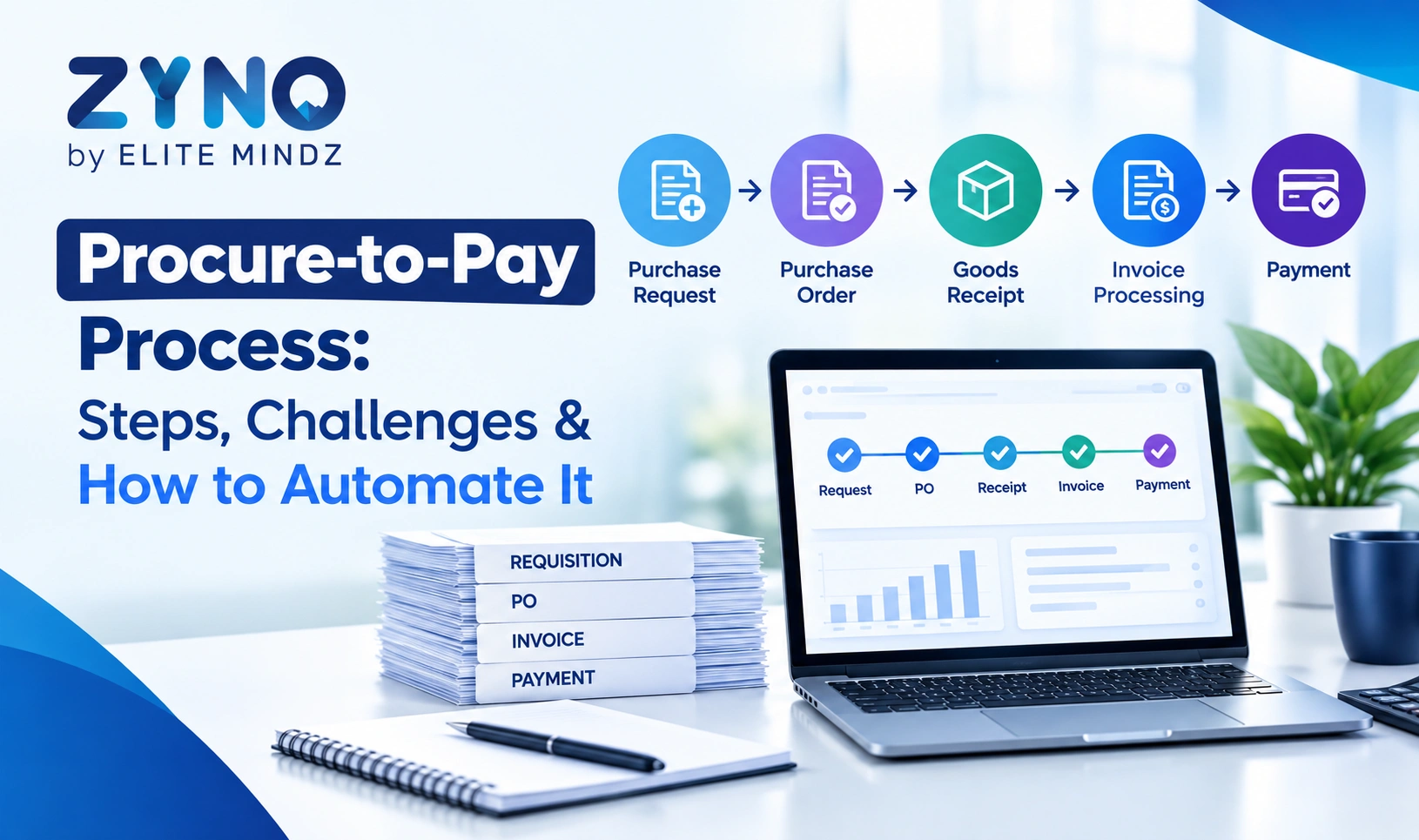
Procure-to-Pay Process: Steps, Challenges & How to Automate It
Read More →
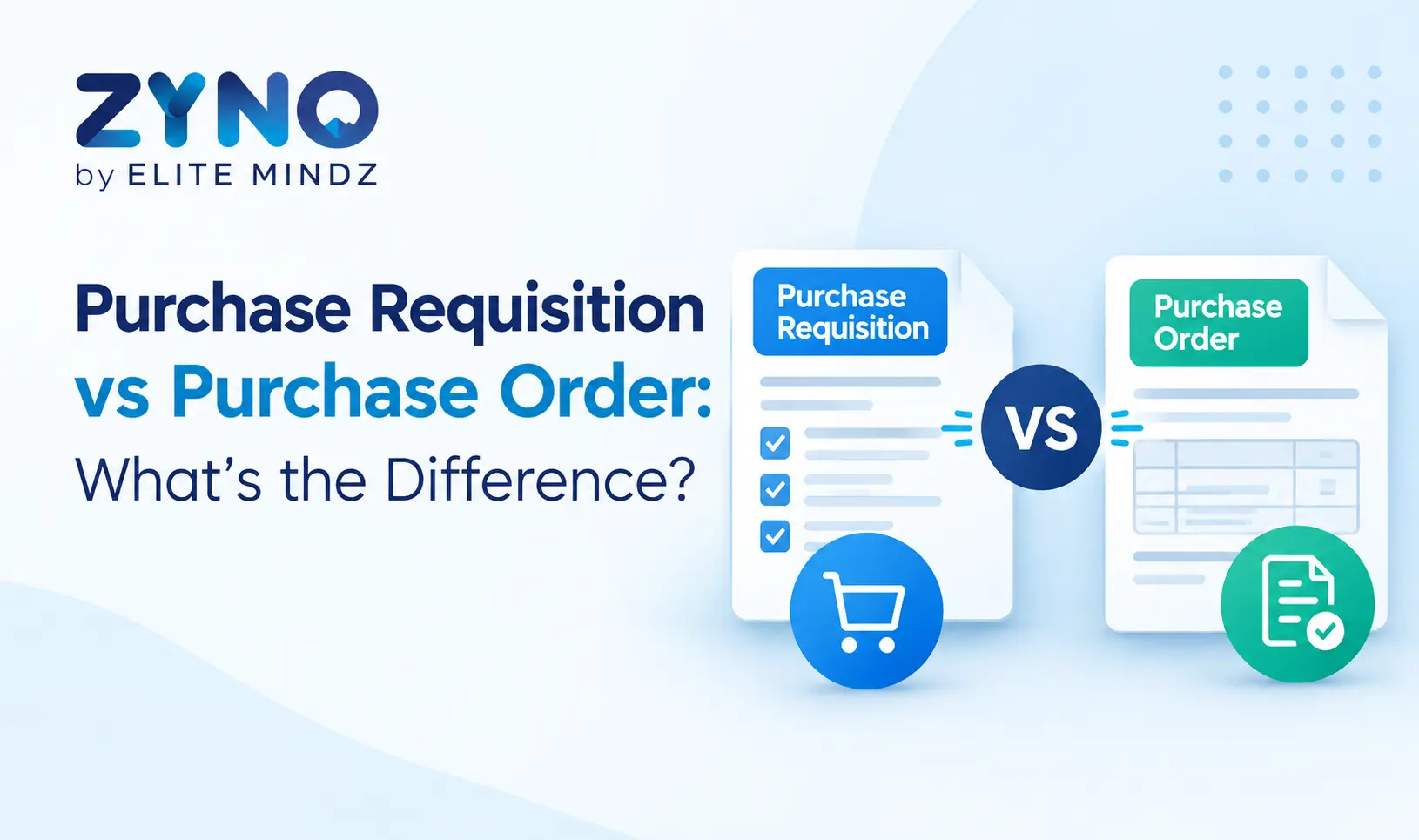
Purchase Requisition vs Purchase Order: What’s the Difference?
Read More →
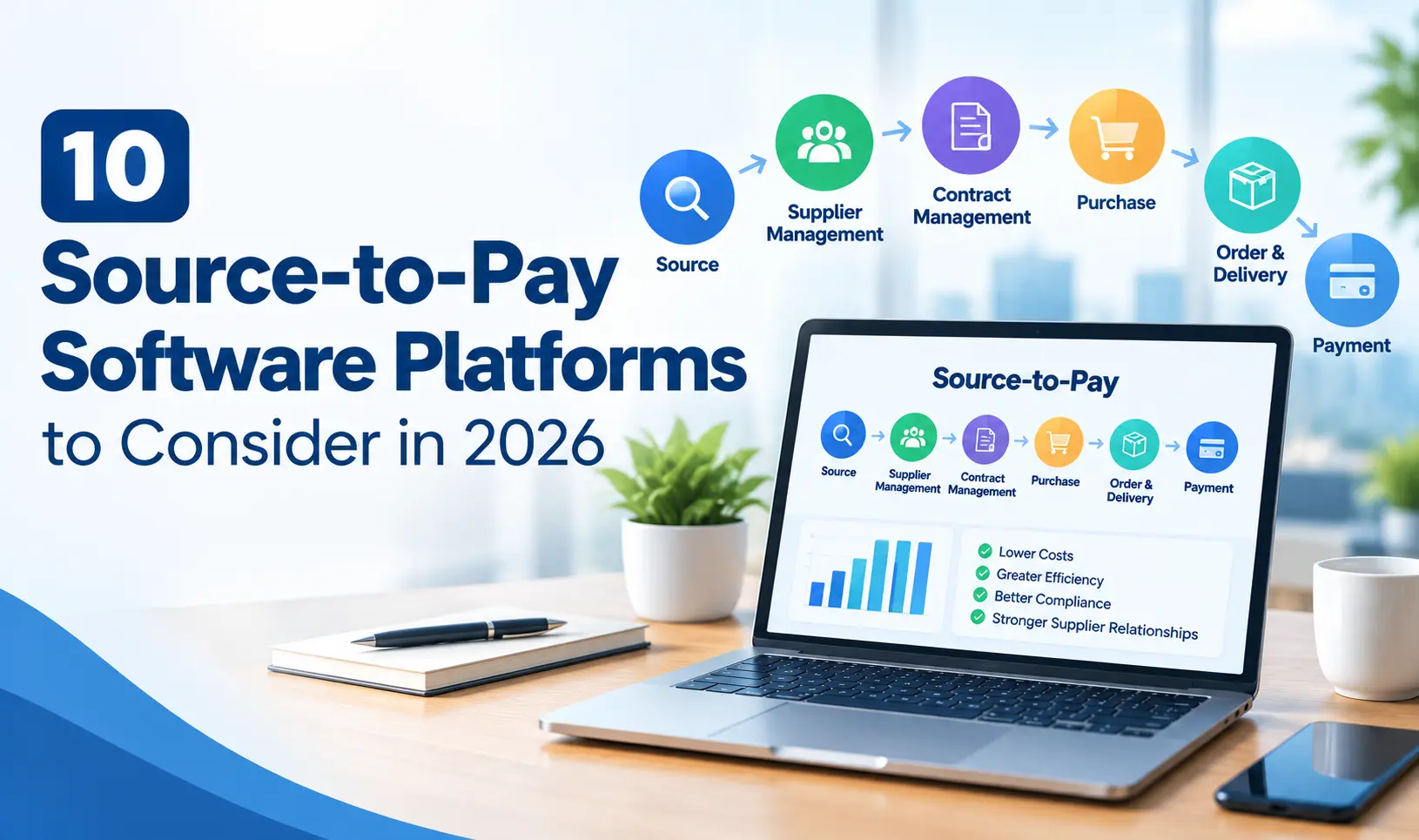
10 Source-to-Pay Software Platforms to Consider in 2026
Read More →
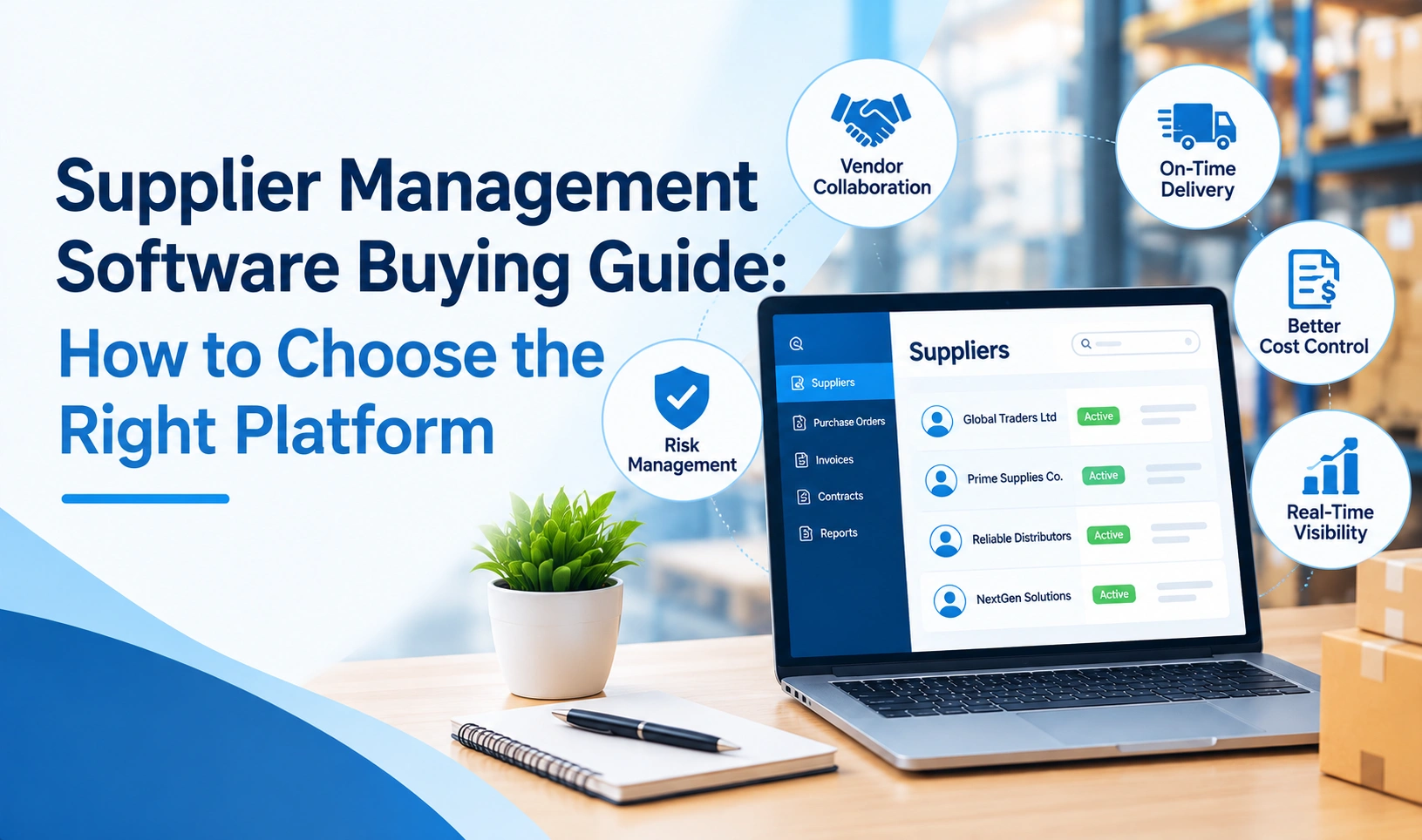
Supplier Management Software Buying Guide: How to Choose the Right Platform
Read More →
Procurement Automation Guide: How It Works, What to Automate & How to Implement It
Read More →
Procurement Software Features: 12 Must-Have Capabilities to Look For
Read More →
Best E-Procurement Software in 2026: Top Electronic Procurement Systems for Modern Businesses
Read More →
AI in Vendor Management: Complete Guide to Automated Supplier Scoring and Supply Chain Risk Analysis
Read More →
Procurement Software vs ERP: What's the Difference and Which Do You Need?
Read More →
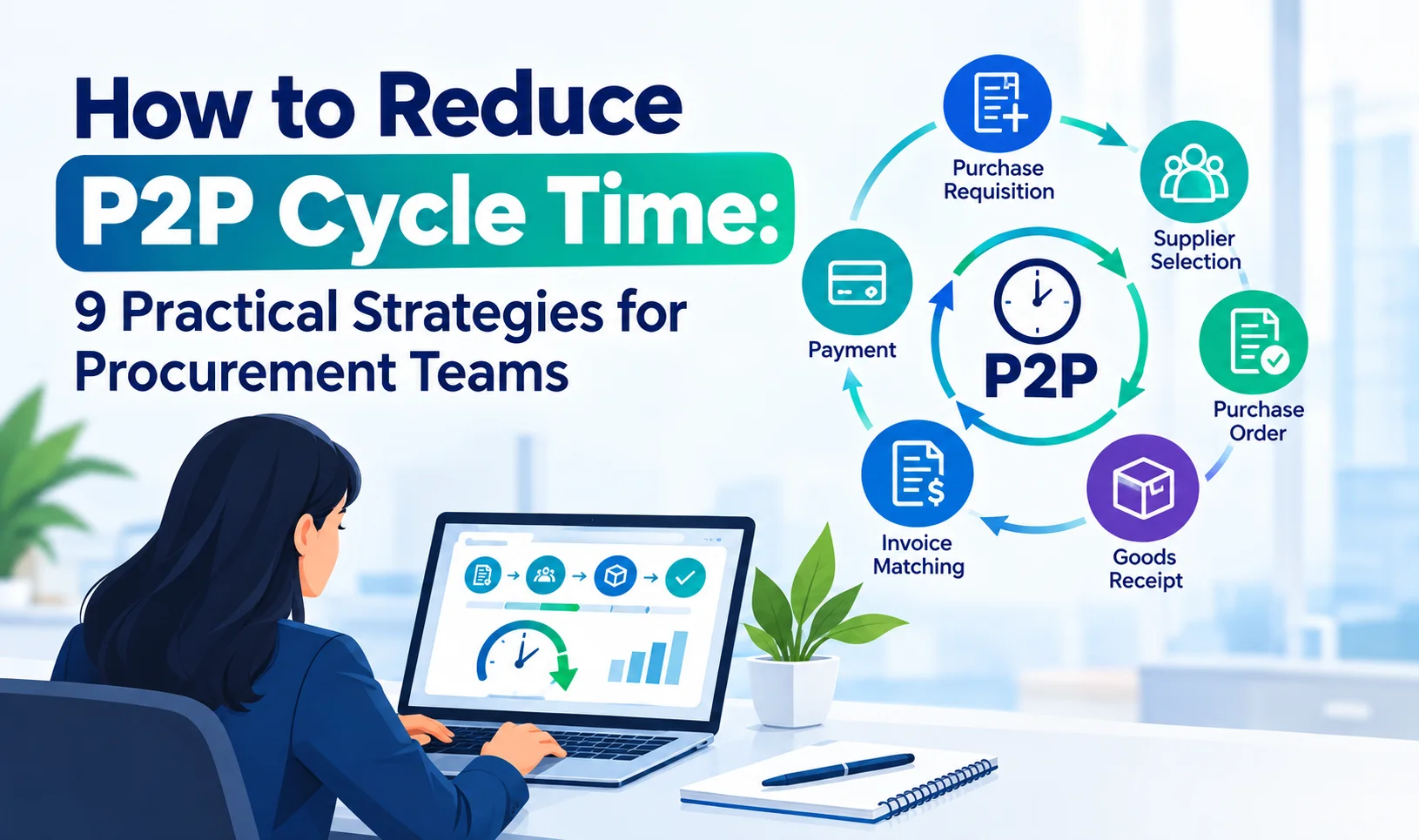
How to Reduce P2P Cycle Time: 9 Practical Strategies for Procurement Teams
Read More →
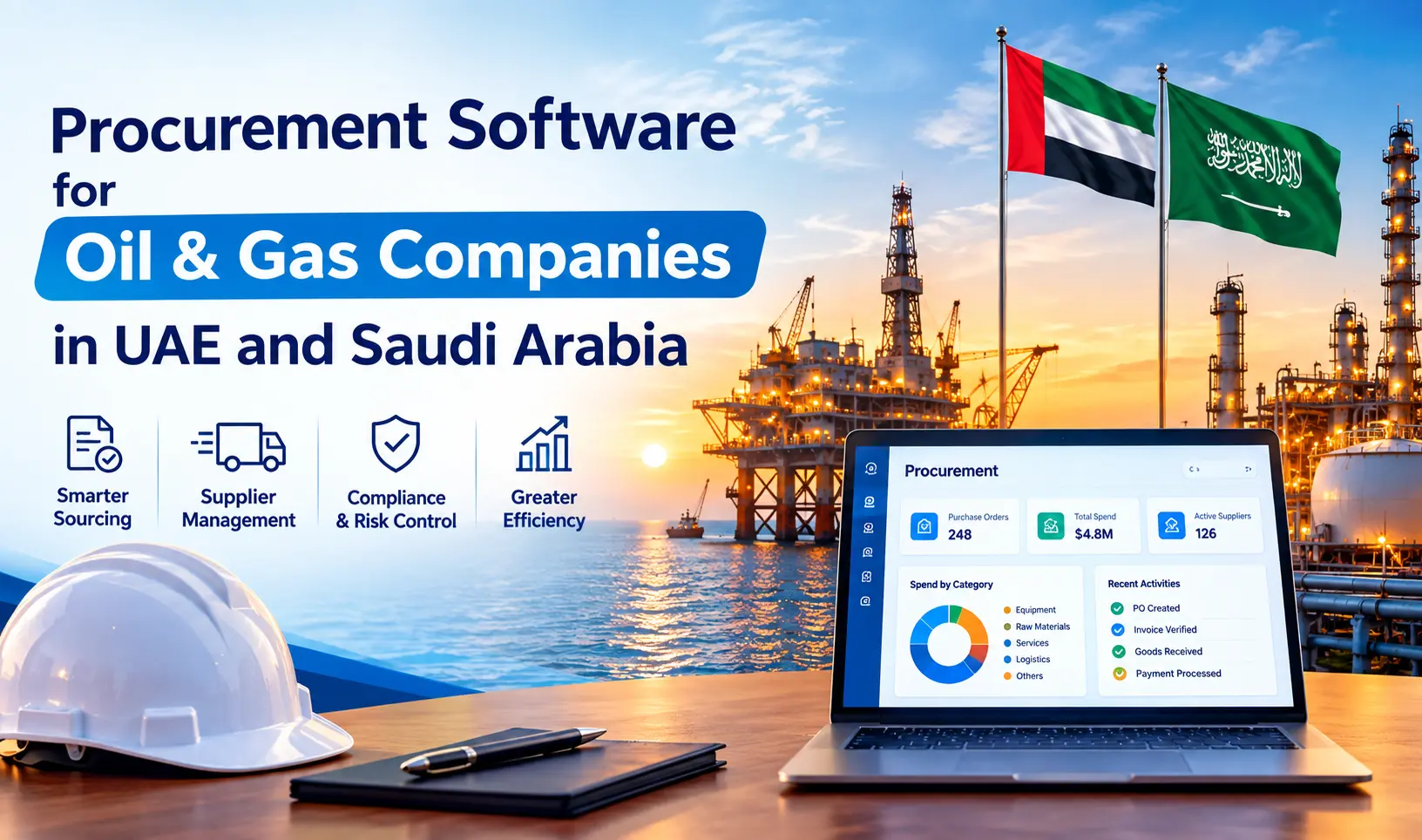
Procurement Software for Oil & Gas Companies in UAE and Saudi Arabia
Read More →
10 Vendor Onboarding Best Practices Every Business Should Follow (2026)
Read More →
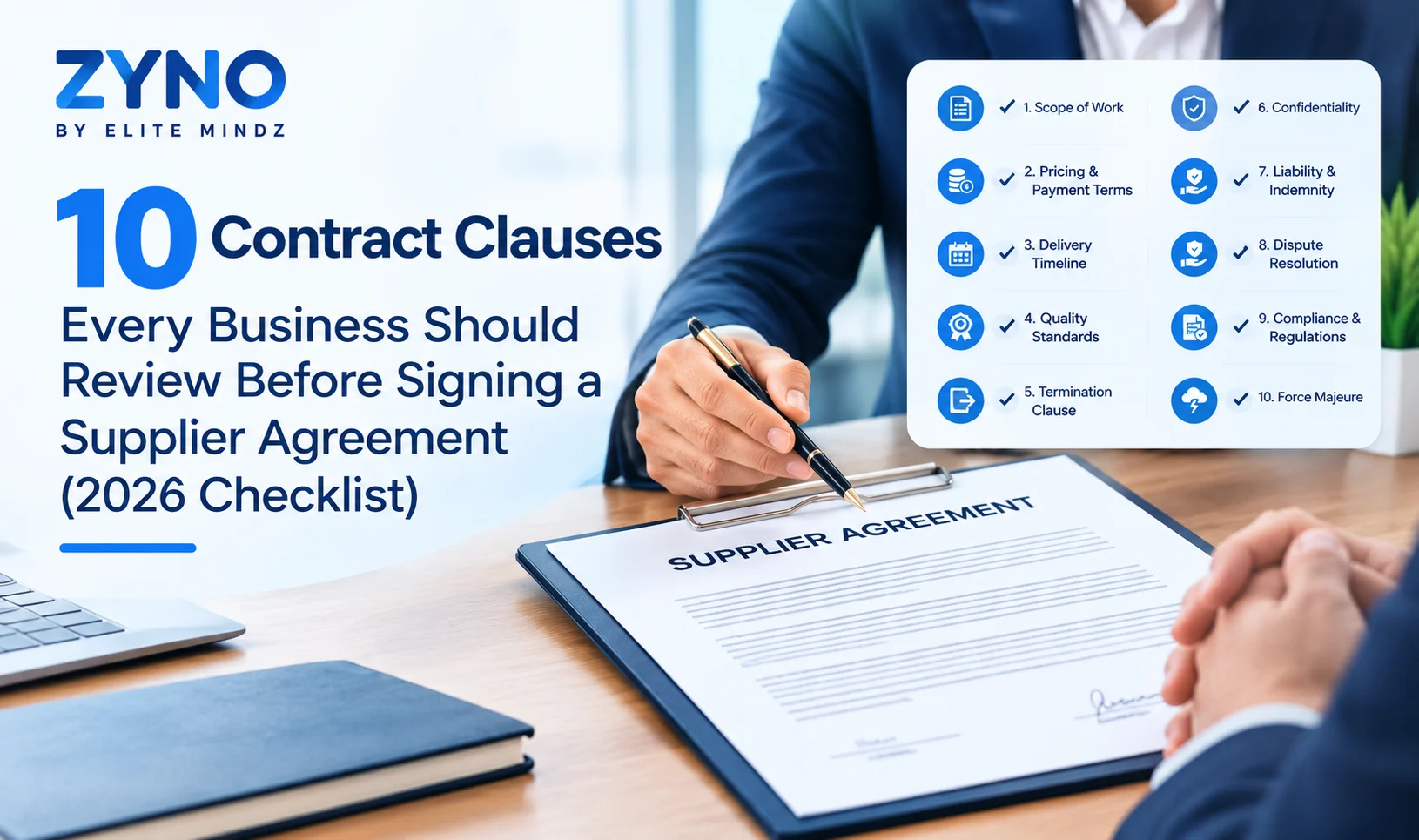
10 Contract Clauses Every Business Should Review Before Signing a Supplier Agreement (2026 Checklist)
Read More →
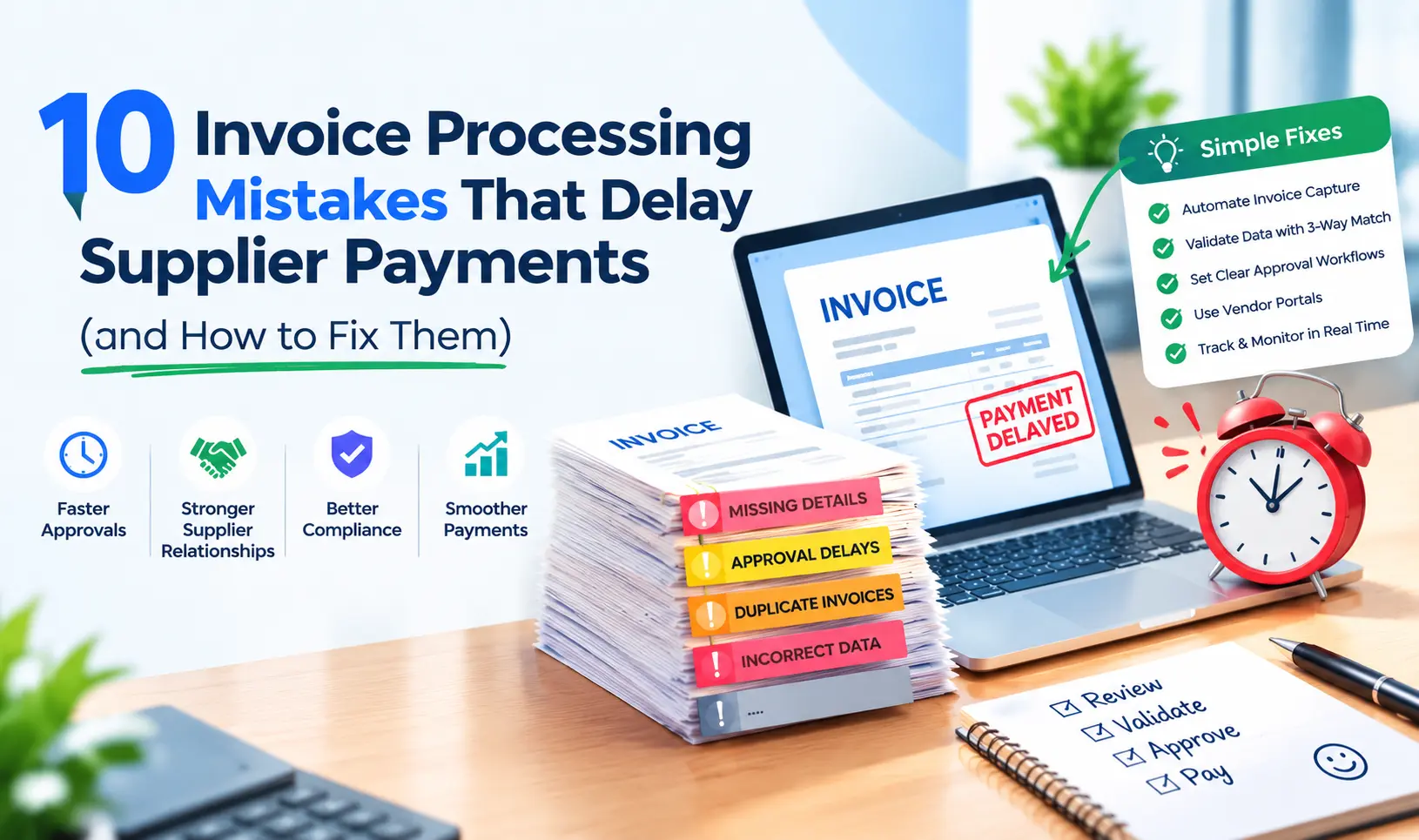
10 Invoice Processing Mistakes That Delay Supplier Payments (and How to Fix Them)
Read More →Source-to-Pay vs Procure-to-Pay: Key Differences, Processes & Software Guide
Read More →
Procurement Challenges: 15 Common Problems & How to Solve Them
Read More →
Supplier Evaluation Criteria: 10 Factors Every Procurement Team Should Assess
Read More →
What Is Strategic Sourcing? Process, Benefits & Best Practices
Read More →
Tail Spend Analysis: How to Identify, Measure and Optimize Fragmented Spend
Read More →Partner with ZYNO by Elite Mindz to revolutionize how your business works. Fill out the form, and we’ll reach out with AI-powered solutions made just for you.
We use browser cookies to ensure you get the best experience on our website. Learn more
The form was submitted successfully!