




Procurement Software Trends in 2026: What to Expect
Read More →

×
AI can automate SAP S/4HANA procurement workflows without replacing the existing ERP by streamlining purchase requisitions, purchase orders, RFQs, invoice verification, and three-way matching. ZYNO Procurement offers AI-powered intake, procurement workflow automation, and ERP integration capabilities to help reduce manual work and improve process visibility. Businesses should validate SAP MM and FICO integration, data synchronisation, approval controls, and MIRO invoice-posting requirements before implementation.
Businesses using ZYNO Books cut accounting time by 70% and stay 100% ZATCA-compliant — automatically.
Enterprise Resource Planning (ERP) systems are designed to bring business processes, operational data, and financial information together. Yet, even when an organisation has implemented a comprehensive ERP such as SAP S/4HANA, its procurement operations may still involve significant manual work.
Employees may need to prepare purchase requisitions, create purchase orders, coordinate requests for quotations (RFQs), record goods receipts, verify supplier invoices, and follow up with multiple stakeholders before a transaction can move forward.
For organisations operating across SAP Materials Management (MM) and Finance (FICO), these activities require coordination between procurement, warehouse, accounts payable, and finance teams.
The result can be a Procure-to-Pay (P2P) process that depends heavily on people for routine data entry, document verification, approvals, and exception handling.
But replacing an existing ERP is not necessarily the only way to improve procurement efficiency.
AI-powered procurement software can provide a more intuitive interface, automate supported workflows, and connect with existing business systems to reduce repetitive work.
ZYNO Procurement follows this approach through AI-powered intake, purchase-request processing, invoice verification, procurement workflows, and ERP integration capabilities. For organisations running SAP S/4HANA, the opportunity is to evaluate how these capabilities can complement the existing environment while preserving required financial controls.
SAP S/4HANA provides capabilities for managing purchasing, goods movements, invoice verification, and financial transactions. However, the efficiency of the overall process depends on how these capabilities are configured and how employees interact with them.
Several operational challenges can create bottlenecks.
Purchase requisitions often require information such as material descriptions, quantities, purchasing groups, delivery dates, account assignments, and budget details.
Simplify purchase requisitions, automate invoice verification, streamline three-way matching, and improve procurement visibility with AI-powered ZYNO Procurement.
When employees collect and enter this information manually, procurement teams may spend considerable time correcting incomplete requests and clarifying requirements.
After the request is approved, purchase order preparation and validation introduce additional steps.
An AI-powered procurement interface can help convert natural-language requests into structured purchase requisitions, reducing repetitive entry and improving the consistency of submitted information.
RFQ management involves preparing requests, sharing specifications with suppliers, collecting quotations, comparing commercial terms, and securing approvals.
When these activities are managed through separate emails, spreadsheets, and manual follow-ups, procurement teams can struggle to maintain a clear view of supplier responses and pending decisions.
A structured sourcing workflow can centralise relevant information, improve quotation tracking, and support more consistent evaluation.
When goods arrive, the relevant receipt information needs to be recorded against the appropriate purchase order. Missing records, quantity discrepancies, and delayed updates can affect subsequent invoice verification.
A connected procurement process should make it easier to identify the relevant purchasing information, track receipt status, and route discrepancies to the appropriate team.
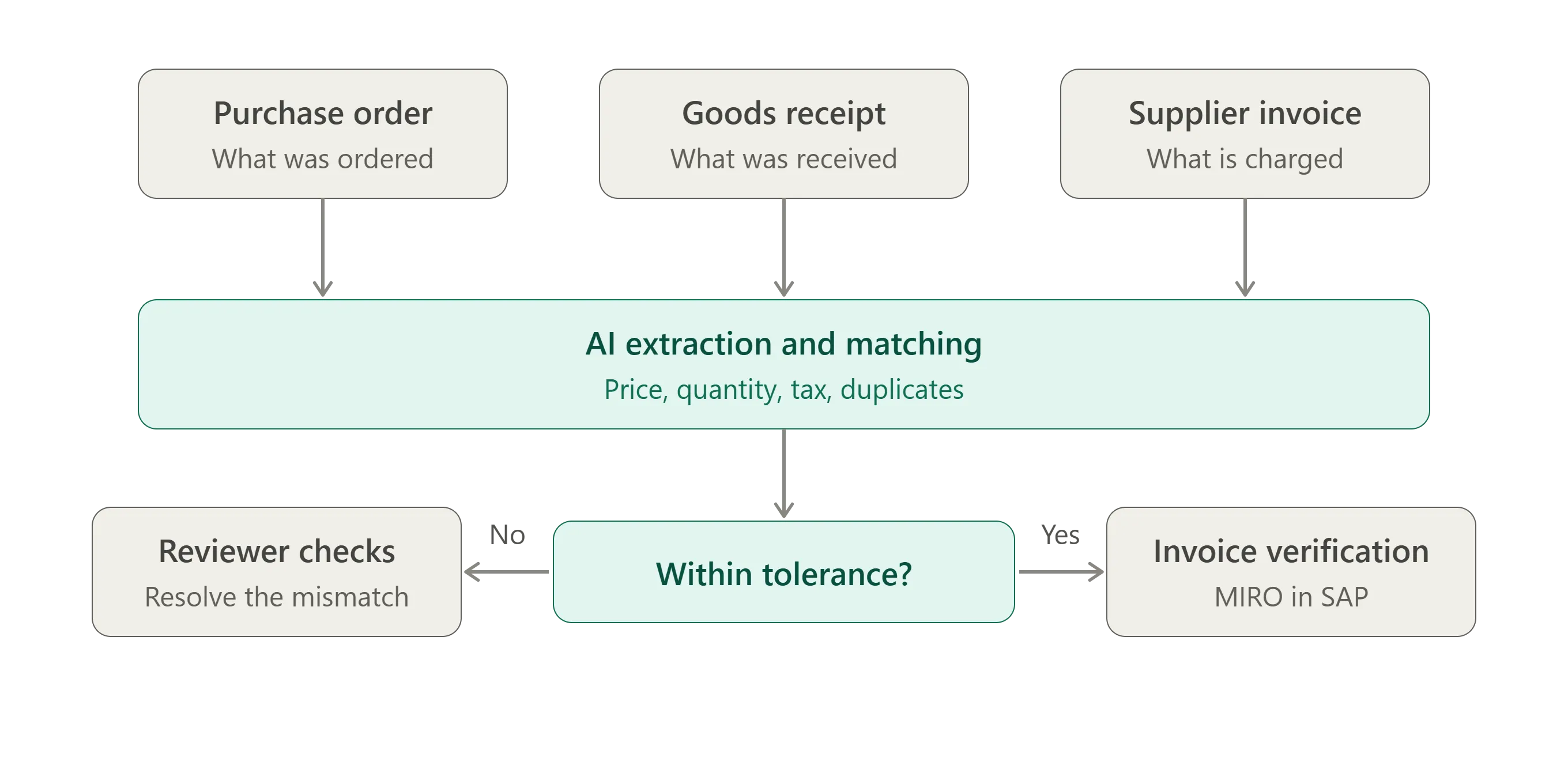
Three-way matching is a critical control in procurement and accounts payable. It compares:
Differences in price, quantity, tax, or other configured conditions can require investigation before the invoice progresses.
AI-assisted document processing and matching can help extract invoice information, compare it with available purchasing records, and highlight discrepancies for review.
For organisations using SAP Logistics Invoice Verification, MIRO is commonly used to process supplier invoices against purchasing and receipt information.
When the required documents are incomplete or discrepancies remain unresolved, invoice processing can slow down.
The goal of procurement automation is to reduce avoidable manual work before and during invoice verification while preserving the controls required for financial accuracy and auditability.
AI-powered procurement automation combines artificial intelligence, document processing, business rules, and workflow automation to streamline purchasing activities.
Simplify purchase order management, automate invoice verification, and support three-way matching without replacing your SAP S/4HANA environment. Discover how ZYNO Procurement can help improve procurement efficiency and control.
Instead of requiring employees to manually complete every step, the system can assist with interpreting requests, extracting document information, validating records, routing approvals, and identifying exceptions.
A typical AI-powered procurement workflow may include:
Not every platform supports every step automatically. The precise level of automation depends on the product's capabilities, the available integrations, and the organisation's existing business rules.
The objective is to remove unnecessary manual intervention without eliminating the controls that protect procurement and financial operations.
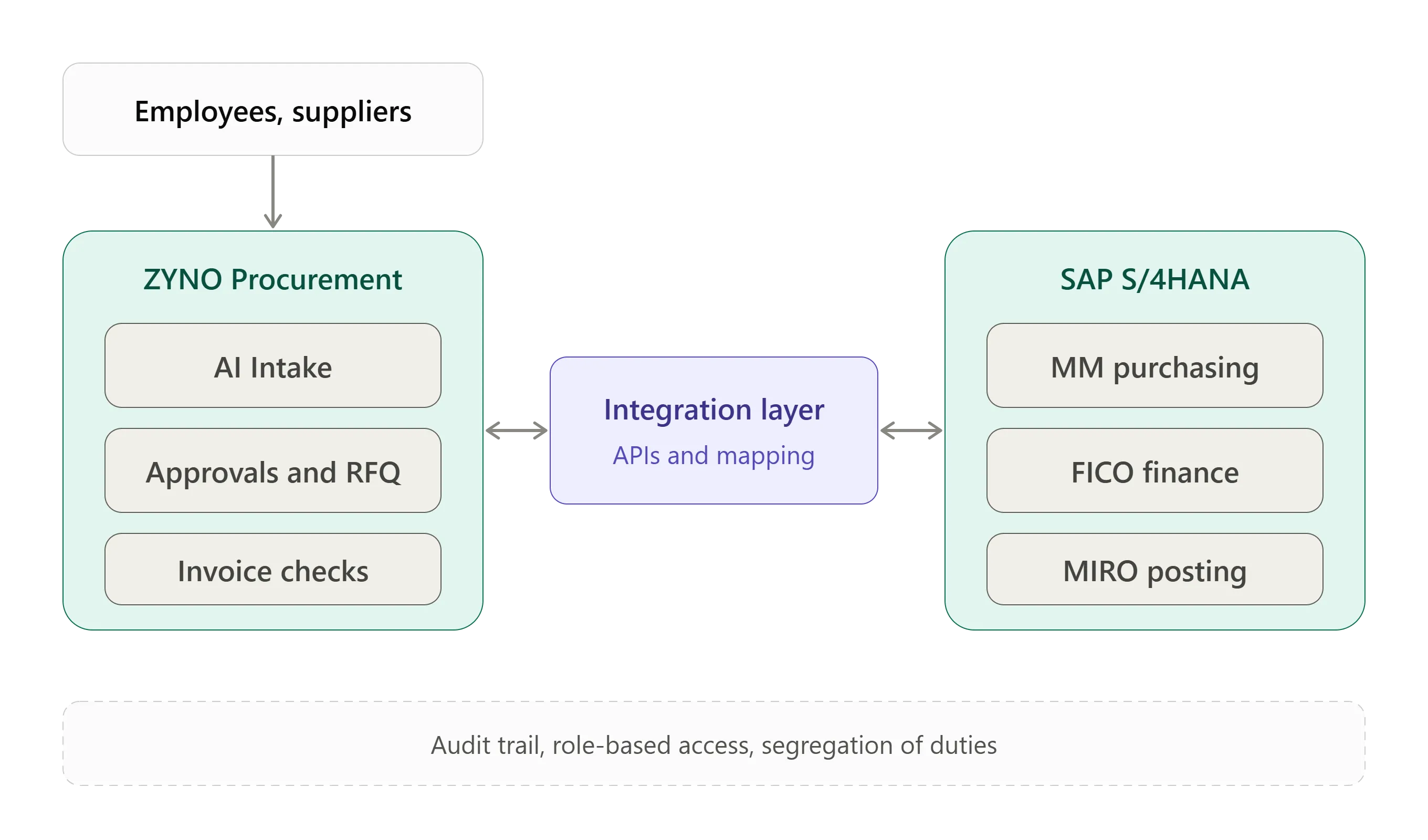
ZYNO Procurement is designed to support procurement activities through a combination of procurement management capabilities, AI-assisted processing, and integration with existing business systems.
For an organisation already using SAP S/4HANA, the central question is how these capabilities can be applied to the current P2P process without creating another disconnected application.
Employees do not always know which fields need to be completed in a purchasing form. They may understand the business requirement but struggle with the information needed to submit it correctly.
ZYNO AI Intake can interpret natural-language requests and help generate structured purchase requisitions with relevant details, depending on the available information and configuration.
For example, an employee might submit:
"We need 50 laptops for the IT department, with delivery required next month."
The AI-assisted workflow can help structure the request with details such as the item description, quantity, department, and requested delivery date.
Required fields, budget validation, supplier selection, and approval rules still need to follow the organisation's procurement policies.
This approach can reduce repetitive form filling and make purchasing easier for employees.
Learn more about ZYNO AI Intake.
A procurement process should not require employees to re-enter the same information at every stage.
ZYNO's AI-assisted purchase-request and order capabilities can be evaluated for streamlining the transition from an initial purchasing requirement to structured procurement documents.
A well-designed workflow should validate the relevant information, apply the configured approval process, and minimise unnecessary duplication.
For SAP users, implementation planning should establish which records remain authoritative in SAP, which activities are managed through ZYNO, and how approved data is exchanged between the systems.
Explore AI-powered PR and PO software.
Invoice processing is one of the most important opportunities for reducing manual procurement work.
ZYNO's AI-assisted invoice capabilities can help extract information from supplier invoices, compare it against available purchasing records, identify potential duplicate invoices, and flag price or quantity discrepancies.
Instead of treating every invoice as a manual case, finance teams can focus on transactions that require additional review.
For SAP S/4HANA, the integration must establish how purchase orders, goods receipt records, invoice information, and verification results will be exchanged.
The system should also define how mismatches, failed transactions, and duplicate-processing risks are handled.
Explore ZYNO AI Intake.

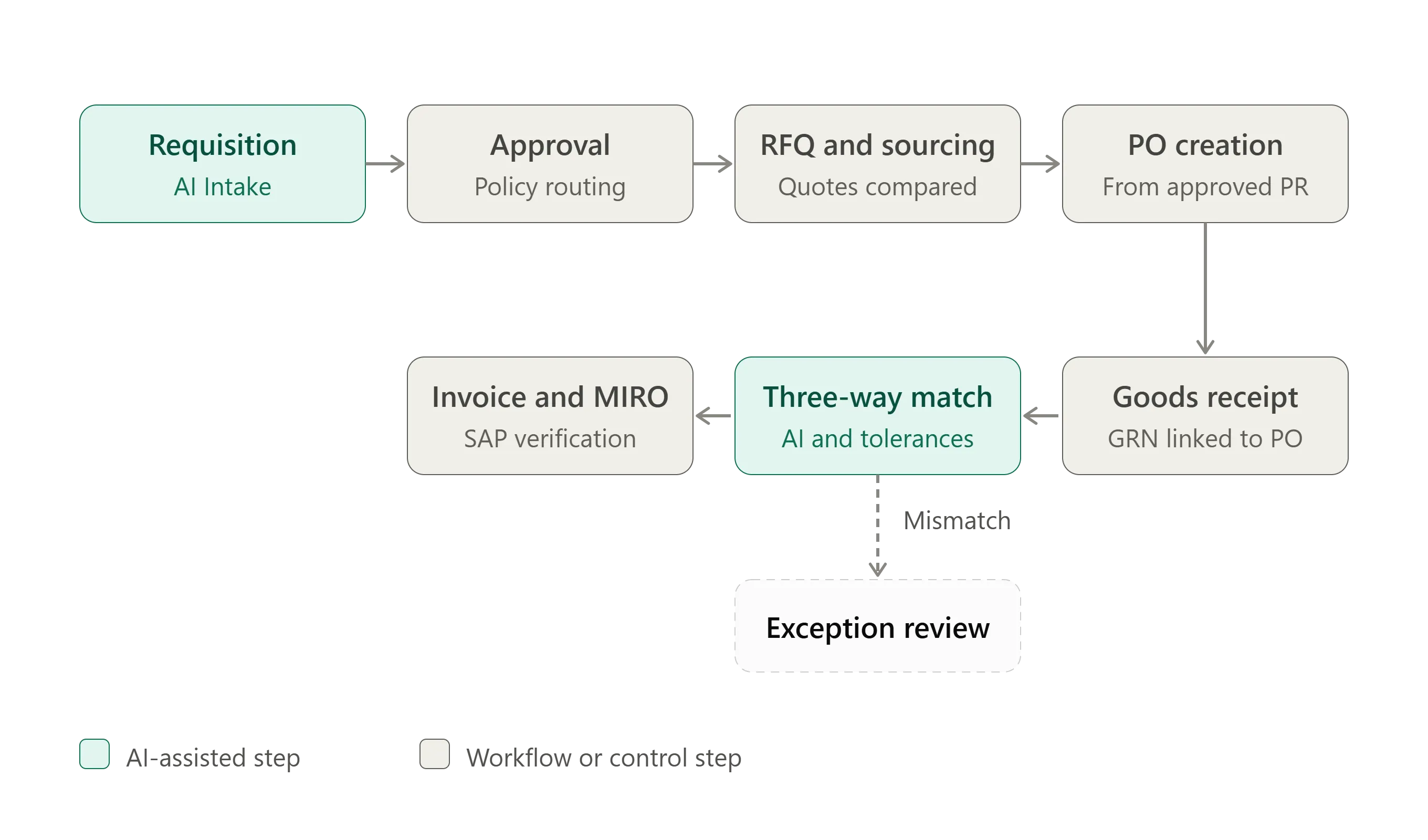
The following workflow illustrates how procurement automation could be designed for an organisation using SAP S/4HANA.
The employee submits a purchasing requirement through an AI-assisted interface.
The system interprets the request and helps create a structured requisition with the relevant details.
Potential benefit: Less manual data entry and fewer incomplete requests.
The request moves through the configured approval workflow according to spending limits, departments, budgets, and organisational policies.
Potential benefit: Better visibility into pending approvals and fewer manual follow-ups.
The procurement team manages quotation requests, collects supplier responses, and evaluates commercial information using a structured workflow.
Potential benefit: More consistent sourcing activities and improved visibility into supplier responses.
Following the required approvals, the purchase order is prepared using the approved purchasing information.
The integration design should determine whether the PO is created in SAP, created through another system and synchronised, or handled through an approved SAP interface.
Potential benefit: Reduced duplication and more consistent purchasing records.

The goods receipt process records what has been delivered and links the relevant information to the purchase order.
The workflow should identify missing records and discrepancies before invoice processing proceeds.
Potential benefit: Better coordination between procurement, receiving, and accounts payable.
The system compares purchase order, goods receipt, and supplier invoice information against configured business rules and tolerances.
Transactions that match can progress according to the approved workflow, while exceptions are flagged for review.
Potential benefit: Less manual checking and earlier identification of discrepancies.
Once the required validations and approvals are complete, the invoice follows the configured SAP invoice verification process.
For an organisation using MIRO, technical discovery must establish whether the integration supports the required SAP invoice document creation and posting operations, or whether the workflow transfers data for SAP-side processing.
Potential benefit: A more structured invoice process with better status visibility and fewer unnecessary handoffs.
This end-to-end approach connects the individual steps into one process rather than optimising each activity in isolation.
For enterprises that have already invested in SAP, integration is often more important than simply adding another software interface.
The objective should be to provide an improved procurement experience while ensuring that the relevant data remains accurate, secure, and consistent across systems.
Reduce manual procurement tasks, accelerate purchase approvals, automate invoice processing, and improve supplier coordination with AI-powered ZYNO Procurement alongside your existing ERP.
ZYNO Procurement offers ERP integration capabilities and APIs. The exact scope of integration with a particular SAP S/4HANA environment must be confirmed based on the available interfaces, deployment model, configuration, and required transaction operations.
An integration assessment should answer the following questions.
Define whether SAP or ZYNO is authoritative for purchase requisitions, purchase orders, goods receipt records, supplier data, invoices, and financial postings.
How will data move between systems?
Identify the required data fields, integration methods, synchronisation frequency, and handling of failed transactions.
Confirm the supported operations for the specific SAP documents involved. Read-only access and transaction creation are different integration requirements.
Establish whether the integration supports the required invoice verification and posting operations, including the relevant SAP authorisations and business controls.
Define which system manages approvals, how discrepancies are routed, and how transaction status is communicated to users.
Validate role-based access, segregation of duties, audit records, error logging, and reconciliation procedures.
These questions should be addressed during technical discovery before committing to an implementation timeline or a particular level of automation.
The value of procurement automation extends beyond completing individual transactions faster.
AI-assisted intake and document extraction can help minimise the amount of information employees need to enter manually.
Structured workflows can make it easier to identify pending requests, overdue approvals, and transactions requiring intervention.
Automated document checks and matching rules can highlight potential errors before invoices move further through the process.
Connecting relevant purchasing activities can reduce repeated status checks between procurement, receiving, and finance teams.
Consolidated procurement information can help teams review spending, purchasing activity, supplier performance, and approval bottlenecks, depending on the available reporting capabilities.
An intuitive interface can simplify how employees submit requests, check status, and respond to required information requests.
These improvements can reduce the operational burden on procurement teams. However, actual staffing impact, processing-time improvements, and cost savings depend on transaction volumes, process maturity, exception rates, and implementation quality.
A successful automation project begins with a clear understanding of the existing process.
Before implementation, procurement, finance, and IT teams should document the current P2P workflow and identify where manual effort is highest.
A practical evaluation should include:
A pilot project can then test a representative workflow, measure baseline performance, and validate whether the proposed automation delivers measurable operational improvements.
ZYNO Procurement brings procurement management capabilities together with AI-assisted workflows designed to streamline purchasing activities and improve visibility.
Its relevant capabilities include:
For SAP S/4HANA users, ZYNO Procurement can be evaluated as part of a strategy to improve the procurement experience while connecting the required workflows with existing business systems.
The most important step is to validate the precise integration requirements, particularly SAP record creation, goods receipt data exchange, and MIRO-related invoice posting.
The goal is not simply to add AI to procurement. It is to remove unnecessary manual steps from the process while keeping business data, approvals, and financial controls reliable.
AI can support procurement activities such as natural-language purchase-request intake, document processing, invoice verification, matching, and approval routing. The level of automation depends on the software capabilities, SAP integration, and business rules.
ZYNO Procurement offers ERP integration capabilities and APIs. Compatibility and the specific SAP transactions supported should be validated against the organisation's SAP configuration and integration requirements.
AI-powered procurement software can be evaluated for workflows spanning purchasing and finance. The exact operations supported across SAP MM and FICO depend on the integration design, transaction types, and configured controls.
This depends on the supported SAP interfaces and the integration scope. The technical team should confirm which records can be created or updated, which approvals are required, and how transaction status is synchronised.
AI-assisted invoice verification can help compare invoice information with available purchase order and goods receipt records, identify discrepancies, and route exceptions for review. Matching rules and tolerance settings should be confirmed for the intended workflow.
The ability to create and post invoices through MIRO must be verified for the specific SAP environment and proposed integration. It should not be assumed from general ERP integration capability alone.
Not necessarily. Automation can route routine requests and reduce follow-ups, but approval requirements, exception reviews, and financial controls should remain aligned with the organisation's policies.
Useful measures include average requisition-to-order time, approval turnaround, invoice processing time, exception rates, manual touches per transaction, duplicate invoice detection, and total processing cost.
Organisations running SAP S/4HANA do not necessarily need to replace their existing ERP to investigate procurement automation.
By combining AI-assisted intake, structured approvals, document processing, invoice verification, and an appropriate integration architecture, businesses can identify opportunities to reduce repetitive manual work and improve visibility across the P2P lifecycle.
ZYNO Procurement provides a platform to evaluate these opportunities through its procurement workflows, AI capabilities, and ERP integration options.
For businesses using SAP MM and FICO, the next step is to map the current process, define the required SAP transactions, and validate the integration before implementation.
Discover ZYNO Procurement and discuss your existing P2P process, SAP integration requirements, and automation goals with the team.
Procurement Software Trends in 2026: What to Expect
Read More →
Why E-Procurement Outperforms Traditional ERP in Modern Procurement
Read More →
Top Procurement Software in India: 12 Best Options for 2026
Read More →
Best Procurement Software Companies in Kuwait (2025)
Read More →
5 Best Procurement Software in Africa for Enterprises & SMEs (2026 Guide)
Read More →
Best Procurement Software in Nigeria 2026 | Top 5 Picks
Read More →
Best Procurement Software Providers in USA (2025): How AI is Transforming the Future
Read More →
10 Best Procurement Software Providers in Thailand for Streamlined Supply Chain Management
Read More →
Top 10 Cloud-Based Procurement Solutions in Portugal for Businesses in 2025
Read More →
Top 10 Procurement Software Providers in Switzerland 2026: Streamlining Sourcing and Supplier Management
Read More →
What Makes ZYNO Procurement Different from Other Oil & Gas Procurement Software
Read More →
The Digital Transformation of Logistics Procurement in the Middle East
Read More →
A Step by Step Guide to Procurement Management Software for Modern Enterprises
Read More →
Sourcing and Procurement: What is the Difference and Why It Matters
Read More →Difference Between Procurement and Supply Chain Management
Read More →
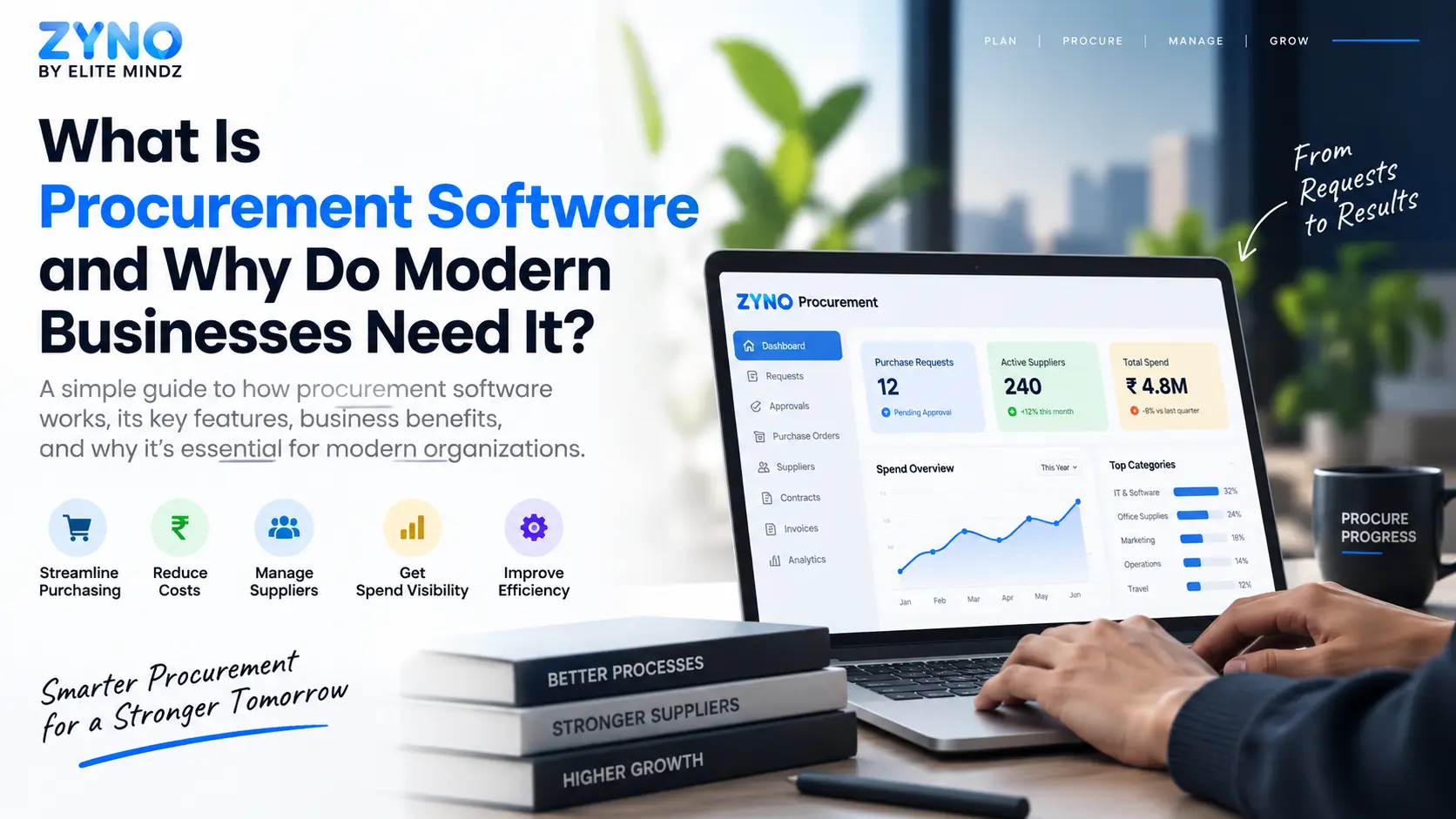
What Is Procurement Software and Why Do Modern Businesses Need It?
Read More →
Best Procurement Management Software to Automate ERP Process
Read More →
Direct vs Indirect Procurement: Key Differences, Examples & Uses (2026)
Read More →
Smart procurement strategies for cost optimization & risk management
Read More →
What Is Procurement? Everything You Need to Know (Types, Process & SAP)
Read More →Beyond Cost-Cutting: How Procurement Drives Margin Expansion in 2026
Read More →
Direct Procurement: Process, Examples, and When to Use It
Read More →
What Are the 5 Types of E-Procurement? A Complete Guide for Businesses
Read More →
Which Procurement Management Software Is Best? Top Tools Compared for 2026
Read More →
Top 8 Coupa Alternatives to Explore in 2026
Read More →
Looking to Replace Coupa? Discover the Best Alternatives Like ZYNO Procurement
Read More →
How Does Procurement Software Work? A Complete Guide
Read More →
ZYNO Procurement vs Coupa: Best Procurement Software Comparison for Mid-Market Teams
Read More →
10 Best SAP Ariba Alternatives and Competitors in 2026
Read More →
ZYNO Procurement vs SAP Ariba: Which Solution Is More User-Friendly?
Read More →
AI-Powered Procurement Management Software for Fast, Connected, and Visible Workflows in Dubai
Read More →
What is Vendor Management? Complete Guide to Vendor Management Software, Systems, and Processes
Read More →
Best Procurement Management Software In Kenya
Read More →
6 SAP Ariba Alternatives for Mid-Market Businesses in 2026
Read More →
Top E-Procurement Solutions for B2B Organizations (2026)
Read More →
Quotation Format: Free Templates + Complete Guide (2026)
Read More →
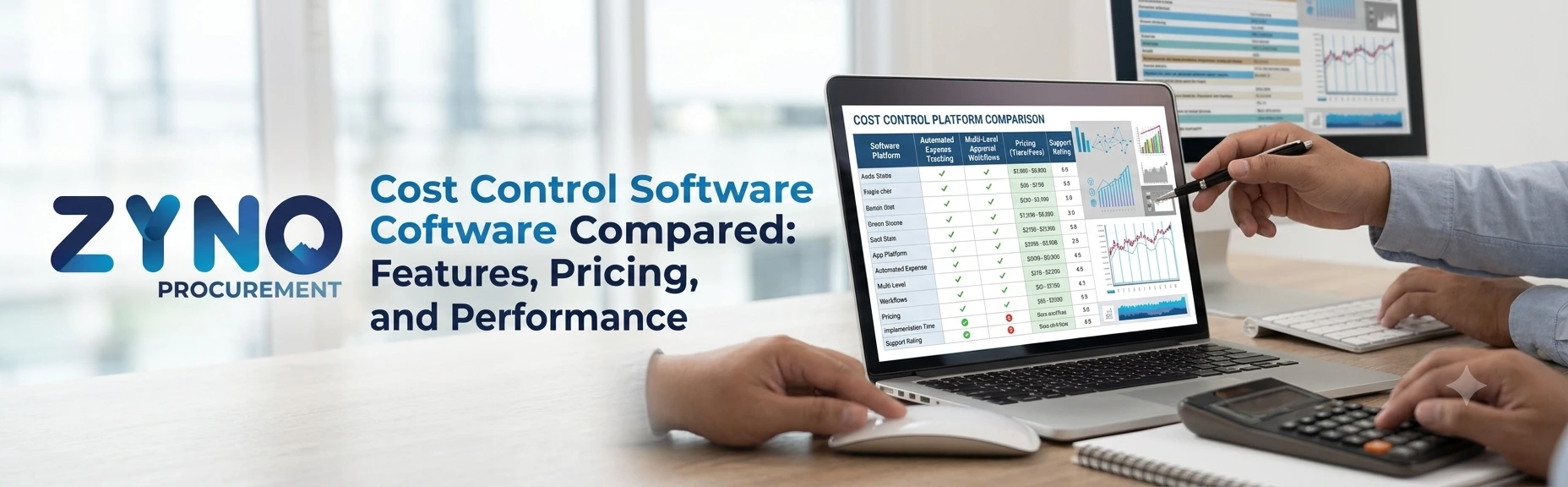
Cost Control Software: Features, Benefits & Performance Guide for 2026
Read More →
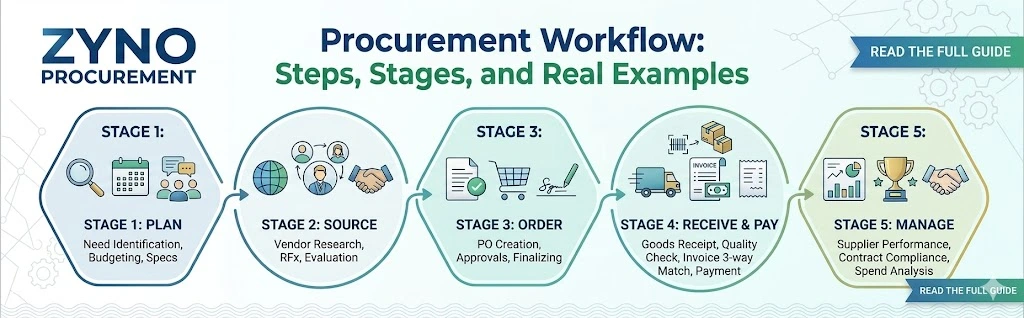
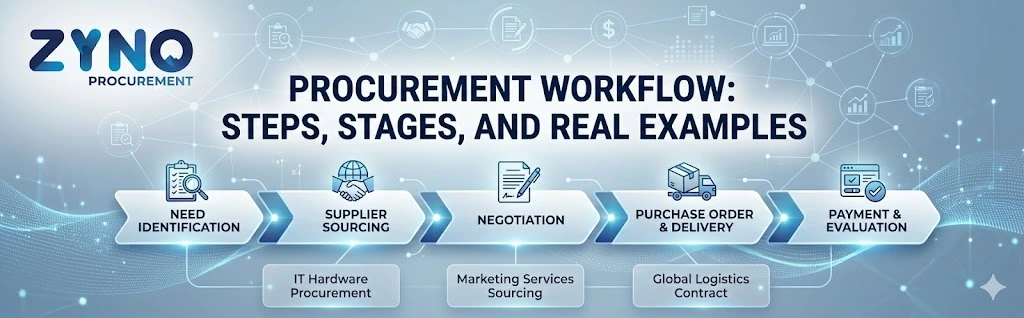
Procurement Workflow: Steps, Stages, and Real Examples
Read More →
Top 10 Zycus Alternatives for Procurement Teams in 2026
Read More →
Best Precoro Alternative for Purchase Requisition and Procurement
Read More →
Top AI Procurement Tools in 2026
Read More →
Best Tools for Supplier Risk Management
Read More →
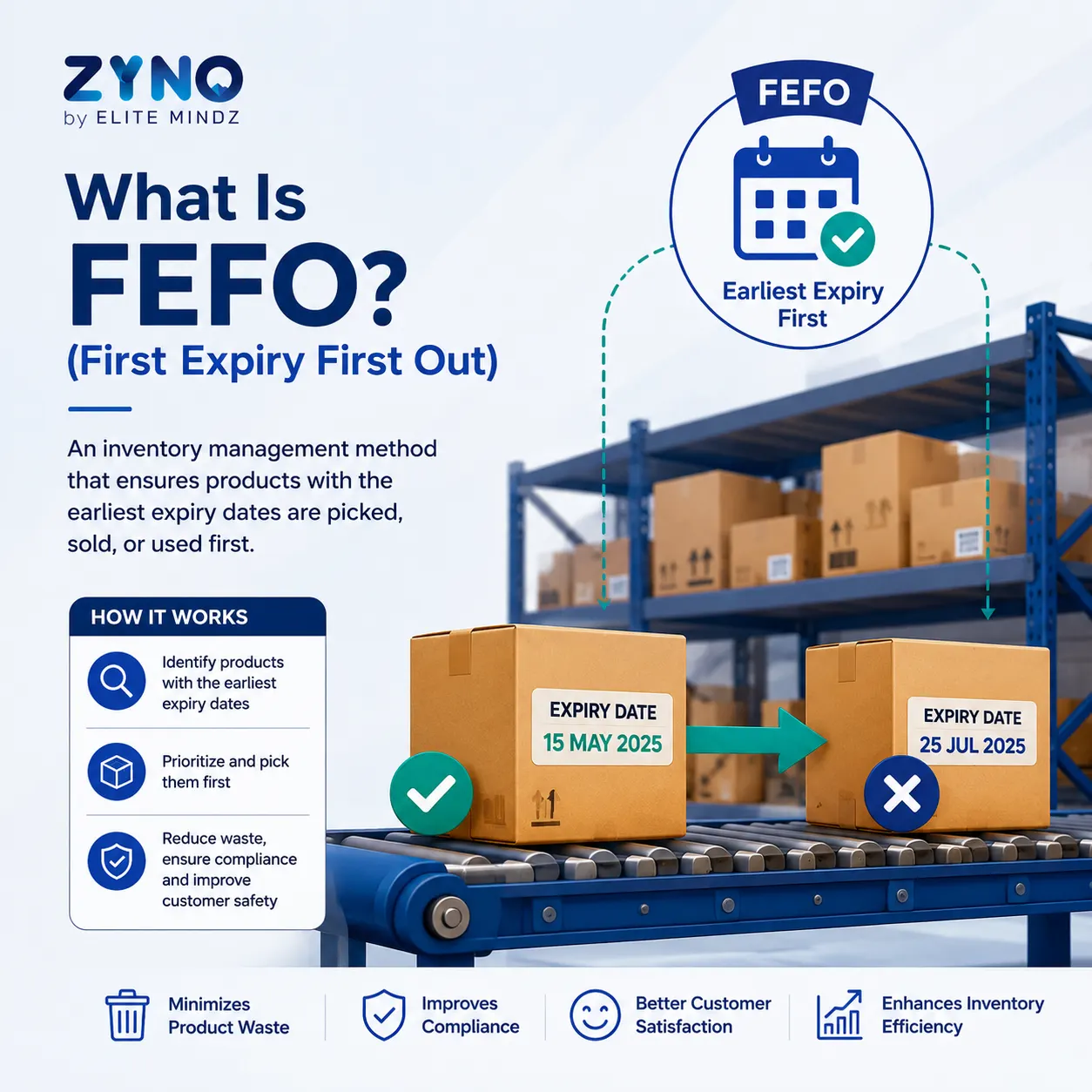
FEFO vs FIFO vs LIFO: Differences, Benefits & Which Inventory Method Is Best?
Read More →
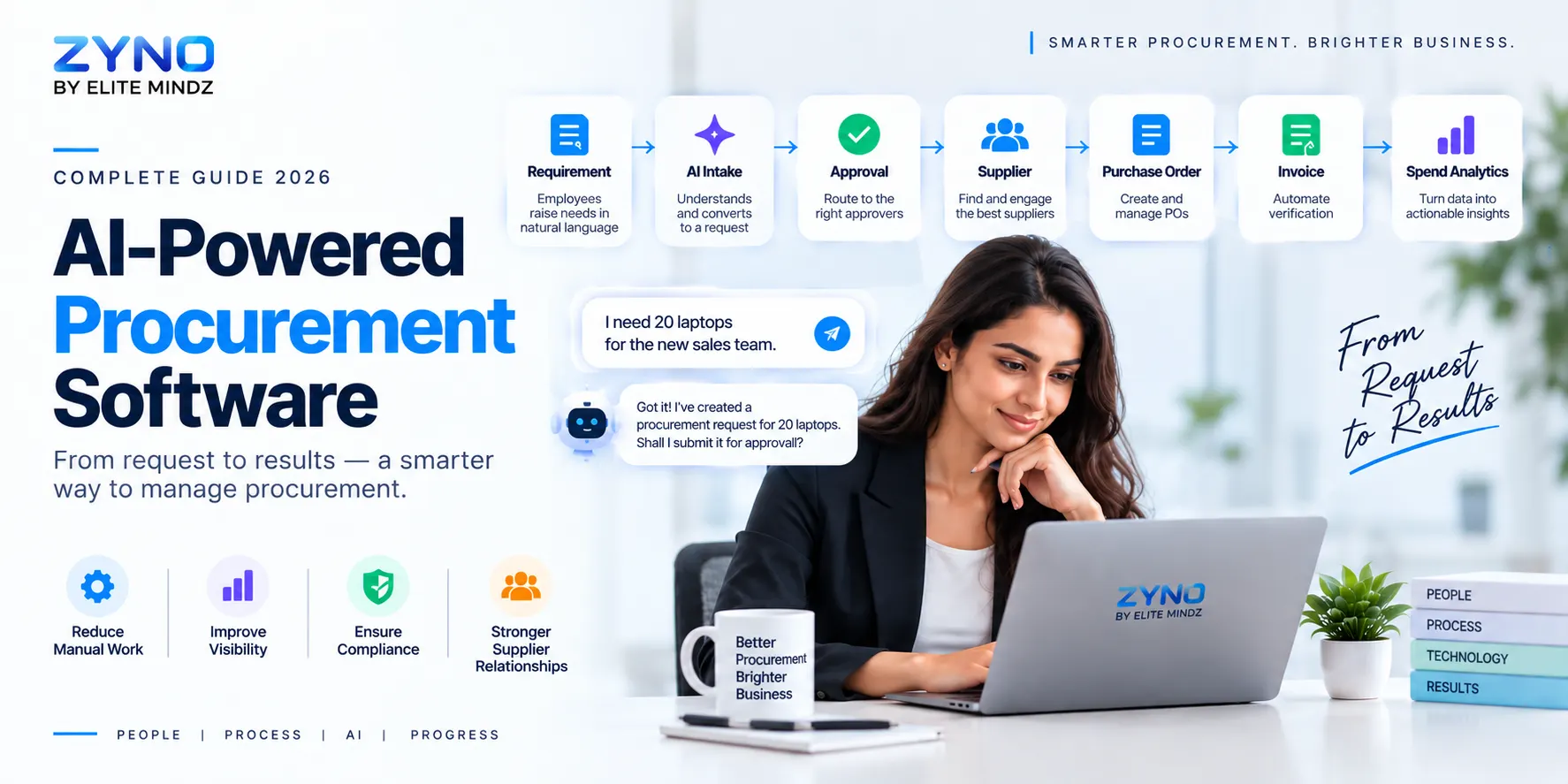
AI Procurement Software: Features, Benefits, Use Cases & How to Choose
Read More →
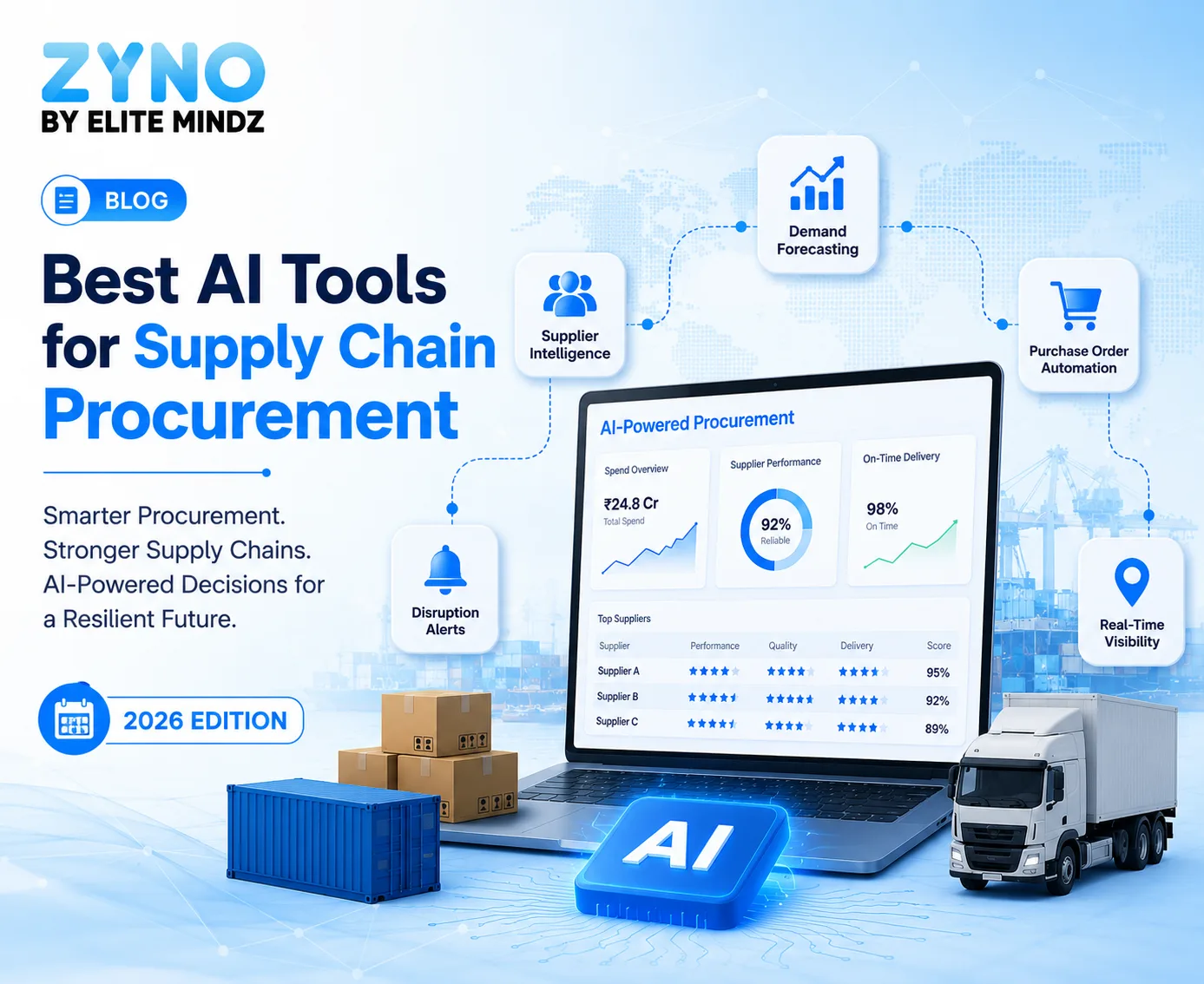
Best AI Tools for Supply Chain Procurement
Read More →
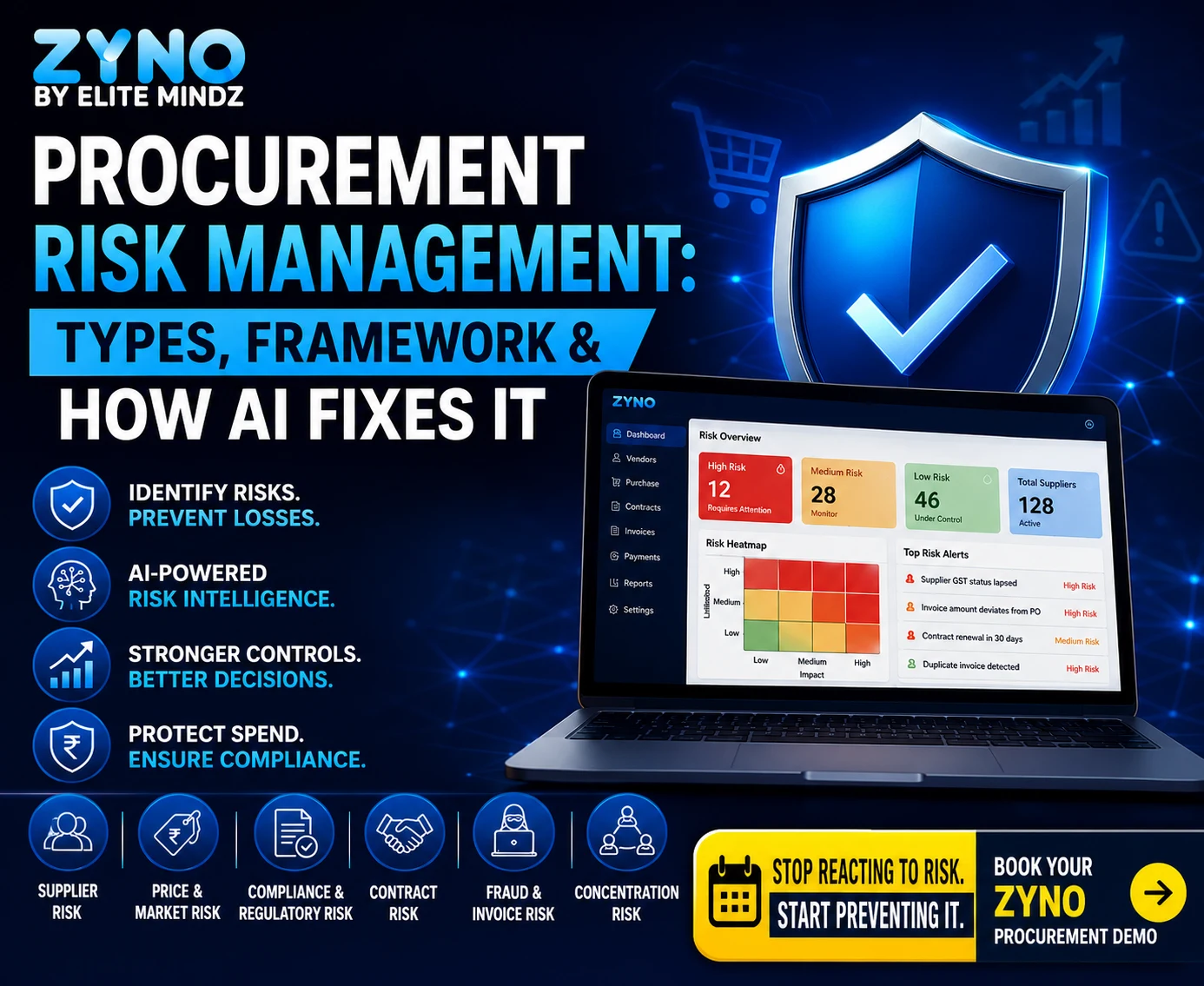
Procurement Risk Management
Read More →
Still Using Excel for Procurement? Read This Before It's Too Late
Read More →
Best RFP Software in 2026: Top Tools Compared for Faster Proposal Responses
Read More →
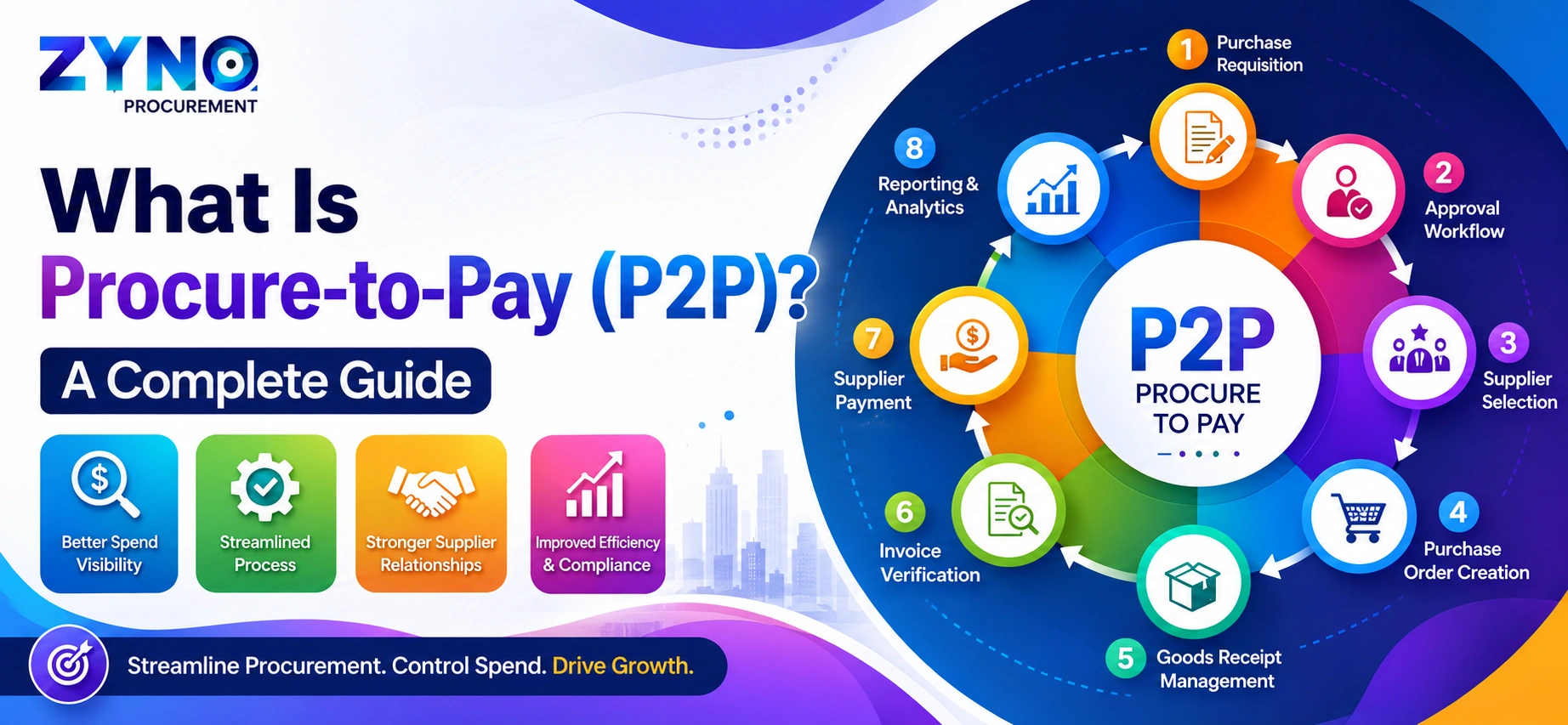
What Is Procure-to-Pay (P2P)? A Complete Guide
Read More →
Complete Procurement Workflow Guide for Modern Businesses
Read More →
Complete Guide to E-Procurement Solutions for B2B Organizations
Read More →
Cost Control Software Comparison Guide: Features, Pricing & Benefits
Read More →
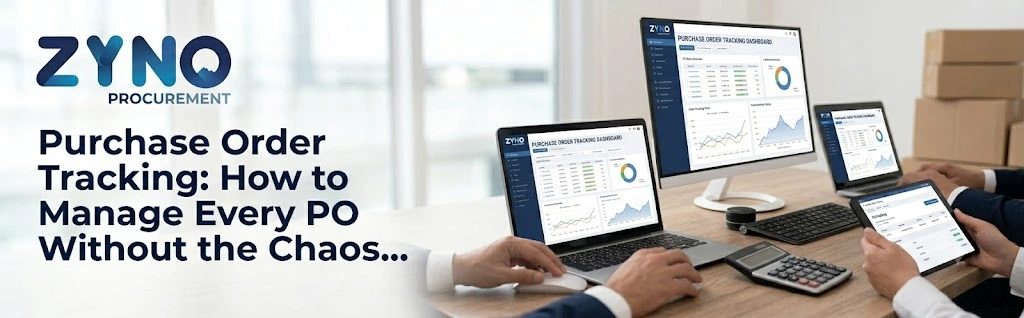
Purchase Order Tracking: How to Manage Every PO Without the Chaos
Read More →
Inventory Management: What It Is, How It Works and Why It Matters
Read More →
Top 10 Procurement Software Tools for Purchasing Automation in 2026
Read More →
Agentic AI Procurement Platforms and the Future of Strategic Sourcing
Read More →
AI Spend Analytics Software for Procurement Leaders
Read More →
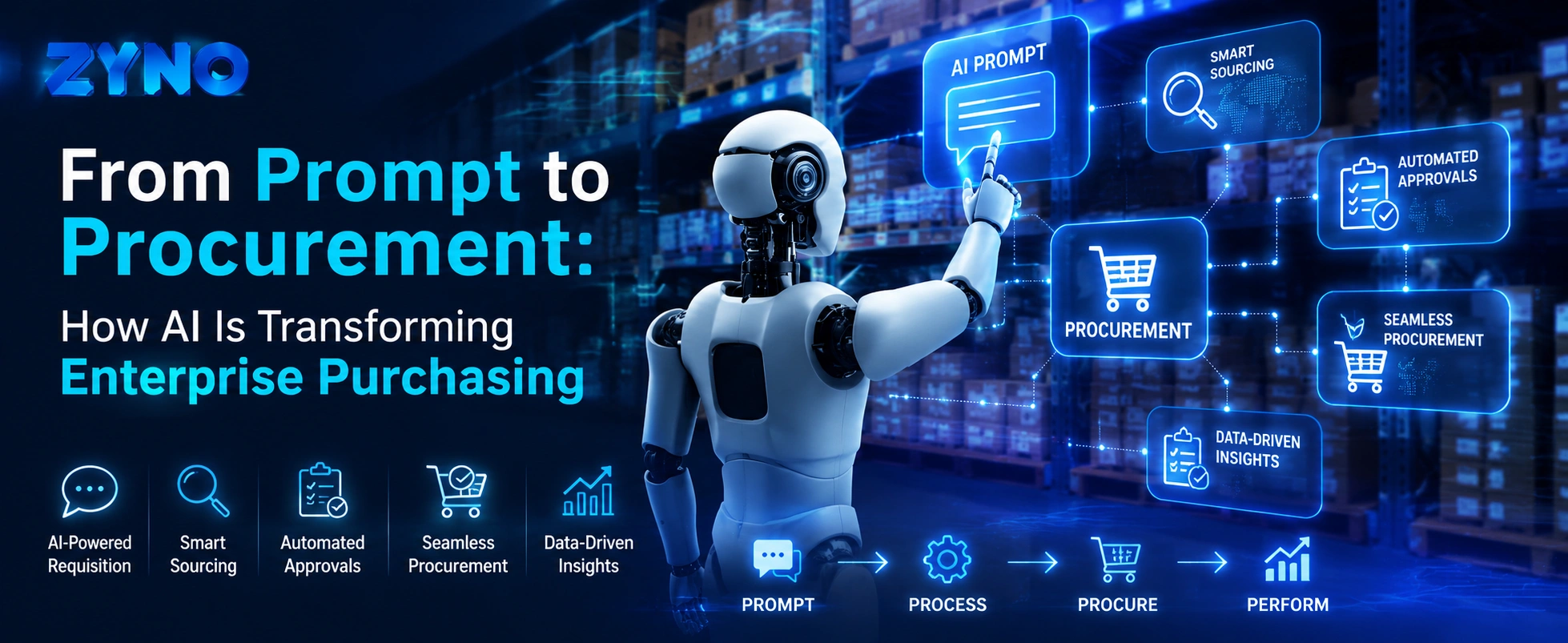
From Prompt to Procurement: How AI Is Transforming Enterprise Purchasing
Read More →
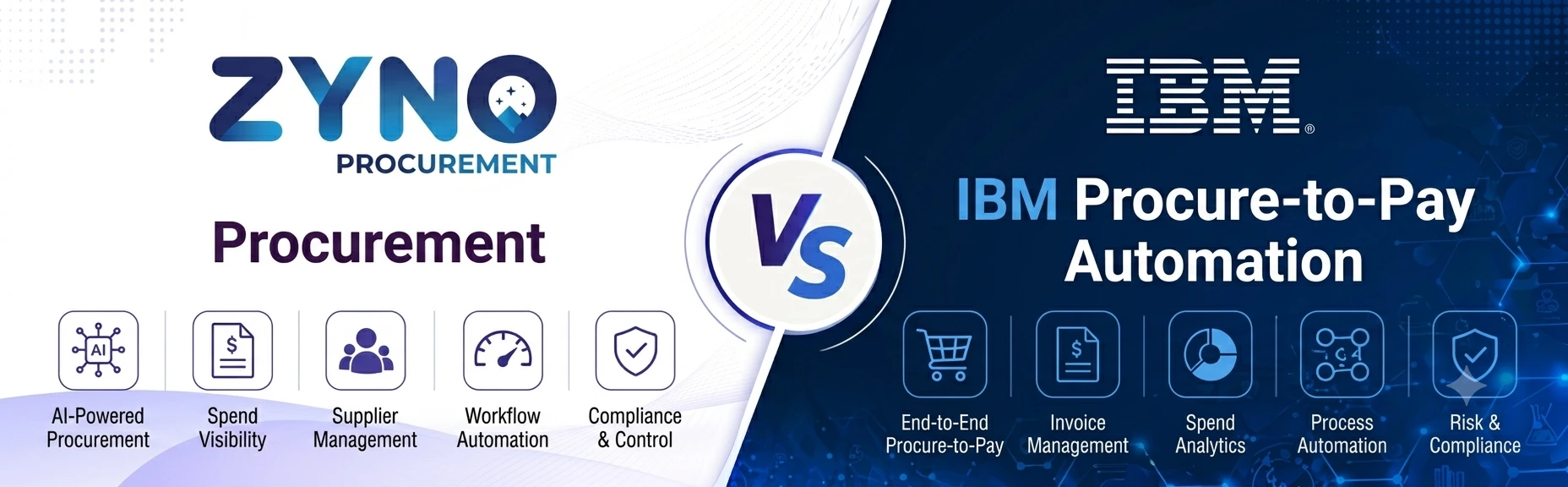
ZYNO Procurement vs IBM Procure-to-Pay Automation
Read More →
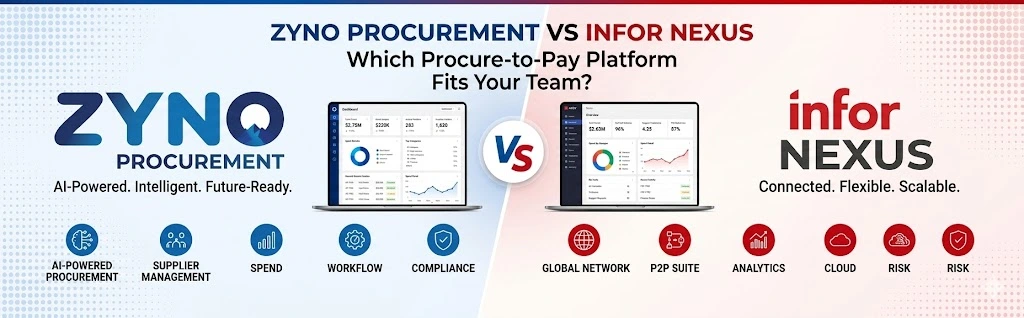
ZYNO Procurement vs Infor Nexus: Which Procure-to-Pay Platform Fits Your Team?
Read More →
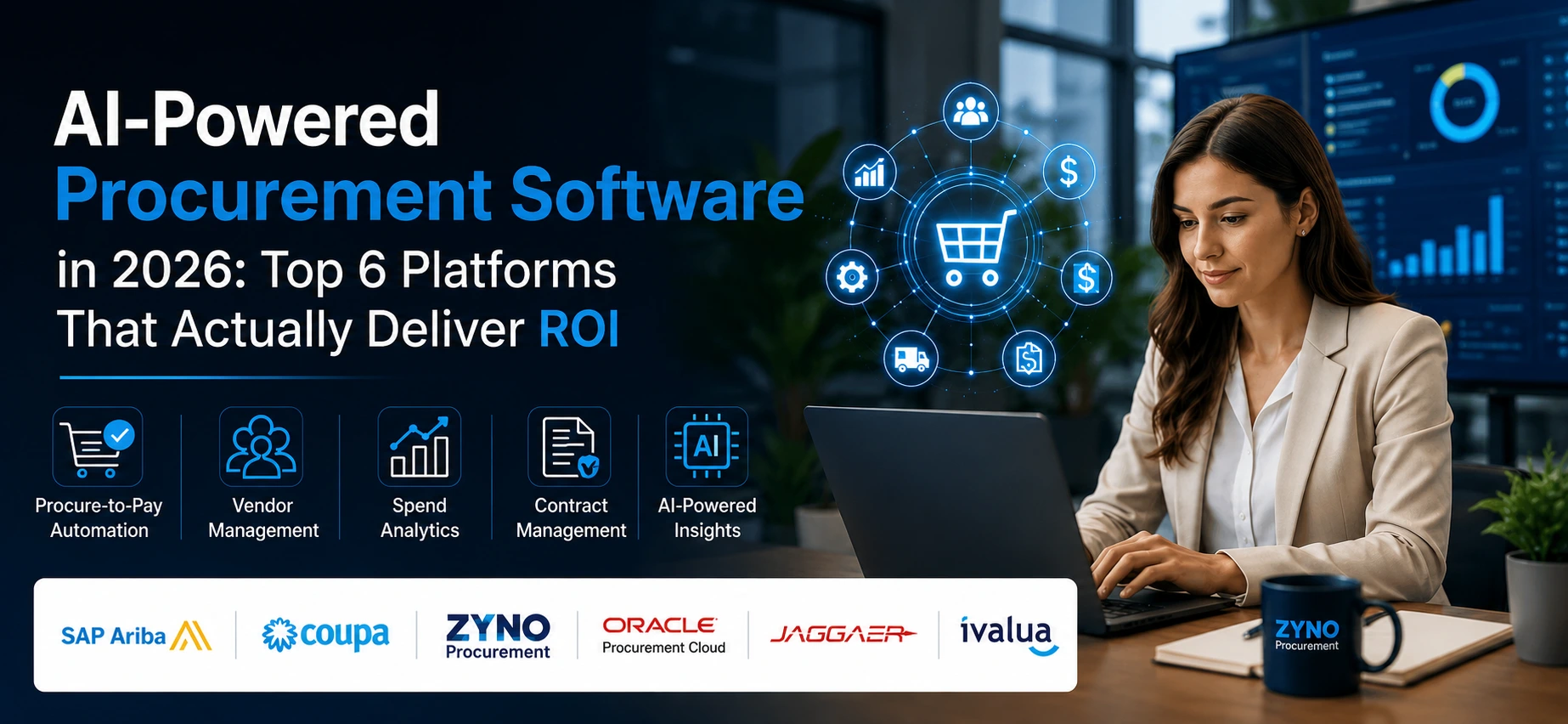
AI-Powered Procurement Software in 2026: Top 6 Platforms That Actually Deliver ROI
Read More →
Contract Management Software Buyer's Guide: Features, Costs & Top Picks
Read More →
Top 10 Procure to Pay Software Companies in India 2026
Read More →
10 Best Vendor Management Software in India (2026): Features, Benefits & Comparison
Read More →
How Machine Learning and AI Are Transforming Procurement: A Strategic Overview
Read More →
What Is Procurement Software for GP? Features, Benefits and Best Solutions for Businesses
Read More →
What Procurement Software Do Mid-Market Companies Use Instead of SAP Ariba or Coupa?
Read More →
Prompt-Based Procurement Software for Kenyan Businesses
Read More →
Project Management Software: A Complete Guide to Streamline Business Operations and Procurement Processes
Read More →
SAP Ariba vs ZYNO Procurement: Complete Feature Comparison (2026)
Read More →
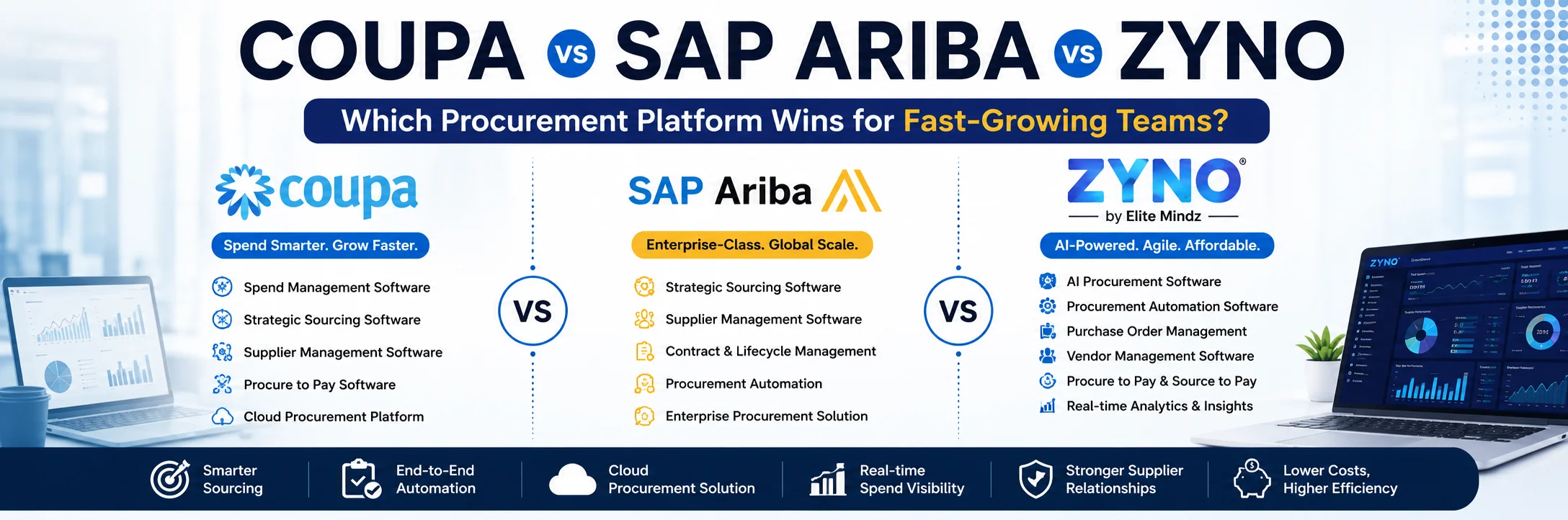
Coupa vs SAP Ariba vs ZYNO: Which Procurement Platform Wins for Fast-Growing Teams?
Read More →
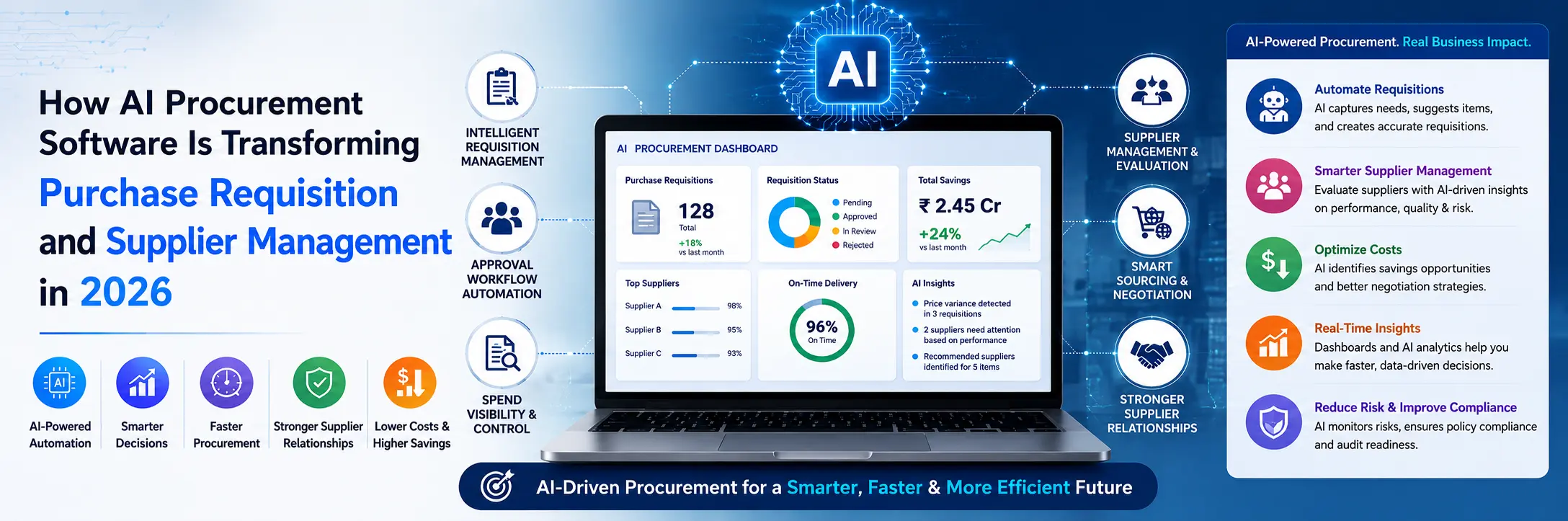
How AI Procurement Software Is Transforming Purchase Requisition and Supplier Management in 2026
Read More →
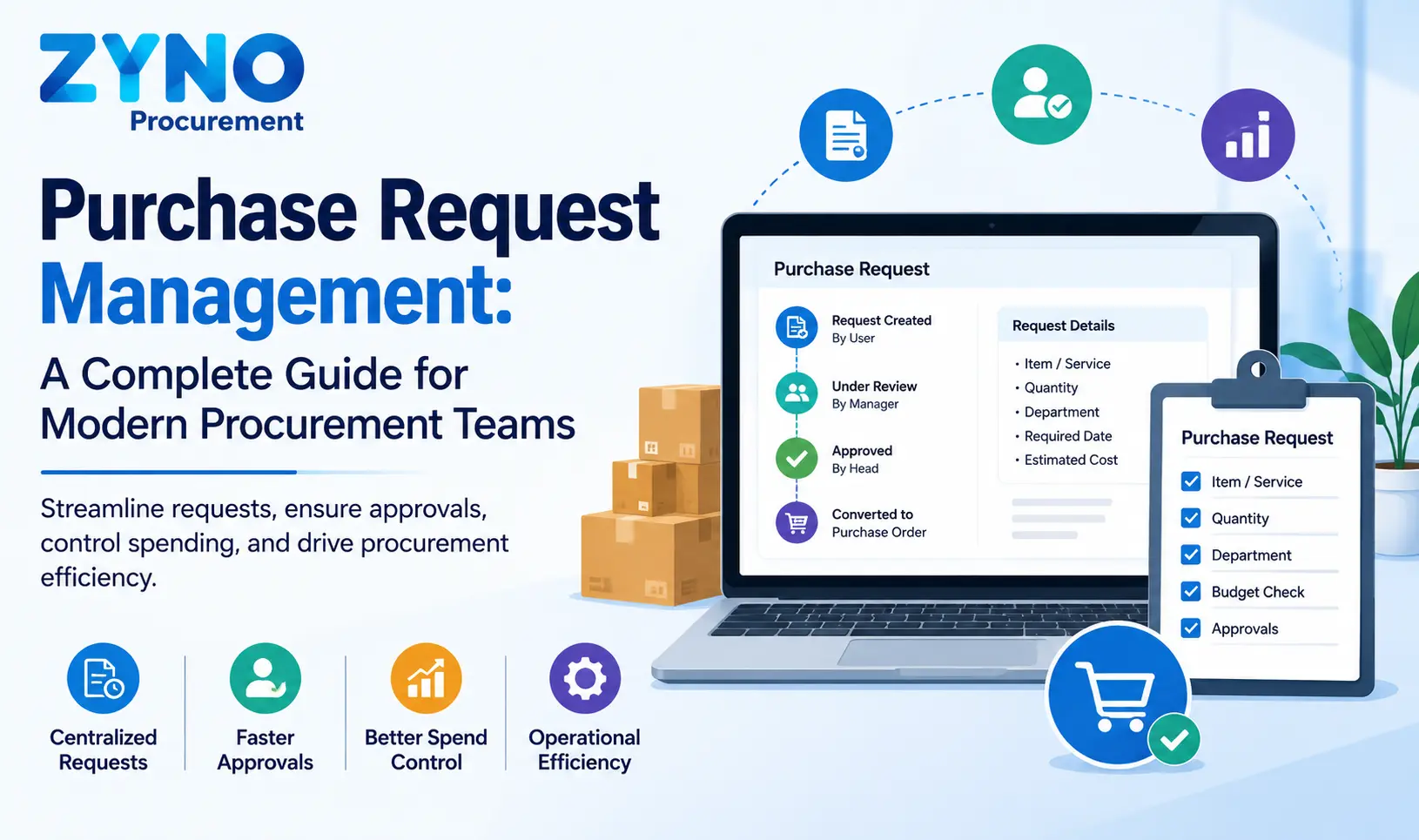
Purchase Request Management: A Complete Guide for Modern Procurement Teams
Read More →
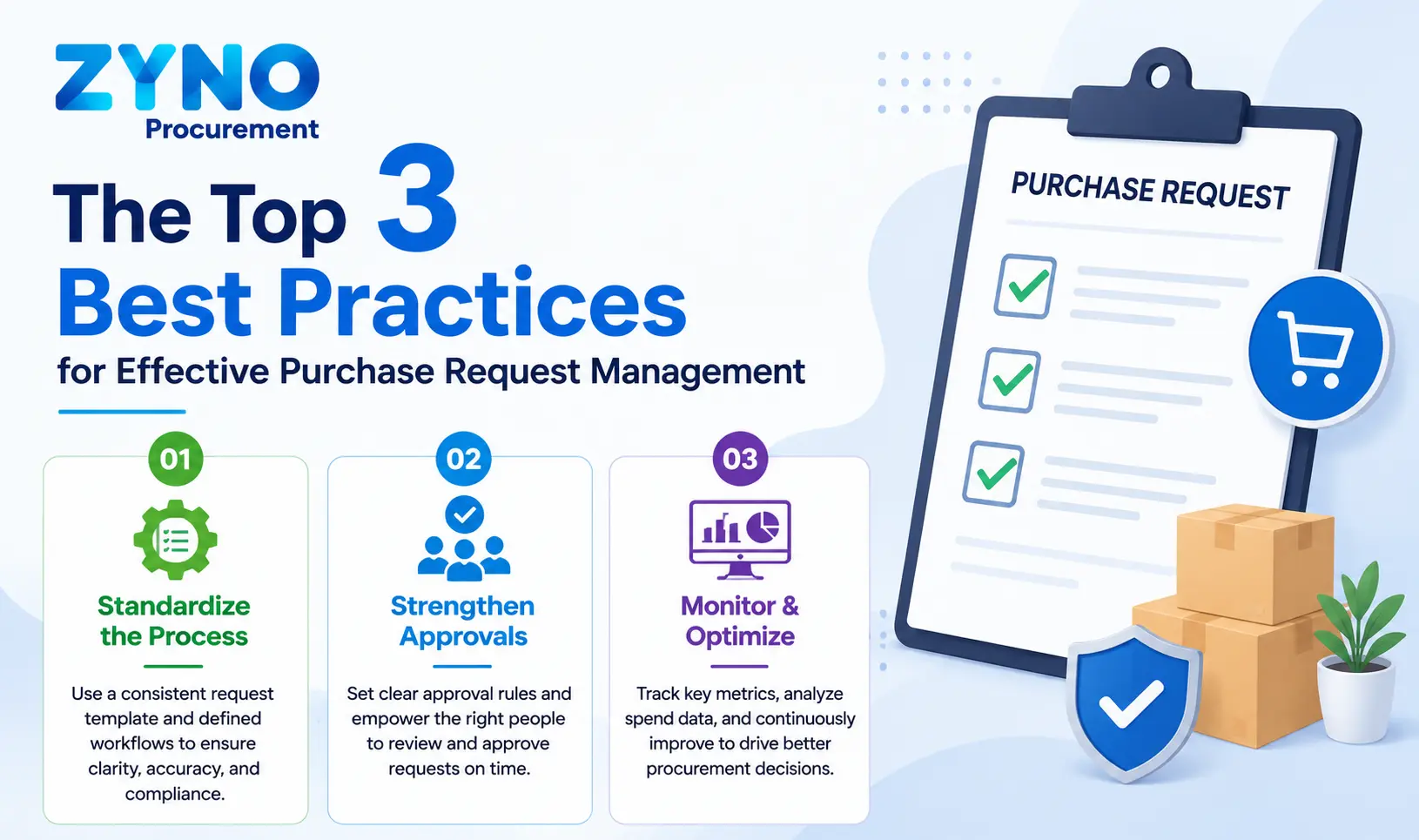
The Top 3 Best Practices for Effective Purchase Request Management
Read More →
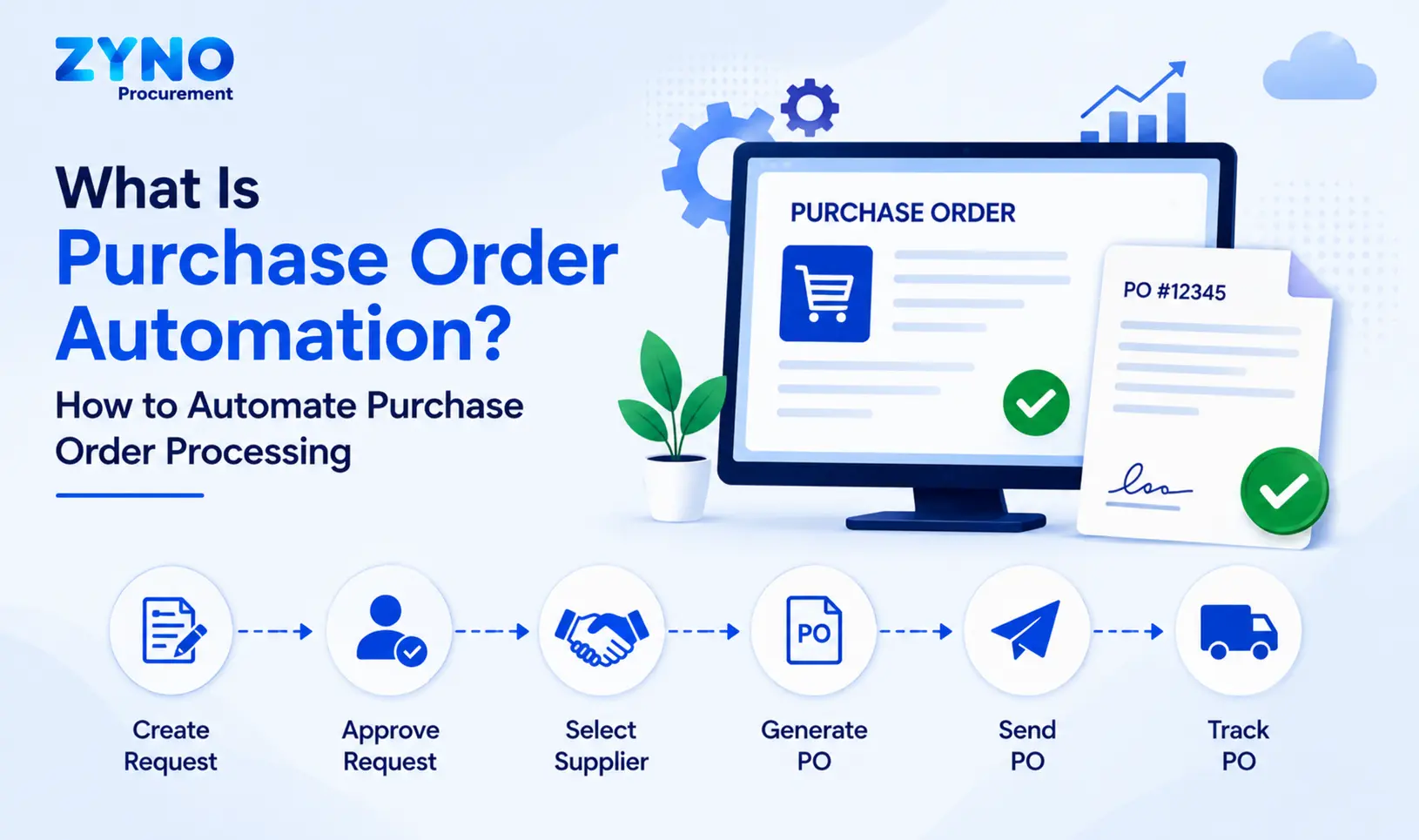
What Is Purchase Order Automation? How to Automate Purchase Order Processing
Read More →
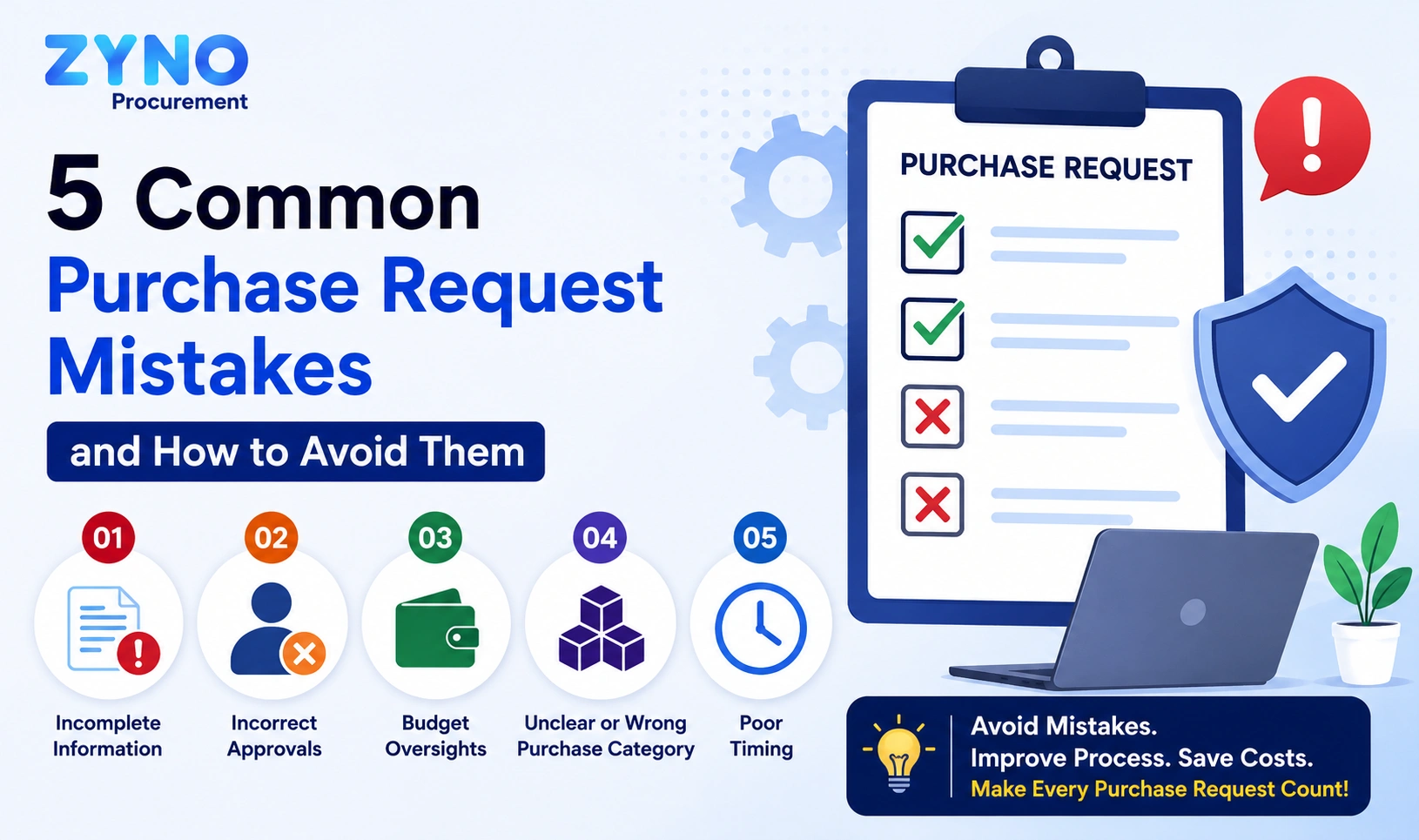
5 Common Purchase Request Mistakes and How to Avoid Them
Read More →
What is Supplier Relationship Management in Procurement? A Complete Guide
Read More →
What is Strategic Vendor Management? A Complete Guide for Modern Procurement
Read More →
What Are Inventory Control Methods? Complete Guide to Types, Techniques, Systems, & Benefits
Read More →
Inventory Audit Checklist: Steps, Process & Best Practices
Read More →
Warehouse Inventory Management: Best Practices for 2026
Read More →
Treasury Management System (TMS): A Complete Guide for Modern Corporates
Read More →
What is Portfolio Management Services (PMS) and What Are Its Benefits?
Read More →
Generative AI Procurement Software Solution: The Future of Intelligent Procurement
Read More →
Top Contract Management Software Companies in Ethiopia: Features, Benefits & Best Procurement Solutions
Read More →
AI Procurement Software: Complete Guide to Intelligent, Generative AI & Machine Learning Procurement Solutions
Read More →
Top SAP alternatives for small, midsize, and enterprise businesses
Read More →
Best RFP Software in 2026: Top Solutions for Smarter Procurement and Proposal Management
Read More →
GST on Purchase: Complete Guide to GST on Purchases in India
Read More →
Procurement Software in the UAE: How to Choose the Right Solution
Read More →
Supply Chain Procurement: Everything You Need to Know
Read More →
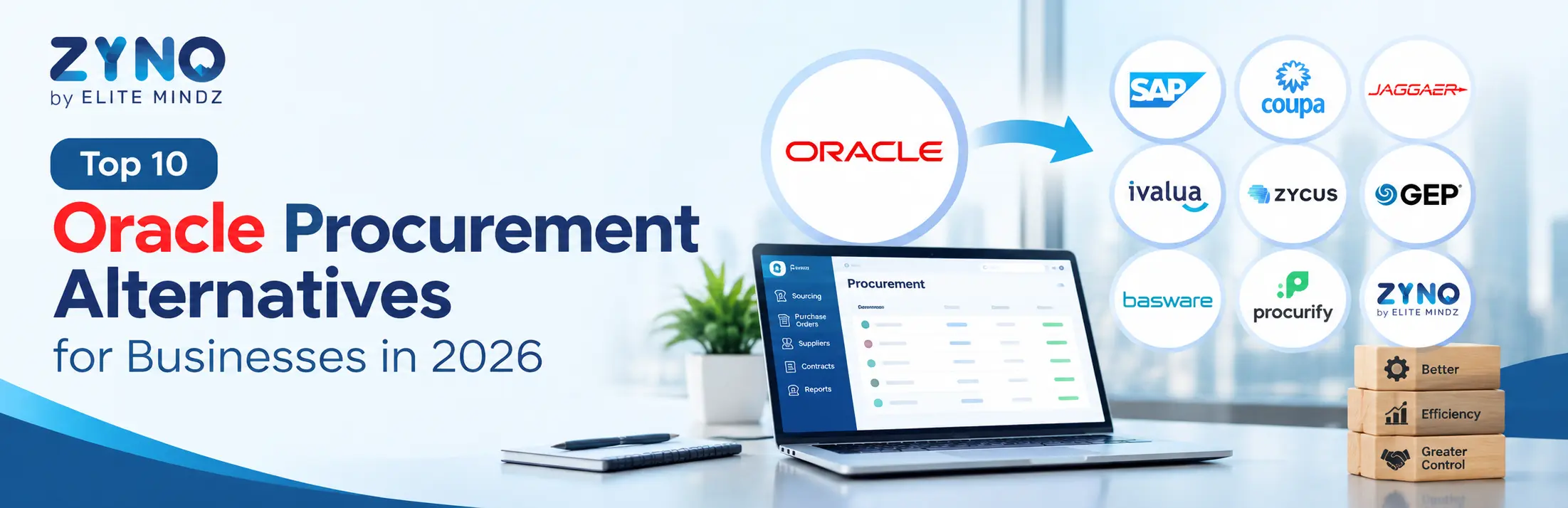
Top 10 Oracle Procurement Alternatives for Businesses in 2026
Read More →
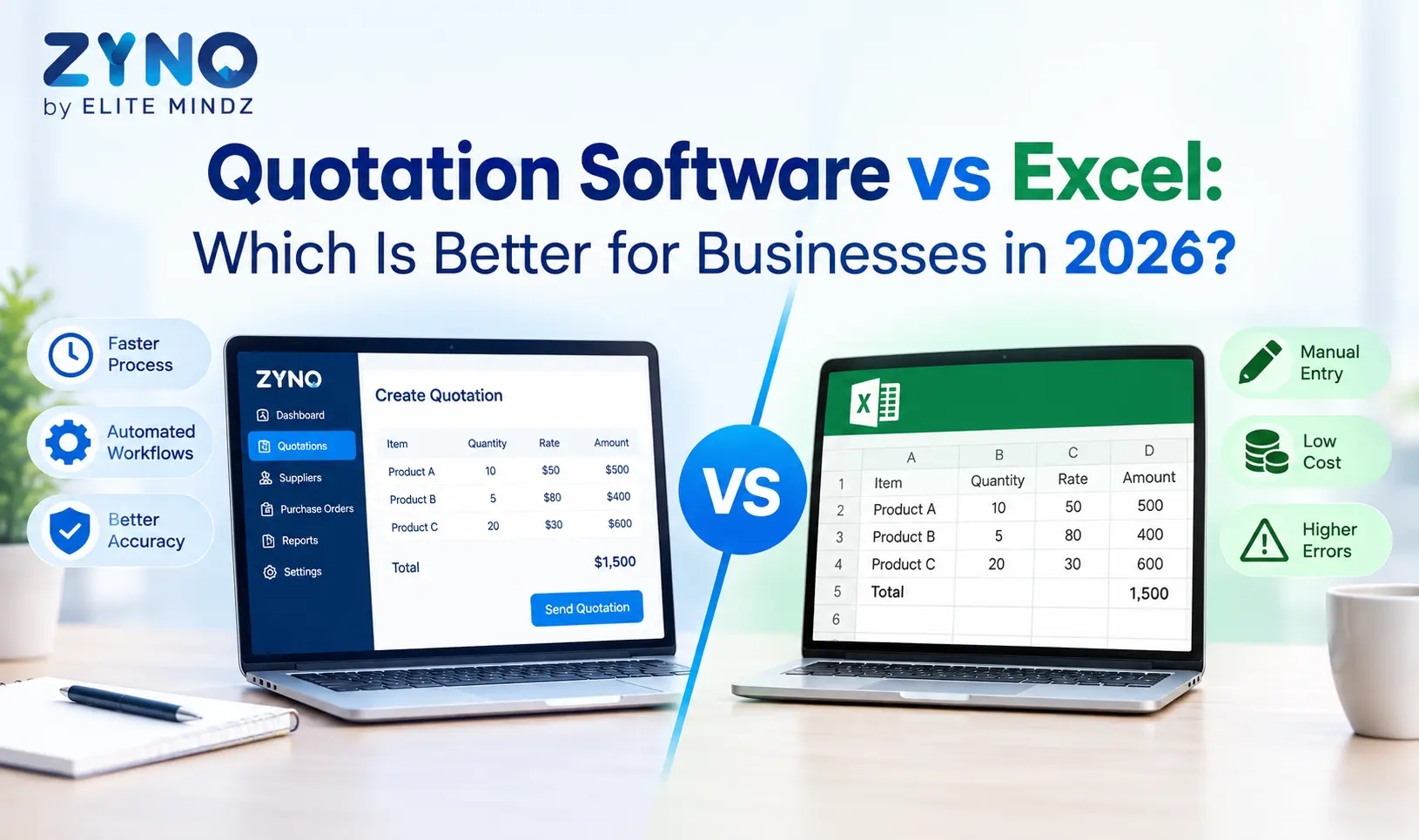
Quotation Software vs Excel: Which Is Better for Businesses in 2026?
Read More →
Contract Management Software Buyer's Guide: Features, Pricing & How to Choose
Read More →
How to Identify the Right Vendor: 10 Simple Steps
Read More →
Top 10 Automated PO Generation Tools in 2026: Best Purchase Order Software with AI Capabilities
Read More →
How to Generate a PO Automatically in SAP: Step-by-Step Guide
Read More →
What Is the Best Budget-Friendly Procurement Software With Vendor Onboarding for Indian SMEs?
Read More →
How to Generate a PO Automatically in SAP: Step-by-Step Guide
Read More →
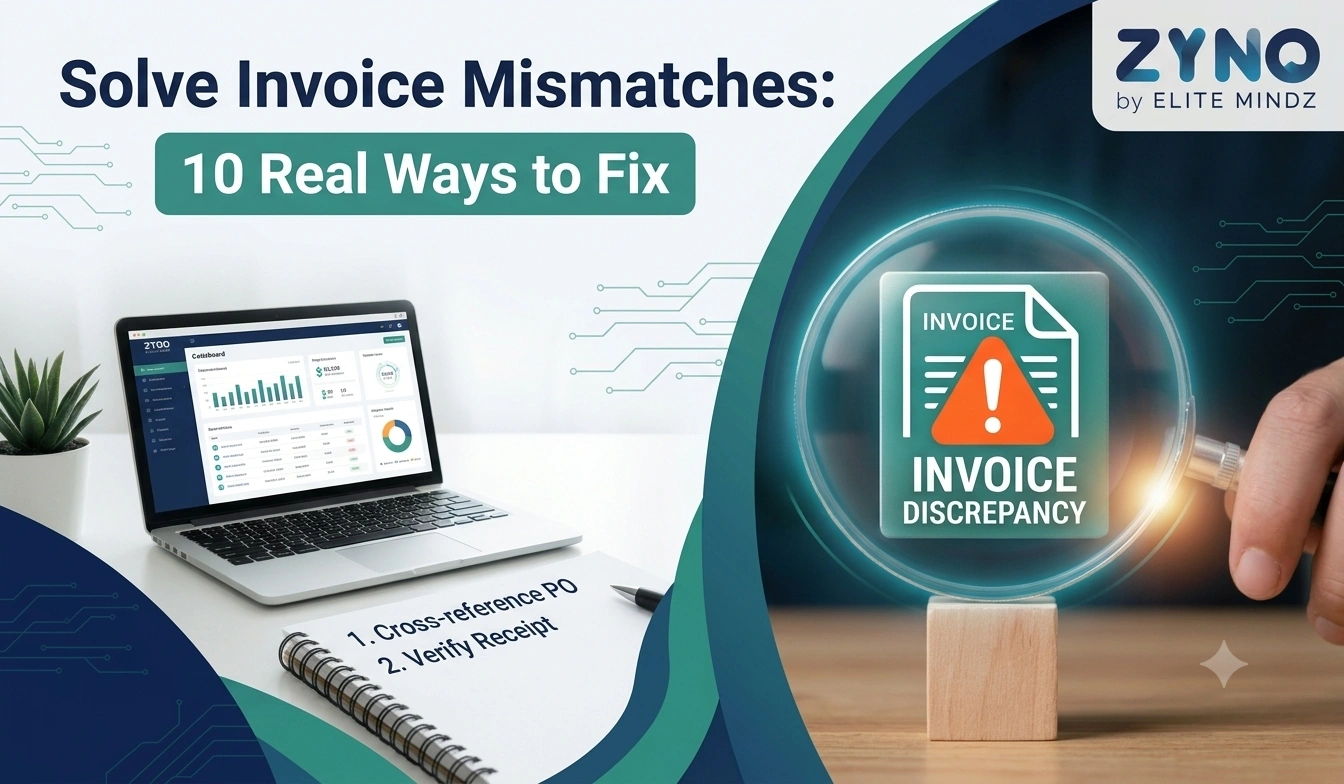
How to Solve Invoice Mismatches: 10 Real Ways to Fix Invoice Discrepancies
Read More →
Top 10 Vendor Onboarding Tools for Businesses in 2026: Features, Process & How to Choose
Read More →
Vendor Comparison & Supplier Intelligence: How AI Helps Businesses Choose the Right Vendor
Read More →
How to Choose the Right Procurement Management Software in 2026 (Complete Buyer's Guide)
Read More →
How to Reduce Procurement Costs: 18 Practical Strategies That Actually Work
Read More →
How to Choose the Right Procurement Management Software in 2026 (Complete Buyer's Guide)
Read More →
How to Calculate Procurement Software ROI: Formula, Example & Calculator
Read More →
Procurement Software Evaluation Checklist: 35 Criteria for Choosing the Right Platform
Read More →
How Businesses Can Improve Vendor Performance and Manage Supplier Risk
Read More →
Procure-to-Pay Process: Steps, Challenges & How to Automate It
Read More →
Purchase Requisition vs Purchase Order: What’s the Difference?
Read More →
10 Source-to-Pay Software Platforms to Consider in 2026
Read More →
Supplier Management Software Buying Guide: How to Choose the Right Platform
Read More →
Procurement Automation Guide: How It Works, What to Automate & How to Implement It
Read More →
Procurement Software Features: 12 Must-Have Capabilities to Look For
Read More →
Best E-Procurement Software in 2026: Top Electronic Procurement Systems for Modern Businesses
Read More →
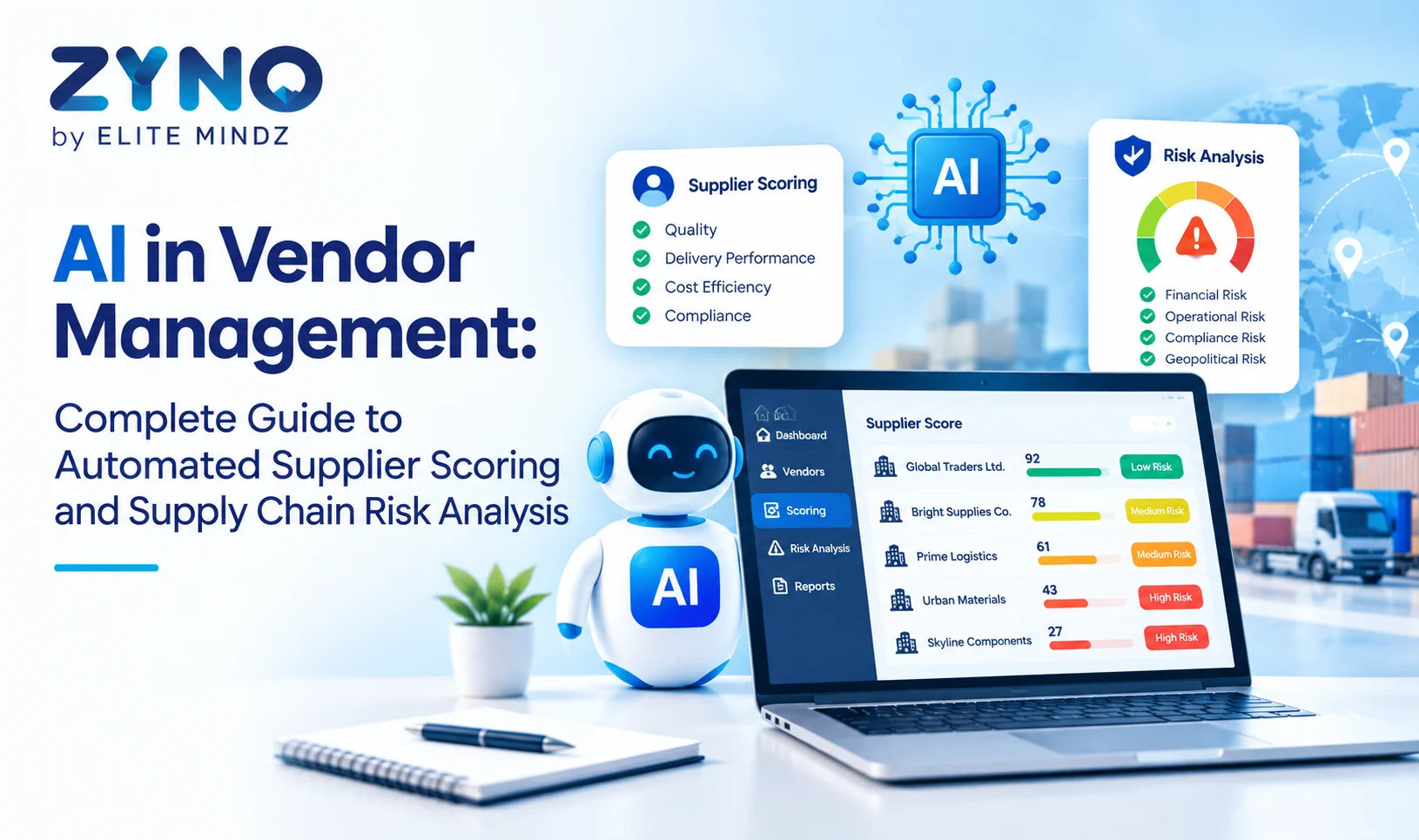
AI in Vendor Management: Complete Guide to Automated Supplier Scoring and Supply Chain Risk Analysis
Read More →
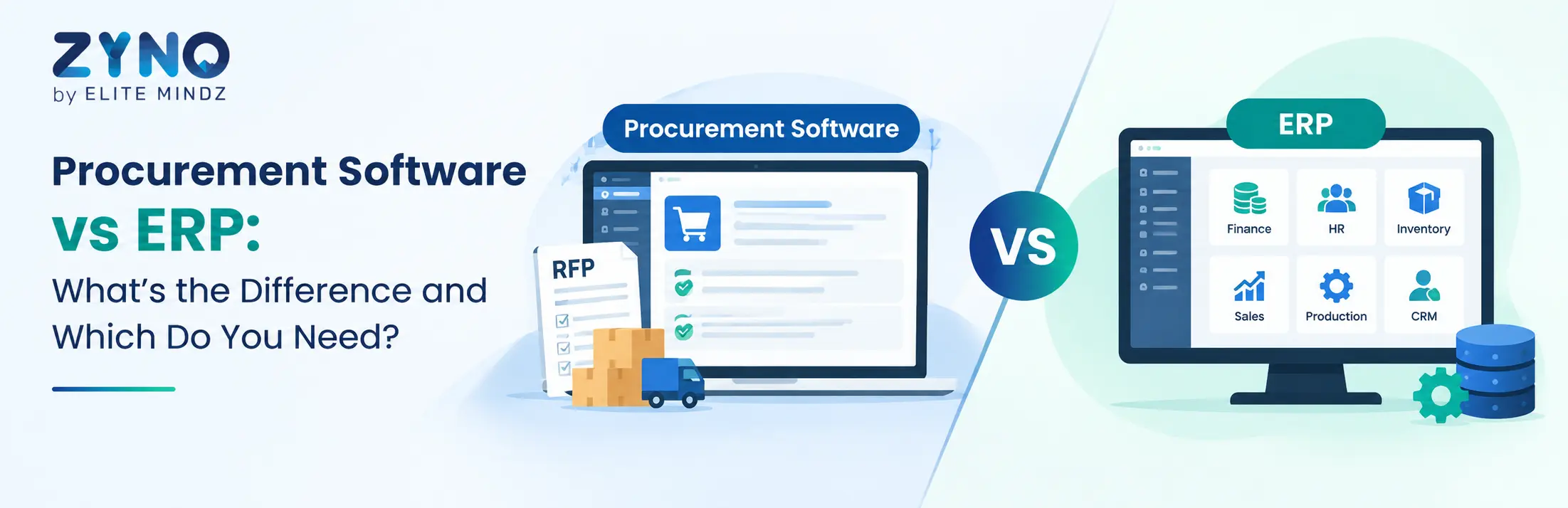
Procurement Software vs ERP: What's the Difference and Which Do You Need?
Read More →
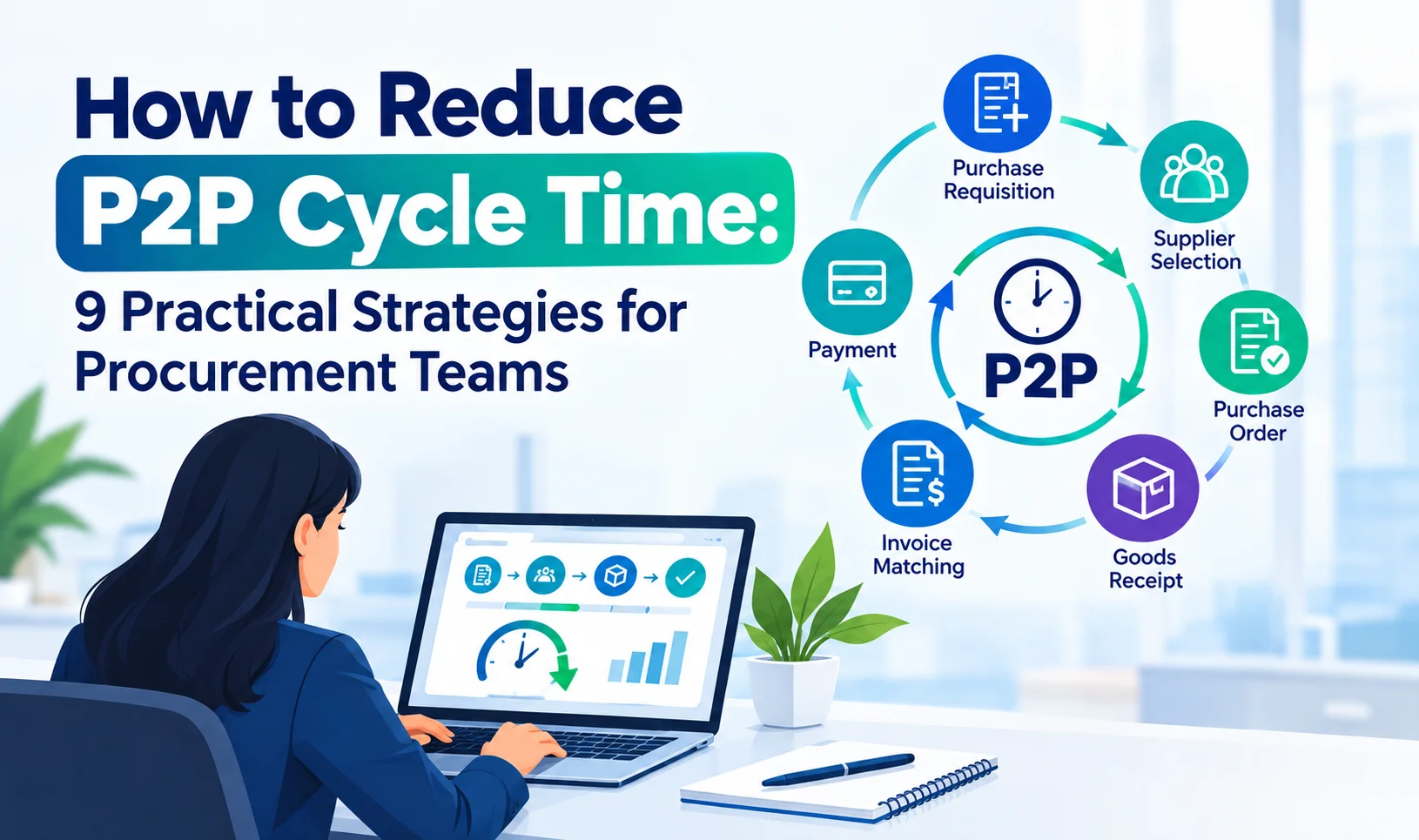
How to Reduce P2P Cycle Time: 9 Practical Strategies for Procurement Teams
Read More →
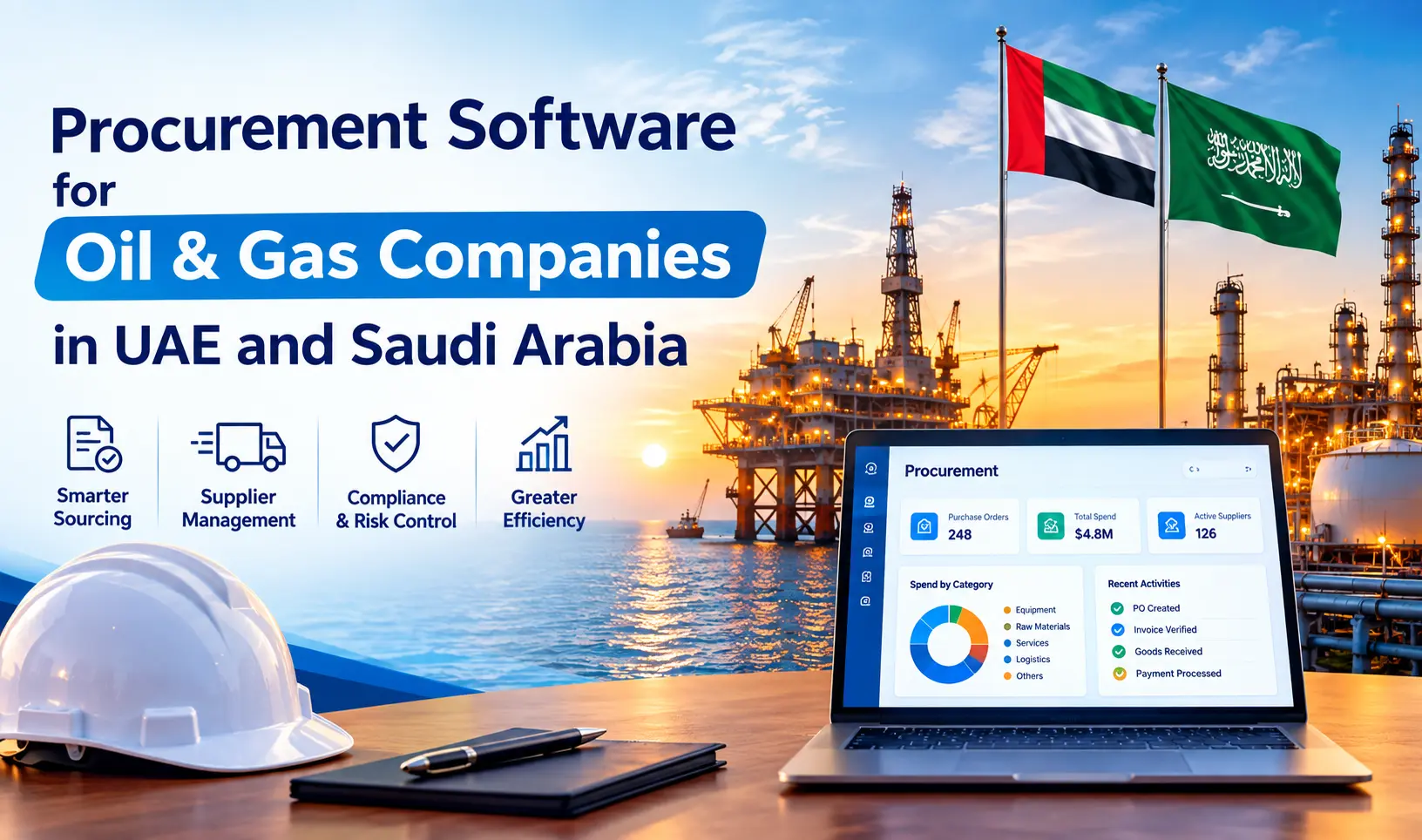
Procurement Software for Oil & Gas Companies in UAE and Saudi Arabia
Read More →
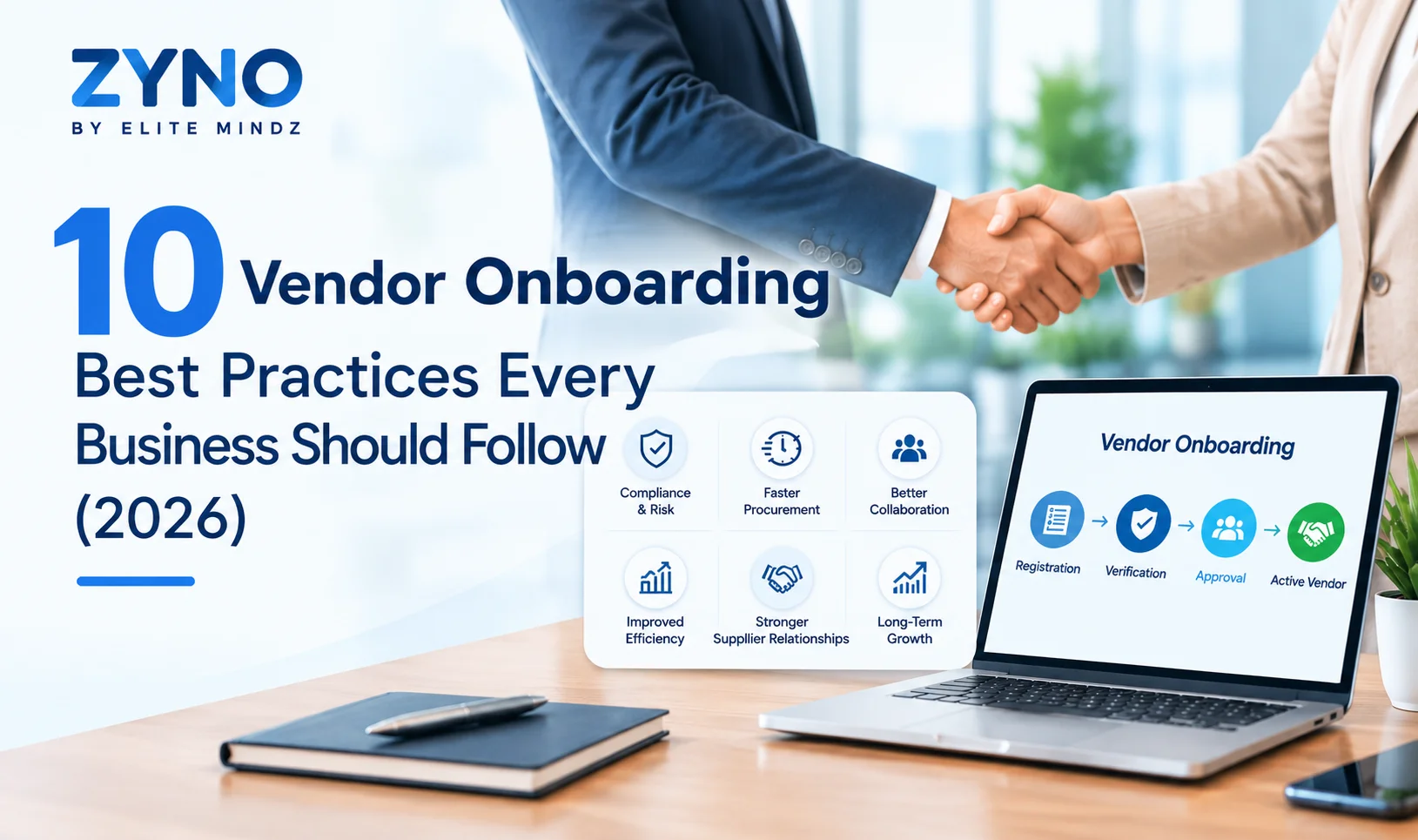
10 Vendor Onboarding Best Practices Every Business Should Follow (2026)
Read More →
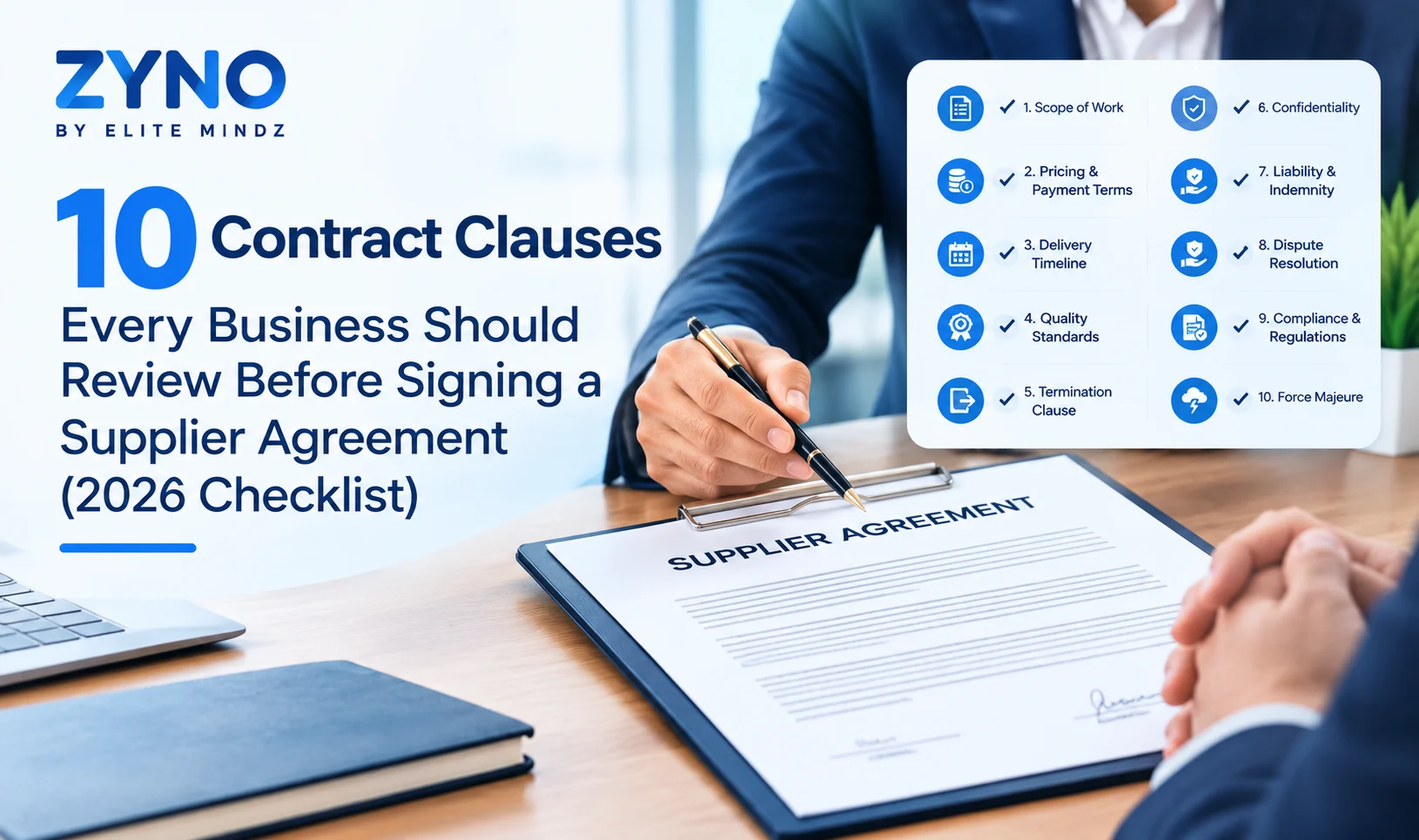
10 Contract Clauses Every Business Should Review Before Signing a Supplier Agreement (2026 Checklist)
Read More →
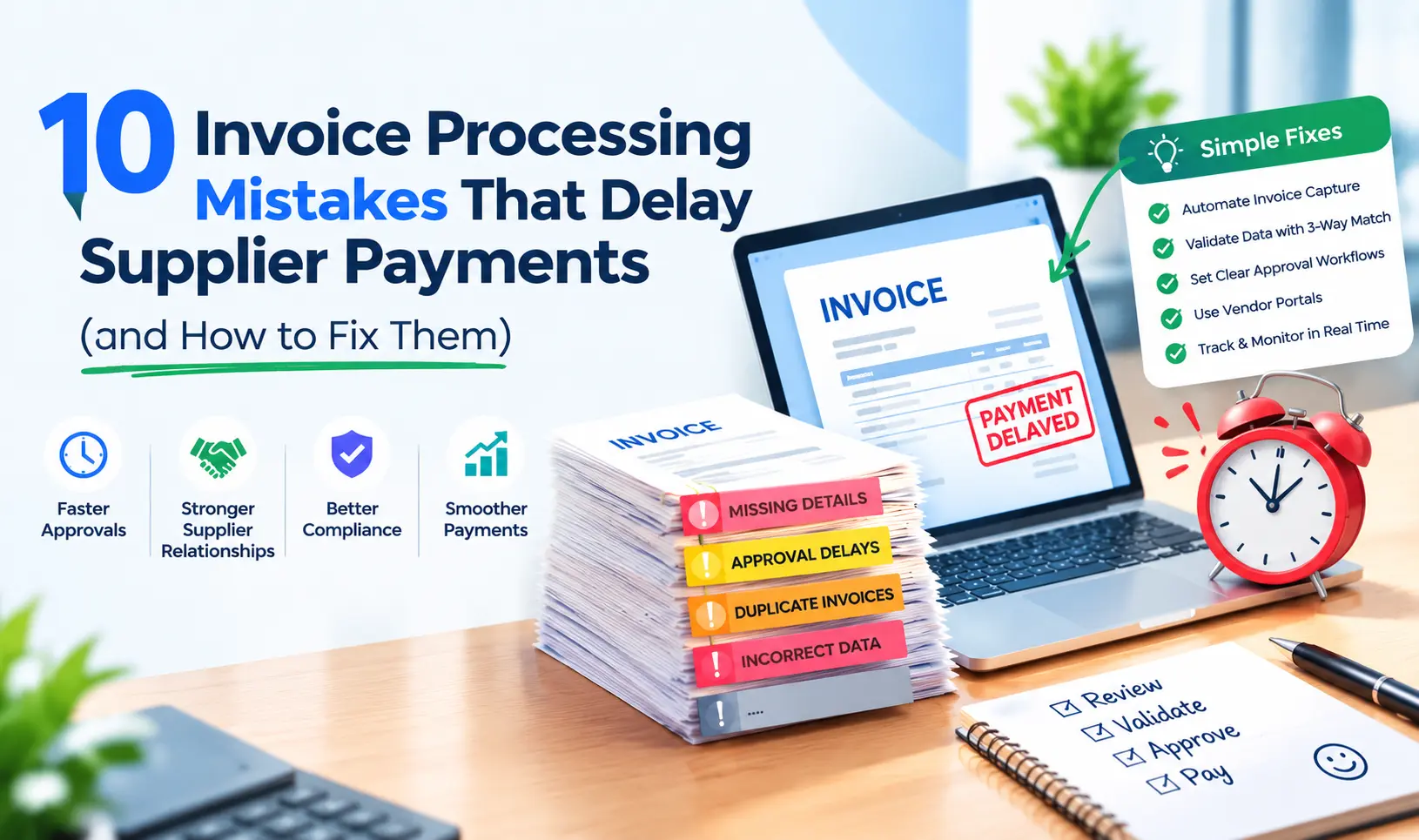
10 Invoice Processing Mistakes That Delay Supplier Payments (and How to Fix Them)
Read More →Source-to-Pay vs Procure-to-Pay: Key Differences, Processes & Software Guide
Read More →
Procurement Challenges: 15 Common Problems & How to Solve Them
Read More →
Supplier Evaluation Criteria: 10 Factors Every Procurement Team Should Assess
Read More →
What Is Strategic Sourcing? Process, Benefits & Best Practices
Read More →
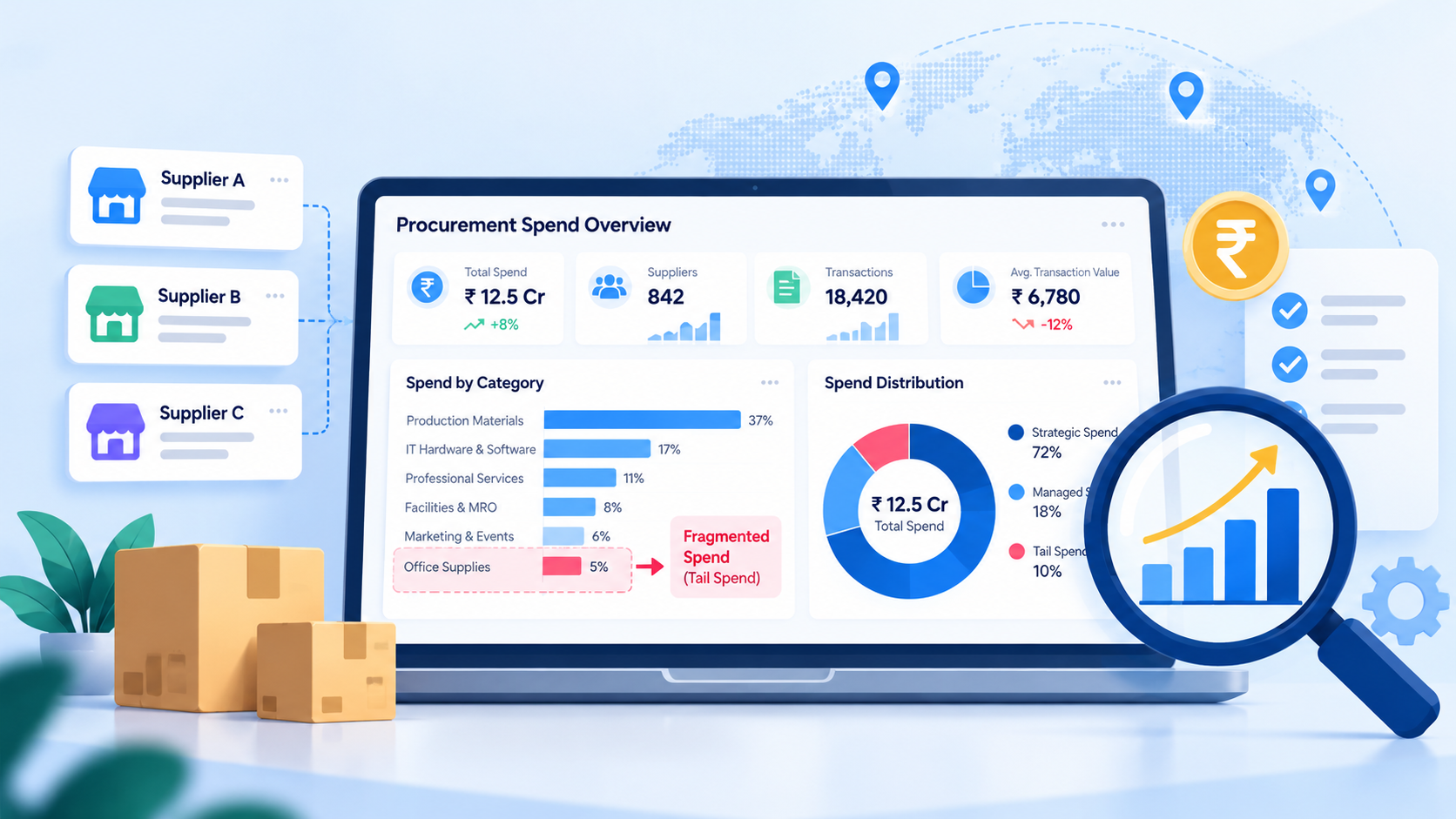
Tail Spend Analysis: How to Identify, Measure and Optimize Fragmented Spend
Read More →
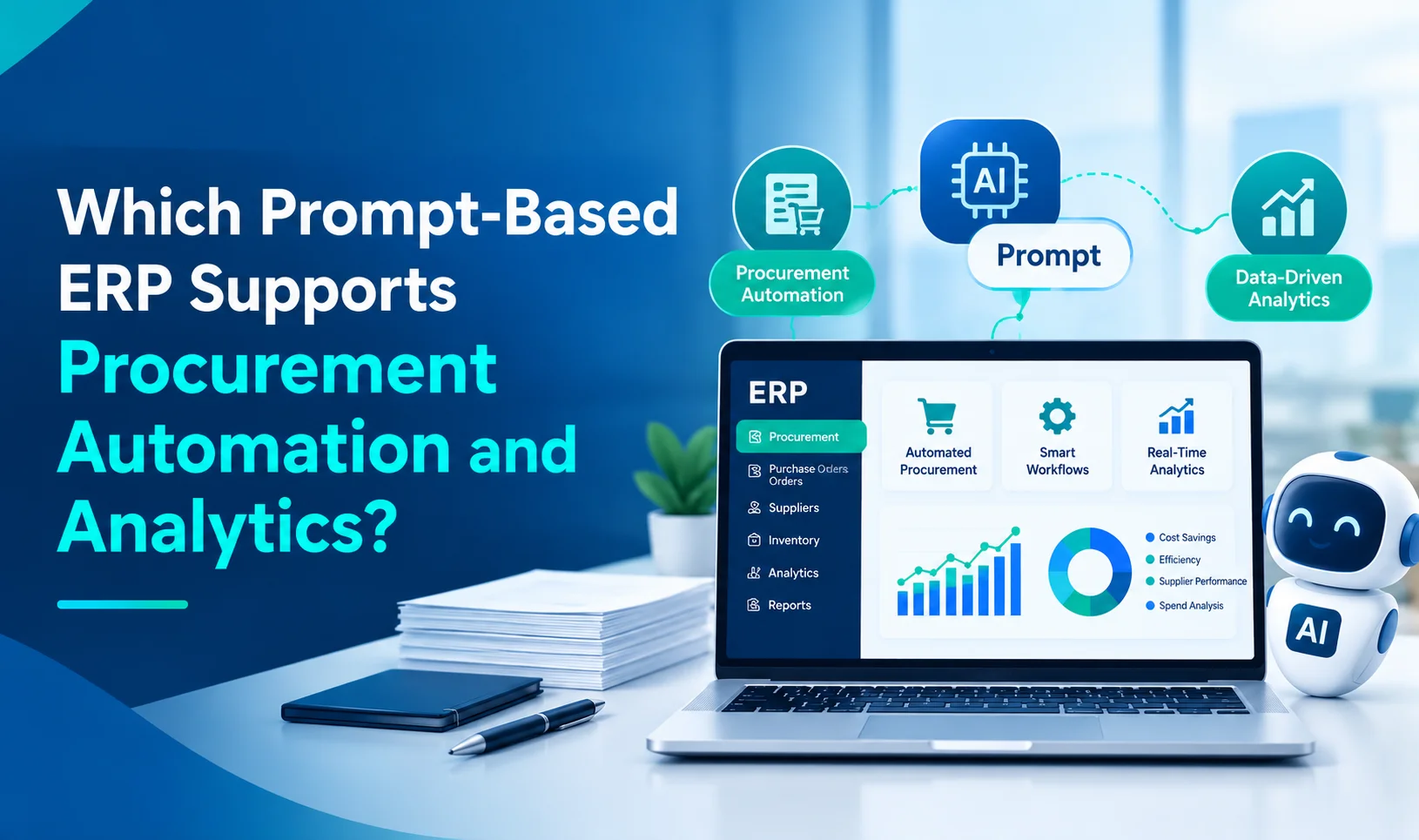
Which Prompt-Based ERP Supports Procurement Automation and Analytics?
Read More →
How to Stop Employees from Making Purchases Without Approval in the UAE
Read More →
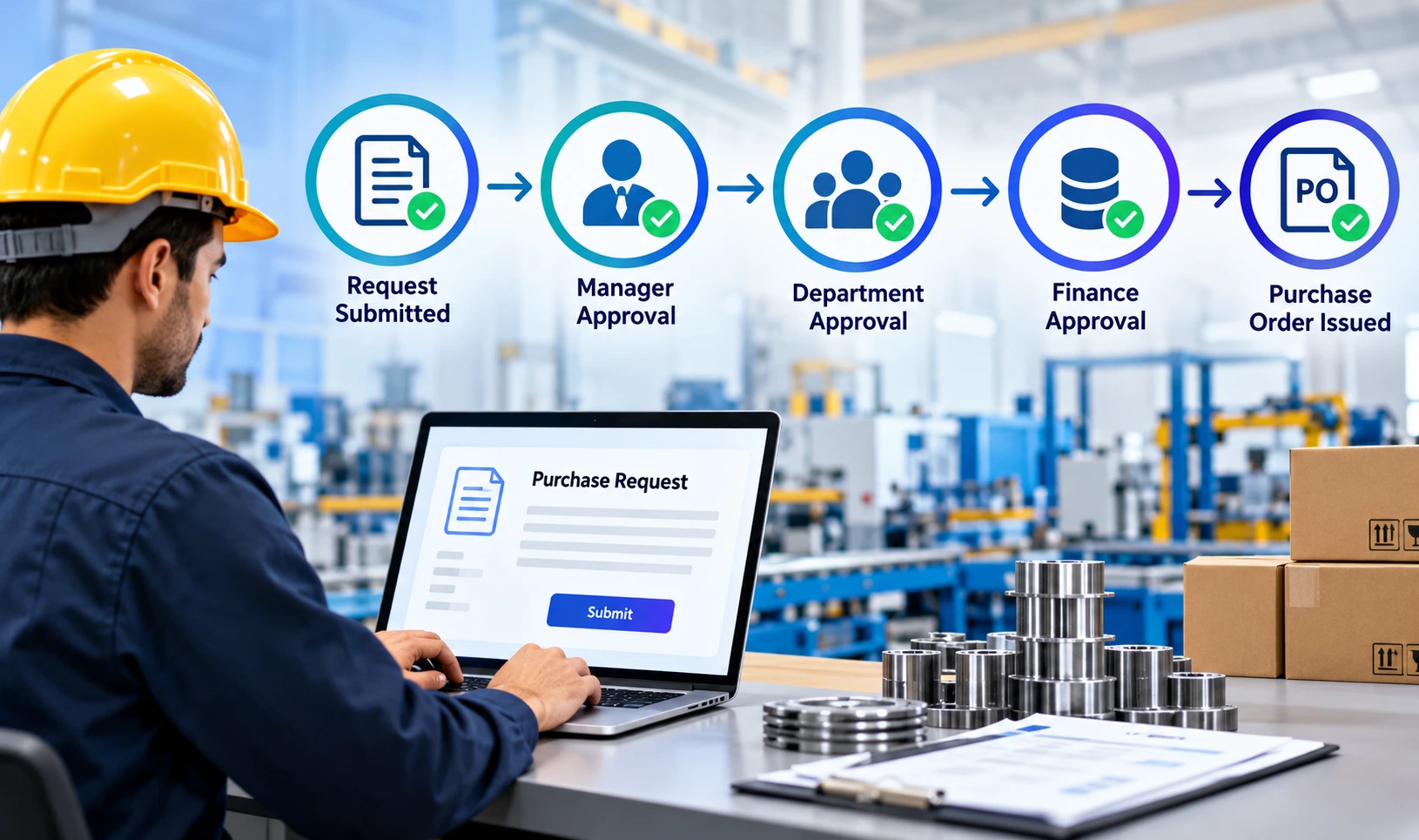
How to Build a Purchase Approval Workflow for Manufacturing Companies
Read More →
Best Procurement Software for Sheet Metal Fabrication Companies
Read More →
10 Best Procurement Software for Manufacturing Companies in 2026
Read More →
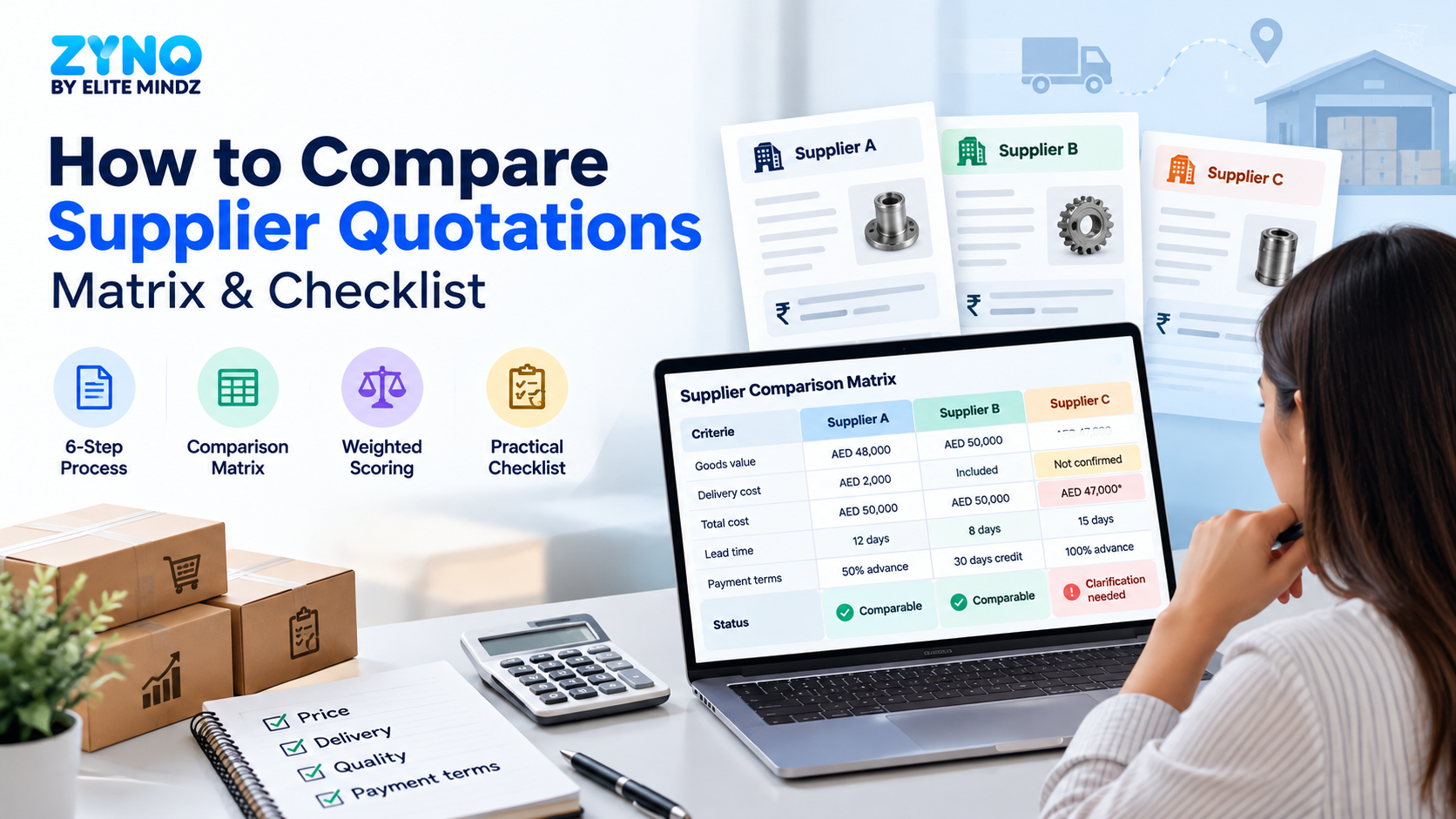
How to Compare Supplier Quotations and Choose the Right Supplier
Read More →
10 Best Contract Automation Software Tools for 2026
Read More →
Best Procurement Software for CNC Machining Companies: 8 Options Compared
Read More →
Best Purchase Order Management Software for Steel Service Centres (2026): ZYNO Procurement vs 12 Alternatives
Read More →
Procurement Software for Jewellery Businesses in India: Gold, Diamond & Karigar Purchase Control (2026)
Read More →
Best Procurement Software for Garment Manufacturers: Fabric, Trims & Supplier Management
Read More →
Fabric Procurement Software for Garment Manufacturers: Control Quotes, POs and Landed Cost
Read More →
Top 10 Procurement Software Companies in Saudi Arabia (2026)
Read More →
Top Cloud Procurement Solutions for Abu Dhabi Government & Enterprises
Read More →
10 Best UAE E-Invoicing and Accounts Payable Software Solutions (2026)
Read More →Best Section 43B(h) MSME Payment Tracking Software in India (2026): 7 Tools Compared
Read More →
9 Best Procurement Software for NGOs in Kenya (2026)
Read More →
10 Best Procurement Approval Workflow Tools in 2026
Read More →
10 Best Spend Analysis Software for Procurement Teams in 2026
Read More →
How AI Can Automate SAP S/4HANA Procurement Without Replacing Your Existing ERP
Read More →Partner with ZYNO by Elite Mindz to revolutionize how your business works. Fill out the form, and we’ll reach out with AI-powered solutions made just for you.
We use browser cookies to ensure you get the best experience on our website. Learn more
The form was submitted successfully!