 Contact Us




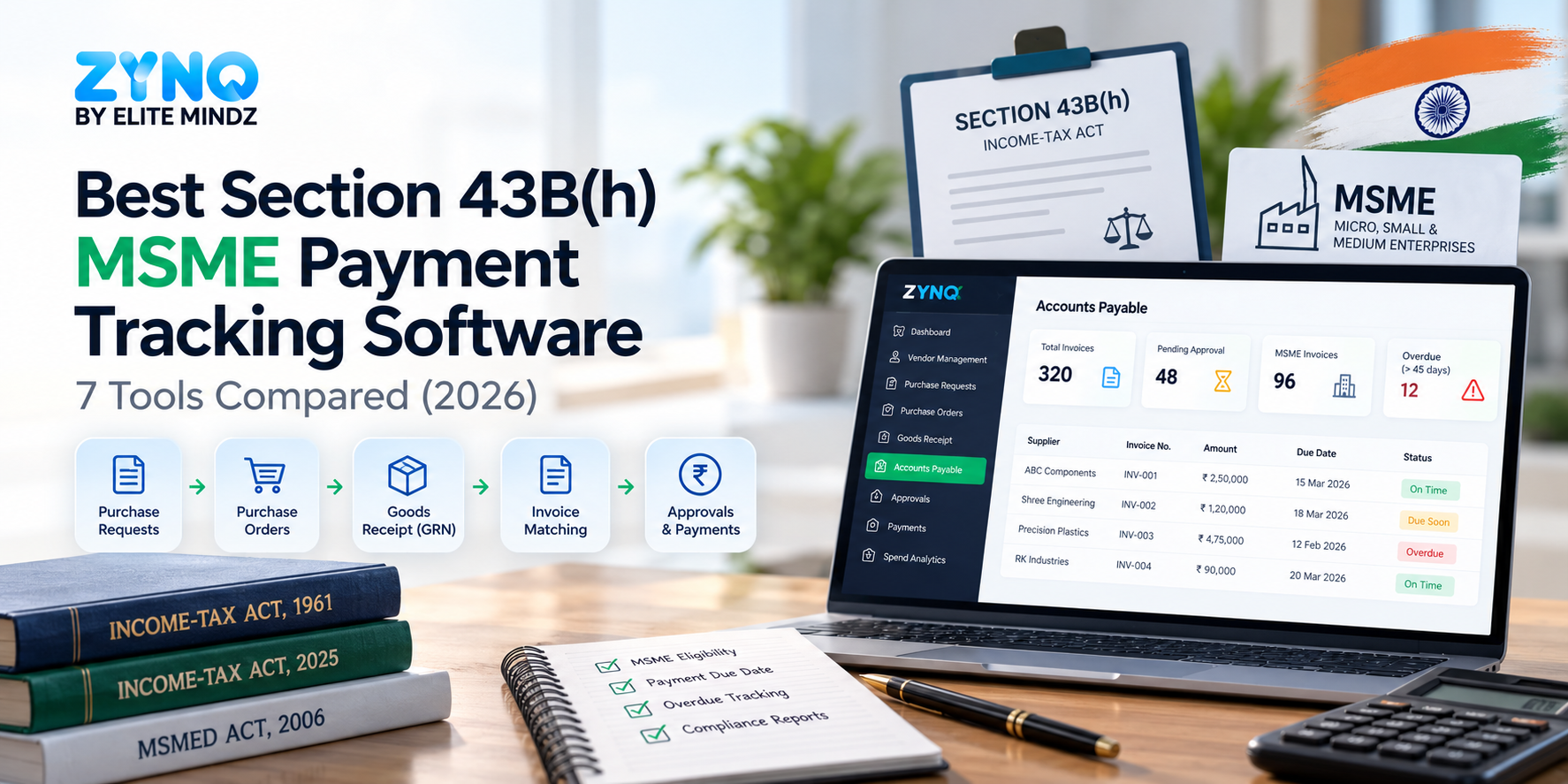




Which software should you choose for MSME payment tracking?
There is no one-size-fits-all option. Start by identifying why payments are being delayed and what your finance team needs the software to do.
- If your accounts team already works in Tally: TallyPrime. It stores Udyam details in the party ledger and has an Outstanding MSME Bills report.
- If you use Zoho Books or Zoho Procurement: Use its MSME vendor fields and the “MSME Vendor Bills Unpaid for 40+ Days” filter as an early-warning view.
- If you want a purpose-built statutory layer on top of your ledger: Evaluate Terra Insight's MSME Payment Tracker or OneFinOps.
- If you need to test individual invoices: CORAA's free 43B(h) disallowance checker.
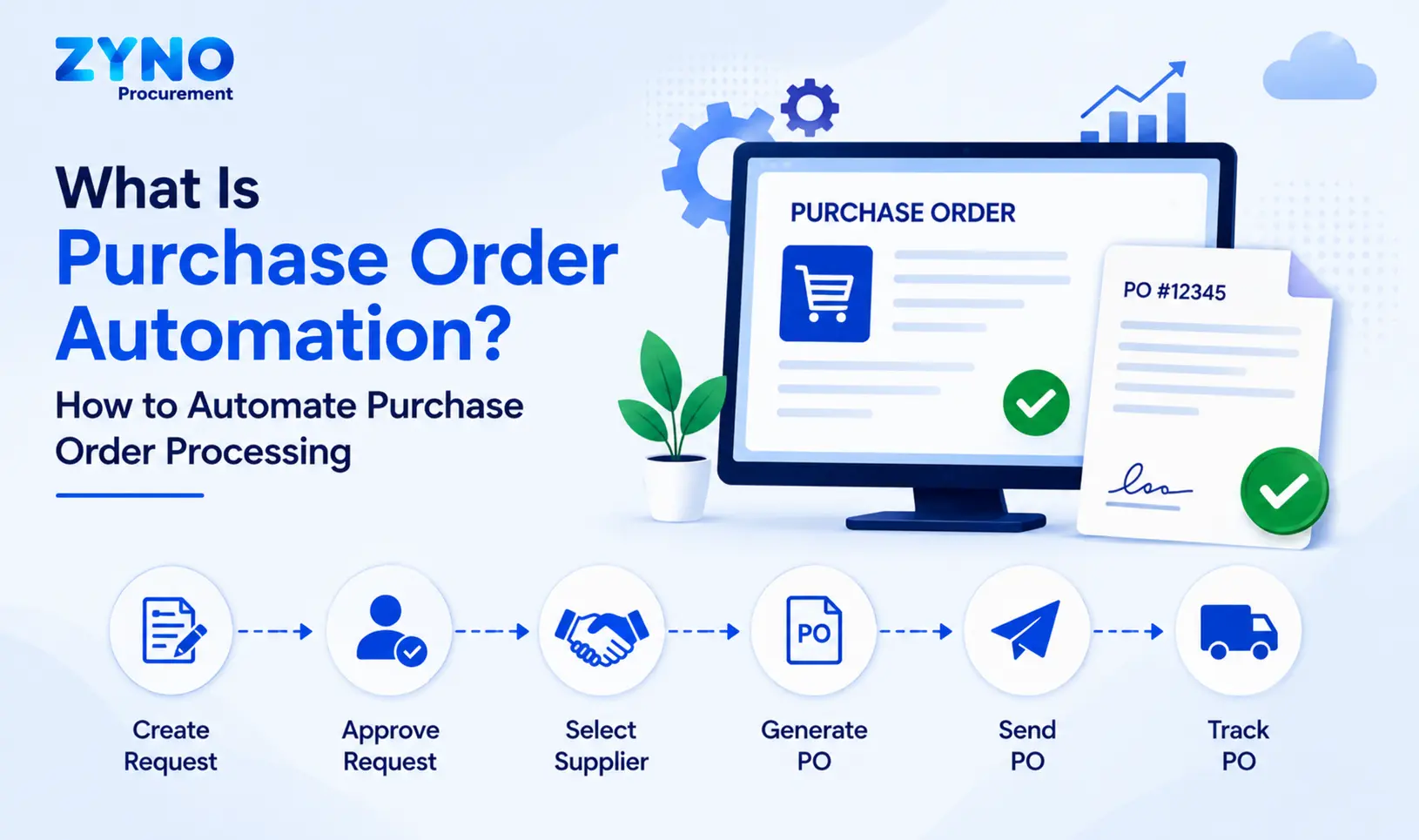
- If invoices are late because purchase orders, goods receipts and approvals are stuck: ZYNO Procurement, our procure-to-pay platform. It connects purchase requests, POs, GRN, three-way matching, approvals and payment proposals before the bill turns overdue. It complements your ledger or a statutory tracker and does not replace them.
The key distinction: An accounts-payable report can show which invoices are overdue, but that alone does not make it a Section 43B(h) compliance tracker. Effective tracking also depends on supplier eligibility, the applicable payment period and the acceptance date.
Many payment delays begin before an invoice reaches accounts payable. If overdue bills are caused by missing purchase orders, unposted GRNs or pending approvals, you can discuss your workflow with the ZYNO team after reviewing the options below.
What is Section 43B(h), and why should procurement and finance teams care?
Section 43B(h) of the Income-tax Act, 1961 was inserted by the Finance Act, 2023 and applies from assessment year 2024–25 (financial year 2023–24). It covers any sum payable by a buyer to a micro or small enterprise beyond the time limit set in Section 15 of the MSMED Act, 2006.
If such an amount is still unpaid at the end of the financial year, the buyer's tax deduction for it is deferred to the year in which the payment is actually made. Paying after 31 March but before the income-tax return due date does not bring the deduction back into the earlier year for this clause.
Outstanding is not the same as overdue. An invoice still unpaid on 31 March triggers deferral only if its Section 15 period has already expired. An overdue invoice that you pay before 31 March keeps its deduction in that year, although MSMED Act interest can still apply.
2026 update: The Income-tax Act, 2025
The Income-tax Act, 2025 came into force on 1 April 2026. The corresponding provision is Section 37(2)(g) for tax years governed by the new Act. The official Income Tax Department publishes the 2025 Act and transition resources; confirm which provision and transition rule apply to the tax year you are reviewing with your tax adviser.
We have not retained the third-party-hosted copy of the reported Rajya Sabha reply because an official Sansad copy could not be verified for this draft.
| Period | Governing law | Provision |
|---|---|---|
| FY 2023–24 to FY 2025–26 | Income-tax Act, 1961 | Section 43B(h) |
| Tax year 2026–27 onwards | Income-tax Act, 2025 | Section 37(2)(g) |
Your 31 March 2027 year-end falls in tax year 2026–27, so Section 37(2)(g) is the corresponding provision to review under the Income-tax Act, 2025. The Act’s payment-basis provision and related exceptions should be checked in the official text with your CA; do not rely solely on a software vendor’s summary of the transition.
Because the deduction timing depends on payment dates, this is not only a tax-team issue. Procurement decides terms, stores decides when goods are accepted, and accounts payable (AP) decides when money moves.
A simple example
You receive components from a small-enterprise supplier on 1 February 2027 under a written agreement with 45-day terms. Payment is due by about 18 March 2027. If it is still unpaid on 31 March 2027, the deduction for that invoice is generally pushed to the financial year in which you pay it.
Have a qualified tax adviser confirm the deadline and tax treatment for your specific facts and applicable tax year.
Is the MSME payment deadline 15 days or 45 days?
It depends on whether there is a written agreement.
| Situation | Payment time limit |
|---|---|
| No written agreement on payment period | Generally 15 days from acceptance or deemed acceptance |
| Written agreement with a payment period | The agreed period applies, but it cannot exceed 45 days from acceptance |
| Amount still overdue at financial year-end | Deduction generally deferred to the year of actual payment |
Two details trip up many teams.
- The clock starts at acceptance, not at invoice date. Acceptance is generally the day of delivery of goods or rendering of services. Where the buyer objects in writing within 15 days, the relevant date is generally when the supplier removes the objection.
- Not every “MSME” is covered. Clause (h) refers to micro and small enterprises. Medium enterprises are outside it. Check the supplier's registration status and eligibility for the relevant transaction period, and do not assume that current Udyam status establishes eligibility for every earlier supply. Confirm registration-date questions with a qualified tax adviser.
What about retail and wholesale traders?
Pure retail and wholesale traders can register on Udyam, but a Ministry of MSME memorandum of 2 July 2021 limited their benefits to priority sector lending, so they are generally treated as outside the MSMED Act's delayed-payment protection. If a supplier mixes trading with manufacturing or services, check the activity behind the specific transaction and confirm the treatment with your tax adviser.
Who counts as micro or small from 1 April 2025?
| Category | Investment in plant and machinery or equipment | Annual turnover |
|---|---|---|
| Micro | Up to ₹2.5 crore | Up to ₹10 crore |
| Small | Up to ₹25 crore | Up to ₹100 crore |
| Medium (not covered by Section 43B(h)) | Up to ₹125 crore | Up to ₹500 crore |
Interest and tax-audit reporting
- MSMED Act interest: Missing the Section 15 deadline can make the buyer liable under Section 16 for compound interest with monthly rests at three times the RBI bank rate, regardless of what the contract says. Section 23 makes this interest non-deductible.
- Form 3CD Clause 22: If the buyer is subject to tax audit, the report covers amounts payable to micro and small enterprises, how much was paid within the Section 15 period and how much was not. The underlying deduction rule is not limited to businesses subject to tax audit.
The application of these provisions, including exceptions and reporting requirements, should be confirmed by a CA for the relevant tax year.
Why ordinary invoice ageing is not enough
Standard AP reports bucket invoices at 30, 60 and 90 days. That is useful for cash planning, but it does not tell you the legal deadline. A 45-day bucket will miss any invoice with a 15-day limit, and it ignores acceptance dates.
To manage the rule properly, your software and process need to cover:
- Supplier classification: Micro, small, medium or not registered, with the Udyam number and registration date on record.
- Payment terms: Whether a written agreement exists and what period it states.
- Acceptance date: A goods receipt note (GRN) or service acceptance record.
- A due-date calculation per invoice, not per vendor.
- Alerts and overdue lists before 31 March, not after.
- Evidence and exports for tax audit (Form 3CD) and, for companies, the half-yearly MSME-1 return for dues outstanding beyond 45 days.
How we compared the seven tools
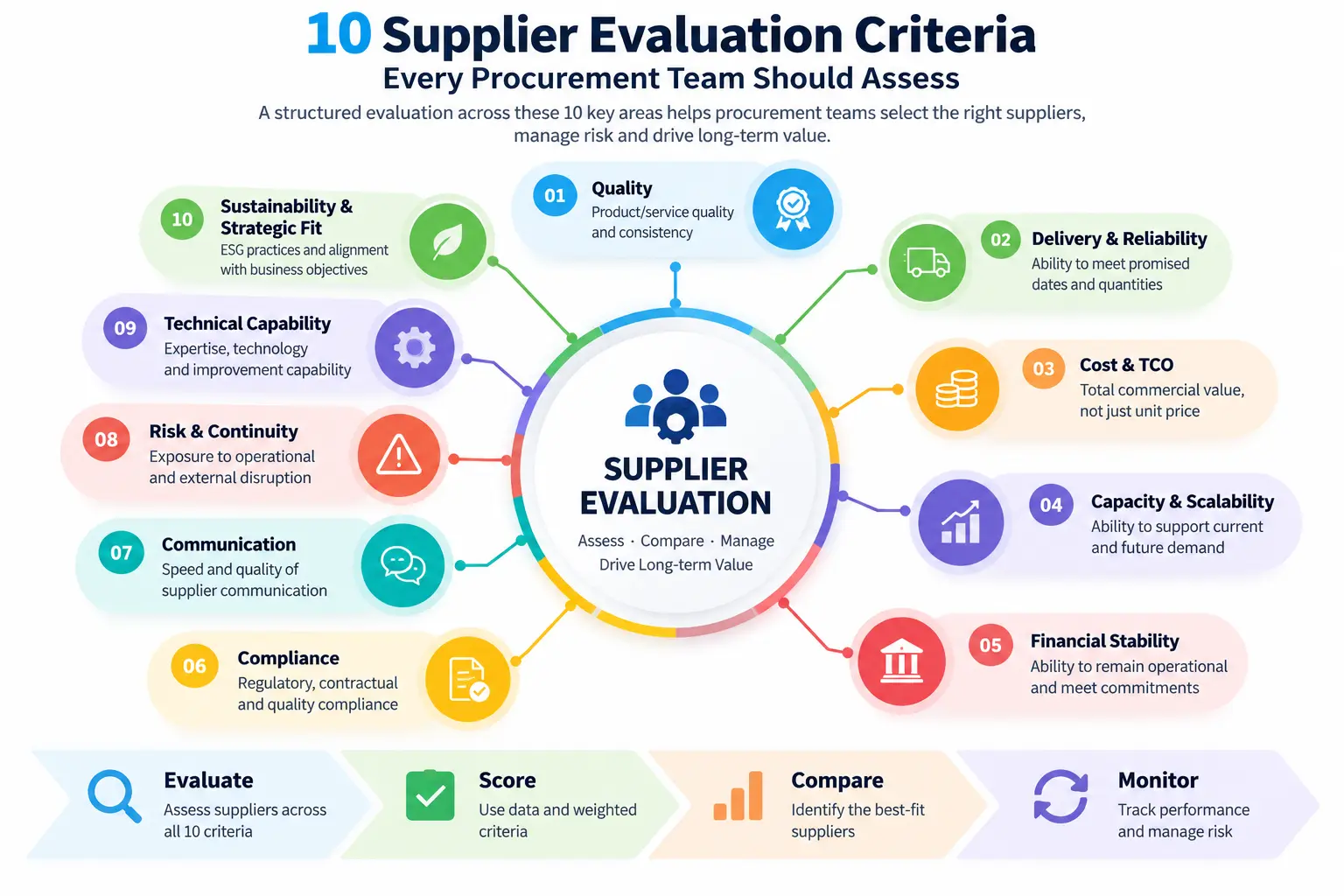
We assessed seven tools across three groups: accounting platforms with MSME features, dedicated MSME trackers and procure-to-pay software.
Our evaluation criteria were:
- Supplier and Udyam records.
- Due-date monitoring and overdue reports.
- Acceptance-date and GRN linkage.
- Invoice-to-PO matching and approvals.
- Reporting and export for finance and tax review.
- Accounting or ERP integration.
This comparison is based on vendors’ public documentation and product pages reviewed on 23 October 2026. It is a practical shortlist, not a controlled product test. If a capability is not publicly documented, we recommend confirming it directly with the vendor rather than assuming it is available. Pricing and features may vary by plan and change over time, so verify the details before making a decision.
7 Section 43B(h) MSME payment tracking tools to consider in India
1. ZYNO Procurement: Best for preventing procure-to-pay delays
Best for: Manufacturers and procurement-led businesses where invoices turn overdue because of missing POs, unrecorded GRNs, mismatches or slow approvals.
Most MSME payment problems start before the invoice reaches finance. A purchase request waits for approval. A PO goes out with vague terms. The goods arrive but the GRN is not posted. The invoice then fails matching and sits in someone's inbox while the clock runs.
ZYNO is built to tighten that chain.
What ZYNO documents publicly
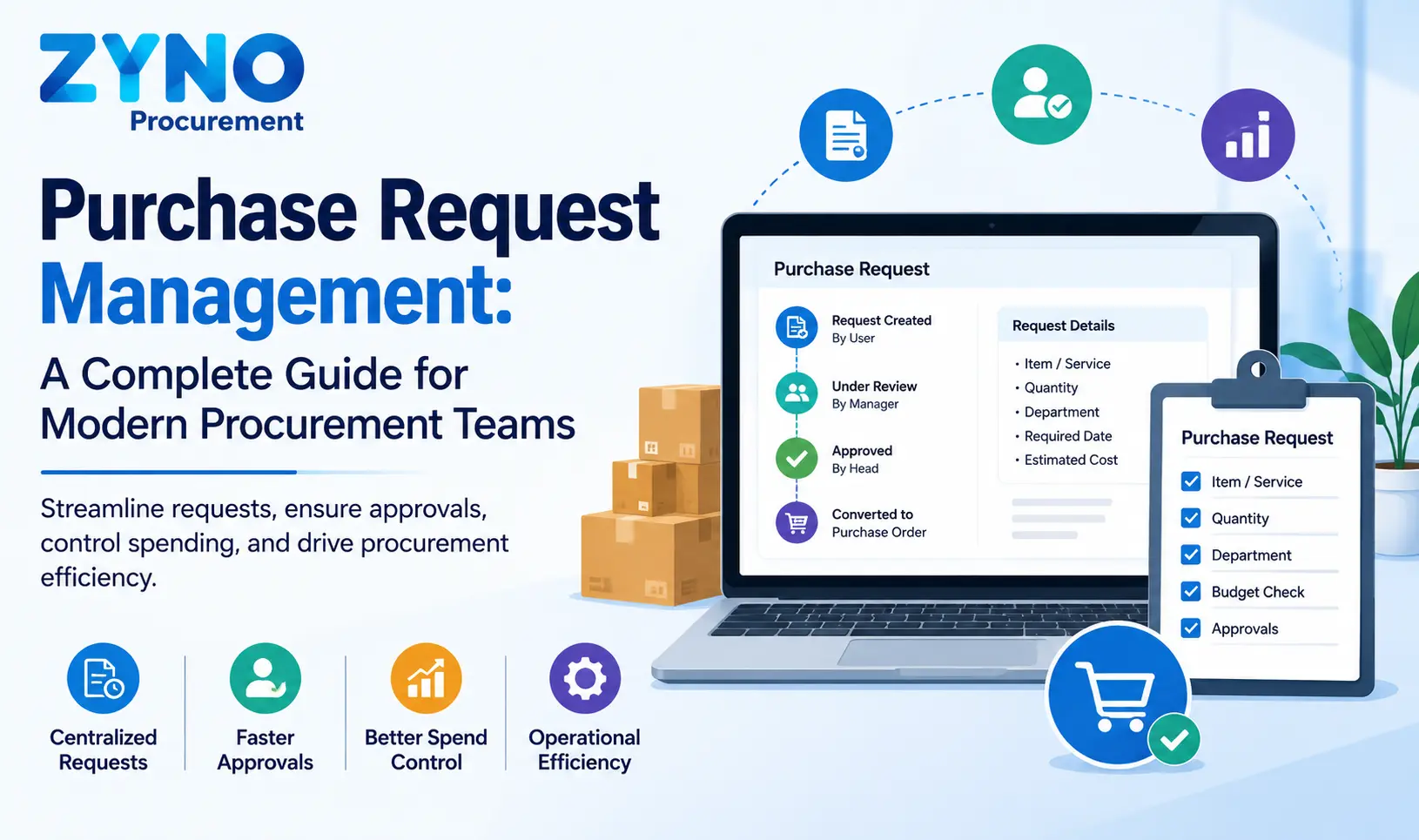
- Purchase requests with approval workflows, leading into purchase orders and GRN recording.
- Vendor management with centralised supplier records, KYC and compliance documents, and expiry alerts.
- Accounts payable automation: invoice capture with OCR, validation of PO and GRN or service-entry references, automatic three-way matching with configurable price and quantity tolerances, and multi-level approvals (approve, reject, forward, delegate, send back).
- Payment proposals generated from due dates and payment terms, followed by payment approval before release.
- A vendor portal where suppliers can see invoice and payment status, reducing “Where is my payment?” follow-ups.
- Audit trails, live AP dashboards and a prompt-based assistant that answers questions such as “Show me overdue invoices from vendor X.”
- Integration with accounting and ERP systems, including Tally, Zoho and SAP.
- Contract management to keep agreed payment terms on record.
Where ZYNO can help—and what to verify separately
ZYNO helps teams manage the operational steps that affect payment timeliness, including purchase approvals, PO and GRN linkage, invoice matching, exception handling, payment proposals and supplier status visibility.
ZYNO is not presented here as a dedicated Section 43B(h) or Section 37(2)(g) statutory calculator. If you need Udyam verification, statutory deadline calculations or year-end disallowance schedules, confirm that your accounting platform or a specialist provider supports them. You can also use a ZYNO demo to assess the procurement-to-payment workflow for your own scenario.
Why consider it: If overdue MSME invoices are often caused by process bottlenecks, improving the workflow upstream may be more effective than repeatedly chasing invoices after they reach accounts payable.
Find where MSME payment delays begin
Bring one overdue MSME invoice and review how purchase orders, GRNs, invoice matching and approvals move through ZYNO Procurement. Statutory calculations should still be validated with your CA or compliance tool.
Book a ZYNO Procurement demo →
Bring one real MSME supplier's PO, GRN and invoice and see how the approval and payment flow would run.
2. TallyPrime: Best for MSME bill tracking inside your accounting software
Best for: Small and mid-sized businesses and CA-managed books already on Tally.
Tally's own documentation describes MSME features introduced in TallyPrime 4.1. You can record a supplier's enterprise type and Udyam number in the party ledger and update many suppliers in one go.
In the Payables report, you can set Show Bills of to Micro & Small Parties and view all, upcoming (next N days), overdue or pending bills, with due dates, days to due date and overdue days. An Outstanding MSME Bills report and the MSME Form 1 annexure report are also documented.
What to verify: Tally derives due dates from credit days recorded for the party or invoice, including the Credit Days Allowed for Micro & Small Parties setting. Make sure the configured terms reflect the applicable 15-day default or the written-agreement period, capped at 45 days. Ask your Tally partner how acceptance dates are handled and test the report using sample invoices around year-end.
Why consider it: The lowest-friction route if Tally is your system of record.
Sources:
3. Zoho Books and Zoho Procurement: Best for an early-warning view of unpaid MSME bills
Best for: Teams already on the Zoho stack.
Zoho's help documentation lets you flag a vendor as MSME-registered, choose the registration type and enter the Udyam number. From the Bills screen, you can apply the filter “MSME Vendor Bills Unpaid for 40+ Days,” and Zoho Procurement also surfaces it on the dashboard.
What to verify: The 40-day filter is an early-warning signal, not a legal due-date calculation. A bill subject to a 15-day limit may already be overdue when it appears in this view. Ask how the system handles acceptance dates, shorter agreed terms and year-end reporting.
Why consider it: Quick to adopt if your vendor records and bills already live in Zoho.
Sources:
4. BUSY: Best for BUSY users who want MSME monitoring within their existing accounting
Best for: Businesses already running BUSY accounting software.
BUSY's 2026 guide covers the rule in detail, including the 15/45-day limits, year-end treatment, MSMED interest and Form 3CD Clause 22 reporting. It states that BUSY lets you maintain the MSME type and Udyam number for parties, review payables ageing and open an MSME Audit Information Report.
Features can vary by edition, so ask BUSY to demonstrate supplier classification, the due-date logic and the exports on the version you would use.
Why consider it: If BUSY already holds your ledgers, test it first before adding another system.
Source: BUSY: Section 43B(h) MSME payment rule and 45-day limit
5. Terra Insight MSME Payment Tracker: Best dedicated tracker to evaluate
Best for: Finance and tax teams that want a purpose-built layer over an existing ledger.
Terra Insight's MSME Payment Tracker is part of its TransactIG product. Its page describes:
- Udyam verification by registration number.
- A written-contract flag and agreed credit period per vendor.
- An ageing clock that starts from the GRN or service-acceptance date.
- The 45- or 15-day window.
- A line-by-line disallowance register for Form 3CD Clause 22 working papers.
It says the tool connects to SAP, Oracle, Tally Prime, Zoho Books and Dynamics 365, and quotes a two-to-four-week implementation.
What to verify: These are vendor-published claims, not an independent audit. The product page still shows the pre-2025 micro, small and medium classification limits. Ask how the software applies the revised limits effective 1 April 2025. Also confirm how Udyam checks are performed, which report formats are available, how pricing and security work, and whether your tax adviser accepts the resulting working papers.
Source: Terra Insight MSME Payment Tracker
6. OneFinOps Accounts Payable: Best to evaluate for an AP-focused compliance workflow
Best for: Teams looking for accounts-payable automation with MSME-related payment controls.
OneFinOps’ official Accounts Payable page describes an MSME 43B(h) compliance capability, including Udyam-status verification, a 45-day rule at scheduling and disallowance impact surfaced before an override.
Its page also describes invoice capture, three-way matching, approval workflows and payment scheduling. These are vendor-stated capabilities, not an independent performance or legal-compliance audit.
Before relying on it, ask the vendor to demonstrate:
- The 15-day default when there is no written payment-period agreement.
- The agreed-period limit of up to 45 days.
- Acceptance and deemed-acceptance dates.
- Year-end treatment.
- Payment-year reversals.
- Statutory reporting.
- Integration with your accounting system.
Have your CA validate the output against sample invoices.
Sources:
7. CORAA MSME 43B(h) Disallowance Checker: Best for an invoice-level scenario check
Best for: CAs, auditors and finance managers who want to examine one invoice at a time.
The live CORAA checker page loaded during this review and displays inputs for supplier class, invoice amount, acceptance date, written-agreement status, agreed credit period, payment status and financial year-end. It also displays a result area and downloadable report options.
The page and its input fields were visible during this review, but the calculations were not independently tested against controlled scenarios. Treat the checker as an initial reference for individual cases, not as a substitute for professional review or a complete supplier ledger.
Before relying on the output, test cases covering:
- A 15-day window.
- A written term up to 45 days.
- A window still open at year-end.
- An overdue unpaid amount.
- Supplier eligibility.
- Payment-year reversal.
Have a CA compare the results with the law applicable to the tax year.
Source: CORAA MSME 43B(h) Disallowance Checker
Comparison table
| Tool | Type | MSME-specific capability from public documentation | Best fit |
|---|---|---|---|
| ZYNO Procurement | Procure-to-pay | PO, GRN, three-way matching, approvals, payment proposals by due date and terms, vendor portal; not a standalone 43B(h) calculator | Manufacturers and procurement-led teams |
| TallyPrime | Accounting | Udyam in party ledger, micro and small payables filter for upcoming and overdue bills, Outstanding MSME Bills, MSME-1 annexure | Existing Tally users |
| Zoho Books / Procurement | Accounting / procurement | MSME vendor fields, “Unpaid for 40+ Days” filter | Zoho users |
| BUSY | Accounting | MSME type and Udyam number on parties, payables ageing, MSME Audit Information Report, according to BUSY's guide | BUSY users |
| Terra Insight | Dedicated tracker | Udyam verification, written-contract flag, GRN-based clock, 45/15-day ageing, disallowance register | Specialist compliance layer |
| OneFinOps | Accounts payable | Vendor-described Udyam-status verification, 45-day scheduling rule and disallowance impact; validate exact statutory logic in a demo | AP and finance teams |
| CORAA | Invoice-level checker | Supplier class, acceptance date, agreement/credit period, payment status and year-end inputs; calculation not independently tested | Preliminary scenario checks |
Not sure whether your delays are a ledger problem or a purchasing problem? Book a ZYNO demo and bring one overdue MSME invoice. We will trace it back through PO, GRN, matching and approval.
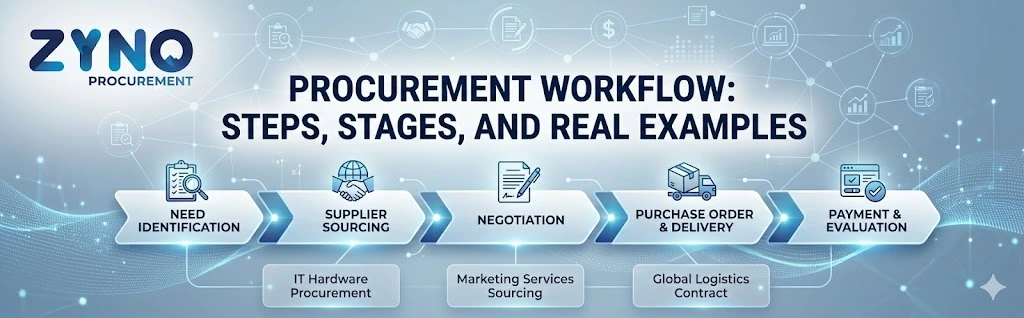
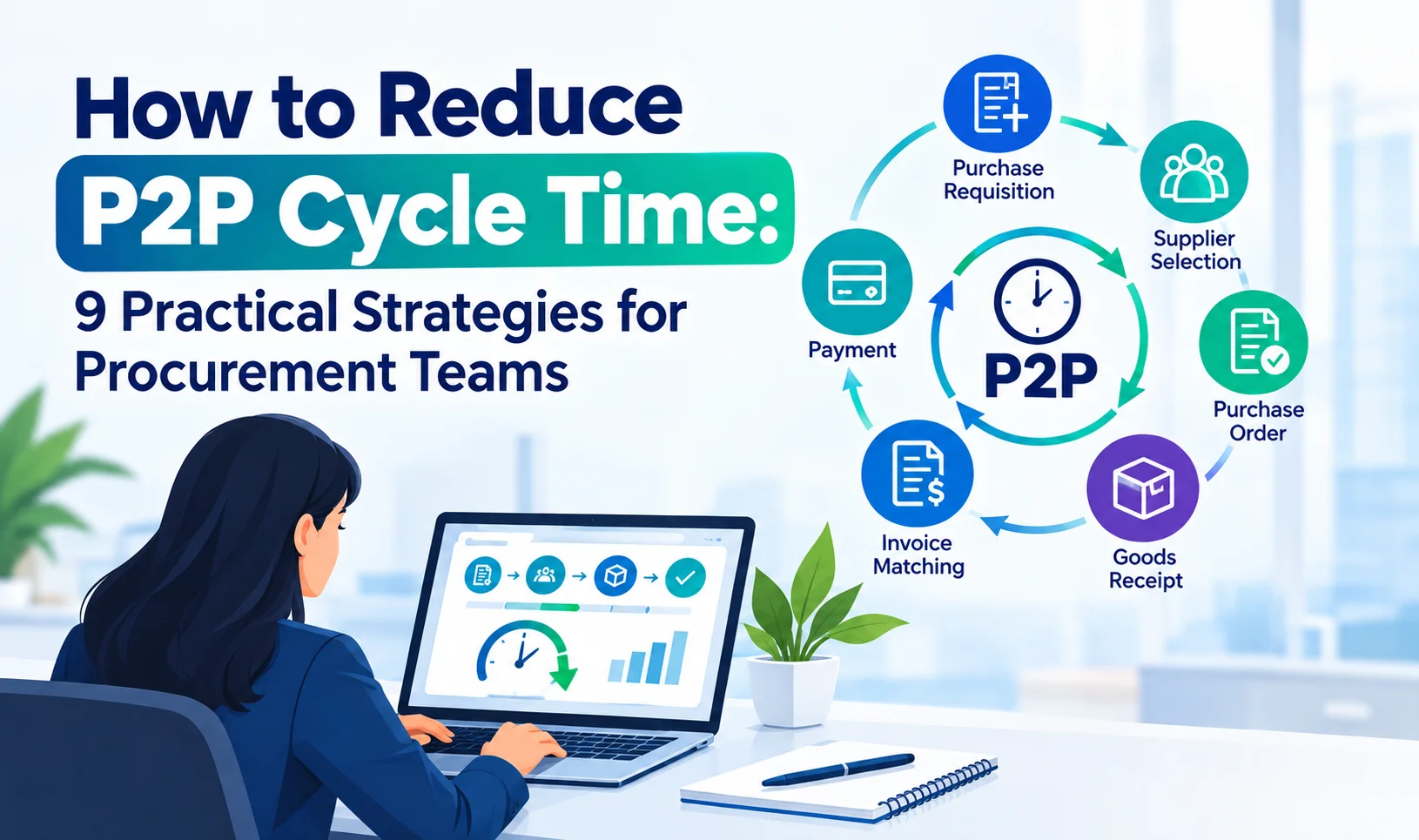
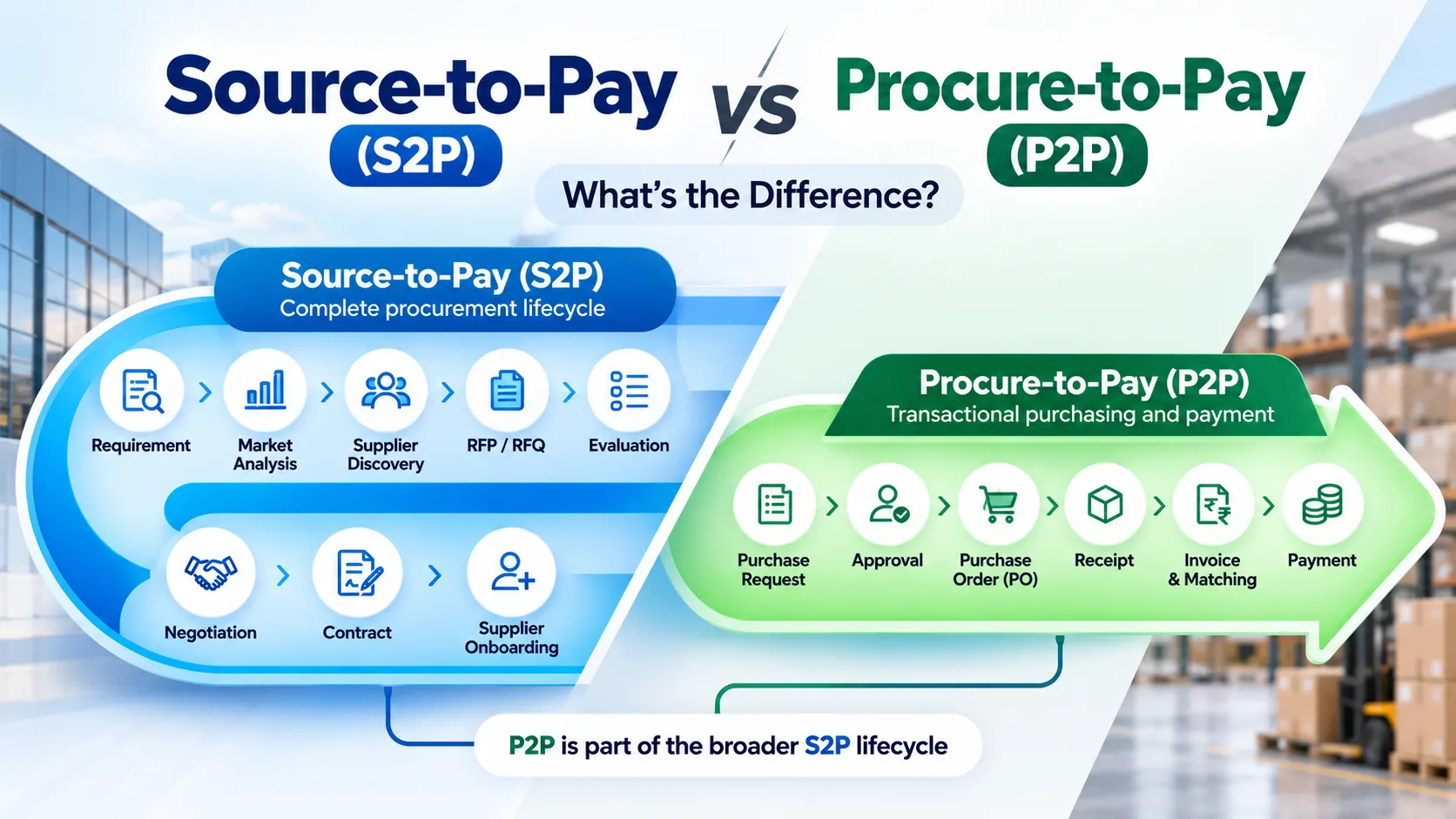
How a connected procure-to-pay workflow can reduce payment delays
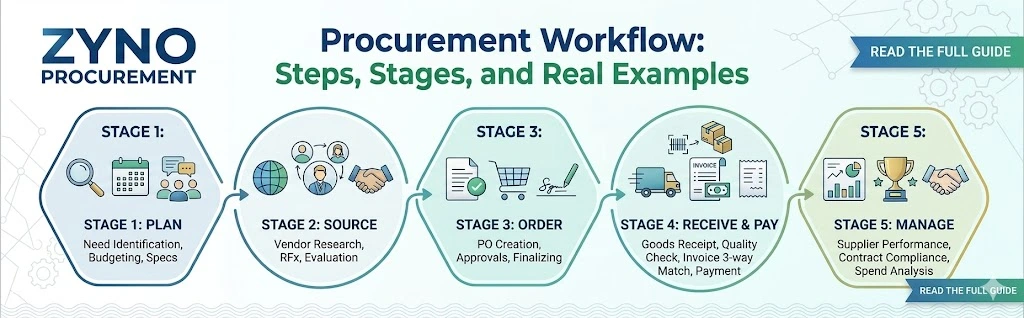
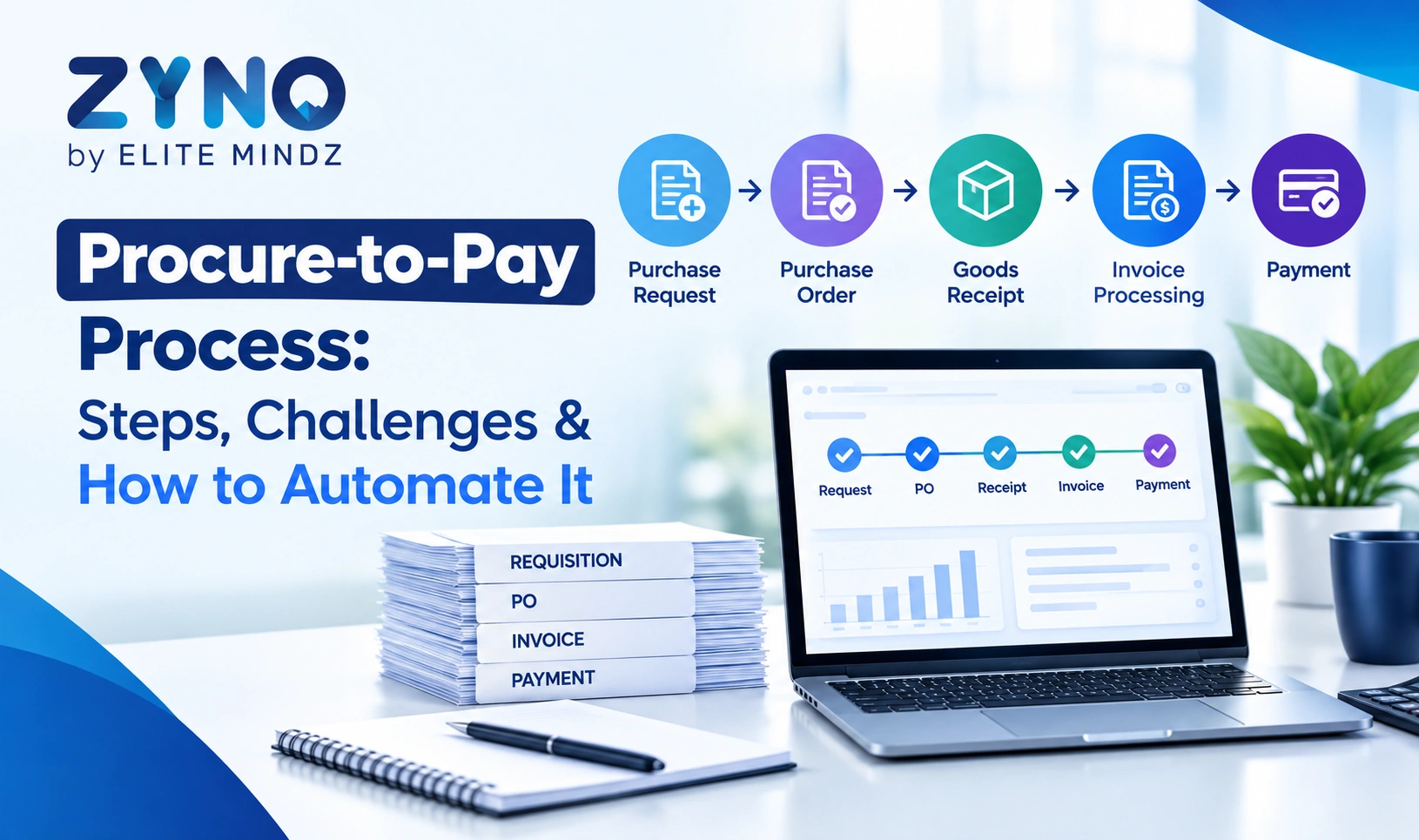
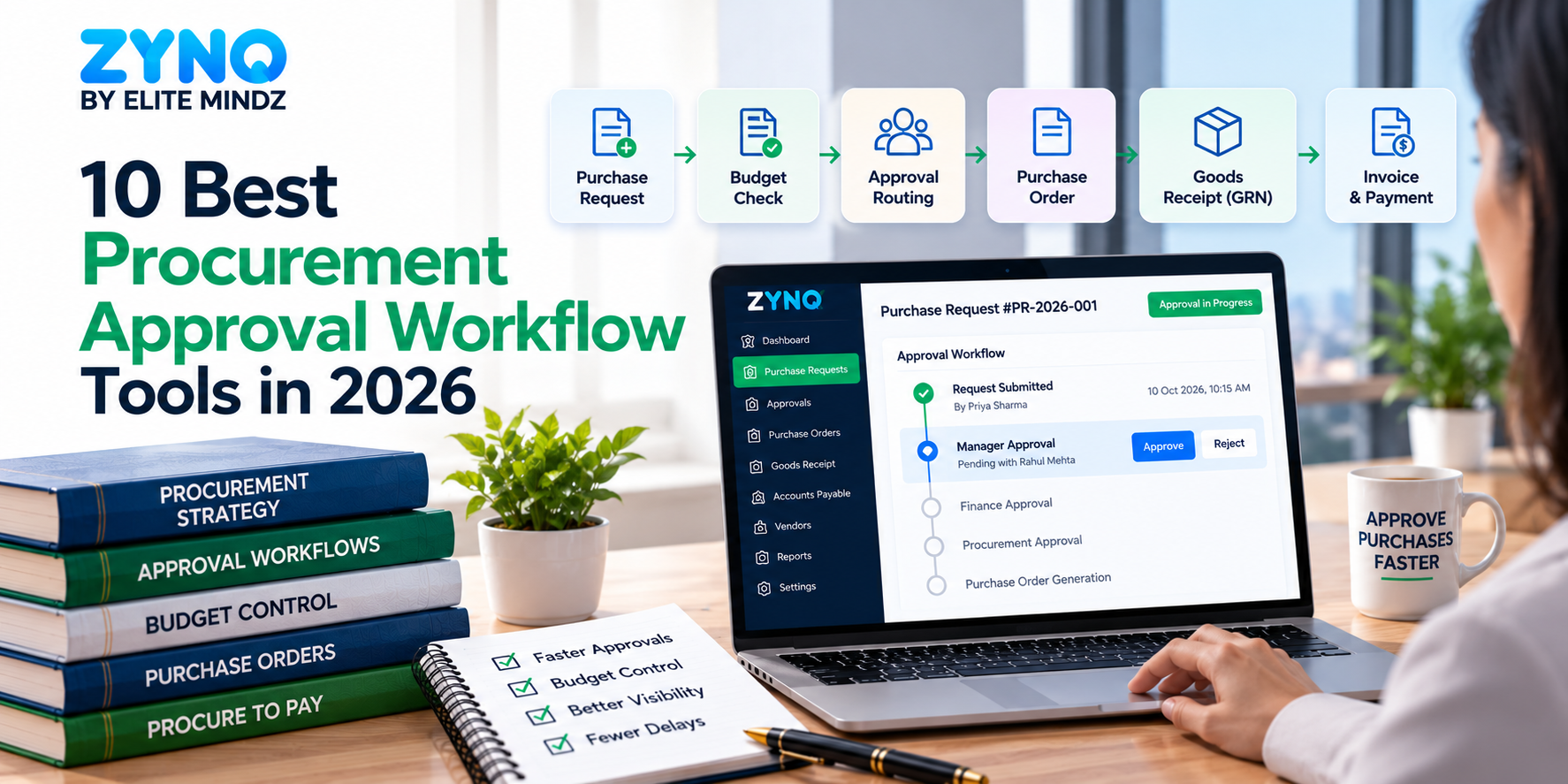
Payment delays often begin well before the payment run. These are the key steps to manage—and how each can affect the 15- or 45-day payment period.
- Purchase request approved. A request waiting for approval pushes the PO date and the delivery date with it.
- PO issued with written payment terms. The terms help determine whether the 15-day default or an agreed period of up to 45 days applies.
- Goods received and GRN posted. The acceptance date starts the legal clock, so an unposted GRN means you do not know when it started.
- Invoice captured and checked against the PO and the GRN.
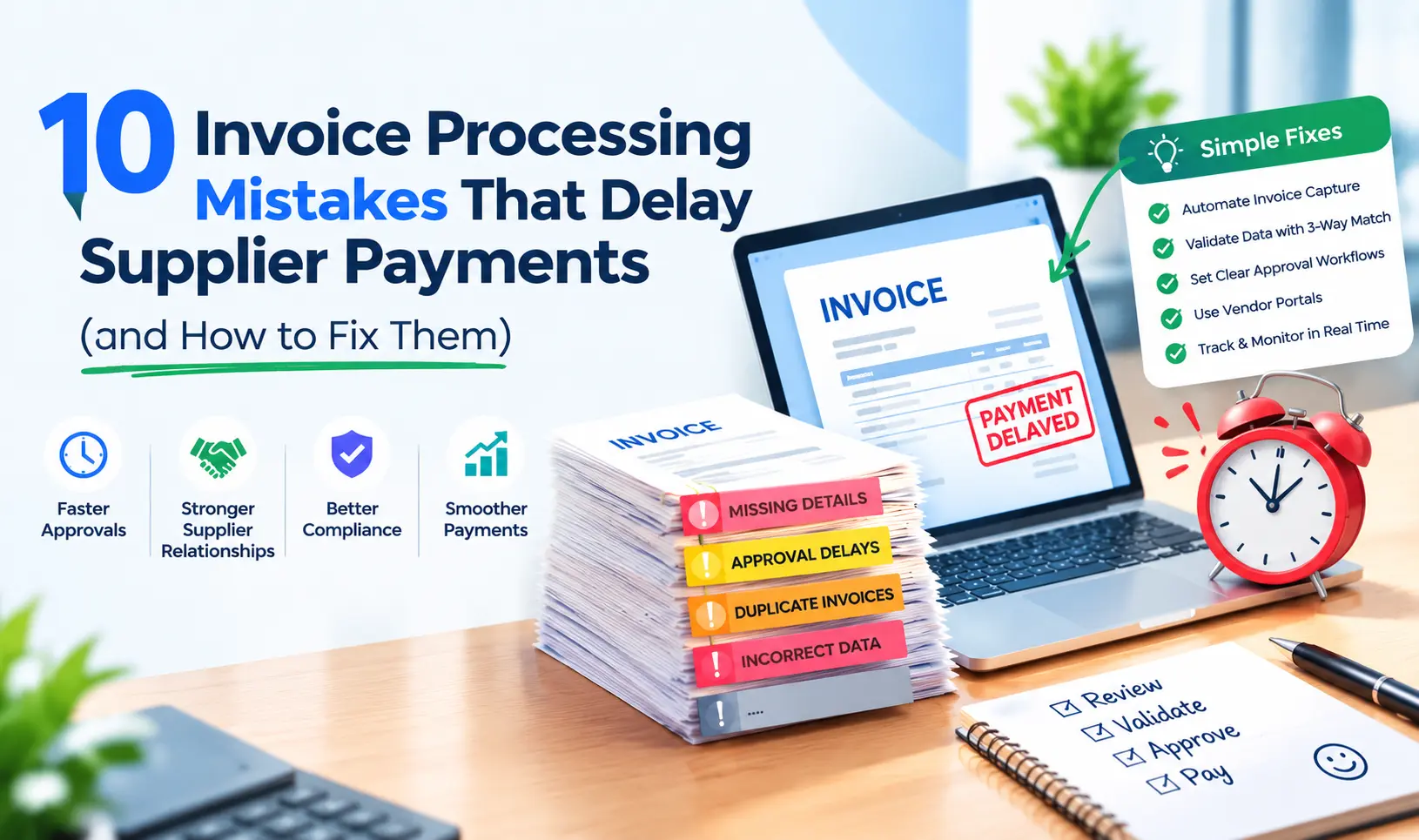
- Discrepancies assigned to an owner. Price, quantity or tax mismatches can cause an otherwise valid invoice to remain unpaid.
- Approval routed to the right person, with delegation when someone is away.
- Payment proposal raised from due dates and payment terms, then approved for release.
- Payment recorded and evidence retained for finance and tax review.
ZYNO is designed to support this workflow through purchase requests, purchase orders, GRN, three-way matching, approvals and payment proposals in Accounts Payable. Spend analytics can help teams see where work is pending.
ZYNO is intended to improve the upstream workflow, not replace statutory compliance tools. Businesses can continue using Tally, Zoho or SAP as their ledger and evaluate a specialist tracker separately if they need Udyam verification or a disallowance schedule.
Match the software to your payment-tracking needs
- Pick accounting-led software if your main need is flagging overdue MSME bills in the books you already use.
- Add a dedicated tracker if you need Udyam verification, per-invoice deadlines or a year-end disallowance schedule.
- Pick procure-to-pay software if invoices are late because of approvals, missing GRNs, mismatches or poor supplier communication.
- Combine them. Many Indian businesses will keep the ledger in Tally or Zoho, add a tracker for the statutory layer and use a procurement platform to keep the paperwork clean.
Essential features in MSME payment tracking software
- Supplier classification and Udyam records with registration date and supporting documents.
- Payment-term capture from the PO or contract.
- Acceptance-date tracking through GRN or service acceptance.
- Invoice-level due dates—15 days or the agreed term up to 45 days—not generic credit periods.
- Three-way matching so clean invoices are not delayed.
- Alerts and overdue lists well ahead of 31 March.
- Approval trail and exports for tax audit and MSME-1 reporting.
- Accounting integration so payment status flows back to the ledger.
MSME payment-tracking checklist before 31 March 2027
- List all suppliers and mark micro, small, medium or unregistered, with Udyam numbers and registration dates.
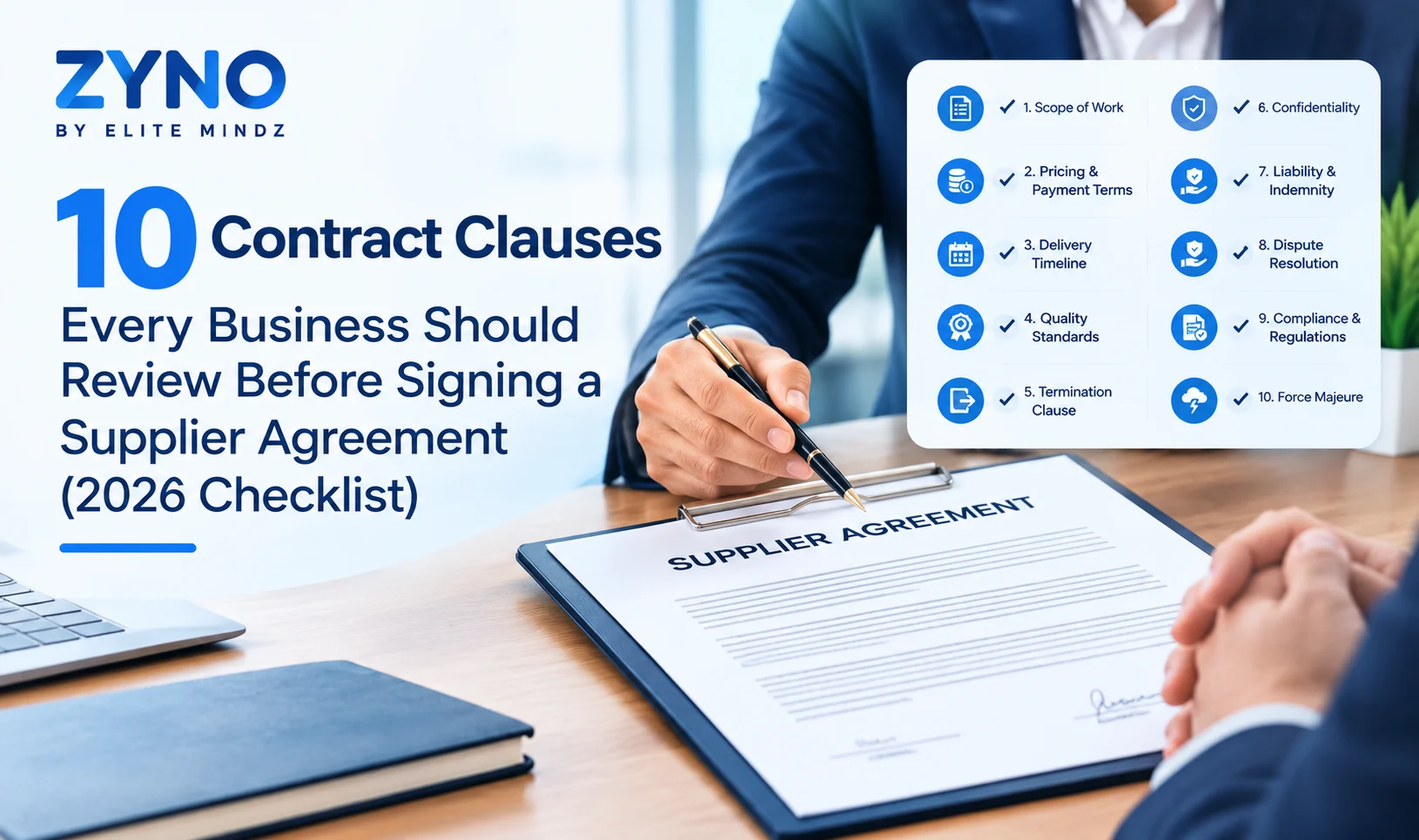
- Check which POs and contracts carry written payment terms, and confirm that terms do not exceed 45 days.
- Make sure every receipt has a GRN or acceptance date.
- Generate an overdue and upcoming MSME payables list every week until year-end.
- Assign an owner for each stuck invoice: mismatch, missing GRN or pending approval.
- Prioritise payments that fall due before 31 March.
- Reconcile the list with the ledger and tax audit schedules.
- Ask your CA to confirm interpretation, edge cases and reporting.