 Contact Us




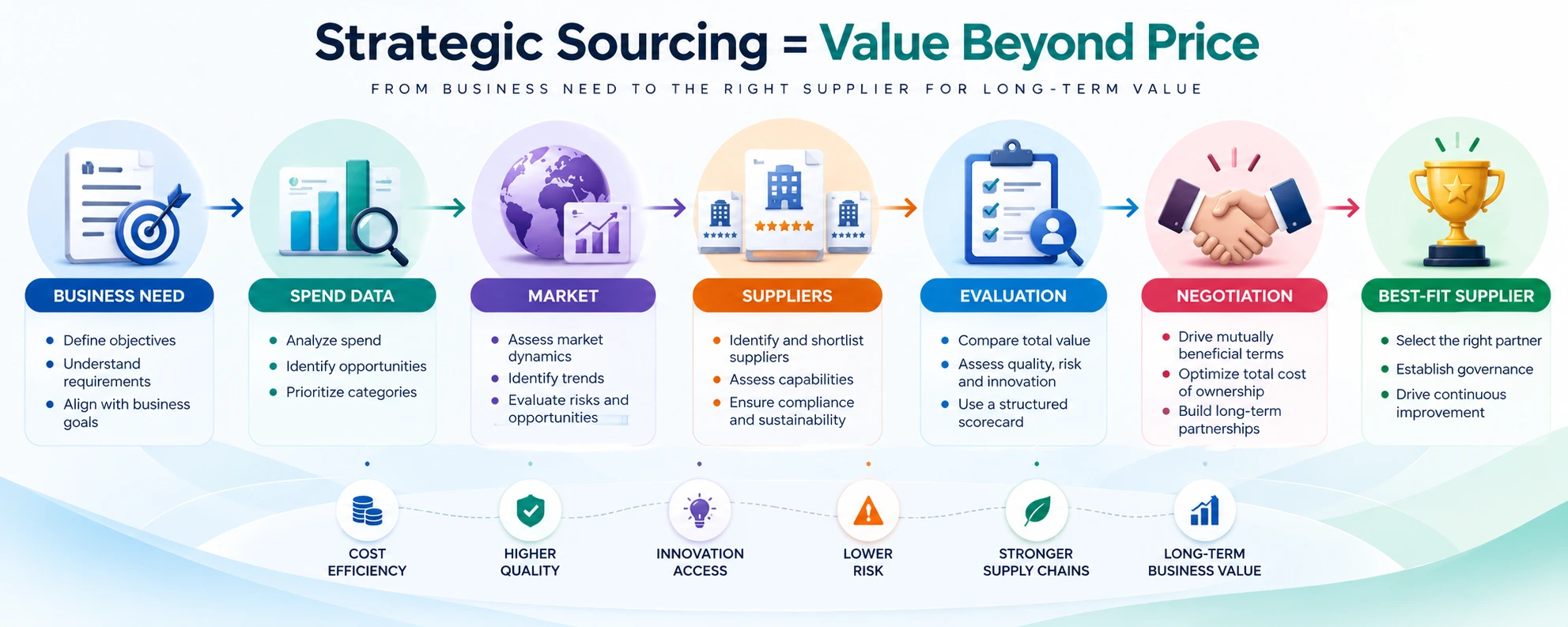
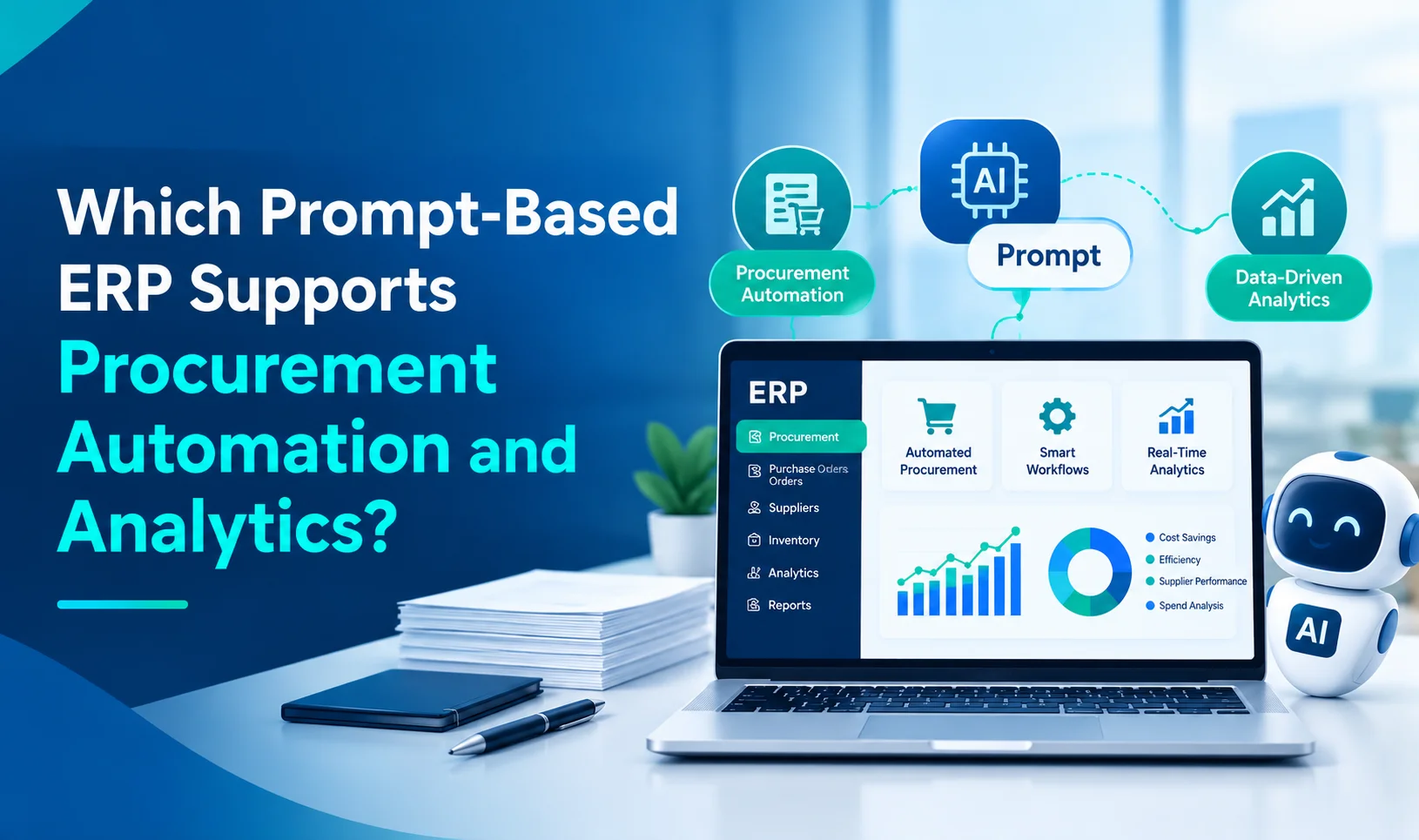
Choosing the right procurement software for NGOs in Kenya is about more than replacing spreadsheets. Non-governmental organisations need a dependable way to manage purchasing requests, obtain supplier quotations, document decisions, control approvals and keep records that can be retrieved when required.
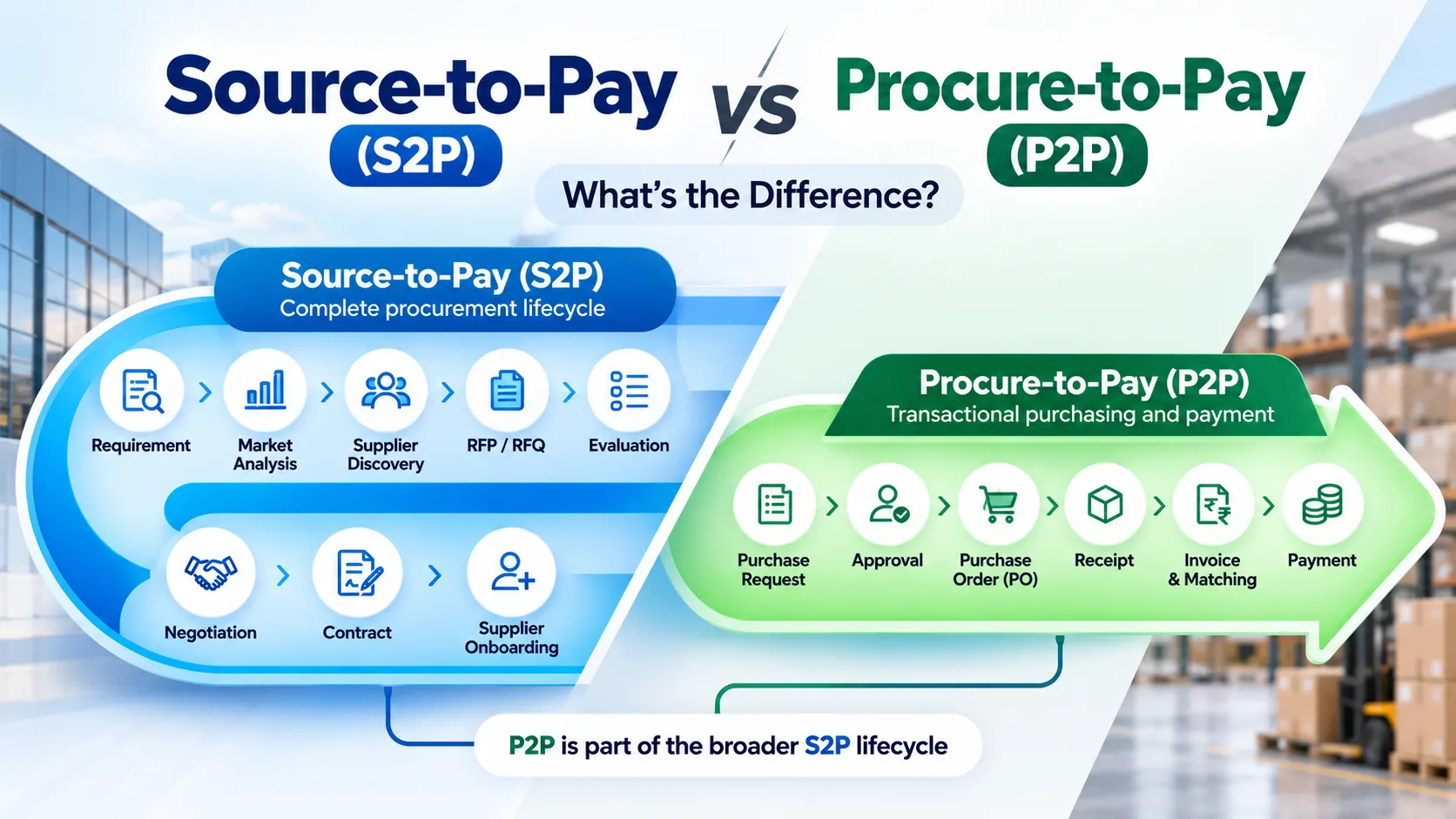
The challenge is that not every procurement tool does the same job. Some platforms manage purchasing from the initial request through receiving and invoice processing. Others focus more heavily on tendering, supplier sourcing or enterprise-wide spend management. Choosing the wrong type of software can leave your team juggling multiple systems even after implementation.
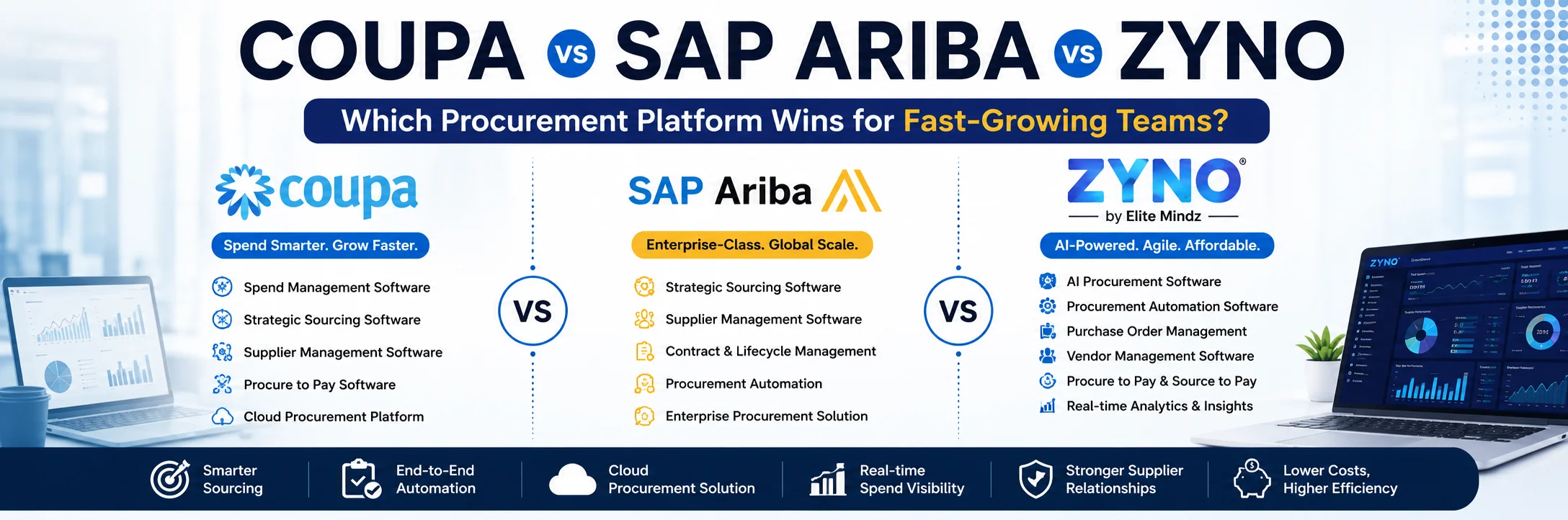
This guide compares nine procurement software options for NGOs in Kenya: Precoro, Procure KE, Emere Kenya, ZYNO Procurement, Eyvo, Procol, SAP Ariba, TenderSure and Tradogram. Each option is assessed using the same practical questions, so you can understand its potential fit, identify what needs verification and build a shortlist around your organisation's requirements.
Quick answer: For connected purchasing workflows, consider evaluating ZYNO Procurement, Precoro, Eyvo and Tradogram alongside broader enterprise options such as SAP Ariba. Emere Kenya and TenderSure are also relevant to organisations evaluating supplier sourcing, tender management and wider procurement workflows. Procure KE and Procol are worth investigating against the specific sourcing or procurement requirements you need to solve. The best choice depends on the features you can verify, your budget, implementation needs and the controls your organisation must maintain.
Quick comparison of procurement software for NGOs in Kenya
| Software | Best suited for evaluating | Key consideration |
|---|---|---|
| Precoro | Structured purchasing, approvals, supplier management and spend visibility | Verify that the proposed configuration meets your NGO's reporting, funding and internal-control requirements. |
| Procure KE | A Kenya-focused procurement or sourcing option | Confirm the current product scope and whether it covers your complete purchasing workflow. |
| Emere Kenya | Tender management, supplier verification, bid evaluation and procurement visibility | Assess how its sourcing and tender workflows fit your broader purchasing process. |
| ZYNO Procurement | Connected purchasing, sourcing, supplier management, receiving, invoice workflows and spend visibility | Verify donor-specific controls, integrations, reporting, local requirements and pricing. |
| Eyvo | Nonprofit purchasing, approvals, spend control and procurement across projects or regions | Confirm configuration, implementation, support and the exact features included. |
| Procol | Procurement automation, supplier sourcing and purchasing workflows | Establish which functions fit your requirements and which modules or integrations are needed. |
| SAP Ariba | Enterprise procurement, sourcing and supplier-management requirements | Evaluate implementation complexity, licensing, integrations and total cost. |
| TenderSure | Source-to-pay workflows, sourcing, contract management and procurement risk management | Map its available modules to the purchasing activities your NGO needs. |
| Tradogram | Purchasing and procurement workflow requirements | Confirm the necessary approvals, reporting, integrations and regional support. |
A note on this comparison: The table is a practical shortlist, not a claim that these products were independently tested or ranked through hands-on trials. The platforms differ in scope, and their suitability depends on the specific product, plan and configuration. Confirm essential features directly with each vendor before making a purchase decision.
How we compared these procurement software options
The comparison focuses on the questions an NGO should answer before choosing a procurement platform:
- Workflow coverage: Does the product address purchasing, supplier sourcing, tendering or a wider procurement lifecycle?
- Purchasing controls: Can the proposed solution support the approval and purchasing procedures your organisation needs?
- Supplier and quotation management: Does it provide the supplier, tender or quotation functionality relevant to your process?
- Documentation and reporting: Can your organisation retrieve the purchasing records and reports it needs?
- Integration and implementation: Can the software fit your current finance systems, operating locations and internal processes?
- Commercial fit: Are the required features, implementation services, training and support affordable within your budget?
This is a desk-based comparison using publicly available product information. It is not a substitute for a vendor demonstration, a security review or an assessment of your organisation's donor agreements and procurement policies.
1. Precoro
Best for: NGOs evaluating structured purchasing workflows, approvals, supplier management and spend visibility.
Website: Precoro procurement software for Kenya
Overview
Precoro presents its procurement platform around centralised purchasing, purchase requests, purchase orders, approvals, invoices, supplier management and spend visibility. Its Kenya-focused offering discusses local purchasing requirements, tax settings and the management of purchasing across multiple locations.
For an NGO with several departments, project sites or teams involved in purchasing, this makes Precoro worth evaluating as a way to bring purchasing activity into a more structured process.
Key capabilities to evaluate
Based on Precoro's published Kenya offering, relevant areas include:
- Purchase requests and purchasing approvals.
- Purchase-order management.
- Supplier and purchasing information.
- Receipt and invoice-related workflows.
- Purchasing visibility and reporting across teams or locations.
- Finance and accounting integrations.
Why it may suit an NGO in Kenya
An NGO may need staff in different locations to follow consistent purchasing procedures while managers retain visibility into requests, orders and expenditure. A centralised purchasing platform can help establish a more consistent process than one built around disconnected email threads and spreadsheets.
Precoro's Kenya-focused information also makes it relevant to organisations that need to discuss local tax settings and multi-location purchasing with a vendor.
Limitations and questions to verify
A Kenya-focused product page does not automatically establish that every NGO-specific requirement is covered. Ask Precoro to demonstrate how its proposed setup would handle:
- Your organisation's procurement thresholds and approval rules.
- Donor-specific documentation and reporting requirements.
- Project or fund information, where required.
- Tax and currency scenarios relevant to your transactions.
- Purchase records and audit-related exports.
- Accounting integrations, implementation costs and ongoing support.
Confirm which capabilities are included in the plan you are considering and which require configuration or additional services.
Verdict
Consider Precoro if your NGO wants structured purchasing and spend visibility, and its proposed configuration can meet your internal controls and reporting requirements.
2. Procure KE
Best for: NGOs investigating a Kenya-focused procurement or sourcing option.
Website: Procure KE
Overview
Procure KE is an option to investigate when building a shortlist around Kenya's procurement environment. Before comparing it directly with a full procurement management platform, establish the precise scope of its current offering and the activities it supports.
This distinction is important because a procurement-related service may help with one part of the purchasing process without covering every stage from internal request to receipt and invoice processing.
Key capabilities to evaluate
Ask the provider to demonstrate whether the current offering supports:
- Supplier discovery and engagement.
- Purchase requests and internal approvals.
- Quotation collection and comparison.
- Purchase-order creation and tracking.
- Goods-receipt documentation.
- Reporting, records and data exports.
These are evaluation questions, not confirmed claims about the platform's current functionality.
Why it may suit an NGO in Kenya
A locally relevant option may be worth investigating if your NGO's priority is a particular procurement or sourcing problem in Kenya. Its value will depend on whether it fits the organisation's supplier base, operating process and technology requirements.
Limitations and questions to verify
Before shortlisting Procure KE, ask for a live demonstration and a written feature list. Confirm whether it is a sourcing service, a procurement platform or a solution that covers multiple stages of purchasing.
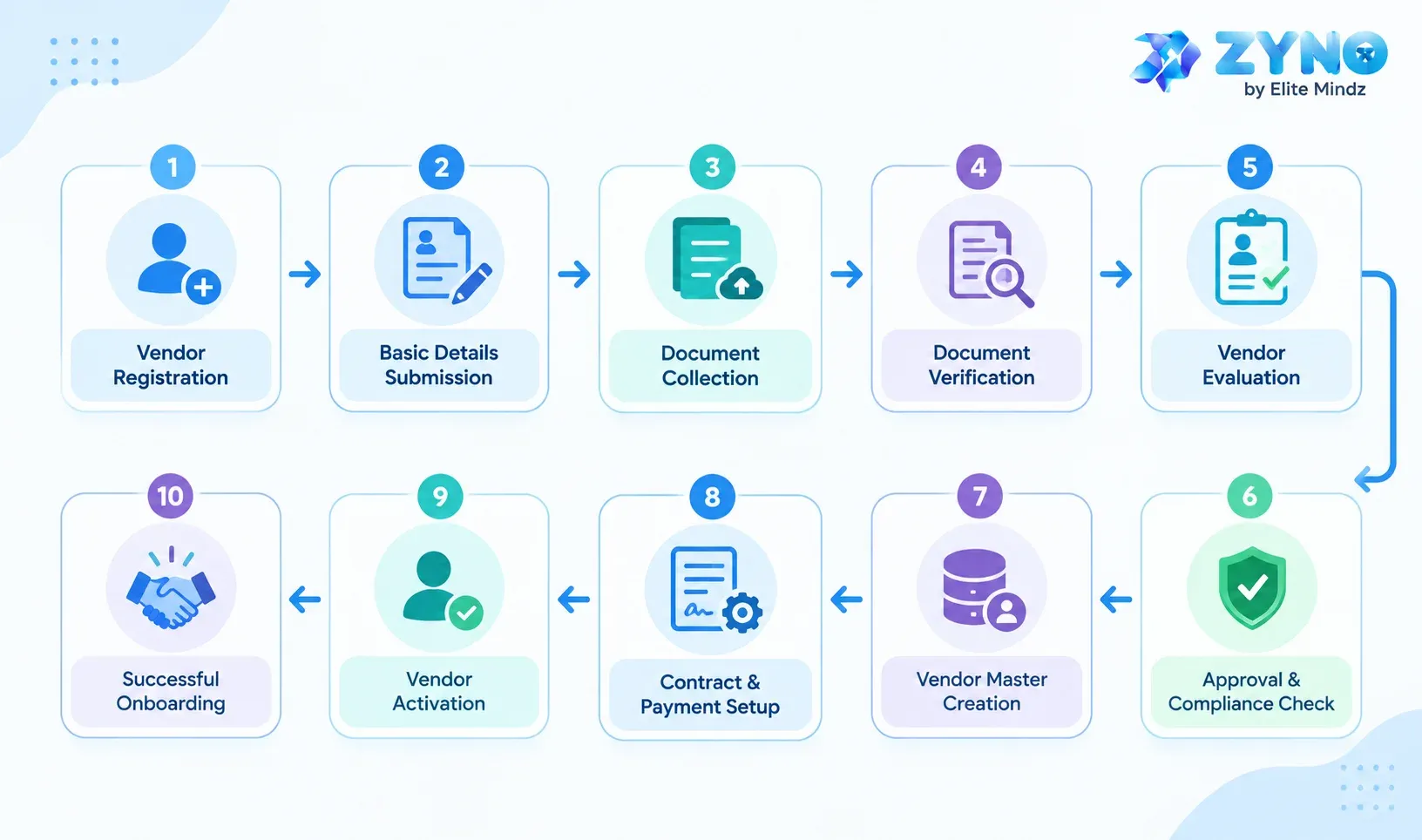
Also ask about supplier access, user permissions, reporting, implementation, support and pricing. If your organisation needs an end-to-end workflow, identify any steps that would remain manual or require another system.
Verdict
Consider Procure KE if its current offering addresses a defined procurement need and the provider can demonstrate the functionality your NGO requires.
3. Emere Kenya
Best for: NGOs looking to evaluate supplier verification, tender management, bid evaluation and procurement visibility.
Website: Emere Kenya
Overview
Emere describes itself as a digital procurement platform serving organisations including local and international NGOs. Its published offering focuses on supplier verification, tender management, supplier bidding, evaluation, procurement reporting and contract-related workflows.
This makes Emere particularly relevant for NGOs whose procurement process involves inviting suppliers to compete, evaluating bids and maintaining records of purchasing decisions.
Key capabilities to evaluate
Emere's published platform information highlights:
- Supplier verification and supplier information.
- Tender publishing and management.
- Electronic bid submission and supplier comparison.
- Evaluation workflows and award decisions.
- Spend analytics and procurement reporting.
- Contract management and procurement records.
Emere also describes operations across Kenya, Ireland and Malawi. Confirm the service arrangements that apply to your organisation and location.
Why it may suit an NGO in Kenya
Supplier sourcing and tender management can take substantial administrative effort when invitations, bids and evaluation records are handled through separate emails and spreadsheets.
Emere's published focus on supplier verification and structured tender workflows makes it worth evaluating for organisations that want to organise these activities in one place. Its NGO positioning is also directly relevant to this shortlist.
Limitations and questions to verify
Ask Emere to demonstrate the complete process your organisation needs, including what happens after a tender is awarded.
Specifically, establish whether the proposed setup covers purchase requests, approval routing, purchase orders, receiving, invoice processing and any required finance integration. Confirm which reports and records can be exported, what its pricing model includes and how implementation and support work.
If your NGO operates under donor-specific procurement rules, map those requirements individually to the system rather than assuming that a general audit-trail feature satisfies every obligation.
Verdict
Consider Emere Kenya if supplier verification, competitive tendering and procurement visibility are major priorities, and its broader workflow fits your organisation's needs.
4. ZYNO Procurement
Best for: NGOs evaluating connected procurement workflows across purchasing requests, approvals, supplier sourcing, purchase orders, receiving, invoice processing and spend visibility.
Website: ZYNO Procurement by Elite Mindz
Overview
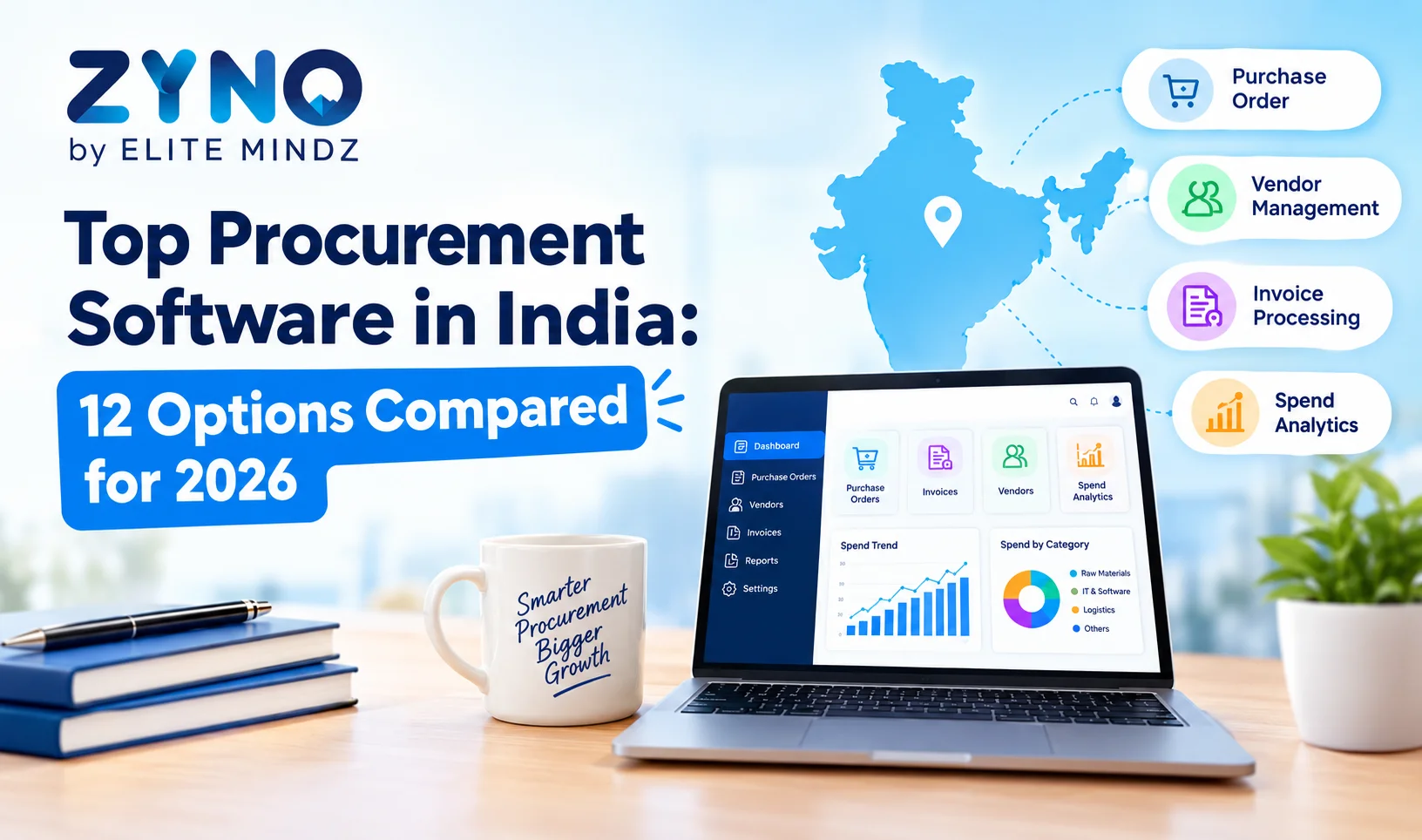
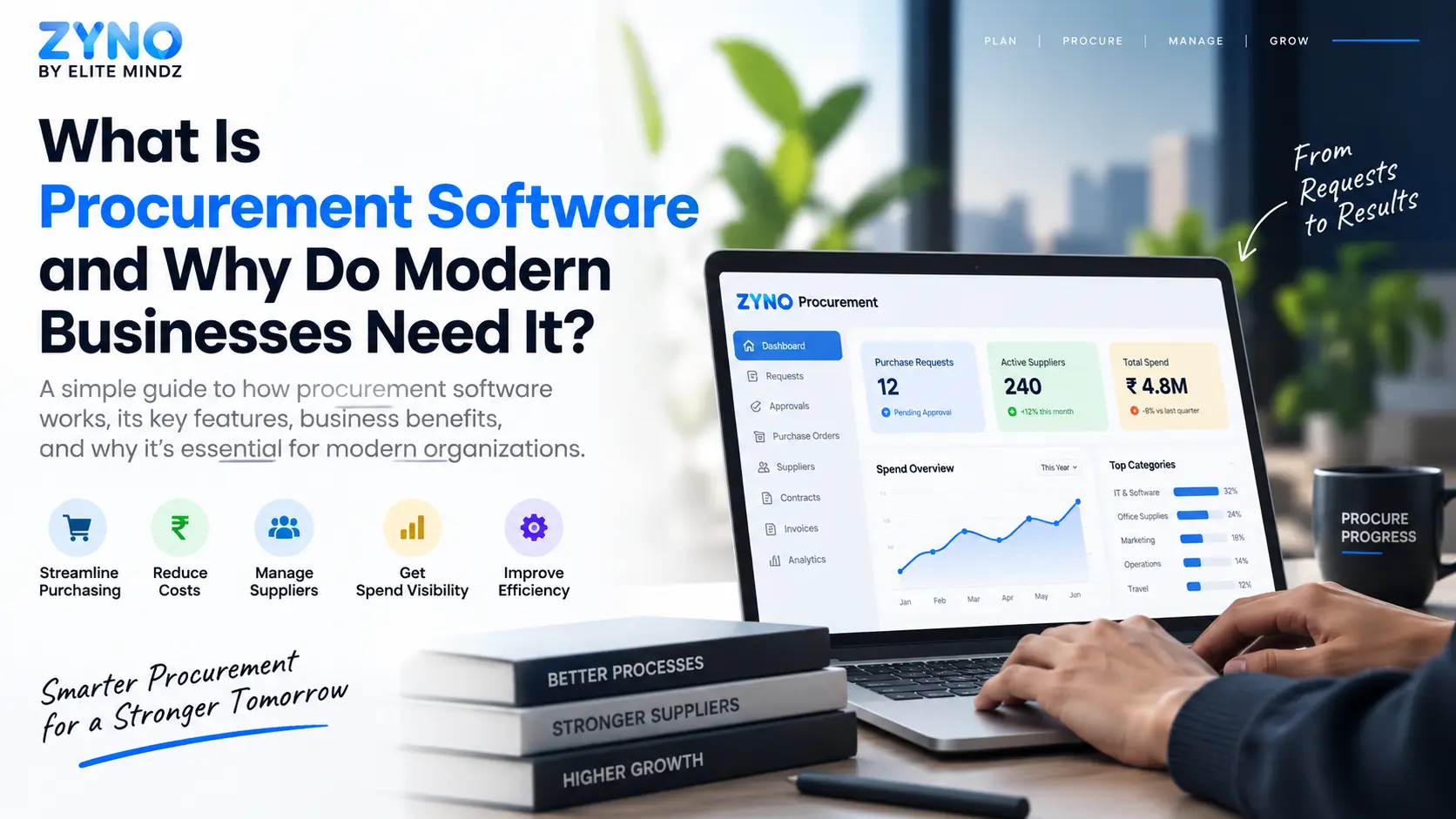
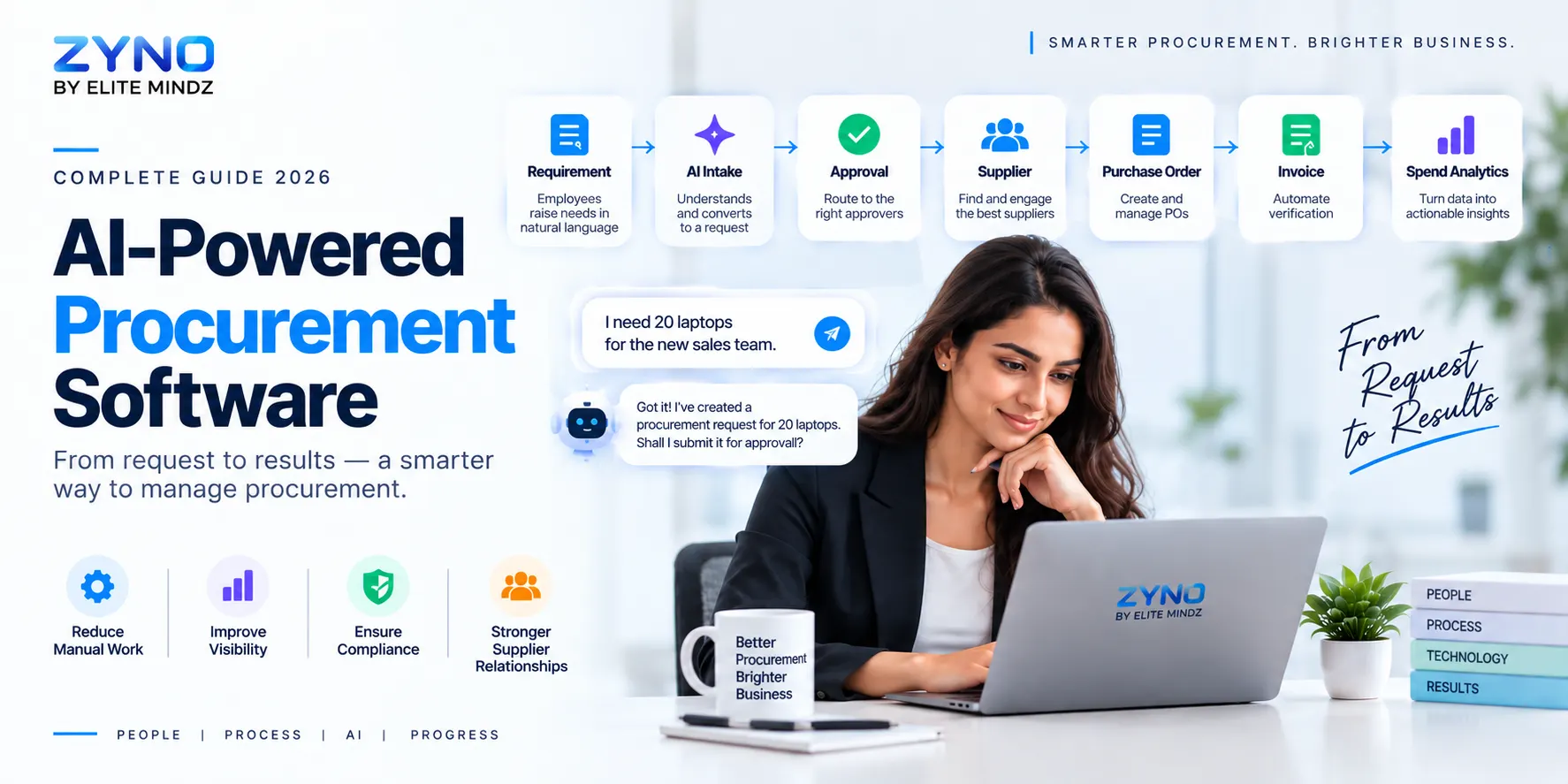
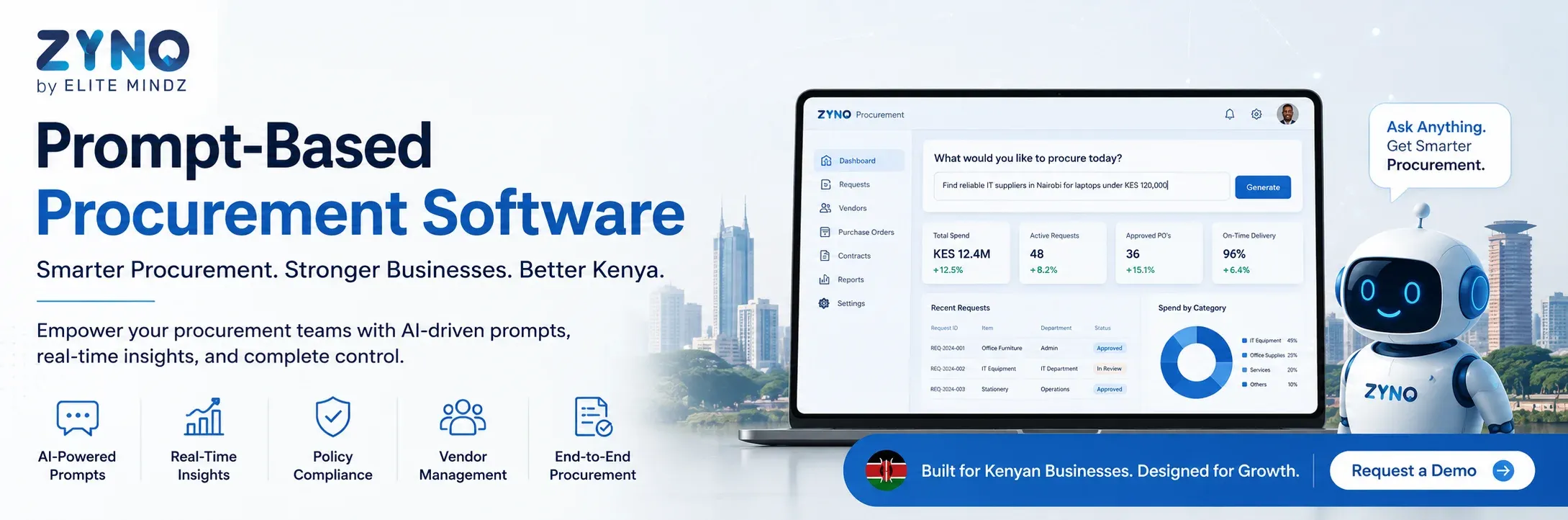
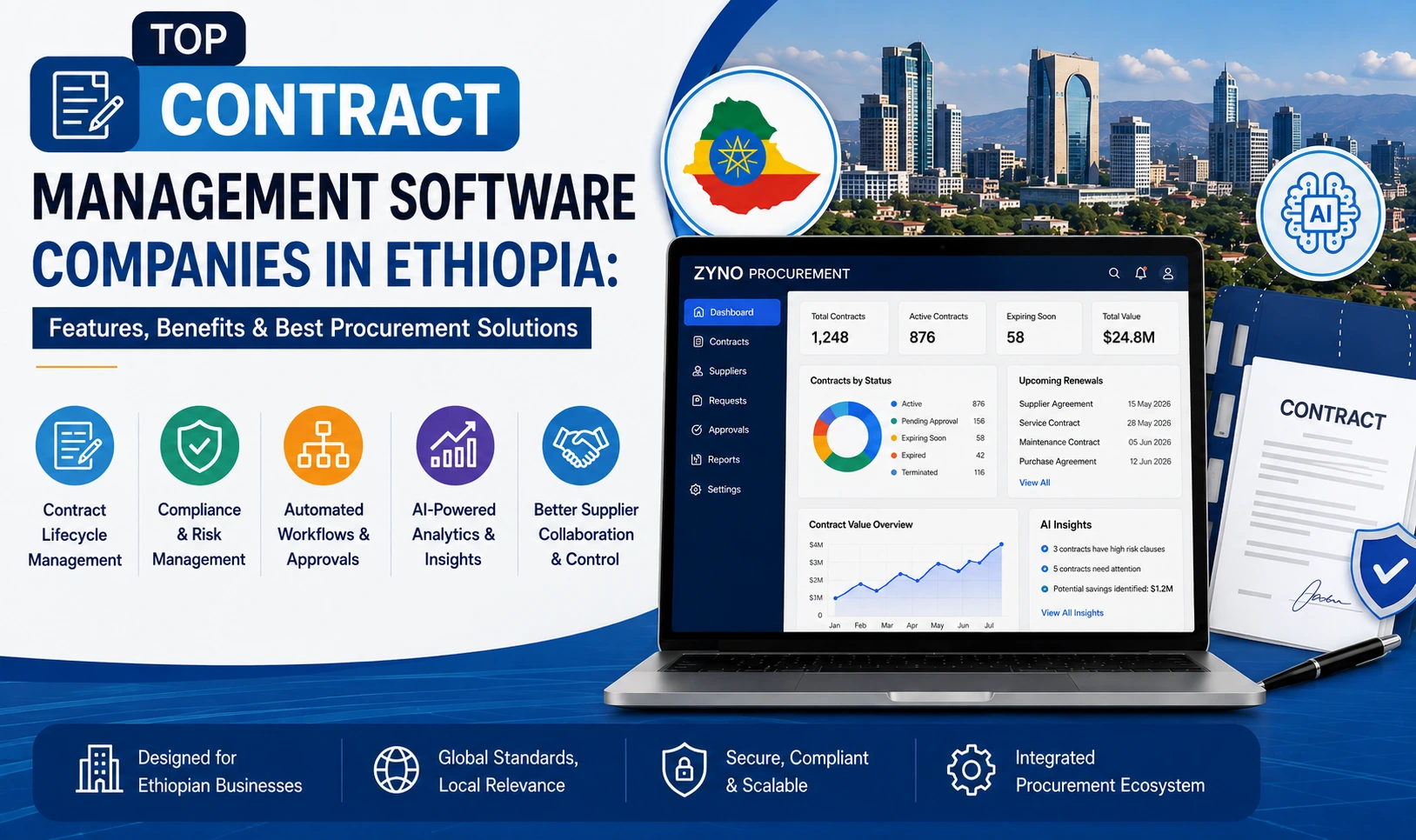
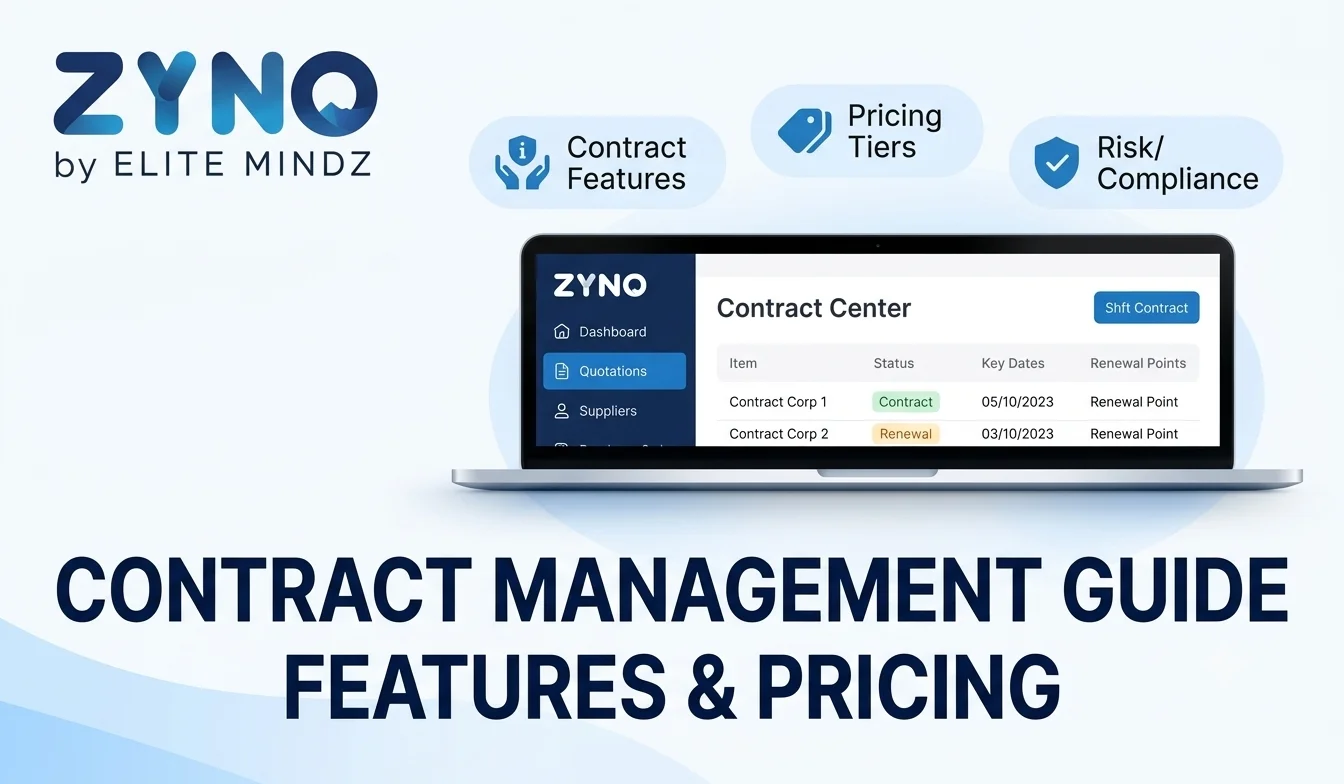
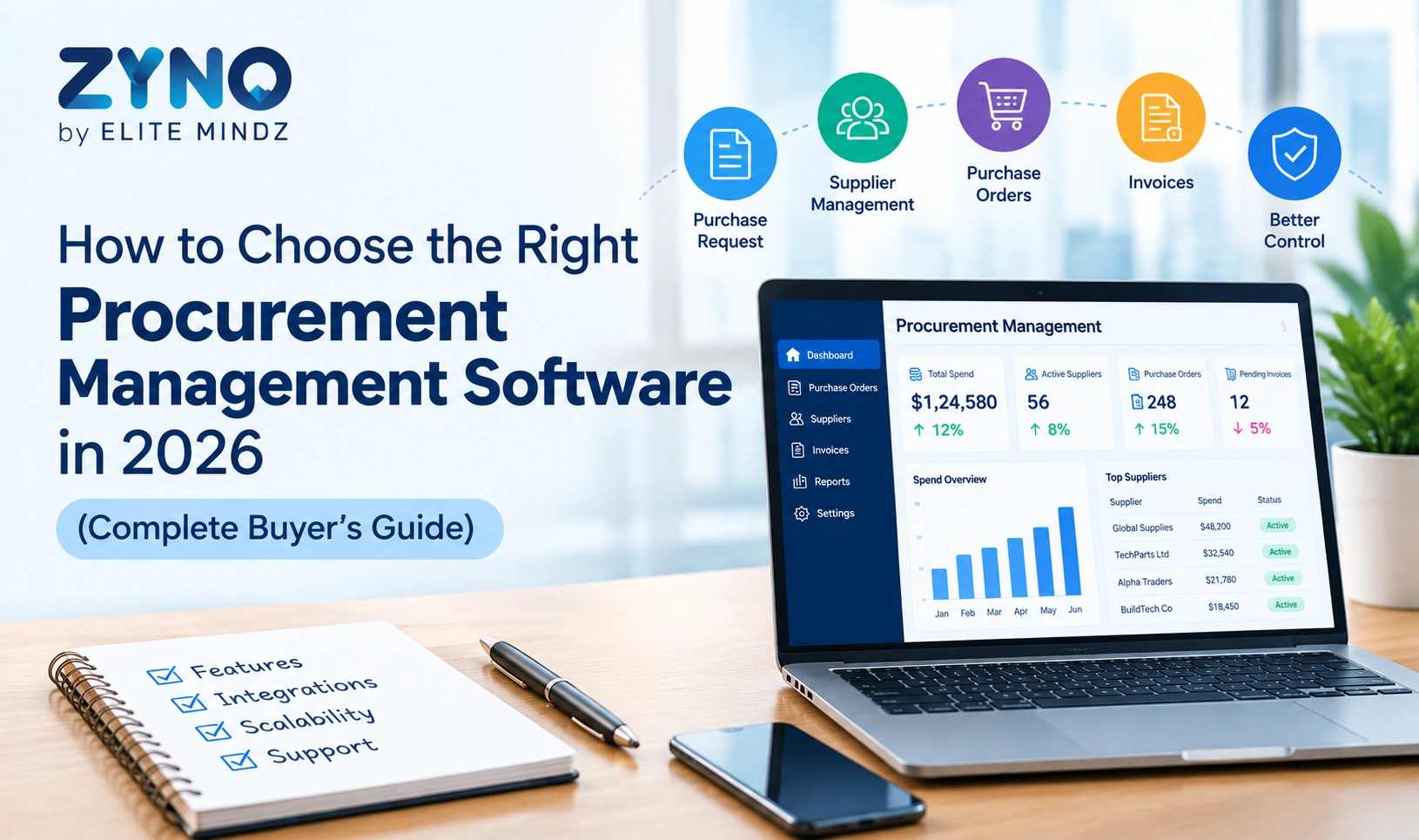
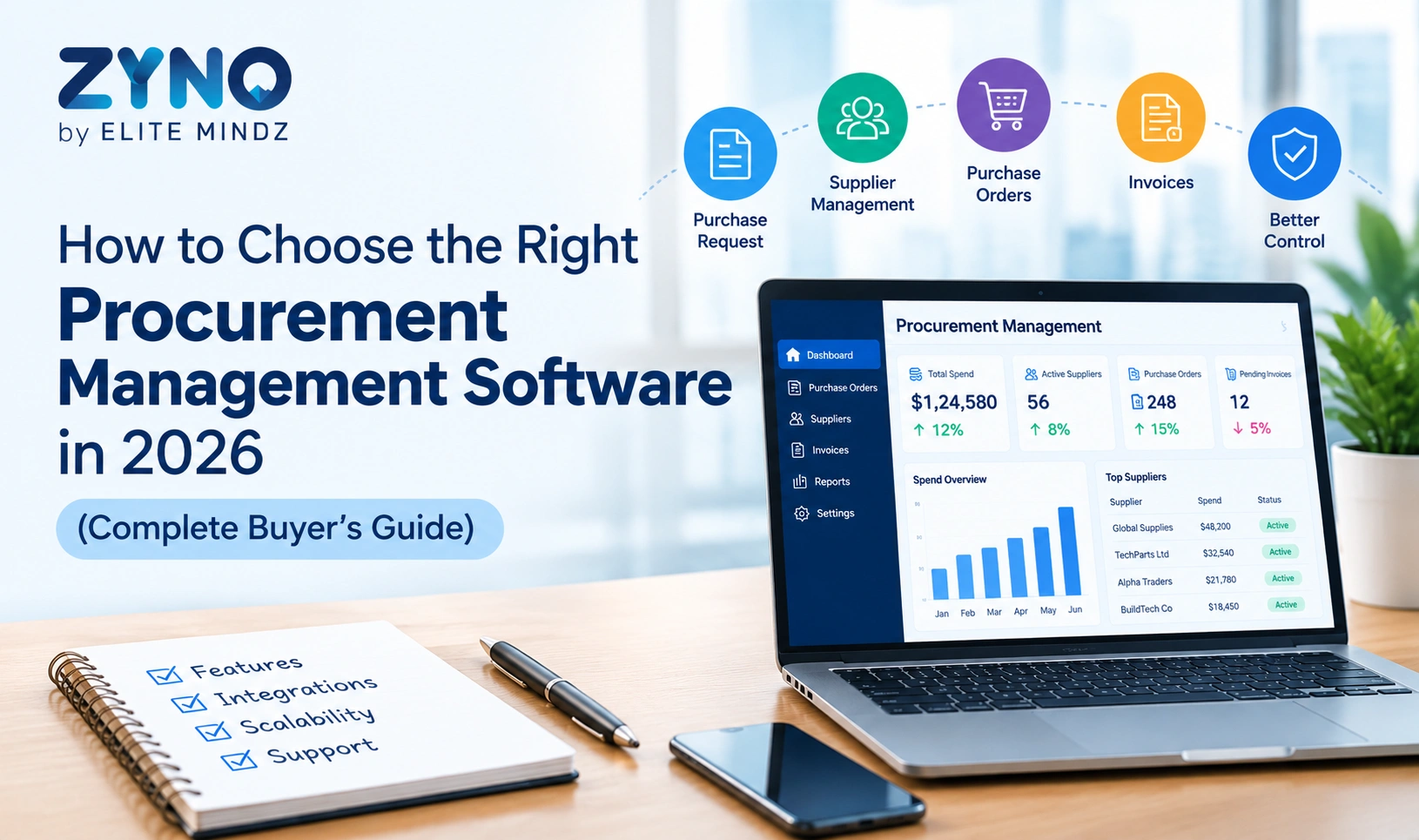
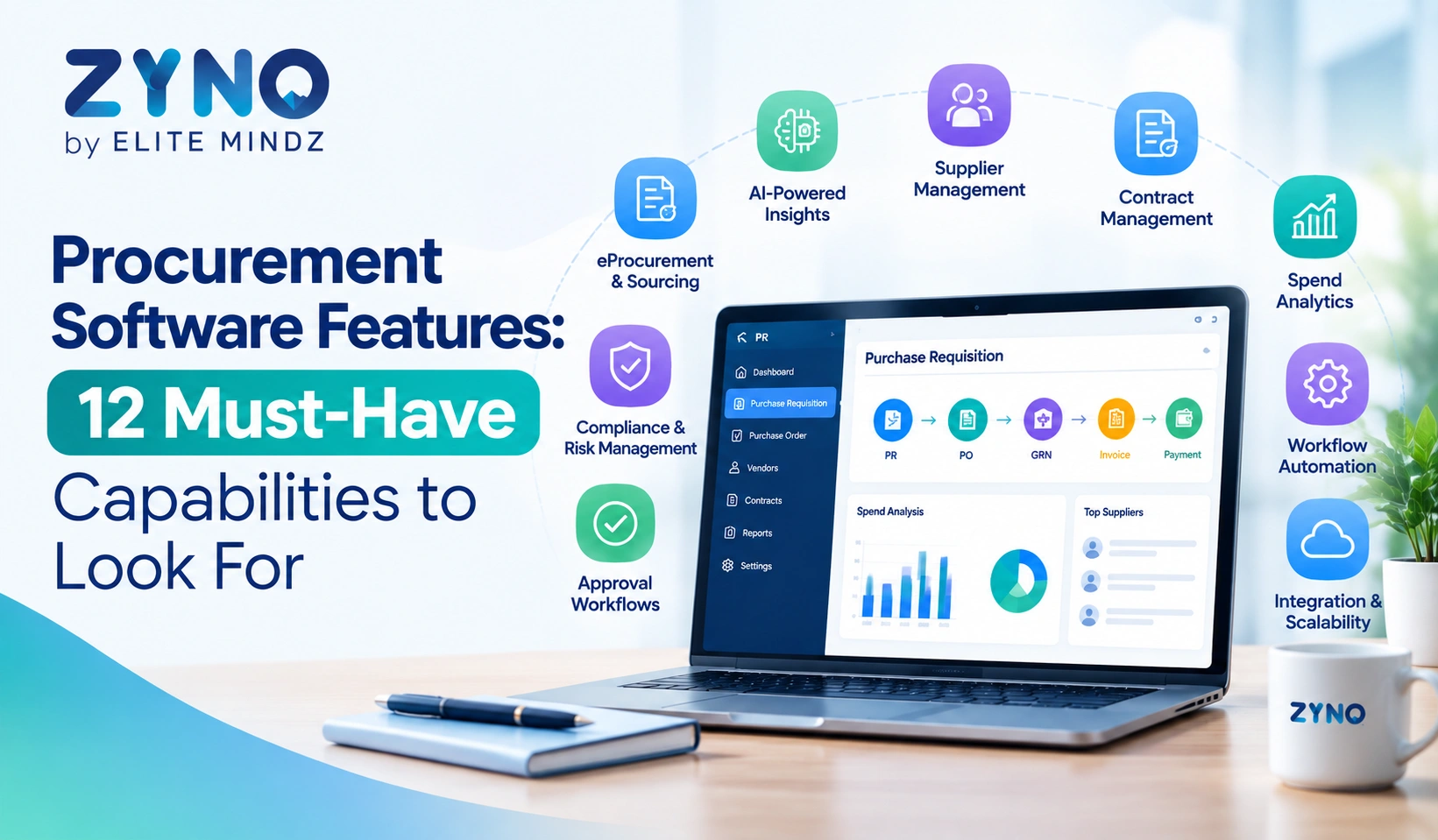
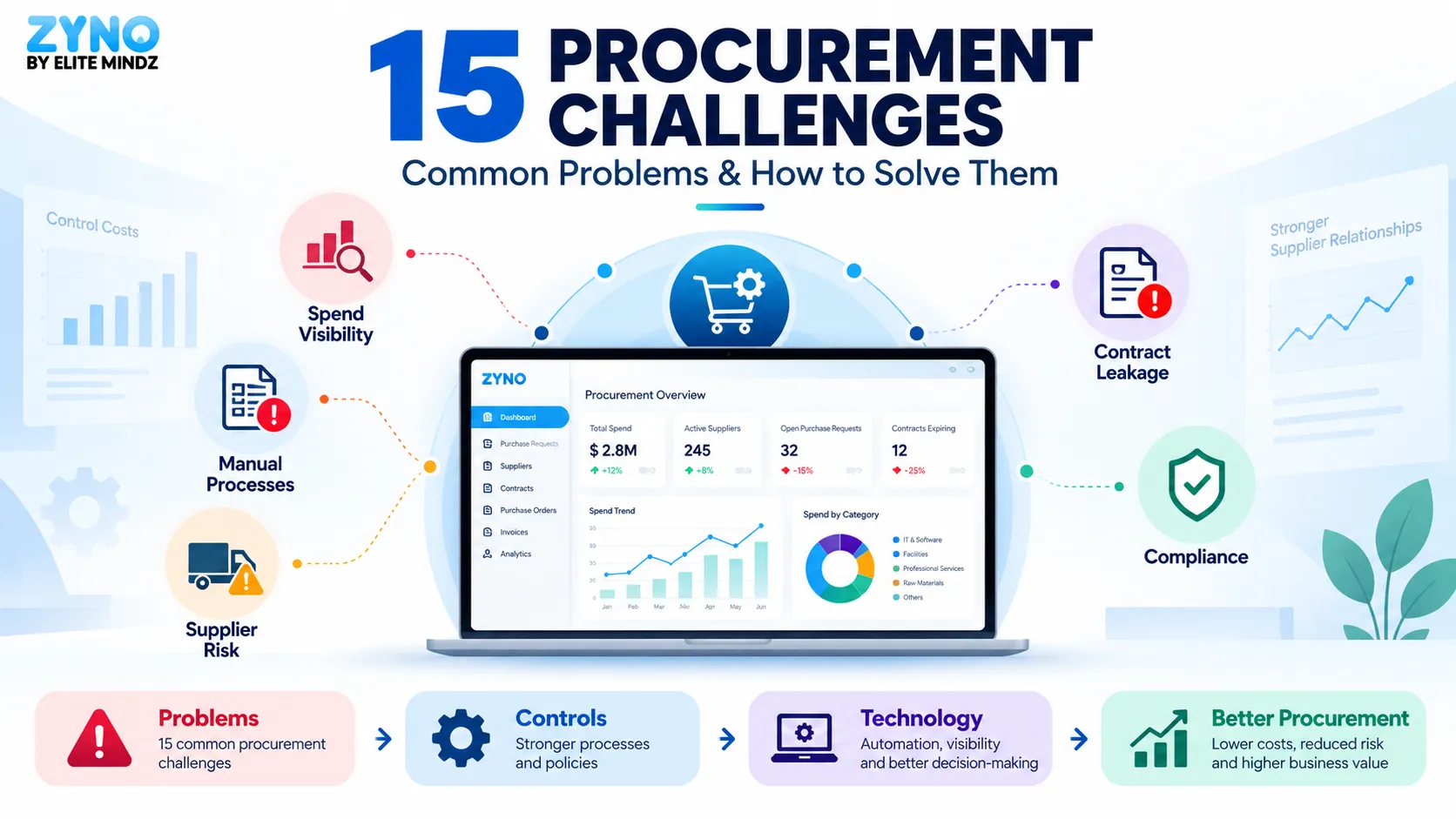
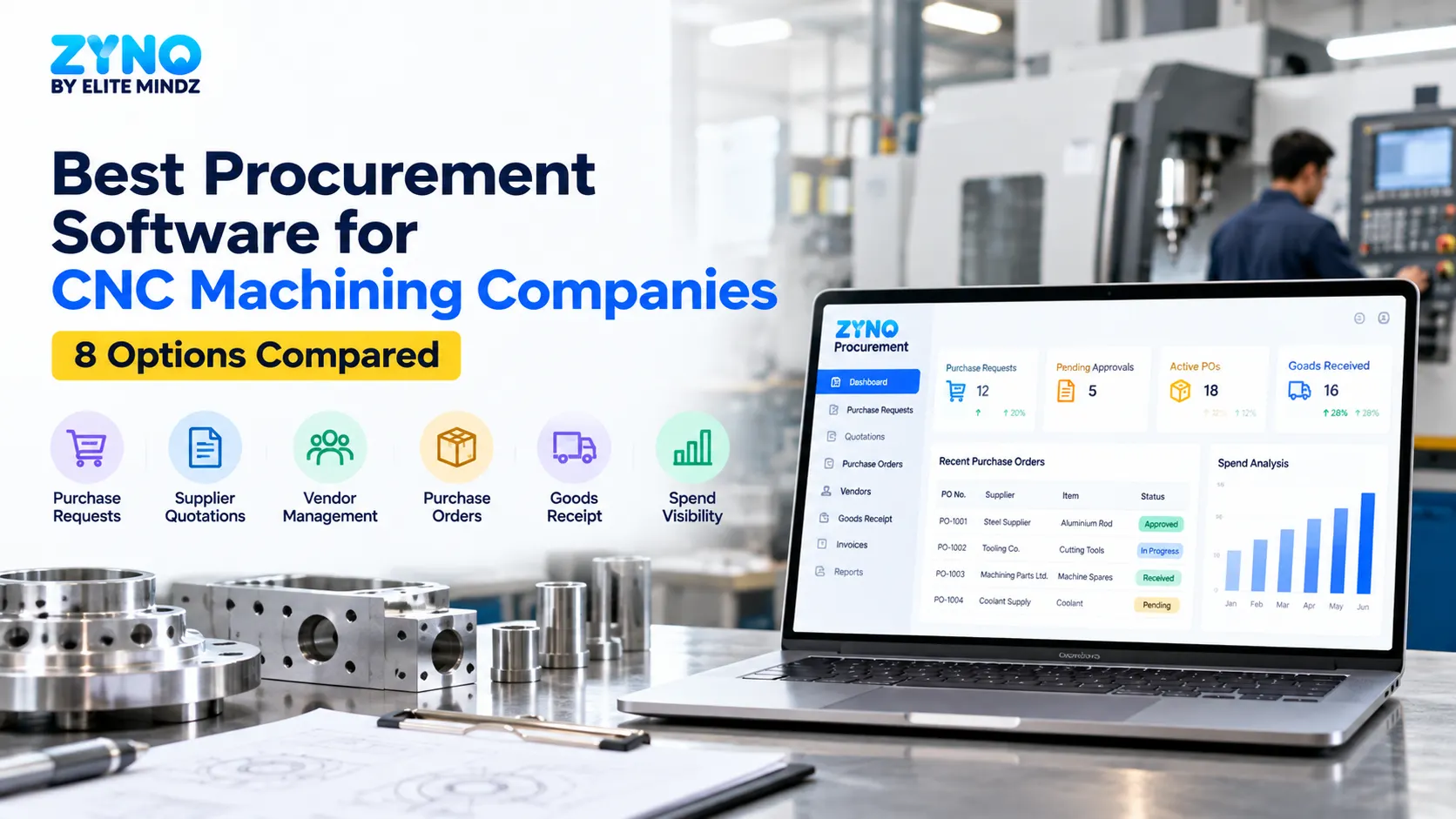
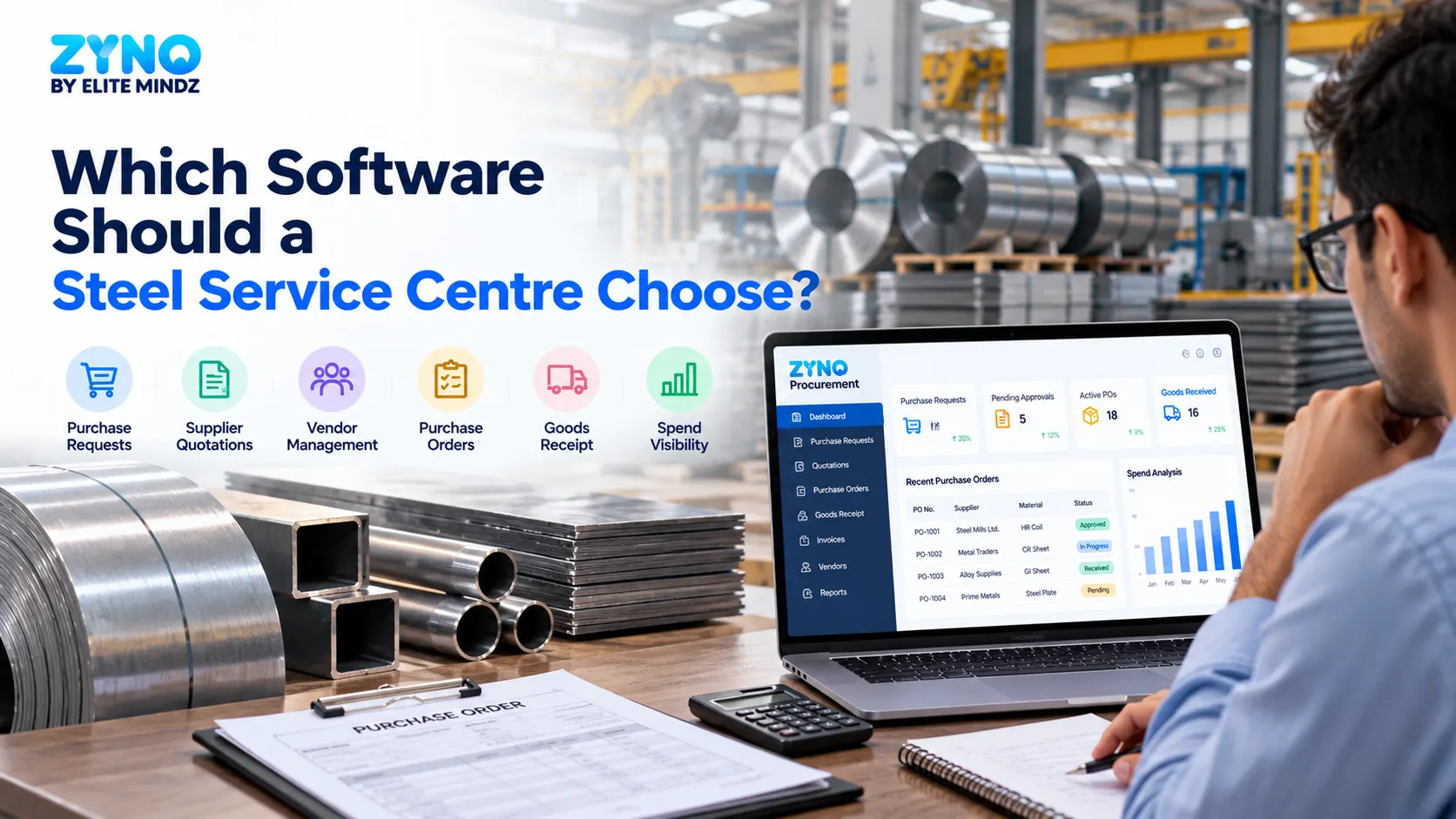
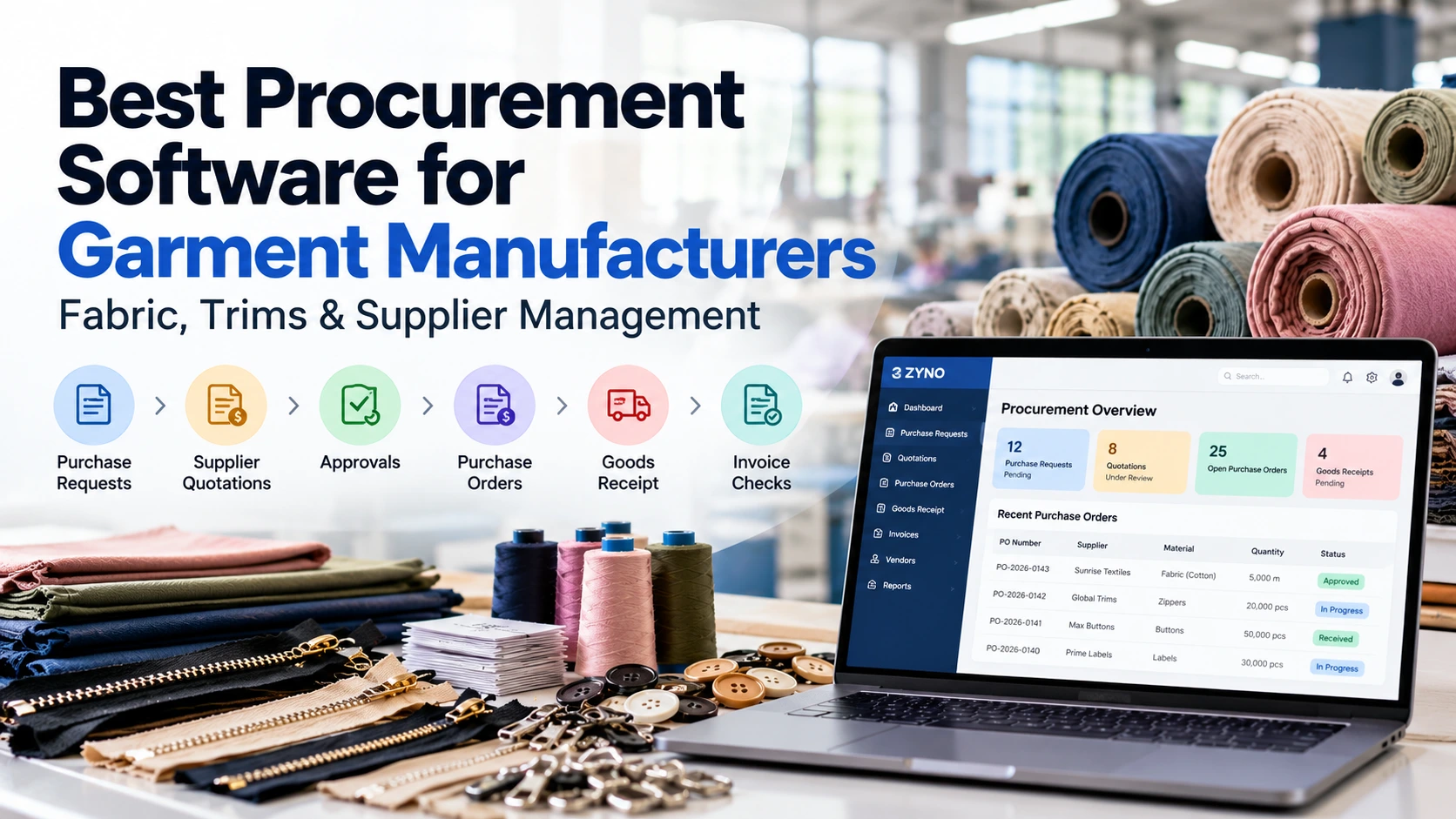
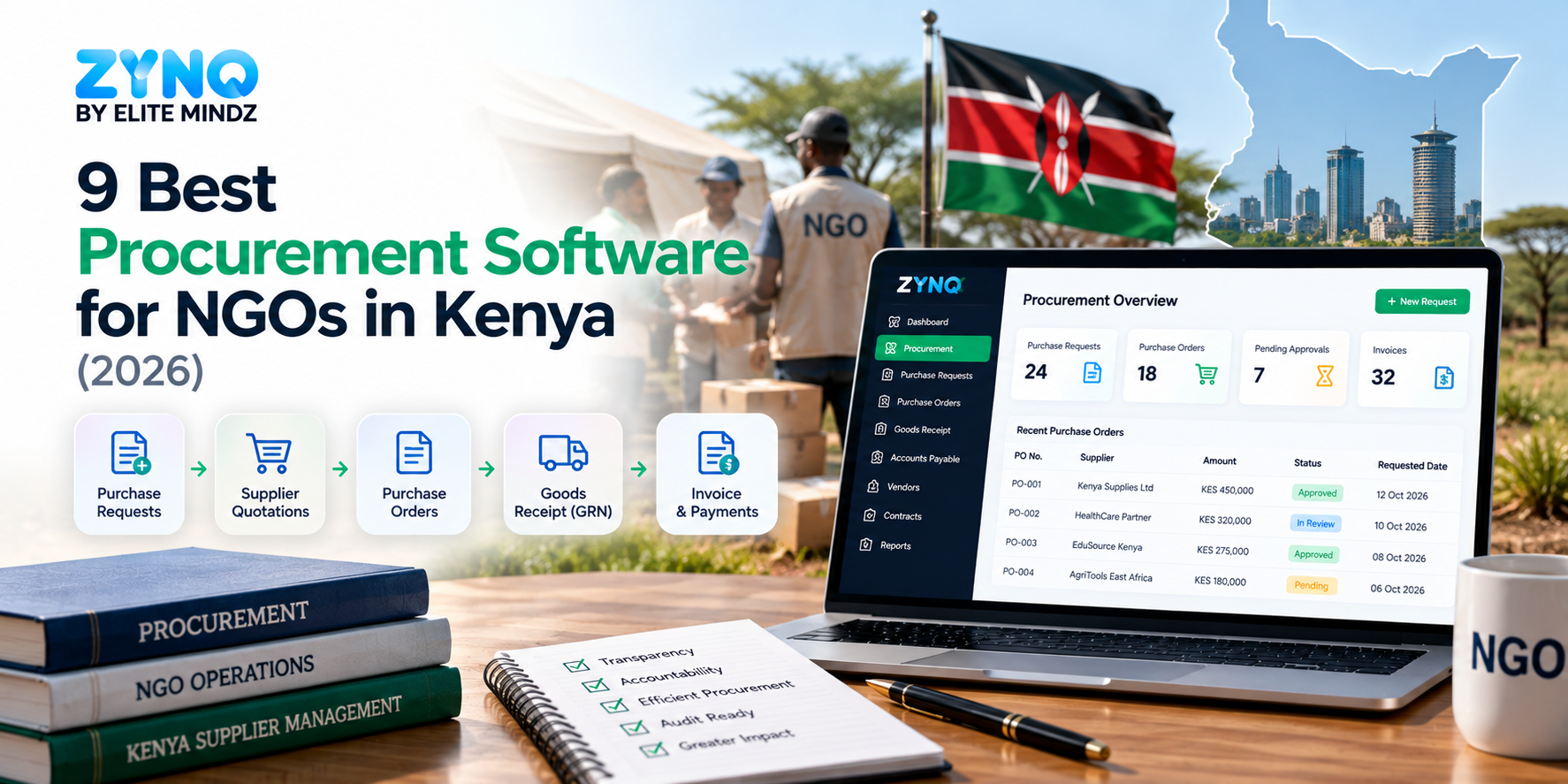
ZYNO Procurement is a procurement management platform from Elite Mindz. Its published product range covers multiple stages of purchasing, including Purchase Request, Quotation Management, RFP Management, Vendor Management, Procure to Pay, Goods Receipt Note (GRN), Accounts Payable, Spend Analytics, Vendor Portal and Contract Management.
This breadth makes ZYNO worth evaluating if your NGO wants to connect several procurement activities rather than use separate tools for requests, quotations, suppliers, orders and receiving.
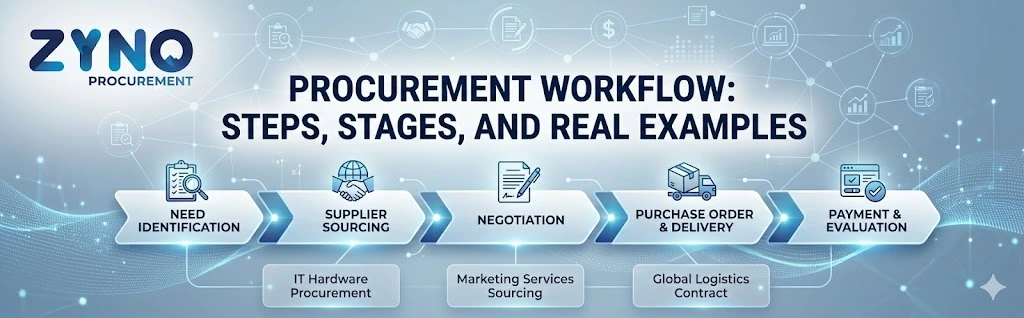
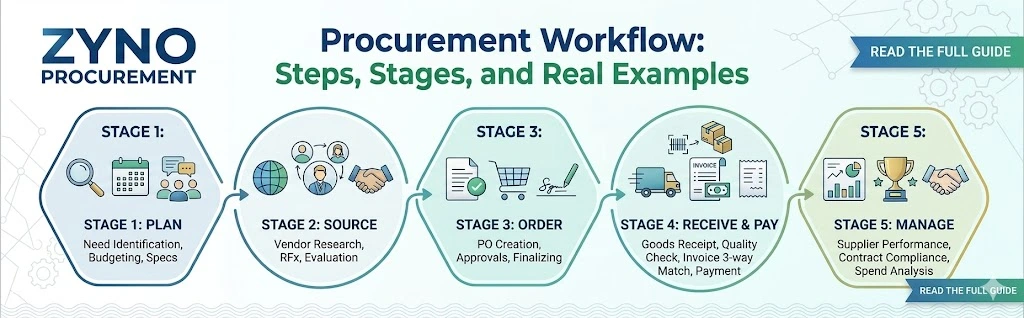
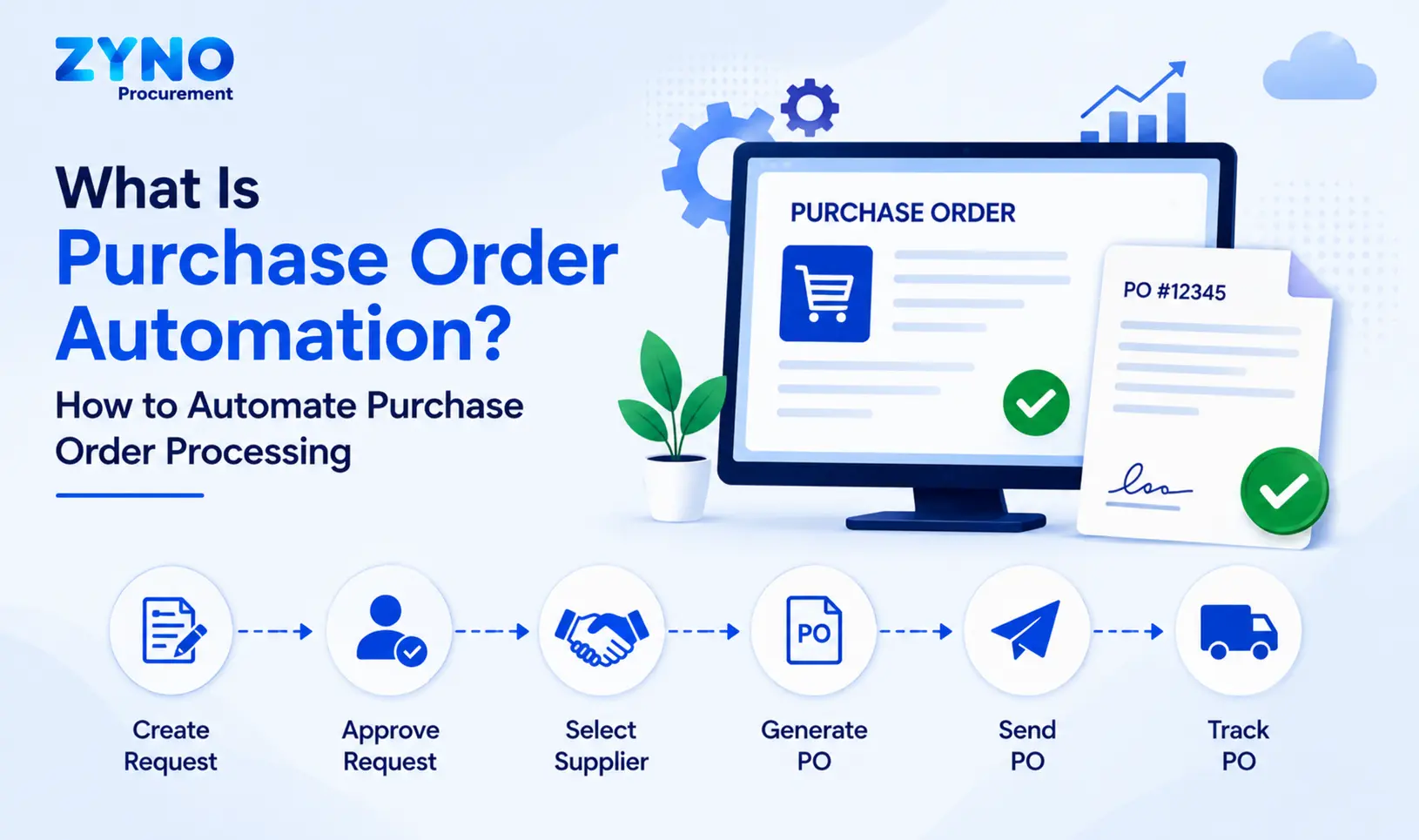
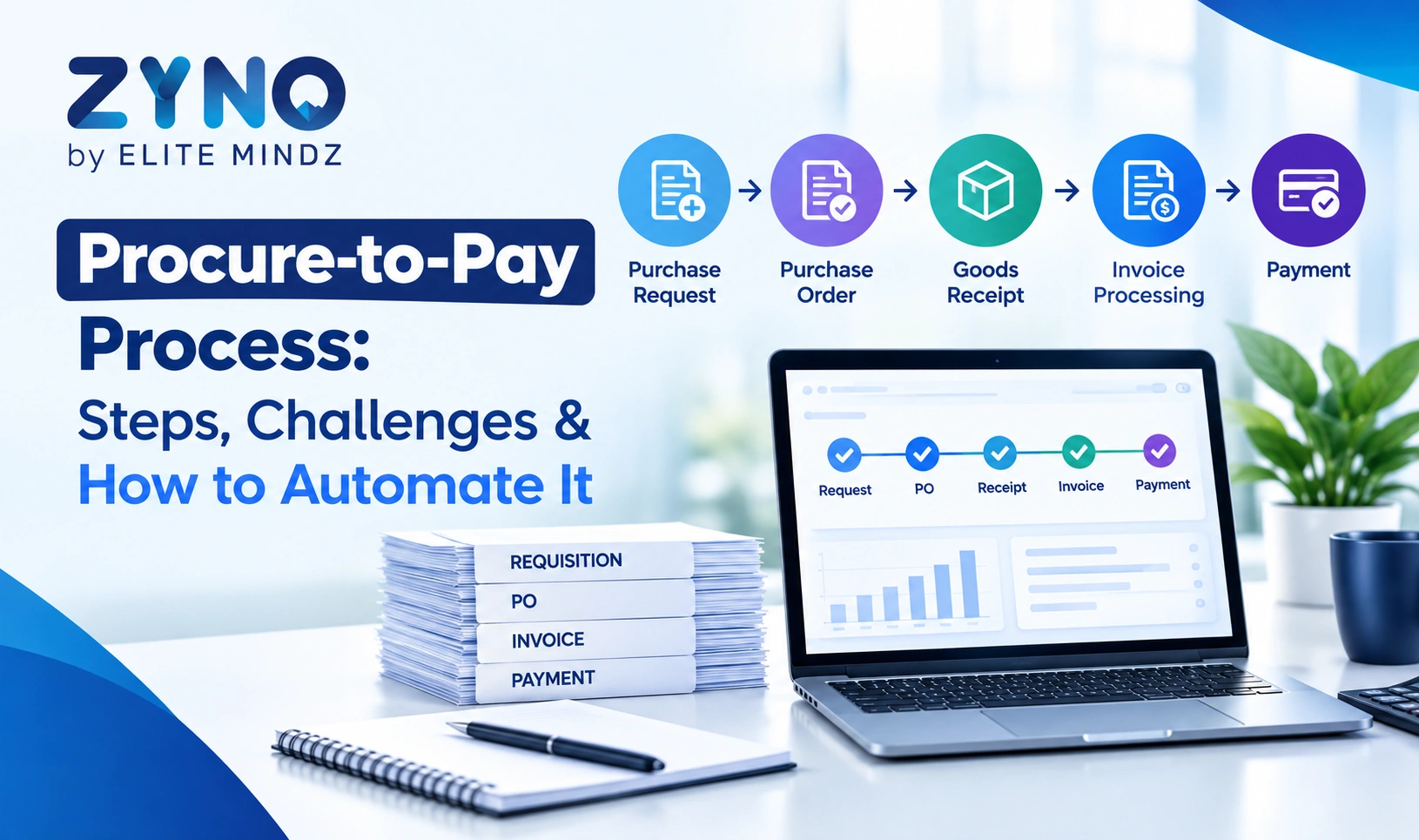
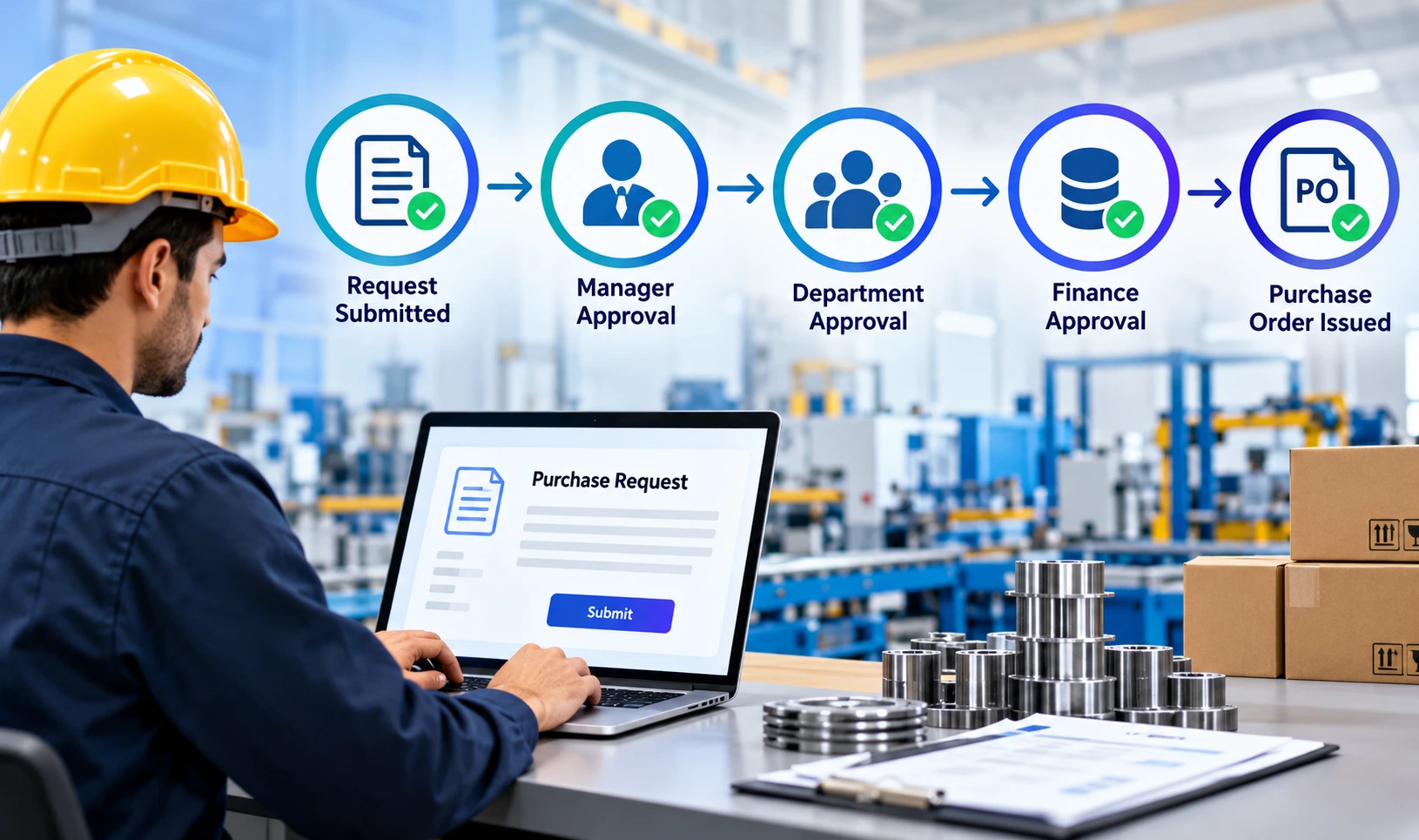
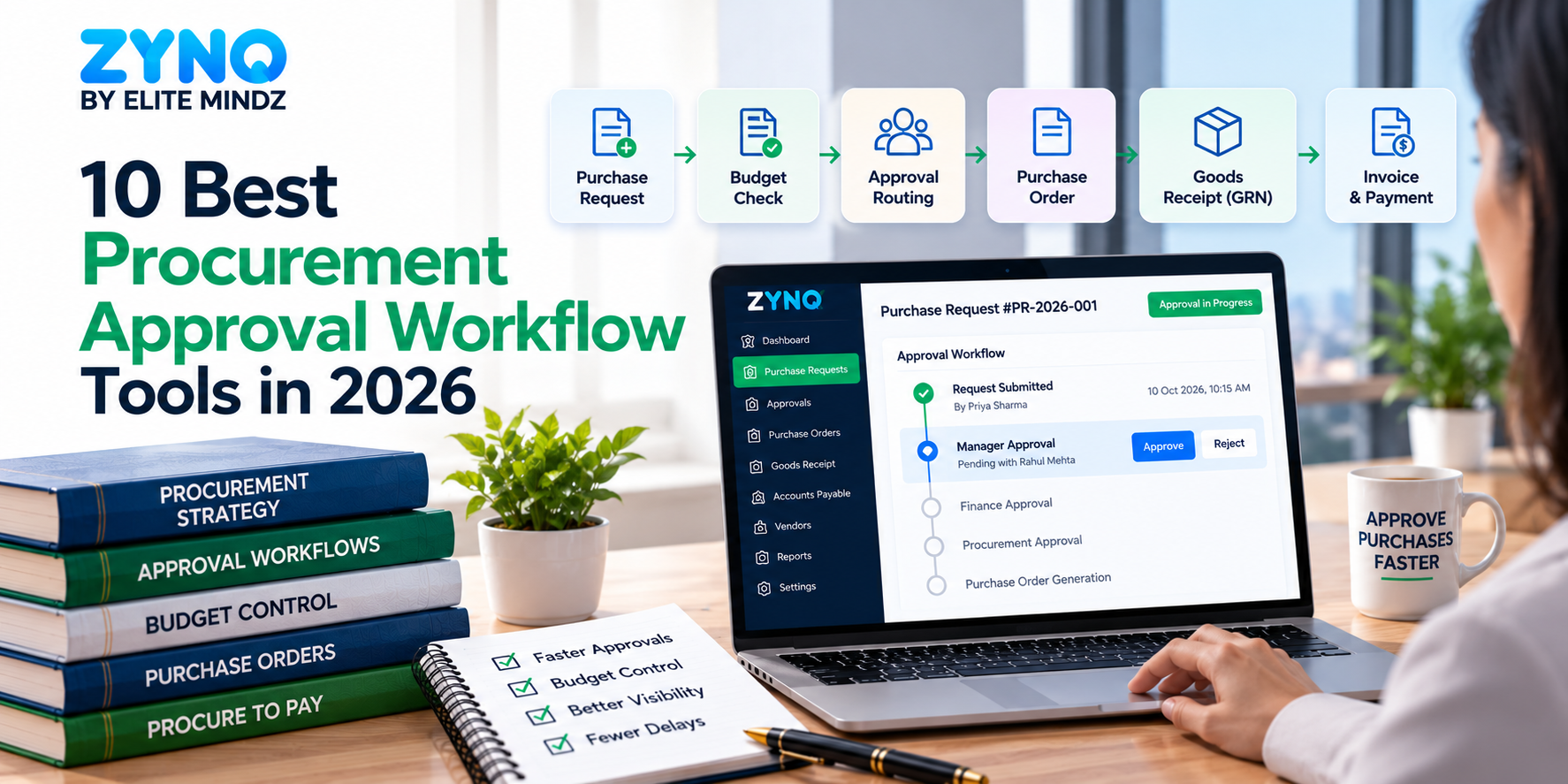
For example, consider a project team that needs to purchase equipment. The team raises a request, procurement collects supplier quotations, the authorised person approves the purchase, a purchase order is created, the delivery is recorded and finance reviews the invoice. A connected procurement workflow can help the team follow these steps and locate related records more easily.
The important question is whether the platform's configuration can support your organisation's actual process, not simply whether the relevant module names appear on a product page.
Key capabilities to evaluate
ZYNO's published product range includes the following modules.
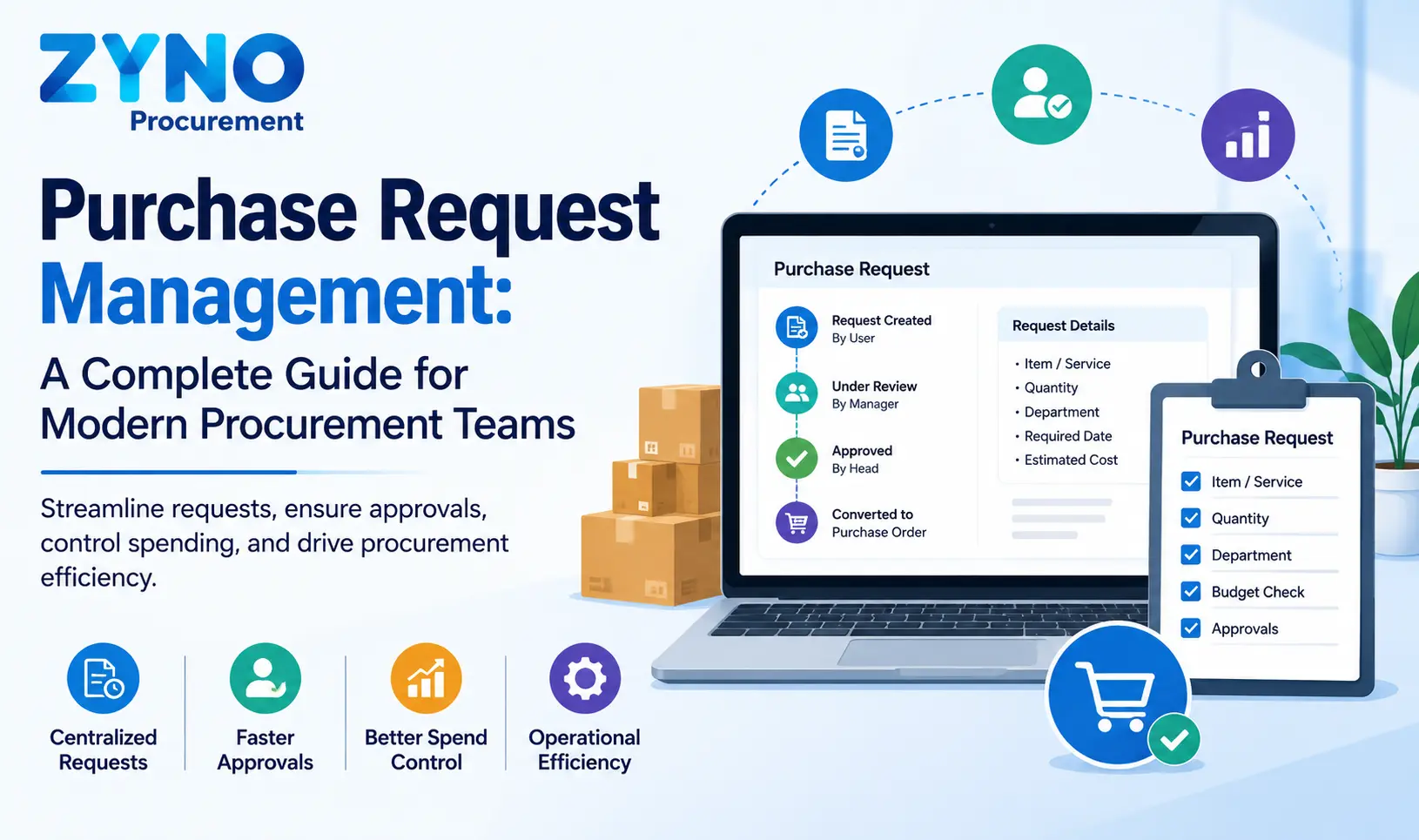
1. Purchase Request
The Purchase Request module is designed to capture purchasing requirements and route requests through approval workflows.
For an NGO, assess whether the workflow can reflect who may request goods or services, who must approve the expenditure and what information needs to accompany a request. Ask the vendor to demonstrate the approval rules your organisation uses.
2. Quotation Management
The Quotation Management module covers supplier quotations, quotation comparison and approval-related activities.
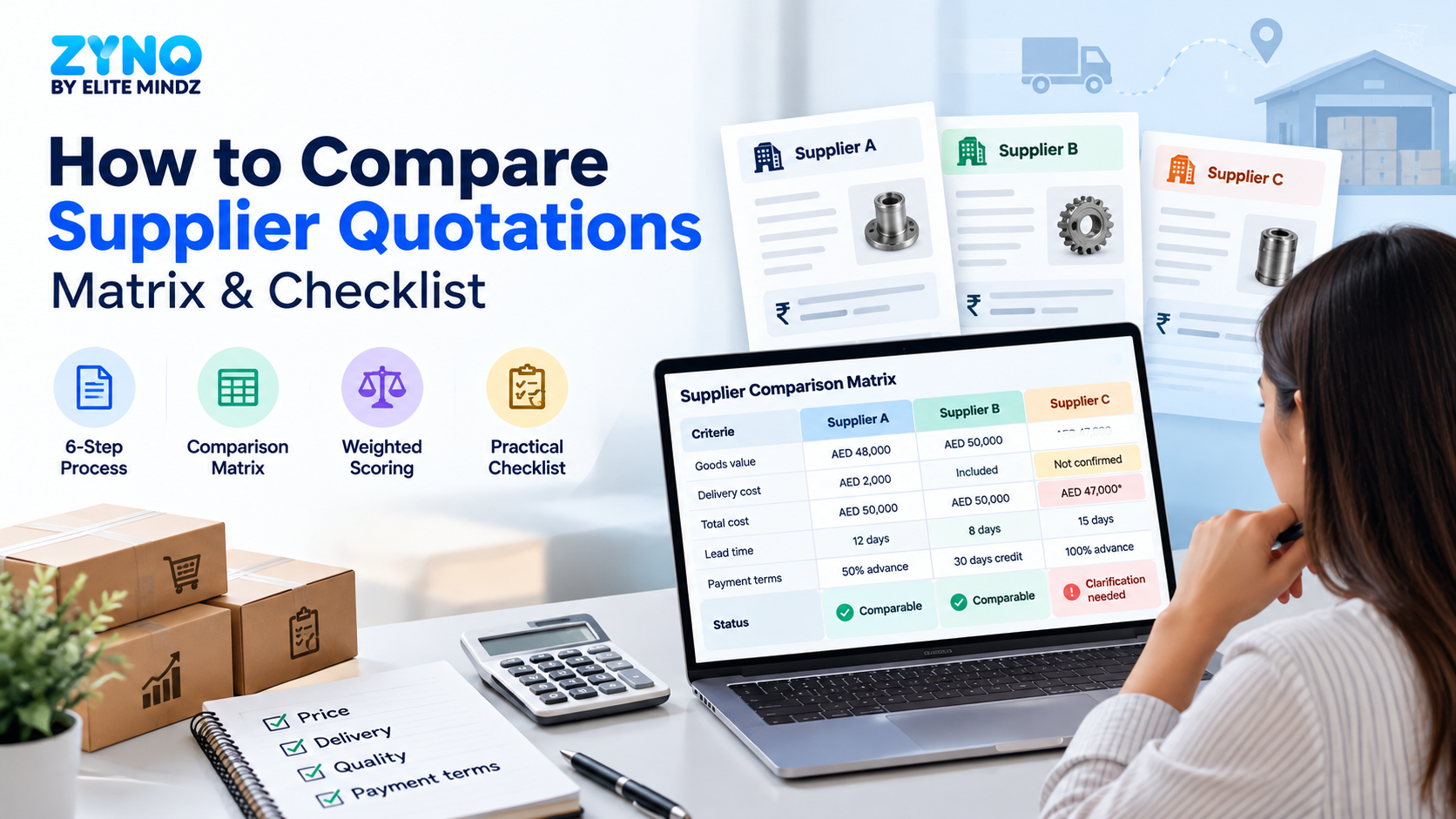
This can be relevant when your purchasing process requires teams to collect offers from multiple suppliers and retain the basis for a decision. During a demonstration, ask how quotations are recorded, how comparisons are presented and how the final selection and approvals can be retrieved later.
3. RFP Management
The RFP Management module supports structured request-for-proposal and sourcing workflows.
An NGO evaluating proposals for services, consultancy or other complex purchases should ask how the system handles proposal collection, evaluation criteria, scoring records, evaluator input and award documentation. Confirm which parts of the process are supported by the proposed configuration.
4. Vendor Management
The Vendor Management module provides functionality for centralising supplier information and managing vendor-related workflows.
For an NGO, ask whether the system can retain the supplier information and supporting documents your organisation requires, how supplier records are maintained and what permissions apply to vendor data.
5. Procure to Pay
The Procure to Pay module connects purchasing with downstream procurement activities.
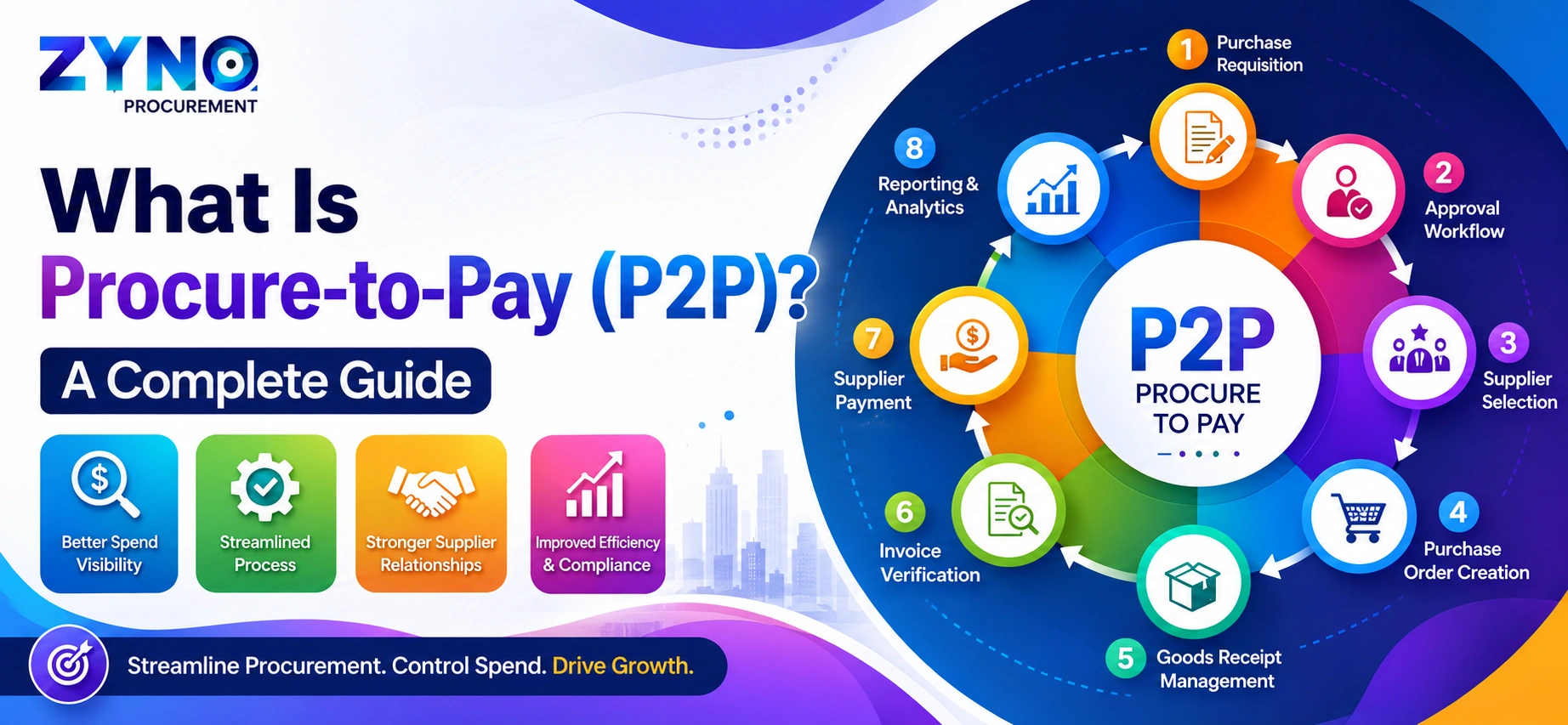
This is worth examining if your organisation wants to follow the process beyond supplier selection and purchase-order creation. Ask the vendor to demonstrate how the proposed workflow connects requests, approvals, orders, receiving, invoices and payment-related activities, and clarify which steps require another system or integration.
6. Goods Receipt Note (GRN)
The GRN module addresses goods-receipt activities within the procurement workflow.
For an NGO purchasing equipment, supplies or other physical goods, ask how staff record deliveries, associate receipt records with purchase orders and identify discrepancies between what was ordered and what arrived.
7. Accounts Payable
The Accounts Payable module supports invoice-related procurement workflows.
Ask how invoices are associated with purchasing records, which verification steps are supported and whether the system can help your finance team identify discrepancies before processing an invoice. Confirm the scope of invoice verification and any integration needed with your accounting system.
8. Spend Analytics
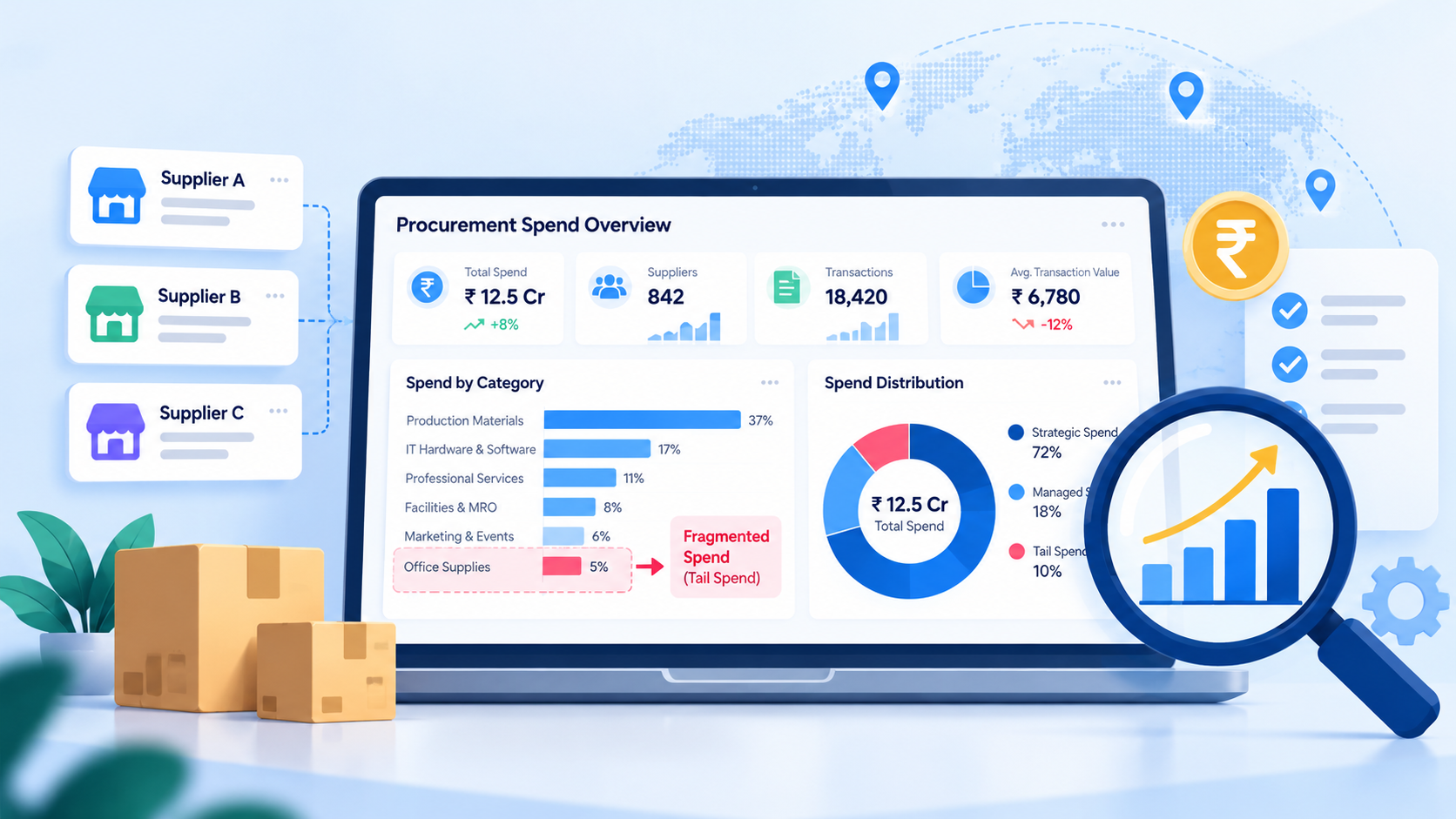
The Spend Analytics module provides procurement and spending visibility.
For an NGO, relevant questions include whether reports can be organised around the dimensions your organisation uses, which filters are available, how data is exported and whether the reports support the views required by management or finance.
9. Vendor Portal
The Vendor Portal module provides a dedicated channel for supplier-related interactions.
Ask the vendor to demonstrate the activities suppliers can complete through the portal, what information they can access or update and how supplier access is controlled.
10. Contract Management
The Contract Management module covers procurement-related contract information.
If your NGO manages recurring supplier agreements or contracts linked to procurement decisions, ask how documents, contract details and relevant dates are stored and retrieved. Verify whether reminders, renewal workflows or other controls you need are available in the proposed configuration.
Why ZYNO may suit an NGO in Kenya
The strongest reason to evaluate ZYNO is the range of procurement activities covered by its published modules. An NGO that currently manages requests, quotations, supplier records, purchase orders, receipt records and invoice-related information in separate places can assess whether a connected platform would make its workflow easier to follow.
The platform may be particularly worth reviewing if your organisation wants to:
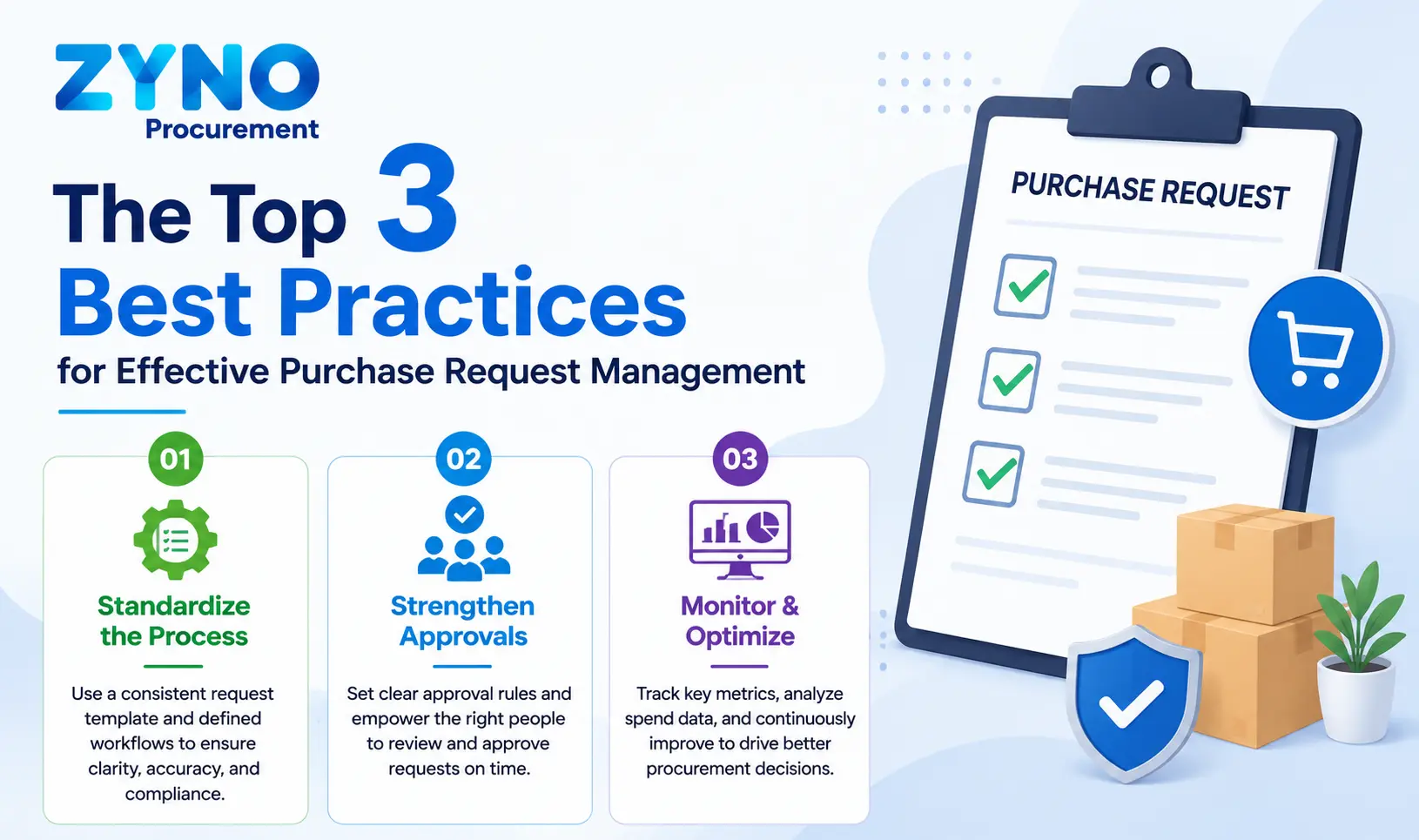
- Bring purchase requests and approvals into a structured process.
- Manage supplier quotations and RFP-related activities.
- Keep supplier information connected to purchasing workflows.
- Connect purchase orders with goods-receipt and invoice-related records.
- Improve visibility into purchasing and spending information.
- Evaluate supplier portal and contract-management functionality alongside core purchasing.
These are reasons to evaluate the platform, not a guarantee that every workflow will meet every NGO's requirements without configuration.
What NGOs should verify before choosing ZYNO
NGOs should assess procurement systems against their actual purchasing policy, donor agreements and internal-control requirements. During a ZYNO demonstration, use a real or representative purchasing scenario and ask the team to show the workflow from start to finish.
Approval rules and purchasing thresholds
Can the system be configured around your approval levels, purchasing categories and delegated authorities? Ask the vendor to show the rules relevant to your organisation rather than relying on a general approval-workflow demonstration.
Quotation and tender documentation
Can staff retrieve supplier quotations, evaluation information, approval records and the supporting documents required by your procurement policy? Confirm how records are retained and exported.
Project, fund and donor reporting
If your NGO needs purchasing information organised by project, funding source or donor, ask how those fields and reports would be configured. Do not assume that grant accounting or every donor-specific reporting format is included.
Goods receipt and invoice verification
Ask the vendor to demonstrate how the system connects purchase orders, goods-receipt records and invoice-related information. Confirm which matching or verification checks are supported and which require manual review.
Finance and accounting integration
Find out which accounting or finance systems can be integrated, what data moves between them and whether integration is included in the proposed implementation. If no integration is available, estimate the additional work your team would need to do.
Security, permissions and audit records
Ask about user roles, access restrictions, activity records, data retention, backups and available audit-related exports. Review the answers against your organisation's security and governance requirements.
Kenyan operating requirements
Confirm any required tax, currency, local reporting or supplier documentation capabilities directly with the vendor. Ask for a demonstration using a relevant scenario rather than assuming these requirements are covered because the product supports procurement generally.
Pricing, implementation and support
Request a written quotation that separates software fees, required modules, configuration, integration, training and ongoing support. Confirm implementation timelines and which responsibilities sit with your organisation.
Verdict
Consider ZYNO Procurement if your NGO wants to evaluate one platform across multiple procurement stages and can confirm that the proposed setup meets its workflow, documentation, reporting and integration requirements.
The most useful next step is a demonstration built around your actual purchasing process.
5. Eyvo
Best for: NGOs evaluating nonprofit-focused purchasing controls, spend management and procurement across projects or regions.
Website: Eyvo nonprofit and NGO procurement software
Overview
Eyvo offers e-procurement software and has a dedicated page for nonprofit organisations. Its published information discusses purchasing controls, procurement across projects and regions, spend visibility and the needs of charities and NGOs.
Its broader e-procurement offering describes a purchase-to-pay workflow covering requisitions, approvals, order creation, receiving, invoicing and payment-related steps.
Key capabilities to evaluate
Relevant areas in Eyvo's published offering include:
- Purchase requisitions and approvals.
- Purchase-order and receiving workflows.
- Supplier and inventory-related management.
- Invoice and purchase-to-pay processes.
- Spend visibility and reporting.
- Procurement segmentation across projects, regions or other organisational needs.
Why it may suit an NGO in Kenya
An NGO operating across several programmes, offices or locations may need a central way to manage purchasing while retaining visibility into different parts of the organisation.
Eyvo's nonprofit-specific positioning makes it relevant for organisations that want to investigate procurement controls and purchasing processes with their project or regional structure in mind.
Limitations and questions to verify
Ask Eyvo to demonstrate how the system would represent your organisation's projects, funding requirements and approval structure. Confirm which reporting fields, permissions and integrations are available and whether the required functionality is included in the proposed package.
Also verify implementation support, pricing, data handling and support arrangements for your operating locations. If donor-specific reporting or documentation is mandatory, request a direct demonstration of those requirements.
Verdict
Consider Eyvo if your NGO needs structured purchasing controls and wants to evaluate procurement across projects or regions, with the necessary functionality confirmed by the provider.
6. Procol
Best for: NGOs evaluating procurement automation, supplier sourcing and structured purchasing workflows.
Website: Procol procurement software
Overview
Procol presents its procurement offering around connected purchasing and sourcing workflows. Its published procurement information describes areas such as purchase requests, approval routing, supplier sourcing, quotation comparison, contracts, order receipt and invoice-related processes.
This makes it worth assessing for NGOs that need to improve how purchasing requirements move through sourcing and supplier evaluation.
Key capabilities to evaluate
Based on Procol's published procurement information, relevant areas include:
- Purchase requests and approval workflows.
- Supplier discovery and sourcing.
- RFQs and quotation comparison.
- Supplier and contract-related processes.
- Order receipt and invoice-related workflows.
- Spend visibility and procurement controls.
Why it may suit an NGO in Kenya
If your organisation runs competitive sourcing processes and spends significant time collecting supplier responses, comparing offers or coordinating approvals, Procol is worth evaluating against those specific needs.
The key is to establish whether the available workflows fit the organisation's complete procurement process, rather than selecting it on the basis of individual automation features alone.
Limitations and questions to verify
Ask Procol to demonstrate a purchasing scenario from the initial request through sourcing, supplier selection, purchase order and later processing steps.
Confirm which capabilities are included in the proposed product, whether the required workflow is available in your implementation, and which integrations or additional modules are needed. Also assess pricing, implementation, support and suitability for your organisation's operating locations.
Verdict
Consider Procol if procurement automation and competitive sourcing are important priorities, and the provider can demonstrate how its offering fits your NGO's wider process.
7. SAP Ariba
Best for: NGOs assessing enterprise procurement, sourcing and supplier-management requirements.
Website: SAP Ariba and SAP spend-management learning resources
Overview
SAP Ariba is part of SAP's broader spend-management offering. SAP publishes solutions covering areas such as procurement, sourcing and supplier management, with capabilities varying by the products and modules selected.
For a large NGO or international organisation, the evaluation may need to account for more than day-to-day purchasing. It can also involve existing finance systems, supplier processes, organisational structure, governance and reporting.
Key capabilities to evaluate
Relevant areas within the SAP Ariba portfolio include:
- Procurement and purchasing workflows.
- Sourcing and supplier collaboration.
- Supplier lifecycle and performance management.
- Supplier risk-related processes.
- Contract and spend-management requirements, depending on the selected solution.
- Integration with the organisation's existing technology environment.
Why it may suit an NGO in Kenya
An organisation with complex procurement operations, multiple entities or established enterprise systems may want to evaluate SAP Ariba as part of a wider technology strategy.
Its range of spend-management and supplier-related solutions can make it relevant where procurement must connect with a larger operating environment. The appropriate scope will depend on the organisation's needs and the products selected.
Limitations and questions to verify
Enterprise implementations require careful consideration of licensing, configuration, integration, implementation partners, staff training and ongoing support.
Ask SAP or its implementation partner to map each requirement to the specific product or module proposed. Request a breakdown of licence costs, implementation responsibilities, delivery timelines and support.
Also verify how your NGO's donor-related processes, project structure, purchasing policies and reporting needs would be handled. Do not assume these are met simply because the platform offers enterprise procurement functionality.
Verdict
Consider SAP Ariba if your NGO has complex procurement or supplier-management requirements and the resources to evaluate an enterprise implementation.
8. TenderSure
Best for: NGOs evaluating sourcing, tender management, contract management and source-to-pay workflows.
Website: TenderSure eProcurement
Overview
TenderSure describes itself as a cloud-based e-procurement and source-to-pay solution. Its published offering includes sourcing, contract management, procure-to-pay and risk-management modules.
That makes it important to evaluate TenderSure as more than a tender-publication tool. NGOs should assess the actual scope of the available modules and how they fit the organisation's procurement process.
Key capabilities to evaluate
TenderSure's published information identifies the following areas:
- Sourcing and tender-related workflows.
- Supplier registration and participation.
- Contract management.
- Procure-to-pay processes.
- Procurement risk management.
- Procurement visibility and traceable records.
Why it may suit an NGO in Kenya
NGOs that run competitive procurement processes may need structured supplier participation, tender evaluation, contract-related workflows and documentation of decisions.
TenderSure is worth assessing where those requirements are central to the procurement function. The vendor's stated source-to-pay scope also makes it relevant to organisations looking beyond tender publication alone.
Limitations and questions to verify
Ask TenderSure to demonstrate how the modules work together in the proposed setup. Confirm the availability and scope of purchase requests, approvals, purchase orders, receiving, invoice processing and payment-related workflows.
If your organisation needs specific donor reports, supplier documents, user permissions or audit exports, verify each requirement with the vendor. Also confirm pricing, implementation, integration and support arrangements.
Verdict
Consider TenderSure if sourcing, tender management and related source-to-pay workflows are central to your NGO's needs and its available modules match the complete process you want to manage.
9. Tradogram
Best for: NGOs evaluating procurement and purchasing software for structured purchasing workflows.
Website: Tradogram procurement software
Overview
Tradogram is another procurement software option to include when assessing purchasing workflows and supplier-related requirements.
As with the other platforms, the right evaluation should begin with your organisation's process rather than a general feature list. Determine which purchasing activities Tradogram can support in the product and plan you are considering.
Key capabilities to evaluate
During a Tradogram demonstration, focus on whether the proposed solution supports:
- Purchase requests and approvals.
- Supplier information and purchasing workflows.
- Quotation and purchase-order processes.
- Budget or spend visibility.
- Reporting and document retention.
- Integration with existing finance and accounting systems.
These are the areas to test against your requirements; confirm the exact availability of each capability with the provider.
Why it may suit an NGO in Kenya
An NGO that wants a more structured approach to purchasing can evaluate Tradogram against its needs for approvals, supplier information, order tracking and purchasing visibility.
The decision should also account for the time required to configure the system, train staff and maintain the data that the organisation depends on for reporting.
Limitations and questions to verify
Ask Tradogram to demonstrate the required purchasing workflow and show what records are available at each stage. Confirm which functions are included in the proposed plan, how reporting and exports work, what integrations are available and whether the provider can support your organisation's operating requirements.
Request a written quotation that includes any implementation, training and support costs.
Verdict
Consider Tradogram if its purchasing workflows and commercial terms fit your organisation's needs, and the provider can demonstrate the controls and reporting you require.
How to choose procurement software for an NGO in Kenya
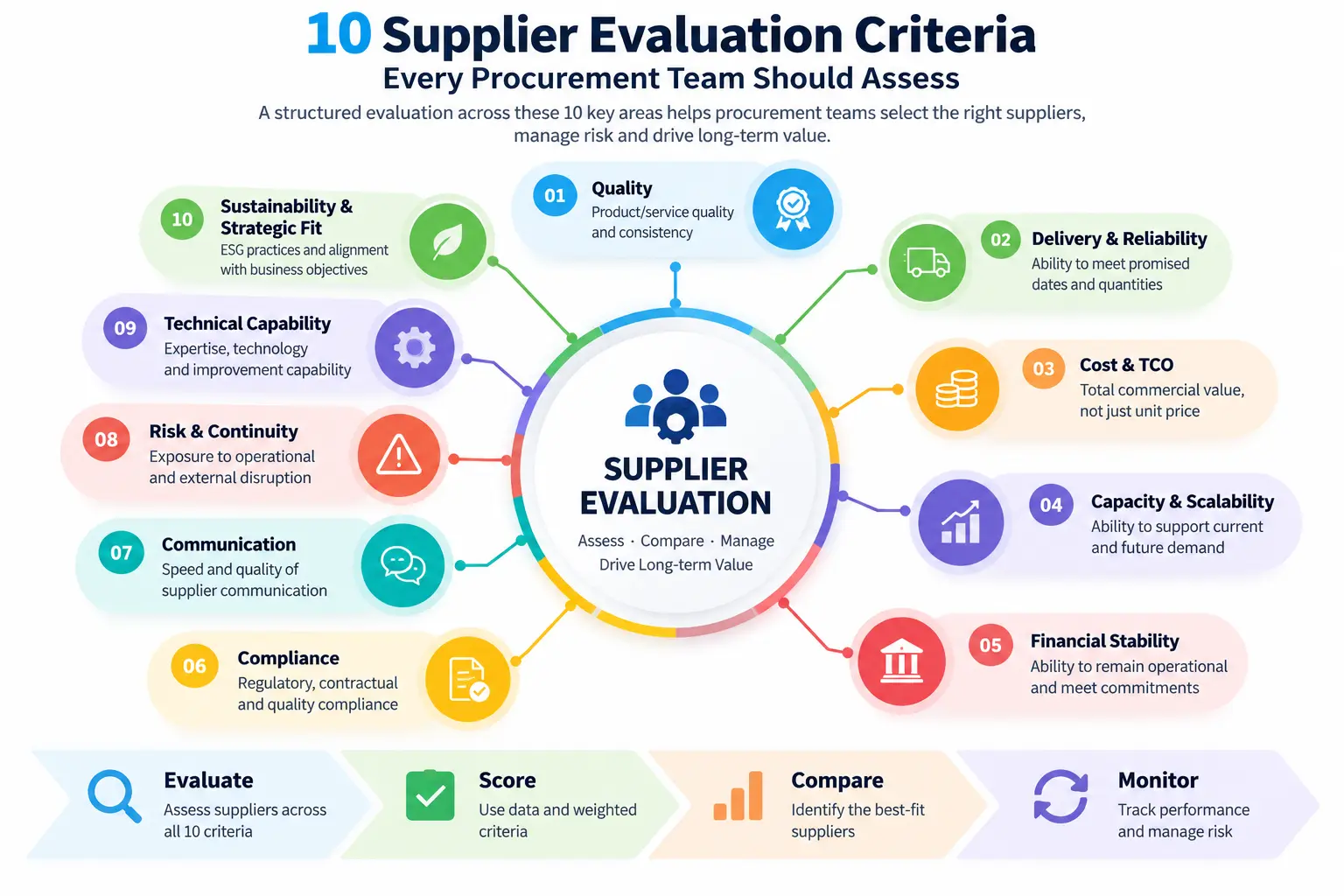
The right procurement platform should fit how your organisation actually buys goods and services. Before comparing vendors, write down your essential requirements and separate them from features that would be useful but are not necessary.
Use the checklist below during internal discussions and vendor demonstrations.
1. Map your current purchasing process
Document what happens from the moment a staff member identifies a need to the point when the goods or services are received and the related financial records are completed.
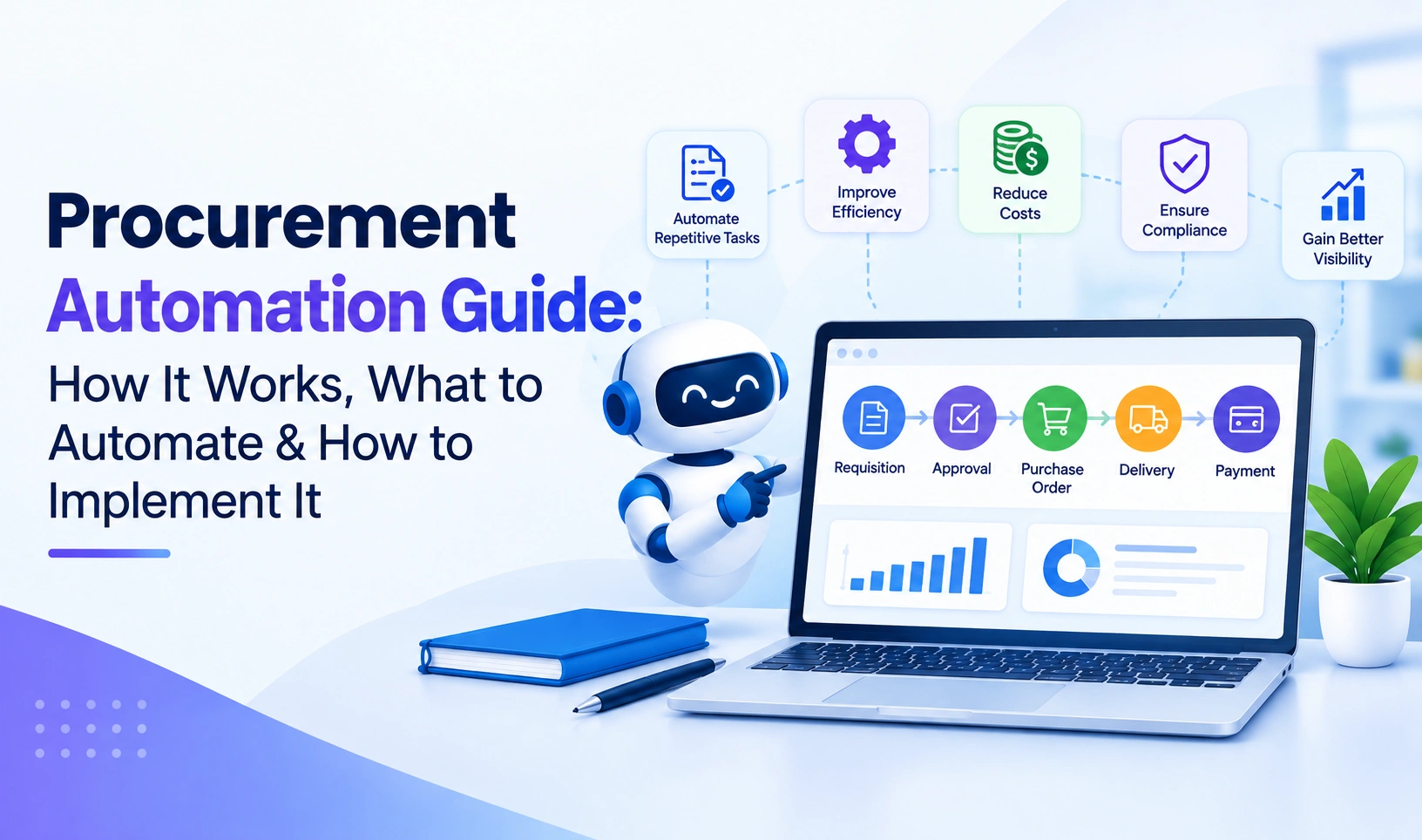
A typical workflow may include:
- A staff member submits a purchase request.
- The responsible person reviews and approves the request.
- Procurement collects quotations or follows the required sourcing process.
- The supplier is evaluated and selected.
- An authorised person approves the purchase.
- A purchase order is issued, where required.
- The organisation records the receipt of goods or services.
- Finance reviews the invoice and related records.
- Supporting documentation is retained for reporting and review.
Your process may differ depending on your procurement policy, the type of purchase and the funding requirements involved. Use your own workflow as the starting point.
2. Test approval rules and purchasing controls
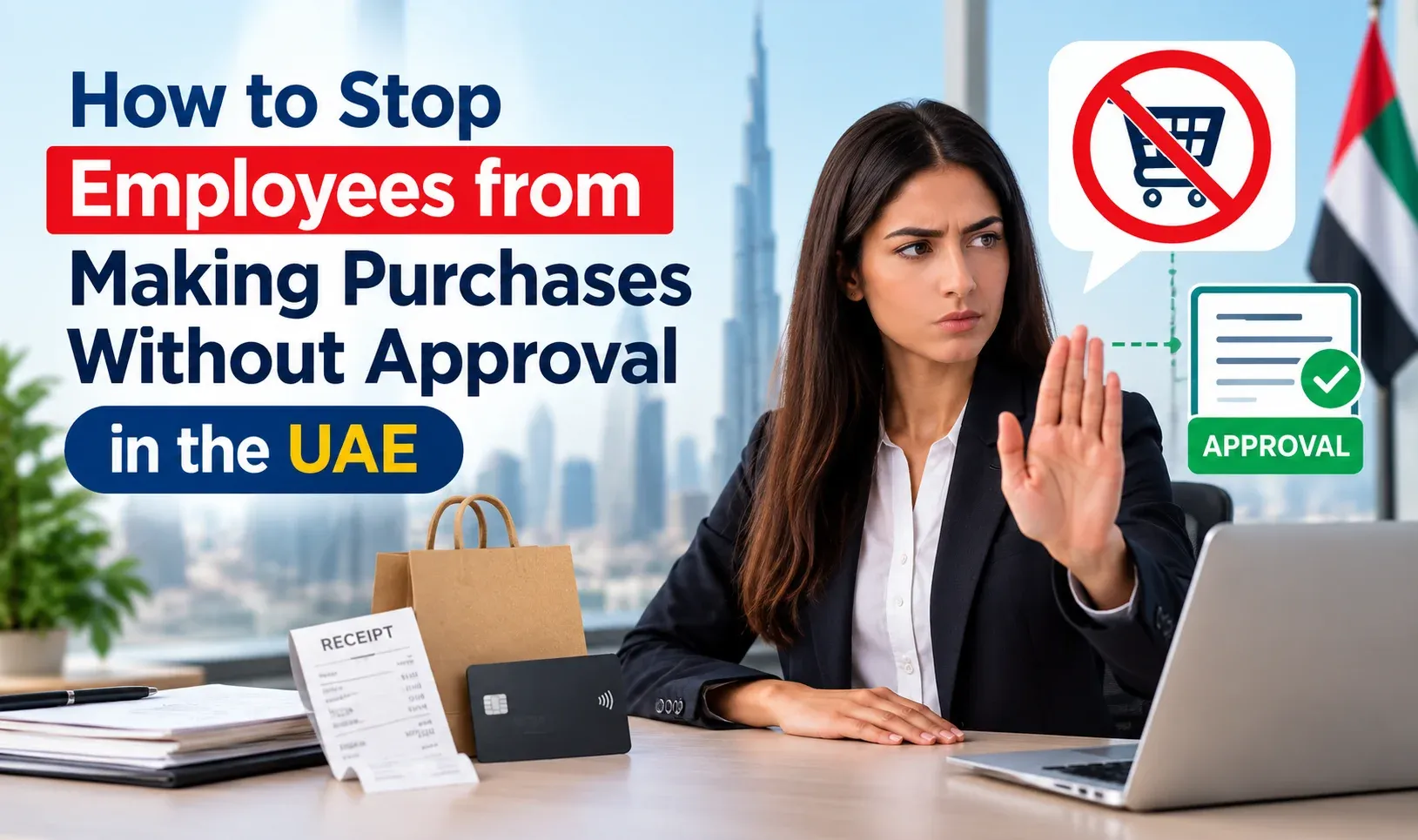
Ask whether the system can reflect your organisation's approval structure. This might involve different approval levels based on purchase value, department, project or type of expenditure.
During the demonstration, ask the vendor to show how a request moves through the required approvals and what happens if information is missing or approval is declined.
3. Check quotation and tender management
If your organisation needs competitive quotations or formal tenders, assess how the platform captures supplier responses and records the evaluation process.
Ask whether staff can compare offers using the criteria defined by your procurement policy, record the final decision and retrieve supporting documents later.
4. Verify donor and audit requirements
Requirements can vary across funding agreements and organisations. Your NGO may need particular approval records, supplier documents, competitive procurement evidence or reporting formats.
Create a list of the requirements that apply to your organisation and ask each vendor to demonstrate them individually.
Important: Procurement software does not automatically guarantee compliance with every donor requirement. Compliance depends on the relevant obligations, organisational policy, system configuration and how the process is followed.
5. Confirm finance and accounting integration
Ask whether the platform integrates with your existing finance or accounting system. Find out which information is exchanged, how the integration works and whether it is included in the quoted price.
If integration is unavailable, determine which steps would remain manual and how much work that would create for procurement and finance teams.
6. Review reporting and record exports
Do not assess a platform solely by looking at its dashboards. Ask to see the underlying purchasing records and the reports your organisation would need.
Useful questions include:
- Can staff retrieve supporting documents for a purchase?
- Can the organisation identify who approved a request and when?
- Can records be filtered by supplier, date, department or project where required?
- Can the necessary reports be exported in usable formats?
- Can the organisation retain records for its required retention period?
Document the vendor's answers and any limitations.
7. Review security and user permissions
Ask how the system manages access and whether different user roles can have different permissions. Review the provider's information about data protection, backups, activity records and retention.
Your organisation should involve the appropriate internal stakeholders when assessing security and access requirements, particularly if sensitive supplier, employee or financial information will be stored in the platform.
8. Compare total cost, not just the subscription
The cost of procurement software may include licences or subscriptions, implementation, configuration, integrations, training, support and additional modules.
Ask each vendor for a written quotation based on the same set of requirements. This makes it easier to compare the actual cost of achieving your desired workflow rather than comparing headline prices that include different things.
Procurement software vs. tendering platforms vs. accounting software
These categories can overlap, but they do not necessarily solve the same problem.
| Software category | Main purpose | When an NGO may need it |
|---|---|---|
| Procurement management software | Coordinates purchasing activities, suppliers and internal controls | When staff need to manage requests, approvals, supplier records and purchasing. |
| E-procurement or procure-to-pay software | Connects purchasing with downstream activities such as receiving and invoice processing, depending on the product | When the organisation wants a more connected process from request through later purchasing stages. |
| Tendering and sourcing software | Supports supplier participation, competitive sourcing and tender evaluation, depending on the product | When formal tenders and competitive supplier selection are major parts of procurement. |
| Accounting software | Manages financial records and accounting activities | When finance needs to record transactions, reconcile accounts and produce financial reports. |
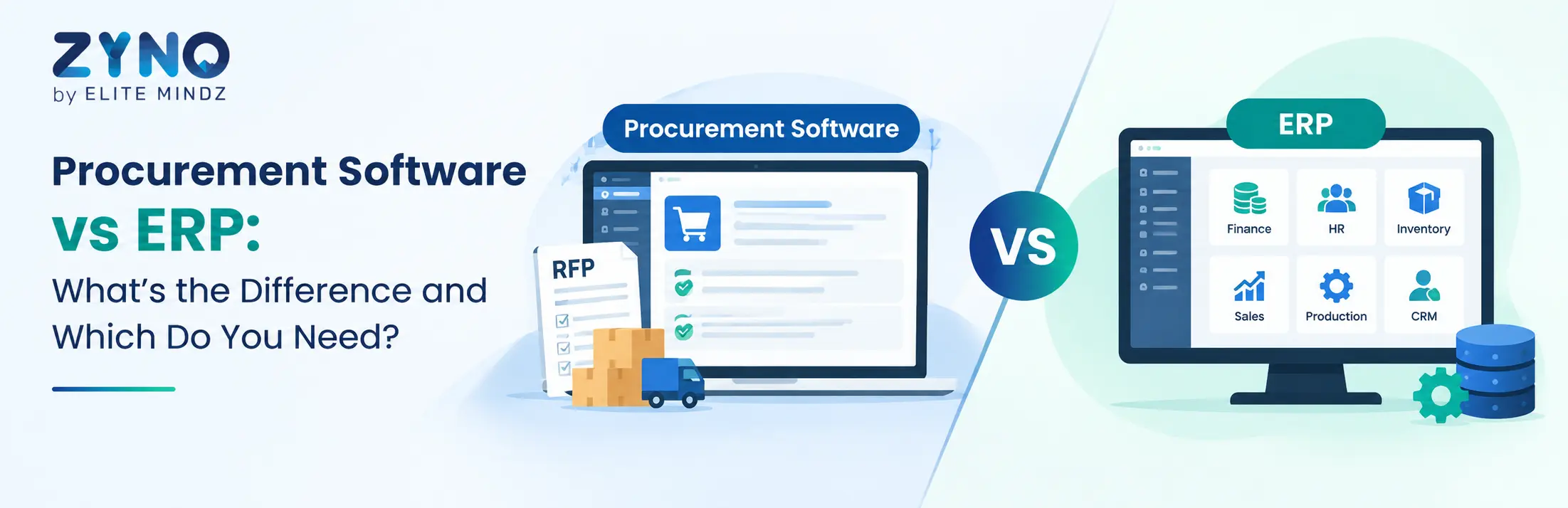
| ERP software | Integrates a wider range of business functions, which may include finance, inventory, HR and operations | When the organisation needs broader operational systems as well as procurement. |
An NGO may use more than one of these systems. The key is to decide which activities should be managed inside the procurement platform and which will remain in the finance system or another application.
Common mistakes NGOs should avoid when choosing procurement software
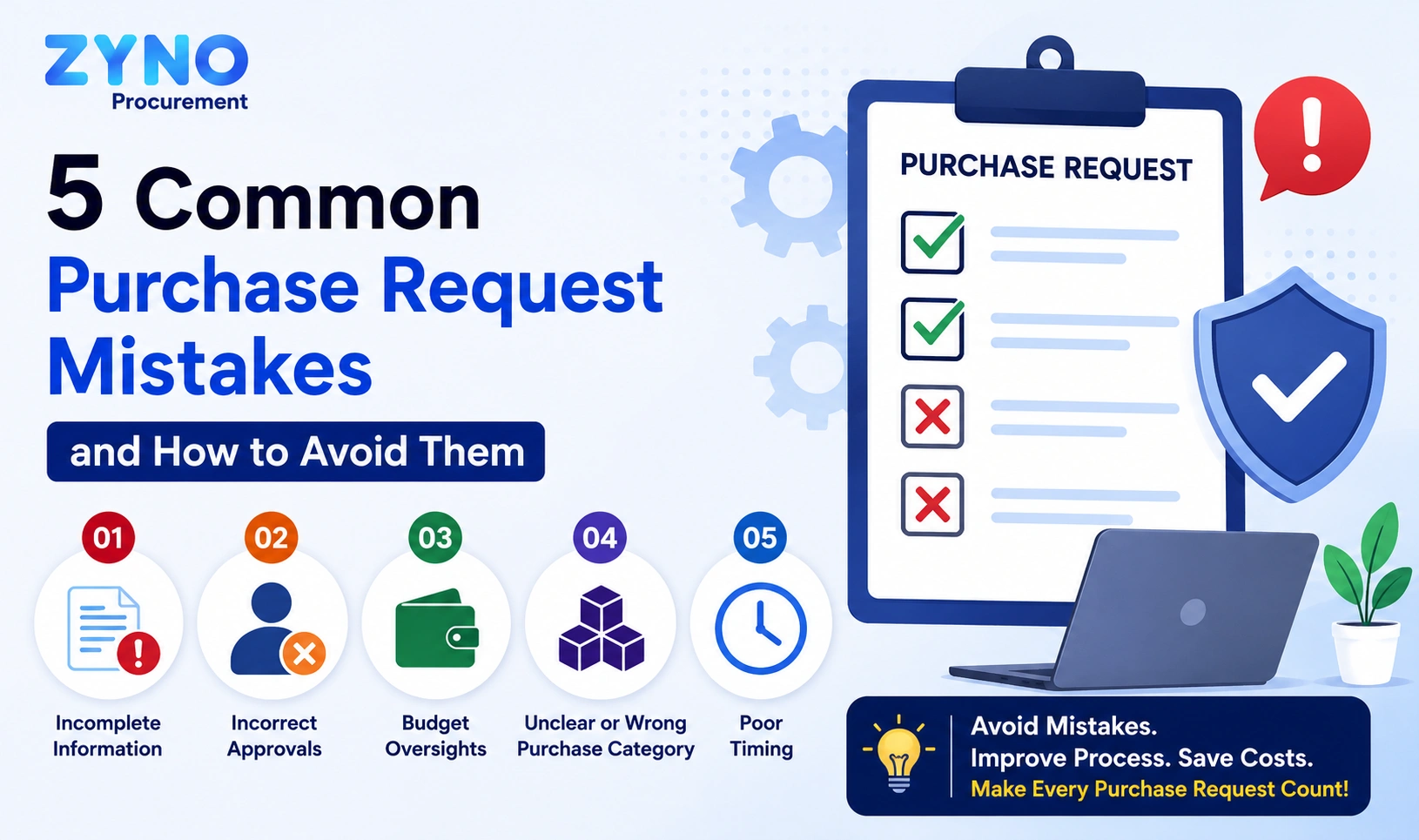
Choosing based on a feature list alone. A product may advertise many functions without meeting your specific approval, documentation or reporting requirements. Test the workflow you actually need.
Assuming donor compliance is automatic. Software can help structure purchasing processes and retain records, but your organisation must still verify its obligations and configure its process accordingly.
Comparing different types of tools without accounting for their scope. A tendering platform, a procurement management system and an enterprise spend-management portfolio may serve different purposes. Establish the scope before comparing prices.
Ignoring implementation and staff training. A system will not solve a process problem if staff cannot use it consistently or the workflow has not been configured properly.
Overlooking integration requirements. If procurement and finance must share data, verify the available integrations and the cost of implementing them.
Accepting unverified product claims. Ask vendors to demonstrate important features and confirm their scope in writing before signing a contract.
Frequently asked questions
Final recommendation
The best procurement software for an NGO in Kenya is the platform that fits its purchasing process, supports its required controls and documentation, and can be implemented within its budget.
Start by documenting your essential requirements. Shortlist providers whose published offerings appear relevant, request demonstrations and compare their responses using the same checklist. Confirm important capabilities, limitations, integrations and costs in writing before making a decision.
If your NGO wants to evaluate a platform covering purchasing requests, supplier sourcing, quotation management, vendor workflows, purchase orders, goods receipt, invoice-related activities and spend visibility, include ZYNO Procurement in your shortlist.