




Procurement Software Trends in 2026: What to Expect
Read More →

×
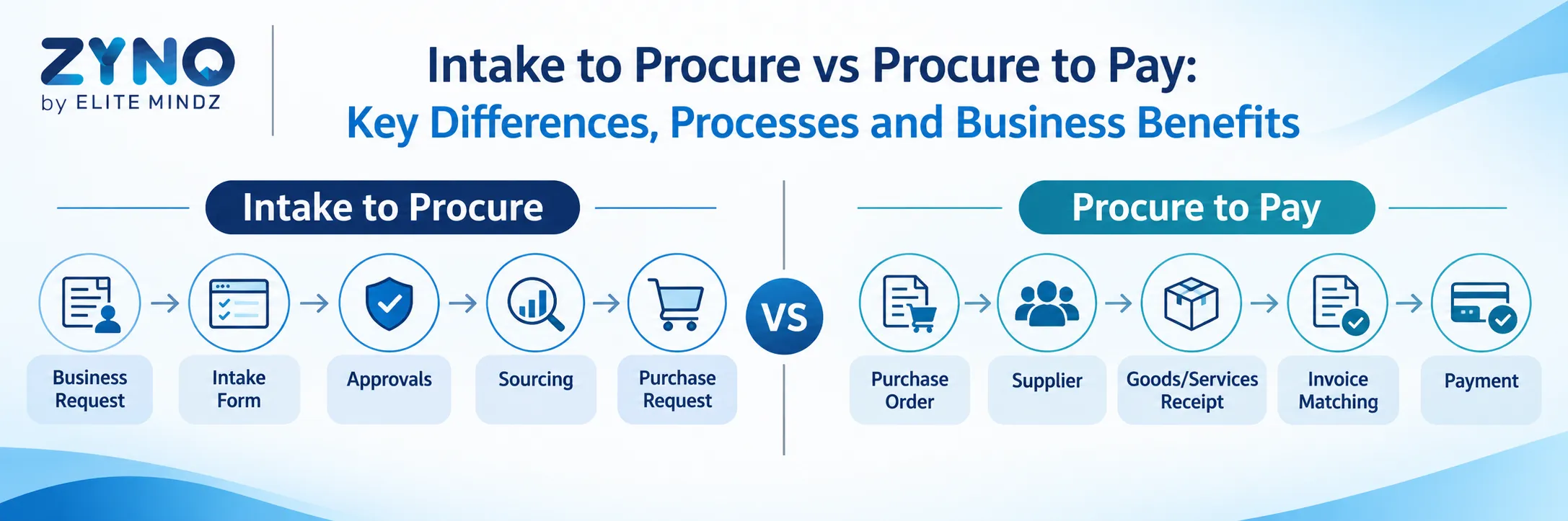
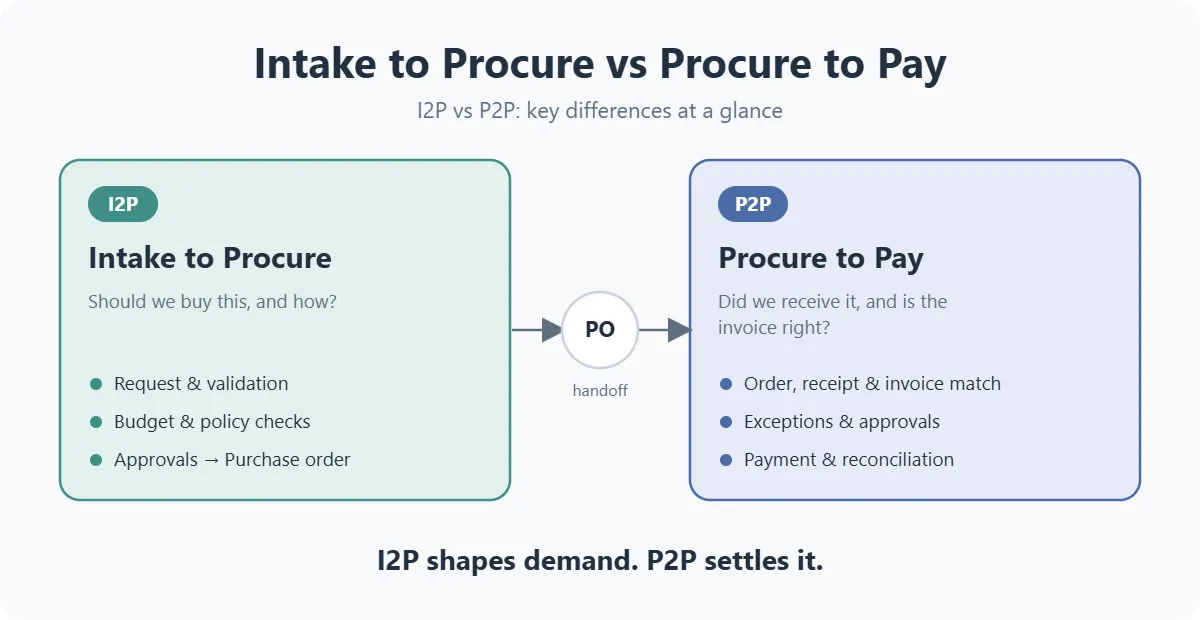
Intake to Procure (I2P) manages the initial purchasing process, including purchase requests, budget checks, supplier selection and approval workflows. Procure to Pay (P2P) manages the next stages, including purchase orders, goods receipt, invoice matching and supplier payments. The key difference is that I2P controls what a business buys, while P2P manages how purchases are processed and paid. Together, they create an efficient, transparent and controlled procurement workflow.
Businesses using ZYNO Books cut accounting time by 70% and stay 100% ZATCA-compliant — automatically.
Intake to Procure vs Procure to Pay is one of the questions procurement and finance teams ask most often when they start modernising how their company buys. The confusion is understandable. Both sit between the moment someone needs something and the moment the supplier is paid, both involve approvals, and many vendors now sell them in one bundle. Yet they solve different problems.
In short, Intake to Procure (I2P) is the front end of buying. It captures, validates and approves a request until it becomes a purchase order. Procure to Pay Software (P2P) is the execution engine behind it. It takes that order through receiving, invoice matching and payment. For most organisations, I2P vs P2P is not an either-or decision. The real question is which gap hurts more today, and how well the two connect.
This guide explains each process, compares them side by side across workflow, approvals and supplier management, and shows how procurement workflow automation joins them into one clean chain from request to payment.

A quick note on terms: some vendors use “intake-to-pay” for the whole journey from request to payment. In this guide, I2P means the request-to-purchase-order stage and P2P means the order-to-payment stage, which is how most buyers use the two terms in practice.
Intake to Procure is the structured way a business captures, validates and approves a purchase or supplier request before any money is committed. Instead of employees emailing a buyer, pinging a chat channel or filling in a spreadsheet, every need enters through one front door, such as a guided form, a chat assistant or a message in Slack or Teams.
The Intake to Procure process then does the thinking up front. It checks that the request is complete, applies budget and policy rules, routes it to the right approvers, and points the requester towards a contracted supplier or catalogue item where one exists. When the request is cleared, it becomes a purchase order. Our complete guide to Intake to Procure (I2P) covers the fundamentals in more depth.
Good Intake to Procure software usually offers:
The point is not speed alone. It is that the request is captured in a structured way at the start, so everything downstream works from clean data.
Simplify purchase requests, automate approval workflows and manage the entire Procure-to-Pay process with ZYNO Procurement. Improve visibility, control spending and reduce manual work.
Explore ZYNO Procurement Book a DemoThe Procure to Pay process covers everything that happens once a purchase is approved: raising the purchase order, sending it to the supplier, receiving the goods or services, capturing and matching the invoice, and finally paying. It is the transactional backbone of procurement and accounts payable, and it is where finance gets the evidence it needs to pay the right amount, to the right supplier, at the right time.
Where I2P asks “should we buy this, and from whom?”, P2P asks “did we get what we ordered, and is the invoice correct?” That is why P2P leans on matching. A two-way match compares the invoice with the purchase order. A three-way match adds the goods receipt, so payment is released only when order, delivery and invoice agree.
Modern procure to pay software automates these steps so purchase orders, receipts and invoices live in one connected record. You will also see the category called purchase to pay software, and the two names are used interchangeably. Procure to Pay automation removes manual re-keying, speeds up approvals and helps prevent duplicate or late payments.
Both processes belong to the wider procurement process, but they start in different places, involve different people and measure different things. The table below shows the main differences at a glance.
| AI/ML Capability | Procurement Benefit |
|---|---|
| Natural-Language Intake | Faster purchase requests |
| Supplier Analytics | Better supplier decisions |
| Spend Analysis | Improved cost control |
| Predictive Analytics | Better procurement planning |
| Automated Approvals | Faster workflows |
| Invoice Intelligence | Fewer processing errors |
| Anomaly Detection | Improved compliance |
| Procurement Recommendations | Better purchasing decisions |
The grey zone is the requisition and the purchase order. Some P2P tools include basic request forms, and some I2P tools can issue purchase orders. That overlap is why you will find procure-to-pay products with guided intake, and intake products that stretch into ordering. When you compare vendors, check which stage each one is genuinely strongest at, not just which boxes it ticks.
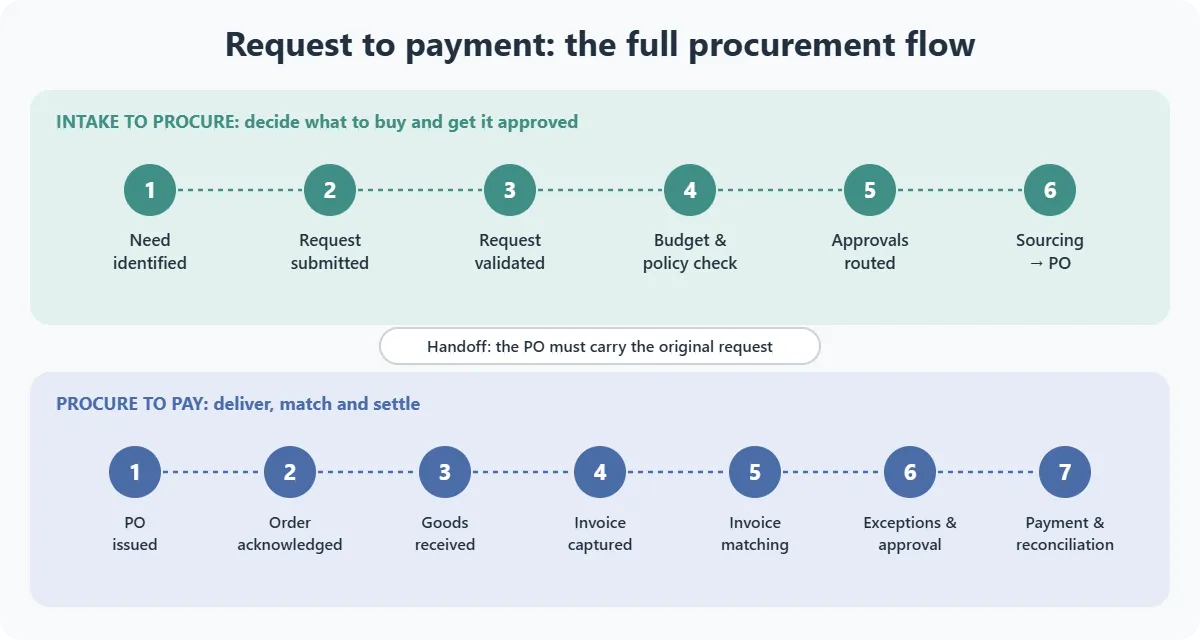
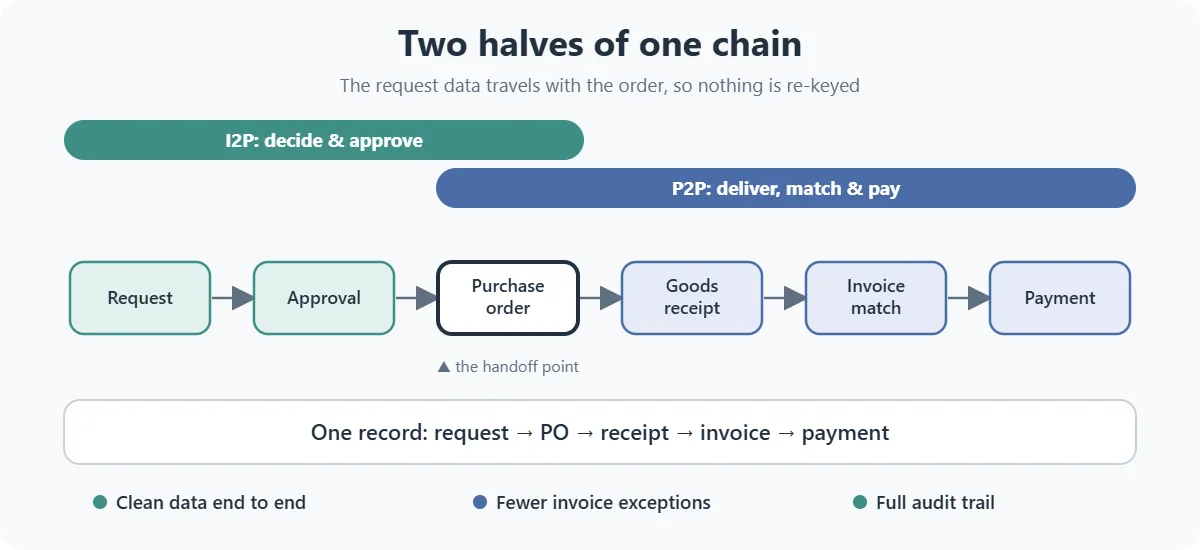
Every procurement workflow has an upstream half and a downstream half. Laying the procurement workflow for I2P and P2P side by side shows exactly where each one starts and stops.

The Intake to Procure process starts when an employee identifies a purchasing need and submits a request through a centralised system. The request is validated, checked against budget and procurement policies, and routed for approval before being matched with a supplier, contract or catalogue to generate a purchase order.
Seen together, the flow is a relay race. The last step of I2P is the first step of P2P. The handoff is where processes most often break. If the purchase order is created without the original request attached, the finance team sees a PO number and a price, but not why it was bought or who agreed to it.
In P2P, a request usually arrives as a requisition: a line-item instruction to buy something. In I2P, the request carries far more context, including the business purpose, urgency, impact and budget owner. Dedicated purchase requisition software handles the requisition well, while an intake layer goes further by guiding the requester to a compliant choice before the requisition is even raised.
I2P approvals happen before commitment. A software purchase, for example, might need the budget owner, IT, security and legal to sign off in parallel, and the rules change with value and risk. P2P approvals happen later, at the purchase order and again at the invoice, where the question becomes whether the invoice is within tolerance and ready to pay.
The timing matters. When approvals only happen at the PO and invoice stage, problems surface late: a purchase that should never have been made is already ordered, or a budget is already spent. Moving the first approval upstream is one of the most practical benefits of an intake process.
I2P applies budget and policy checks at request time, which stops non-compliant purchases before they exist. P2P enforces control through matching and payment rules, which catches errors and mismatches after the order has been placed. Both are needed, but they protect different things: I2P protects the decision, and P2P protects the transaction.
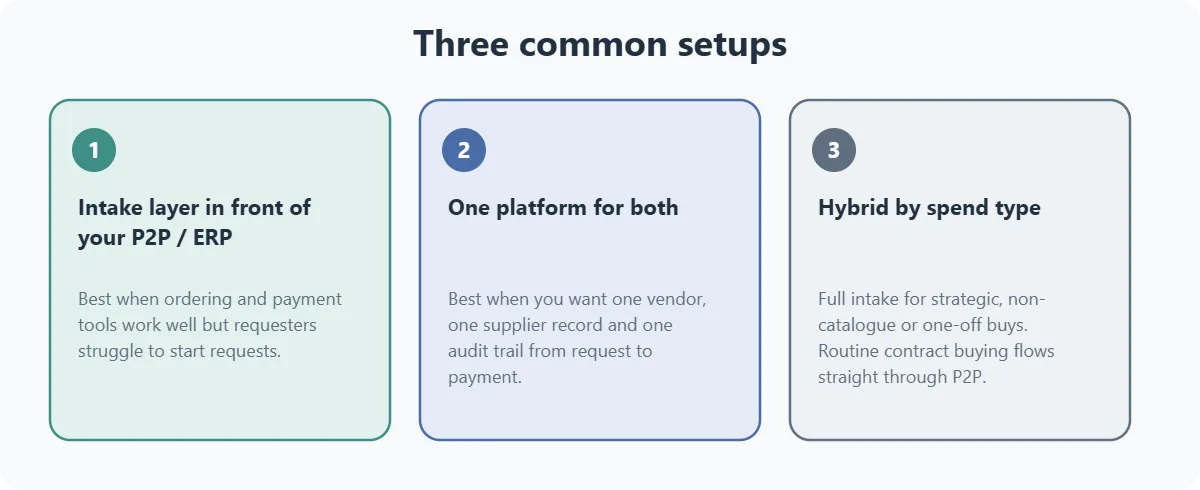
Once a request is approved, the order has to be raised, sent, tracked, amended and closed. Purchase order management software takes over here, and a disciplined approach to purchase order tracking keeps open orders, partial deliveries and price changes from turning into invoice disputes later.
Bring AI-powered intake, purchase approvals, supplier management and invoice processing together with ZYNO Procurement. Build a more transparent and efficient purchasing workflow for your business.
Explore AI Intake Contact Our TeamBoth processes touch suppliers, but at different moments and for different reasons. I2P influences which supplier is used. P2P manages the day-to-day relationship once the order is live.
When both halves share a single supplier record, the benefits compound. The intake side can see which suppliers deliver reliably, and the payment side can trust that every supplier it pays has already passed the same onboarding checks.

Think of I2P and P2P as two halves of one chain. Intake decides what should be bought and gets it approved. Procure to pay delivers it and settles the bill. If either half is weak, the other inherits the problem. Poor intake sends vague, off-contract orders into P2P, where they cause matching exceptions. Poor P2P wastes the careful approvals that intake worked to secure.
The cleanest handoff is when the request data travels with the order. For example, AI Intake in ZYNO Procurement turns a plain-language request into a structured purchase requisition with a suggested category and suppliers. That same record then moves into the purchase order, goods receipt and invoice verification steps without being re-entered.

Once you know which half to fix first, shortlist vendors with our comparison of the top Intake to Procure software solutions.
Each process delivers value alone. Connecting them delivers more, because the data collected at the start is reused at every later step.
The downstream gains can be measured. Ardent Partners’ State of ePayables 2025, as summarised by Tipalti, reports an average invoice processing cost of $9.84 against $2.65 for best-in-class teams, and an average processing time of 8.2 days against 2.9. Treat these as benchmarks rather than promises, but they show how much value sits in matching and exceptions, which is exactly what clean intake data and accounts payable automation help to remove.
Procurement workflow automation is the glue that turns two separate processes into one flow. Without it, the handoff between intake and payment depends on people copying details between systems. With it, each step passes its data to the next. Procure to Pay automation and intake automation meet at these points:
AI is strengthening these links. Natural-language intake, supplier suggestions and automated invoice capture reduce the manual effort at both ends. For a closer look at what to expect, read our guide to AI procurement software.
Because every step writes to the same record, reporting becomes more reliable. You can see request volumes, approval delays, committed spend, invoice cycle times and policy compliance in one place, instead of stitching together reports from several tools. Procurement management software that spans both stages gives you that view by design.
What is the difference between Intake to Procure and Procure to Pay?
Intake to Procure covers the front end: capturing, validating and approving a request until it becomes a purchase order. Procure to Pay covers the back end: ordering, receiving, invoice matching and payment. I2P shapes what gets bought, and P2P makes sure it is delivered and paid correctly.
Is I2P replacing P2P?
No. They complement each other. Many vendors now bundle them, and some call the combined flow intake-to-pay, but the payment side still needs matching, approvals and reconciliation. I2P adds a better start to the process rather than removing the need for a good finish.
Do I need Intake to Procure software if I already have Procure to Pay software?
Not always. If requests are already structured and approvals are smooth, your P2P tool may be enough. If requests arrive by email and chat, off-contract spend is high or approvals are slow, adding intake usually brings the biggest gain.
Where does Intake to Procure end and Procure to Pay begin?
The handoff is usually at the approved requisition or purchase order. This is also where the two overlap, which is why some products cover a little of both.
Is an ERP enough for both processes?
Most ERPs handle purchase orders, receipts and payments well, but their request experience is often basic. It helps to understand why ERP is not automatically procurement software before deciding whether to add intake on top.
Which one reduces maverick spend?
I2P has the larger effect, because it guides requesters towards compliant choices and checks budget before an order exists. P2P helps indirectly by flagging orders and invoices that do not match.
Which one improves invoice accuracy and on-time payment?
P2P, through matching, tolerance rules and automated approvals. Clean intake data helps too, because well-described orders cause fewer mismatches.
What should we measure to know it is working?
For I2P, track request-to-PO time, approval turnaround, intake adoption and policy compliance. For P2P, track invoice cycle time, match rate, exception rate and on-time payment. Reading both sets together shows where the chain slows down.
Can small and mid-sized businesses use both?
Yes. Many modern platforms combine guided requests with ordering and invoicing in one product, so a smaller team does not need a separate tool for each stage.
From purchase requests and supplier selection to purchase orders and invoice management, streamline your procurement operations with ZYNO Procurement. Automate workflows, strengthen spending control and improve team collaboration.
Explore Procure to Pay Book a Personalised DemoThe right setup makes the compliant way to buy the easiest way to buy, and makes paying correctly just as simple. If you want intake, approvals, sourcing, purchase orders and invoice matching working as one flow, book a personalised demo of ZYNO Procurement and see it with your own request types.
Procurement Software Trends in 2026: What to Expect
Read More →
Why E-Procurement Outperforms Traditional ERP in Modern Procurement
Read More →
Top Procurement Software in India: 12 Options Compared for 2027
Read More →
Best Procurement Software Companies in Kuwait (2025)
Read More →
5 Best Procurement Software in Africa for Enterprises & SMEs (2026 Guide)
Read More →
Best Procurement Software in Nigeria 2026 | Top 5 Picks
Read More →
Best Procurement Software Providers in USA (2025): How AI is Transforming the Future
Read More →
10 Best Procurement Software Providers in Thailand for Streamlined Supply Chain Management
Read More →
Top 10 Cloud-Based Procurement Solutions in Portugal for Businesses in 2025
Read More →
Top 10 Procurement Software Providers in Switzerland 2026: Streamlining Sourcing and Supplier Management
Read More →
What Makes ZYNO Procurement Different from Other Oil & Gas Procurement Software
Read More →
The Digital Transformation of Logistics Procurement in the Middle East
Read More →
A Step by Step Guide to Procurement Management Software for Modern Enterprises
Read More →
Sourcing and Procurement: What is the Difference and Why It Matters
Read More →Difference Between Procurement and Supply Chain Management
Read More →
What Is Procurement Software and Why Do Modern Businesses Need It?
Read More →
Best Procurement Management Software to Automate ERP Process
Read More →
Direct vs Indirect Procurement: Key Differences, Examples & Uses (2026)
Read More →
Smart procurement strategies for cost optimization & risk management
Read More →
What Is Procurement? Everything You Need to Know (Types, Process & SAP)
Read More →Beyond Cost-Cutting: How Procurement Drives Margin Expansion in 2026
Read More →
Direct Procurement: Process, Examples, and When to Use It
Read More →
What Are the 5 Types of E-Procurement? A Complete Guide for Businesses
Read More →
Which Procurement Management Software Is Best? Top Tools Compared for 2026
Read More →
Top 8 Coupa Alternatives to Explore in 2026
Read More →
Looking to Replace Coupa? Discover the Best Alternatives Like ZYNO Procurement
Read More →
How Does Procurement Software Work? A Complete Guide
Read More →
ZYNO Procurement vs Coupa: Best Procurement Software Comparison for Mid-Market Teams
Read More →
10 Best SAP Ariba Alternatives and Competitors in 2026
Read More →
ZYNO Procurement vs SAP Ariba: Which Solution Is More User-Friendly?
Read More →
AI-Powered Procurement Management Software for Fast, Connected, and Visible Workflows in Dubai
Read More →
What is Vendor Management? Complete Guide to Vendor Management Software, Systems, and Processes
Read More →
Best Procurement Management Software In Kenya
Read More →
6 SAP Ariba Alternatives for Mid-Market Businesses in 2026
Read More →
Top E-Procurement Solutions for B2B Organizations (2026)
Read More →
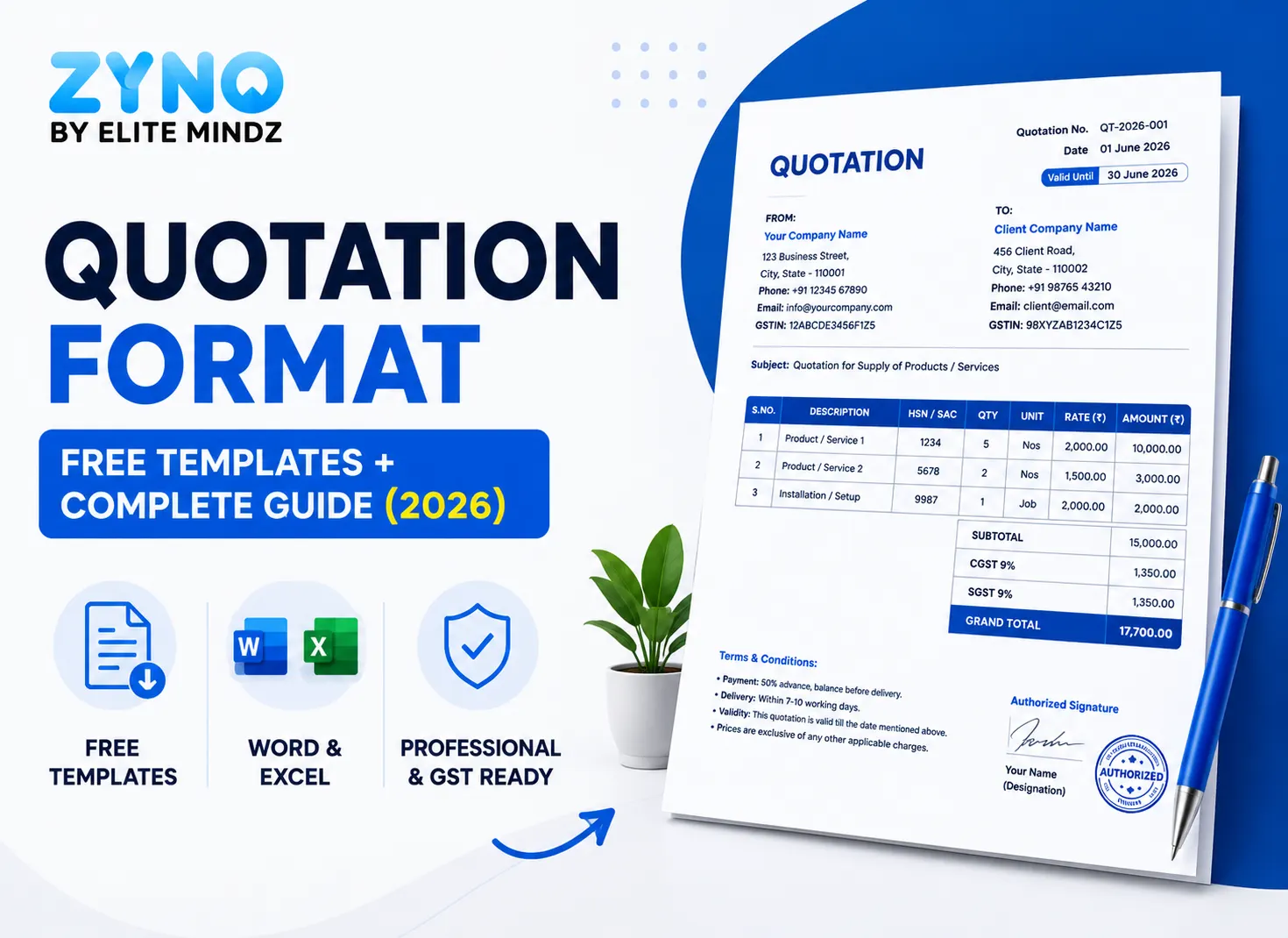
Quotation Format: Free Templates + Complete Guide (2026)
Read More →
Cost Control Software: Features, Benefits & Performance Guide for 2026
Read More →
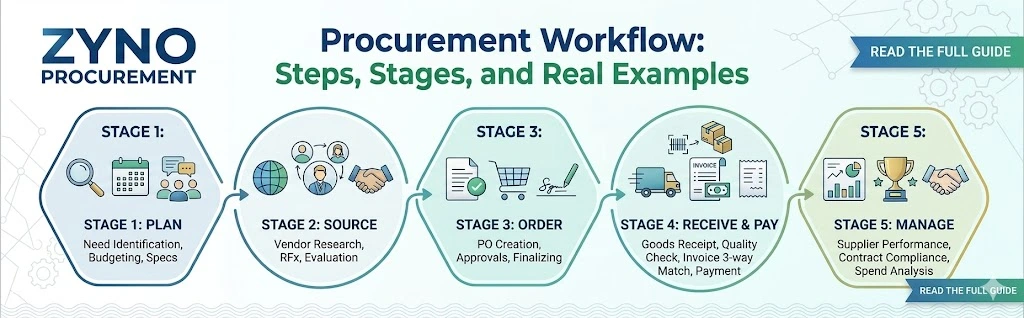
Procurement Workflow: Steps, Stages, and Real Examples
Read More →
Top 10 Zycus Alternatives for Procurement Teams in 2026
Read More →
Best Precoro Alternative for Purchase Requisition and Procurement
Read More →
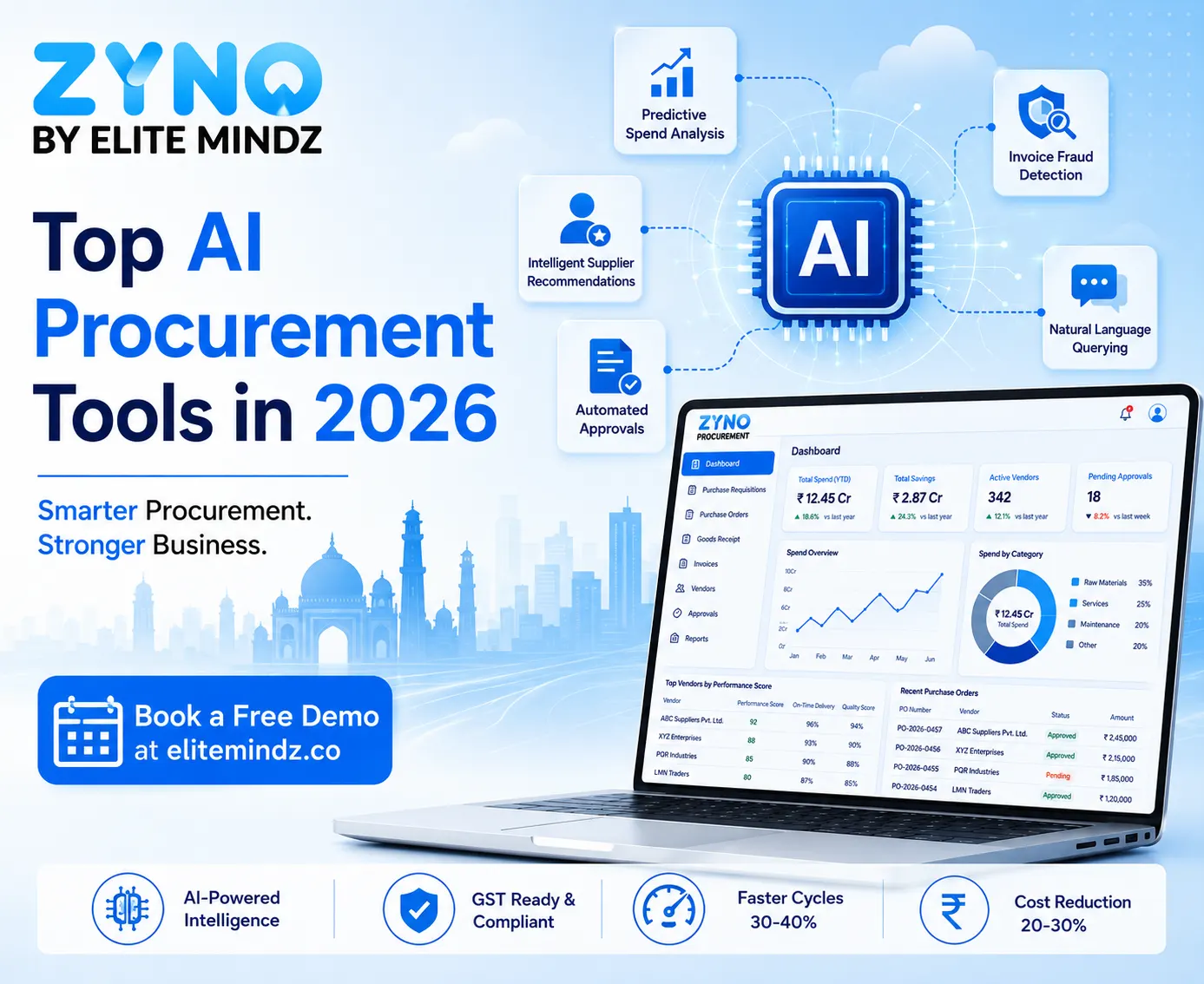
Top AI Procurement Tools in 2026
Read More →
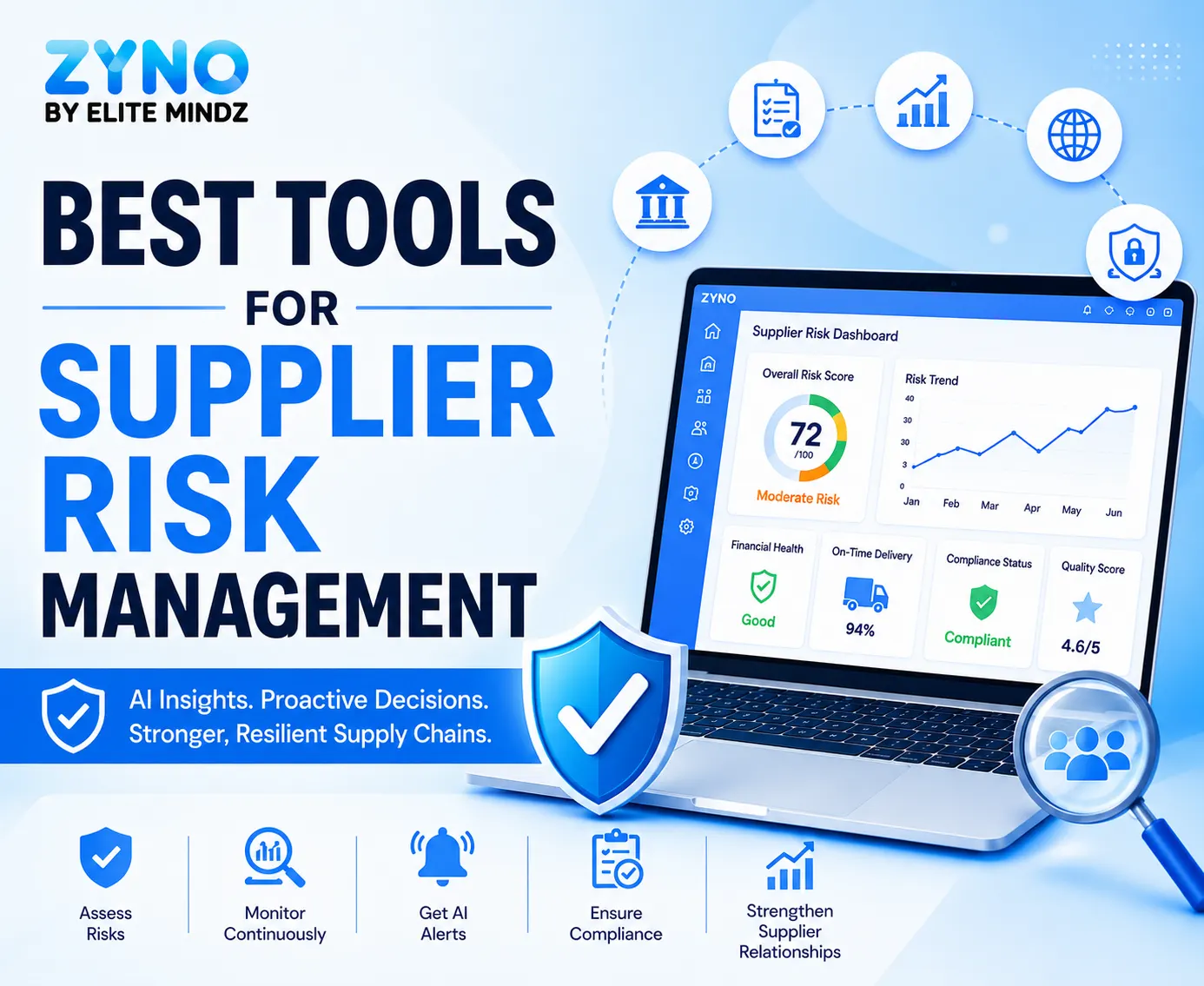
Best Tools for Supplier Risk Management
Read More →
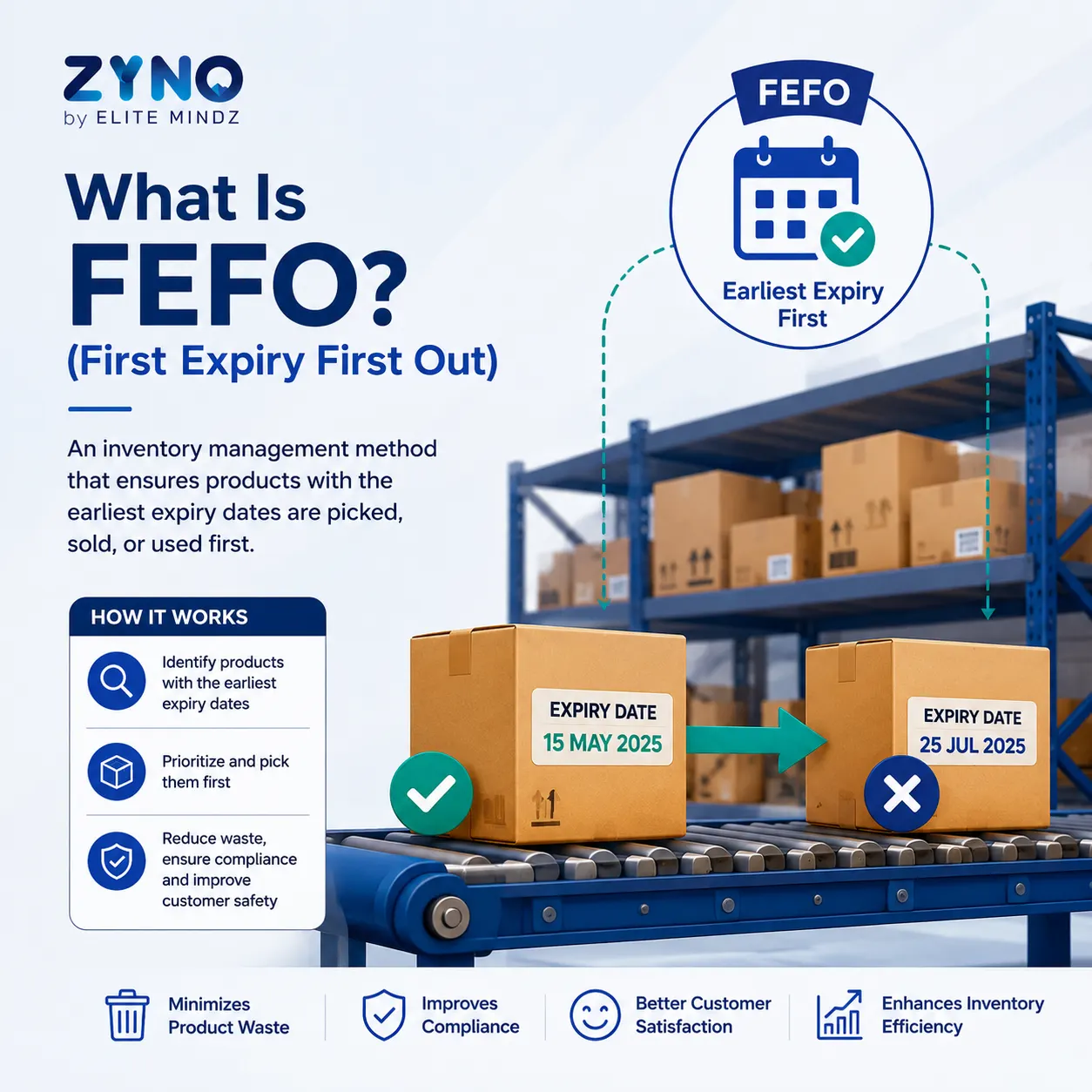
FEFO vs FIFO vs LIFO: Differences, Benefits & Which Inventory Method Is Best?
Read More →
AI Procurement Software: Features, Benefits, Use Cases & How to Choose
Read More →
Best AI Tools for Supply Chain Procurement
Read More →
Procurement Risk Management
Read More →
Still Using Excel for Procurement? Read This Before It's Too Late
Read More →
Best RFP Software in 2026: Top Tools Compared for Faster Proposal Responses
Read More →
What Is Procure-to-Pay (P2P)? A Complete Guide
Read More →
Complete Procurement Workflow Guide for Modern Businesses
Read More →
Complete Guide to E-Procurement Solutions for B2B Organizations
Read More →
Cost Control Software Comparison Guide: Features, Pricing & Benefits
Read More →
Purchase Order Tracking: How to Manage Every PO Without the Chaos
Read More →
Inventory Management: What It Is, How It Works and Why It Matters
Read More →
Top 10 Procurement Software Tools for Purchasing Automation in 2026
Read More →
Agentic AI Procurement Platforms and the Future of Strategic Sourcing
Read More →
AI Spend Analytics Software for Procurement Leaders
Read More →
From Prompt to Procurement: How AI Is Transforming Enterprise Purchasing
Read More →
ZYNO Procurement vs IBM Procure-to-Pay Automation
Read More →
ZYNO Procurement vs Infor Nexus: Which Procure-to-Pay Platform Fits Your Team?
Read More →
AI-Powered Procurement Software in 2026: Top 6 Platforms That Actually Deliver ROI
Read More →
Contract Management Software Buyer's Guide: Features, Costs & Top Picks
Read More →
Top 10 Procure to Pay Software Companies in India 2026
Read More →
10 Best Vendor Management Software in India (2026): Features, Benefits & Comparison
Read More →
How Machine Learning and AI Are Transforming Procurement: A Strategic Overview
Read More →
What Is Procurement Software for GP? Features, Benefits and Best Solutions for Businesses
Read More →
What Procurement Software Do Mid-Market Companies Use Instead of SAP Ariba or Coupa?
Read More →
Prompt-Based Procurement Software for Kenyan Businesses
Read More →
Project Management Software: A Complete Guide to Streamline Business Operations and Procurement Processes
Read More →
SAP Ariba vs ZYNO Procurement: Complete Feature Comparison (2026)
Read More →
Coupa vs SAP Ariba vs ZYNO: Which Procurement Platform Wins for Fast-Growing Teams?
Read More →
How AI Procurement Software Is Transforming Purchase Requisition and Supplier Management in 2026
Read More →
Purchase Request Management: A Complete Guide for Modern Procurement Teams
Read More →
The Top 3 Best Practices for Effective Purchase Request Management
Read More →
What Is Purchase Order Automation? How to Automate Purchase Order Processing
Read More →
5 Common Purchase Request Mistakes and How to Avoid Them
Read More →
What is Supplier Relationship Management in Procurement? A Complete Guide
Read More →
What is Strategic Vendor Management? A Complete Guide for Modern Procurement
Read More →
What Are Inventory Control Methods? Complete Guide to Types, Techniques, Systems, & Benefits
Read More →
Inventory Audit Checklist: Steps, Process & Best Practices
Read More →
Warehouse Inventory Management: Best Practices for 2026
Read More →
Treasury Management System (TMS): A Complete Guide for Modern Corporates
Read More →
What is Portfolio Management Services (PMS) and What Are Its Benefits?
Read More →
Generative AI Procurement Software Solution: The Future of Intelligent Procurement
Read More →
Top Contract Management Software Companies in Ethiopia: Features, Benefits & Best Procurement Solutions
Read More →
AI Procurement Software: Complete Guide to Intelligent, Generative AI & Machine Learning Procurement Solutions
Read More →
Top SAP alternatives for small, midsize, and enterprise businesses
Read More →
Best RFP Software in 2026: Top Solutions for Smarter Procurement and Proposal Management
Read More →
GST on Purchase: Complete Guide to GST on Purchases in India
Read More →
Procurement Software in the UAE: How to Choose the Right Solution
Read More →
Supply Chain Procurement: Everything You Need to Know
Read More →
Top 10 Oracle Procurement Alternatives for Businesses in 2026
Read More →
Quotation Software vs Excel: Which Is Better for Businesses in 2026?
Read More →
Contract Management Software Buyer's Guide: Features, Pricing & How to Choose
Read More →
How to Identify the Right Vendor: 10 Simple Steps
Read More →
Top 10 Automated PO Generation Tools in 2026: Best Purchase Order Software with AI Capabilities
Read More →
How to Generate a PO Automatically in SAP: Step-by-Step Guide
Read More →
What Is the Best Budget-Friendly Procurement Software With Vendor Onboarding for Indian SMEs?
Read More →
How to Generate a PO Automatically in SAP: Step-by-Step Guide
Read More →
How to Solve Invoice Mismatches: 10 Real Ways to Fix Invoice Discrepancies
Read More →
Top 10 Vendor Onboarding Tools for Businesses in 2026: Features, Process & How to Choose
Read More →
Vendor Comparison & Supplier Intelligence: How AI Helps Businesses Choose the Right Vendor
Read More →
How to Choose the Right Procurement Management Software in 2026 (Complete Buyer's Guide)
Read More →
How to Reduce Procurement Costs: 18 Practical Strategies That Actually Work
Read More →
How to Choose the Right Procurement Management Software in 2026 (Complete Buyer's Guide)
Read More →
How to Calculate Procurement Software ROI: Formula, Example & Calculator
Read More →
Procurement Software Evaluation Checklist: 35 Criteria for Choosing the Right Platform
Read More →
How Businesses Can Improve Vendor Performance and Manage Supplier Risk
Read More →
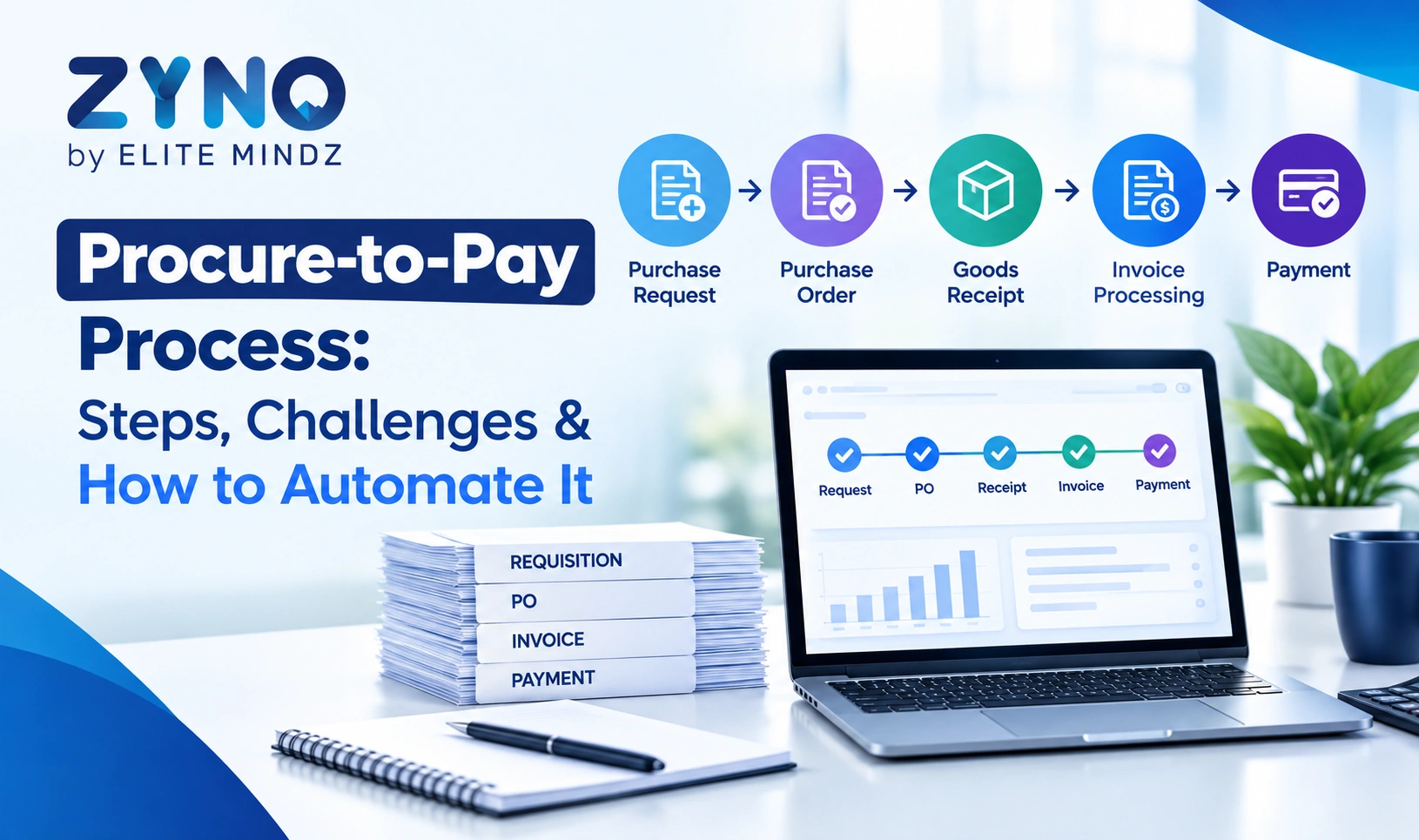
Procure-to-Pay Process: Steps, Challenges & How to Automate It
Read More →
Purchase Requisition vs Purchase Order: What’s the Difference?
Read More →
10 Source-to-Pay Software Platforms to Consider in 2026
Read More →
Supplier Management Software Buying Guide: How to Choose the Right Platform
Read More →
Procurement Automation Guide: How It Works, What to Automate & How to Implement It
Read More →
Procurement Software Features: 12 Must-Have Capabilities to Look For
Read More →
Best E-Procurement Software in 2026: Top Electronic Procurement Systems for Modern Businesses
Read More →
AI in Vendor Management: Complete Guide to Automated Supplier Scoring and Supply Chain Risk Analysis
Read More →
Procurement Software vs ERP: What's the Difference and Which Do You Need?
Read More →
How to Reduce P2P Cycle Time: 9 Practical Strategies for Procurement Teams
Read More →
Procurement Software for Oil & Gas Companies in UAE and Saudi Arabia
Read More →
10 Vendor Onboarding Best Practices Every Business Should Follow (2026)
Read More →
10 Contract Clauses Every Business Should Review Before Signing a Supplier Agreement (2026 Checklist)
Read More →
10 Invoice Processing Mistakes That Delay Supplier Payments (and How to Fix Them)
Read More →Source-to-Pay vs Procure-to-Pay: Key Differences, Processes & Software Guide
Read More →
Procurement Challenges: 15 Common Problems & How to Solve Them
Read More →
Supplier Evaluation Criteria: 10 Factors Every Procurement Team Should Assess
Read More →
What Is Strategic Sourcing? Process, Benefits & Best Practices
Read More →
Tail Spend Analysis: How to Identify, Measure and Optimize Fragmented Spend
Read More →
Which Prompt-Based ERP Supports Procurement Automation and Analytics?
Read More →
How to Stop Employees from Making Purchases Without Approval in the UAE
Read More →
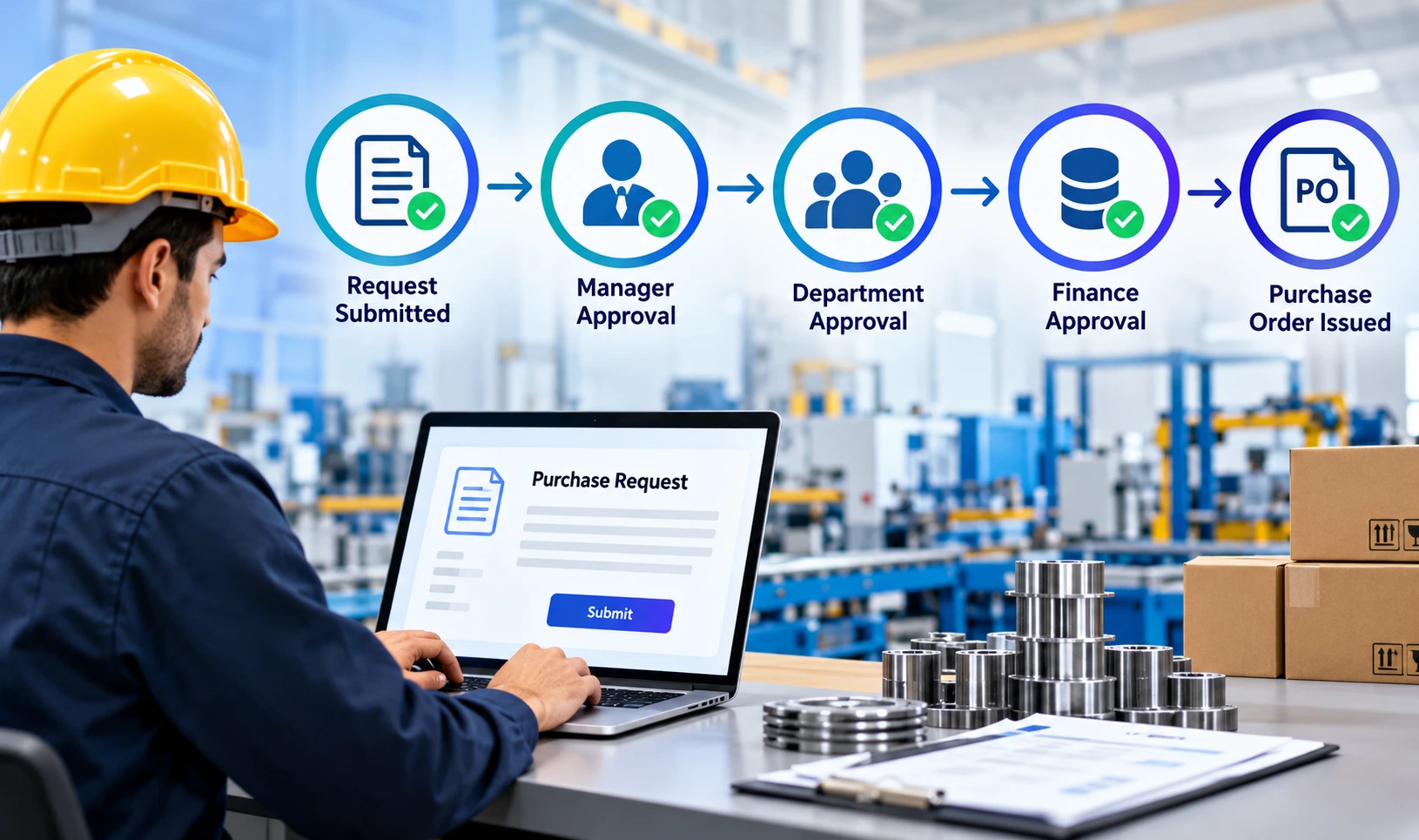
How to Build a Purchase Approval Workflow for Manufacturing Companies
Read More →
Best Procurement Software for Sheet Metal Fabrication Companies
Read More →
10 Best Procurement Software for Manufacturing Companies in 2026
Read More →
How to Compare Supplier Quotations and Choose the Right Supplier
Read More →
10 Best Contract Automation Software Tools for 2026
Read More →
Best Procurement Software for CNC Machining Companies: 8 Options Compared
Read More →
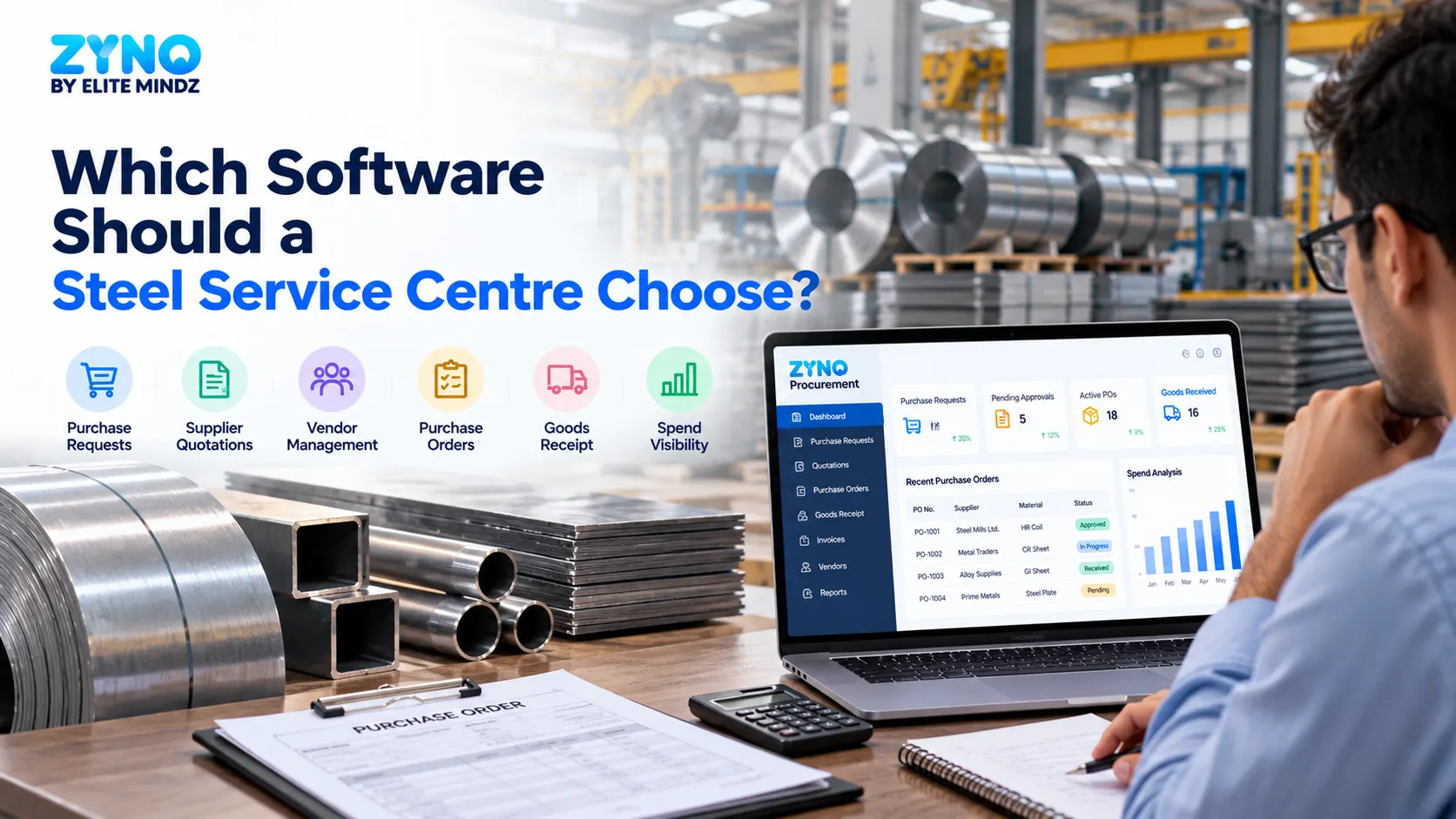
Best Purchase Order Management Software for Steel Service Centres (2026): ZYNO Procurement vs 12 Alternatives
Read More →
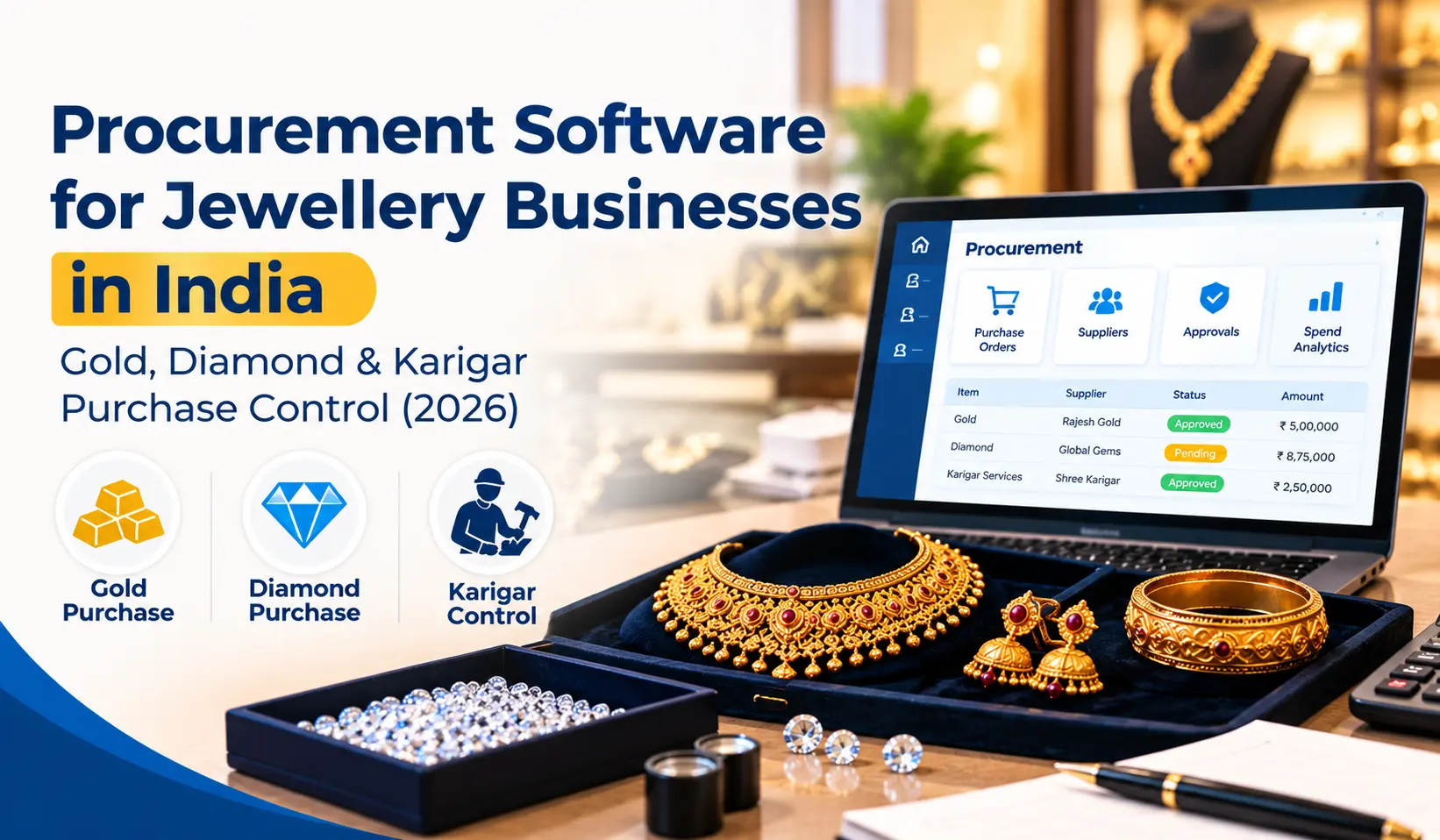
Procurement Software for Jewellery Businesses in India: Gold, Diamond & Karigar Purchase Control (2026)
Read More →
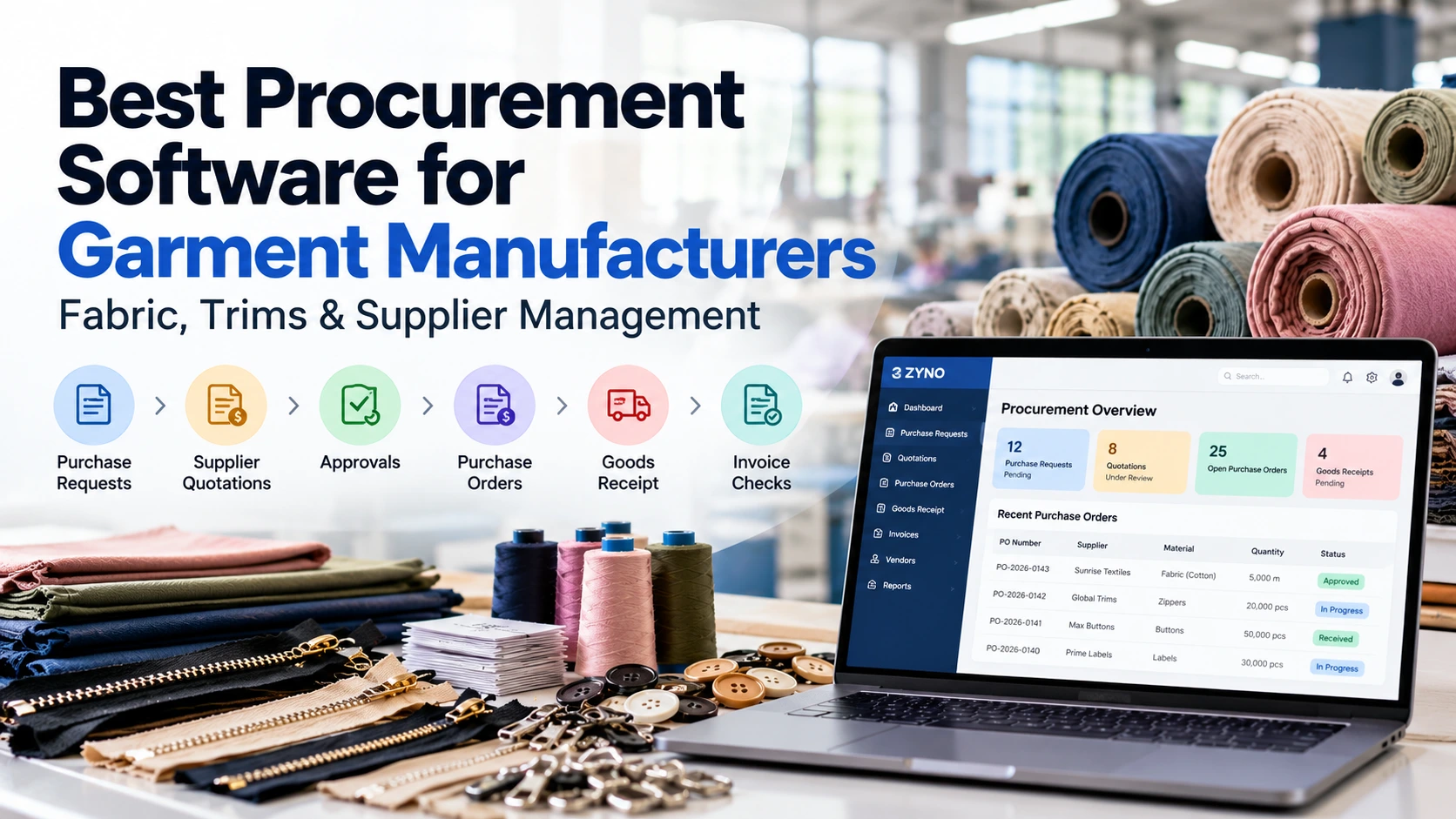
Best Procurement Software for Garment Manufacturers: Fabric, Trims & Supplier Management
Read More →
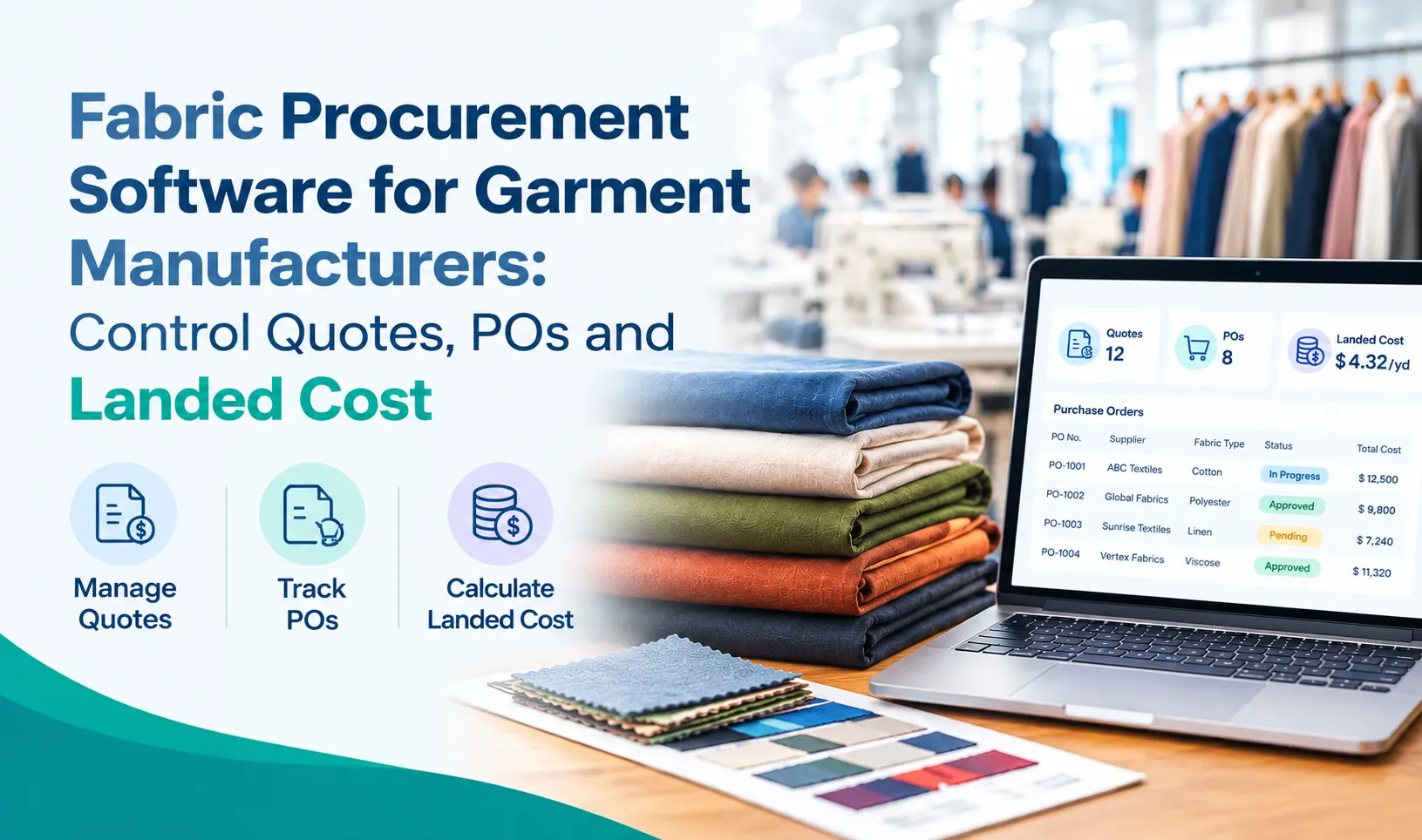
Fabric Procurement Software for Garment Manufacturers: Control Quotes, POs and Landed Cost
Read More →
Top 10 Procurement Software Companies in Saudi Arabia (2026)
Read More →
Top Cloud Procurement Solutions for Abu Dhabi Government & Enterprises
Read More →
10 Best UAE E-Invoicing and Accounts Payable Software Solutions (2026)
Read More →Best Section 43B(h) MSME Payment Tracking Software in India (2026): 7 Tools Compared
Read More →
9 Best Procurement Software for NGOs in Kenya (2026)
Read More →
10 Best Procurement Approval Workflow Tools in 2026
Read More →
10 Best Spend Analysis Software for Procurement Teams in 2026
Read More →
How AI Can Automate SAP S/4HANA Procurement Without Replacing Your Existing ERP
Read More →
Inventory Management vs Warehouse Management: Key Differences and Best Software Tools
Read More →
10 Best Procurement Management Software for Businesses in 2027
Read More →
10 Best Procurement Software in 2027: Features, Pricing & How to Choose
Read More →
20 AI Prompts for Smarter Procurement: Improve Sourcing, Negotiation, and Cost Savings
Read More →
Healthcare Procurement Solutions in 2026: Trends, Challenges & AI-Driven Best Practices
Read More →
How Does Hospitality Procurement Software Improve Purchasing Efficiency?
Read More →
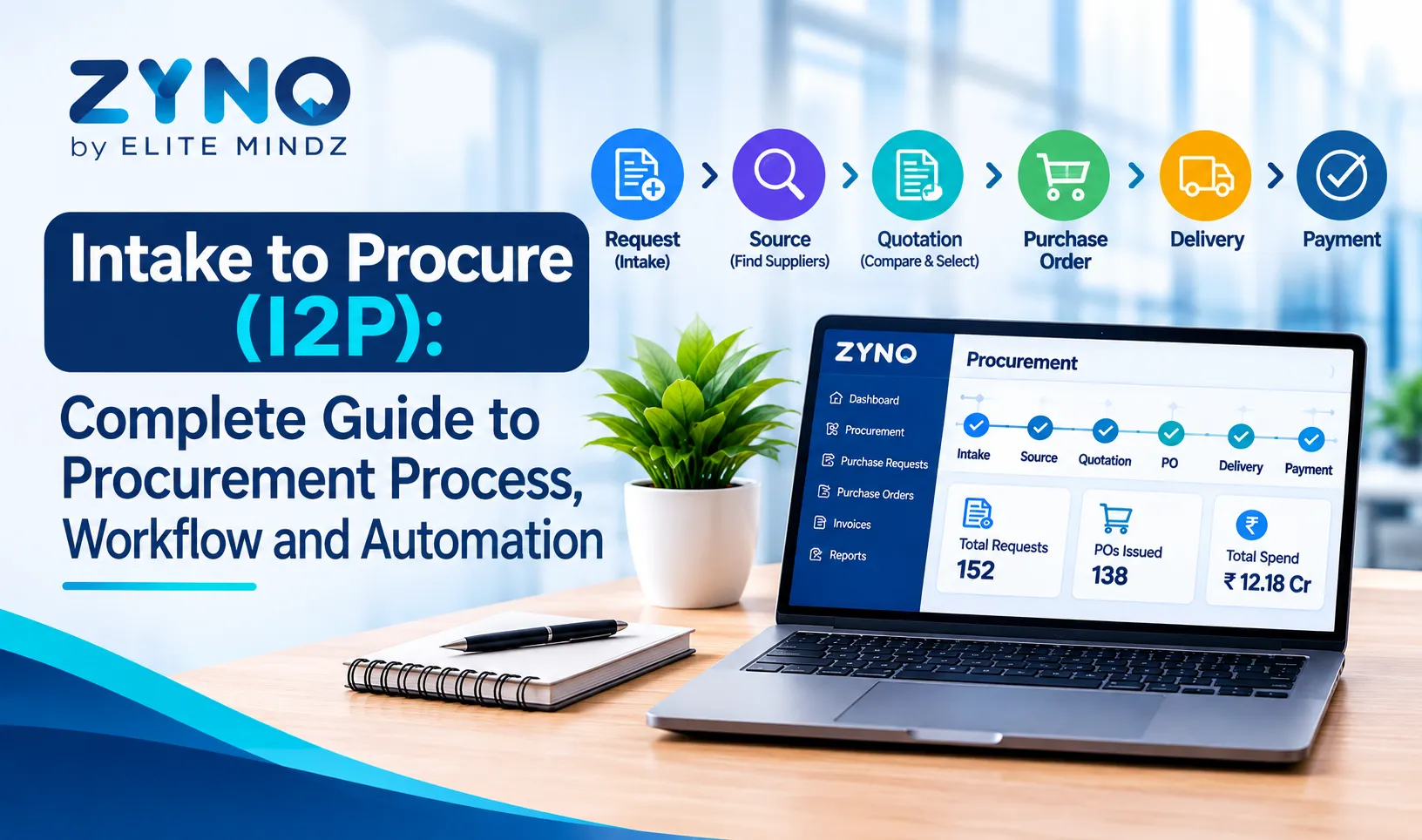
Intake to Procure (I2P): Complete Guide to Procurement Process, Workflow and Automation
Read More →
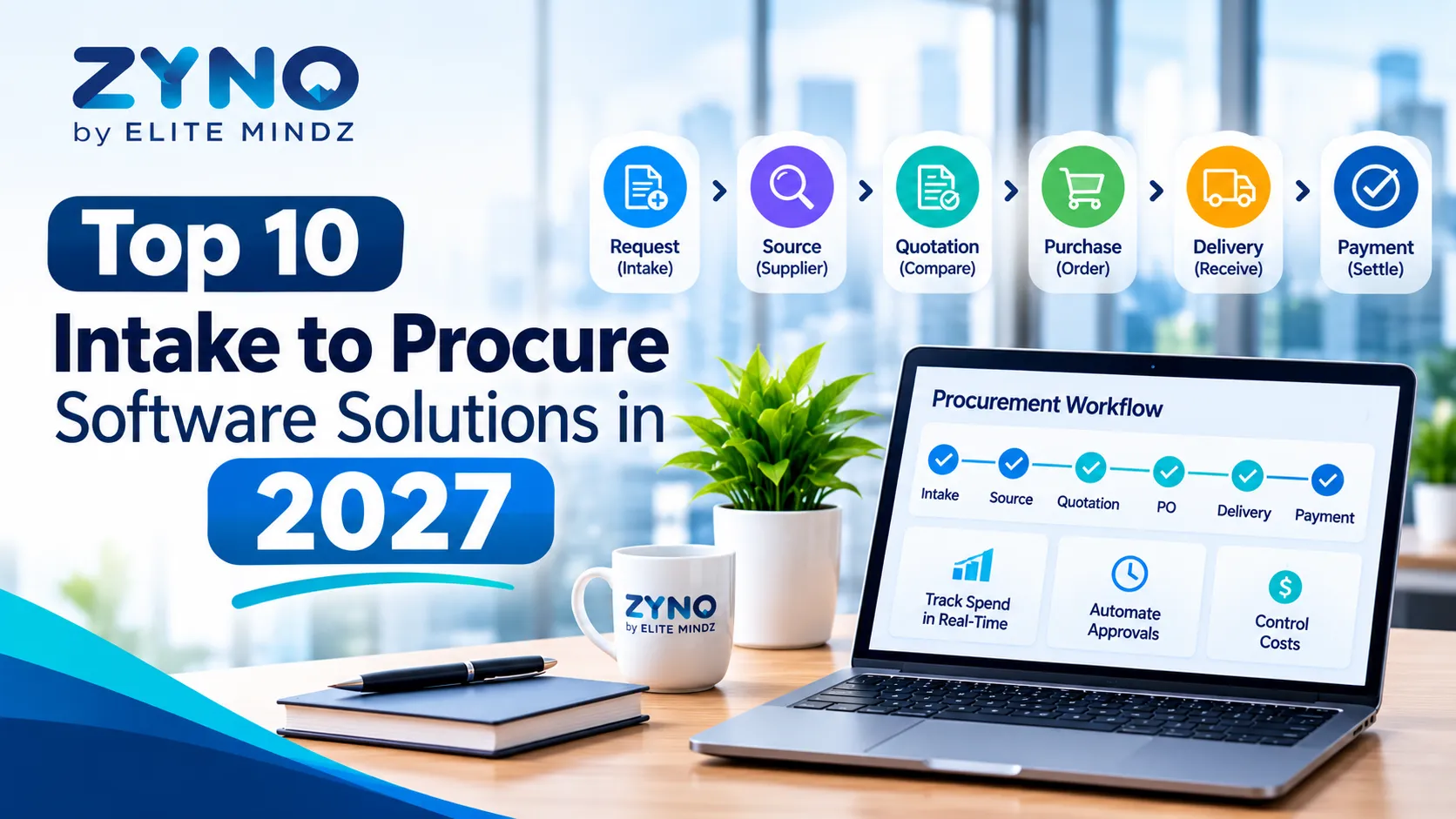
Top 10 Intake to Procure Software Solutions in 2027
Read More →
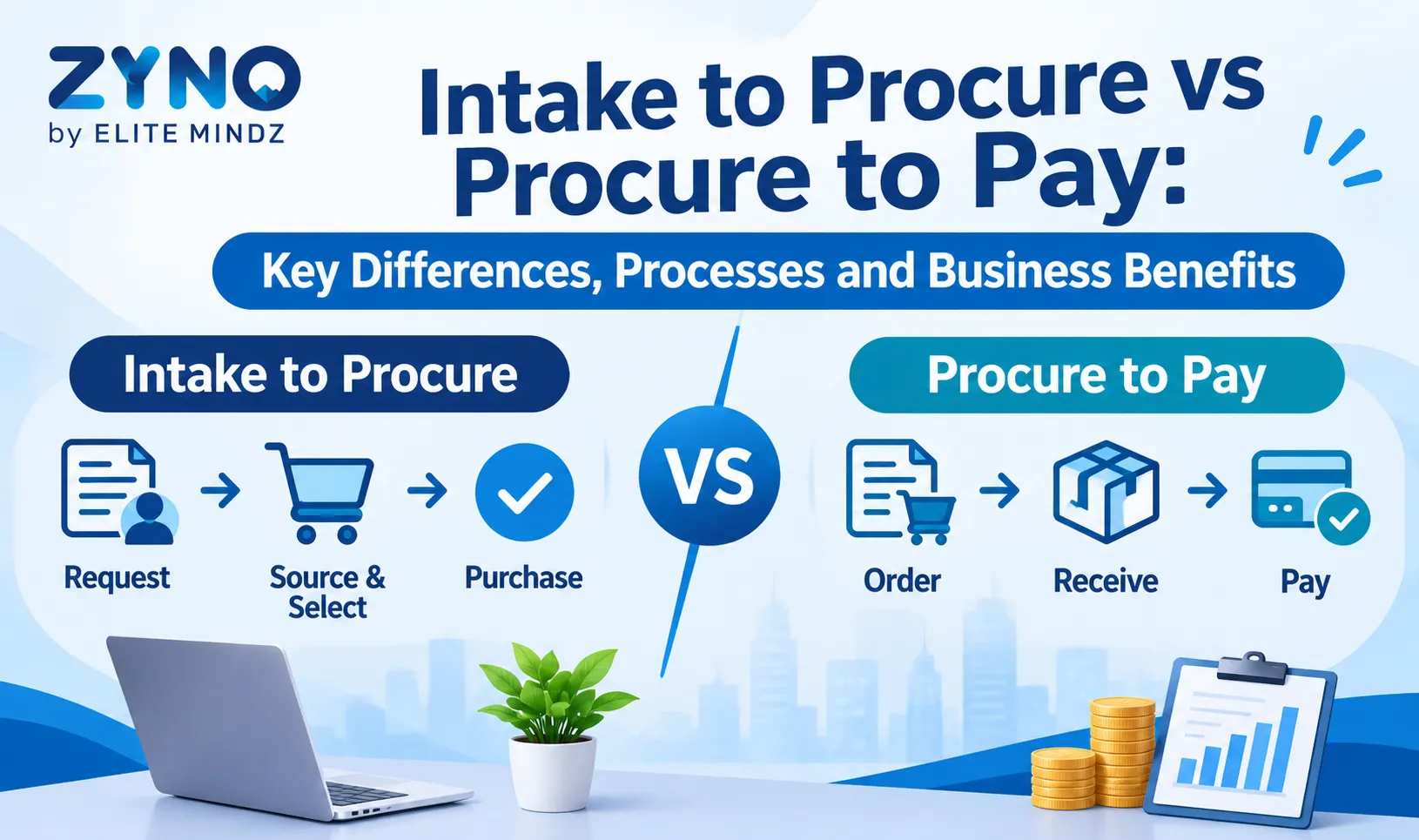
Intake to Procure vs Procure to Pay: Key Differences, Processes and Business Benefits
Read More →
How Garment Exporters Manage Bulk Orders and Raw Material Procurement
Read More →
How Procurement Automation Helps Businesses Prevent Overstocking and Stock Shortages
Read More →
Best Procurement Software for Garment Manufacturers in India (2027)
Read More →
How Procurement Automation Helps Businesses Prevent Overstocking and Stock Shortages
Read More →Partner with ZYNO by Elite Mindz to revolutionize how your business works. Fill out the form, and we’ll reach out with AI-powered solutions made just for you.
We use browser cookies to ensure you get the best experience on our website. Learn more
The form was submitted successfully!