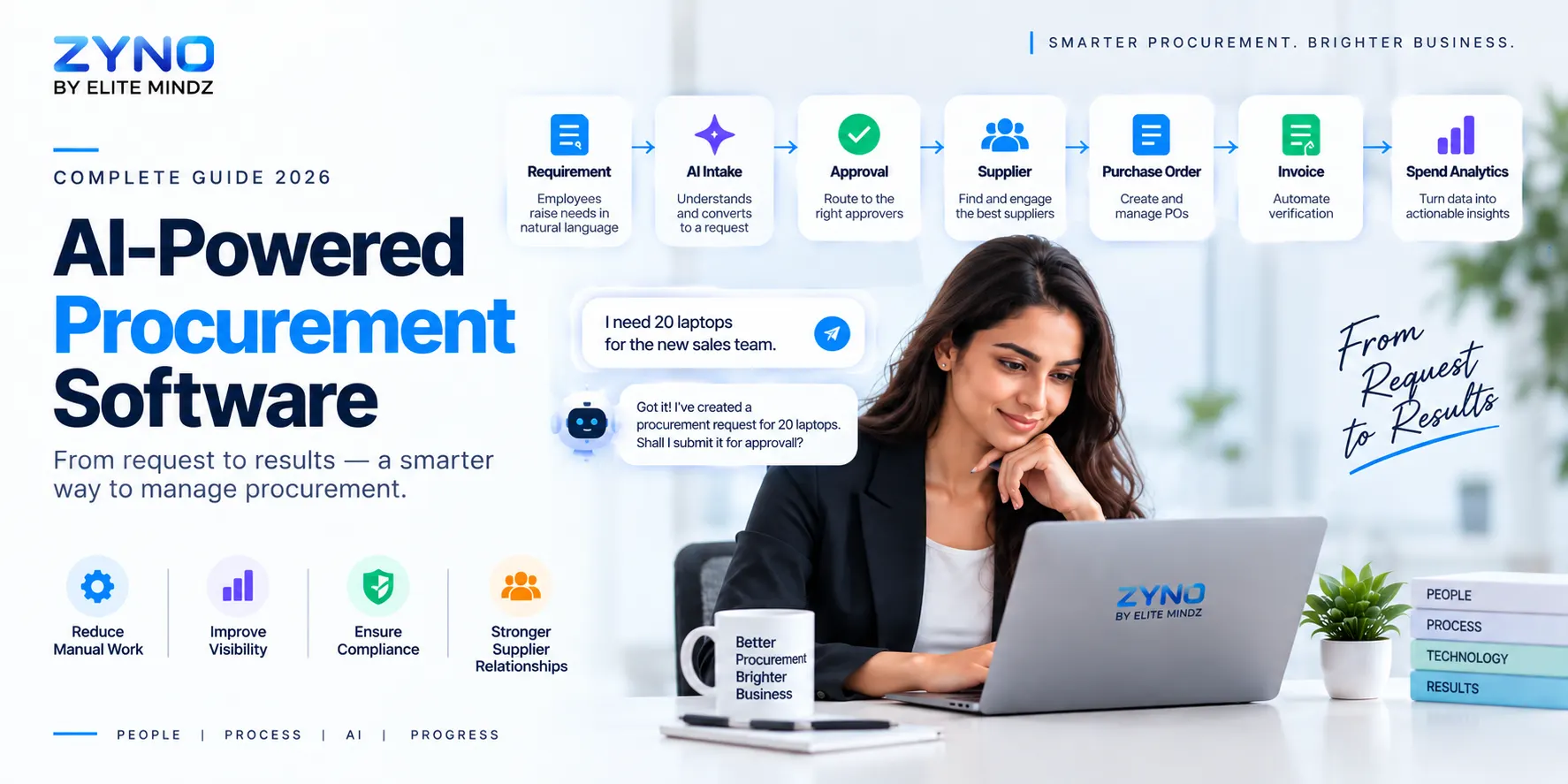
Procurement Software Trends in 2026: What to Expect
Read More →```html

×
UAE businesses can prevent unauthorized employee purchases by implementing structured procurement approval workflows, defined spending limits, and purchase order controls. Companies operating across Dubai, Abu Dhabi, and other emirates should assign clear budget ownership, document emergency exceptions, and maintain accurate purchasing records. Procurement solutions such as ZYNO Procurement can help centralize purchase requests, track approval decisions, and improve spending visibility.
Businesses using ZYNO Books cut accounting time by 70% and stay 100% ZATCA-compliant — automatically.
To stop unauthorized purchases, write a purchasing policy, define who can approve spending and up to what amount, and require a purchase request before any commitment to a supplier. Allow only authorized people to issue purchase orders (LPOs), create a fast-track route for real emergencies, and review every purchase made outside the process.
The goal is control without slowing routine buying. Clear approval rules, visible request status and a reliable record of every decision let procurement, finance and operations work from the same facts.
Key takeaways
In this guide: why employees buy without approval, warning signs, a nine-step prevention process, an AED approval matrix, a policy checklist and sample clause, cards and petty cash, what to do after the fact, UAE considerations including e-invoicing, software evaluation, metrics, mistakes and FAQs.
An unauthorized purchase (spelled "unauthorised" in British English) happens when someone commits company money without following the required approval process. That might mean ordering directly from a supplier, paying with a personal card, going over an approved budget, or ordering before a purchase order exists.
Not every case is deliberate. Often people are working around a process that is unclear, slow or inconvenient. The common causes:
The important distinction is between someone who ignores a known rule and someone who was never given a workable process. A good control system addresses both.
Simplify purchase approvals, enforce spending limits, track purchase requests, and prevent unauthorized spending with a structured procurement workflow. Keep your team aligned while ensuring every purchase follows your company's approval policy.
Explore ZYNO ProcurementFinance and procurement teams usually spot the problem in the paperwork first. Watch for:
One of these is a prompt to ask questions. Several together usually point to a process problem rather than a single employee.
The most reliable method is a purchasing process that employees can follow and managers can enforce. Use these nine steps.
The policy should explain how employees request goods and services, who authorizes spending, when procurement must be involved, and what happens when someone buys outside the process. At minimum, document:
Publish it where everyone can find it and explain it in plain language. A policy that lives only in a handbook will not stop spending if people cannot apply it in daily work.
One person should not be able to request a purchase, approve it and place the supplier order without independent checks.
Purchase Approval Roles & Responsibilities
| Role | Main Responsibility |
|---|---|
| Employee or requester | States the business need and submits the request |
| Department manager or budget owner | Confirms the need, the budget and the justification |
| Procurement | Checks purchasing requirements, sourcing and supplier options |
| Finance | Reviews budget, financial controls and exceptions where required |
| Authorized approver | Approves spending within delegated authority |
| Purchase order issuer | Issues the formal order after required approvals |
Smaller businesses may combine roles, but higher-risk transactions still need an independent reviewer. If the requester is also the department manager, require a second authorized approver above a set threshold.
Employees need to know exactly when they can proceed and when someone else must approve. Limits can depend on value, department, category, budget availability, supplier risk and whether the purchase is planned or exceptional. Many UAE companies document this as a delegation of authority (DoA) or authority matrix; section "How should you set approval limits?" below gives an example.
A purchase request (also called a purchase requisition, or PR) is the internal request for permission to buy. Employees should submit it before ordering or committing the company to a supplier, unless a documented exception applies. A good request captures:
A request is not an approval, and an approval is not an order. Keep those three stages separate.
The route should follow company rules, not depend on someone remembering whom to ask. An office-supply request may go to the department manager; a project purchase to the project manager and budget owner; an unbudgeted expense to finance and senior management. Define what happens when an approver is absent, when a request is returned for more information, and when approval is pending too long. Name delegates and escalation rules so requests do not stall in an inbox.
The request records an internal need. The purchase order (called a local purchase order, or LPO, in many UAE companies) is the formal document issued to a supplier. Where policy requires a PO, no one should place the order before approval and PO issuance are complete. Tell suppliers the rule too: an order without a valid PO number is not an order. Procurement should check that the PO matches the approved requirement, including supplier, items, quantities, price and terms. The procure-to-pay process connects these steps to receiving, invoice processing and payment.
Simplify purchase approvals, enforce spending limits, track purchase requests, and improve spending visibility with a smarter procurement workflow. Keep every purchase accountable while helping your team work efficiently.
A process that cannot handle a real emergency pushes people to bypass it. Create a documented fast-track route for safety issues, critical equipment failures and operational stoppages. Specify who can authorize it, what qualifies, the minimum information to record, how it is entered in the official system, and when retrospective review is required. Review exceptions regularly: repeated emergencies usually signal poor planning, weak stock management or an approval process that is too slow.
Approval controls should continue after approval. Where applicable, compare the PO, the goods or services received (the goods receipt note, or GRN) and the supplier invoice before paying. This three-way match catches invoices for items never ordered, quantity differences, duplicate invoices, unapproved price changes and orders placed outside the process. Finance should define who may resolve a discrepancy.
Track purchases made outside policy and ask why: Did the employee know the rule? Was approval too slow? Was it truly urgent? Did the supplier accept an order without a PO? Was the limit unclear? Use the answers to improve training, process design and enforcement. Repeated or deliberate violations may require action under company policy and applicable employment procedures. The aim is to prevent recurrence, not only to discover spending after it is committed.
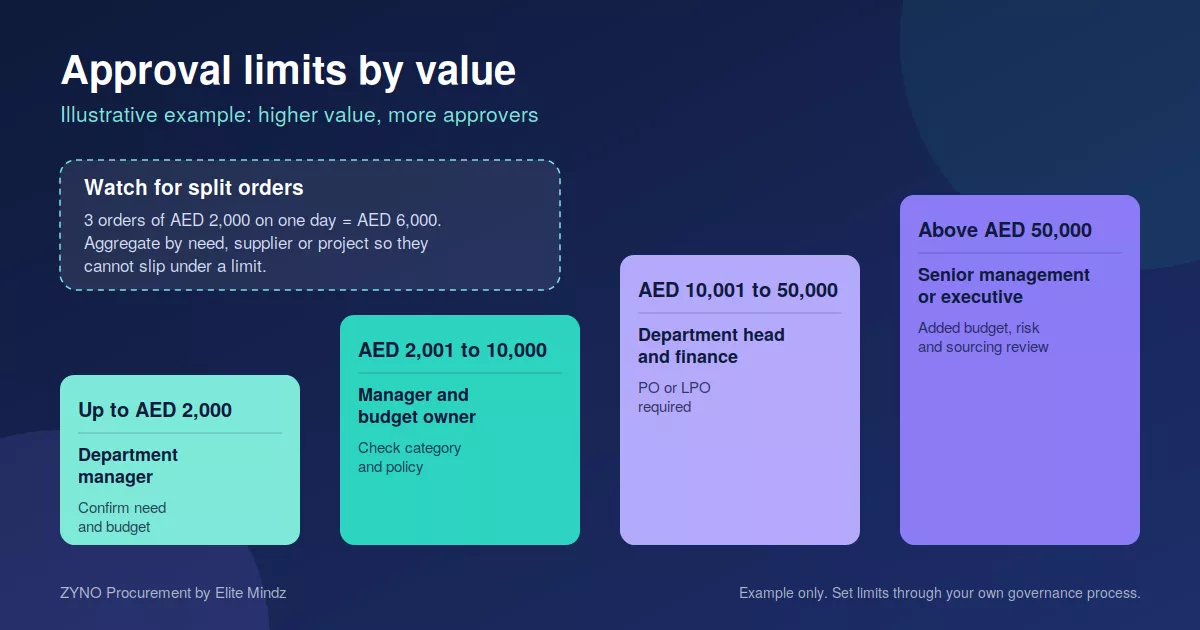
The table below is an illustrative example only. These amounts are not UAE legal requirements or universal standards. Set your own thresholds through your company's governance process, based on delegated authority, purchasing volume, financial exposure and risk.
Purchase Approval Matrix - UAE
| Illustrative Purchase Value | Example Approval Route | Example Additional Controls |
|---|---|---|
| Up to AED 2,000 | Department manager | Confirm need and budget; PO or LPO per policy |
| AED 2,001 to 10,000 | Department manager and budget owner | Check category and policy; quotation per policy |
| AED 10,001 to 50,000 | Department head and finance | Apply company sourcing rules; PO or LPO required |
| Above AED 50,000 | Senior management or authorized executive | Added review of budget, risk and sourcing; PO or LPO required |
Do not rely on value alone. A small purchase from an unapproved supplier, an unusual transaction or an unbudgeted expense may need extra review. A routine purchase under an existing contract may follow a simpler route if the policy allows it.
Also decide what the limit applies to: a single purchase, a total commitment, a contract value or recurring spend. Otherwise a large purchase can be split to avoid the control.
Illustrative example of a split purchase. Under the example matrix above, a manager can approve up to AED 2,000 alone. A team needs AED 6,000 of equipment and sends three separate AED 2,000 orders on the same day. Each looks compliant; together they should have needed the budget owner. A rule that aggregates purchases for the same need, supplier or project within a set period closes this gap.
Foreign-currency purchases. State which exchange rate applies when converting a foreign-currency request into AED for the approval limit (for example, the rate on the request date), so the same purchase is not approved at different levels.
Use this checklist when writing or reviewing your policy.
Purchase Policy Framework
| Policy Question | What to Define |
|---|---|
| Who can request a purchase? | Eligible employees, departments and authorized requesters |
| Who approves the request? | Named roles, spending limits and delegated authority |
| What if spending exceeds the limit? | The next approval level and any extra checks |
| What if the purchase is unbudgeted? | Required budget review and exception approval |
| Are quotations required? | Sourcing rules by value, category or risk |
| Who can issue the PO or LPO? | Roles authorized to commit the company to suppliers |
| Can someone approve their own request? | Separation-of-duties rules and independent review |
| How are emergencies handled? | Fast-track approval, documentation and later review |
| What records are kept? | Request, decision, supporting documents, PO and invoice records |
| Who monitors compliance? | Responsible teams, reporting frequency and exception handling |
Sample clause you can adapt (have HR or legal review it before adoption):
No PO, no payment. Invoices for goods or services not covered by an approved purchase order or a documented emergency exception will be held until Finance has reviewed them. The employee who placed the order must submit a written explanation to Procurement and their manager. Finance will decide whether to ratify, reject or return the purchase.
Review the policy whenever your structure, spending authority, purchasing categories or operations change. If you operate across Dubai, Abu Dhabi and other emirates, state whether the same rules apply to every branch and legal entity, or whether local budget owners and approvers differ.
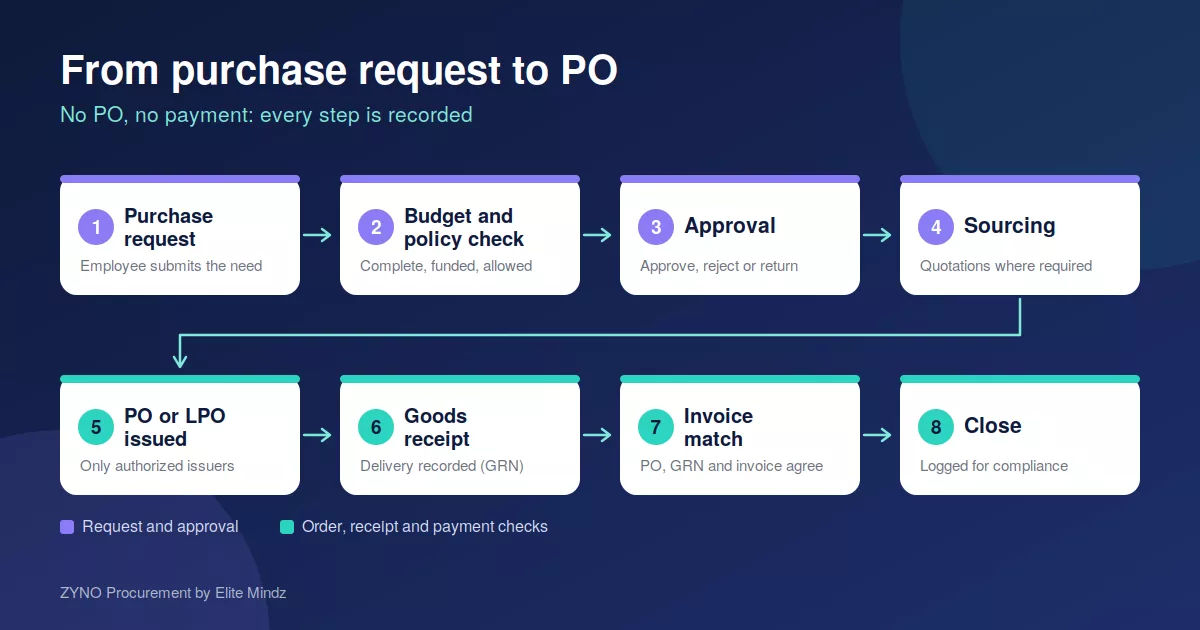
A clear workflow gives employees one route and gives management visibility of every request.
A rejected request should not progress to ordering. A request missing information should go back to the requester. An over-budget request should follow the exception route. You should also be able to see where each request is waiting, who owns the next action and when to escalate.
[Diagram: request-to-PO flow, matching the eight steps above. Alt text: purchase request, budget and policy check, approval, sourcing, PO or LPO, goods receipt, invoice match, close.]
A PO process does not cover every route money takes. Unapproved spending also happens through company cards, personal cards that are later reimbursed, and petty cash. Close these gaps with the same principle: the approval comes before the spend.
Tools that support virtual cards, petty cash and expense rules, such as ZYNO Expenz, can enforce these rules at the point of spend. Card controls and purchase approvals solve different parts of the problem, so most growing businesses need both.
Sooner or later an invoice arrives for something nobody approved. Decide the response in advance so it is consistent and fair.
Tell suppliers in writing that orders without a valid PO number may not be honored. It protects both sides and gives your team a simple reason to say no.

The right controls depend on the business, but some considerations are specific to companies working across UAE branches, sites and supplier networks.
Project teams need materials, equipment and subcontract services at specific sites. Define site-level requesters, project budget owners, urgent maintenance exceptions and who may issue supplier orders.
Recurring stock purchases create large commitments. Set controls for replenishment, approved suppliers, existing contracts and purchases above planned quantities or budgets.
Production stoppages and equipment failures may need urgent buying. A documented emergency route lets you respond quickly without losing the record of who authorized the spend.
Define which department, branch, project or legal entity owns each budget. Route requests to the correct authorized approver and record the purchase against the right entity.
The UAE is moving businesses to mandatory e-invoicing, and the approval trail matters more once invoices arrive as structured data. According to the Ministry of Finance's published timeline as reported by advisers, businesses with annual revenue of AED 50 million or more must appoint an Accredited Service Provider (ASP) by 30 October 2026 (extended from 31 July 2026) and go live from 1 January 2027. Other businesses follow, with an ASP to be appointed by 31 March 2027 and go-live from 1 July 2027. The mandate applies to businesses operating in the UAE regardless of VAT registration. Dates have already been amended once, so confirm the current position on the Ministry of Finance e-invoicing page and the Federal Tax Authority website before you plan.
Two practical points for procurement and finance:
Internal approval limits are set by your own governance process. They are not UAE statutory thresholds, and this guide is not tax or legal advice. If your invoicing system is changing, ZYNO Books e-invoicing is one option to review alongside your procurement controls. For a wider look at the category, see our guide to procurement software in the UAE.
Purchase approval workflow software helps a company apply its purchasing rules consistently. It cannot guarantee that nobody ever buys outside the process; that also depends on your payment, supplier and card controls.
A good system can:
Process Comparison Table
| Control Requirement | Email and Spreadsheets | Dedicated Workflow Software |
|---|---|---|
| Request submission | Instructions and forms spread across channels | One central place, if configured |
| Approval routing | People forward requests by hand | Rules can route requests automatically |
| Spending limits | Employees check a policy separately | Configured rules can flag or route defined exceptions |
| Approval history | Scattered across messages | Decisions recorded in one place |
| Request status | Someone updates a tracker | Status visible on a dashboard |
| PO handoff | Details re-entered by hand | Approved data can carry into PO creation |
| Compliance review | Manual collation | Central records support reporting |
A small business with few, simple purchases can keep good control with a well-run manual process. A business with many requesters, several approval levels, frequent exceptions or multiple locations is more likely to benefit from a dedicated system.
Before choosing, prepare realistic purchasing scenarios and ask each vendor to demonstrate them.
During a demo, ask to see a routine purchase, an over-budget request, an urgent purchase, a rejected request, and an order that cannot proceed until approval is complete. Also ask how the system helps you detect an employee trying to bypass it, because software that records approvals is useful only if your process also catches off-system buying.
Simplify purchase approvals, enforce spending limits, track purchase requests, and improve spending visibility with a smarter procurement workflow. Keep every purchase accountable while helping your team work efficiently.

Disclosure: ZYNO Procurement is Elite Mindz's product. We have tried to keep this section factual, and we suggest you test any vendor against your own scenarios.
The ZYNO Purchase Request module brings purchase requests and approvals into one workflow. It lets you:
If you also need supplier sourcing, see Quotation Management and Vendor Management. For receiving and invoice checks, see GRN and Account Payable. The wider ZYNO Procurement platform connects these stages, and our Middle East procurement page covers regional use.
[Screenshot: ZYNO purchase request with budget check, using AED sample data. Alt text: ZYNO purchase request showing amount in AED, budget status and approval history.]
The important question is whether these capabilities can be configured to match your own policy and delegated authority. In a demo, ask the team to show how:
Book a ZYNO Procurement demo and see how your approval limits, exception rules and request-to-PO process could work in ZYNO, or start a 14-day free trial.
Start with a baseline, then review the same measures regularly.
|
Metric |
What it tells you |
|
Purchases made without required approval |
Whether people are bypassing the process |
|
Percentage of purchases compliant with policy |
How consistently rules are followed |
|
Requests awaiting approval |
Where work is piling up |
|
Average time from request to decision |
Whether controls cause avoidable delay |
|
Requests returned for missing information |
Whether people understand what to submit |
|
Emergency purchases and their reasons |
Whether exceptions are becoming routine |
|
Invoice-to-PO mismatches |
Whether purchasing and finance records agree |
|
Repeat exceptions by department |
Where training or process changes are needed |
Do not judge the process only by how fast managers approve. A fast approval that ignores budget, supplier or policy is not an effective control. Tools like ZYNO Spend Analytics can help report on these measures. The aim is fewer unauthorized commitments while legitimate purchases keep moving.
Create a written purchasing policy, define spending authority, require a purchase request before any commitment, route requests to authorized approvers and control who issues POs. Review transactions made outside the process and address why they happened.
It is the sequence of steps a purchase request follows before the business authorizes the spend. It defines who reviews the request, which checks apply, how exceptions are handled and when procurement can proceed.
Set limits according to your budget structure, delegated authority, purchasing risk and financial exposure. Define the approval route for each threshold, and add requirements for unbudgeted, unusual or higher-risk purchases. Aggregate split orders.
They should follow your purchasing policy. Where a PO is mandatory, no one should commit the company before approval and PO issuance, except through a documented, authorized exception.
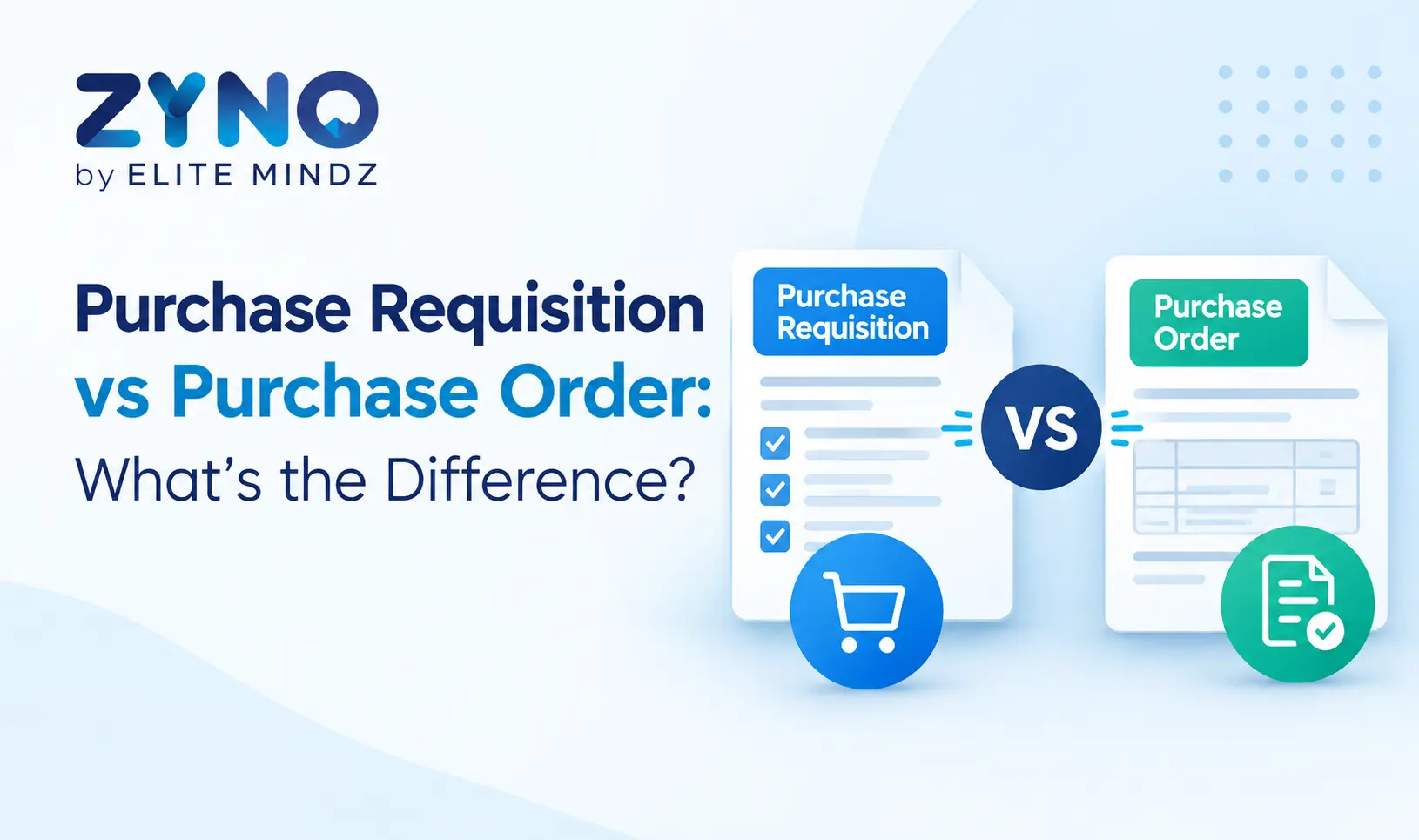
A purchase request (or requisition) is an internal request for permission to buy. A purchase order, often called an LPO in the UAE, is the formal document an authorized person issues to a supplier. Approving the request does not mean the supplier order has been placed.
Create a defined emergency route with named approvers, clear qualifying circumstances, minimum documentation and a requirement to record and review the purchase afterwards.
Compare purchase records, supplier invoices, payment records and POs. Track invoices without a PO, mismatches between invoice and order, repeat exceptions and departments that often bypass the process.
Hold payment, review what was bought and why, then ratify with a documented reason, renegotiate, return the goods or reject the invoice under your policy. Record the exception and fix the cause.
It can apply configured rules and route, flag or restrict defined exceptions where the product supports that. It cannot guarantee all off-system spending is prevented unless your wider purchasing and payment processes reinforce it.
Define the budget owner and approval authority for each branch, project or legal entity. Use consistent policies where possible, document local exceptions and keep central visibility of purchasing.
Configurable routing, budget visibility and checks, request tracking, supporting documents, approval history, mobile approval, exception handling, PO handoff, reporting and relevant ERP or accounting integrations. Test them with your own scenarios.
Stopping unauthorized purchases is not just a matter of telling people to ask permission. You need clear spending authority, a practical request process, sensible approval limits, controlled PO issuance, a plan for purchases that already happened, and a way to see exceptions.
For UAE organizations with several departments, sites or branches, the process should be strict enough to protect company funds and practical enough that nobody has to bypass it to get legitimate work done.
Start by documenting your approval policy and finding where purchases currently escape the process. Then test whether your tools can enforce it.
If manual approvals, scattered records and limited visibility are making purchasing hard to manage, explore ZYNO Purchase Request and book a demo based on your actual approval rules and purchasing workflow.
Procurement Software Trends in 2026: What to Expect
Read More →
Why E-Procurement Outperforms Traditional ERP in Modern Procurement
Read More →
Top Procurement Software in India: 12 Best Options for 2026
Read More →
Best Procurement Software Companies in Kuwait (2025)
Read More →
5 Best Procurement Software in Africa for Enterprises & SMEs (2026 Guide)
Read More →
Best Procurement Software in Nigeria 2026 | Top 5 Picks
Read More →
Best Procurement Software Providers in USA (2025): How AI is Transforming the Future
Read More →
10 Best Procurement Software Providers in Thailand for Streamlined Supply Chain Management
Read More →
Top 10 Cloud-Based Procurement Solutions in Portugal for Businesses in 2025
Read More →
Top 10 Procurement Software Providers in Switzerland 2026: Streamlining Sourcing and Supplier Management
Read More →
What Makes ZYNO Procurement Different from Other Oil & Gas Procurement Software
Read More →
The Digital Transformation of Logistics Procurement in the Middle East
Read More →
A Step by Step Guide to Procurement Management Software for Modern Enterprises
Read More →
Sourcing and Procurement: What is the Difference and Why It Matters
Read More →Difference Between Procurement and Supply Chain Management
Read More →
What Is Procurement Software and Why Do Modern Businesses Need It?
Read More →
Best Procurement Management Software to Automate ERP Process
Read More →
Direct vs Indirect Procurement: Key Differences, Examples & Uses (2026)
Read More →
Smart procurement strategies for cost optimization & risk management
Read More →
What Is Procurement? Everything You Need to Know (Types, Process & SAP)
Read More →Beyond Cost-Cutting: How Procurement Drives Margin Expansion in 2026
Read More →
Direct Procurement: Process, Examples, and When to Use It
Read More →
What Are the 5 Types of E-Procurement? A Complete Guide for Businesses
Read More →
Which Procurement Management Software Is Best? Top Tools Compared for 2026
Read More →
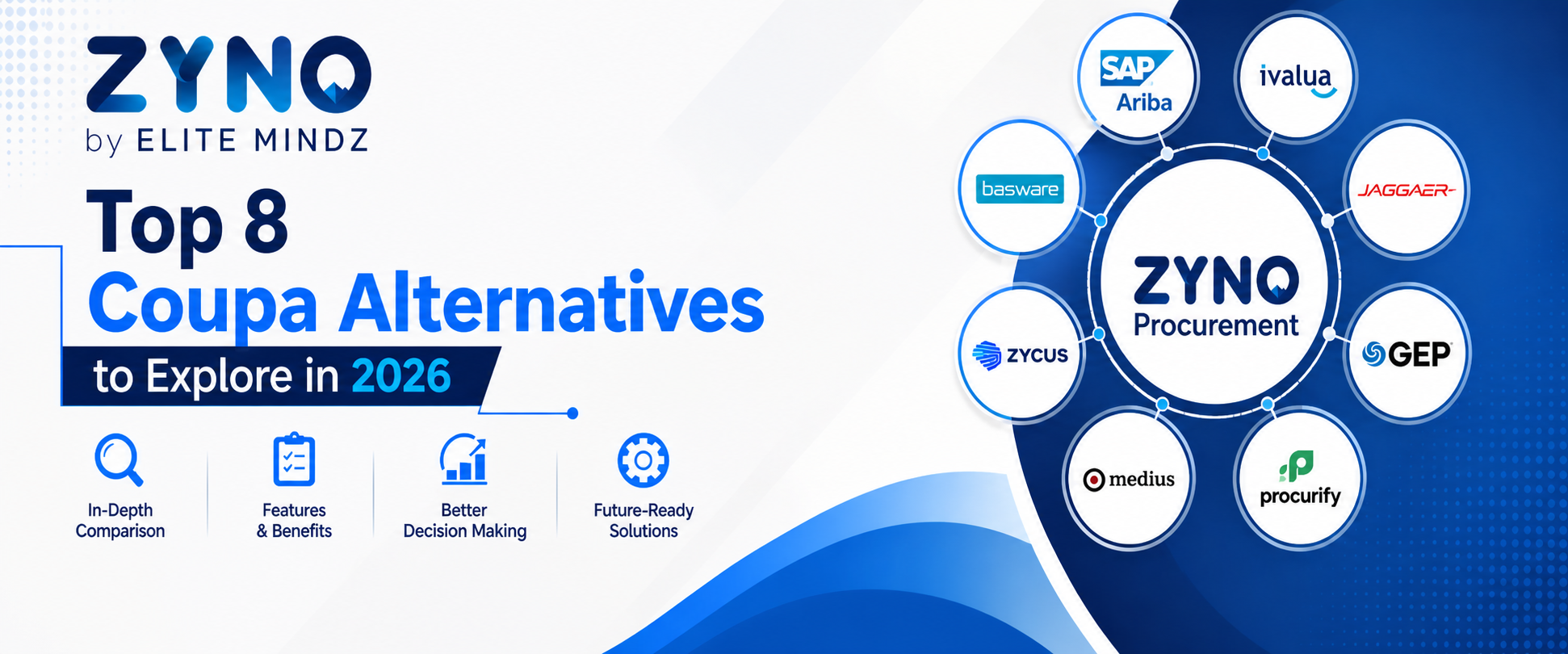
Top 8 Coupa Alternatives to Explore in 2026
Read More →
Looking to Replace Coupa? Discover the Best Alternatives Like ZYNO Procurement
Read More →
How Does Procurement Software Work? A Complete Guide
Read More →
ZYNO Procurement vs Coupa: Best Procurement Software Comparison for Mid-Market Teams
Read More →
10 Best SAP Ariba Alternatives and Competitors in 2026
Read More →
ZYNO Procurement vs SAP Ariba: Which Solution Is More User-Friendly?
Read More →
AI-Powered Procurement Management Software for Fast, Connected, and Visible Workflows in Dubai
Read More →
What is Vendor Management? Complete Guide to Vendor Management Software, Systems, and Processes
Read More →
Best Procurement Management Software In Kenya
Read More →
6 SAP Ariba Alternatives for Mid-Market Businesses in 2026
Read More →
Top E-Procurement Solutions for B2B Organizations (2026)
Read More →
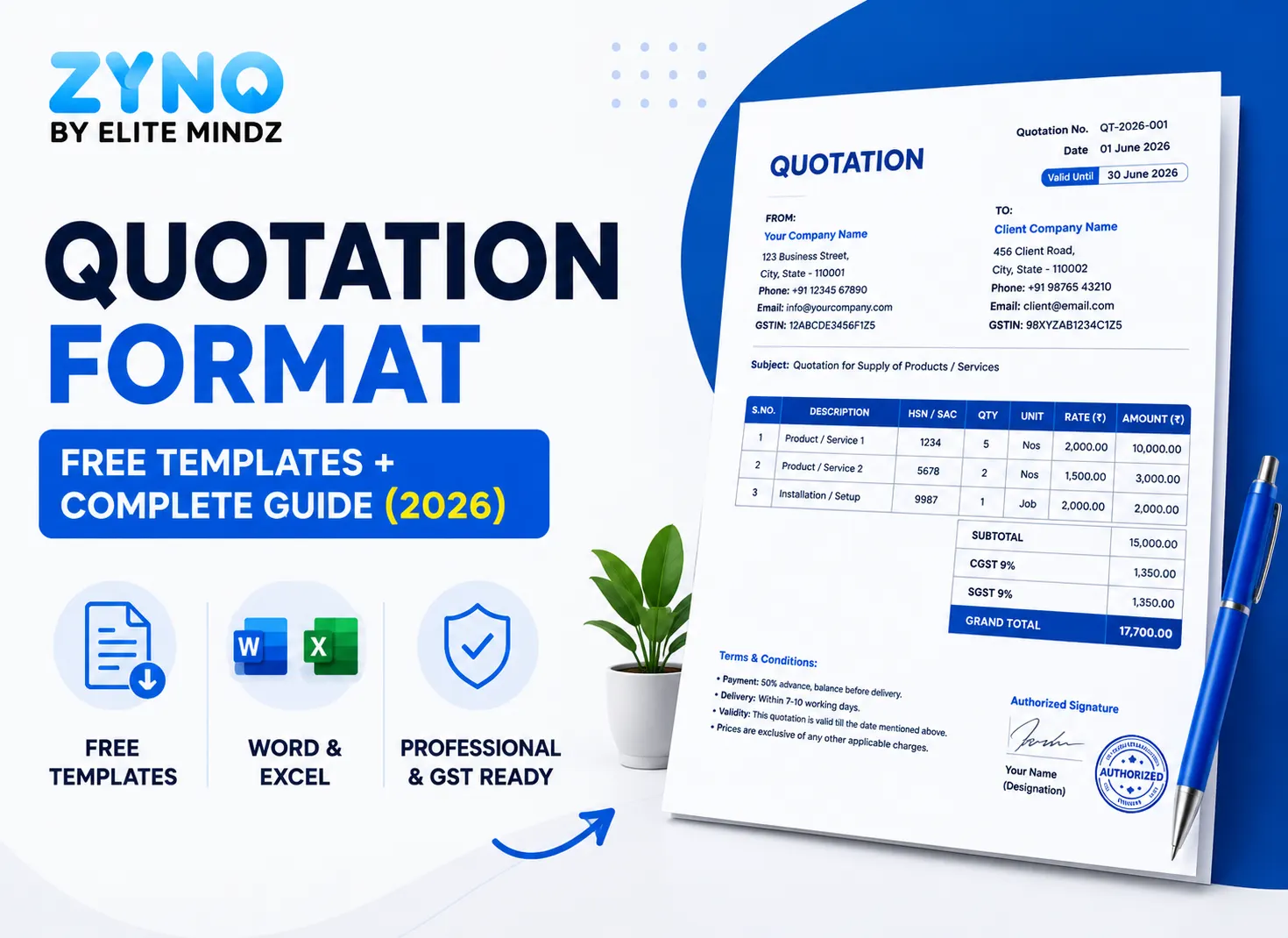
Quotation Format: Free Templates + Complete Guide (2026)
Read More →
Cost Control Software: Features, Benefits & Performance Guide for 2026
Read More →
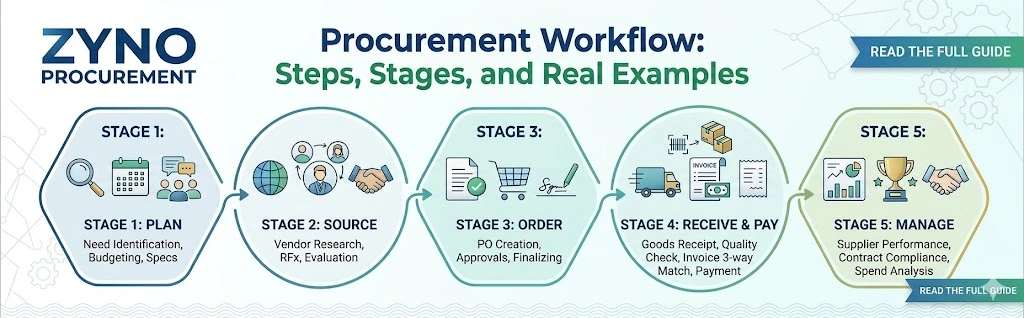
Procurement Workflow: Steps, Stages, and Real Examples
Read More →
Top 10 Zycus Alternatives for Procurement Teams in 2026
Read More →
Best Precoro Alternative for Purchase Requisition and Procurement
Read More →
Top AI Procurement Tools in 2026
Read More →
Best Tools for Supplier Risk Management
Read More →
FEFO vs FIFO vs LIFO: Differences, Benefits & Which Inventory Method Is Best?
Read More →
AI Procurement Software: Features, Benefits, Use Cases & How to Choose
Read More →
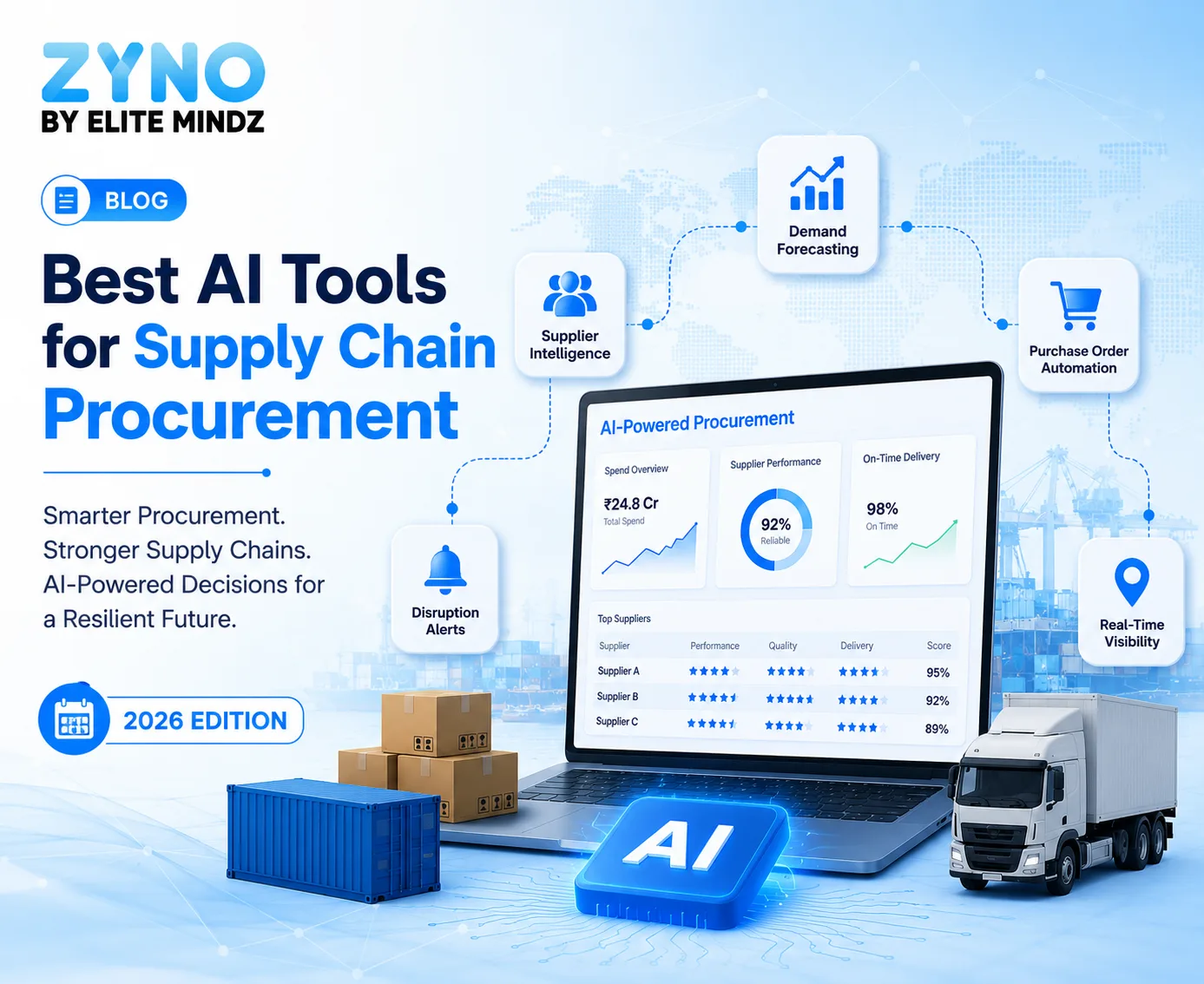
Best AI Tools for Supply Chain Procurement
Read More →
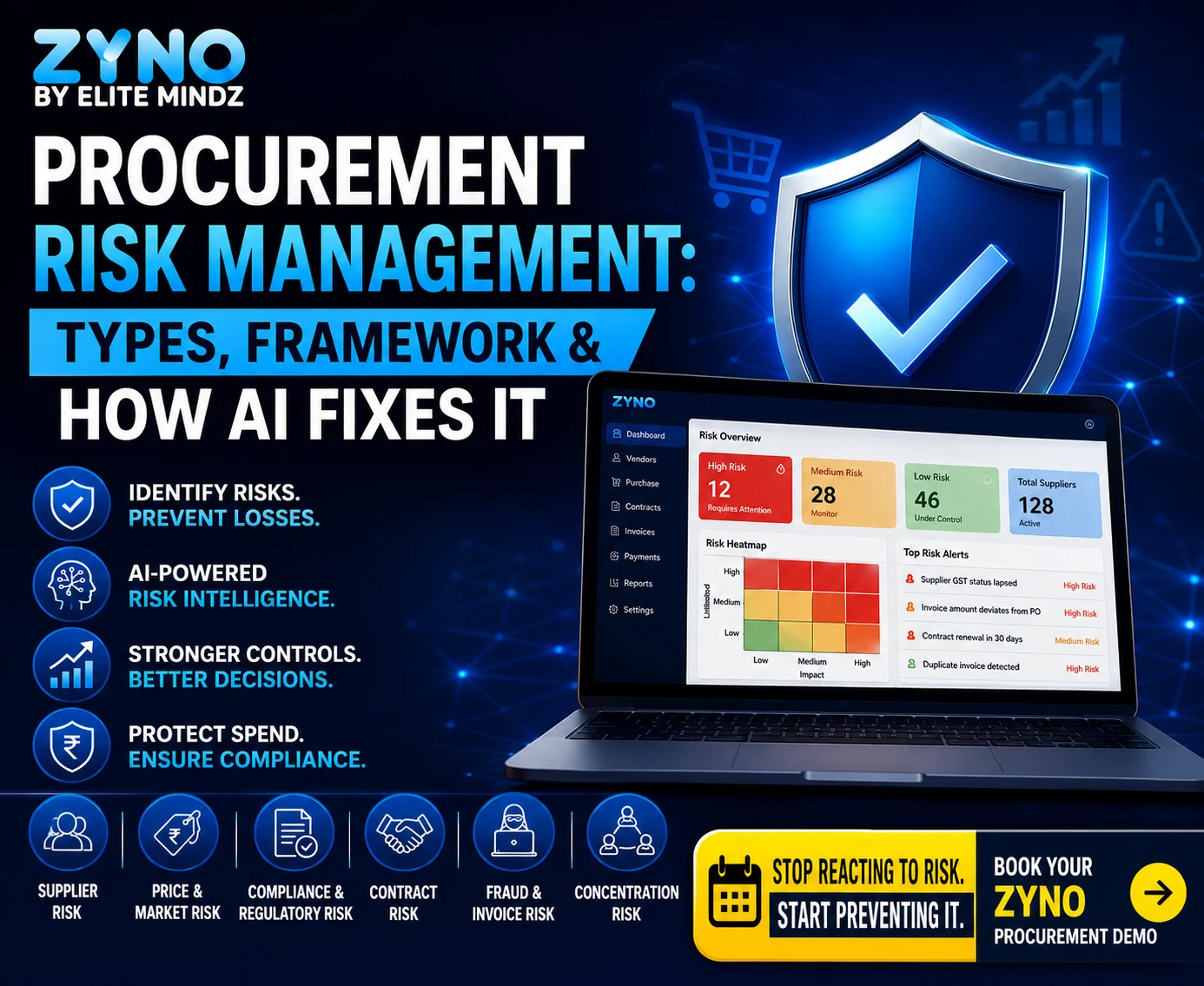
Procurement Risk Management
Read More →
Still Using Excel for Procurement? Read This Before It's Too Late
Read More →
Best RFP Software in 2026: Top Tools Compared for Faster Proposal Responses
Read More →
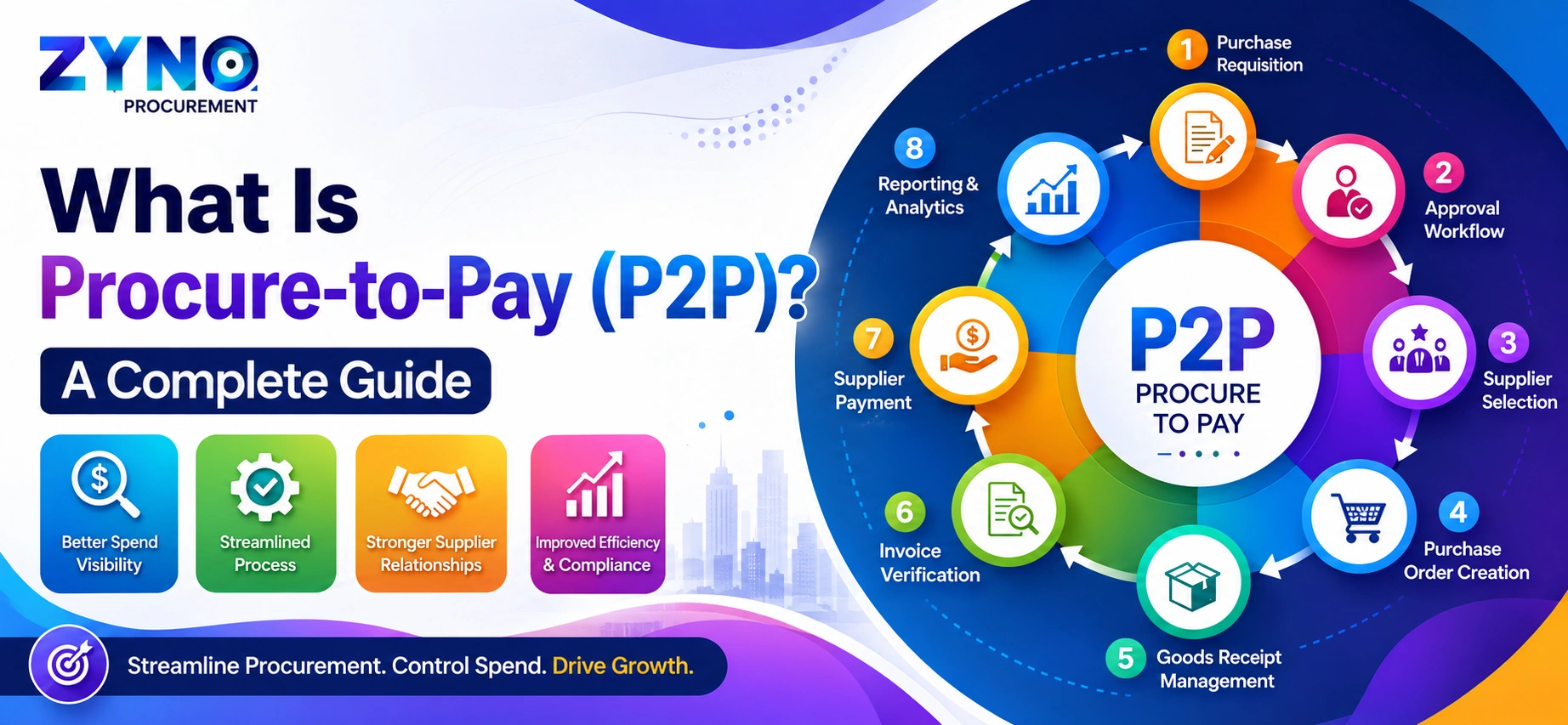
What Is Procure-to-Pay (P2P)? A Complete Guide
Read More →
Complete Procurement Workflow Guide for Modern Businesses
Read More →
Complete Guide to E-Procurement Solutions for B2B Organizations
Read More →
Cost Control Software Comparison Guide: Features, Pricing & Benefits
Read More →
Purchase Order Tracking: How to Manage Every PO Without the Chaos
Read More →
Inventory Management: What It Is, How It Works and Why It Matters
Read More →
Top 10 Procurement Software Tools for Purchasing Automation in 2026
Read More →
Agentic AI Procurement Platforms and the Future of Strategic Sourcing
Read More →
AI Spend Analytics Software for Procurement Leaders
Read More →
From Prompt to Procurement: How AI Is Transforming Enterprise Purchasing
Read More →
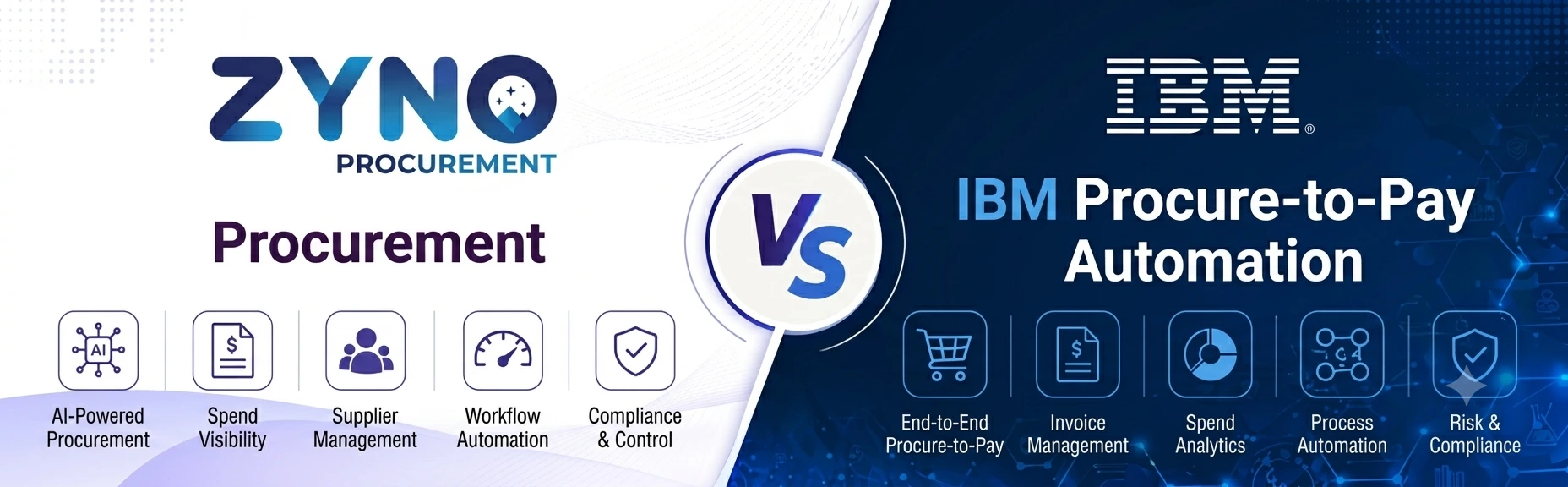
ZYNO Procurement vs IBM Procure-to-Pay Automation
Read More →
ZYNO Procurement vs Infor Nexus: Which Procure-to-Pay Platform Fits Your Team?
Read More →
AI-Powered Procurement Software in 2026: Top 6 Platforms That Actually Deliver ROI
Read More →
Contract Management Software Buyer's Guide: Features, Costs & Top Picks
Read More →
Top 10 Procure to Pay Software Companies in India 2026
Read More →
10 Best Vendor Management Software in India (2026): Features, Benefits & Comparison
Read More →
How Machine Learning and AI Are Transforming Procurement: A Strategic Overview
Read More →
What Is Procurement Software for GP? Features, Benefits and Best Solutions for Businesses
Read More →
What Procurement Software Do Mid-Market Companies Use Instead of SAP Ariba or Coupa?
Read More →
Prompt-Based Procurement Software for Kenyan Businesses
Read More →
Project Management Software: A Complete Guide to Streamline Business Operations and Procurement Processes
Read More →
SAP Ariba vs ZYNO Procurement: Complete Feature Comparison (2026)
Read More →
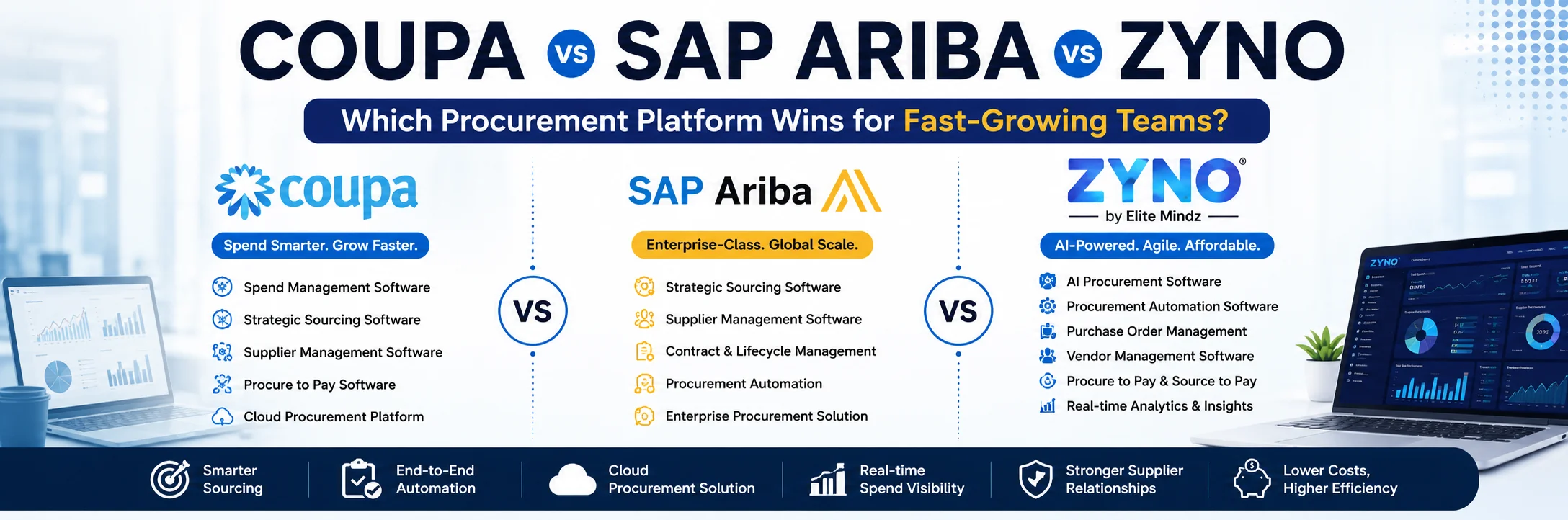
Coupa vs SAP Ariba vs ZYNO: Which Procurement Platform Wins for Fast-Growing Teams?
Read More →
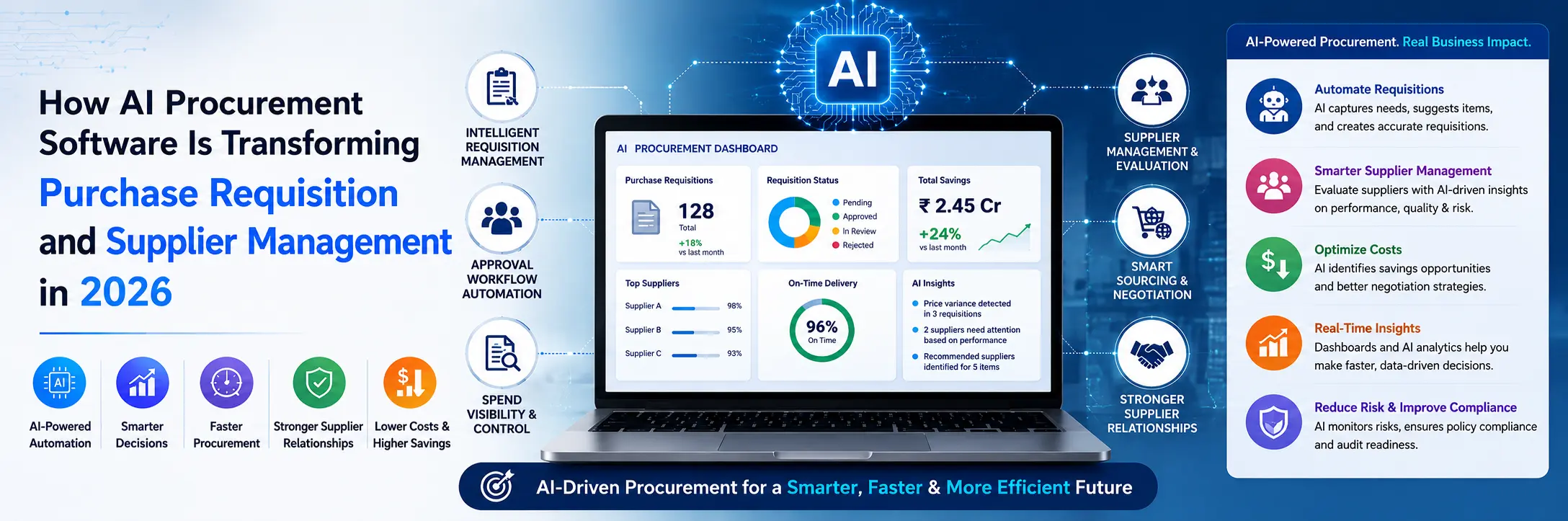
How AI Procurement Software Is Transforming Purchase Requisition and Supplier Management in 2026
Read More →
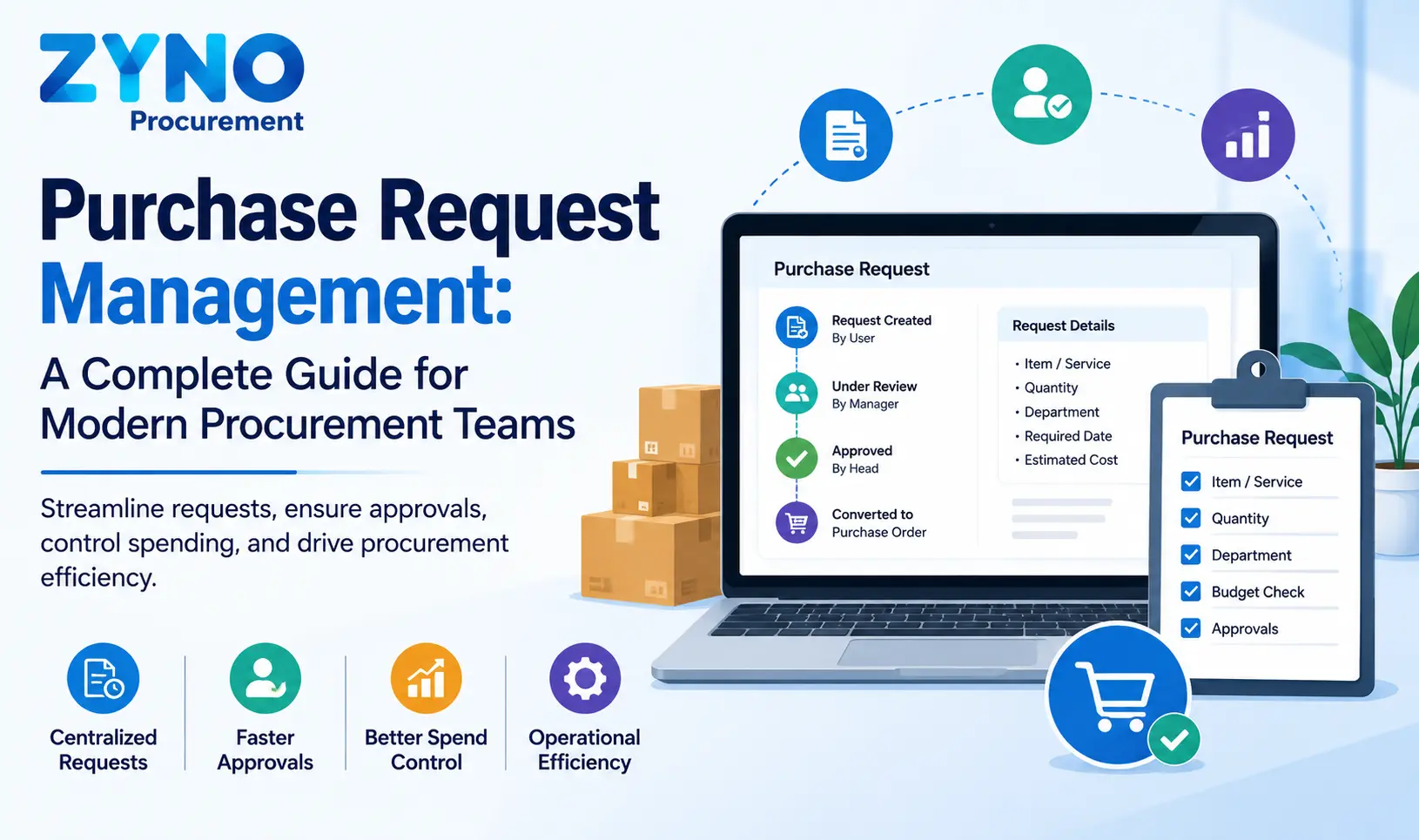
Purchase Request Management: A Complete Guide for Modern Procurement Teams
Read More →
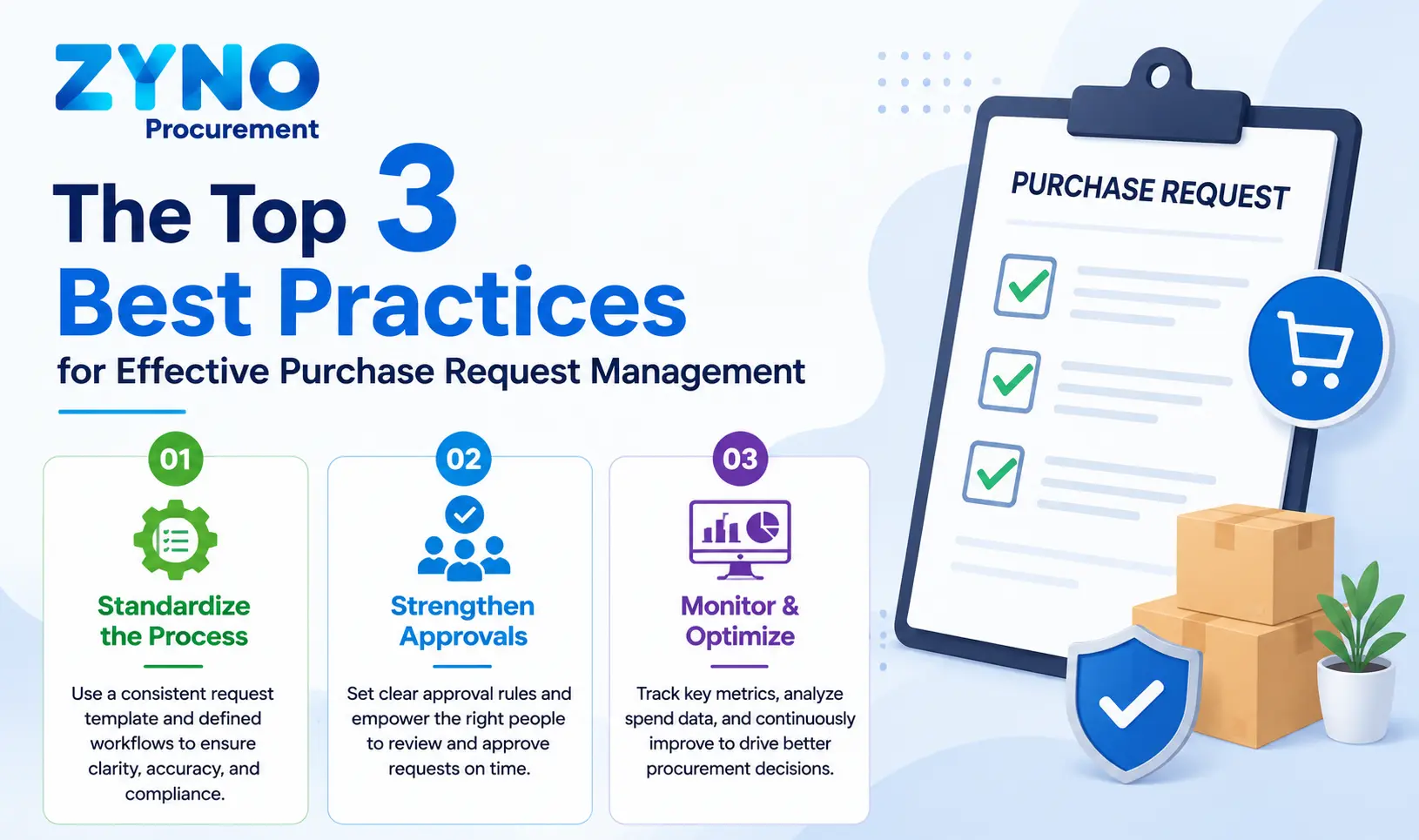
The Top 3 Best Practices for Effective Purchase Request Management
Read More →
What Is Purchase Order Automation? How to Automate Purchase Order Processing
Read More →
5 Common Purchase Request Mistakes and How to Avoid Them
Read More →
What is Supplier Relationship Management in Procurement? A Complete Guide
Read More →
What is Strategic Vendor Management? A Complete Guide for Modern Procurement
Read More →
What Are Inventory Control Methods? Complete Guide to Types, Techniques, Systems, & Benefits
Read More →
Inventory Audit Checklist: Steps, Process & Best Practices
Read More →
Warehouse Inventory Management: Best Practices for 2026
Read More →
Treasury Management System (TMS): A Complete Guide for Modern Corporates
Read More →
What is Portfolio Management Services (PMS) and What Are Its Benefits?
Read More →
Generative AI Procurement Software Solution: The Future of Intelligent Procurement
Read More →
Top Contract Management Software Companies in Ethiopia: Features, Benefits & Best Procurement Solutions
Read More →
AI Procurement Software: Complete Guide to Intelligent, Generative AI & Machine Learning Procurement Solutions
Read More →
Top SAP alternatives for small, midsize, and enterprise businesses
Read More →
Best RFP Software in 2026: Top Solutions for Smarter Procurement and Proposal Management
Read More →
GST on Purchase: Complete Guide to GST on Purchases in India
Read More →
Procurement Software in the UAE: How to Choose the Right Solution
Read More →
Supply Chain Procurement: Everything You Need to Know
Read More →
Top 10 Oracle Procurement Alternatives for Businesses in 2026
Read More →
Quotation Software vs Excel: Which Is Better for Businesses in 2026?
Read More →
Contract Management Software Buyer's Guide: Features, Pricing & How to Choose
Read More →
How to Identify the Right Vendor: 10 Simple Steps
Read More →
Top 10 Automated PO Generation Tools in 2026: Best Purchase Order Software with AI Capabilities
Read More →
How to Generate a PO Automatically in SAP: Step-by-Step Guide
Read More →
What Is the Best Budget-Friendly Procurement Software With Vendor Onboarding for Indian SMEs?
Read More →
How to Generate a PO Automatically in SAP: Step-by-Step Guide
Read More →
How to Solve Invoice Mismatches: 10 Real Ways to Fix Invoice Discrepancies
Read More →
Top 10 Vendor Onboarding Tools for Businesses in 2026: Features, Process & How to Choose
Read More →
Vendor Comparison & Supplier Intelligence: How AI Helps Businesses Choose the Right Vendor
Read More →
How to Choose the Right Procurement Management Software in 2026 (Complete Buyer's Guide)
Read More →
How to Reduce Procurement Costs: 18 Practical Strategies That Actually Work
Read More →
How to Choose the Right Procurement Management Software in 2026 (Complete Buyer's Guide)
Read More →
How to Calculate Procurement Software ROI: Formula, Example & Calculator
Read More →
Procurement Software Evaluation Checklist: 35 Criteria for Choosing the Right Platform
Read More →
How Businesses Can Improve Vendor Performance and Manage Supplier Risk
Read More →
Procure-to-Pay Process: Steps, Challenges & How to Automate It
Read More →
Purchase Requisition vs Purchase Order: What’s the Difference?
Read More →
10 Source-to-Pay Software Platforms to Consider in 2026
Read More →
Supplier Management Software Buying Guide: How to Choose the Right Platform
Read More →
Procurement Automation Guide: How It Works, What to Automate & How to Implement It
Read More →
Procurement Software Features: 12 Must-Have Capabilities to Look For
Read More →
Best E-Procurement Software in 2026: Top Electronic Procurement Systems for Modern Businesses
Read More →
AI in Vendor Management: Complete Guide to Automated Supplier Scoring and Supply Chain Risk Analysis
Read More →
Procurement Software vs ERP: What's the Difference and Which Do You Need?
Read More →
How to Reduce P2P Cycle Time: 9 Practical Strategies for Procurement Teams
Read More →
Procurement Software for Oil & Gas Companies in UAE and Saudi Arabia
Read More →
10 Vendor Onboarding Best Practices Every Business Should Follow (2026)
Read More →
10 Contract Clauses Every Business Should Review Before Signing a Supplier Agreement (2026 Checklist)
Read More →
10 Invoice Processing Mistakes That Delay Supplier Payments (and How to Fix Them)
Read More →Source-to-Pay vs Procure-to-Pay: Key Differences, Processes & Software Guide
Read More →
Procurement Challenges: 15 Common Problems & How to Solve Them
Read More →
Supplier Evaluation Criteria: 10 Factors Every Procurement Team Should Assess
Read More →
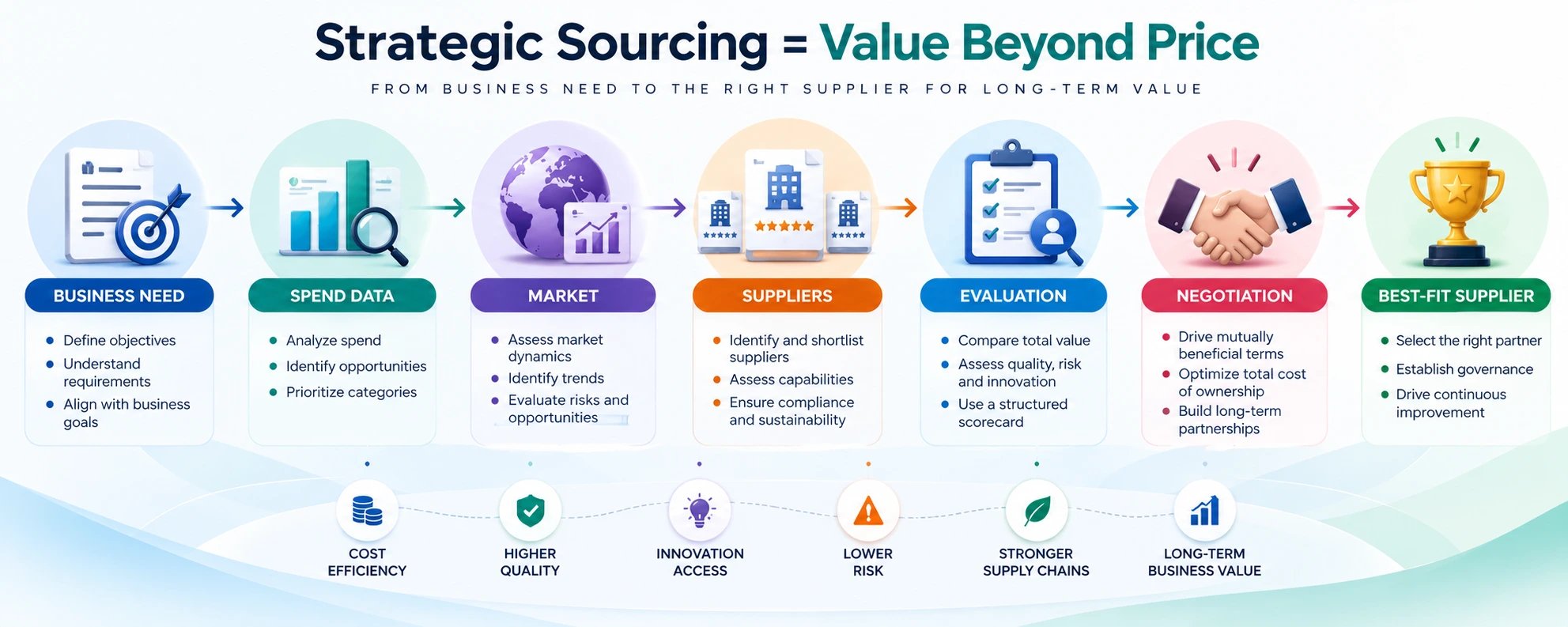
What Is Strategic Sourcing? Process, Benefits & Best Practices
Read More →
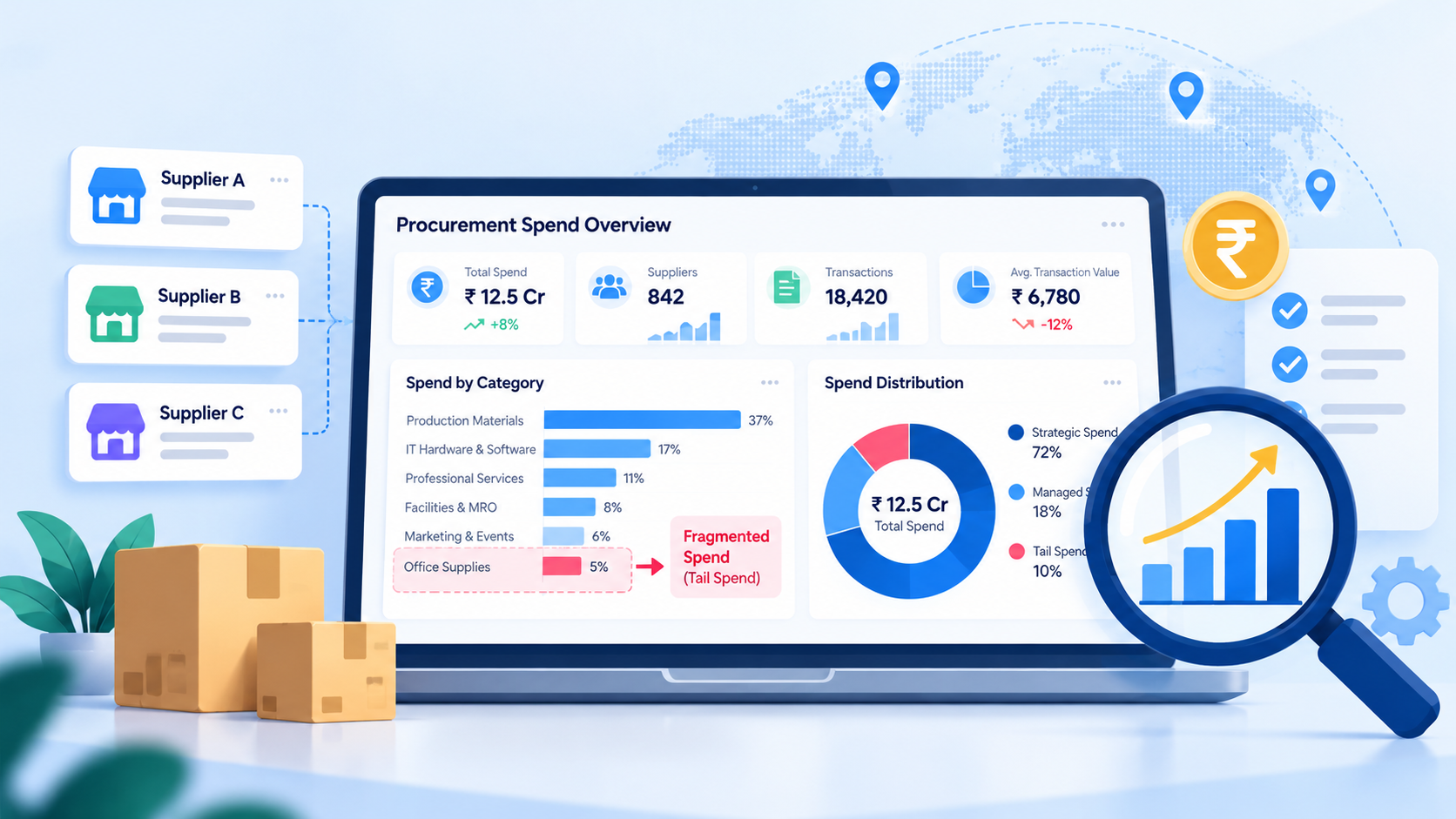
Tail Spend Analysis: How to Identify, Measure and Optimize Fragmented Spend
Read More →
Which Prompt-Based ERP Supports Procurement Automation and Analytics?
Read More →
How to Stop Employees from Making Purchases Without Approval in the UAE
Read More →
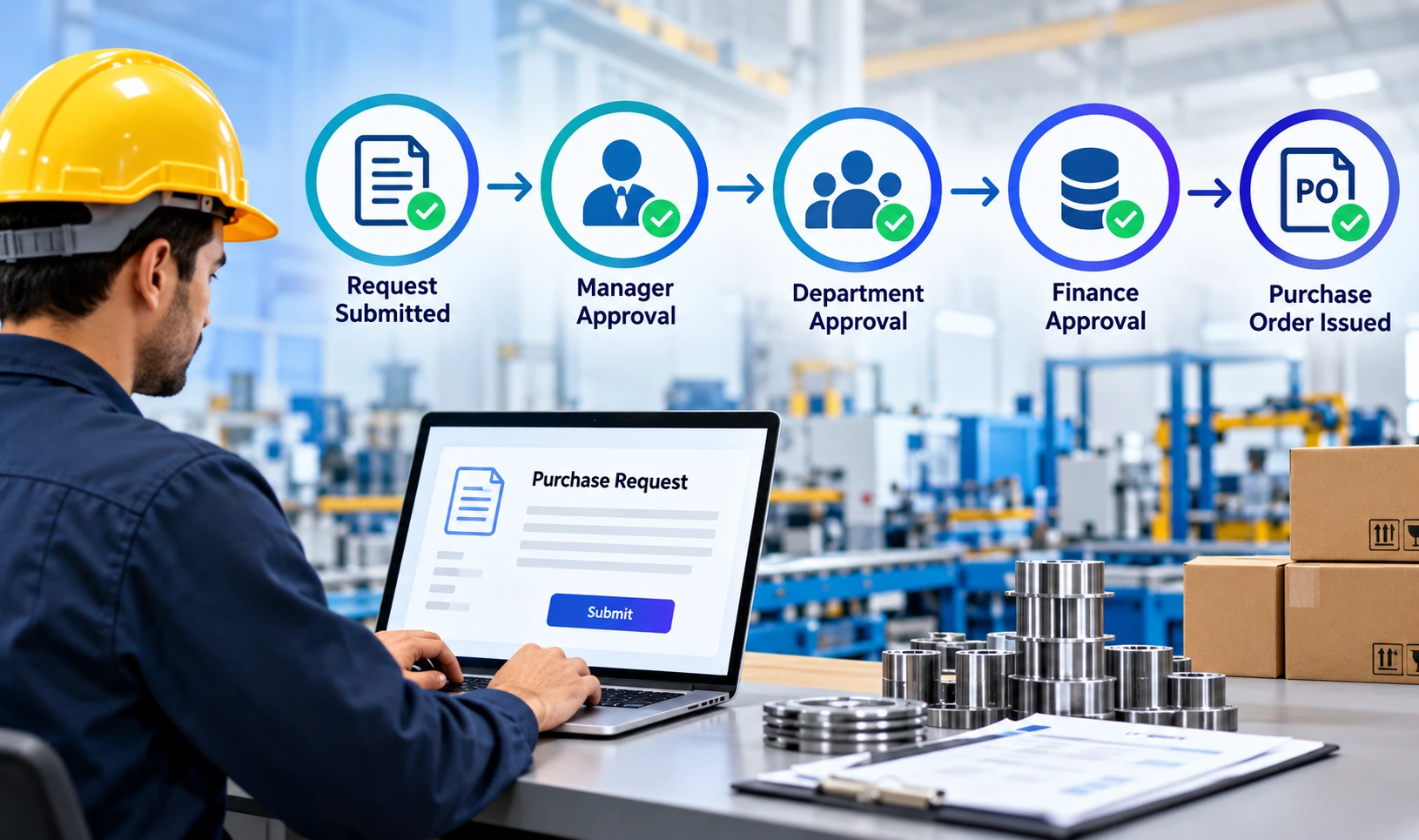
How to Build a Purchase Approval Workflow for Manufacturing Companies
Read More →
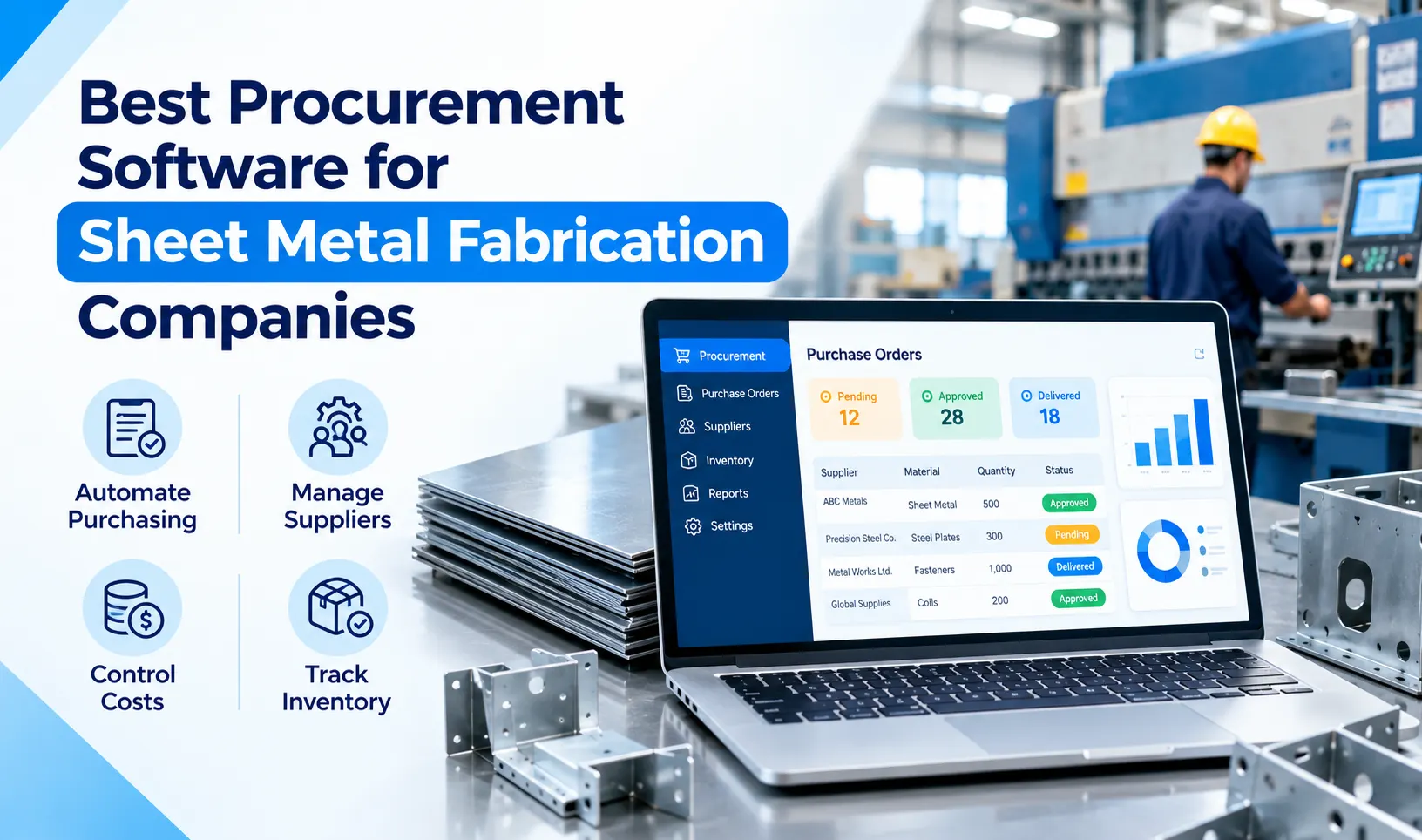
Best Procurement Software for Sheet Metal Fabrication Companies
Read More →
10 Best Procurement Software for Manufacturing Companies in 2026
Read More →
How to Compare Supplier Quotations and Choose the Right Supplier
Read More →
10 Best Contract Automation Software Tools for 2026
Read More →
Best Procurement Software for CNC Machining Companies: 8 Options Compared
Read More →Partner with ZYNO by Elite Mindz to revolutionize how your business works. Fill out the form, and we’ll reach out with AI-powered solutions made just for you.
We use browser cookies to ensure you get the best experience on our website. Learn more
The form was submitted successfully!